
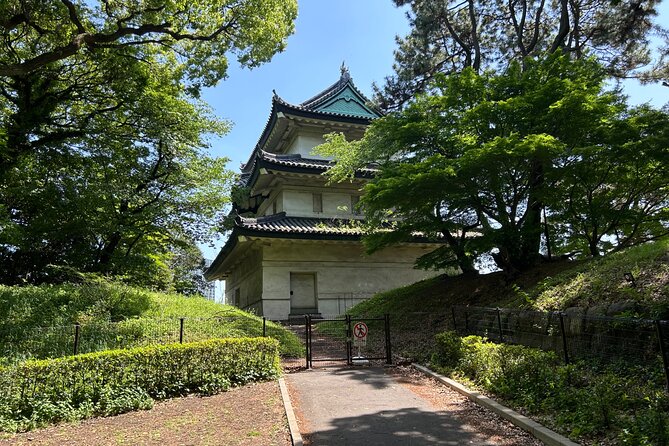
REVIEW · TOKYO TOWER, GINZA AND THE IMPERIAL PALACE
Tokyo: Imperial Palace and Shogun Historical Walking Tour
Tokyo’s Imperial grounds are calmer than you expect.
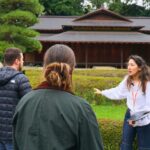
This guided walk turns the Imperial Palace East Gardens and the old Edo Castle site into a story you can follow, with a guide making the layout make sense fast. I love the small group feel, because it stays relaxed and you can ask questions, and I also love the focus on details like stone gates, castle-wall remnants, and the keep foundation you can actually stand on. One drawback to plan around: you are walking, and being late can matter because the gardens have set hours, as one guest learned the hard way.
Guides seem to be a big part of why this tour gets 5-star ratings. People specifically highlight guides like Blake, Jim Allen, Miguel, and Tony for clear, engaging explanations that connect the past (samurai and shoguns) to the present (the imperial family and modern Tokyo). The only real consideration is that the amount of historical context can be a lot for some people, so if you prefer lighter commentary, you may want to set that expectation with your guide.
In This Review
- Key things to know before you go
- Imperial Palace East Gardens, without the guesswork
- Meeting point at Starbucks, then a route bus tours miss
- Stop 1: East Gardens and Edo Castle ruins, where the ground tells the story
- Ninomaru Garden: ponds, seasonal flowers, and Edo-period refinement
- Why the guide stories add real value, not just facts
- Walking time, pace, and how not to get caught by closing hours
- Price and value: is $22 worth it?
- Who this tour suits best, and who should consider skipping
- Should you book this Imperial Palace and Shogun Historical Walking Tour?
- FAQ
- How long is the Imperial Palace East Gardens and Shogun historical walking tour?
- What is the price per person?
- Is an admission ticket included?
- Where do I meet for the tour?
- Does the tour end at the same meeting point?
- Is this tour limited to a small group?
- Do I get a mobile ticket?
- Can I cancel for free?
Key things to know before you go
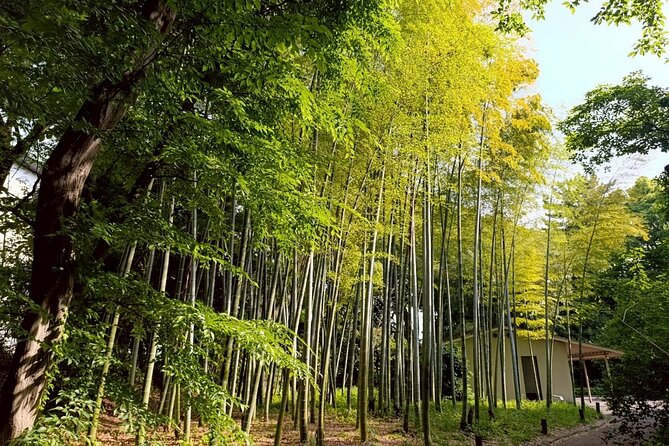
- Small group, max 15: easier pace, better questions, less waiting around.
- Admission ticket included: you do not have to juggle extra entry costs for this stop.
- Edo Castle ruins on your route: stone gates and keep foundation, not just generic sightseeing.
- Ninomaru Garden highlights: ponds and seasonal flowers that feel more “designed” than “random nature.”
- Guide names get praised: Blake, Jim Allen, Miguel, Tony, and others are repeatedly mentioned for lively storytelling.
- Start and end back at the same spot: Starbucks meeting point makes it simple to regroup.
The central Tokyo landmarks, reviewed one by one
- Flagship 2-Hours Official Street Go-Kart Tour – Tokyo Bay Shop
★ 5.0 · 4,974 reviews - Tokyo: Imperial Palace and Shogun Historical Walking Tour
★ 5.0 · 2,251 reviews - Tokyo: Meiji Shrine, Asakusa, Skytree Bus Tour and Cruise
★ 4.7 · 1,986 reviews - Tokyo Panoramic 1 Day: Meiji Shrine, Asakusa, Odaiba and SKYTREE®
★ 4.5 · 1,222 reviews
Imperial Palace East Gardens, without the guesswork

Tokyo has plenty of “big sights” that feel like checklists. This one feels different because you are walking through an area shaped by power, ceremony, and careful design, not neon and crowds. The Imperial Palace East Gardens sit in a very specific layer of Tokyo: the imperial era, laid over the older ground of Edo Castle. Once you know what you are looking at, the place becomes readable.
What I like most is that you are not stuck trying to piece together Japanese history by yourself while standing in the middle of massive stonework. The guide helps you navigate the grounds so you notice things you would likely miss if you just wandered. Expect stories tied to the imperial family and the former Edo Castle landscape, with explanations that help you understand what the spaces were for.
You also get a change of rhythm. City travel usually means stepping from one busy street into another. Here, the pace slows. You walk through gates, foundations, and gardens that actually feel like a pause. If you are trying to balance Tokyo’s energy with something quieter, this is a strong fit.
Meeting point at Starbucks, then a route bus tours miss
The tour starts at Starbucks Coffee – Kokyo Gaien Wadakura Fountain Park, 3-1 Kōkyogaien, Chiyoda City, Tokyo 100-0002, Japan. It ends back at the same meeting point, which is a relief when you are juggling transit and timing.
Why that matters: the Imperial Palace area can feel complicated, especially if you are navigating on your first day. A fixed meeting spot reduces mental load, and getting back to the same place means you can plan your next stop without guessing. The tour is also said to be near public transportation, which helps if you want to pair it with another walk that same morning or afternoon.
Another practical plus is that this is a walking tour that takes you to places bus tours cannot reach. You are not just watching scenery from one location. You are moving through the grounds in a way that lets you experience the scale and the layout. The small group size (up to 15) supports this. You will not be fighting for position or constantly waiting for someone to catch up.
Stop 1: East Gardens and Edo Castle ruins, where the ground tells the story
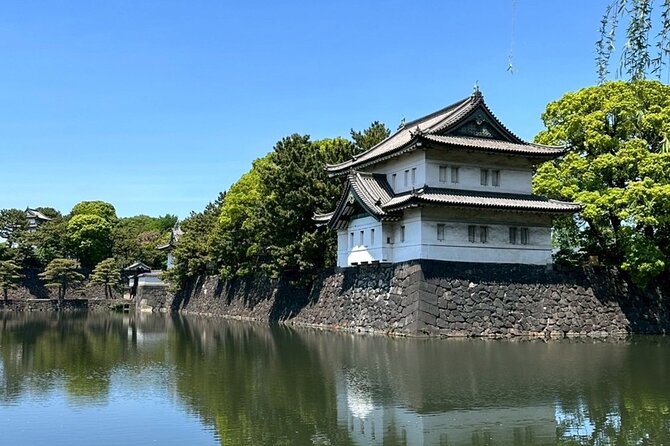
The core of the tour is the East Gardens of the Imperial Palace, specifically the Edo Castle ruin area. This is where the history becomes physical. You walk past majestic stone gates and remnants of towering castle walls, then you get to stand on the foundation of the once-mighty keep. That “stand here, imagine it” moment is powerful, because it turns history from facts into scale.
Here is what you are likely to notice as you go:
- The stone gates and the wall remnants show how defensive and symbolic the space was.
- The keep foundation gives you a reference point for how the feudal-era power structure sat in the landscape.
- The garden paths feel intentional, shaped by the taste of the era, not just by present-day landscaping.
This stop is also your best chance to understand the relationship between feudal governance and later imperial authority. The tour’s framing connects samurai and shogunal eras to the imperial story, so you are not only seeing architecture. You are also learning what it meant.
If there is a drawback, it is simple: you need comfortable shoes. You are walking through grounds, and some reviews mention slopes. Plan to move at a steady walking pace and you’ll feel fine.
- Mt Fuji and Hakone 1-Day Bus Tour Return by Bullet Train★ 5.0 · 26,383 reviews
- 1-Day Tokyo Bus Tour★ 5.0 · 14,250 reviews
- Tokyo: teamLab Planets TOKYO Digital Art Museum Entry Ticket★ 4.6 · 9,779 reviews
- Mt Fuji & Hakone Cruise, Drum Show Bullet Train 1 Day from Tokyo★ 4.0 · 7,413 reviews
- Tokyo: Shinjuku Food Tour (13 Dishes at 4 Local Eateries)★ 5.0 · 6,603 reviews
Ninomaru Garden: ponds, seasonal flowers, and Edo-period refinement
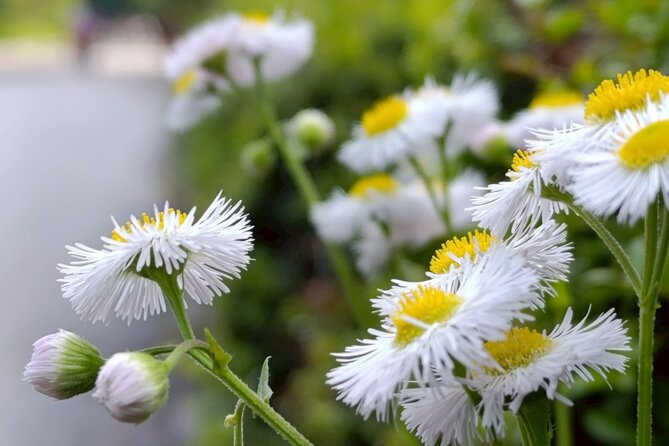
Near the Edo Castle discussion, you also spend time in Ninomaru Garden. This is one of the most visually rewarding sections because it brings the story into the everyday art of the Edo period. The garden is described as featuring seasonal flowers and tranquil ponds, which matters because Edo garden design often aimed for calm, balance, and controlled views.
Ninomaru Garden tends to be where people start slowing down without realizing it. Stone, water, and planted areas work together, and the guide’s commentary helps you see it as more than pretty scenery. Instead of just snapping photos, you get context for why the pond arrangement, pathways, and seasonal plantings are part of the era’s aesthetic.
A small consideration: it is a garden, so if you are very photo-focused, the pace may feel slower than a “move fast and see everything” style. That can be a plus. But if you have a tight schedule, keep in mind you might want to spend a little extra time if the views are your priority.
Why the guide stories add real value, not just facts
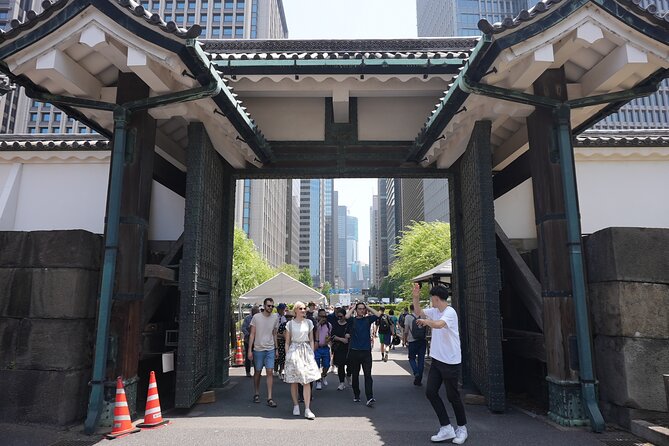
Many tours give you a list of names and dates. This one is repeatedly praised for making the explanations usable. People mention guides like Jim Allen, Miguel, and Tony weaving together architecture, history, and Japanese culture into something you can remember without cramming.
The value is not just intelligence, it is translation. The Imperial Palace grounds are full of cues that mean something in context. A guide helps you turn those cues into understanding. You will likely hear explanations that connect:
- how the shogunate era shaped the grounds,
- how the imperial family fits into the modern narrative,
- and how to interpret the layout you are walking through.
You also get the chance to ask questions, which is a big deal on a small-group tour. If you are curious about etiquette, symbolism, or why something is built a certain way, you can steer the conversation. That is where the tour can feel more personal than a pass-and-go experience.
One more point I appreciate: some guests mention modern Tokyo context alongside the history. That helps the past stay connected to the city you are actually walking through afterward.
Walking time, pace, and how not to get caught by closing hours
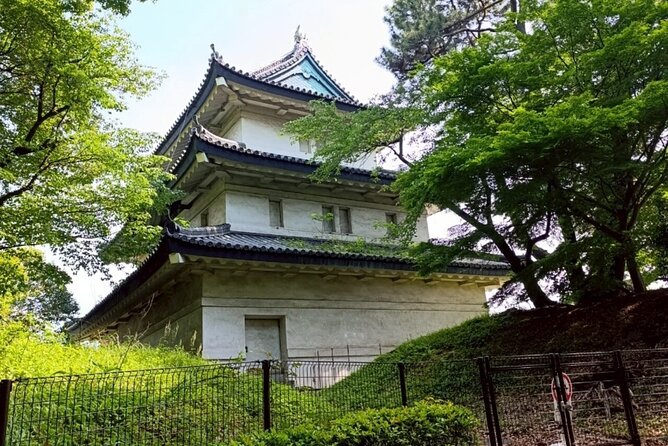
The tour runs about 2 hours (approx.), with 1 hour 30 minutes that includes the admission ticket. With only one main site stop, it sounds simple. In practice, timing can matter because you are inside a place with set hours.
One guest reported a communication problem that led to arriving late, then the gardens closed before they could see everything. That is not something you should expect, but it is a useful reminder: show up early, especially if your transit gets delayed. Even if you think you can “make it,” give yourself buffer time at the meeting point.
A few practical tips so you are comfortable:
- Wear shoes you trust for long walking and possible slopes.
- Bring a light layer, even in mild weather, because garden areas can feel cooler.
- If you have another reservation after the tour, schedule it with a buffer. You end back at the meeting point, but you might still need a few minutes to regroup.
If you prefer a very fast “see and go” experience, this tour may feel like it slows down on purpose. But if you want to understand the space instead of just rushing through it, that slower pace is part of the value.
Price and value: is $22 worth it?
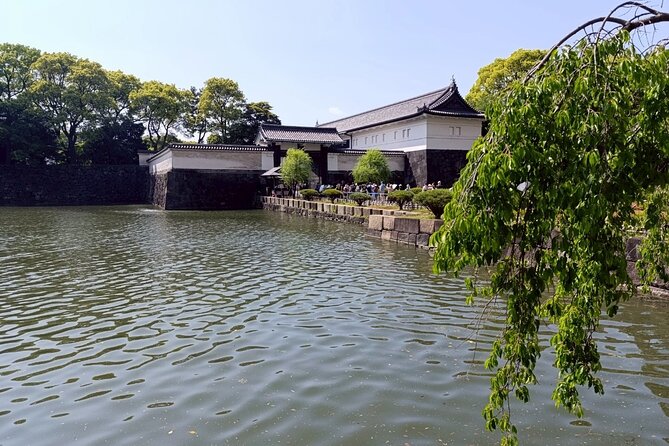
At $22 per person for a roughly two-hour guided walk with an admission ticket included, this is priced like a smart add-on day activity. The big question is whether you could do it on your own.
One review notes that the Imperial Gardens can be visited for free. That is important context. If you are the kind of traveler who loves self-guided wandering, you may feel you do not need to pay. But if your priority is learning how to read the grounds, the tour helps you convert a free visit into a higher-impact one.
Here is how I think about the value:
- You pay for the guide’s ability to explain what you are seeing as you walk.
- You pay for an organized route, including sections like the Edo Castle ruin area and Ninomaru Garden time.
- You pay for the small group experience, where you can ask questions instead of fighting for attention.
If you are on a short visit and want to build a strong base of understanding early, this kind of guided framing often saves time later. You will recognize more of what you see across Tokyo when you understand the imperial and shogunal story thread.
Who this tour suits best, and who should consider skipping
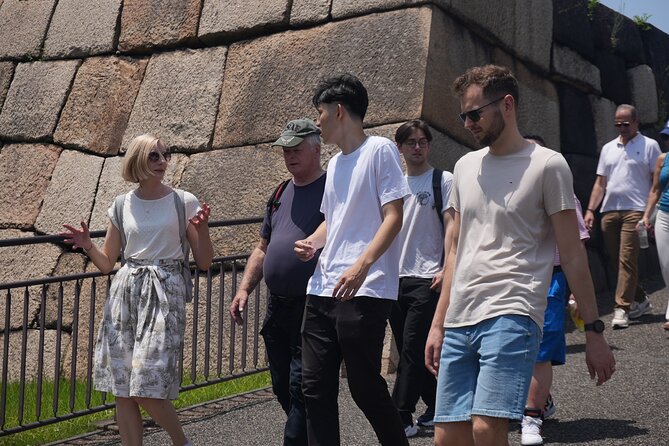
This tour is a good match if you want a calmer Tokyo moment with real context. I’d especially recommend it if:
- you like history but prefer stories tied to physical places,
- you want a guide to help you interpret stone gates, foundations, and garden layout,
- you want a smaller group experience where questions are welcome.
It may be less ideal if:
- you have limited mobility and prefer mostly flat, seated attractions,
- you hate walking on slopes and uneven garden paths,
- you want minimal talking and maximum independent time.
One more fit note: if you are traveling with friends and want an easy way to connect, the small group format can make the morning feel social without becoming loud.
Should you book this Imperial Palace and Shogun Historical Walking Tour?
I think this is worth booking if you care about understanding what you are seeing, not just checking a box. The repeated praise for guides like Blake, Jim Allen, Miguel, and Tony is a strong signal that the tour’s real strength is the storytelling, and the route focuses on the areas you would have trouble interpreting on your own.
Book it if you want:
- Edo Castle ruins made clear through guided context,
- a relaxed pace in a peaceful green setting,
- and a small-group tour where you can ask questions and get answers on the spot.
Skip it if you want purely self-directed sightseeing, or if you know you cannot manage a garden walk with possible slopes. And if you do book, plan to arrive early at Starbucks so you do not risk missing time due to garden closing.
In Tokyo, this is a smart way to slow down and learn. You leave with a clearer picture of how power, culture, and landscape overlap in one of the city’s most important spaces.
FAQ
How long is the Imperial Palace East Gardens and Shogun historical walking tour?
It runs for about 2 hours (approx.), with 1 hour 30 minutes noted for the main guided time and the admission ticket.
What is the price per person?
The price is $22.00 per person.
Is an admission ticket included?
Yes. The East Gardens time includes an admission ticket.
Where do I meet for the tour?
The meeting point is Starbucks Coffee – Kokyo Gaien Wadakura Fountain Park, 3-1 Kōkyogaien, Chiyoda City, Tokyo 100-0002, Japan.
Does the tour end at the same meeting point?
Yes. The activity ends back at the meeting point.
Is this tour limited to a small group?
Yes. The tour has a maximum of 15 travelers.
Do I get a mobile ticket?
Yes. The tour includes a mobile ticket.
Can I cancel for free?
Yes, free cancellation is available. You must cancel up to 24 hours in advance for a full refund.
Central Tokyo Landmarks



Newest Tokyo write-ups from the Loving Japan desk



Tokyo Tower, Ginza and the Imperial Palace, side by side.
 ★ 5.0Flagship 2-Hours Official Street Go-Kart Tour – Tokyo Bay ShopFrom $644,974 reviews
 ★ 4.6Tokyo Tower: Admission TicketFrom $93,661 reviews
 ★ 4.7Meiji Shrine, Asakusa, Skytree Bus Tour and CruiseFrom $1221,986 reviews
 ★ 4.8Chopstick Making Workshop in GinzaFrom $251,366 reviews
 ★ 4.5Tokyo Panoramic 1 Day: Meiji Shrine, Asakusa, Odaiba and SKYTREE®From $851,222 reviews
 ★ 4.9Imperial Palace Japanese History Walking TourFrom $32987 reviews
 ★ 4.9Imperial Palace and Shogun Walking TourFrom $16935 reviews
 ★ 4.5Dynamic Tokyo: Tokyo Tower, Tea Experience, Bay Cruise Day TourFrom $99521 reviews
Filed on these lists too