
REVIEW · GION, GEISHA AND MAIKO EXPERIENCES
Night Walk in Gion: Kyoto’s Geisha District
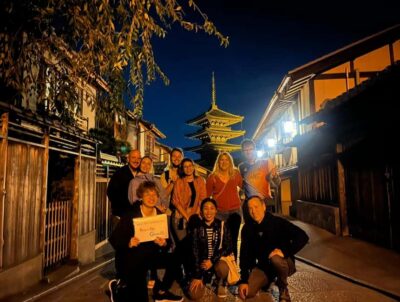
Gion looks different after dark. This 100-minute, licensed English walking tour takes you through Kyoto’s geisha district at night, with clear context for geiko and maiko life as you follow the glow-lit lanes.
What I like most is how practical it feels, not just theatrical. You’ll get insider street knowledge plus respect-first etiquette so you know what to do when you spot a geiko-san or maiko-san. I also like that the walk is built for nighttime, when the district’s mood changes and the details become easier to read.
The main consideration is simple: you may get kept at a polite distance. The guide tends to protect privacy and keep the group respectful, so if you hoped for close, photo-style viewing, manage expectations.
In This Review
- Key highlights worth planning around
- Why nighttime Gion feels like a different Kyoto
- Finding the start: Gion Omoide Museum and Izutsu Yatsuhashi
- The 100-minute rhythm: a focused night walk, not an all-nighter
- What your guide teaches about geiko and maiko life
- Kimono and hairstyles: why details matter more at night
- How to spot geiko and maiko without ruining it
- Memoirs of a Geisha: seeing the film look, with real context
- Pace, comfort, and who should consider another option
- Price and value: is $21 worth it in Kyoto?
- Practical tips so your night walk goes smoothly
- Should you book this Night Walk in Gion?
- FAQ
- How long is the night walk in Gion?
- Where do I meet the guide?
- Is the tour guided in English?
- Is it guaranteed that we will see geiko or maiko?
- What is included in the price?
- What is not included?
- Is video recording allowed?
- Is the tour suitable for people with mobility impairments?
- Do children get a discount, and what do I need?
- What’s the cancellation policy?
Key highlights worth planning around
- A licensed English-speaking guide who explains what you’re seeing as you walk, not from a script in a group circle
- Nighttime Gion streets led from the Gion Shijo area, where the atmosphere feels more intimate than daytime
- Geiko and maiko etiquette training, including how to behave quietly and respectfully nearby
- Kimono, hairstyle, and rules explained so the outfits make sense, even if you are new to the culture
- Memoirs of a Geisha scenery connections, with context behind what you see in pop culture
- Possible real sightings of geiko and maiko during the route, though it is not guaranteed
Evening walks through the old quarters, compared
- Kyoto Geisha Walking Tour: Gion District & Hidden Gems
★ 4.7 · 3,273 reviews - Kyoto: Gion Magical Night Walking Tour with Geisha Trivia
★ 4.9 · 2,393 reviews - Kyoto: Gion Geisha District Walking Tour – Stories of Geisha
★ 4.7 · 2,187 reviews - Best of Kyoto: Gion, Geisha, Pagodas & Cobblestones
★ 4.9 · 2,058 reviews
Why nighttime Gion feels like a different Kyoto
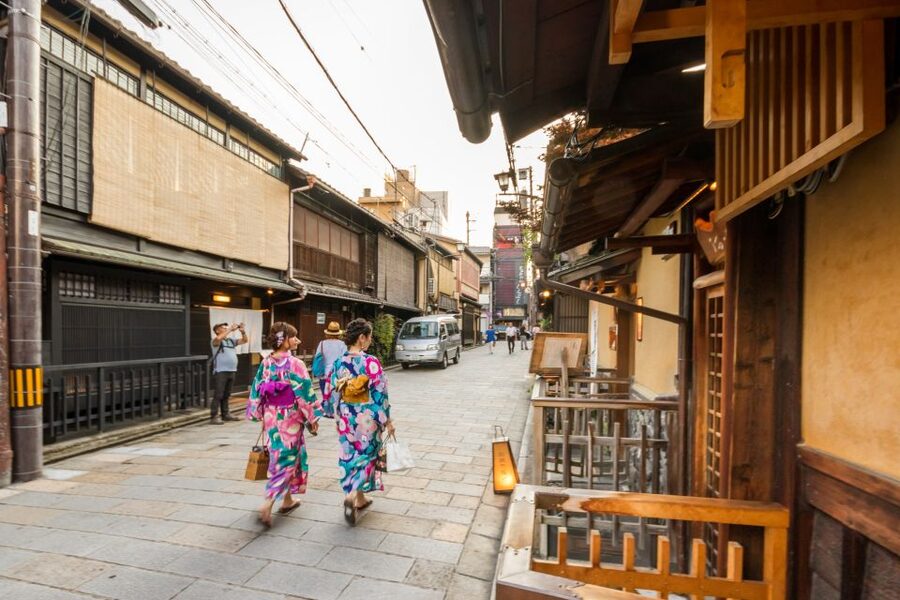
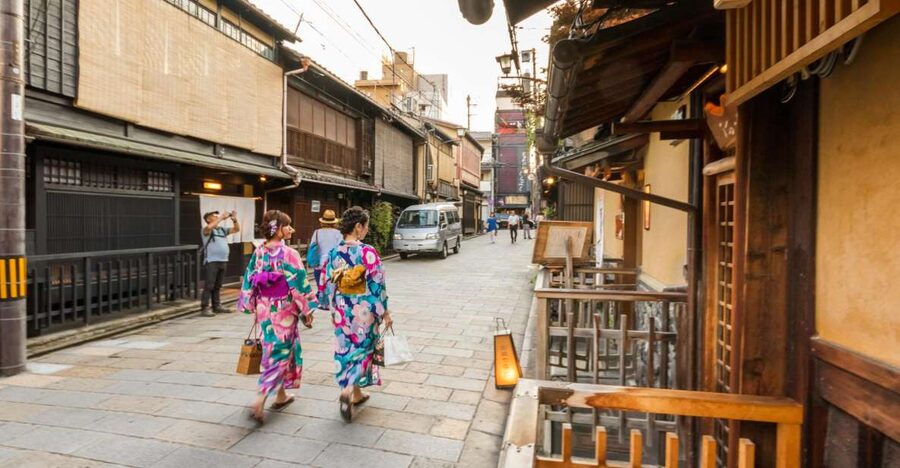
Gion at night has a “slow down” effect. The streets look narrower, the lighting softens faces and fabric, and you notice small cues you would otherwise miss during the day. That makes a guided walk especially helpful, because you’re not just looking for famous people, you’re learning how the world around them works.
This tour focuses on the living reality behind the geiko and maiko imagery. As you stroll, you get explanations tied to what you are passing, like why certain details matter in kimono choices and hairstyle, or how daily rhythms shape what you see on the street.
And because it’s guided at night, the experience matches the district’s mood. Daytime Gion can feel like a sightseeing conveyor belt. At night, it’s easier to slow your pace and actually pay attention.
Finding the start: Gion Omoide Museum and Izutsu Yatsuhashi
You meet in front of Gion Omoide Museum, which is connected to the Izutsu Yatsuhashi pastry shop. The meeting coordinates are 35.0044519, 135.7723814, and the route starts close to the Gion Shijo Station area, so it’s not stuck in a random back alley.
Why the exact start matters: you’ll begin the walk as the streets transition into their evening flow. It also sets expectations for the kind of walk this is, calm and directional, rather than “here’s a map, good luck.”
One small planning tip: arrive a few minutes early, especially if you are navigating at night. The meeting point is clear, but Kyoto streets can be a little maze-like after dark.
The 100-minute rhythm: a focused night walk, not an all-nighter
This tour runs about 100 minutes, which is long enough to feel like a proper introduction, but short enough that you do not spend your whole evening just walking in the dark. The structure also keeps the explanations connected to the street scene, so the time feels used instead of wasted.
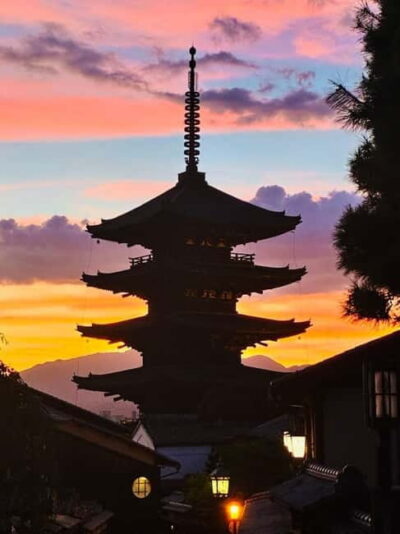
You’ll move along classic Gion lanes that are often associated with the district’s cinematic look, including the kind of scenery featured in Memoirs of a Geisha. The walk is designed so you can look up at the buildings and down at the street details, without feeling like you’re sprinting to a next stop.
If you get rain, keep your plan flexible in your head. One thing I’d expect from a professional night walk is a guide who keeps the group together at crossings and keeps everyone moving at a safe pace.
- PERFECT KYOTO 1-Day Bus Tour★ 5.0 · 13,518 reviews
- Kyoto: Fushimi Inari, Kinkakuji, Bamboo Grove 1 Day Bus Tour★ 4.8 · 4,316 reviews
- Kyoto: Tea Ceremony in a Traditional Tea House in Kiyomizu★ 4.9 · 3,519 reviews
- Kyoto Geisha Walking Tour: Gion District & Hidden Gems★ 4.7 · 3,273 reviews
- Kyoto: Tea Ceremony Ju-An at Jotokuji Temple★ 4.9 · 3,207 reviews
What your guide teaches about geiko and maiko life
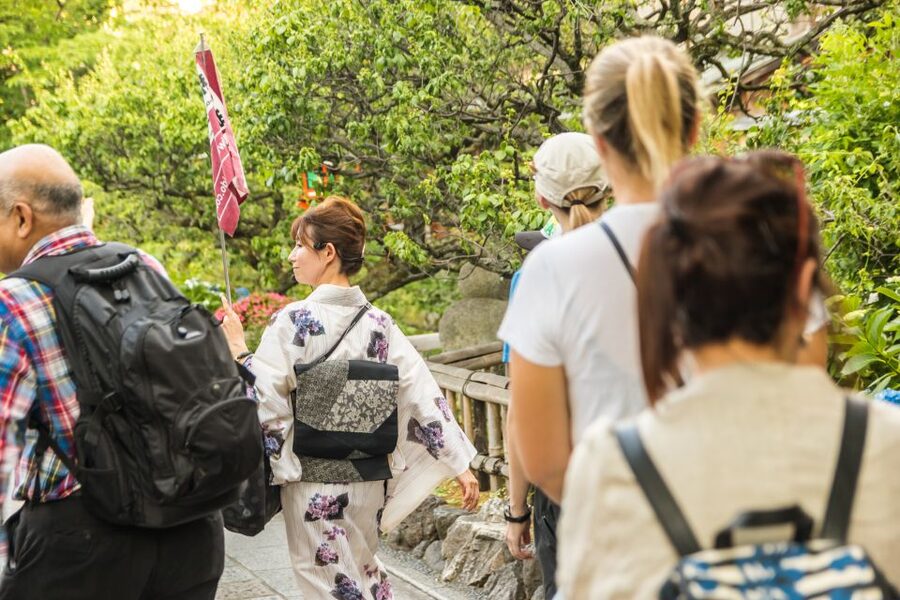
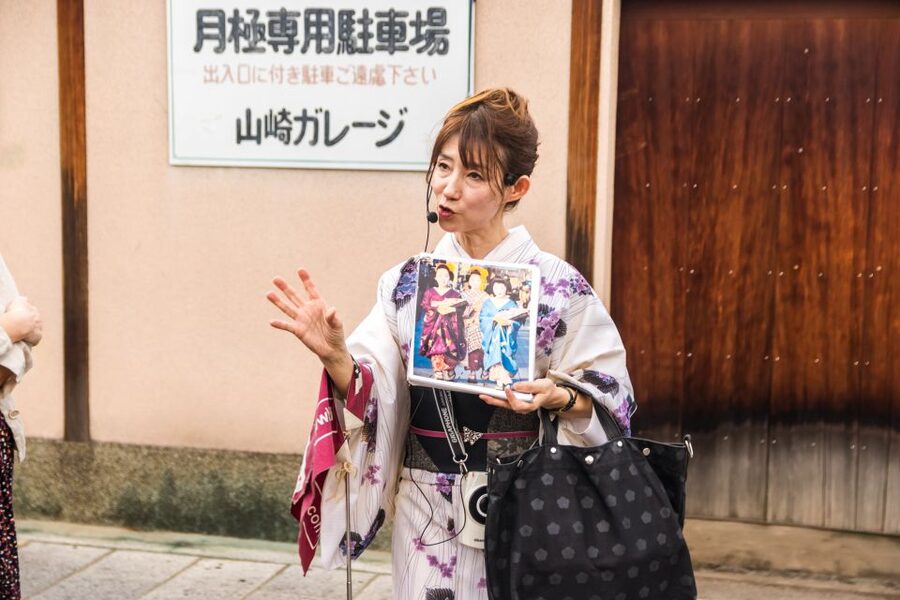
The best part is the way the guide turns the district into a lesson. You do not just hear definitions. You learn how geiko and maiko fit into their community and what their routines look like from the outside.
During the walk, the guide shares history and practical cultural context, including:
- Kimono basics and what different elements communicate
- Hairstyle details and why they are not random fashion
- Traditional rules and social expectations around interaction
- What daily life can look like, in broad strokes, from appointments to evening patterns
In other words, you get a framework. Once you have that, the street sightings feel less like a random surprise and more like a moment you can actually interpret.
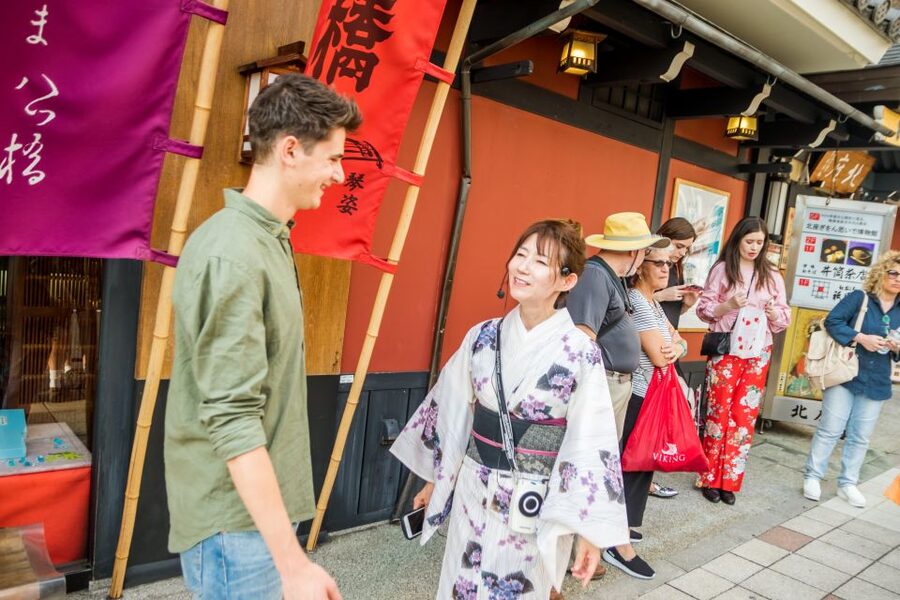
Guides like Mia and Mie also tend to include humor and direct, plain talk. That matters. When you’re learning etiquette in a real neighborhood, a relaxed guide keeps it from feeling like homework.
Kimono and hairstyles: why details matter more at night
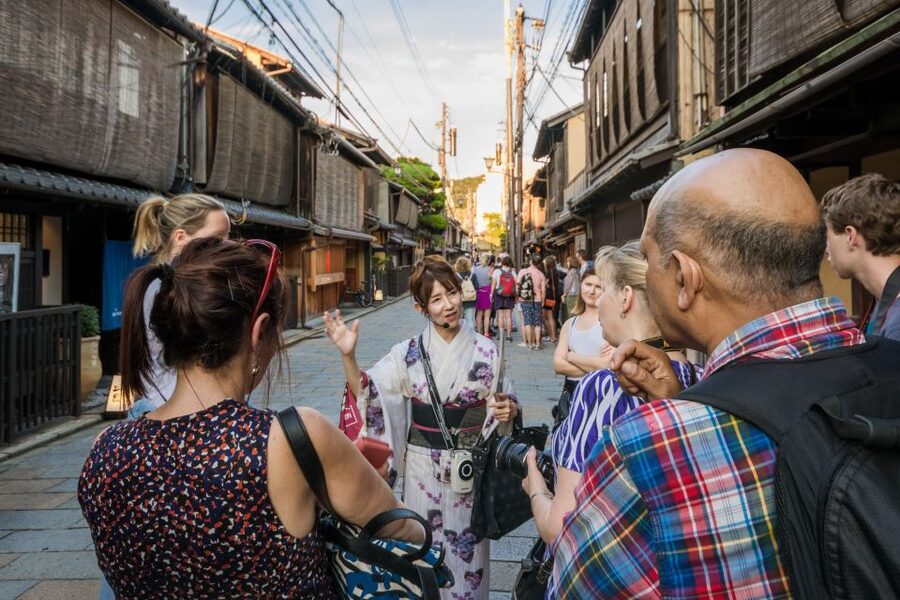
Nighttime helps. You can see fabric shine, observe how the silhouette works, and notice how a look changes as a person moves through the lantern-lit streets. With the tour’s explanations, those details stop being “pretty clothes” and start being cultural signals.
Your guide will point out the logic behind common features, including the relationship between kimono presentation and formality. They’ll also describe hairstyle and how it connects to training and identity in the geiko world.
This is also where the tour goes beyond sightseeing. You’re not just staring. You’re learning how to look with intention.
And because you are learning the basics of what signals mean, you can enjoy the moment even if you never get a close-up encounter. You will still leave understanding what you saw.
How to spot geiko and maiko without ruining it
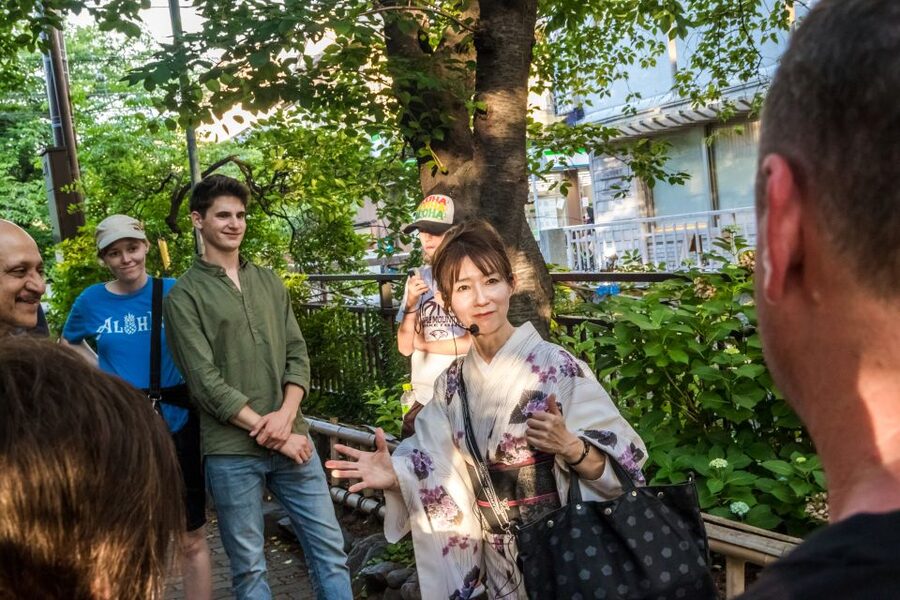
One thing to know up front: encounters are not guaranteed. The tour often sees geiko and maiko walking along the street, but you should treat sightings like a lucky bonus, not the entire goal.
If you do spot a geiko-san or maiko-san, your guide will set the tone. Expect instructions that focus on respectful behavior, like staying quiet, not crowding, and not turning it into a grab for photos. This is part of the experience, not a separate lecture.
Also, your tour comes with a clear limitation: video recording is not allowed. That changes the vibe in a good way. It nudges you toward noticing, not documenting every second.
If you want the best chance of seeing someone, the guide may lead you toward quieter lanes when possible. But that also brings the main drawback you should understand: the guide may protect privacy by keeping distance. Some people want the thrill of being close. This tour is designed to prioritize dignity instead.
Memoirs of a Geisha: seeing the film look, with real context

Kyoto sells a lot of movie aesthetics. This tour does not just name-drop pop culture. It connects the Memoirs of a Geisha look to the actual geography and the cultural rules that sit behind it.
As you walk, you’ll pass streets and scenery that match the famous aesthetic. The difference is the explanations you get alongside it. You start seeing how the district functions socially, not just how it looks in a frame.
That makes the tour especially good if you love the story but you want to understand what is authentic and what is artistic interpretation. You’ll come away with a more grounded view of how this culture is presented and preserved in Kyoto.
Pace, comfort, and who should consider another option
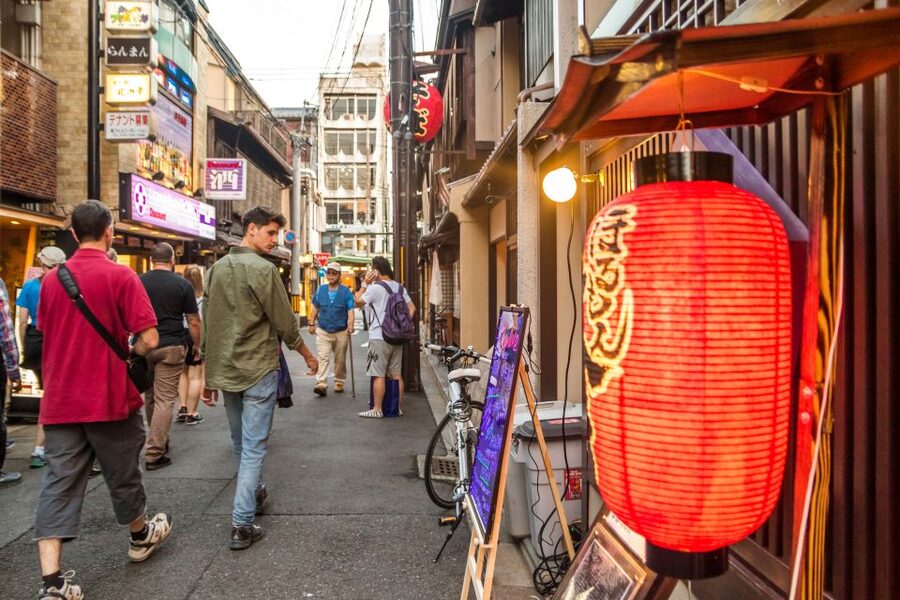
This is a walking tour, at night, lasting about 100 minutes. Since it’s in Gion, you should plan for uneven sidewalks and regular street-level walking in the evening.
One clear “no” from the activity details: it is not suitable for people with mobility impairments. If you need mobility support, this may not work well.
If you’re generally able to walk comfortably for about an hour and a half, it should fit nicely into a Kyoto evening. It also works well as a first look at the district because it teaches you how to watch respectfully.
Price and value: is $21 worth it in Kyoto?
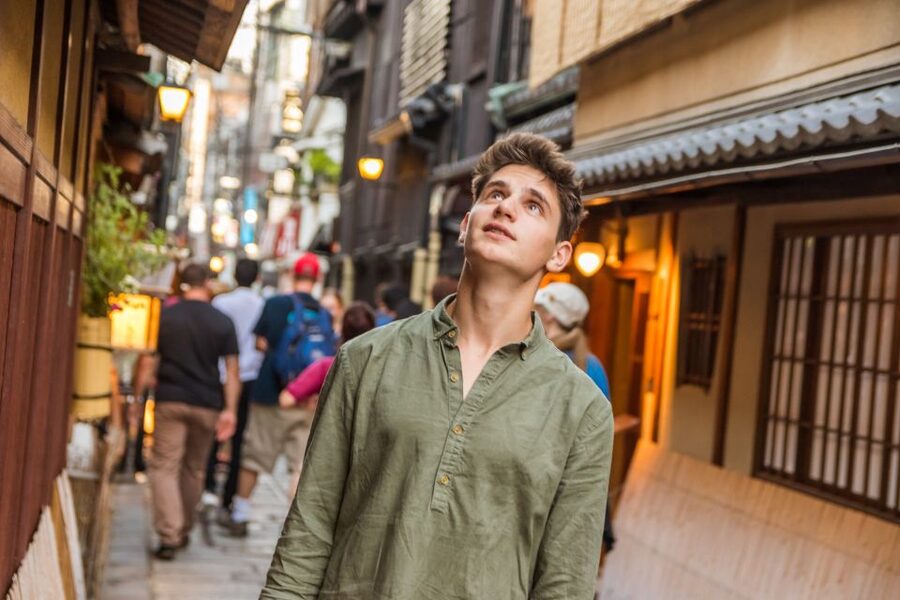
At $21 per person for about 100 minutes with a professional English-speaking guide, the price is pretty fair for Kyoto. You’re paying for two big things: interpretation and guidance in a sensitive environment.
A self-guided walk through Gion is possible, but you would miss the why behind the outfits and etiquette. The tour’s value is in those explanations, because they change how you experience the streets. You stop treating the district like a photo set and start reading it like a real neighborhood.
Also, the time is efficient. You get a focused evening overview in 100 minutes, which is helpful if you have limited time in Kyoto or you already booked other sights earlier in the day.
If you are hoping for guaranteed geiko and maiko sightings, this is not the right pitch. But if you want a respectful, informative walk that helps you understand what you see, it’s solid value for the money.
Practical tips so your night walk goes smoothly
Here are a few practical things I recommend you do before you start walking.
First, prepare for quiet respect. The tour’s tone is about observing properly. That means no loud group behavior and no crowding.
Second, plan for photos carefully. Video recording is not allowed, and respectful behavior is part of the deal. If the guide asks you not to photograph at certain times, follow it.
Third, bring the right night basics. Comfortable shoes matter. Kyoto evenings can be cool, and you’ll be moving outdoors.
Finally, if you have a child discount, bring a valid ID. The tour information says you’ll need a valid ID to receive the child discount.
Should you book this Night Walk in Gion?
I think you should book it if you want a respectful introduction to Gion at night and you like your cultural experiences explained in plain language. This is also a great fit if you’re arriving in Kyoto and want a quick, structured way to understand geiko and maiko life without turning the neighborhood into a photo challenge.
I’d skip it if your top goal is close, guaranteed viewing. The tour is designed to protect privacy, and sightings are not promised. You’ll still get a meaningful walk, but the experience is about understanding and etiquette first.
If you want a Kyoto evening that feels local and grounded, this night walk is a smart pick.
FAQ
How long is the night walk in Gion?
The tour lasts about 100 minutes.
Where do I meet the guide?
You meet in front of Gion Omoide Museum, which is connected to the Izutsu Yatsuhashi pastry shop. The coordinates are 35.0044519, 135.7723814.
Is the tour guided in English?
Yes. The tour is led by a live guide in English.
Is it guaranteed that we will see geiko or maiko?
No. Encounters are not guaranteed, although guests often encounter geisha walking along the street.
What is included in the price?
The included item is a professional English-speaking guide.
What is not included?
Transportation to and from attractions is not included, and there is no hotel pick-up or drop-off.
Is video recording allowed?
No. Video recording is not allowed during the tour.
Is the tour suitable for people with mobility impairments?
No. The tour is not suitable for people with mobility impairments.
Do children get a discount, and what do I need?
To receive the child discount, a valid ID must be presented.
What’s the cancellation policy?
You can cancel up to 24 hours in advance for a full refund.
Evenings in the Old Quarters




Newest Kyoto write-ups from the Loving Japan desk


Gion, Geisha and Maiko Experiences, side by side.
 ★ 4.7Kyoto Geisha Walking Tour: Gion District & Hidden GemsFrom $253,273 reviews
 ★ 4.9Gion Magical Night Walking Tour with Geisha TriviaFrom $242,393 reviews
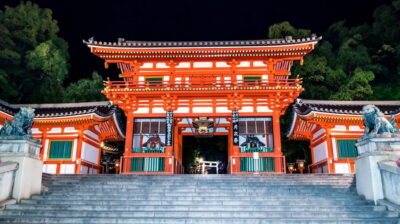 ★ 4.7Gion Geisha District Walking Tour – Stories of GeishaFrom $202,187 reviews
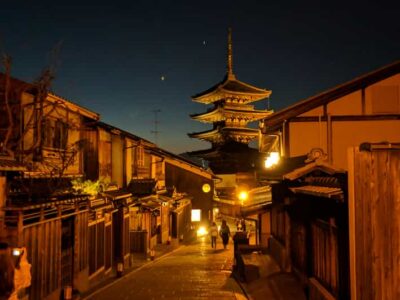 ★ 4.9Best of Kyoto: Gion, Geisha, Pagodas & CobblestonesFrom $242,058 reviews
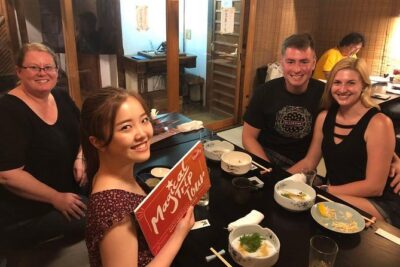 ★ 5.0Kyoto Night Foodie Tour in Gion (9+ dishes + 6 Sake tastings)From $1631,762 reviews
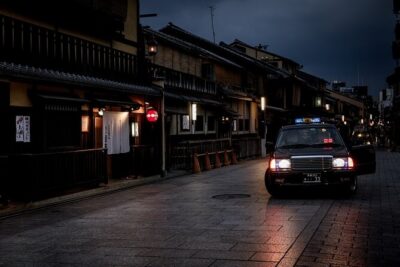 ★ 5.0Kyoto Gion Geisha District Walking Tour – The Stories of GeishaFrom $251,441 reviews
 ★ 5.0Kyoto Gion: 2-Hour Geisha Culture & History Walking TourFrom $231,186 reviews
 ★ 5.0Chopsticks Making Workshop in Gion with Engraving OptionFrom $15958 reviews
Filed on these lists too