
REVIEW · SHIBUYA, SHINJUKU AND HARAJUKU WALKS
Shibuya All You Can Eat Best Food Tour The Original One in Tokyo
Shibuya food, but with a local shortcut. This 4-hour Shibuya food tour takes you through hidden restaurants with a small group (max 10), guided by people who know how the neighborhood actually eats at night. Expect street-side wandering, a few quick landmark moments, and real Japanese dishes you might skip on your own.
I love the variety built into the route, because you get sushi, yakitori, yakiniku, takoyaki, plus desserts, without needing to plan reservations. One watch-out is the price, because at $205, this tour only feels like a slam dunk if you plan to eat well and are happy walking and tasting rather than expecting a slow, deep classroom-style food lecture.
In This Review
- Key things to know before you go
- Shibuya in 4 hours, without the tourist trap shuffle
- Food you get: sushi, yakitori, yakiniku, takoyaki, and dessert
- Stop 1 at Shibuya 109: street energy and izakaya flavor-hunting
- Nonbei Yokocho: the alley where Shibuya night life becomes real
- Shibuya Crossing: quick orientation, then back to eating
- MEGA Don Quijote: late-night shopping energy, open 24 hours
- Price and value at $205: when it makes sense
- Meeting point and pacing: how to make the most of the 4 hours
- Who this tour fits best in Shibuya, and who might want a different plan
- Should you book this Shibuya all-you-can-eat food tour?
- FAQ
- FAQ
- What food is included on the Shibuya tour?
- How long is the tour?
- How many stops will I make?
- What is the group size?
- Where do I meet, and where does the tour end?
- Is alcohol included?
Key things to know before you go
- Small group, max 10 keeps the pace personal and makes it easier to ask questions as you walk.
- 4 to 5 food stops are chosen by the guide, with 2 soft drinks and water included, plus dessert.
- Nonbei Yokocho (Drunkard’s Alley) is the most memorable culture stop, a tight alley that shows how Shibuya night life works.
- Shibuya Crossing and Shibuya 109 add orientation, so even if you are overwhelmed by the area, you still leave with your bearings.
- Guides named in feedback, including Hamada, Kato, Amber, Samir, and Tanaka, are repeatedly praised for friendly, clear hosting.
Other routes through the west side of Tokyo, compared
- Tokyo: Shinjuku Food Tour (13 Dishes at 4 Local Eateries)
★ 5.0 · 6,603 reviews - Tokyo Bar Hopping Tour in Shinjuku (All-You-Can-Drink + Dinner)
★ 5.0 · 3,587 reviews - Official Street Go-Kart in Shibuya
★ 5.0 · 3,435 reviews - Tokyo: Shinjuku Food Tour (15 Dishes and 4 Eateries)
★ 4.9 · 2,033 reviews
Shibuya in 4 hours, without the tourist trap shuffle
Shibuya can feel like information overload, even before the crowds hit peak hour. This tour helps by putting you on a simple route with a plan, so you are not stuck searching for where to eat or what to order. The format is walking plus tastings, and it is designed for a short window, about 4 hours total.
What you gain is confidence. You get to see Shibuya’s main energy (hello, Crossing) and also the side streets where people actually line up for quick bites. The small size matters here. With up to 10 people, the guide can keep an eye on everyone and adjust the pace when the group moves slower or faster.
Food you get: sushi, yakitori, yakiniku, takoyaki, and dessert
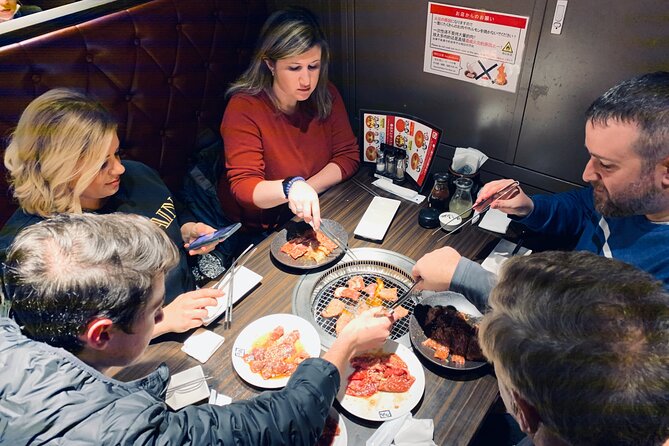
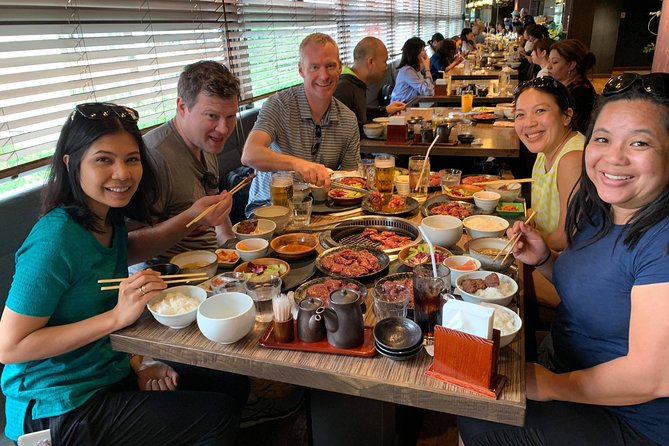
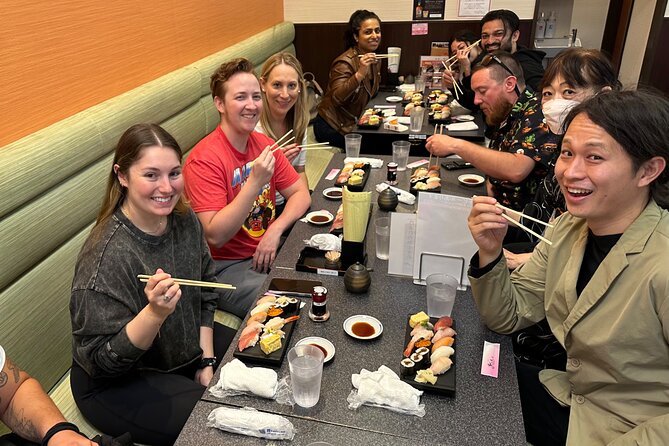
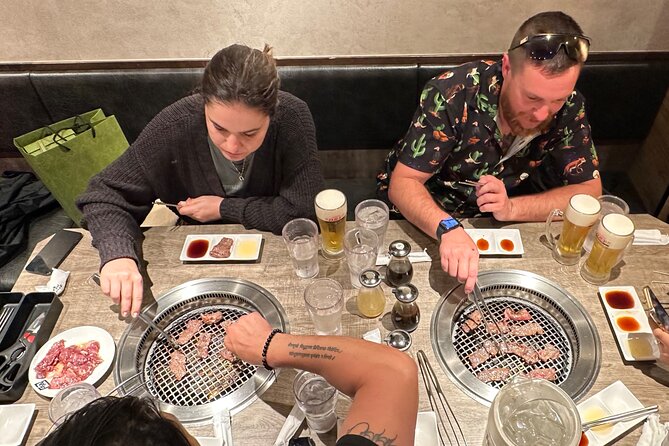
The headline is the all-you-can-eat style experience, but the better way to think about it is this: the tour intentionally stacks different Japanese favorites so you taste multiple textures and styles. You should expect sushi, yakitori, yakiniku, takoyaki, and desserts across the stops chosen by the guide.
Here is why that matters for your trip planning. If you only eat one kind of food in Tokyo, you leave with a narrow story. With this route, you get:
- Sushi for the clean, precise side of Japanese cuisine
- Yakitori for grilled skewers and that casual izakaya vibe
- Yakiniku for the fun grilling at the table, when you want something hearty
- Takoyaki for the snackable, street-fare crunch and chew
- Dessert so the meal arc finishes like a proper evening out
You also get 2 soft drinks and water included. Alcohol is not included, but it is available for purchase. If you are the type who likes to keep it light and focus on flavor, this structure works well.
One small reality check: if your appetite is modest, the value will depend on how much food you actually eat at each stop. Some people love the abundance and finish very full, so come hungry on purpose.
Stop 1 at Shibuya 109: street energy and izakaya flavor-hunting
Your first stop is Shibuya 109, a local shopping and street hub that is visited by thousands of eaters and snackers. The idea is not just to point at a famous building. It is to warm you up in the right atmosphere, where you can feel the rhythm of the neighborhood and get your bearings before the tour turns into smaller lanes.
The tour time here is about 45 minutes, and admission is free. In practical terms, this is a good setup moment. You arrive at a landmark, then the guide shows you where the food energy clusters: quick bites, izakaya-style options, and the kind of casual eating that happens around shopping streets.
What I like about this kind of first stop is that it reduces decision fatigue. Once you are oriented, the rest of the night feels easier.
- Mt Fuji and Hakone 1-Day Bus Tour Return by Bullet Train★ 5.0 · 26,383 reviews
- 1-Day Tokyo Bus Tour★ 5.0 · 14,250 reviews
- Tokyo: teamLab Planets TOKYO Digital Art Museum Entry Ticket★ 4.6 · 9,779 reviews
- Mt Fuji & Hakone Cruise, Drum Show Bullet Train 1 Day from Tokyo★ 4.0 · 7,413 reviews
- Tokyo: Shinjuku Food Tour (13 Dishes at 4 Local Eateries)★ 5.0 · 6,603 reviews
Nonbei Yokocho: the alley where Shibuya night life becomes real
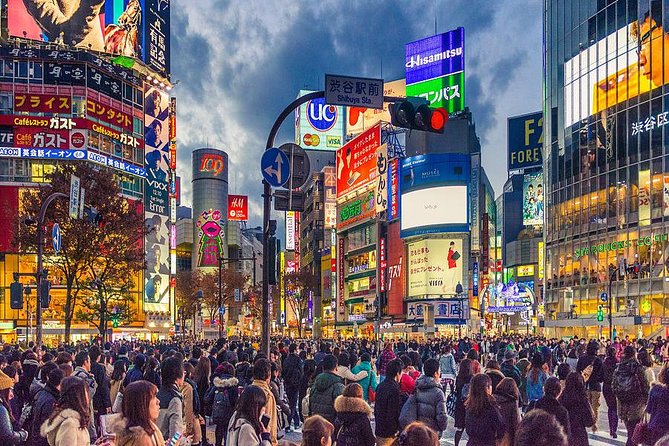
Next up is Shibuya Nonbei Yokocho, often called Drunkard’s Alley. This is the part that most people remember, because it feels like Shibuya’s secret underbelly. You get a short 30-minute walk in a narrow cluster of tiny spots, where learning how people spend their nights is part of the experience.
This is also where guides shine. Names that show up in feedback include Hamada, Amber, Kato, and others, and the common thread is simple: they do not just point at food menus. They explain how the alley works socially, why small spaces matter, and what to look for so you feel comfortable ordering and eating.
The big advantage for you is comfort. In Japan, alley bars can look intimidating if you do not read the room. A good guide gives you the confidence to step in, try what is on offer, and treat the meal like part of the local evening, not a performance.
Potential drawback: if you are expecting a huge, wide-open sightseeing moment, this is the opposite. It is tight, dark-ish, and focused on atmosphere, so it is better for people who enjoy close-up street culture than for anyone who wants big views.
Shibuya Crossing: quick orientation, then back to eating
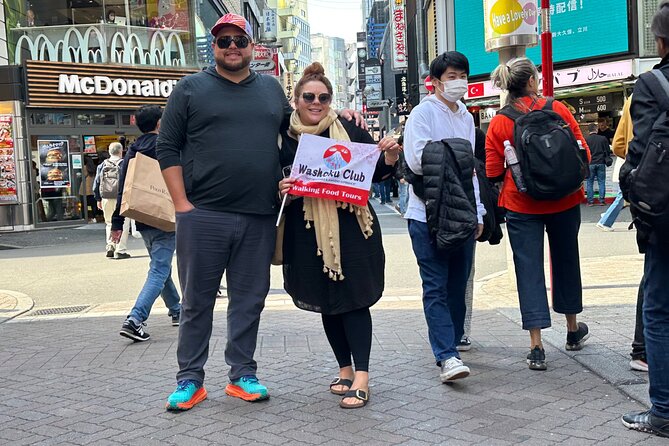
After the alley, you get Shibuya Crossing for about 15 minutes. This is fast on purpose. The route is still a food tour, not an all-day photo walk, so you take a quick picture moment and keep moving.
You are also walking through a place with a crazy level of foot traffic. The crossing is described as the busiest in Japan, with more than 2,000 people crossing every minute. That number alone tells you what the area is like, even if you have seen videos already.
What I like here is that it acts like orientation math. Once you have seen the crossing and the flow of the crowds, you understand how Shibuya connects. Later, you will recognize streets more easily and feel less lost if you go back out on your own after the tour.
MEGA Don Quijote: late-night shopping energy, open 24 hours
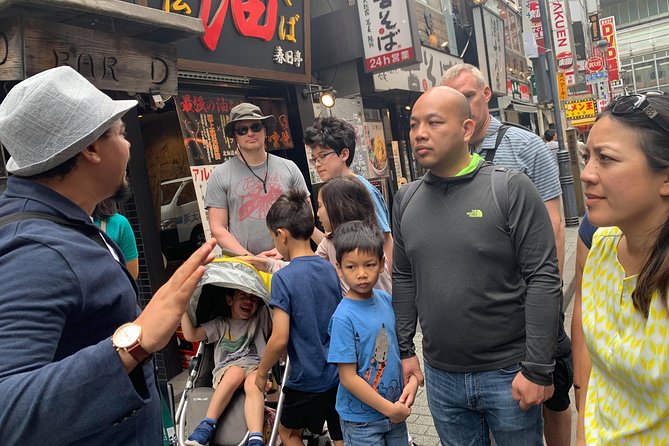
Your last listed stop is MEGA Don Quijote, about 30 minutes, again with free entry. This is Shibuya in a different key. Instead of tiny food alleys, you get a massive shopping mall that is open 24 hours and sells everything from sweets to cosmetics, and from food to electric devices.
Why include a store stop on a food tour? Because it teaches you how Tokyo shopping overlaps with eating and everyday life. Even if you do not buy anything, you get a sense of what is easy to grab on a night out, what people snack on, and how convenience stores and shopping towers feed the city.
If your time in Shibuya is short, this also helps you finish the night with options. You can restock snacks, grab small gifts, or pick up travel-friendly items without having to guess where to go.
Price and value at $205: when it makes sense
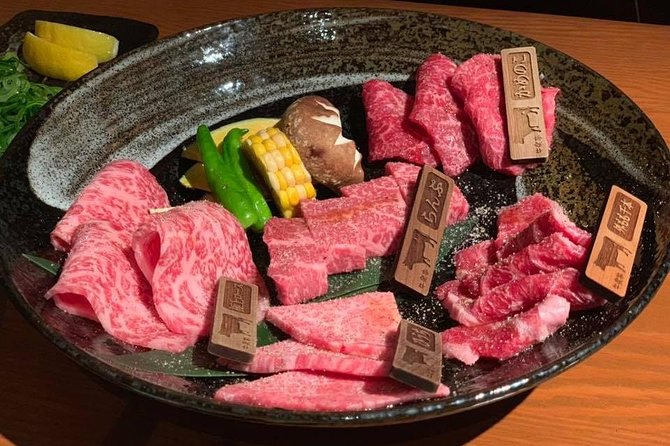
At $205 per person, this is not a cheap casual walk. So you should ask one question: are you using the tour to save time and remove guesswork, while also eating enough to justify the tastings?
Here is the value logic that fits your decision:
- You get multiple food types across the evening: sushi, yakitori, yakiniku, takoyaki, dessert. That is harder to assemble alone without paying for separate meals that could cost more.
- You avoid the planning load in Shibuya. The tour handles stop selection, timing, and the flow between places.
- You get a guide who can steer you toward places you may not find quickly on your own, especially in smaller lanes like Nonbei Yokocho.
- The group size is capped at 10, so you are paying for a more personal experience than a large bus-style tasting.
When the price feels less fair is usually about expectations. If you expect a formal food course with deep instruction at every stop, the structure may feel more like guided tastings and walking. Also, if you do not eat much, you will feel the math less strongly.
So my rule for you: if you are hungry, curious, and willing to walk, it is easier to feel like you got your money’s worth.
Meeting point and pacing: how to make the most of the 4 hours
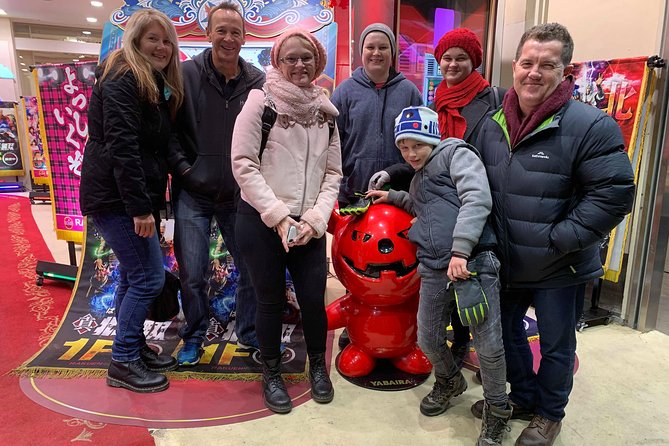
You meet at the Hachiko Statue (2 Chome-1 Dogenzaka, Shibuya, Tokyo 150-0043, Japan). The tour ends back near that meeting point, so you do not get stranded across town at night.
The tour is listed as about 4 hours with a mobile ticket, and it runs near public transportation. That matters because Shibuya is so dense that taking a wrong turn can cost time. Starting at Hachiko helps you anchor quickly.
Pacing tip: wear comfortable shoes. The itinerary mixes short sightseeing with food stops across the neighborhood. You are going to spend more time walking than you might think from the 15-minute and 30-minute stop times. Also, bring your normal stomach-safety plan, meaning eat a light breakfast or lunch if you can, and save your appetite for the evening tastings.
If you have dietary restrictions, the safest move is to message the provider before booking. The included items are clear at a category level, but the specific dishes inside each stop are selected by the guide, so you want confirmation that your needs can be handled.
Who this tour fits best in Shibuya, and who might want a different plan
This tour is a great match if you:
- Want a starter Shibuya experience that teaches you how the neighborhood works, fast
- Enjoy a mix of street food and sit-down Japanese BBQ and grilled items
- Like small-group tours with a guide who keeps the night moving
- Are visiting for a first time and do not want to risk choosing the wrong restaurant in a crowded area
It might not fit as well if you:
- Want a long, slow sightseeing day with major temples and museums
- Hate narrow alleys, dark spaces, and close-quarters bar culture
- Have a very low appetite and worry about paying a premium without eating much
It also helps to be open-minded about ordering and trying things in casual spots. The best nights tend to happen when you treat the tour like an evening out, not like a checklist.
Should you book this Shibuya all-you-can-eat food tour?
Book it if you want a high-effort payoff for a half-day: multiple Japanese food styles, guided navigation through Shibuya’s real eating zones, and a route that includes both a famous moment (Crossing) and the side streets (Nonbei Yokocho). The small group cap and the variety of food stops are exactly the combination that makes Shibuya feel manageable.
Skip it or consider another option if $205 sounds steep for your travel style, you plan to eat very little, or you want a structured, classroom-heavy explanation of Japanese cooking. In that case, you may prefer a lower-cost tasting or a more focused single-cuisine plan.
FAQ
FAQ
What food is included on the Shibuya tour?
The tour includes food such as sushi, yakitori, yakiniku, takoyaki, and desserts. It also includes 2 soft drinks and water.
How long is the tour?
The duration is about 4 hours.
How many stops will I make?
You can expect 4 to 5 food stops chosen by your guide, plus the route includes sightseeing-style stops around Shibuya.
What is the group size?
The tour is small-group with a maximum of 10 travelers.
Where do I meet, and where does the tour end?
You start at the Hachiko Statue in Shibuya (2 Chome-1 Dogenzaka) and the tour ends back at the meeting point.
Is alcohol included?
Alcoholic beverages are not included, but they are available to purchase during the tour.
West Tokyo on Foot: Seven More
Newest Tokyo write-ups from the Loving Japan desk

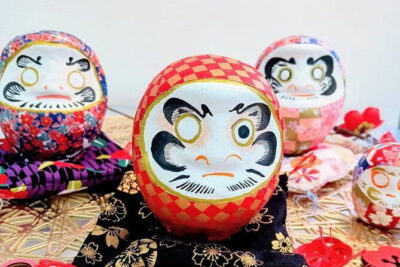
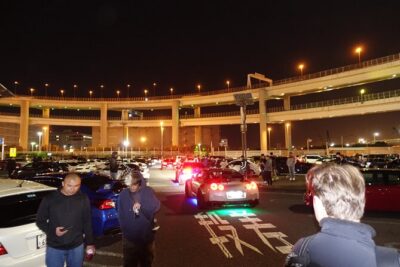
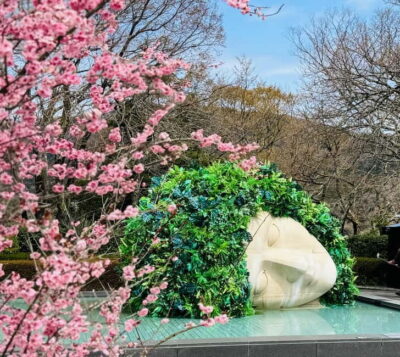
Shibuya, Shinjuku and Harajuku Walks, side by side.
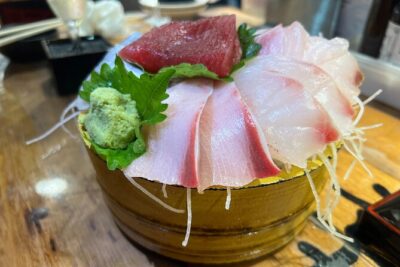 ★ 5.0Shinjuku Food Tour (13 Dishes at 4 Local Eateries)From $866,603 reviews
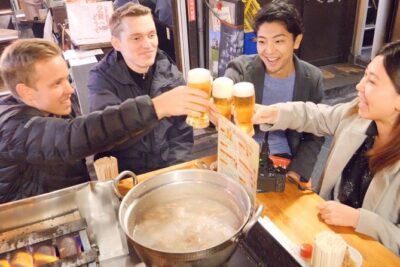 ★ 5.0Tokyo Bar Hopping Tour in Shinjuku (All-You-Can-Drink + Dinner)From $1063,587 reviews
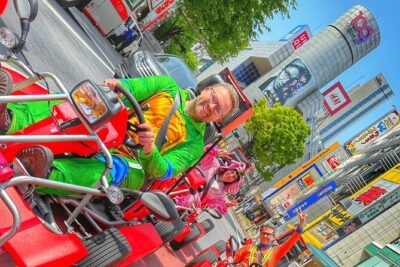 ★ 5.0Official Street Go-Kart in ShibuyaFrom $763,435 reviews
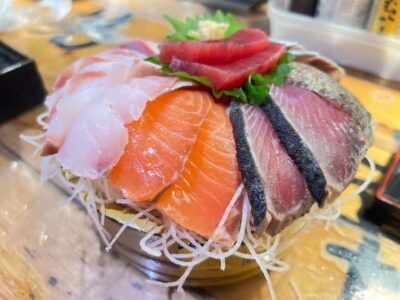 ★ 4.9Shinjuku Food Tour (15 Dishes and 4 Eateries)From $852,033 reviews
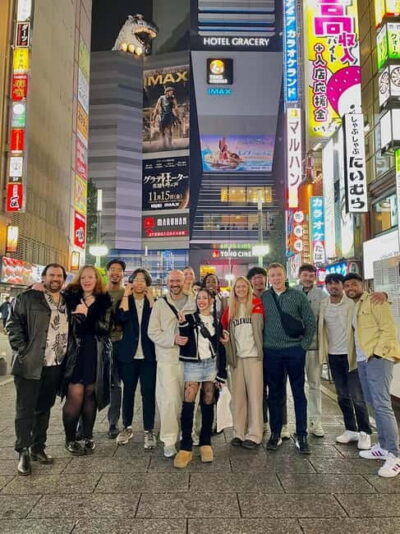 ★ 4.9Shinjuku Local Bar and Izakaya Guided Walking TourFrom $341,794 reviews
 ★ 5.0Tokyo Shinjuku Chopsticks Making ClassFrom $201,763 reviews
 ★ 5.0Tokyo Shinjuku Sumo Show & Experience with PhotoFrom $791,750 reviews
 ★ 4.9Street Kart Experience in ShibuyaFrom $741,484 reviews
Filed on these lists too