
REVIEW · SAPPORO, OTARU AND HOKKAIDO
Snowshoeing and Onsen Adventures in a Winter Wonderland -Sapporo.
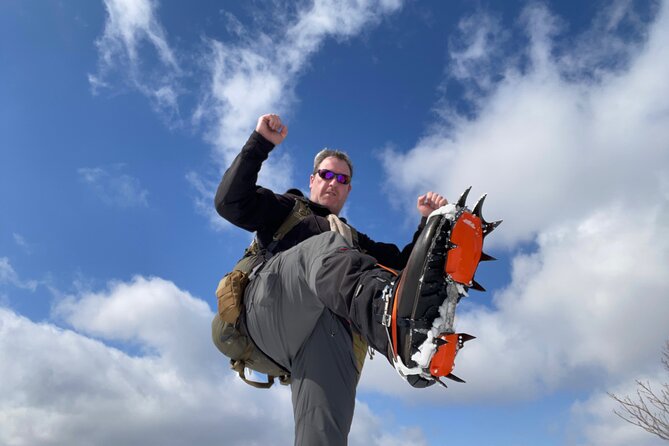
Snow meets warm water fast. This small-group winter day outside Sapporo mixes snowshoeing with an onsen finish at Koganeyu Onsen, starting from Makomanai at 7:30am. I like the max 5 people setup, so you get real guidance instead of feeling like cargo. I also like that your onsen admission is built in, so you do not waste time hunting for a place after a snowy trek. A fair heads-up, you must bring your own cold-weather clothing and snow-ready hiking footwear since that part is not included.
The plan is simple and well paced. You meet, get your equipment set up, and get a safety run-through before you head into the quiet backcountry circuit. And with guides like Chris at Trekmate Hokkaido, the vibe is calm, practical, and patient, especially if it is your first time in deep snow.
You’ll be active for about 5 hours total, including a lunch stop, then you return by transport and soak at the end. In the onsen phase, multiple participants highlight that etiquette guidance is explained, which is a big help when you are eager but not sure what locals expect. The biggest “gotcha” is that winter comfort is on you, not on the tour, so dress like you mean it.
In This Review
- Key highlights you will actually feel on the day
- Why This Sapporo Snowshoe And Onsen Combo Feels So Right
- Makomanai 7:30am Departure, Pickup, and Gear Checks That Prevent Problems
- The Snowshoe Circuit: What 5 Hours Outside Sapporo Really Feels Like
- Koganeyu Onsen Soak: Warm Recovery After Deep Snow
- Difficulty Level 4/10: Who This Snowshoe Day Fits Best
- Price And Value: Is $224.02 Worth It in a Cold-Weather City?
- Cold-Weather Reality Check: What You Must Bring
- Should You Book This Snowshoeing And Onsen Adventure?
- FAQ
- What time does the tour start?
- How long is the snowshoeing and onsen experience?
- Is pickup offered?
- How many people are in the group?
- What is included in the tour?
- What is not included?
- Where is the meeting point?
- Which onsen do you visit?
- Is the tour suitable for most travelers?
- What happens if the weather is poor?
- What is the cancellation policy for a full refund?
Key highlights you will actually feel on the day
- Max 5 travelers means lots of check-ins on pace, footing, and comfort
- Snowshoes, poles, and gaiters are included, so you can pack less
- Lunch is included during the trek, keeping energy steady in cold weather
- Onsen admission is included, so recovery is part of the itinerary, not an afterthought
- Makomanai Station at 7:30am is an easy start point near public transit
- Private transport gets you from Sapporo to the trailhead quickly
Further north. Our other Hokkaido write-ups
- Sapporo Bar Hopping Food Tour
★ 5.0 · 232 reviews - Hokkaido Seasonal: Lake Toya & Noboribetsu Jigokudani Valley
★ 4.7 · 173 reviews - Sapporo Private Tour with a Local – Highlights & Hidden Gems
★ 5.0 · 91 reviews - Sapporo: Sumo Show Experience with Japanese food & Photo
★ 4.9 · 81 reviews
Why This Sapporo Snowshoe And Onsen Combo Feels So Right
This is a winter day that makes sense. You get the fun part first, moving through snow-covered terrain with traction and poles, then you get the recovery part, a soak at an onsen nearby. It is a smart pairing because snowshoeing is tiring in a totally different way than flat walking. Your legs work. Your lungs work. Your sense of time gets weird once the scenery turns into white quiet.
The small group format is a big deal. With up to five people, the guide can watch your stride and help adjust technique, not just give a speech and disappear. In the feedback I saw, Chris came up again and again for being communicative, safety-minded, and patient with first-timers.
You should also like that the day is structured. You start early, build momentum through the circuit, stop for lunch, and then finish with the onsen. That flow reduces stress. You are not trying to plan a winter adventure in the dark with a dead phone battery and nowhere to warm up.
Makomanai 7:30am Departure, Pickup, and Gear Checks That Prevent Problems
Your morning starts at Makomanai Station (Makomanai Eki) at 7:30am. The meeting point is near public transportation, so even if you are not using pickup, you should be able to get there without a whole production.
Pickup is offered, which matters if you are staying outside the center of Sapporo. It also reduces the chance of your day getting derailed by winter bus schedules.
Then comes the part that keeps snowshoeing friendly: equipment set-up and a safety briefing. You will check gear, review how to move in snow, and get a run-through before you walk a full circuit. That step is not fluff. In deep snow, small mistakes can turn into big fatigue fast. A good briefing also helps you feel confident enough to enjoy the views instead of constantly worrying about slipping.
Gear is included, specifically snowshoes, snow trekking poles, and gaiters. So you do not need to rent or track these items down. What you do need to bring is cold-weather clothing and hiking footwear built for snowy conditions. If you show up under-dressed or in shoes that are not meant for winter grip, your day will feel harder than it needs to be.
The Snowshoe Circuit: What 5 Hours Outside Sapporo Really Feels Like
This is not a “stand around for photos” walk. It is a 5-hour circuit through snowy terrain, guided from the trailhead out of the city. After meeting at Makomanai, you ride about half an hour by private transport to the starting area. Once you arrive, the guide helps you get ready and then you set off.
The difficulty is listed as 4/10, which is a helpful baseline. It tells you this is approachable, and “most travelers can participate,” but it also signals that this is still winter hiking. Deep snow adds resistance, and you will use your balance muscles more than you expect. In real terms, you should be comfortable walking, and you should be ready for some uphill effort on uneven snowy ground.
Lunch is built into the trek. You stop during the circuit, not after. That keeps energy from crashing, which matters because once you are cold, it is hard to warm up again while still moving.
One practical thing I appreciate from the general guide style described in the feedback is route flexibility. The day can be adjusted based on weather and your experience level. That makes a difference when snowfall is heavy, visibility changes, or conditions make one section less comfortable than another. You get a “walk the right line for today” approach rather than a rigid script.
Also, a common theme in the feedback: the guides pay attention to safety on snow routes. That includes avoiding areas that could be risky under snowy conditions. You do not have to become an expert. You just follow the plan and let the guide handle the tricky parts.
Warmer options. Baths we have been into
- Snowshoeing and Onsen Adventures in a Winter Wonderland -Sapporo.★ 5.0 · 30 reviews
Koganeyu Onsen Soak: Warm Recovery After Deep Snow
After the trek and lunch, you return to the transport and head to the onsen. The onsen stop is listed as Koganeyu Onsen, and you may also see Bankei Sanso referenced in the day’s notes. Either way, the key point for your plan is this: the onsen is a real part of the itinerary, not a recommendation.
Onsen admission fees are included. That is value you can feel immediately, because you do not have to make a last-minute decision about where to go or how much it will cost. More importantly, your body needs the warmth after you have been working through snow. This tour builds that into the schedule so you can actually enjoy the soak.
Expect a guided approach to etiquette too. One participant specifically mentioned the guide explained onsen rules, which helped them feel comfortable right away. If you are new to Japanese onsen culture, that little bit of guidance is worth its weight in thermal socks.
Location matters, and multiple comments describe the onsen setting as scenic, including views from the bath area. That turns your recovery into something more than just “get warm and leave.”
If you have tattoos, do not ignore that detail. One review mentioned the guide helped find an onsen option that could work with tattoo concerns. The tour data does not spell out tattoo policy, so I suggest messaging ahead and asking what the onsen’s rules are before you go.
Difficulty Level 4/10: Who This Snowshoe Day Fits Best
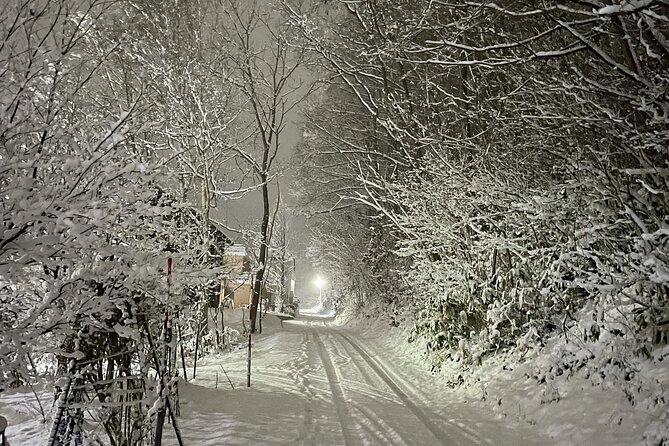
A 4/10 difficulty is a useful label. It tells you this is not an extreme mountaineering day. At the same time, snowshoeing is physical. You are walking through resistance, and your stride changes when snow is deep and uneven.
Based on the way the day is described and the feedback from different experience levels, this fits best if you:
- can walk at a moderate pace for hours
- are comfortable with cold weather and winter surfaces
- want guidance and technique help, especially if it is your first snowshoeing experience
In the feedback, first-timers were repeatedly mentioned as doing well, mostly because the guide stayed patient and adjusted pace. There are also stories where someone found the day tougher than expected and did not reach a high point. That is not a failure, it is a reality check for winter hiking. You should be ready to adapt your goal for the day based on conditions and how you feel.
If you are recovering from an injury, have serious balance issues, or hate cold, you may want a gentler option. Snowshoeing rewards steady effort. It does not reward pushing past discomfort.
Price And Value: Is $224.02 Worth It in a Cold-Weather City?
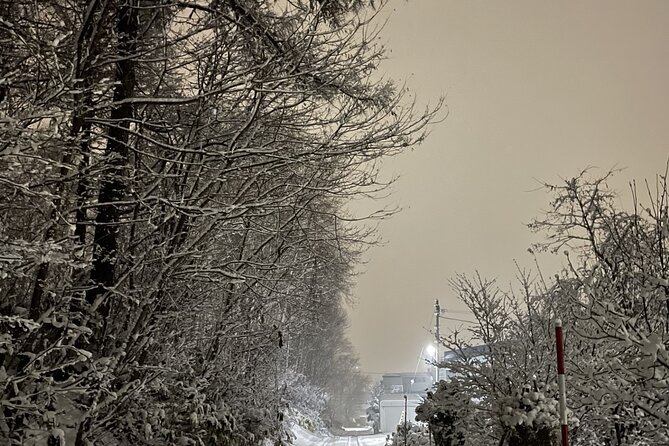
At $224.02 per person, the price is not “cheap,” but it also is not random. You are paying for a lot of what usually costs money in Japan winter travel.
Here’s what your payment covers based on the tour details:
- a guided snowshoe experience outside Sapporo
- snowshoes, trekking poles, and gaiters
- an included lunch during the trek
- onsen admission fees
- a small-group format, max five travelers
- meeting point support at Makomanai and transport to the trail area
If you tried to DIY this, you would still need gear (or rentals), local know-how, winter transport, and an onsen entry. The biggest cost you avoid by booking is the friction. In winter, friction is time, stress, and wasted energy.
The small group also makes the price feel more justified. One-on-one attention means you get safer technique, better pacing, and fewer “I’m lost, what do I do now” moments. And since you are paying for a day that runs about 5 hours, including the onsen, the pricing maps cleanly to a full winter block of time.
If you are traveling solo, you might think “Can I find a cheaper group?” You might, but you usually give up either gear inclusion, onsen inclusion, or the small group attention. This tour keeps those pieces together.
Cold-Weather Reality Check: What You Must Bring
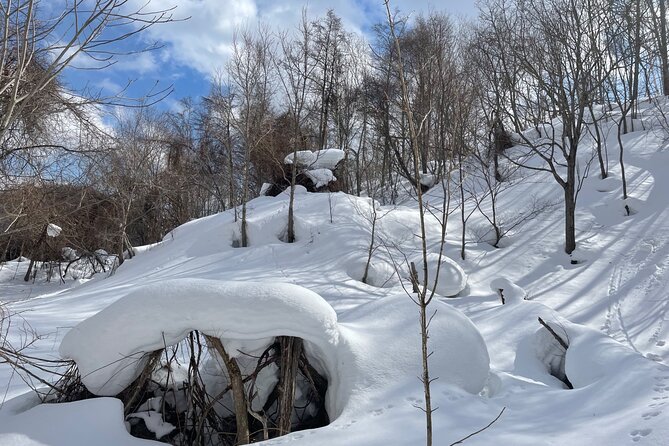
The tour info is clear on what is not included. You should bring:
- cold weather clothing
- hiking footwear for cold or snowy conditions
That matters because snowshoeing punishes poor footwear. A boot that is too flexible, too thin, or too slick can turn every stop into a struggle. And “cold weather clothing” is not a vague phrase here. If you wear regular city layers, you will feel it once you stop for lunch or if the wind picks up.
One good sign in the experience feedback is how often people mention feeling safe and supported. That usually happens when the guide can focus on the trail instead of constantly addressing preventable comfort problems. So do your part early: dress for cold before you arrive, not after you start walking.
Also, plan your day around the early start. 7:30am in winter means you need to be ready the night before. Keep water and snacks light if you want to avoid feeling heavy on the trail, but do not skip your morning routine. Once you are moving, you will find your pace.
Should You Book This Snowshoeing And Onsen Adventure?
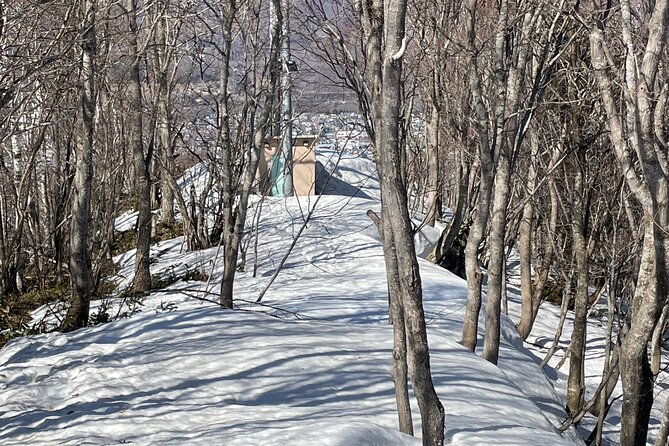
If you want a true Sapporo winter highlight, this is a strong booking. It matches a simple goal: get out of the city for snowy walking, then finish with a real onsen soak while you are still partway in winter mode.
Book it if:
- you want a small-group experience (max five)
- you want gear handled (snowshoes, poles, gaiters)
- you like the idea of lunch plus onsen, built into the schedule
- you are comfortable walking in winter conditions at a 4/10 effort level
Skip it or consider another option if:
- you dislike cold and do not have winter-ready footwear
- you need a highly flexible, stop-start day with minimal walking
- you want independent planning without a guide leading you through the terrain
My take: this is one of those trips that earns its value by removing winter stress. The guide helps with technique and safety, your gear is covered, and the onsen is part of the point. If you like your winter days to end warm and calm, you will probably enjoy this one.
FAQ
What time does the tour start?
The tour meets at Makomanai Station at 7:30am.
How long is the snowshoeing and onsen experience?
The total duration is about 5 hours.
Is pickup offered?
Yes, pickup is offered.
How many people are in the group?
This tour has a maximum of 5 travelers.
What is included in the tour?
You get snowshoes, snow trekking poles, and gaiters, plus on-sen admission fees. Lunch is also included in the experience.
What is not included?
You need to bring cold weather clothing and hiking footwear for cold or snowy conditions.
Where is the meeting point?
The meeting point is Makomanai Eki (Makomanai Station) in Minami Ward, Sapporo.
Which onsen do you visit?
The schedule lists Koganeyu Onsen. Bankei Sanso is also mentioned in the trek notes.
Is the tour suitable for most travelers?
The difficulty level is listed as 4/10, and the tour says most travelers can participate.
What happens if the weather is poor?
This experience requires good weather. If it is canceled due to poor weather, you will be offered a different date or a full refund.
What is the cancellation policy for a full refund?
You can cancel up to 24 hours in advance for a full refund.
Baths We Have Been Into
Hokkaido, Further North
Newest Sapporo write-ups from the Loving Japan desk
Sapporo, Otaru and Hokkaido, side by side.
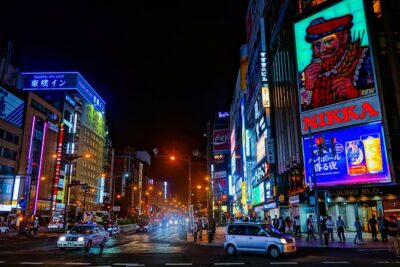 ★ 5.0Sapporo Bar Hopping Food TourFrom $108232 reviews
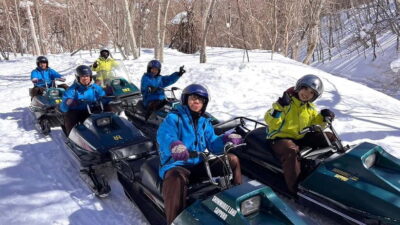 ★ 4.7Hokkaido Seasonal: Lake Toya & Noboribetsu Jigokudani ValleyFrom $55173 reviews
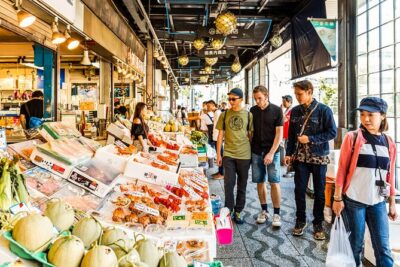 ★ 5.0Sapporo Private Tour with a Local – Highlights & Hidden GemsFrom $10991 reviews
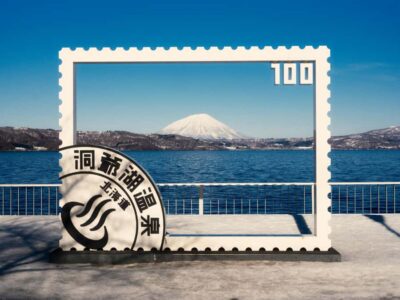 ★ 4.1Hokkaido, Noboribetsu and Lake Toya Day TourFrom $6688 reviews
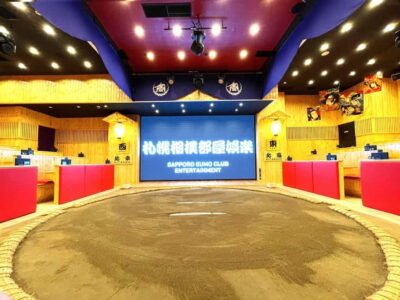 ★ 4.9Sumo Show Experience with Japanese food & PhotoFrom $7781 reviews
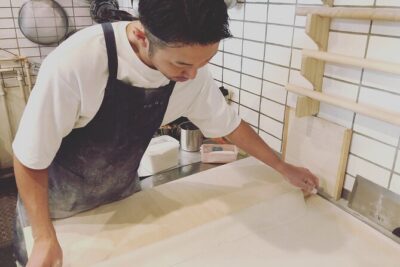 ★ 5.0Mondo’s most popular plan! Experience making soba noodles and the king of Japanese cuisine, tempura, in Sapporo!From $8571 reviews
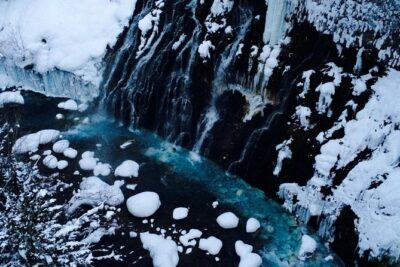 ★ 5.0【Private Car】Asahiyama Zoo, Blue Pond, Shirahige Falls, Ningle Terrace (from Sapporo)From $46560 reviews
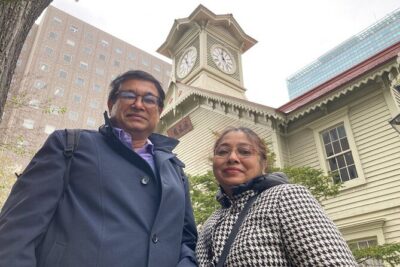 ★ 5.0Sapporo 6hr Private Tour with Government Licensed GuideFrom $15557 reviews