
REVIEW · TAKAYAMA, HIDA AND SHIRAKAWA-GO
Takayama Half-Day Private Tour with Government Licensed Guide
Takayama turns into a great story when you have a real local guide. This private 4-hour tour is built for your group only, with a government-licensed English-speaking guide and a choice of 2 to 3 stops from some of the town’s best-known sights. I like that you can steer the route toward what you care about, from Sanmachi Suji to the Miyagawa Morning Market.
Two things I really appreciate: the flexibility to shape your half-day around your pace and interests, and the way guides connect the sights to Takayama’s festival culture. In the past, guides like Yuko and Lily were praised for steady pacing and clear explanations, and guides such as Mitsu or Yoshi have arranged extra tastings that make the town feel more personal.
One drawback to plan for: this is a walking tour, and some of the stops have entrance fees that are not included, so you will want to budget for ticketed museums. Also, because you only pick a few sites, you cannot “do everything” in one go.
In This Review
- Key things to know before you go
- A half-day route designed around your choices in Takayama
- Sanmachi Suji: the Edo-era street you can read like a map
- Hida Folk Village: step into mountain life beyond the streets
- Takayama Jinya: why shoguns cared about timber
- Festival Forest and the float halls: the stories behind the yatai
- Higashiyama walking course: temples, green steps, and an easy reset
- Morning markets: Miyagawa for scents, snacks, and local rhythm
- Hida Kokubun-ji: the pagoda landmark near JR Takayama Station
- Sakurayama Hachimangu: a shrine that ties straight into festival season
- Optional bonus museums: Kusakabe, Yoshijima, Showa-kan, and retro streets
- Why the guide matters: Yuko, Lily, Yuki, Yoshi, Mitsu, Annie, and the art of pacing
- Price and value: $122.23 per person, plus the few costs that may add up
- Smart planning tips for your 4 hours in Takayama
- Should you book this Takayama half-day private tour?
- FAQ
- How long is the Takayama half-day private tour?
- Is this tour private or shared with other people?
- Can I customize which sights we visit?
- Does the tour include pickup and how does the meeting work?
- Are entrance fees included for every stop?
- What is included in the tour price?
- Is free cancellation available?
Key things to know before you go

- Private, just your group: no mixing, so your guide can slow down or speed up for you.
- Custom 2 to 3 stops: choose from highlights like Sanmachi Suji, Hida Folk Village, and the float areas.
- Festival details matter: guides often focus on how and why the yatai floats are meaningful in Takayama.
- Walking-based route: plan on several shorter segments rather than one long ride.
- Some admissions cost extra: a few key sites are free, while others require separate entry fees.
- Meet on foot in a designated area: pickup is offered, but you should expect to start by walking with your guide.
Old-town Hida and the thatched valley, other versions
- Kanazawa: World Heritage Shirakawa-go Morning Guided Tour
★ 4.9 · 988 reviews - Kanazawa: World Heritage Shirakawa-go & Two Local Experience
★ 4.9 · 274 reviews - Kanazawa/Takayama: Shirakawago & Takayama Private Day Tour
★ 4.8 · 172 reviews - Departing from Takayama [Regular sightseeing bus] World Heritage Sites Shirakawago and Gokayama Ainokura
★ 4.5 · 137 reviews
A half-day route designed around your choices in Takayama
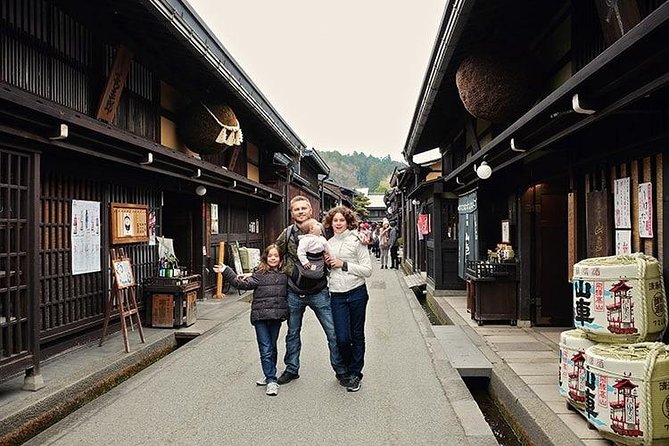
Takayama is compact, but it is also layered. You can wander it on your own, sure, yet a private guide helps you move with purpose, and you get the “why” behind the scenery.
This tour runs about 4 hours, and it stays private for your party only. You also choose your sights. Instead of being locked into a fixed checklist, you pick 2 to 3 sites from the provided options, and your guide plans the flow around that. That matters in Takayama because the best time pressure is not the clock, it is your feet, plus weather.
Pickup is listed as offered, and the tour is described as a walking tour with meetup on foot within a designated area. In practice, some guides have coordinated direct pickup from a hotel, but do not count on it blindly. Message ahead and confirm the exact meetup point and what “pickup” means for your specific group.
You will use a mobile ticket, and the guide is government licensed and local. That combo is what makes the tour feel more like a smart street-level introduction than a generic sightseeing loop.
Sanmachi Suji: the Edo-era street you can read like a map
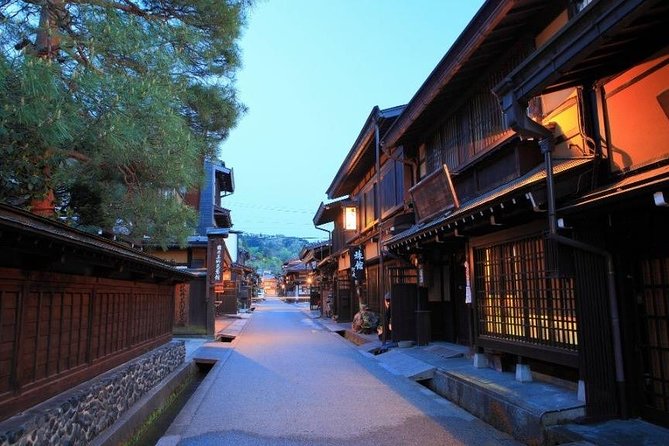
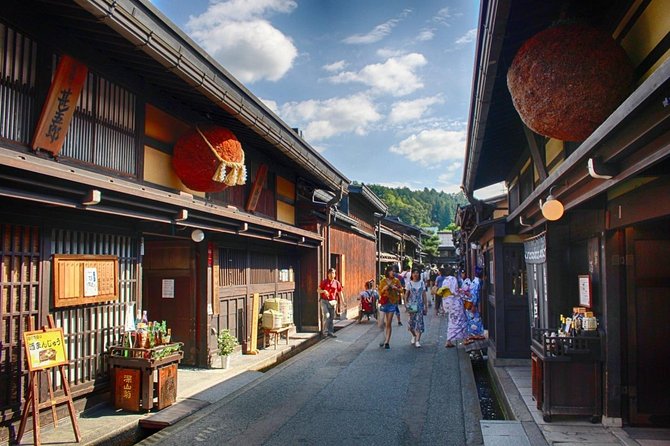
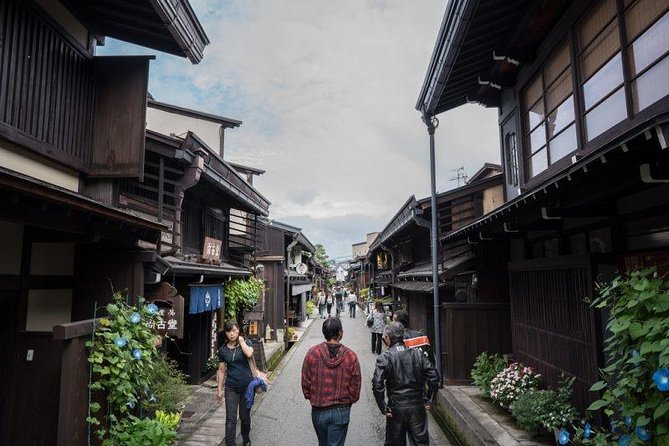
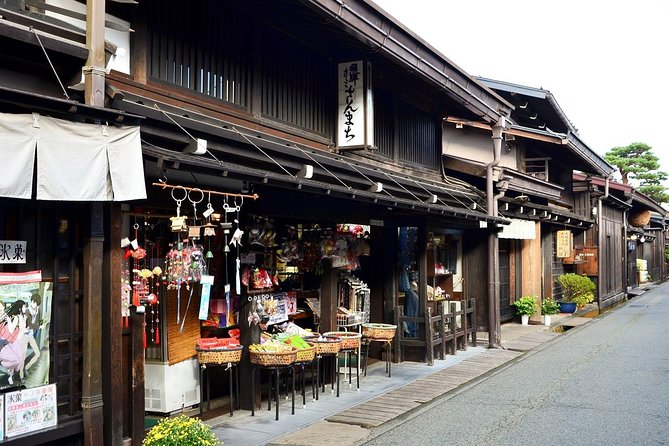
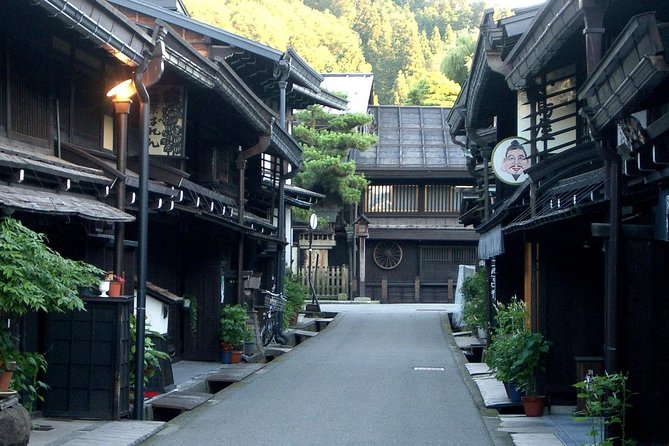
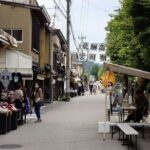
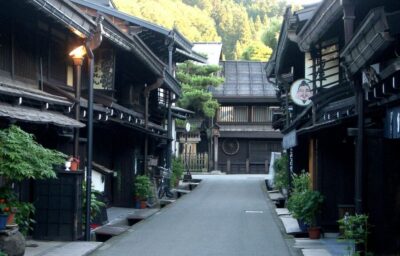
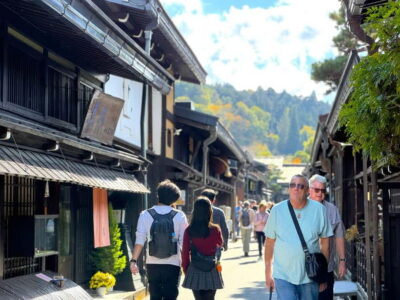
Sanmachi Suji is the classic old-town lane where you immediately see why Takayama feels different from other Japanese cities. The buildings and storefronts trace back to the Edo period (1603 to 1868), and the street is full of shops selling local specialties.
On this tour it is a short stop, about 15 minutes, and admission is free. That is enough time to do two useful things: first, get your bearings in the old town so later sights click into place. Second, do a quick browse with intent. If you want food items, pickles, sweets, or small souvenirs, this is an easy place to start without committing to a long detour.
What I like here is that Sanmachi Suji is not just pretty facades. With a good guide, you can understand how merchant culture shaped the town and why so many stores and craft traditions stayed close to this area.
The only consideration: because the stop is brief, do not plan to window shop for an hour. Treat it like orientation plus a snack or a small purchase, then move on.
Hida Folk Village: step into mountain life beyond the streets
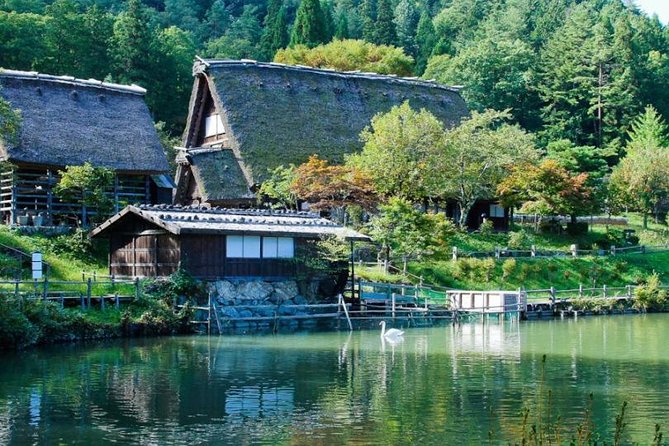
If Sanmachi Suji shows you the town’s merchant look, Hida Folk Village shows you the region behind it. This open-air museum (Hida no Sato) presents over 30 traditional houses from the Hida area, the mountainous part of Gifu Prefecture around Takayama.
You get about 15 minutes here, and admission is free. That time is short, so the goal is not to memorize every building. Instead, focus on what the houses tell you about climate, materials, and daily routines. Hida Folk Village is especially helpful if you are the type of traveler who likes to connect what you see on the street to how people actually lived.
A smart way to use this stop: ask your guide what to look for in the house layout. Even without a full museum crawl, you will leave with a clearer sense of why Takayama’s crafts and traditions feel rooted in the surrounding mountains.
One possible drawback: if you love museums and could spend hours in them, 15 minutes will feel tight. The tour’s structure is meant for selective highlights, not full museum time.
- 1-Day Takayama Tour: Explore Scenic Takayama and Shirakawago★ 5.0 · 113 reviews
- From Takayama: Guided Day Trip to Takayama and Shirakawa-go★ 4.9 · 113 reviews
- Takayama: Onigiri and miso soup making at a buddhist temple★ 4.9 · 93 reviews
- From Takayama: Alpine Splendor – Shinhotaka Ropeway and Kamikochi★ 5.0 · 91 reviews
- Takayama Half-Day Private Tour with Government Licensed Guide★ 5.0 · 69 reviews
Takayama Jinya: why shoguns cared about timber
Takayama Jinya (the local government office) is a key history stop, and it also explains a practical reason Takayama mattered. Because the Hida region had valuable timber resources, the Tokugawa Shogunate placed the area under direct control in 1692.
This stop runs about 15 minutes, and admission is not included. That is a heads-up for your budget. But even in a brief visit, the setting gives context for the town’s authority and administration during the Edo period.
Why this matters for your half-day: old-town streets can feel pretty, but Jinya adds structure. You understand that Takayama was not just a pretty stop. It was a managed center tied to resources.
Consideration: because the entrance fee is not included, decide early if you want to spend your limited time and money here versus choosing a free stop like the morning markets.
Festival Forest and the float halls: the stories behind the yatai
Takayama is famous for its festivals, especially the elaborate float processions. What makes this tour special is that it treats the festival as more than a photo opportunity.
You can include Matsuri no Mori, also described as Hida Takayama Art and Festa Forest. This festival setting offers full-sized replica floats (yatai). It is listed as about 15 minutes, and admission is not included.
Then there is the Takayama Festival Floats Exhibition Hall (Yatai Kaikan), about 30 minutes. This is also ticketed (admission not included). Here is the key timing you will want to know: the Takayama Festival runs in spring (April 14 and 15) and autumn (October 9 and 10). It is often described as one of Japan’s three most beautiful festivals, and the float halls help you see why.
This is where many guides shine. In the feedback you can hear the pattern: Yuko kept a steady pace and explained float details clearly, and other guides were praised for in-depth festival context. If you are the kind of traveler who asks follow-up questions, this portion rewards that. One guide even gave high praise for handling meticulous questions patiently.
Practical note for your planning: you may not want to add both ticketed float stops plus ticketed museums in the same half-day, unless you are comfortable paying extra admission. If festival floats are your top priority, it is often worth focusing your paid entries there.
Higashiyama walking course: temples, green steps, and an easy reset
Not every highlight needs an indoor ticket. The Higashiyama Walking Course (Higashiyama Yūhodō) is a pleasant route through Teramachi, Takayama’s temple town area, plus Shiroyama Park and wooded viewpoints.
This stop is about 30 minutes, and admission is free. It works as a mental reset after streets and museum-like stops. You get fresh walking space, calmer vibes, and a view of Takayama’s “temple town” side.
One reason this stop fits the private tour format: you can ask your guide how long to linger at viewpoints. If the weather turns or you are tired, your guide can often adjust the time without derailing the whole program.
If you are not a walking person, this stop may still be worth considering, because it is built for strolling rather than sprinting between ticketed entrances.
Morning markets: Miyagawa for scents, snacks, and local rhythm
The Hida-Takayama Miyagawa Morning Market is one of the best ways to feel daily life in town. There are two markets on many days: Miyagawa Market along the Miyagawa River in the old town, and Jinya-mae Market. The tour description notes they run daily from around 7:00, or 8:00 in winter, until noon.
This stop is about 30 minutes, and admission is free. That timing matters because markets are short-lived, and your best finds are early. Even if you do not buy much, the market is worth it for the sensory experience and for the chance to ask what local items are worth trying.
From the way guides have been praised for food planning, you should treat this as a “ask first, choose second” moment. For example, Yoshi was praised for leading a guest to an Hida beef restaurant that felt non-touristy. Your guide can likely suggest similar options for your food preferences, even if lunch itself is not included on the tour.
Consideration: this stop works best if you are flexible. If you want a sit-down lunch immediately afterward, the market time may feel like a detour. If you enjoy light grazing, it fits perfectly.
Hida Kokubun-ji: the pagoda landmark near JR Takayama Station
Hida Kokubun-ji Temple is close to transportation, about a five-minute walk from JR Takayama Station. The landmark here is the iconic three-storied pagoda constructed in 1820.
This stop is about 30 minutes, and admission is free. For many first-timers, this is the easiest “wow” moment. You get a clear, recognizable monument, and your guide can connect its place in Takayama’s religious landscape.
Because it is near the station, it also can be a practical anchor. If your day includes train timing or you plan to continue exploring after the tour, this stop makes that transition smoother.
Sakurayama Hachimangu: a shrine that ties straight into festival season
Sakurayama Hachimangu Shrine is the venue for the Takayama Festival in autumn. The tour description also points out that next to the shrine is Yatai Kaikan, where four of the actual floats are shown.
This stop is about 20 minutes, and admission is free. Think of it as a short piece of the festival puzzle. Even if your visit is not in October, the shrine gives you the cultural geography: where the floats belong, and why this area is so connected to the festival tradition.
Consideration: because the stop is short, you will want your guide to focus the explanation. Ask for the key takeaway you should remember, not a long timeline you will forget by the next street.
Optional bonus museums: Kusakabe, Yoshijima, Showa-kan, and retro streets
This tour includes several additional stops that can add variety if you choose them as part of your 2 to 3 site selection. These are all short, and several have admission not included, so treat them as optional add-ons based on your interests.
- Kusakabe Folk Museum: a historic private residence built during the Meiji period in Edo architectural style. Listed at about 10 minutes, with admission not included.
- Yoshijima Heritage House: built in Meiji 41 (1908), with a sake brewery background. You can see a huge sakabayashi sign made from Japanese cedar leaves. About 10 minutes, admission not included.
- Takayama Showa-kan Museum: reconstructed 1950 retro streets inside the museum, including Midget Alley and photo spots. About 10 minutes, admission not included.
- Hida Takayama Retro Museum: retro showa-themed spaces that encourage you to see, snap, and play with displays like figures, magazine posters, toys, games, and even showa-style pachinko. About 10 minutes, admission not included.
How to choose: if you love craft and architecture, Kusakabe and Yoshijima can fit well between old streets and market time. If you want a lighter, modern nostalgia break, the Showa-kan and retro museum options work.
If you are only picking 2 stops, my practical bias is to put your paid time into something you cannot easily replicate, like the float-related sites. Then use the free highlights to round out the “feel” of Takayama.
Why the guide matters: Yuko, Lily, Yuki, Yoshi, Mitsu, Annie, and the art of pacing
This is a private tour, so the guide makes a big difference. The strongest praise across guides focuses on three things: clarity, pace, and the ability to tailor on the fly.
Yuko has been praised for first-hand explanations of the festival floats and for making practical suggestions for the rest of the day. Lily received praise for in-depth Takayama history and a strong introduction. Yuki was praised for perfect English, steady pace, and for connecting multiple sights in one smooth storyline.
Then there are food and experience touches. Mitsu was praised for arranging tea tasting with an expert, and other guides mentioned sake tasting experiences. Yoshi was praised for walking guests to an excellent Hida beef restaurant that felt non-touristy. Annie was praised for personal stories and for responding to interests with a well paced route.
You can use this to your advantage. Before the tour, think of two or three questions you actually want answered. For example, you might ask:
- How does Takayama’s merchant past connect to its festivals?
- What should I pay attention to in the floats?
- What local snacks should I try in the morning market?
If you want more outdoors time, ask. One guide was praised for adjusting the route toward Hida Folk Village, the morning market, and Shiroyama Park. That is exactly the kind of flexibility you want from a private setup.
Price and value: $122.23 per person, plus the few costs that may add up
At $122.23 per person, this is not a bargain bus tour. But you are paying for something that often costs more if you do it yourself: a government licensed English-speaking local guide plus a structured half-day with a private route.
Here is what you get that supports the price:
- Private time with your group only
- Choice of 2 to 3 sites
- Guide guidance that connects the dots between streets, shrines, markets, and festival culture
- Mobile ticket
- Pickup offered and a meet-up process on foot within a designated area
What might cost extra:
- Transportation fees
- Lunch
- Some entrance fees, because not all stops are free
- Entrance fees are specifically not included for certain sights, such as Takayama Jinya and multiple museum options
How to judge value for you: if you and your group want history plus festival context, and you value not wasting time figuring out what matters, the guide helps justify the cost. If you are traveling as a solo walker who already knows Takayama well, you might find it expensive compared with going on your own.
A smart move is to plan your paid stops carefully. If you care most about festival floats, allocate your ticketed time there. If you care more about scenery and markets, you can skew toward free stops and keep costs lower.
Smart planning tips for your 4 hours in Takayama
A private tour is flexible, but you still want a plan so the time does not slip away.
1) Wear real walking shoes
You are on foot for a half-day. Even short stops add up.
2) Choose your priorities before you decide your 2 to 3 stops
Common winning combos are:
- Old town plus a morning market plus one of the float-focused stops
- Old town plus Hida Folk Village plus a shrine/temple moment
3) Budget for entrance fees on the ticketed items
Takayama Jinya and several museums are listed as not included. If you choose those, treat the tour price as the base, then add admission where needed.
4) If food is your thing, use the market time
Admission is free for the morning market stop, and it is one of the easiest places to try local items quickly.
5) Ask your guide to match the weather
Takayama weather can shift. One guide was praised for warning about expected showers and adjusting plans. You can ask for the best photo and walking order based on conditions.
Should you book this Takayama half-day private tour?
Book it if you want your time in Takayama to feel directed, not accidental. This is especially worth it for first-timers, families, or small groups who care about festival culture, old-town detail, and local food rhythm. The combination of customizable stops and a guide who can explain the “why” is the core value here.
Skip it, or choose fewer paid sights, if you already plan a DIY route, you are on a tight budget for museum tickets, or you do not like walking. In Takayama, you can see a lot with just the old streets and markets, so the guide is what you are really buying.
If you do book, your best bet is simple: pick one “story” focus, such as festival floats or the region’s history at Jinya, then fill the rest with free anchors like Sanmachi Suji, Kokubun-ji, and the Miyagawa Morning Market.
FAQ
How long is the Takayama half-day private tour?
It runs for about 4 hours.
Is this tour private or shared with other people?
It is private, only your group participates.
Can I customize which sights we visit?
Yes. You can customize your itinerary by choosing 2 to 3 sites from the tour’s provided options.
Does the tour include pickup and how does the meeting work?
Pickup is offered. The tour is a walking experience, and you meet the guide on foot within a designated area in Takayama.
Are entrance fees included for every stop?
No. Some stops list free admission, while others list that admission is not included. Entrance fees are not included, in general, and lunch is also not included.
What is included in the tour price?
The tour includes a licensed local English-speaking guide and a customizable tour of your selected 2 to 3 sites, plus the meet-up with the guide as described.
Is free cancellation available?
Yes. You can cancel for a full refund up to 24 hours in advance of the experience start time.
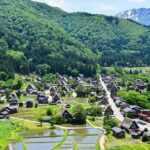
Hida Old Town and the Thatched Valley


Newest Takayama write-ups from the Loving Japan desk

Takayama, Hida and Shirakawa-go, side by side.
 ★ 5.0World Heritage Shirakawa-go and Experience Tours from KanazawaFrom $1224,049 reviews
 ★ 4.9World Heritage Shirakawa-go Morning Guided TourFrom $77988 reviews
 ★ 4.4From Nagoya: Gujo, Hida Takayama, and Shirakawa-go Day TourFrom $61398 reviews
 ★ 4.9World Heritage Shirakawa-go & Two Local ExperienceFrom $116274 reviews
 ★ 4.5From Nagoya: Hida Takayama & Shirakawa-go Tour w/Opt. LunchFrom $61256 reviews
 ★ 4.51 Day Private Charter Tour to Shirakawa-go & TakayamaFrom $575253 reviews
 ★ 5.0[One-day bus tour departing from Kanazawa Station] Shirakawa-go and Gokayama – Two World Heritage Villages Enjoyable Bus TourFrom $88253 reviews
 ★ 5.0World Heritage Shirakawa-go Perfect Guided Tour from KanazawaFrom $81220 reviews
Filed on these lists too