
REVIEW · TAKAYAMA, HIDA AND SHIRAKAWA-GO
Takayama Full-Day Private Tour with Government Licensed Guide
Takayama rewards curiosity fast. This 6-hour private day is built around a guide who helps you choose the right stops, then gets you from place to place using Japan’s public transport system. I like the flexible 3 to 4 site format, and I like that the day includes both old-town flavor and big cultural landmarks, from Sanmachi Street to the Takayama Festival Floats Exhibition Hall.
The main thing to consider is that transport and entry fees are on you, and you’ll be walking. If you only want to snap photos from the sidewalk, you may find the guide adds less than you hoped.
In This Review
- Key highlights worth centering your day on
- What You Really Get From a 6-Hour Private Day in Takayama
- Licensed Guide Power, and Why It Can Be Worth the Money
- Sanmachi Street and Hida no Sato for Edo-Style Atmosphere
- Takayama Jinya and Festival Forest for Power and Pageantry
- Higashiyama Teramachi Walk, Plus Temple Town Calmer Energy
- Miyagawa Morning Market and Kokubun-ji, for Everyday Takayama
- Sakurayama Hachimangu Shrine and the Floats Exhibition Hall
- If You Choose Museums, Kusakabe and the Showa Retro Pair Well
- Optional Hida Beef and Lunch You Pay For
- Practical Tips to Make This Walk-and-Transit Day Feel Easy
- Should You Book This Takayama Private Tour?
- FAQ
- What time does the Takayama tour start?
- How long is the tour?
- What is included in the price?
- Are entrance fees included?
- Do I pay for transportation during the tour?
- Is lunch included?
- Is free cancellation available?
- Is this tour private or group-based?
Key highlights worth centering your day on

- Licensed local English-speaking guides who can steer the day toward your exact interests, with help from Japan Guide Agency guides like Akane Ito and Yuriko (Lily) referenced in feedback.
- Pick your own 3 to 4 stops from a long list, so you are not stuck marching through sights you do not care about.
- Public transport plus short visits keeps the day efficient, with many stops around 10 to 30 minutes.
- Festival culture that is easier to understand in person, especially at the floats exhibition and Festival Forest.
- Morning market timing matters, since the Hida-Takayama Miyagawa Morning Market runs daily from around 7:00 (8:00 in winter) to noon.
- Showa retro museums are a fun wildcard if your day needs something lighter than temples and streets.
Old-town Hida and the thatched valley, other versions
- Kanazawa: World Heritage Shirakawa-go Morning Guided Tour
★ 4.9 · 988 reviews - Kanazawa: World Heritage Shirakawa-go & Two Local Experience
★ 4.9 · 274 reviews - Kanazawa/Takayama: Shirakawago & Takayama Private Day Tour
★ 4.8 · 172 reviews - Departing from Takayama [Regular sightseeing bus] World Heritage Sites Shirakawago and Gokayama Ainokura
★ 4.5 · 137 reviews
What You Really Get From a 6-Hour Private Day in Takayama
This is a full-day tour on paper, but it works like a smart hit list. You meet your guide at 9:00am, then spend roughly 6 hours bouncing between carefully chosen stops. The private format matters because you can keep the pace human and actually ask questions, instead of being squeezed into a fixed group rhythm.
The value equation here is simple: you are paying for a government licensed local guide plus the ability to customize your day. Sites can be historical streets, folk architecture, festival exhibits, temples, shrines, and even retro museums. Lunch is optional, and you choose whether you want Hida beef or something else, with the cost on your own.
One more practical point: the itinerary you can pick from includes many free sites, but not every stop is free. You should plan on paying some combination of transport, any paid entrances, and lunch.
Licensed Guide Power, and Why It Can Be Worth the Money
A recurring theme in feedback is that the guides can bring Takayama to life through context, not just directions. Names that came up include Akane Ito and Yuriko (Lily), plus Elvis, described as friendly and helpful at guiding people through the streets and the town’s past.
In plain terms, a guide helps you notice the stuff you would otherwise walk past:
- Why timber resources mattered for local governance.
- What you are looking at in festival-related displays.
- How folk houses reflect life in the Hida region.
That said, there is a caution from one mixed note: if you are the type who loves wandering independently and does not care about details, you might feel the guide was mostly extra walking. My advice is to decide what kind of day you want. If you want photos plus meaning, book the guide. If you only want a casual wander, save your money.
Sanmachi Street and Hida no Sato for Edo-Style Atmosphere
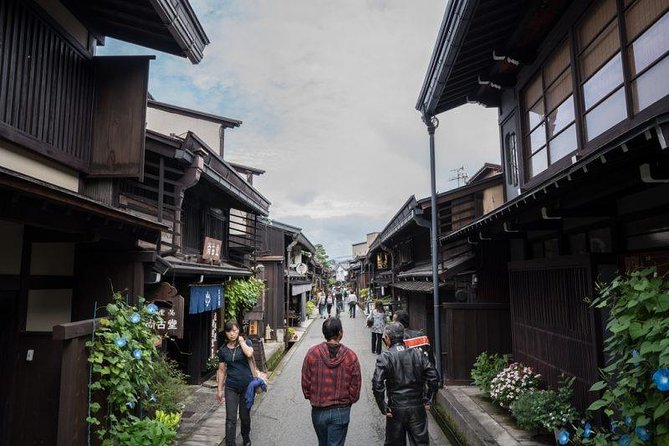
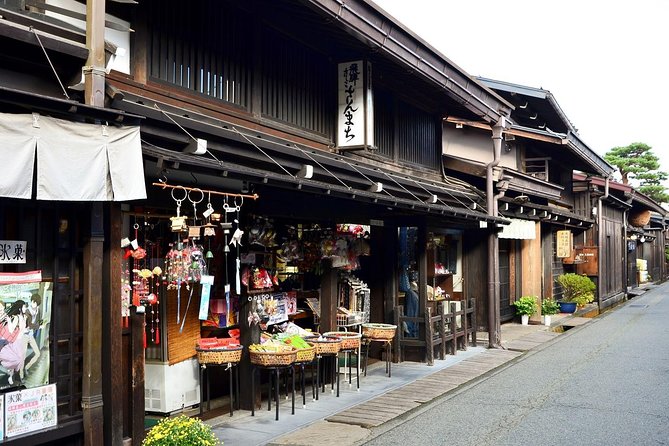
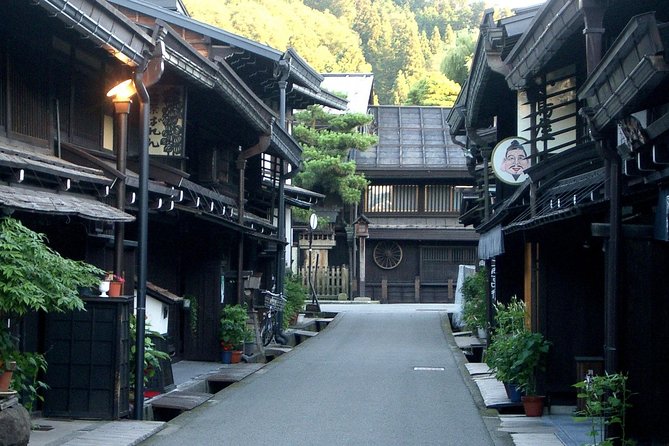
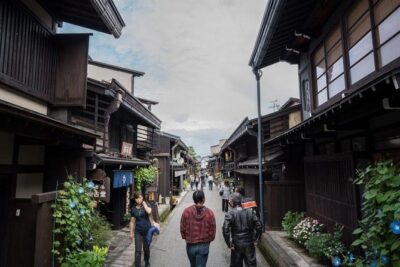
Your day often works best when you start with Takayama’s older lanes. Sanmachi Suji is a classic place to get oriented. This Edo period (1603 to 1868) style old town area lines up houses and shops, and you will see local specialty items sold along the street. Expect it to feel like the version of Takayama most people dream about.
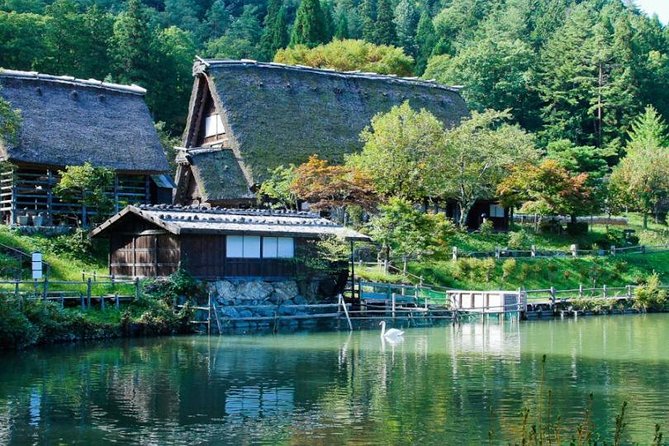
Then comes Hida Folk Village, Hida no Sato, an open-air museum that shows more than 30 traditional houses from the mountainous Hida region around Gifu Prefecture. This is one of the most useful stops for understanding why Takayama looks the way it does. Instead of just admiring buildings, you get a sense of how homes were constructed in the region, in a setting where you can actually walk around the structures.
What I like about these two together is contrast:
- Sanmachi Suji gives you street-level character you can absorb fast.
- Hida no Sato gives you building-level context that sticks.
Time note: both stops are listed as about 30 minutes each, so you will be able to see the highlights without turning your day into a museum marathon.
Licensed guides working the same ground
- Takayama Half-Day Private Tour with Government Licensed Guide★ 5.0 · 69 reviews
- Takayama Local Cuisine, Food & Sake Cultural Tour with Government-Licensed Guide★ 5.0 · 17 reviews
Takayama Jinya and Festival Forest for Power and Pageantry
If you want Takayama beyond cute streets, this pairing helps. Takayama Jinya served as a local government office because the region’s valuable timber resources brought it directly under Tokugawa Shogunate control in 1692. You are not touring a random temple. You are seeing the kind of place that explains how power worked in rural Japan.
Next, consider Hida Takayama Art and Festa Forest, known as Matsuri no Mori. This is set outside the city center and focuses on the Takayama Festival, which runs for two days in spring (April 14 and 15) and autumn (October 9 and 10). Even if you are visiting outside festival season, this stop gives you a framework for understanding why those festival floats are treated like major cultural treasures.
This part of the day is smart because it answers two questions most visitors have:
- What made Takayama important historically?
- How does the town celebrate that identity?
Drawback to consider: some of these festival-oriented stops have an admission that is not included. You will want to accept that as part of the cost of a deeper cultural experience.
Higashiyama Teramachi Walk, Plus Temple Town Calmer Energy
A lot of people rush Takayama. You do not have to. The Higashiyama Walking Course is a pleasant way to slow down through the temple town area called Teramachi, plus walking routes through Shiroyama Park and wooded hills.
This works especially well when you need a break from sitting in transit. You get fresh air, you get a different side of the town, and you still feel like you are moving toward points of interest.
What to watch for: walking time is real. Even though each stop is listed as about 30 minutes, you are still stacking short segments all day. If your legs are not excited about stairs and sidewalks, you should consider fewer paid-entry stops and use the free walking option to balance the day.
Miyagawa Morning Market and Kokubun-ji, for Everyday Takayama
Takayama’s morning markets are a big deal because they feel local in a way many tourist markets do not. The Hida-Takayama Miyagawa Morning Market runs daily roughly from 7:00am (or 8:00am in winter) until noon, along the Miyagawa River in the old town. A second market also exists near Jinya-mae, but Miyagawa is the one specifically named in the tour stops.
This is where you can taste the town’s rhythm without needing a special restaurant plan. You are likely to find small food items, everyday goods, and snackable things that work well between other stops.
A few stops later, Hida Kokubun-ji Temple brings you back into deeper cultural mode. It is about a five-minute walk from JR Takayama Station, and its iconic three-storied pagoda was constructed in 1820. That date helps you picture scale and continuity, and it is the kind of sight you can appreciate even if you are not a temple-history nerd.
If you are deciding which stops to prioritize, my suggestion is this:
- If you care about food and atmosphere, put Miyagawa Market high on your list.
- If you want a landmark you can recognize in photos and on the walk, pick Kokubun-ji.
Both are listed as 30 minutes, with free admission noted for Kokubun-ji.
Sakurayama Hachimangu Shrine and the Floats Exhibition Hall
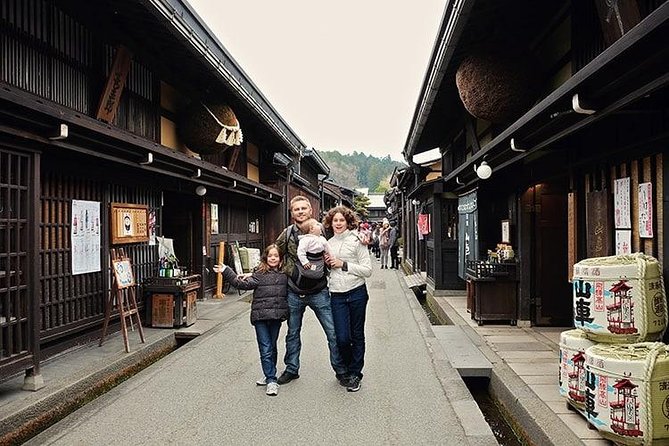
Sakurayama Hachimangu Shrine is tied directly to the Takayama Festival in autumn. If you want a more complete festival story, pair it with the Takayama Festival Floats Exhibition Hall (also called Yatai Kaikan).
This is where the tour’s logic gets really good. The shrine provides the spiritual and seasonal anchor. The floats hall shows you the main characters of the festival in a structured way. The exhibition hall stop is listed as 30 minutes, and it is a place that makes festival culture easier to understand at a glance, even if you are not there during April or October dates.
Admission for the floats hall is listed as not included, so plan for an extra cost if you choose it. Still, if you only pick 3 to 4 sites, this one is often the best single choice for “I get Takayama now” satisfaction.
If You Choose Museums, Kusakabe and the Showa Retro Pair Well
Not every day needs only temples and streets. The tour includes multiple options that shift the mood.
- Kusakabe Folk Museum is a historic private residence, built in the Meiji period in Edo architectural style. It is about architecture and domestic heritage, and it is listed at 30 minutes with admission not included.
- Takayama Showa-kan Museum recreates retro streets of the 1950s. It includes things like Midget Alley plus a barbershop and photo-related corners. This is listed for only 10 minutes, which usually means a quick hit.
- Hida Takayama Retro Museum similarly focuses on Showa-era vibes, with the chance to see and play with items such as magazines, posters, toys, games, pachinko-style play, and more. It is also 10 minutes.
Add Yoshijima Heritage House, a Meiji-built house from 1908 that has had a sake-brewing connection, complete with a sake sign made of Japanese cedar leaves. It is listed for 10 minutes.
Here is the key decision: museums are perfect for hot afternoons or rainy weather, but they can feel scattered if you already picked several paid-entry sites. If you want the day to feel like one coherent story, you might choose one museum segment plus a festival stop.
Optional Hida Beef and Lunch You Pay For
The tour mentions that you can try Hida beef for lunch, but the meal is your own expense. That sounds basic, but it changes how you should plan your day.
Because lunch is not included, you should treat it as a chance to use your guide. Many guides can steer you to a good place that fits your tastes and your time window between stops. In feedback, a lunch restaurant recommendation was specifically praised, which is a nice signal that the guide does more than just point out landmarks.
Tip for your budget: since transport and entry fees are extra, leaving lunch spending room helps prevent last-minute cash stress. If you want to try Hida beef, set that budget now so it does not compete with museum entrances later.
Practical Tips to Make This Walk-and-Transit Day Feel Easy
Even though you are doing a “full-day” tour, the mechanics matter more than the label.
- Wear shoes you can walk in for real. This is described as a walking tour, and the stops are short but stacked.
- Expect public transportation between selected sites, with transport fees not included. The tour leans on Japan’s efficiency, which is great, but it means you still need to budget.
- Keep your day flexible. You customize 3 to 4 sites, so you can adapt to weather, your interests, and any energy levels.
- Use the morning market timing if you want it. The Miyagawa Market runs until noon, so it is easier when you hit it earlier rather than later.
- Bring cash or a payment method for paid entrances and lunch. Several named stops are marked as admission not included.
One more note that affects your comfort: pickup is offered, but pick up is on foot within a designated area. So plan to locate your guide near your hotel area rather than expecting a vehicle.
Should You Book This Takayama Private Tour?
Book it if you want a guided day that mixes old town streets, festival culture, and market life, and you like the idea of customizing your 3 to 4 stops instead of getting dragged through a fixed checklist. The best feedback centers on guides like Akane Ito and Yuriko (Lily) being personable and helpful at shaping the day around your interests, and that is exactly what turns Takayama from pretty into memorable.
Pass or think twice if you have a low interest in context. If you are happy to stroll and self-guide using maps, you might feel the guide is redundant. Also consider the add-on costs, because transport and entrances are not included, so your final spend depends on which paid stops you pick.
If you are on the fence, here is my quick decision rule: choose this tour if you want someone to help you understand what you are seeing, not just where it is.
FAQ
What time does the Takayama tour start?
The guide meetup is at 9:00am for this full-day private tour.
How long is the tour?
The tour duration is listed as about 6 hours.
What is included in the price?
Included are a licensed local English-speaking guide, a customizable itinerary where you choose 3 to 4 sites, and a meetup on foot within the designated Takayama area. Mobile ticket is also mentioned.
Are entrance fees included?
Entrance fees are not included. Some stops listed have free admission, while others are marked as admission not included.
Do I pay for transportation during the tour?
Yes. Transportation fees are not included, and the tour uses public transportation between stops with an extra fee.
Is lunch included?
No. Lunch is not included. The tour notes that you can try Hida beef if you like, but you pay for the meal.
Is free cancellation available?
Yes. Free cancellation is available if you cancel up to 24 hours in advance for a full refund.
Is this tour private or group-based?
It is private. The description says only your group will participate.
Licensed Guides on the Same Ground

Hida Old Town and the Thatched Valley


Newest Takayama write-ups from the Loving Japan desk

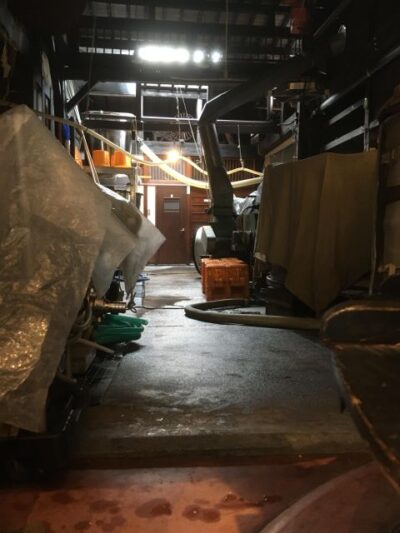
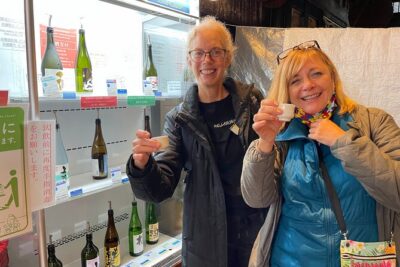
Takayama, Hida and Shirakawa-go, side by side.
 ★ 5.0World Heritage Shirakawa-go and Experience Tours from KanazawaFrom $1224,049 reviews
 ★ 4.9World Heritage Shirakawa-go Morning Guided TourFrom $77988 reviews
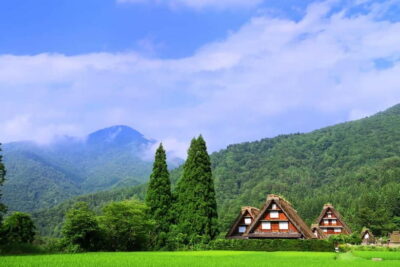 ★ 4.4From Nagoya: Gujo, Hida Takayama, and Shirakawa-go Day TourFrom $61398 reviews
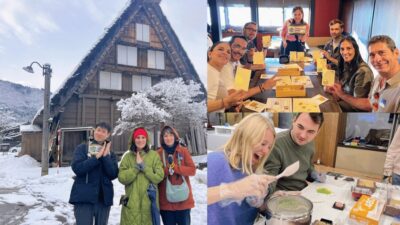 ★ 4.9World Heritage Shirakawa-go & Two Local ExperienceFrom $116274 reviews
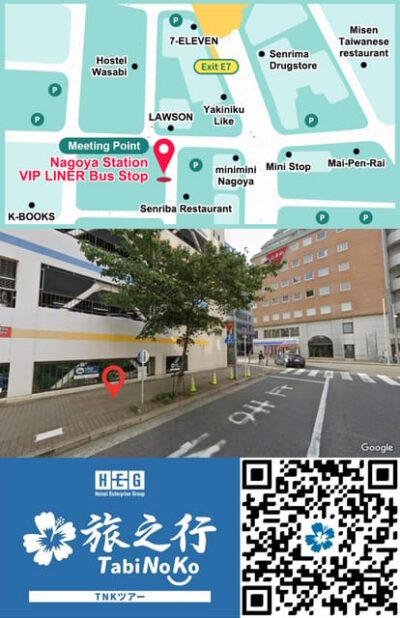 ★ 4.5From Nagoya: Hida Takayama & Shirakawa-go Tour w/Opt. LunchFrom $61256 reviews
 ★ 4.51 Day Private Charter Tour to Shirakawa-go & TakayamaFrom $575253 reviews
 ★ 5.0[One-day bus tour departing from Kanazawa Station] Shirakawa-go and Gokayama – Two World Heritage Villages Enjoyable Bus TourFrom $88253 reviews
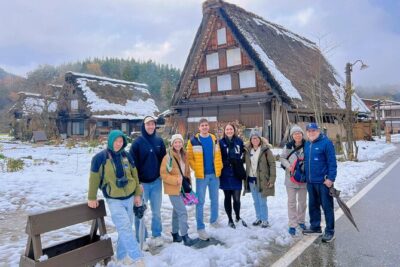 ★ 5.0World Heritage Shirakawa-go Perfect Guided Tour from KanazawaFrom $81220 reviews
Filed on these lists too