
REVIEW · ASAKUSA, SENSO-JI AND TOKYO SKYTREE
This is Asakusa! A Tour Includes the All Must-Sees!
Asakusa deserves a calmer pace. This private 6.5-hour tour helps you work through the crowds with a guide, and I especially like the no-drama crowd navigation you get when streets get packed. You also get time to ask questions about daily life and customs, so the sights land with context, not just photos.
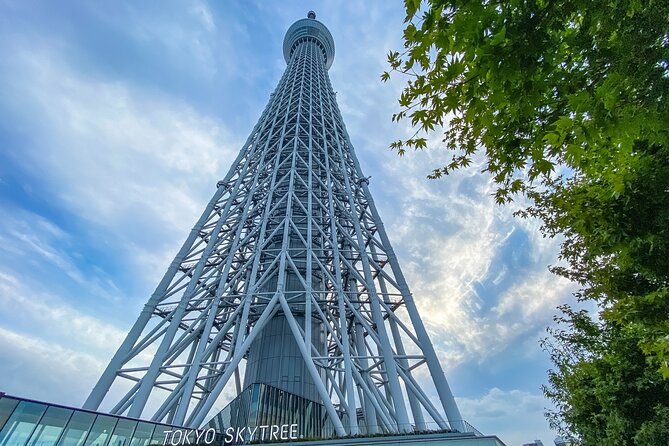
I also like the Asakusa-to-Skytree arc, from Tokyo’s oldest major temple area to the 634-meter Tokyo Skytree and the Solamachi complex next door. One thing to plan for: while many stops are free, you still cover meal costs and Skytree admission, so the total day budget runs higher than the base price.
In This Review
- Key Highlights Worth Zooming In On
- Private Party-Only Asakusa With a Clear Plan (and Less Worry)
- Price and What You Really Pay For
- Meeting at Asakusa Station, Then Finishing at Oshiage
- Stop 1: Asakusa Culture Tourist Information Center Terrace Views
- Stop 2: Senso-ji Temple and the Lantern-First Entrance Feeling
- Stop 3: Asakusa Shrine and the Sanja Matsuri Connection
- Stop 4: Asakusa Nishi-sandō Shopping Street, Festival-Themed and Easy to Browse
- Stop 5: Hoppy Street for Affordable Drinks and Outdoor-Table Atmosphere
- Stop 6: Kappabashi Street for Knives, Tableware, and Real-World Souvenirs
- Stop 7: Gonpachi Handmade Soba With Sumida River and Skytree Views
- Stop 8: Tokyo Skytree, the 634-Meter Finale (Admission Not Included)
- Stop 9: Tokyo Solamachi Next Door for Shopping and Easy Foot Traffic
- The Best Part: Guides Who Can Explain What You Are Seeing
- Who Should Book This Asakusa Plus Skytree Tour
- Booking Advice and Practical Gotchas to Watch
- Should You Book It?
- FAQ
- How long is the Asakusa tour?
- Is this tour private?
- Where do we meet, and where does the tour end?
- What is included in the tour price?
- What is not included?
- Are there any stops with free admission?
- Is Tokyo Skytree admission included?
- What happens if the weather is bad?
- What is the cancellation window?
Key Highlights Worth Zooming In On
- Private, party-only pacing that keeps you from wandering in the wrong direction
- Senso-ji and Asakusa Shrine with strong historic and festival connections
- Kappabashi Street shopping for kitchen tools, knives, and practical souvenirs
- Gonpachi soba stop with window views toward the Sumida River and Skytree
- Tokyo Skytree and Solamachi for a big finish after classic Asakusa sights
Still on the Sumida side? A few more Asakusa options
- Tokyo: Japanese Dance Cabaret Theater Asakusa-Kaguwa Ticket
★ 4.8 · 2,270 reviews - Tokyo: Meiji Shrine, Asakusa, Skytree Bus Tour and Cruise
★ 4.7 · 1,986 reviews - Tokyo: Roll and Authentic Sushi Making Class in Asakusa
★ 4.9 · 1,957 reviews - Tokyo: Asakusa Walking Tour with Sensoji Temple Visit
★ 4.8 · 1,583 reviews
Private Party-Only Asakusa With a Clear Plan (and Less Worry)
This is a private tour for your group, not a shared bus-and-hope situation. That matters in Asakusa, where foot traffic can feel nonstop and it is easy to lose time chasing the right turns. With a guide, you can keep moving while still slowing down at the places that need a closer look.
The tour runs about 6 hours 30 minutes. It also ends at a different station than where you start, which is a smart setup if your end goal is the Skytree area rather than backtracking through the same neighborhoods.
Price and What You Really Pay For
The listed price is $137.29 per person, and the tour includes a guide plus the necessary expenses for the guide during the tour. You also get group discounts and a mobile ticket, which is handy if you like to travel light.
But the day is not all-in. You should budget for the extra costs you will pay during the experience. The provided estimate puts total extra spending at around 4,880 JPY per person, including:
- Transportation: 180 JPY per person
- Admission fees: 3,400 JPY per person
- Meals: 1,200 JPY per person
In plain terms: you are paying for guidance and time efficiency, then topping up the cost of what you choose to enter and eat. If you were doing this on your own, you would still pay for the same attractions and meals. The value here is that you are not spending that time figuring out the best route while managing crowds.
Meeting at Asakusa Station, Then Finishing at Oshiage
You meet at Asakusa Sta. 1-chōme-1-3, Taito City, Tokyo 111-0032, Japan. The tour finishes at Oshiage Sta. (SKYTREE) 1-chōme-1-65, Oshiage, Sumida City, Tokyo 131-0045, Japan.
Here is the practical caution. One review highlighted a meeting-point mismatch when a taxi was sent to a nearby train station instead of the exact subway meeting spot. To avoid the same headache, you should copy the meeting-point details into a map app, and if you are arriving by taxi, confirm the exact subway station the guide expects you at.
Also note: if you want to change the finishing spot, you need to let your guide know. That flexibility can help if you have dinner plans elsewhere.
- Mt Fuji and Hakone 1-Day Bus Tour Return by Bullet Train★ 5.0 · 26,383 reviews
- 1-Day Tokyo Bus Tour★ 5.0 · 14,250 reviews
- Tokyo: teamLab Planets TOKYO Digital Art Museum Entry Ticket★ 4.6 · 9,779 reviews
- Mt Fuji & Hakone Cruise, Drum Show Bullet Train 1 Day from Tokyo★ 4.0 · 7,413 reviews
- Tokyo Mt Fuji 5th St & Hakone Cruise Bus Tour w/Bullet Train★ 4.4 · 5,024 reviews
Stop 1: Asakusa Culture Tourist Information Center Terrace Views
You start at the Asakusa Culture Tourist Information Center. This stop is short, about 15 minutes, and admission is free.
What makes it useful is that it sets context before the heavy-hitter sightseeing. You also get access to an observation terrace on the top floor overlooking the Asakusa city area. Even a brief view can help you understand what you are about to walk through, especially in a neighborhood where streets curve and sights cluster tightly.
Stop 2: Senso-ji Temple and the Lantern-First Entrance Feeling
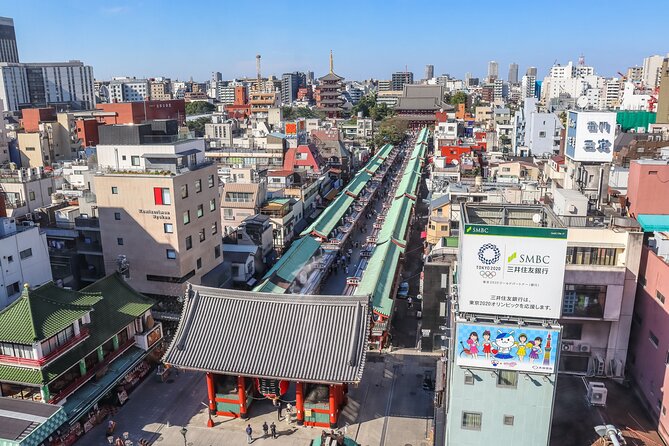
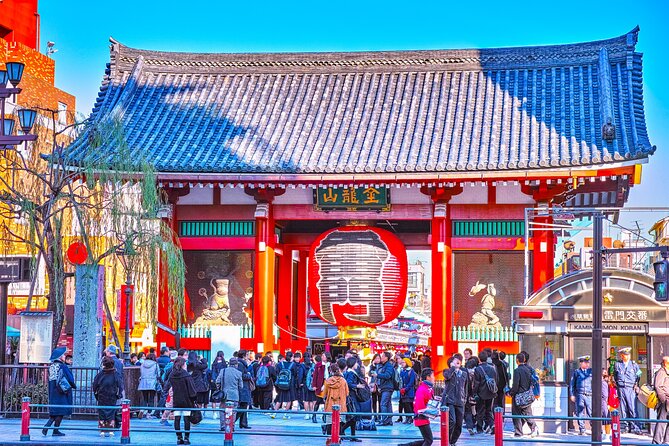
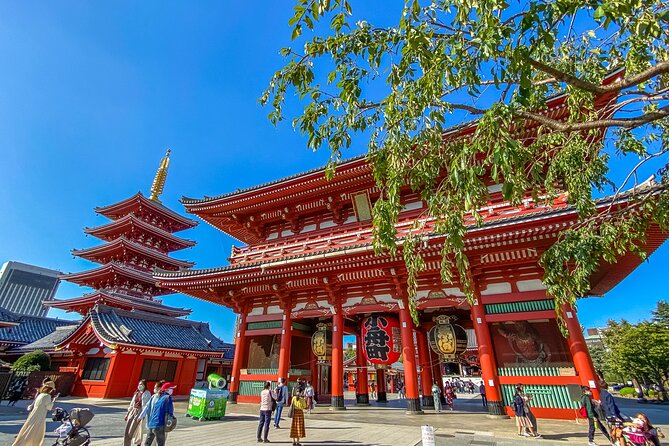
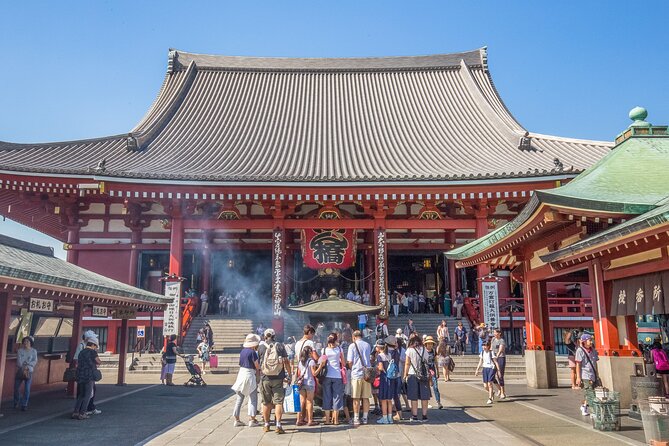
Next comes Senso-ji, Tokyo’s oldest temple area, known for the large red lanterns that have become the symbol of Asakusa. This is about an hour, and admission is free.
Why this stop works on a guided day: the temple area can be visually intense, with crowds flowing in every direction. A guide helps you see the main features without wasting time stuck behind people who are also trying to figure out where to go next. You are also not just looking at red buildings, you are learning how the place fits into Tokyo’s longer story of Buddhism and community life.
Stop 3: Asakusa Shrine and the Sanja Matsuri Connection
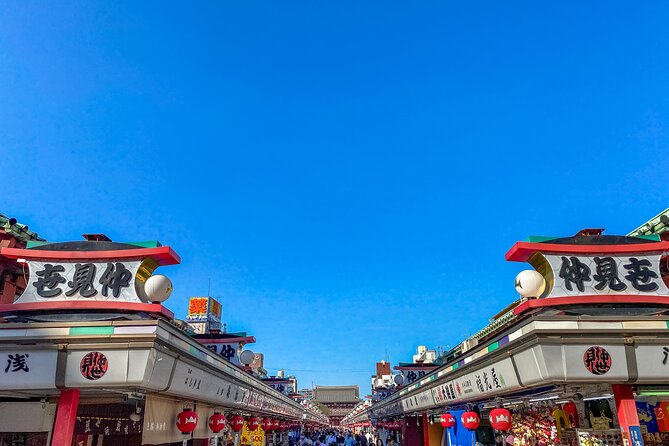
After Senso-ji, you head to Asakusa Shrine for about 15 minutes. Admission is free.
This shrine is famous for its link to Sanja Matsuri, one of Tokyo’s major festivals. Even if you visit outside festival season, it is still valuable to know what traditions animate this part of town. That background turns the decorations and street energy into something more meaningful than a tourist backdrop.
Stop 4: Asakusa Nishi-sandō Shopping Street, Festival-Themed and Easy to Browse
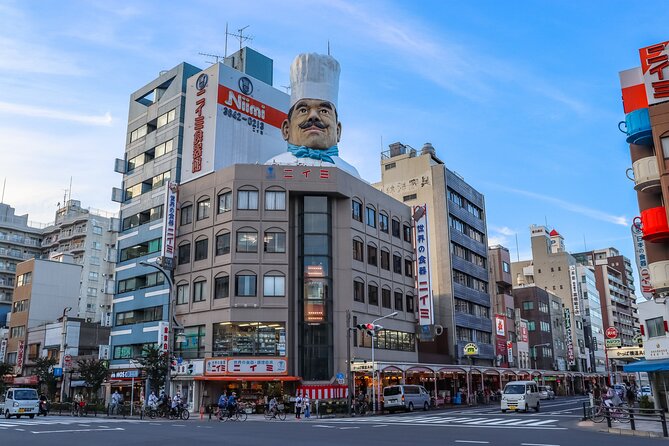
You then move into Asakusa Nishi-sandō Shopping Street for about 15 minutes. Admission is free.
This is where shopping and sightseeing overlap. The street has festival-themed decorations, and it is set up for browsing while you soak up the feel of traditional Asakusa. With a guide, you can look without losing the group, and you can ask what is actually worth buying versus what is there mostly as a quick souvenir.
Stop 5: Hoppy Street for Affordable Drinks and Outdoor-Table Atmosphere
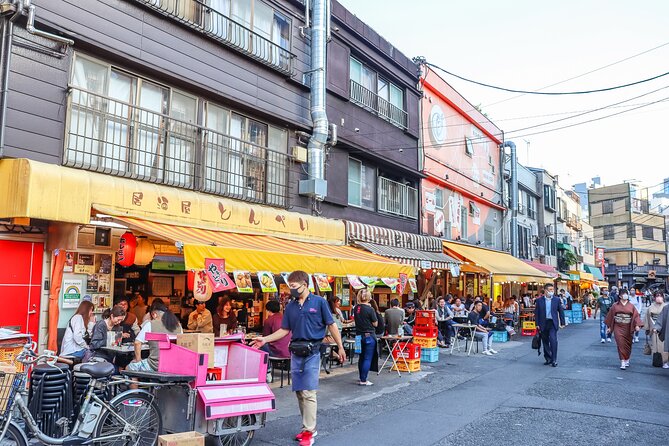
Hoppy Street is a shorter stop, about 5 minutes, but it is designed for atmosphere. Admission is free.
The draw here is simple: lots of restaurants with outdoor tables and reasonably priced drinks, plus an energy that mixes tourists walking through with locals who come to relax. You get a taste of how the neighborhood functions after the big temple moments, without turning the tour into a full-on meal stop.
If you are the type who likes food culture but does not want a long sit-down yet, this quick break is a nice bridge.
Stop 6: Kappabashi Street for Knives, Tableware, and Real-World Souvenirs
Now you hit one of Asakusa’s best-known shopping areas: Kappabashi Street (Kappabashi Dogugai). This is about 30 minutes, admission is free.
Kappabashi is all about kitchen tools and tableware, including knives and food-related equipment. The key value for you is that it is not just random tourist goods. You can find professional-style knives and practical kitchen items that actually make sense to bring home, if you are traveling with the space and weight.
Also, this is the kind of stop where a guide can help you shop smarter, not just shop faster. In at least one account, a guide helped a visitor with a knife purchase, which is exactly the kind of practical support that turns browsing into a successful souvenir trip.
Stop 7: Gonpachi Handmade Soba With Sumida River and Skytree Views
You get a longer food stop at Gonpachi, about 50 minutes. Admission here is not included, and the meal costs are on you.
What I like about this stop from a value standpoint is the combination of food and setting. Gonpachi is a handmade soba restaurant, and the large windows offer views of the Sumida River and Tokyo Skytree. That means your lunch is doing double duty: you are eating, but you are also getting a visual “Asakusa to Skytree” transition.
If you are trying to time the day so you have energy for the skyline views later, this is a good anchor meal. Just know that you are paying for it during the tour.
Stop 8: Tokyo Skytree, the 634-Meter Finale (Admission Not Included)
Then it is time for the big finish: Tokyo Skytree. This portion runs about 1 hour 10 minutes, but admission is not included.
Skytree is listed as the tallest building in Japan at 634 meters, opened in 2012. You also have malls, an aquarium, and office buildings around the tower, so even if you do not stay inside every attraction, the surrounding area keeps the day moving.
A guided day helps here because you avoid decision fatigue. You already know where you are going next, and you can focus on what you want to do at Skytree within the time window.
Stop 9: Tokyo Solamachi Next Door for Shopping and Easy Foot Traffic
Finally, you head to Tokyo Solamachi, adjacent to Skytree. This stop is about 30 minutes, and admission is free.
Solamachi is described as a commercial complex with a “new downtown style” concept, with shopping and entertainment options. In practice, that gives you an easy place to end the day, whether you want snacks, browsing, or simply a clean way to wrap up after the tower.
Because the tour ends at Oshiage Station near Skytree, this landing spot can also make your onward travel simpler.
The Best Part: Guides Who Can Explain What You Are Seeing
One reason this tour scores so well is the guide experience. Names that came up include Haruo, Macky, Walt, and Sayaka, and the common theme is plain guidance plus answers.
A guide is not just there to point at landmarks. They help you connect:
- Temple and shrine features to what they represent
- The festival links behind Asakusa Shrine
- How Kappabashi shopping fits into everyday food culture
- Why Gonpachi’s soba stop works when you still have Skytree to enjoy afterward
In one case, a guide’s English was described as flawless, which matters if you want real explanations rather than just a route recap. In another case, a guide handled preferences and planning for a small group, which is exactly how a private setup should feel.
Who Should Book This Asakusa Plus Skytree Tour
This is a strong match if you:
- Feel overwhelmed by crowd-heavy Tokyo neighborhoods
- Want classic Asakusa sights plus a practical shopping stop
- Like guided context about culture, history, and daily life
- Want a guided meal stop before finishing at Skytree
It can be less ideal if you only want to wander freely without structure, or if you are watching your budget tightly and do not want additional costs for meals and Skytree admission. The tour price covers the guide experience, not the day’s food and entries.
Booking Advice and Practical Gotchas to Watch
The tour is often booked around 36 days in advance on average, so if you have fixed dates, it is smart to plan early. The mobile ticket can make the day smoother, but you still want to double-check your meeting point details.
Two easy things to get right:
- Use the exact Asakusa Station meeting point in your navigation app.
- Decide what you want for the finish, since the tour ends at Oshiage Station and you can request a finishing spot change by telling your guide.
Also, if weather is bad, routes and destinations may change. That is normal in day-of planning, and a guide can handle adjustments without you needing to re-map everything.
Should You Book It?
Yes, if you want the classic Asakusa sights, a focused Kappabashi shopping stretch, and a clean handoff to Tokyo Skytree, all with a guide pacing the day. The value comes from saving time in crowds, plus getting cultural context while you are still curious enough to ask questions.
I would not book it if you are fine figuring it out on your own and you prefer keeping costs strictly at the base price. But if you are budgeting for admission and lunch anyway, this private format turns those hours into a coherent route instead of a chaotic wander.
FAQ
How long is the Asakusa tour?
It runs about 6 hours 30 minutes.
Is this tour private?
Yes. It is a private tour exclusively for your group.
Where do we meet, and where does the tour end?
You start at Asakusa Sta. 1-chōme-1-3, Taito City, Tokyo 111-0032, Japan, and you end at Oshiage Sta. (SKYTREE) 1-chōme-1-65, Oshiage, Sumida City, Tokyo 131-0045, Japan.
What is included in the tour price?
The tour includes the tour guide, a private tour, and the necessary expenses for the guide during the tour.
What is not included?
Admission fees and meals are not included. An estimated total cost is 4,880 JPY per person, including transportation, admission fees, and meal costs.
Are there any stops with free admission?
Yes. The Asakusa Culture Tourist Information Center, Senso-ji Temple, Asakusa Shrine, Asakusa Nishi-sandō Shopping Street, Hoppy Street, Kappabashi Street, and Tokyo Solamachi list admission as free.
Is Tokyo Skytree admission included?
No. Tokyo Skytree admission is not included.
What happens if the weather is bad?
If weather is bad, the means of transportation, destinations, and routes may be changed.
What is the cancellation window?
Free cancellation is available up to 24 hours in advance for a full refund.
Asakusa and the Skytree, Keep Going

Newest Tokyo write-ups from the Loving Japan desk






Asakusa, Senso-ji and Tokyo Skytree, side by side.
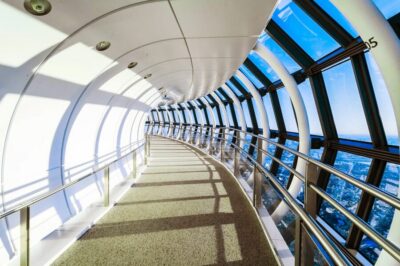 ★ 4.5TOKYO SKYTREE® Admission ticketFrom $1311,192 reviews
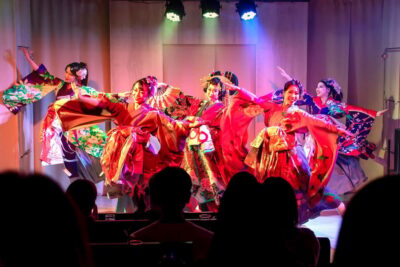 ★ 4.8Japanese Dance Cabaret Theater Asakusa-Kaguwa TicketFrom $492,270 reviews
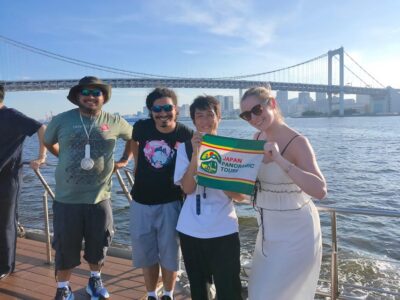 ★ 4.7Meiji Shrine, Asakusa, Skytree Bus Tour and CruiseFrom $1221,986 reviews
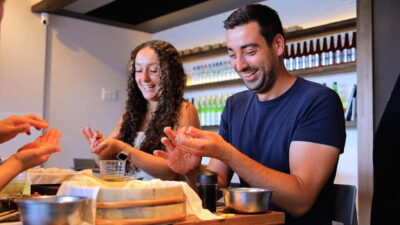 ★ 4.9Roll and Authentic Sushi Making Class in AsakusaFrom $581,957 reviews
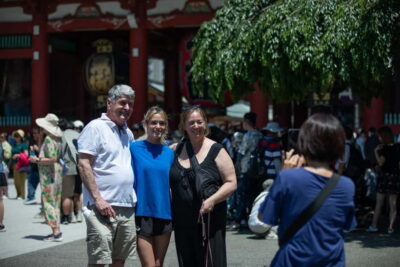 ★ 4.8Asakusa Walking Tour with Sensoji Temple VisitFrom $221,583 reviews
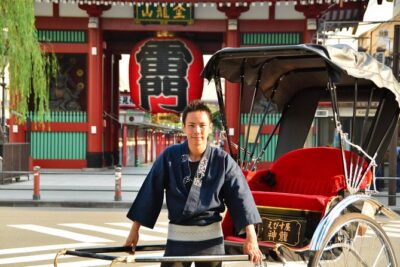 ★ 5.0Tokyo Asakusa Rickshaw TourFrom $421,375 reviews
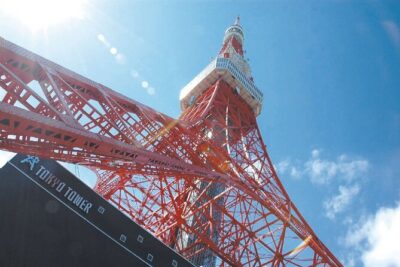 ★ 4.5Tokyo Panoramic 1 Day: Meiji Shrine, Asakusa, Odaiba and SKYTREE®From $851,222 reviews
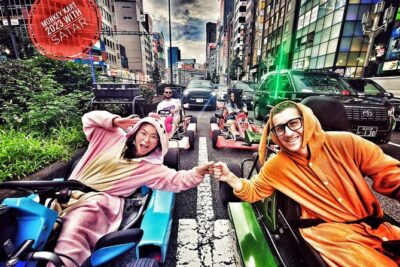 ★ 5.0Tokyo Go Kart: Asakusa, Skytree, and Akihabara **IDP MUST**From $99988 reviews
Filed on these lists too