
REVIEW · ASAKUSA, SENSO-JI AND TOKYO SKYTREE
Time Travel in Tokyo Explore Old Town Asakusa and Local Food
Asakusa smells like snacks and incense. This 2-hour old-town walk through Asakusa keeps things simple and fun, starting at the iconic Kaminarimon gate and leading you through the streets that feel unmistakably Tokyo. I especially like the way you get temple etiquette without feeling lost, and the food route that turns Nakamise Street into something you can actually enjoy, not just wander.
Two standout reasons to book are the local snack stops (ningyo-yaki and senbei are highlighted) and the guided backstreet wandering, where you can spot angles and photo spots you would likely miss on your own. One small consideration: it is a short, fast walk, so if you want long hangs in shops or a slower pace, you may feel a bit rushed.
In This Review
- Key highlights you should care about
- Entering Asakusa via Kaminarimon and Nakamise Street
- Nakamise snacks: how the food stops actually help
- Sensō-ji and the etiquette that keeps things respectful
- Backstreets, photo spots, and local stories you can use
- Don Quijote Asakusa as a fun ending point
- Price, value, and how to plan your spend in 2 hours
- Who should book this Asakusa old-town walk
- Should you book this tour?
- FAQ
- How long is the Asakusa old-town walking tour?
- What is the meeting point for the tour?
- Where does the tour end?
- What will I see during the tour?
- Does the tour include tickets for attractions?
- Is this a private tour?
- Can I use a mobile ticket?
- Is it good for most travelers?
- Is service available for people traveling with service animals?
- Can I cancel for a full refund?
Key highlights you should care about
- Kaminarimon gate first, so you get your bearings right away in classic Asakusa.
- Nakamise Street snack strategy, including ningyo-yaki and senbei, plus guidance to skip overpriced spots.
- Senso-ji prayer basics, with help joining locals at the temple respectfully.
- Backstreet detours, with photo tips and local stories that feel off the main drag.
- End at Don Quijote Asakusa, handy for quirky souvenirs, snacks, and pop-culture finds.
Still on the Sumida side? A few more Asakusa options
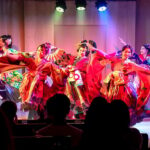
- Tokyo: Japanese Dance Cabaret Theater Asakusa-Kaguwa Ticket
★ 4.8 · 2,270 reviews - Tokyo: Meiji Shrine, Asakusa, Skytree Bus Tour and Cruise
★ 4.7 · 1,986 reviews - Tokyo: Roll and Authentic Sushi Making Class in Asakusa
★ 4.9 · 1,957 reviews - Tokyo: Asakusa Walking Tour with Sensoji Temple Visit
★ 4.8 · 1,583 reviews
Entering Asakusa via Kaminarimon and Nakamise Street
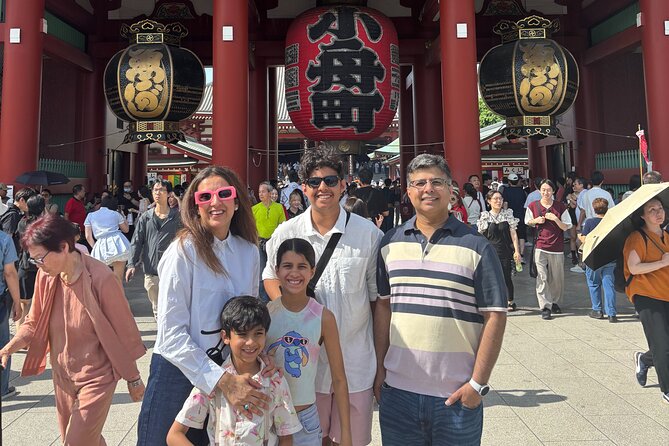
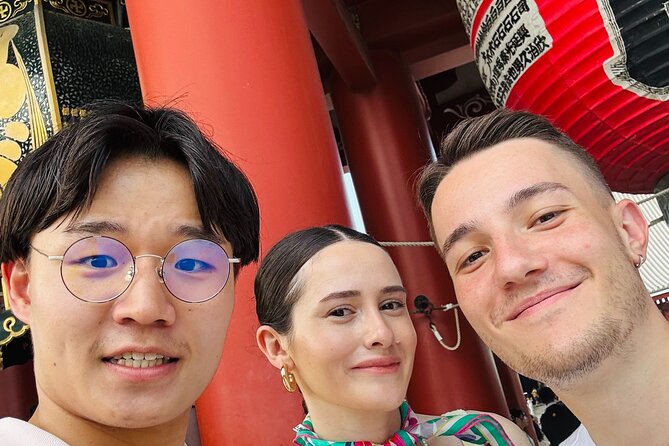
This tour starts near the Asakusa Culture Tourist Information Center, then quickly pulls you toward Kaminarimon, the famous Thunder Gate. Expect big lanterns, guardian statues, and that first moment where the whole area makes sense. It is a smart start because you are not hunting around for where to go, and you are not waiting until later to see the iconic sights.
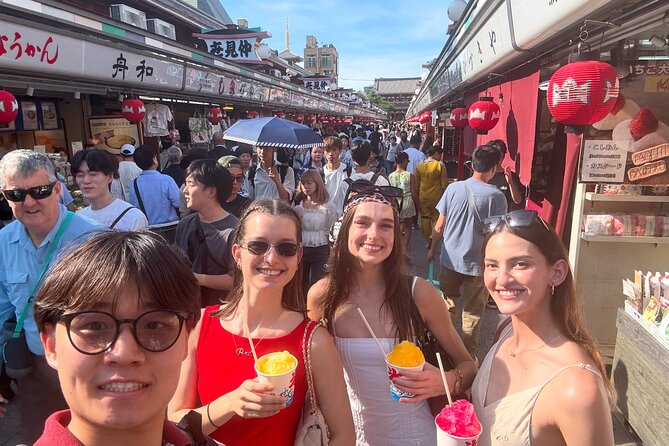
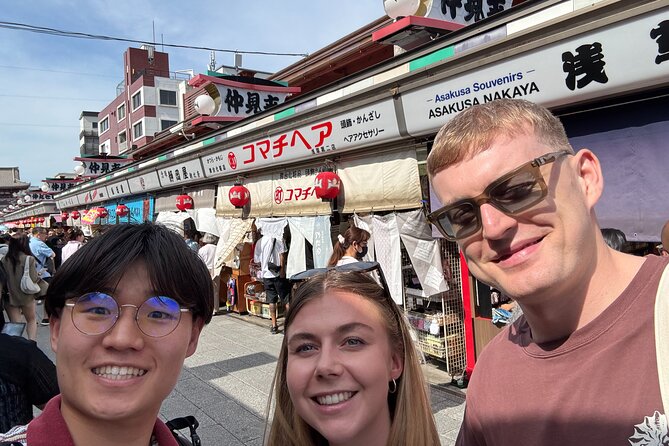
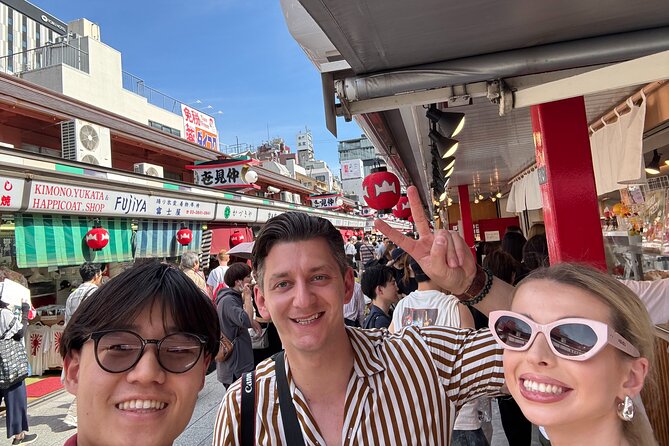
Then you flow into Nakamise Shopping Street, Asakusa’s main lane for classic snacks and souvenir browsing. The street is crowded in a lively way, and the smell of fresh goodies is part of the experience, not just background. The guide’s job here is practical, not academic, and that matters because Nakamise can feel like sensory overload if you let it.
I like that the walking time is balanced: enough time to enjoy the sights and sample food, without turning it into a marathon. For many first-time visitors, this is the fastest route to feel like you have already “gotten it” even before you explore other parts of Tokyo.
Nakamise snacks: how the food stops actually help
Nakamise Street is famous for street food, and this tour puts a spotlight on items that are easy to recognize and fun to eat. Ningyo-yaki, little doll-shaped cakes, and senbei, rice crackers, are specifically called out. Even if you do not consider yourself a big foodie, this is still a great way to learn the flavors of the area without guessing.
Here is why the snack plan is valuable: the guide helps you avoid the common trap of buying something just because it looks cute or because it is the most visible stall. One of the strongest themes from past guests is that the guide points out where touristy shops inflate prices, so you can spend money on snacks that actually taste worth the effort.
A second practical benefit is pacing. Instead of wandering while deciding what to eat, you get a gentle sequence. You taste, you move, you learn what you are looking at, and you keep your energy for the temple portion later. If you are traveling with friends or family, this kind of structure prevents the usual “we’re starving, but we do not know what to pick” moment.
Budget note: the tour highlights snacks you can try, but the price you pay for the tour is not described as a food package. So bring a little extra cash or card for what you choose to buy.
Sensō-ji and the etiquette that keeps things respectful
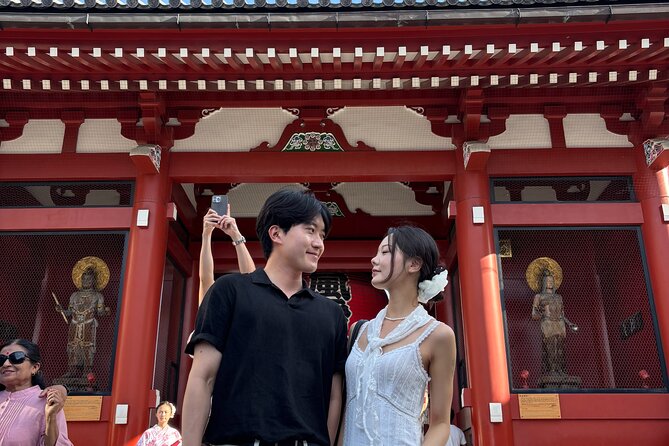
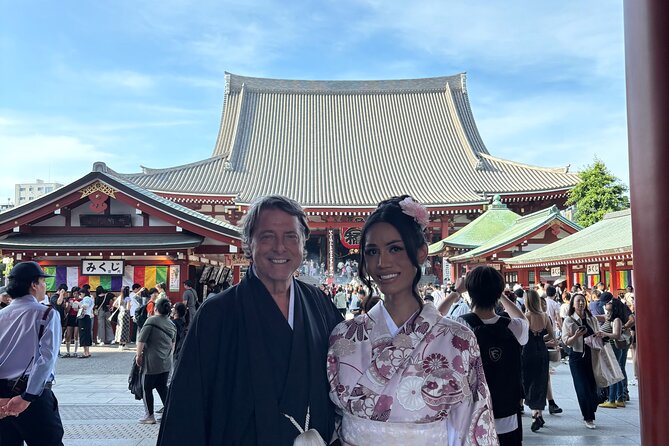
Senso-ji is Tokyo’s oldest and most beloved Buddhist temple, so you get a rare chance to see a major spiritual site and not just pose for photos. The tour route goes through the grand Kaminarimon Gate area and into the temple grounds, where the atmosphere shifts from street noise to something more settled.
What makes this stop genuinely useful is the focus on what to do, not just what it looks like. You will learn the basics of how to pray respectfully, including how to join locals offering incense and prayers. This is the kind of thing that can feel awkward if you arrive and start copying random actions. Having a guide to explain the simple etiquette helps you participate the right way and feel more confident.
You also get a story connection. The tour mentions a 1,300-year-old legend tied to the temple, and learning that context changes the way you see the space. Instead of treating it like a background set, you start noticing symbols and details with a reason behind them.
Time-wise, the temple stop is short but not rushed. It is about getting the experience, learning what matters, and then moving on to quieter backstreets, not trying to turn it into a full-day temple study session.
- Mt Fuji and Hakone 1-Day Bus Tour Return by Bullet Train★ 5.0 · 26,383 reviews
- 1-Day Tokyo Bus Tour★ 5.0 · 14,250 reviews
- Tokyo: teamLab Planets TOKYO Digital Art Museum Entry Ticket★ 4.6 · 9,779 reviews
- Mt Fuji & Hakone Cruise, Drum Show Bullet Train 1 Day from Tokyo★ 4.0 · 7,413 reviews
- Tokyo Mt Fuji 5th St & Hakone Cruise Bus Tour w/Bullet Train★ 4.4 · 5,024 reviews
Backstreets, photo spots, and local stories you can use
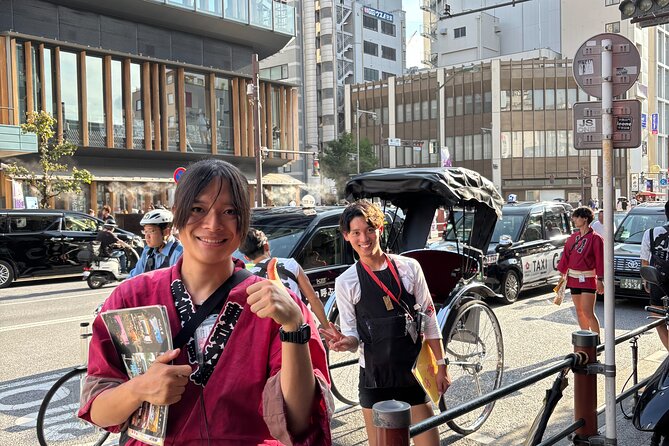
After the temple, the tour turns from big landmarks to the smaller lanes that make Asakusa feel like real neighborhood life. This is where the guide matters most, because backstreets are the part you cannot easily “research” in advance. You follow along, and you are shown secret spots, hidden photo angles, and unique local stories that do not feel like they were copied from every guidebook.
If you care about photography, this segment is a big deal. Multiple past guests highlight the guide’s ability to help with photos. That usually means you are not just told, go stand there, but guided to the better angles and moments.
You also pick up cultural tips and a few useful Japanese phrases. The exact phrases are not listed in the details you provided, so treat this as practical language for the day you are there. The payoff is real: even a little language makes it easier to move through markets and temple spaces without feeling like you are constantly waiting for someone else to translate.
One more thing: people mention that the guide helps you dodge tourist traps and overpriced shops. That advice is not glamorous, but it saves money and reduces frustration, especially in a crowded area like Nakamise.
Don Quijote Asakusa as a fun ending point
The tour ends at Don Quijote Asakusa, which is a smart closer for a couple reasons. First, it is an easy place to transition from sightseeing into shopping without needing extra planning. Second, it is different enough that it feels like a fun contrast after the traditional temple experience.
You can browse quirky souvenirs, snacks, cosmetics, and pop-culture goods in a chaotic, colorful setting. The tour gives you a defined window at the end, which is handy because you know you have time left for souvenirs before you head out on your own.
This stop is also useful if your group includes people who do not want another temple photo, or who want a quick win like snack shopping. It gives everyone a shared, final activity that still feels very Tokyo in its own way.
Price, value, and how to plan your spend in 2 hours
The tour costs $26.13 per person, and it runs about 2 hours. That is a reasonable price for a guided walk that includes major landmarks, snack time, temple etiquette guidance, and photo help. Since Senso-ji admission is free in the tour flow, you are mostly paying for the guide’s time and local know-how.
What you should plan for is your personal spending on food and small purchases. The tour highlights specific snacks you can try, but it does not explicitly say everything you eat is included. I recommend setting aside extra yen for:
- 1-2 snack buys on Nakamise
- anything you want to take home after Don Quijote
If you are the kind of traveler who likes to eat as you go, this tour can feel like a bargain because you are not just walking, you are learning where to spend your money.
One more value detail: this is a private tour, meaning only your group participates. That tends to make questions easier and keeps the pacing comfortable, which matters in a busy place. It is also a mobile ticket, so you are not juggling paper vouchers in a crowd.
Finally, timing. This experience is booked on average 81 days in advance, which suggests it can fill. If Asakusa is a priority for your trip, booking early is an easy way to avoid last-minute stress.
Who should book this Asakusa old-town walk
This is a great fit if you want a focused Asakusa introduction without spending your first day “figuring it out.” It works especially well for:
- first-time visitors who want Kaminarimon and Senso-ji without uncertainty
- food lovers who want to try local snacks but do not want to guess randomly
- travelers who like photography and want help getting better shots
- anyone who appreciates temple etiquette and wants to participate correctly
It may be less ideal if you prefer slow sightseeing, long shop time, or deep museum-style stops. The format is designed for a smooth 2-hour experience, so you get momentum, not lingering.
If you are traveling with family, the short duration and guided pacing can make the day feel manageable. Past guests also mention the guide being patient, which is a good sign when people in your group move at different speeds.
Should you book this tour?
If you are choosing between walking Asakusa on your own and taking a guide, I would book this when you want three things in one package: temple etiquette clarity, a smart snack plan, and guided backstreet spotting. For $26.13, the value is in not wasting time, not stumbling through awkward temple moments, and not burning money on the wrong stalls.
I would skip it only if you already know exactly how you want to do Asakusa, and you do not care about learning basic prayer etiquette or getting help with photos. But if you want a smooth old-town highlight that still feels local, this is a solid, practical choice.
FAQ
How long is the Asakusa old-town walking tour?
It runs about 2 hours.
What is the meeting point for the tour?
The tour starts at Asakusa Culture Tourist Information Center, 2-chōme-18-9 Kaminarimon, Taito City, Tokyo 111-0034, Japan.
Where does the tour end?
The tour ends in front of Don Quijote Asakusa, 2 Chome-10 Asakusa, Taito City, Tokyo 111-0032, Japan.
What will I see during the tour?
You’ll walk through Nakamise Shopping Street, visit Sensō-ji, explore backstreets for photo spots and local stories, and finish at Don Quijote Asakusa.
Does the tour include tickets for attractions?
The tour details say admission tickets are free for the listed stops.
Is this a private tour?
Yes. It is private, so only your group will participate.
Can I use a mobile ticket?
Yes. The tour provides a mobile ticket.
Is it good for most travelers?
The tour notes that most travelers can participate.
Is service available for people traveling with service animals?
Yes, service animals are allowed.
Can I cancel for a full refund?
Yes. There is free cancellation up to 24 hours in advance for a full refund.
Asakusa and the Skytree, Keep Going


Newest Tokyo write-ups from the Loving Japan desk
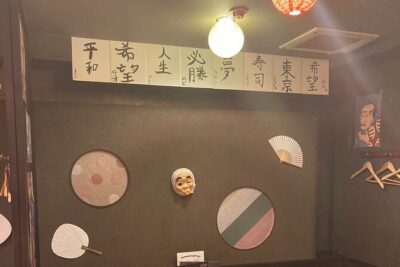

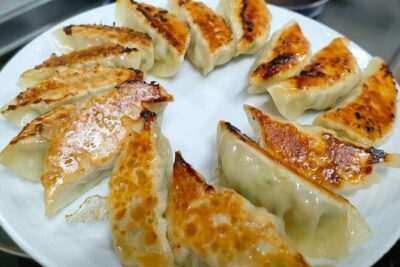


Asakusa, Senso-ji and Tokyo Skytree, side by side.
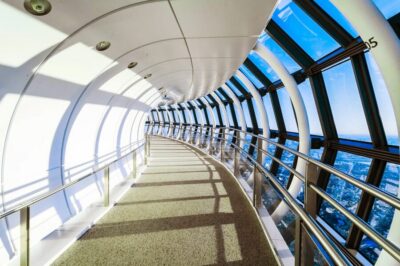 ★ 4.5TOKYO SKYTREE® Admission ticketFrom $1311,192 reviews
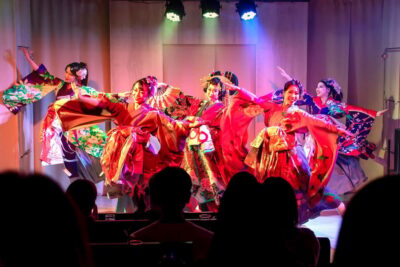 ★ 4.8Japanese Dance Cabaret Theater Asakusa-Kaguwa TicketFrom $492,270 reviews
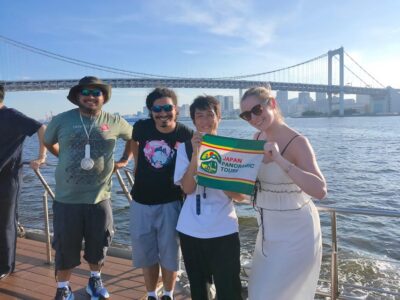 ★ 4.7Meiji Shrine, Asakusa, Skytree Bus Tour and CruiseFrom $1221,986 reviews
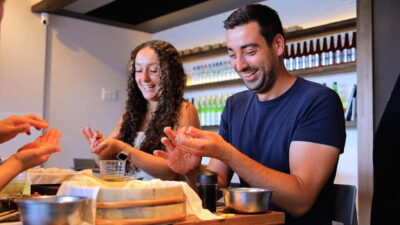 ★ 4.9Roll and Authentic Sushi Making Class in AsakusaFrom $581,957 reviews
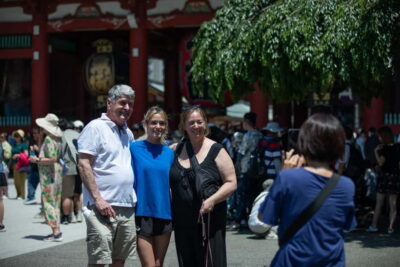 ★ 4.8Asakusa Walking Tour with Sensoji Temple VisitFrom $221,583 reviews
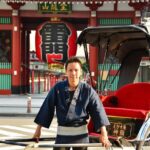
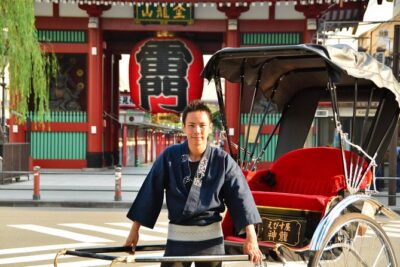 ★ 5.0Tokyo Asakusa Rickshaw TourFrom $421,375 reviews
 ★ 4.5Tokyo Panoramic 1 Day: Meiji Shrine, Asakusa, Odaiba and SKYTREE®From $851,222 reviews
 ★ 5.0Tokyo Go Kart: Asakusa, Skytree, and Akihabara **IDP MUST**From $99988 reviews
Filed on these lists too