
REVIEW · CYCLING AND E-BIKE TOURS
Tokyo: 3-Hour Bike/E-Bike Tour of the City’s Highlights
Tokyo looks different at bike speed. In three hours you zip from Zojo-ji to Shibuya Crossing with a guide steering the route and the stories behind the sights. It’s a practical way to handle Tokyo’s scale without turning your whole day into walking.
I love the low-stress logistics because the bike rental is part of the plan, and you get a mini pouch for your phone, wallet, and keys. I also like the way the guide ties what you see to how Tokyo works, from imperial-era landmarks to modern streets.
The trade-off is simple: you need to be comfortable riding through busy crowd zones and short stretches of traffic, even on an e-bike.
In This Review
- Key things I’d watch for before you go
- Why a 3-hour Tokyo bike tour works so well
- Price and what you actually get for about $63
- Meeting at the Perry statue, riding out toward Tokyo’s highlights
- Stop 1: Zojo-ji Temple, a temple that sits under Tokyo Tower
- Stop 2: Imperial Palace area, learning the significance as you glide
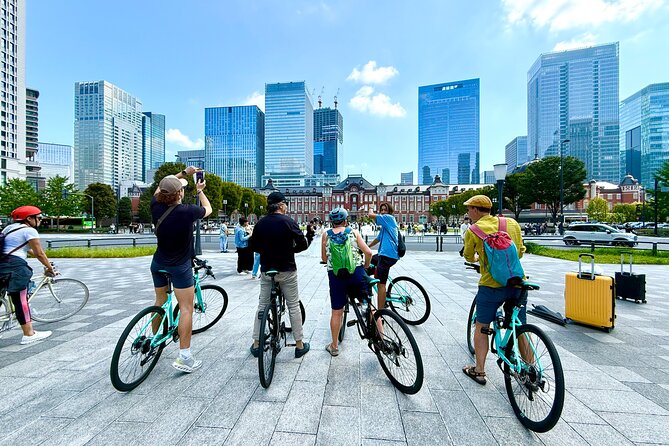
- Stop 3: Tokyo Station Marunouchi, red brick and a transit hub vibe
- Stop 4: Kokyo Otemon Gate, the picture-ready entrance moment
- Stop 5: Akasaka Palace (State Guesthouse), from royal villa to today
- Stop 6: Japan National Stadium, Olympics and Paralympics in the same frame
- Stop 7: Aoyama Street, fashion and design along a smoother stretch
- Stop 8: Shibuya Cat Street, vintage energy meets trend shopping
- Stop 9: Shibuya Crossing, the iconic payoff ride
- E-bike riding, traffic rules, and how the guides keep it safe
- When it’s cold or rainy, your best friend is preparation
- How long to stop, and what you’ll miss if you want more depth
- Should you book this Tokyo bike or e-bike tour?
- FAQ
- How long is the Tokyo 3-hour bike and e-bike tour?
- Where does the tour start and end?
- What’s included in the tour price?
- Is a helmet included?
- Are food and drinks included?
- Are admission tickets required at the stops?
- What languages do the guides speak?
- Is this tour private?
- What should I do if the weather is bad, and can I cancel?
- Do you offer a child seat?
Key things I’d watch for before you go
- E-bike plus guide pacing helps you cover a lot in 3 hours without feeling like you’re sprinting.
- Free entry at every stop (per the tour notes) means you’re paying for time, route, and local guidance.
- Temple to palace to sports stadium in one line, so you get multiple “Tokyo moods” quickly.
- Shibuya Crossing at the end is the payoff moment, and an afternoon departure can make it extra memorable.
- Helmet is not included and costs ¥1000, so bring cash if you want one.
- The meeting point can be confusing, so arrive a few minutes early and use the map.
Cover Tokyo on two wheels instead
- Tokyo Guided Small-Group Biking Tour
★ 5.0 · 1,250 reviews - Tokyo Great Cycling Tour
★ 5.0 · 811 reviews - Tokyo Top Highlights 3h Guided E-bike Tour
★ 5.0 · 714 reviews - 3h Tokyo E-Bike Tour: Hidden Gems, and Local Life with guide
★ 5.0 · 670 reviews
Why a 3-hour Tokyo bike tour works so well
Tokyo is big, and the distances can chew up your energy. This 3-hour format is built for exactly that problem. Instead of spending half your time getting from one “must-see” to the next, you ride a route that strings major highlights together in a logical sweep.
You also get something walking tours often miss: momentum. When you’re on a bike or e-bike, you move through neighborhoods instead of only seeing the edges. That matters in Tokyo, where the city changes block by block, from high-rise streets to quiet temple grounds to shopping corridors.
The other win is that a guide handles the navigation. Tokyo is famously easy to get lost in, especially if you’re bouncing between districts. Here, you focus on enjoying the scenes, not calculating turns.
Price and what you actually get for about $63
At $63.01 per person for roughly 3 hours, the value is mostly about what’s included. You’re paying for:
- a rental bicycle (with e-bike option),
- an in-person guide in English and Japanese,
- bike insurance,
- and a mini pouch on the bike so your phone and essentials stay with you.
You’re also not paying admission at the stops listed. Zojo-ji, the Imperial Palace area, Tokyo Station, the gates and palaces, the stadium, Aoyama Street, Cat Street, and Shibuya Crossing are all marked as free for this tour.
Is it “cheap”? No. But it’s fair for Tokyo, because you’re not just buying a route. You’re buying time saved, plus someone to explain what you’re looking at while you ride.
One small cost to plan for: if you want a helmet, rental is ¥1000, and you’ll need cash on the activity date.
Meeting at the Perry statue, riding out toward Tokyo’s highlights
You start at the Statue of Commodore Perry in Shiba-koen (Minato City). End point is the Bell of Peace area in Shibuya (Udagawacho), with the tour finishing near Yoyogi Park and Harajuku.
Two practical notes that help your day:
- The meeting spot is close to public transportation, but memorials and statues can be easy to miss. I’d arrive a bit early and confirm you’re in the right exact spot on the map.
- The tour ends in a shopping and dining zone between Yoyogi Park and Shibuya. That’s good planning. You’ll finish close to places you’ll likely want to explore after.
- Mt Fuji and Hakone 1-Day Bus Tour Return by Bullet Train★ 5.0 · 26,383 reviews
- 1-Day Tokyo Bus Tour★ 5.0 · 14,250 reviews
- Tokyo: teamLab Planets TOKYO Digital Art Museum Entry Ticket★ 4.6 · 9,779 reviews
- Mt Fuji & Hakone Cruise, Drum Show Bullet Train 1 Day from Tokyo★ 4.0 · 7,413 reviews
- Tokyo: Shinjuku Food Tour (13 Dishes at 4 Local Eateries)★ 5.0 · 6,603 reviews
Stop 1: Zojo-ji Temple, a temple that sits under Tokyo Tower
Zojo-ji is a standout first stop because it sets the tone fast. This is a religious center and the resting place of warlords. Next to it, you get Tokyo Tower’s modern silhouette in the same frame, which creates an interesting contrast right away.
You’ll get about 5 minutes here, and it’s not about a long worship visit. It’s about context. The guide’s job is to connect what you’re seeing to why this area matters in Tokyo’s story, especially the historical side that visitors usually miss when they only chase shiny modern landmarks.
Watch-outs: because the timing is short, treat Zojo-ji like a quick orientation moment. If you want deeper temple time, you can always come back later using this stop as your launchpad.
Stop 2: Imperial Palace area, learning the significance as you glide
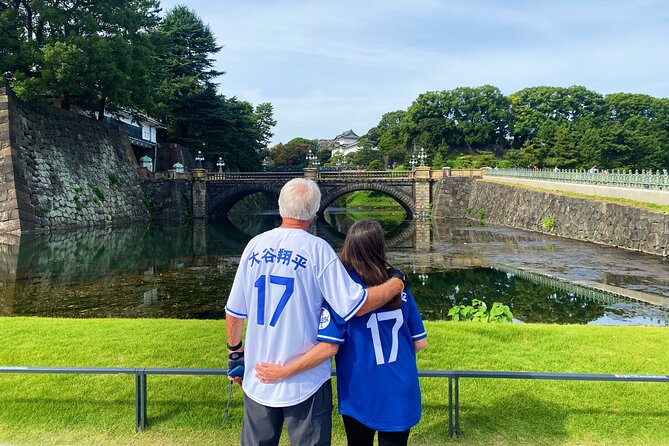
Next comes the Imperial Palace in Tokyo, the residence of Japan’s Emperor. You’ll have about 15 minutes for this stop, which is a good length for a mix of looking around and taking in the guide’s explanation.
This is where the tour shifts from sightseeing to understanding. You’ll hear why the palace area matters culturally and historically, and you’ll get a feel for the way Tokyo balances tradition and daily life.
Possible drawback: this isn’t a slow, lingering walk through every corner. It’s a ride-and-view experience. If you love photo sessions and want lots of time at one site, you may want extra time elsewhere after the tour.
Stop 3: Tokyo Station Marunouchi, red brick and a transit hub vibe
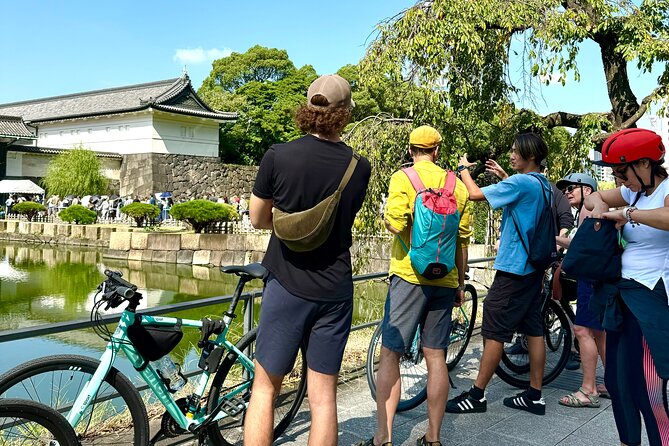
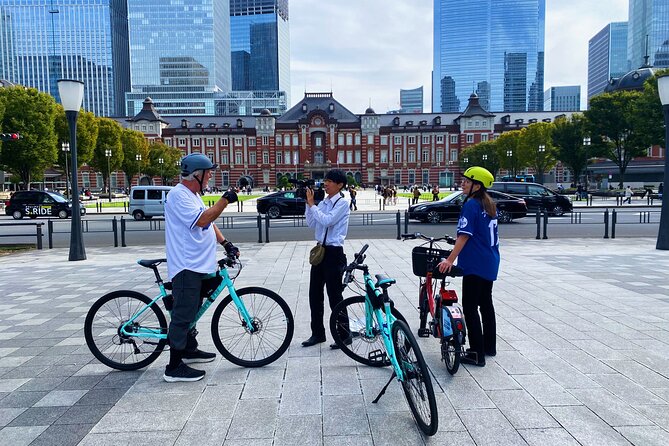
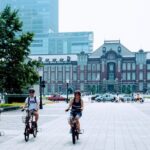
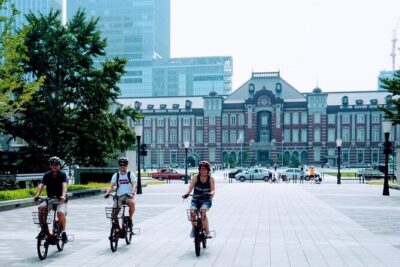
Tokyo Station is one of those places you recognize immediately, even if you’ve only seen pictures. The tour takes you to the Marunouchi Ekimae Hiroba area, where you can appreciate the red-brick façade.
The façade dates to 1914, which gives Tokyo Station a layered feel: a modern transportation engine in a historic wrapper. Having it in the route is smart because it’s a visual reset. After palaces and gates, Tokyo Station brings you back to the “city in motion” side.
You’ll get around 10 minutes here. That means quick looks, quick photos, and then back on the bike.
Stop 4: Kokyo Otemon Gate, the picture-ready entrance moment
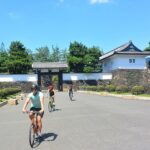
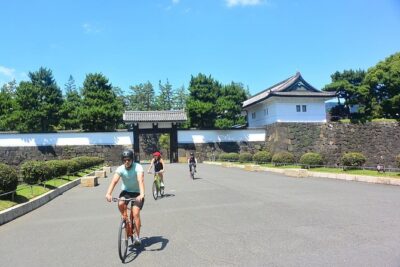
The Kokyo Otemon Gate is the impressive main entrance to the Imperial Palace. You’ll have about 10 minutes at this point, and it’s a great photo stop.
This is also where a good guide matters. The gate is a symbol, but it only clicks when someone explains what you’re looking at and where it fits in the larger Imperial Palace area.
Tip: wear or carry something that makes you comfortable for photos. If it’s cool or windy, your timing matters more than you think, because you’ll ride again soon.
Stop 5: Akasaka Palace (State Guesthouse), from royal villa to today
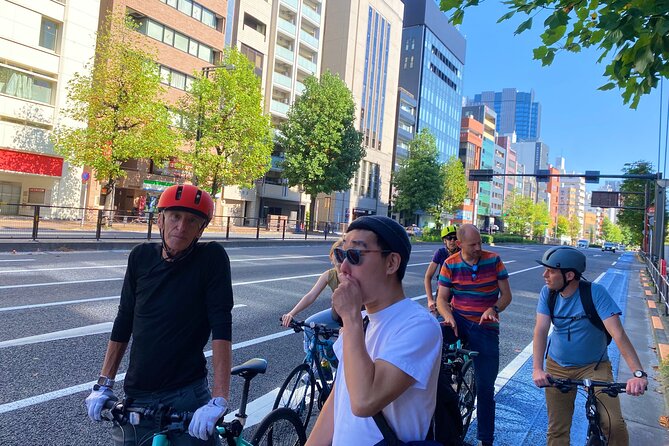
Akasaka Palace is shorter, about 5 minutes, but it’s a neat contrast stop. This palace was originally built as a royal villa, and it now serves as a state guesthouse.
In a fast tour, you need stops that are distinct, and this one is. It adds another layer to the Imperial theme while also changing the setting from open public-feeling space to a more formal, heritage-oriented atmosphere.
Admission here is listed as free. In other words, you’re paying for access to the route and interpretation, not additional tickets.
Stop 6: Japan National Stadium, Olympics and Paralympics in the same frame
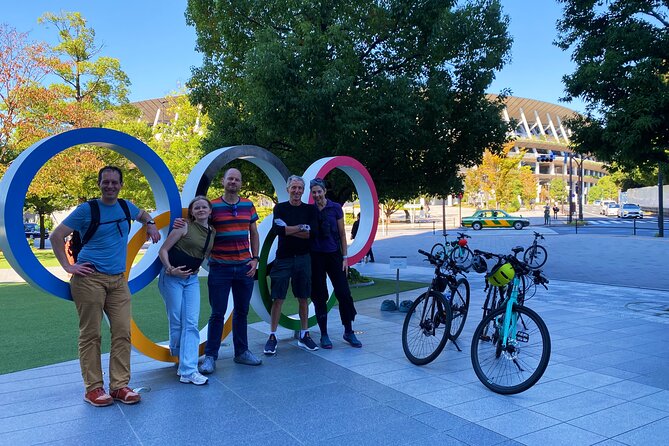
Then you pivot to sports history at Japan National Stadium, where the 2020 Tokyo Olympic and Paralympic games took place.
You’ll have around 15 minutes. That’s useful because this isn’t just “look at the stadium and go.” The guide can help you connect the landmark to the bigger event and what it meant for Tokyo’s global spotlight.
Why it’s valuable: Tokyo tours often treat sports as separate. Here it’s part of the same storyline, alongside temples and palaces.
Stop 7: Aoyama Street, fashion and design along a smoother stretch
Aoyama Street is where you start feeling the “modern Tokyo” shift in a big way. You’ll see high-end fashion brands and unique architecture.
The stop is about 5 minutes, which means you’ll likely do quick window browsing from the bike and grab photos quickly if the light is good. Think of it as a visual taste, not a shopping crawl.
This short timing actually works well on bike. You get the vibe without losing your entire schedule.
Stop 8: Shibuya Cat Street, vintage energy meets trend shopping
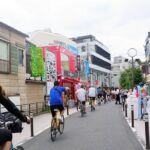
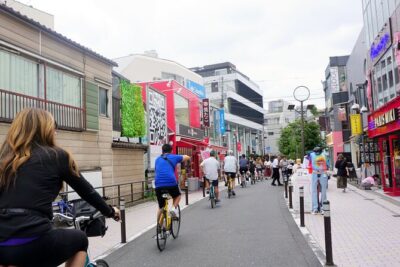
Cat Street in Shibuya is the fashion-and-shopping pulse. The tour includes time to ride through the street known for the latest fashion brands and vintage shops.
You’ll have 5 minutes here. That’s usually enough to see the storefronts and understand why people come specifically for this style lane.
If you want to shop after, this stop is useful. It gives you a sense of where to return on foot. Bikes get you there fast, but walking is better for browsing.
Stop 9: Shibuya Crossing, the iconic payoff ride
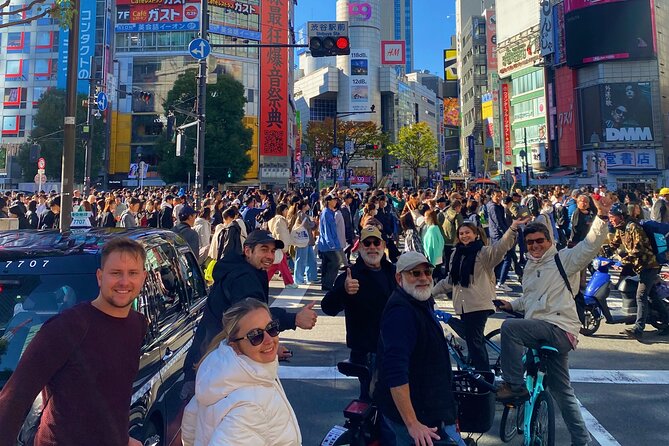
Then comes the moment everyone pictures: Shibuya Crossing. You’ll bike through the crossing, with about 5 minutes allocated.
This stop is why the tour is so popular. You’re seeing an everyday media-famous intersection in real time, with the flow of pedestrians and the energy of the area.
A few practical things to know:
- This is a high-focus riding moment. You want your attention up and your hands steady.
- Guides keep the group together, and you’ll likely ride with the guide managing your pace and spacing.
If you book an afternoon departure, you might hit Shibuya with lights on and a night-street feel. Even if you don’t, it’s still the easiest “Tokyo wow” you can fit into 3 hours.
E-bike riding, traffic rules, and how the guides keep it safe
You should know what you’re signing up for: this is not a quiet park cruise the whole time. Tokyo has stretches where you ride near traffic and through crowded zones.
The good news is that the guide does the heavy lifting. From road-rule coaching to front-and-back group management, you get a structure that makes the ride feel controlled. You should expect instructions on how to ride in crowds, how to stay with the group, and how to handle those short moments where you feel boxed in by pedestrians.
The e-bike option matters here. Reviews mention pedal assist and stress reduction, and that matches what you’ll likely feel: you can keep moving without exhausting your legs. Still, you’ll want moderate physical comfort, since you’re riding for the full tour length (including travel time between stops).
When it’s cold or rainy, your best friend is preparation
Weather is part of Tokyo reality. The tour requires good weather, but if it’s rainy, you get a raincoat on rainy days.
Two gear ideas that pay off:
- If you think you’ll rent a helmet, plan ahead for the ¥1000 cash requirement.
- If it’s chilly, wear layers that protect hands. One common issue on bike rides is numb fingers, and you’ll appreciate breaks and pauses to regroup.
Food and drink are not included, so you’ll want to decide where you eat before or after. The finish near Yoyogi Park and Harajuku is convenient for that.
How long to stop, and what you’ll miss if you want more depth
Each stop is intentionally short, usually 5 to 15 minutes. That’s the point. You get the highlights and a guide’s explanation, then you move on.
What you might miss is deep “read every sign, study every detail” time. If you’re the type who wants one temple for an hour, one palace gate for 45 minutes, and one shopping street for an hour, this tour is not designed for that.
But if your goal is to get your bearings fast, this format shines. It’s also a smart way to choose where to spend your free time after you return to the city under your own navigation.
Should you book this Tokyo bike or e-bike tour?
I think you should book it if:
- you have only a few hours and want a real overview of Tokyo highlights,
- you like the idea of a guide-led route (so you avoid navigation headaches),
- and you’re comfortable riding through busy areas for a short, guided stretch.
You might want to skip it if:
- you dislike traffic and crowds and want only quiet scenery,
- you want long stops at each landmark,
- or you’re hoping helmets, water breaks, and snacks are included (they are not, and the helmet is an extra cash cost).
Bottom line: this is a high-value way to see major Tokyo icons in one connected ride, with safety-focused guidance and a finish that sets you up for more exploring right after.
FAQ
How long is the Tokyo 3-hour bike and e-bike tour?
It lasts about 3 hours, and that total time includes travel between stops.
Where does the tour start and end?
The tour starts at the Statue of Commodore Perry in Shiba-koen (Minato City). It ends at the Bell of Peace area in Shibuya, near Yoyogi Park and Harajuku Station (about 5 minutes to Yoyogi Park and about 10 minutes to Shibuya Station on foot).
What’s included in the tour price?
The tour includes use of the bicycle (including e-bike option where offered), a raincoat on rainy days, an in-person guide (English and Japanese), a mini pouch on the bike for phone and essentials, and bike insurance.
Is a helmet included?
Helmet rental is not included. You can rent a helmet for ¥1000, and you’ll need to bring cash on the activity date.
Are food and drinks included?
No. Food and drink are not included.
Are admission tickets required at the stops?
Admission is listed as free for the stops included in the route.
What languages do the guides speak?
Guides are in-person and speak English and Japanese.
Is this tour private?
Yes. It’s a private tour/activity, and only your group will participate.
What should I do if the weather is bad, and can I cancel?
The tour requires good weather. If it’s canceled due to poor weather, you’ll be offered a different date or a full refund. You can also cancel for a full refund if you cancel at least 24 hours before the experience starts.
Do you offer a child seat?
A child seat is available but not included. Setup is ¥3000, and you need to contact the operator at least 2 days before. Bring cash on the activity date.
Bicycles and E-Bikes We Have Ridden
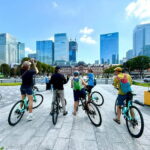
Newest Tokyo write-ups from the Loving Japan desk
Cycling and E-Bike Tours, side by side.
 ★ 5.0Hidden Kyoto E-Biking tourFrom $1161,843 reviews
 ★ 5.0Tokyo Guided Small-Group Biking TourFrom $1061,250 reviews
 ★ 5.0Tokyo Great Cycling TourFrom $99811 reviews
 ★ 5.0Tokyo Top Highlights 3h Guided E-bike TourFrom $63714 reviews
 ★ 5.03h Tokyo E-Bike Tour: Hidden Gems, and Local Life with guideFrom $63670 reviews
 ★ 5.0Arashiyama Bamboo Forest & Hidden Gems Bike Tour (Early Bird)From $106613 reviews
 ★ 5.05 Top Highlights of Kyoto Full Day Bike Tour (E-bike option)From $172511 reviews
 ★ 5.0Full Day Biking Tour Exploring the Best of KyotoFrom $119498 reviews
Filed on these lists too