
REVIEW · CYCLING AND E-BIKE TOURS
Tokyo: 3-Hour Bike or E-Bike Tour of City’s Hidden Gems
Three hours is just enough for Tokyo on wheels. You’ll glide from the Statue of Commodore Perry area into the old-temple stretch near Shiba Park, then ride onward to the big, modern Tokyo sights, including Shibuya Crossing. It is a smart way to cover ground fast without feeling like you are stuck in train stations all morning.
I love that the tour pairs top-brand bikes, like Bianchi and Fuji, with real local guidance so you know what you are seeing as you move. And because the ride is guided, you spend less time guessing where to go and more time actually enjoying the city.
One thing to plan for: the meeting spot can be a little tricky the first time, so arrive a few minutes early and take your time finding the Perry statue near Daimon Station.
In This Review
- Key things I’d prioritize on this tour
- First Pedal: Where the Tour Starts Near Daimon
- A Route That Mixes Shiba Temples, Imperial Landmarks, and Shibuya Energy
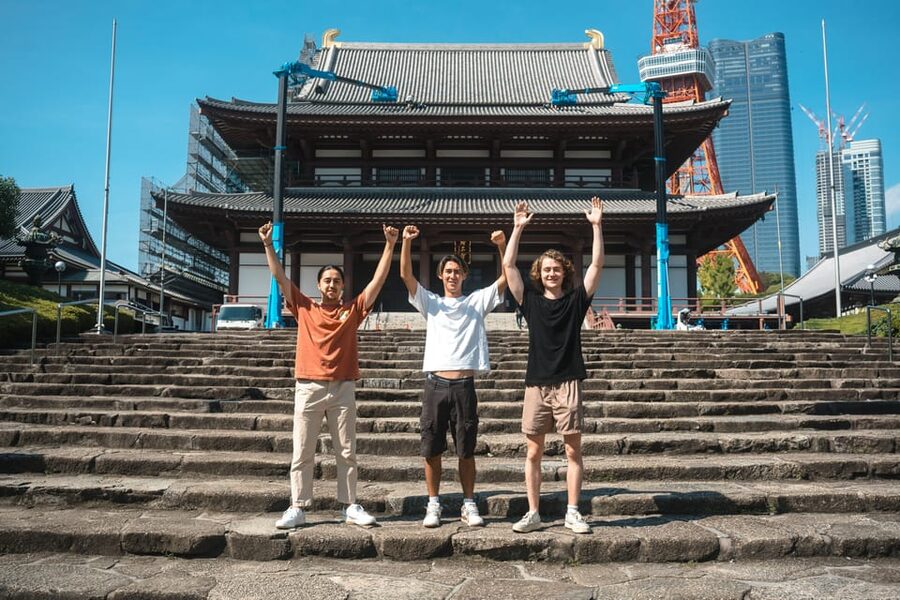
- Zojo-ji Temple: A Photo Stop With Context
- Imperial Palace Area: Quick Stops That Still Feel Purposeful
- State Guest House Akasaka Palace: A Tight Look at Official Tokyo
- New National Stadium and the Planned Detour to Something Local
- Miyashita Park and Shibuya Crossing: Ending in the Noise, With Photos Done Right
- Road Bikes, Cross Bikes, and E-Bikes: How to Choose the Right Effort
- How the Guide Keeps You Safe and Moving Through Tokyo Traffic
- Timing: What Three Hours Feels Like in Real Life
- Price Value: Why $60 Can Make Sense for Central Tokyo
- Who This Tour Fits Best, and Who Should Skip It
- Should You Book This Tokyo Bike Tour?
- FAQ
- What bikes are included on the tour?
- Can I choose an e-bike if I am not comfortable riding far?
- Where do I meet the guide?
- How much time is the tour?
- Are helmets included?
- What is the price?
- What should I bring with me?
- What is the tour not suitable for?
- Is there anything I cannot do during the tour?
Key things I’d prioritize on this tour
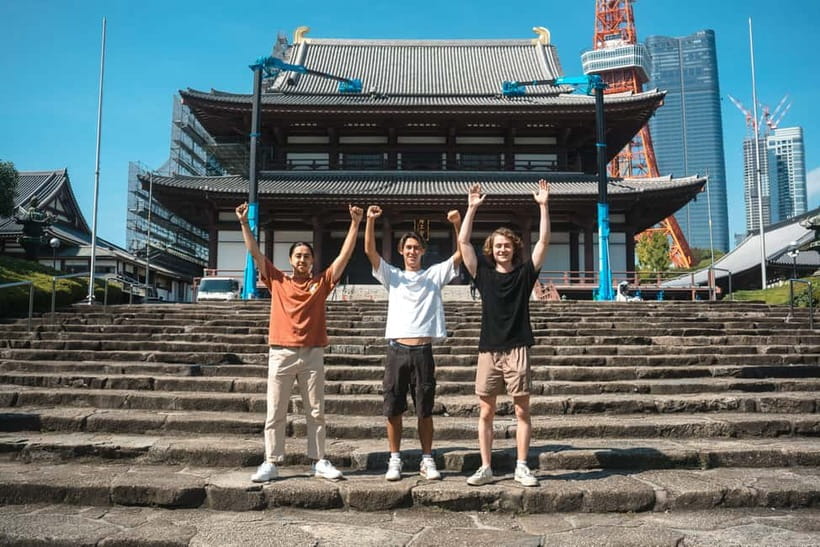
- Bianchi and Fuji bikes: road and cross-bike options, plus an e-bike choice if you want less effort.
- English-speaking local guides: you get stories at the stops, not just directions.
- A clear route with photo breaks: you’ll stop at major landmarks and also get time for quick looks on foot.
- E-bike option for lower stamina days: the tour is structured so you can still enjoy it even if cycling is not your thing.
- Big Tokyo landmarks plus smaller street scenes: you go beyond only the headline stops.
- Bike insurance and a mini pouch for essentials: practical touches that make the ride feel smoother.
Cover Tokyo on two wheels instead
- Tokyo Guided Small-Group Biking Tour
★ 5.0 · 1,250 reviews - Tokyo Great Cycling Tour
★ 5.0 · 811 reviews - Tokyo Top Highlights 3h Guided E-bike Tour
★ 5.0 · 714 reviews - 3h Tokyo E-Bike Tour: Hidden Gems, and Local Life with guide
★ 5.0 · 670 reviews
First Pedal: Where the Tour Starts Near Daimon
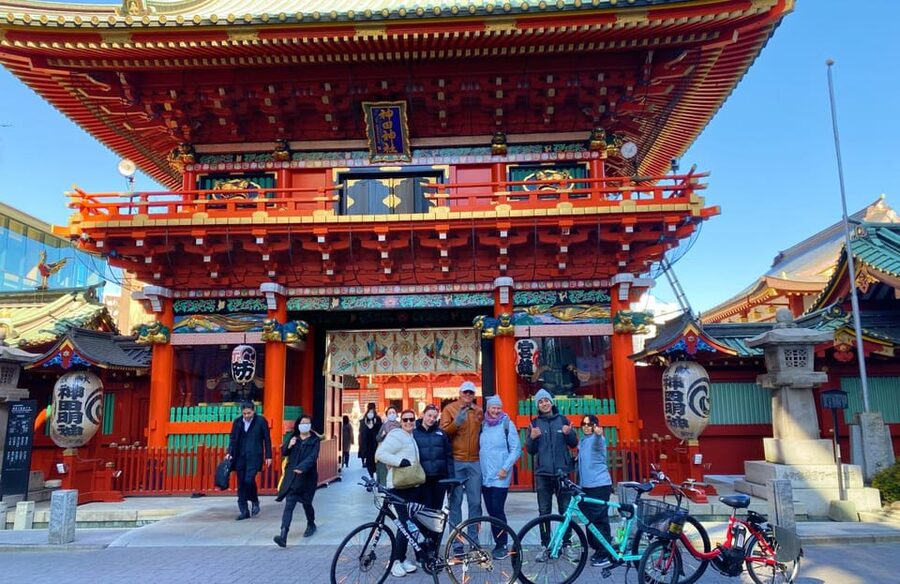
You start at the Statue of Commodore Perry, with the guide waiting nearby about a 3-minute walk from Daimon Station (A6 exit). This is a nice launch point because it gets you into central Tokyo quickly, and it also makes the tour feel like a real route instead of a loop that never leaves the tourist zone.
If you hate being late for anything, plan to arrive early. One review noted it can be hard to find the exact meetup spot at first, but once you do, everything else clicks into place fast. I’d rather you show up with extra minutes than stress for the first 10 of the ride.
A Route That Mixes Shiba Temples, Imperial Landmarks, and Shibuya Energy
The vibe of this tour is a blend: you get traditional Tokyo moments, official-imposing landmarks, then you roll into the modern pulse of Shibuya. The route is built for seeing a lot in 3 hours without requiring you to be a daily cyclist.
You also get a mix of stop types. Some are guided and timed so you get the story and a clean photo moment. Other stops are shorter visits where you can step off the bike, take a look, and keep moving.
Zojo-ji Temple: A Photo Stop With Context
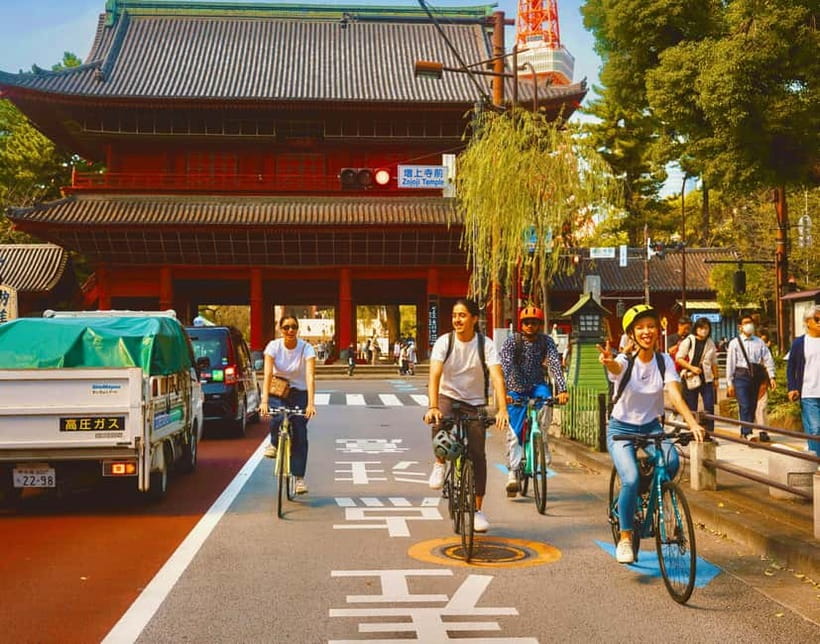
Your first major cultural stop is Zojo-ji Temple. You get a photo stop plus a guided look (about 15 minutes). That timing matters. Too-short temple stops often turn into frantic picture-taking, while longer ones can slow the whole ride down. Here, you get enough time to understand what you are looking at and still keep the momentum.
This is also one of those places where your bike helps. You are not forced to fight for space with long walking lines. You can pause, absorb the scene, and then roll on.
- Mt Fuji and Hakone 1-Day Bus Tour Return by Bullet Train★ 5.0 · 26,383 reviews
- 1-Day Tokyo Bus Tour★ 5.0 · 14,250 reviews
- Tokyo: teamLab Planets TOKYO Digital Art Museum Entry Ticket★ 4.6 · 9,779 reviews
- Mt Fuji & Hakone Cruise, Drum Show Bullet Train 1 Day from Tokyo★ 4.0 · 7,413 reviews
- Tokyo: Shinjuku Food Tour (13 Dishes at 4 Local Eateries)★ 5.0 · 6,603 reviews
Imperial Palace Area: Quick Stops That Still Feel Purposeful
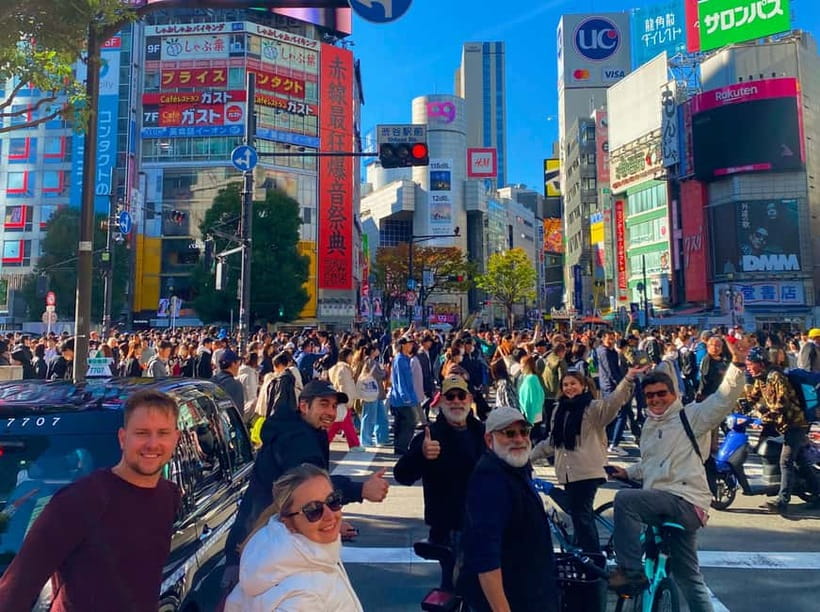
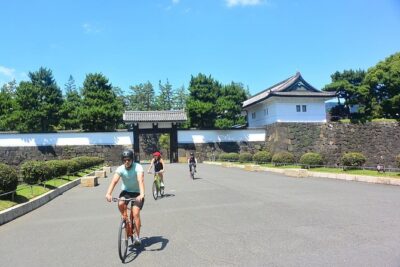
Next up is the Tokyo Imperial Palace area for a photo stop and guided tour (around 10 minutes), followed by the Ōte-mon Gate for another short photo and guided moment (about 5 minutes). These are not long museum-style visits. They are designed for travelers who want meaning, not just scenery.
A good guide makes these stops work. The tour’s local hosts are praised for being friendly and for sharing clear, practical context at each point. In reviews, you’ll see names like Shin, Casey, Miguel, and KG mentioned as guides who keep the pace lively and the explanations understandable.
Tip for you: treat these as “big-picture history + one great photo” moments. If you go in expecting a full guided deep-history walk, you may wish you had more time. If you go in wanting highlights with context, this works well.
State Guest House Akasaka Palace: A Tight Look at Official Tokyo
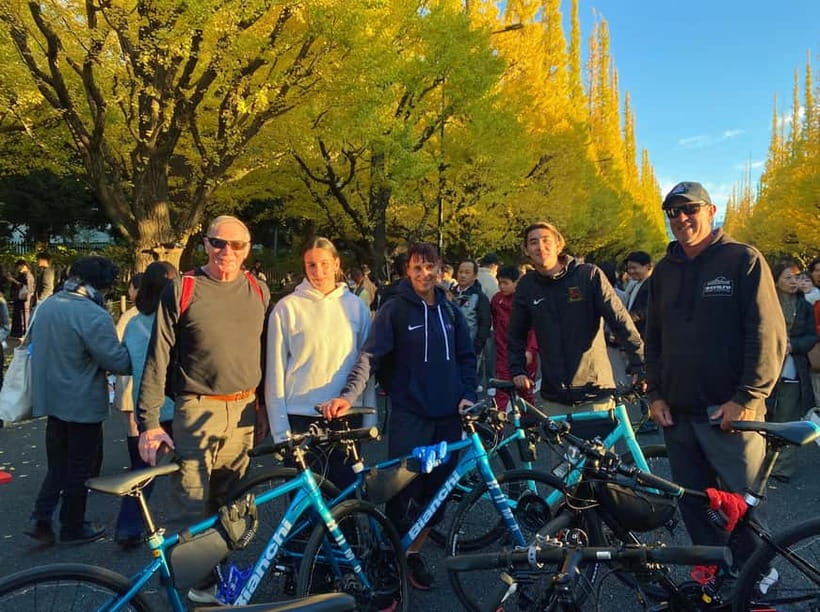
You’ll also see State Guest House Akasaka Palace for a photo stop and guided time (about 10 minutes). It’s a short stop, but it helps you see the contrast Tokyo loves: the city that looks brand-new also contains formal spaces that feel carefully preserved.
Because the stop is short, the guide’s commentary becomes extra valuable. It is the difference between noticing a façade and understanding why that setting exists in the first place.
New National Stadium and the Planned Detour to Something Local
Then the route shifts into modern Tokyo with New National Stadium, another photo stop with guided time (around 10 minutes). It is a good reset. After temple and palace areas, stadium sights give your brain a new frame.
Right after that, you get a hidden gem-style local visit (about 15 minutes), then a quick look at 3 Chome Minamiaoyama (about 5 minutes) and Cat Street (about 5 minutes). These shorter stops are where the tour becomes more than a postcard march.
Here’s why this matters for you: Tokyo is a city of neighborhoods, not just landmarks. Short detours let you feel the texture of daily life, street layout, and local vibe without turning the bike tour into an all-day wandering project.
Miyashita Park and Shibuya Crossing: Ending in the Noise, With Photos Done Right
As you head toward Shibuya, you’ll stop at Miyashita Park for a very short visit (about 3 minutes). That brevity is intentional. You get to glimpse the area’s energy, then you move on.
Next is Shibuya Crossing, where you get a photo stop plus time (about 5 minutes). This is one of the most recognizable scenes in Japan, and it can be overwhelming if you arrive with no plan. Here, the guided timing helps you capture the moment without getting swallowed by the crowd for too long.
Finally, the ride finishes at the Bell of Peace. Ending on a calm, meaningful note is a smart contrast to crossing the loudest intersection in the country.
Road Bikes, Cross Bikes, and E-Bikes: How to Choose the Right Effort
The tour runs with high quality road bikes from Bianchi and Fuji, plus high quality cross bikes (Bianchi), and there is an e-bike option. The right choice depends on your stamina, not your confidence.
If you cycle regularly, the road or cross-bike option will feel more like a real workout. One review even framed it as a chance to get a workout session in a fun way. If you do not cycle often, the e-bike option is recommended, and it makes the tour realistic even if you do not want to suffer through long stretches.
Practical note for you: helmets cost extra. Helmets are not included, but they are available on site for ¥1,000 per unit in cash. If you already have a helmet you trust, bring it. If not, plan for the cash step.
Also, the tour includes a mini pouch on the bike for essentials like your phone, wallet, or keys. That matters. On a bike tour, fumbling with bags while you are trying to keep moving ruins the mood fast.
How the Guide Keeps You Safe and Moving Through Tokyo Traffic
The tour includes a bike insurance component and is run with the idea that you are safe and protected at all times. That is not a small promise in Tokyo, where streets can feel like chaos if you are used to quiet roads.
The guide’s job is more than “talking at stops.” Reviews highlight guides who manage the group smoothly, take photos for you, and keep an eye on people along the way. Names that show up often include Shin and Casey, plus other guides like Nouchi, Georgie, Naoki, Marika, and Kosei.
You should also expect a pace that works for both stronger riders and casual cyclists. The tour is described as catering to all skill levels, and the e-bike option exists for people who do not want to ride long distances or do not have much stamina.
Timing: What Three Hours Feels Like in Real Life
Three hours sounds short, but Tokyo traffic plus frequent stops can make it feel full. The schedule balances several stops of 10 to 15 minutes with a few quick visits of 3 to 5 minutes, so you spend time where it counts and avoid wasting the ride on endless switching between modes.
For you, the key prep is simple:
- Comfortable shoes so you can hop on and off the bike.
- Water because Tokyo weather can hit hard.
- Comfortable clothes so you are not fighting your outfit during motion.
Also, the tour does not allow smoking or alcohol and drugs, and you should expect standard rules like no littering. Keep your day simple and you will enjoy the ride more.
Price Value: Why $60 Can Make Sense for Central Tokyo
At $60 per person for about 3 hours, this tour is priced like a premium “time saver.” You are paying for two things: a guided route through multiple key neighborhoods and the use of quality bikes, plus bike insurance.
When a bike tour includes insurance and quality bikes, it stops being just a ride, it becomes a guided experience that protects you from the biggest travel pain points: wasted time, confusion on where to go, and the stress of navigating unfamiliar streets alone.
The one cost to watch is the helmet fee. If you need a helmet, budget ¥1,000 cash for it. There is also an extra cost for a child seat (¥3,000) but the tour is not suitable for children under 12 anyway.
If you are deciding between this and a mix of trains and walking, the big question is your tolerance for walking distances. If you can walk but your time is tight, biking can be an easier way to get variety quickly.
Who This Tour Fits Best, and Who Should Skip It
This tour is a strong match if you want:
- A first-time introduction to Tokyo beyond the single-sight tourist loop.
- A ride that includes both traditional places and modern neighborhoods.
- An experience that is structured, guided, and photo-friendly.
It is not suitable for:
- Children under 12
- Pregnant women
- People with back problems
- People who cannot ride a bike
If any of those apply, skip it. Three hours on a bike is not the place to test your body or your balance.
If you are on the fence but can ride, choose the e-bike option. It’s specifically offered for people who do not want long-distance cycling or who do not have much stamina.
Should You Book This Tokyo Bike Tour?
Book it if you want a smart, time-efficient way to see classic Tokyo highlights and also get a taste of street-level neighborhoods. The combination of Bianchi and Fuji bikes, English-speaking local guides, and a route built around meaningful stops is a good value play at $60 for a 3-hour window.
Skip it if you hate not knowing where you are meeting people, because the Perry statue meetup spot can be a bit tricky at first. If that is your concern, fix it by arriving early and using the Daimon Station A6 exit as your anchor.
If you can ride and you bring water, you’ll likely feel like you got a lot of Tokyo in without turning the day into a full-on endurance test.
FAQ
What bikes are included on the tour?
You get high quality bikes, including cross bikes from Bianchi and Fuji, and there is also an e-bike option available.
Can I choose an e-bike if I am not comfortable riding far?
Yes. The tour offers e-bikes, and it is recommended if you do not want to ride long distances or do not have much stamina.
Where do I meet the guide?
You meet the guide around the Statue of Commodore Perry, about a 3 minute walk from Daimon Station A6 exit.
How much time is the tour?
The tour duration is 3 hours.
Are helmets included?
Helmets are not included. You can get a helmet on site for ¥1,000 per unit in cash.
What is the price?
The price is $60 per person.
What should I bring with me?
Bring comfortable shoes, water, and comfortable clothes.
What is the tour not suitable for?
It is not suitable for children under 12, pregnant women, people with back problems, or anyone who cannot ride a bike.
Is there anything I cannot do during the tour?
Smoking and alcohol or drugs are not allowed, and you must not litter.
Bicycles and E-Bikes We Have Ridden
Newest Tokyo write-ups from the Loving Japan desk
Cycling and E-Bike Tours, side by side.
 ★ 5.0Hidden Kyoto E-Biking tourFrom $1161,843 reviews
 ★ 5.0Tokyo Guided Small-Group Biking TourFrom $1061,250 reviews
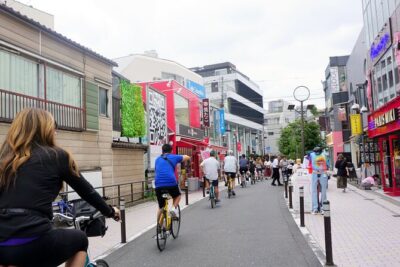 ★ 5.0Tokyo Great Cycling TourFrom $99811 reviews
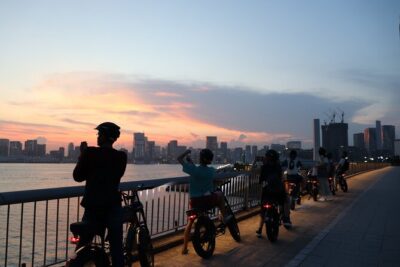 ★ 5.0Tokyo Top Highlights 3h Guided E-bike TourFrom $63714 reviews
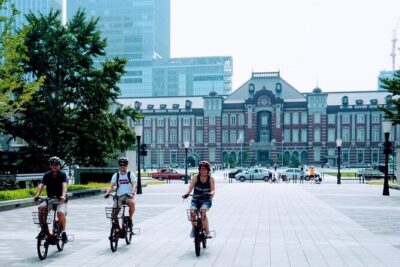 ★ 5.03h Tokyo E-Bike Tour: Hidden Gems, and Local Life with guideFrom $63670 reviews
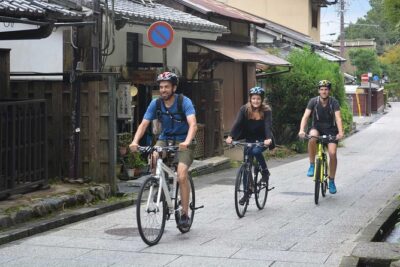 ★ 5.0Arashiyama Bamboo Forest & Hidden Gems Bike Tour (Early Bird)From $106613 reviews
 ★ 5.05 Top Highlights of Kyoto Full Day Bike Tour (E-bike option)From $172511 reviews
 ★ 5.0Full Day Biking Tour Exploring the Best of KyotoFrom $119498 reviews
Filed on these lists too