
REVIEW · ASAKUSA, SENSO-JI AND TOKYO SKYTREE
Tokyo: Asakusa and Tokyo’s Oldest Temple Senso-ji Tour
Tokyo’s oldest temple gives you a fast time jump. This Asakusa walking tour pairs Senso-ji, one of Tokyo’s landmark temples, with Edo-era street atmosphere and stories you actually remember. I especially love the small group pace, where you can hear the guide instead of playing crowd survival.
Two other things I like are the photo-stop rhythm at the big sights, and the way the guide connects legends and daily customs to what you see in front of you. The main drawback to keep in mind: this area gets crowded, and you will be walking in a tight, popular zone for much of the 2 hours.
In This Review
- Key things I’d circle before you book
- Senso-ji and Asakusa: Why This 2-Hour Walk Feels Like More
- Where You Meet at Starbucks, and How Not to Get Stressed
- Kaminarimon Gate: The Big Landmark Moment, With Context
- Nakamise Shopping Street: Sweets, Souvenirs, and a Better Shopping Strategy
- Inside Sensō-ji Temple: How the Guide Helps You Understand the Place
- Asakusa Shrine: A Second Sacred Stop That Feels Local
- What $14 Buys You in Tokyo: Value, Not Just Price
- Guides Matter: The Tone You Get From Locals
- Who This Tour Fits Best, and Who Should Rethink It
- Should You Book This Asakusa Old-Temple Tour
- FAQ
- Where is the meeting point for the tour?
- Is the tour guided in English?
- How long does the tour last?
- How large is the group?
- What’s included in the price?
- Do I need to download WhatsApp before the tour?
- Can I reserve now and pay later?
- What is the cancellation policy?
Key things I’d circle before you book
- Senso-ji in a tight 2-hour route with guided stops where you learn what you’re looking at
- Kaminarimon, Nakamise, and shrine time so you see the full Asakusa story, not just one highlight
- Small group cap (10 people) that makes it easier to stay together and ask questions
- English guides with strong local storytelling, including locals like Shino and Nicolas
- Practical temple context, like how to approach and understand what you see
- Food and souvenir pointers that go beyond the most obvious shops
Still on the Sumida side? A few more Asakusa options
- Tokyo: Japanese Dance Cabaret Theater Asakusa-Kaguwa Ticket
★ 4.8 · 2,270 reviews - Tokyo: Meiji Shrine, Asakusa, Skytree Bus Tour and Cruise
★ 4.7 · 1,986 reviews - Tokyo: Roll and Authentic Sushi Making Class in Asakusa
★ 4.9 · 1,957 reviews - Tokyo: Asakusa Walking Tour with Sensoji Temple Visit
★ 4.8 · 1,583 reviews
Senso-ji and Asakusa: Why This 2-Hour Walk Feels Like More
Asakusa can be overwhelming on your first visit. The streets around Senso-ji are famous, yes, but they are also layered, with centuries of changes you would miss if you just follow signage. This tour works because it keeps the pace human and the focus on meaning, not just checkpoints.
I like that it starts with the visual anchor of the area, then moves through the shopping street, then lands at the temple and an additional shrine. That flow matters: it helps you see the “market to worship” connection that makes Asakusa feel like a living neighborhood, not a theme park.
You’ll also get the type of historical context that turns random facts into street-level understanding. The tour framing covers the area’s evolution from Edo times through later eras, plus mentions of geisha district connections and lesser-known shrines you might not find on your own.
Where You Meet at Starbucks, and How Not to Get Stressed
You meet at Starbucks Coffee near Asakusa Station. The meeting point is simple, which is great because Asakusa can be confusing when you arrive hungry, jet-lagged, and slightly lost (it happens).
Two practical notes make a real difference. First, you should plan to be there a few minutes early so the group can form calmly before you set off. Second, you’re asked to download WhatsApp ahead of time so the guide can help you connect smoothly if there’s a delay.
In a small group capped at 10, getting the start right sets the tone for everything else. When people start on the same page, you spend more time looking up at lanterns and architecture and less time searching for the right turn.
Kaminarimon Gate: The Big Landmark Moment, With Context
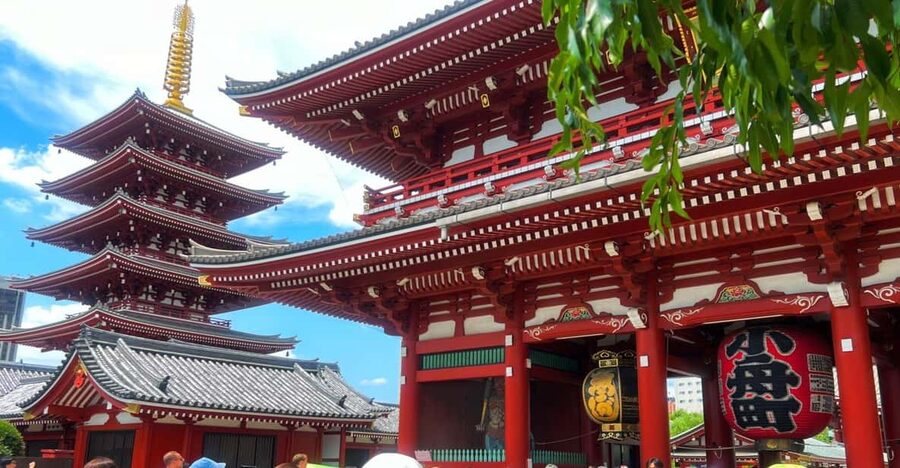
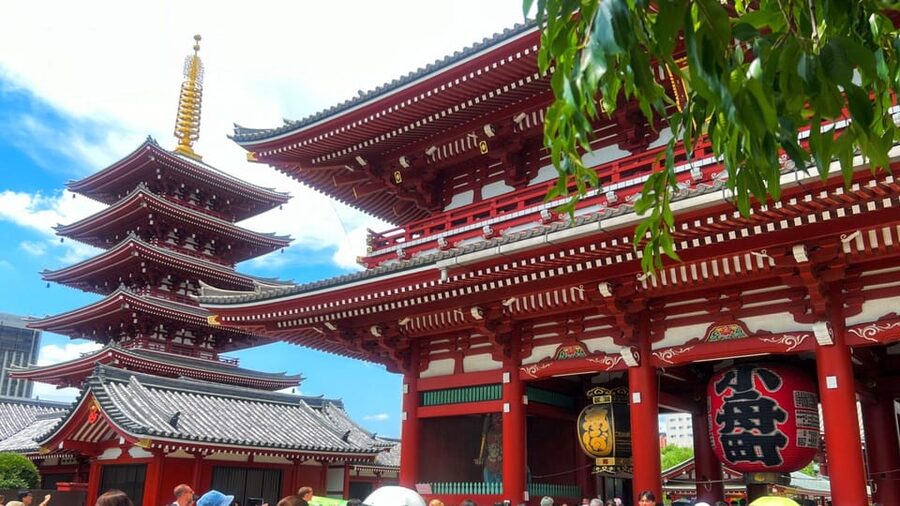
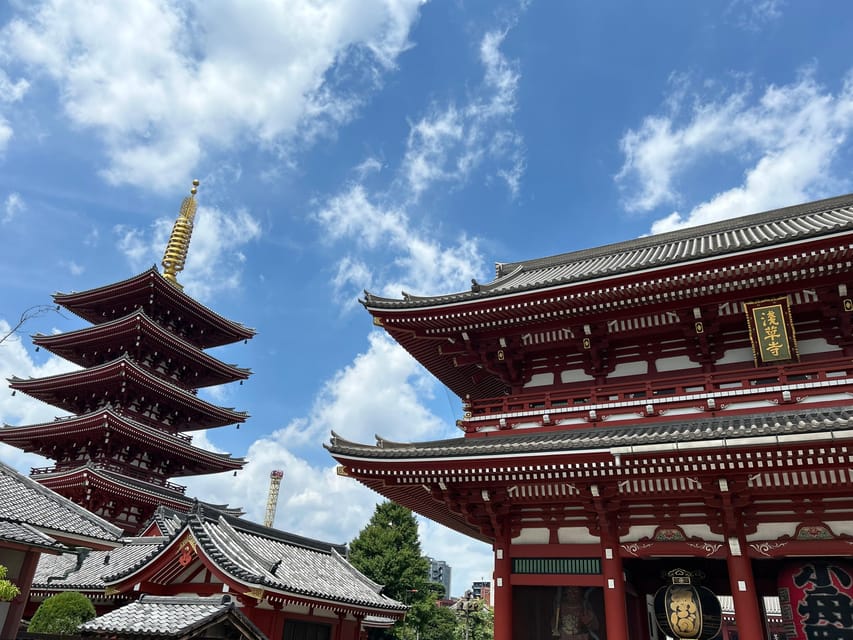
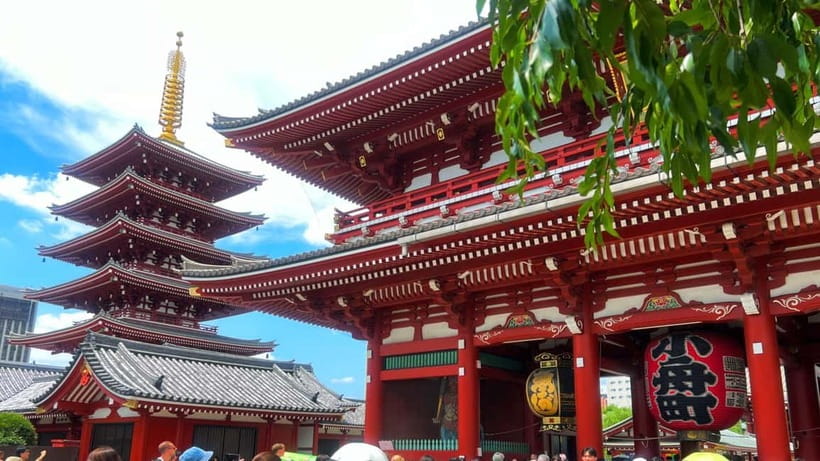
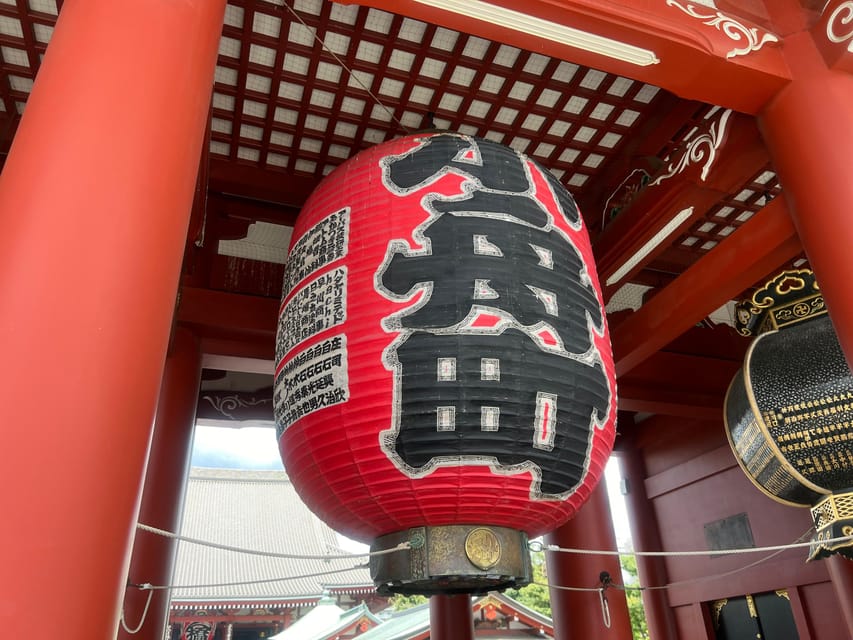
The tour’s first key stop is Kaminarimon Gate. You’ll get a photo stop plus a guided walk and explanations, roughly 30 minutes here.
Kaminarimon is one of those places where your camera does most of the work, but your brain needs the guide’s quick context. This stop is where you learn how the gate fits into the flow toward the temple and what the area traditions mean in plain terms. That helps when you move from the gate into Nakamise, because you’re not just walking past shops, you’re moving through a corridor of history.
I also like that the guide doesn’t rush. A 30-minute gate-and-intro window means you can take photos, listen, and still feel like you’re part of the street scene instead of herded through it.
- Mt Fuji and Hakone 1-Day Bus Tour Return by Bullet Train★ 5.0 · 26,383 reviews
- 1-Day Tokyo Bus Tour★ 5.0 · 14,250 reviews
- Tokyo: teamLab Planets TOKYO Digital Art Museum Entry Ticket★ 4.6 · 9,779 reviews
- Mt Fuji & Hakone Cruise, Drum Show Bullet Train 1 Day from Tokyo★ 4.0 · 7,413 reviews
- Tokyo: Shinjuku Food Tour (13 Dishes at 4 Local Eateries)★ 5.0 · 6,603 reviews
Nakamise Shopping Street: Sweets, Souvenirs, and a Better Shopping Strategy
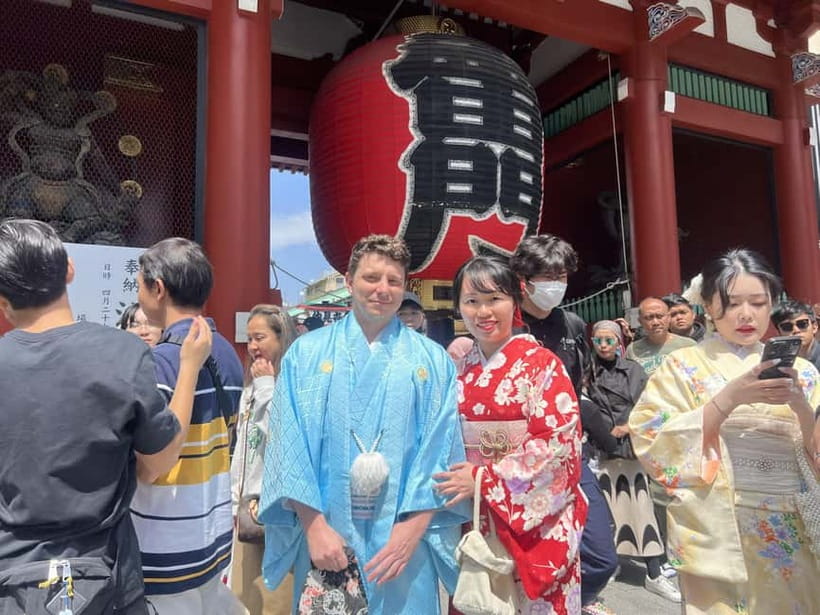
Next is Nakamise Shopping Street, about 20 minutes. This is the famous lane of traditional shops, colorful lanterns, and snack smells that hit you the second you step in.
The best part of doing Nakamise with a guide is knowing what to prioritize. Guides on this tour are praised for pointing out locally meaningful snacks and souvenirs, not just the loudest storefront. You’ll hear suggestions for things to eat and buy that fit the temple-world vibe of Asakusa.
Also, Nakamise is a great place to watch how locals move. You see that many people treat it like a quick pre-or-post-visit routine. That changes your mindset from tourist shopping to getting your bearings in a real neighborhood rhythm.
The tradeoff is time. Twenty minutes can feel short if you love browsing. If you’re the type who wants to slow down and compare multiple stalls, think of this as a curated sampler. You can always return afterward with your favorites list.
Inside Sensō-ji Temple: How the Guide Helps You Understand the Place
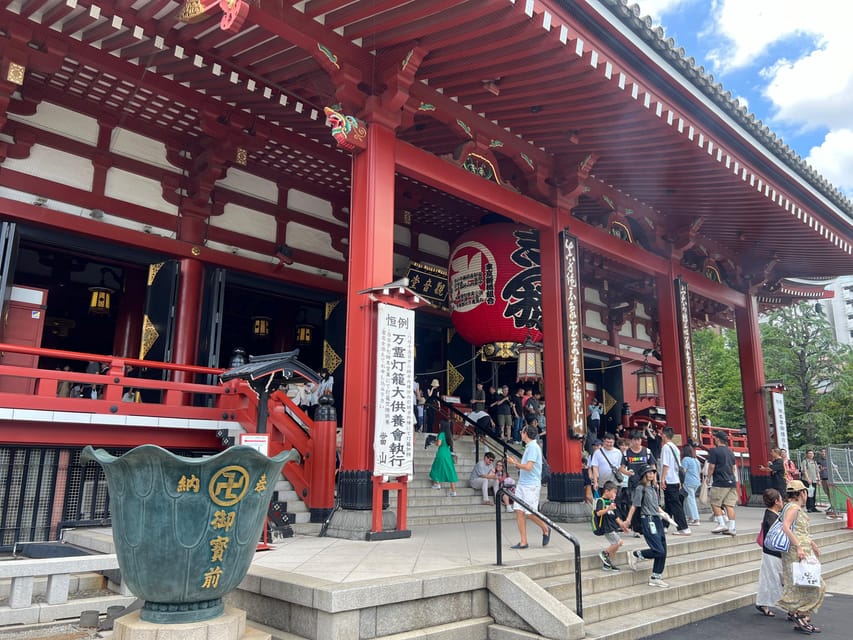
Then comes the centerpiece: Senso-ji Temple, with a photo stop, guided time, and walking around the temple area for about 30 minutes.
This stop is not just about seeing the buildings. It’s about understanding how people approach the space. Guides on this tour are specifically noted for teaching temple etiquette and Buddhist context, including how to approach what you see and interpret traditions. That kind of guidance makes the whole visit feel less like sightseeing and more like participating in a cultural setting.
There’s also a practical benefit: temple areas are busy, and people tend to move in different directions at once. A guide helps you keep your bearings without you doing frantic navigation. Several guides are praised for maintaining group cohesion, even when the route is packed.
If you like history plus spiritual context, this is the part that delivers the strongest payoff. And if you’re returning to Tokyo later and wondering how to connect old places to modern life, this is the stop that gives you a framework.
Asakusa Shrine: A Second Sacred Stop That Feels Local
After Senso-ji, you’ll visit Asakusa Shrine, again with photo time and guided time for about 30 minutes.
This is a smart addition because it keeps the tour from turning into a single-temple photo sprint. A shrine stop gives you a broader sense of how religious spaces work in everyday Tokyo life, and it complements what you learned at the temple by offering another lens.
Guides are also praised for explaining cultural and religious significance in a way that sticks. If you’ve ever stood in front of a shrine and wondered what the small rituals are actually doing, this kind of explanation is exactly what helps.
The other value here is emotional pacing. After Senso-ji’s energy, Asakusa Shrine often feels like a calmer moment to absorb what you learned. You still get guided context, but it’s easier to slow down and actually look.
What $14 Buys You in Tokyo: Value, Not Just Price
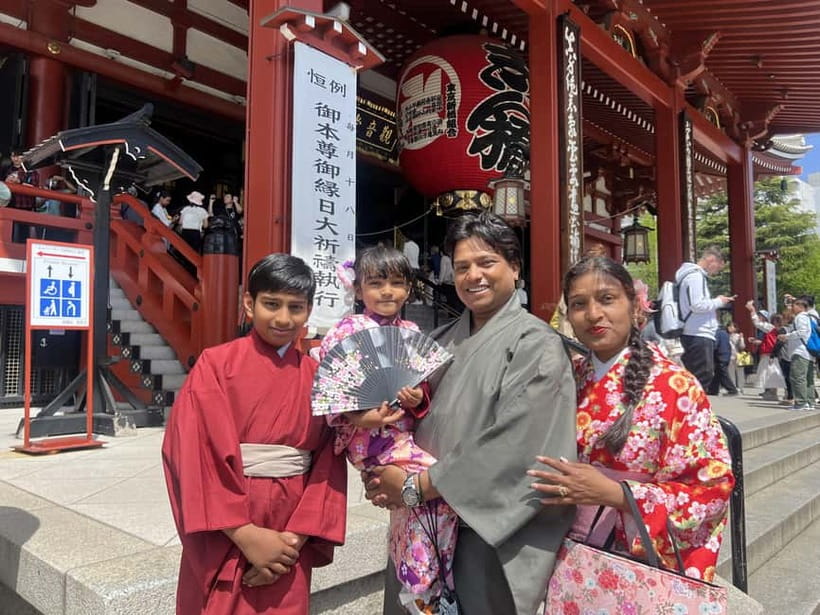
At $14 per person for a 2-hour small-group walking tour, the value comes from three things: guided time, the included admissions for the tour’s stops, and the structure that keeps you from wasting time.
Tokyo is expensive, and “cheap” tours can be cheap for a reason. Here, the price is doing something specific: it pays for a live English guide, guided walking between major areas, and access tied to the tour stops like Senso-ji and the Nakamise area. You’re paying to understand what you’re seeing while someone handles the route logic.
The small group cap of 10 is also part of the math. It’s easier to ask questions and stay together, and that tends to make the tour feel longer than the clock says. Several guides get praised for being organized and for keeping the group from spreading too far.
If you’re a first-time visitor and you want a traditional Tokyo introduction without committing to a full day, this price point is a reasonable entry ticket to cultural competence.
Guides Matter: The Tone You Get From Locals
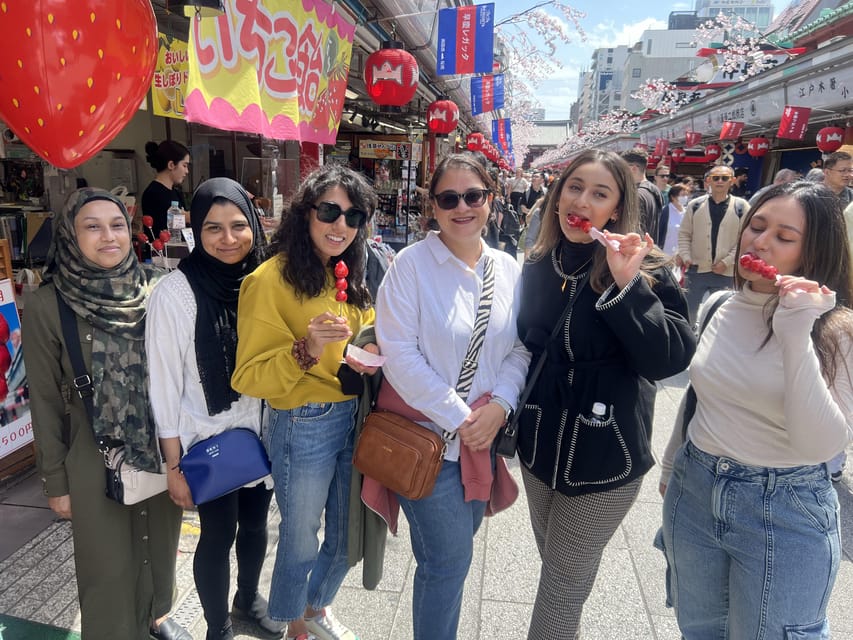
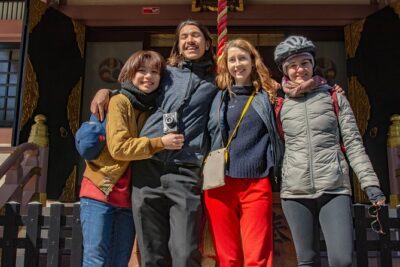
One of the strongest themes in the experiences you’ll read about from this tour is the guide quality. Guides named Shino, Embla, Connie, Nicolas, Joe, Aska, and others are repeatedly described as energetic, organized, and able to translate Tokyo’s traditions into clear stories.
What I find useful is the range of guidance. Some guides are focused on history and temple meaning. Others add strong practical recommendations, like where to eat and what souvenirs carry real significance. You’ll also find guidance on how to approach the temple traditions, which is where many people feel most lost without help.
If you’re traveling with family, the small group structure also tends to create a comfortable feel. That’s especially helpful when you want everyone to hear the same explanations instead of splitting up.
Who This Tour Fits Best, and Who Should Rethink It
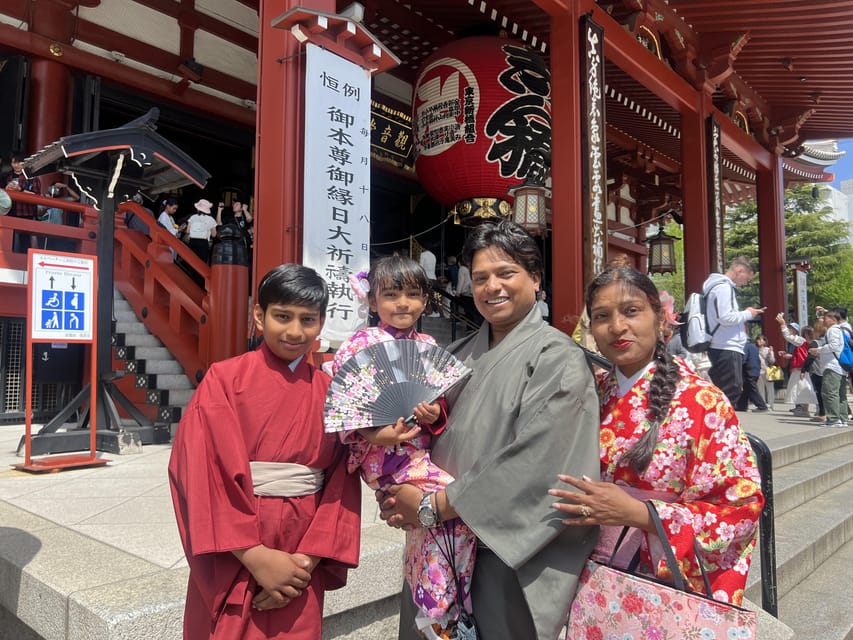
This tour is ideal if you’re:
- New to Tokyo and want a traditional neighborhood introduction
- Interested in temple history, legends, and cultural customs
- The kind of person who likes short, guided walking routes that add meaning fast
You might rethink it if you:
- Want lots of free time to wander and browse at your own speed
- Get overwhelmed by crowded areas and would rather do a quieter self-guided visit
The good news is that the tour is built around photo stops and guided timing, so you’re not constantly sprinting between points. But it still is a walking route in a famous zone.
Should You Book This Asakusa Old-Temple Tour
If you want an easy way to understand Asakusa beyond the postcard version, I’d book it. This is one of the better values in Tokyo for people who want context, not just movement.
Book it especially if you care about temple etiquette and you want your questions answered in English. The included guide time, plus admissions connected to the stops, means you get a lot of meaning for a small price tag.
Skip it only if you’re allergic to crowds or you want a long shopping free-for-all. Otherwise, this 2-hour circuit is a smart first step that sets you up for the rest of your Tokyo trip.
FAQ
Where is the meeting point for the tour?
You meet in front of Starbucks Coffee closest to Asakusa Station.
Is the tour guided in English?
Yes. The tour has a live guide in English.
How long does the tour last?
The tour duration is 2 hours.
How large is the group?
The group is limited to 10 participants.
What’s included in the price?
The price includes the guide, a walking tour, and admission connected to the tour stops: Asakusa, Senso-ji Temple, and Nakamise Shopping Street.
Do I need to download WhatsApp before the tour?
The meeting instructions ask you to download WhatsApp so you can meet up smoothly.
Can I reserve now and pay later?
Yes. It offers reserve now & pay later, so you can book your spot and pay nothing today.
What is the cancellation policy?
You can cancel up to 24 hours in advance for a full refund.
Asakusa and the Skytree, Keep Going




Newest Tokyo write-ups from the Loving Japan desk

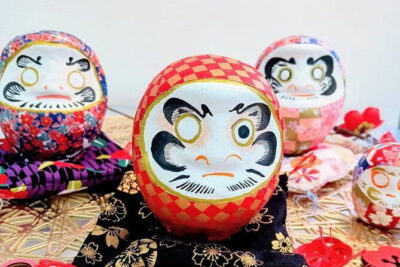

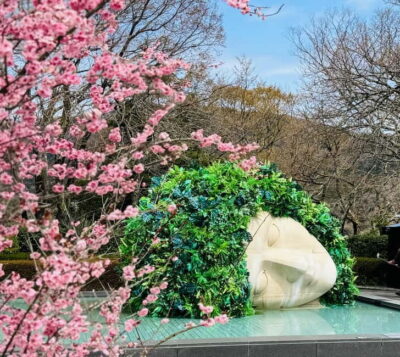
Asakusa, Senso-ji and Tokyo Skytree, side by side.
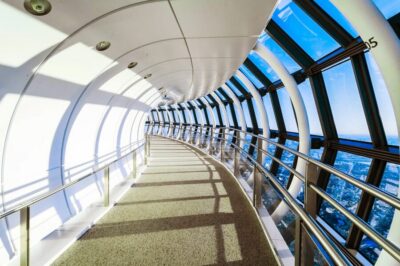 ★ 4.5TOKYO SKYTREE® Admission ticketFrom $1311,192 reviews
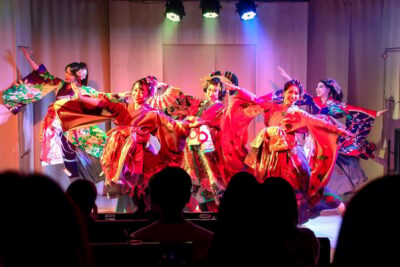 ★ 4.8Japanese Dance Cabaret Theater Asakusa-Kaguwa TicketFrom $492,270 reviews
 ★ 4.7Meiji Shrine, Asakusa, Skytree Bus Tour and CruiseFrom $1221,986 reviews
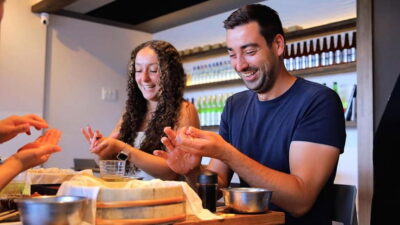 ★ 4.9Roll and Authentic Sushi Making Class in AsakusaFrom $581,957 reviews
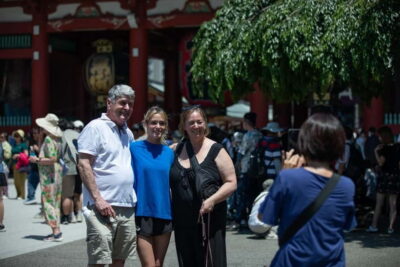 ★ 4.8Asakusa Walking Tour with Sensoji Temple VisitFrom $221,583 reviews
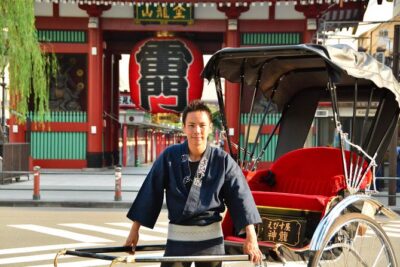 ★ 5.0Tokyo Asakusa Rickshaw TourFrom $421,375 reviews
 ★ 4.5Tokyo Panoramic 1 Day: Meiji Shrine, Asakusa, Odaiba and SKYTREE®From $851,222 reviews
 ★ 5.0Tokyo Go Kart: Asakusa, Skytree, and Akihabara **IDP MUST**From $99988 reviews
Filed on these lists too