
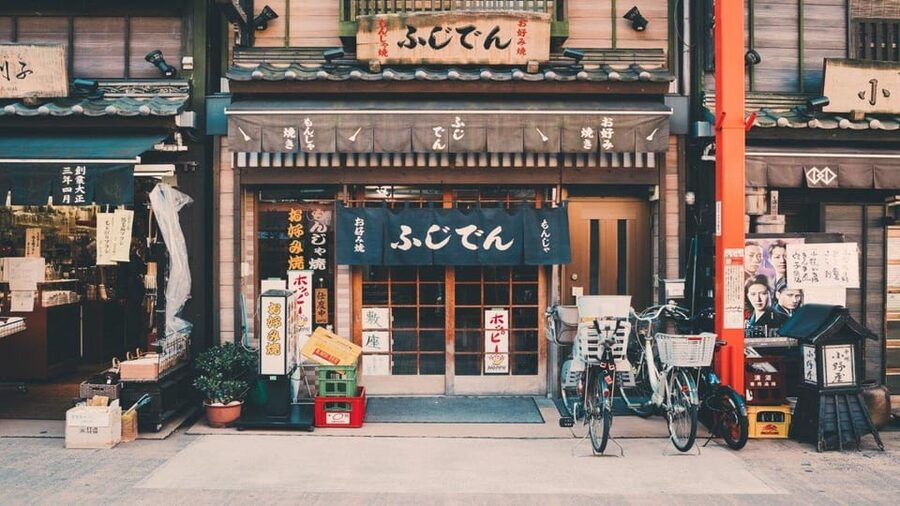
REVIEW · ASAKUSA, SENSO-JI AND TOKYO SKYTREE
Tokyo Asakusa & Senso-Ji Walking tour With A Guide
Asakusa makes Tokyo feel human. I like the private, exclusive pace, and I like the extra recommendations my guide can point me toward afterward. This 2-hour walk keeps the focus where you actually want it, from classic temple views to the smaller backstreet details that help Asakusa click.
One drawback to keep in mind: some people want more street-by-street context during the stroll. If you prefer a more structured explanation as you walk, tell your guide what you want right at the start.
You’ll meet at the front of Asakusa (1 Chome-8-13 Nishiasakusa, Taito City), then spend your time on foot around Asakusa, the river park area, and Sensō-ji. Bring comfortable shoes, because this is a guided walk that trades sitting for better sightlines.
In This Review
- Key points that make this tour worth it
- Private Asakusa with a guide: what you actually gain
- Where you meet at Asakusa, and how to start smoothly
- The Tokyo Skytree photo stop: quick icon time without a full day
- Asakusa on foot: Nakamise Street energy plus backstreet context
- A small consideration
- Sumida Park along the river: a calmer pause with seasonal possibilities
- Sensō-ji and Kaminarimon Gate: the temple approach you can enjoy
- What to do during your short temple window
- The guide’s advice: the part that can save you a whole day
- Price and value: is $53 for 2 hours fair?
- Who this tour fits best in your Tokyo plans
- Should you book this private Asakusa walk?
- FAQ
- How long is the Tokyo Asakusa and Sensō-ji walking tour?
- Is this a private tour?
- Where do we meet for the tour?
- What stops are included during the walk?
- What languages are available for the live guide?
- Is the tour wheelchair accessible?
- What is included in the price?
- What is not included?
- Can I cancel for a full refund?
- Can I reserve now and pay later?
Key points that make this tour worth it
- Private guide, no crowd pressure: You get an exclusive tour, so you can ask questions without waiting your turn.
- Sensō-ji highlights done in a smart order: Kaminarimon Gate, then the shopping approach, then the temple area.
- Photo stops that still include guidance: You stop for photos at Skytree and key Asakusa areas, with time to look and ask questions.
- Sumida Park break for river views: You get a calmer stretch along the Sumida River, with seasonal cherry blossoms possible.
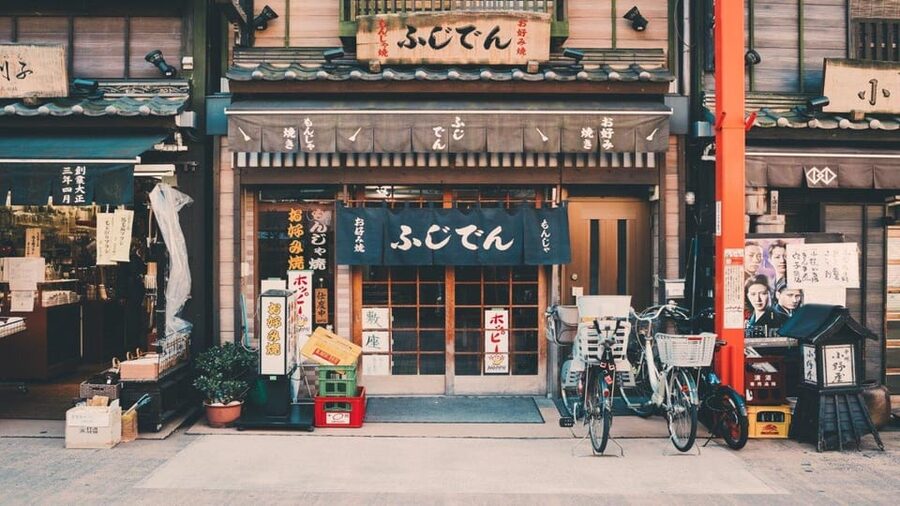
- Backstreets that show local rhythm: You’ll look beyond the headline sights into everyday Asakusa lanes.
- Customization matters: The tour can be adjusted to match your interests and how you like to move.
Still on the Sumida side? A few more Asakusa options
- Tokyo: Japanese Dance Cabaret Theater Asakusa-Kaguwa Ticket
★ 4.8 · 2,270 reviews - Tokyo: Meiji Shrine, Asakusa, Skytree Bus Tour and Cruise
★ 4.7 · 1,986 reviews - Tokyo: Roll and Authentic Sushi Making Class in Asakusa
★ 4.9 · 1,957 reviews - Tokyo: Asakusa Walking Tour with Sensoji Temple Visit
★ 4.8 · 1,583 reviews
Private Asakusa with a guide: what you actually gain
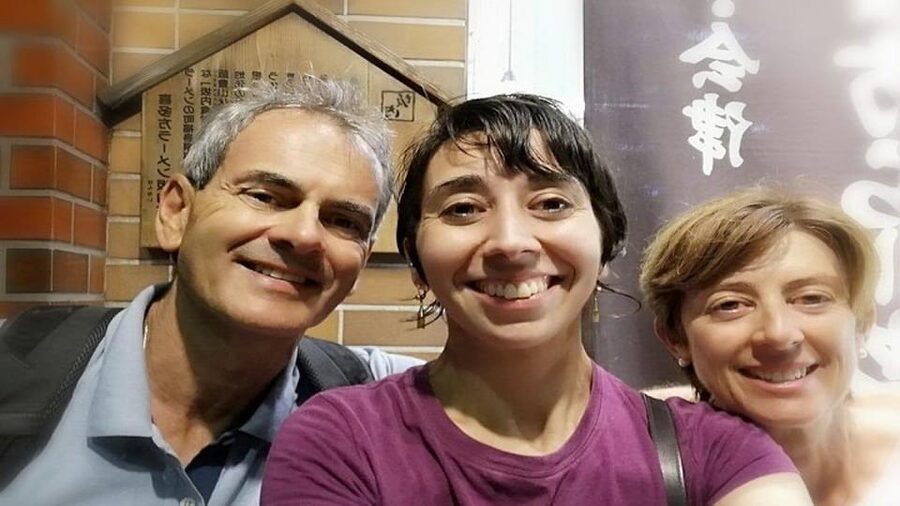
Asakusa can be a lot, fast. The big-name sights are obvious, but the real win is knowing what to notice while you’re walking between them. A private format helps because you can slow down for a specific question, or speed up if you’re more photo-focused.
I also like that you’re not just “taken to” places. The guide is there to explain what you’re seeing, and the tour includes built-in flexibility for what you want to prioritize. That matters in a district like Asakusa, where the best moments often come from small cues like signage, street layout, and how people move between temple approach areas and neighborhood life.
The guide’s English, French, Spanish, and Italian delivery also makes the experience feel less like guesswork. You can ask for practical interpretations, not just translations.
Where you meet at Asakusa, and how to start smoothly
Your meeting point is the front of Asakusa: 1 Chome-8-13 Nishiasakusa, Taito City, Tokyo 111-0035. This is convenient because the area connects naturally to the kinds of sights people come for, like the Sensō-ji neighborhood approach and the Kaminarimon Gate area.
Before you meet, I’d do two small things. First, decide what you care about most: temple architecture, food and shopping streets, river views, or photography. Second, plan to share your preferences in the first few minutes, because the tour is described as customizable and exclusive.
If you have mobility needs, this tour is listed as wheelchair accessible. Still, you’ll be walking, so wear shoes you trust, and use the guide to route around any tougher stretches.
The Tokyo Skytree photo stop: quick icon time without a full day
One of the tour stops includes Tokyo Skytree for a photo stop, visit, guided tour, and sightseeing, all within about 30 minutes. That’s a smart structure for travelers who want at least one major Tokyo landmark day, without turning Asakusa into a marathon.
Here’s how to make the most of that short window. Treat it like a “set-up” stop, not a full sightseeing day. Use the time to get your best angle, ask what to notice from the viewpoint you’re at, and get the story behind the icon.
Also, keep your expectations aligned with the time. A 30-minute Skytree segment means you’ll be focused and efficient, not lingering for everything. If you want a long look around, you can always plan that separately after your guided walk.
- Mt Fuji and Hakone 1-Day Bus Tour Return by Bullet Train★ 5.0 · 26,383 reviews
- 1-Day Tokyo Bus Tour★ 5.0 · 14,250 reviews
- Tokyo: teamLab Planets TOKYO Digital Art Museum Entry Ticket★ 4.6 · 9,779 reviews
- Mt Fuji & Hakone Cruise, Drum Show Bullet Train 1 Day from Tokyo★ 4.0 · 7,413 reviews
- Tokyo: Shinjuku Food Tour (13 Dishes at 4 Local Eateries)★ 5.0 · 6,603 reviews
Asakusa on foot: Nakamise Street energy plus backstreet context

After Skytree, you continue into Asakusa with another scheduled segment of photo stop, guided tour, sightseeing, and walking for about 30 minutes. This is where the tour starts to feel like a neighborhood experience instead of a checklist.
Expect time around the main temple approach area, especially Nakamise Shopping Street. This is the classic market street lined with traditional stalls where you can find souvenirs, snacks, and crafts. The tour format helps because your guide can steer you toward what fits your tastes and what to skip if you’re short on time.
Then, you also get into the backstreets of Asakusa. That’s a big deal. The district has a lot of small-scale atmosphere that you miss if you only follow the most direct route. In the tour description, the backstreets are positioned as a chance to spot traditional architecture and see daily life, not just shop windows.
I’d use this part of the walk to do something simple: watch how people move. When you see the flow between the temple approach and the quieter lanes, Asakusa makes more sense. Your guide’s context turns what looks like random streets into a readable map.
A small consideration
Some past bookings asked for more neighborhood context during the walk. If you fall into that category, ask for it early. Say something like you want more explanation about the district layout as you pass key points. A good guide can adjust to that on the fly.
Sumida Park along the river: a calmer pause with seasonal possibilities
Next comes Sumida Park, again with about 30 minutes of photo stop, visit, guided tour, sightseeing, and walking. This stop is positioned along the Sumida River, which gives you a physical break from the dense temple and shopping flow.
Why this part matters is simple: it breaks the day into zones. You go from iconic, crowded-feeling sight routes into a more open space where your eyes can reset. Even if you’re not chasing perfect photos, this pause helps you enjoy Sensō-ji more later, because you’re not mentally overloaded.
The tour description notes that depending on the season, Sumida Park may be adorned with cherry blossoms. That’s not something you can control, so don’t build your entire day around it. But if you happen to be there during blossom season, this park segment can become a real highlight because the river setting frames the district differently.
Sensō-ji and Kaminarimon Gate: the temple approach you can enjoy
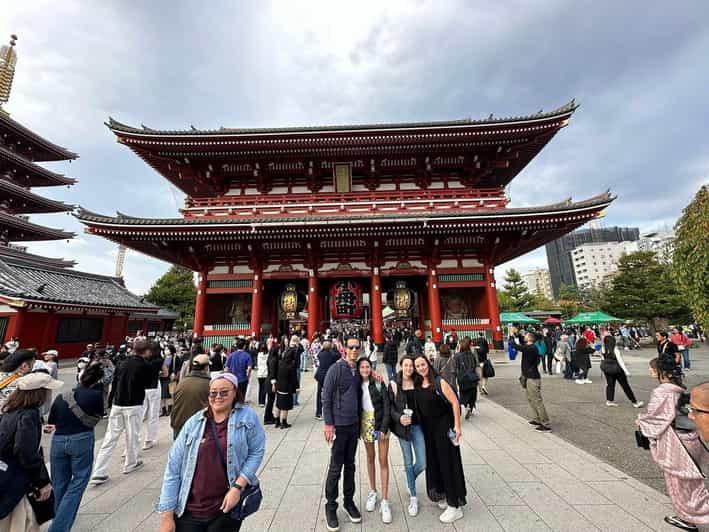
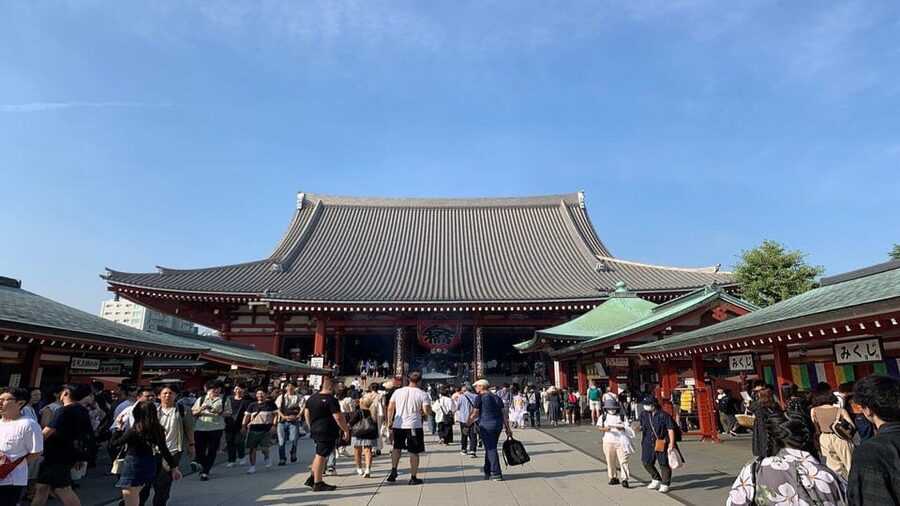
The final scheduled segment focuses on Sensō-ji Temple, with photo stop, visit, guided tour, sightseeing, and about 30 minutes of walking time. Sensō-ji is described as Tokyo’s oldest temple, and the tour is built to bring you through the key moments.
Your route includes Kaminarimon Gate, famous for its colossal red lantern. This is the kind of sight that works even if you’re not an architecture nerd. The lantern is a visual anchor, and seeing it as part of a guided approach helps you understand why this space pulls people in.
From there, the flow continues into the Nakamise Shopping Street area, which functions as the bridge between everyday shopping street and temple entrance. The guide’s role here is practical. You’ll get tips on what you’re looking at and how to experience the area with less confusion and less aimless wandering.
What to do during your short temple window
With only about 30 minutes, you’ll want to move with intention. Spend time looking up and around at the gate area, then focus on one or two specific temple-view angles before you move on. If your guide is talking, don’t just listen. Ask a question tied to what you’re seeing, like what a certain landmark represents or why the approach route is laid out the way it is.
This is also where the “private” piece pays off. You can adjust your pace to how you want to take in the space, and you can ask for directions to make your viewing time efficient.
The guide’s advice: the part that can save you a whole day
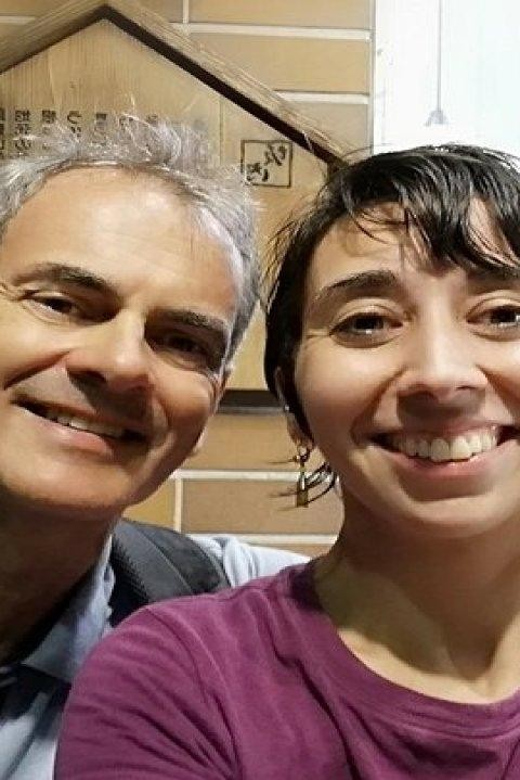
One of the top highlights is that you’ll get lots of valuable advice from your guide about other things to do. In practice, that means you’re not leaving Asakusa with just photos, you’re leaving with a short list of what to prioritize next based on what you liked here.
One guide named Nicolas has been praised for being very instructive, with explanations about Japanese culture and the history of the country. That kind of guidance is useful because it gives you context you can carry to other neighborhoods and sites.
You’ll also feel the benefit of customization. One booking noted the tour could be done according to people’s needs, which usually translates to a better match between the route and your interests. If you care more about temple meaning than shopping, say so. If you want more time near specific points for photos, ask.
Price and value: is $53 for 2 hours fair?
At $53 per person for a 2-hour private walking tour, you’re paying mainly for three things: a live guide in your language, private exclusivity, and flexible routing. You’re not paying for meals, drinks, or a long transit-heavy itinerary.
Here’s how I’d judge the value. If you’d otherwise spend part of the day figuring out what matters in Asakusa, the guide can earn its keep fast. And because it’s private and exclusive, you’re not sharing attention with strangers, which matters when you want explanations or directions.
That said, one consideration that came up is that the quality-to-price ratio wasn’t adequate for one booking, with a desire for more details during the walk. That’s the risk with any short private tour: the experience depends heavily on how the guide structures the storytelling.
My practical fix is easy. In the first few minutes, ask what the guide plans to cover and tell them how much commentary you want. If you want deeper context, request it explicitly.
Who this tour fits best in your Tokyo plans
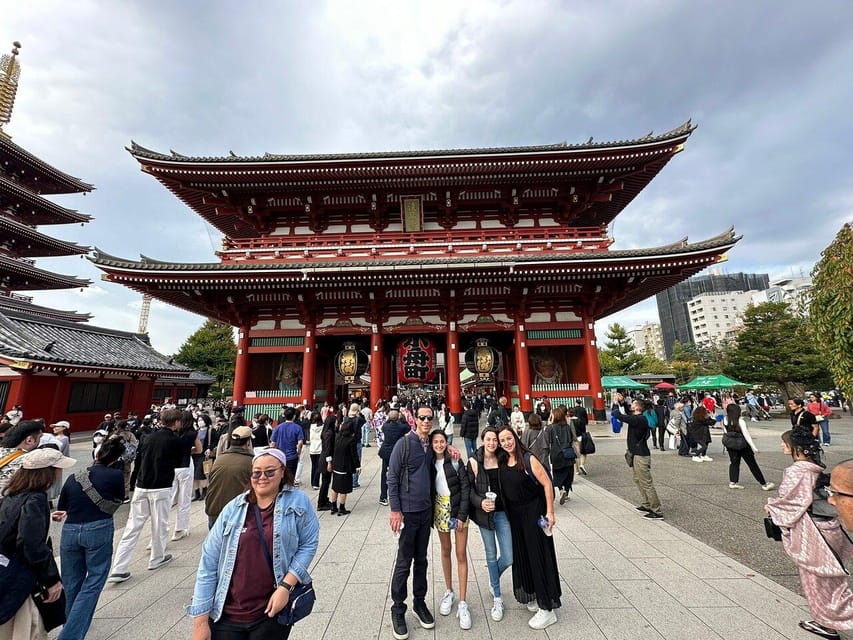
This tour makes the most sense if you want Asakusa and Sensō-ji without turning the day into guesswork. It’s also ideal if you prefer a guided pace where you can stop for photos without feeling rushed by a group schedule.
It’s especially good for:
- First-time Tokyo visitors who want a meaningful slice of traditional Tokyo.
- Travelers who like temple approach areas, street culture, and river-view breaks.
- Anyone who wants a guide to recommend other stops after the tour.
It’s less ideal if you’re the type who wants only free wandering and zero structure. Even though it’s customizable, it still has a set flow and time allocation across the key areas.
Because the tour is listed as wheelchair accessible, it can also be a good option for travelers who need that support. You’ll still want comfortable footwear and a steady plan for walking time.
Should you book this private Asakusa walk?
Book it if you want a focused, 2-hour Asakusa day with a private guide, time at Sensō-ji including Kaminarimon Gate, a stop at Sumida Park, and a guide who can steer you toward what to do next in Tokyo. The value is strongest when you enjoy being guided, asking questions, and using expert advice to reduce wasted time.
Skip or adjust your expectations if you dislike short time windows or you strongly prefer very detailed neighborhood explanations at every stop. If that’s you, do one thing before you start: ask for more context from the guide right away. With customization available, that can turn the experience from good into great.
FAQ
How long is the Tokyo Asakusa and Sensō-ji walking tour?
The tour duration is 2 hours.
Is this a private tour?
Yes. It is a private tour, and your group is exclusive, meaning there won’t be anyone else in your group.
Where do we meet for the tour?
Meet at the front of Asakusa, 1 Chome-8-13 Nishiasakusa, Taito City, Tokyo 111-0035.
What stops are included during the walk?
The tour includes a photo stop and visit related to Tokyo Skytree, time in Asakusa, Sumida Park, and Sensō-ji Temple, with guided walking and sightseeing at each.
What languages are available for the live guide?
The live guide is available in English, French, Spanish, and Italian.
Is the tour wheelchair accessible?
Yes, the tour is listed as wheelchair accessible.
What is included in the price?
Included are a private tour guide, the private and exclusive tour experience, and customization of the tour.
What is not included?
Drinks or food are not included.
Can I cancel for a full refund?
You can cancel up to 24 hours in advance for a full refund.
Can I reserve now and pay later?
Yes. Reserve now and pay later is offered to keep your travel plans flexible.
Asakusa and the Skytree, Keep Going


Newest Tokyo write-ups from the Loving Japan desk
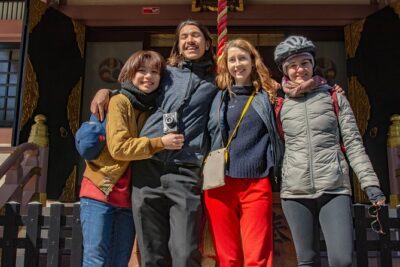
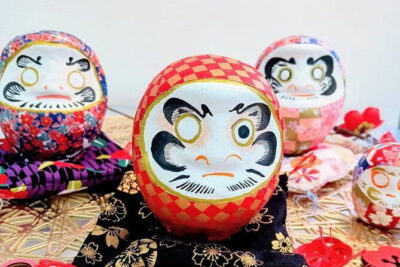
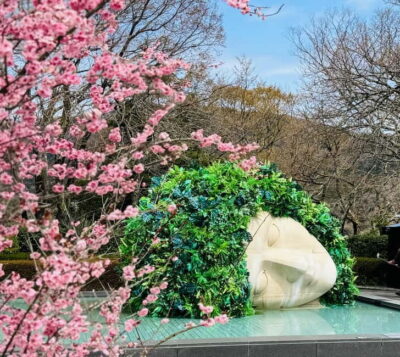
Asakusa, Senso-ji and Tokyo Skytree, side by side.
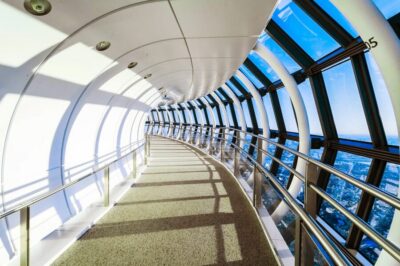 ★ 4.5TOKYO SKYTREE® Admission ticketFrom $1311,192 reviews
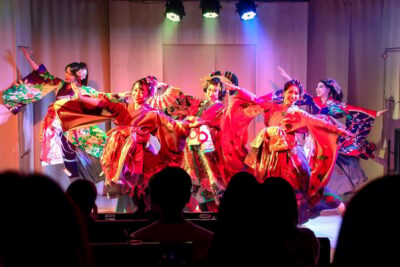 ★ 4.8Japanese Dance Cabaret Theater Asakusa-Kaguwa TicketFrom $492,270 reviews
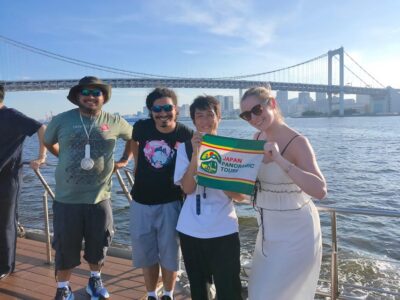 ★ 4.7Meiji Shrine, Asakusa, Skytree Bus Tour and CruiseFrom $1221,986 reviews
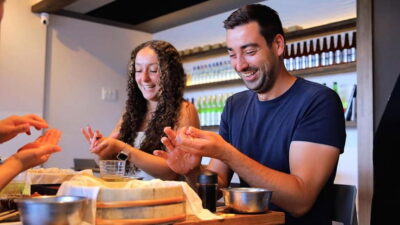 ★ 4.9Roll and Authentic Sushi Making Class in AsakusaFrom $581,957 reviews
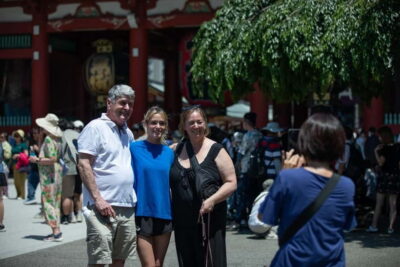 ★ 4.8Asakusa Walking Tour with Sensoji Temple VisitFrom $221,583 reviews
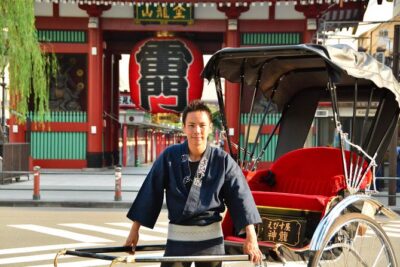 ★ 5.0Tokyo Asakusa Rickshaw TourFrom $421,375 reviews
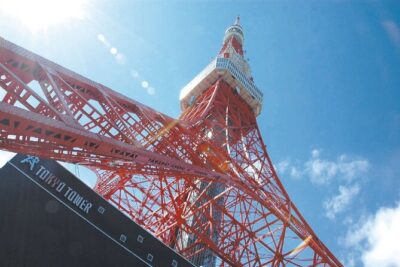 ★ 4.5Tokyo Panoramic 1 Day: Meiji Shrine, Asakusa, Odaiba and SKYTREE®From $851,222 reviews
 ★ 5.0Tokyo Go Kart: Asakusa, Skytree, and Akihabara **IDP MUST**From $99988 reviews
Filed on these lists too