
REVIEW · ASAKUSA, SENSO-JI AND TOKYO SKYTREE
Tokyo Asakusa Temple & Shrine Walking Tour with Local Guide
A single lantern can guide your whole day. This Asakusa walk is interesting because it pairs hands-on temple rituals with clear local guidance while you move through the oldest sights. One drawback to consider is that the gates and shopping lanes can get crowded, so plan on slow steps and wear comfy shoes.
You’ll start near the Sumida River area and follow a guide who keeps you on track, even if you cannot read Japanese. The tour also uses a mobile ticket, which is a nice time-saver when you’re trying to keep things simple in busy Tokyo.
In This Review
- Key points to know before you go
- Why Asakusa works best with a guide
- Azumabashi Bridge to old Tokyo viewpoints
- Kaminarimon and the 700kg lantern meaning
- Nakamise Shopping Street, snacks and souvenirs with context
- Hozomon Gate and the temple grounds layout
- Entering Senso-ji: oldest temple vibes, organized and explained
- Asakusa Shrine visit and the ritual side you might miss alone
- Temizu cleansing, prayer, and omikuji fortune-telling
- How the guide keeps you from getting lost
- Price and value: why $19.82 is actually reasonable
- Timing, crowd levels, and what to wear
- Who should book this Asakusa walk
- Should you book this Tokyo Asakusa Temple walk?
- FAQ
- How long is the Tokyo Asakusa Temple & Shrine Walking Tour?
- How much does the tour cost?
- How many people are in the group?
- What rituals and activities are included?
- Where does the tour start and where does it end?
- Is there free cancellation?
Key points to know before you go
- Small group of eight or fewer: easier questions, tighter routing, less stress in crowds
- Rituals included: temizu hand-cleansing, prayer, and omikuji fortune-telling
- Senso-ji and Asakusa Shrine time: key landmarks without wandering for hours
- Thunder Gate and its 700kg lantern story: you’ll know what you’re looking at before the photos
- Nakamise shopping street stop: practical guidance for snacks, crafts, and where to look
Still on the Sumida side? A few more Asakusa options
- Tokyo: Japanese Dance Cabaret Theater Asakusa-Kaguwa Ticket
★ 4.8 · 2,270 reviews - Tokyo: Meiji Shrine, Asakusa, Skytree Bus Tour and Cruise
★ 4.7 · 1,986 reviews - Tokyo: Roll and Authentic Sushi Making Class in Asakusa
★ 4.9 · 1,957 reviews - Tokyo: Asakusa Walking Tour with Sensoji Temple Visit
★ 4.8 · 1,583 reviews
Why Asakusa works best with a guide
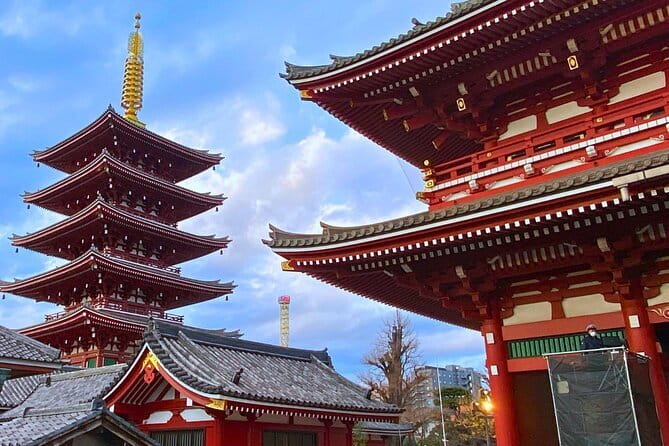
Asakusa can feel like two places at once. On one side you get old Tokyo energy, snack smells, and shop signs that pull you forward. On the other, you have actual religious space, with etiquette and customs you might miss if you arrive cold.
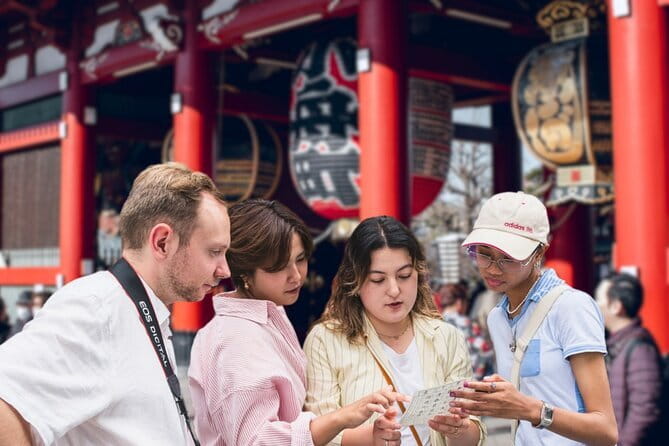
What I like most is how the guide translates what you see into something you can use. You’re not just standing around at famous structures. You’re learning what people do there, why they do it, and how the sites connect.
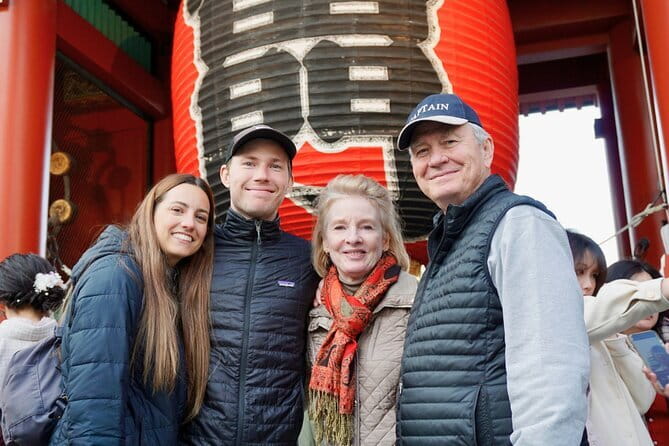
Also, the small group matters. With a cap of eight people, it stays friendly, and you are not fighting for attention when questions pop up. If you prefer a calm walk through a crowded area, this is a smart format.
Azumabashi Bridge to old Tokyo viewpoints
You begin with a quick stop at Azumabashi Bridge, which gives you an instant sense of place. From here, you can catch views of the Sumida River and the Tokyo skyline, and the area starts making sense as a gateway between old and new.
This is a good place to start because it sets your bearings fast. You get a skyline moment, then you shift right into temple-town streets, and the day flows without awkward detours.
One practical note: river areas can be breezy, and walking routes can tighten once you reach the temple approach. I’d treat this as your warm-up, not your long photo session, so you stay comfortable for the denser parts ahead.
Kaminarimon and the 700kg lantern meaning
Next comes the Thunder Gate, known as Kaminarimon. The standout detail is the huge red lantern, described as weighing around 700kg, plus the stories tied to repeated reconstruction after fires.
That info changes how you look at the gate. Instead of seeing it as just a landmark for photos, you start noticing how the architecture, the name, and the lantern all work together. The guide also helps explain why it is called Kaminarimon, so your photos come with context instead of guesswork.
This is also where crowds can peak. If you want great shots, move with the group first, then do your close-up photos when the guide gives you the timing to pause.
- Mt Fuji and Hakone 1-Day Bus Tour Return by Bullet Train★ 5.0 · 26,383 reviews
- 1-Day Tokyo Bus Tour★ 5.0 · 14,250 reviews
- Tokyo: teamLab Planets TOKYO Digital Art Museum Entry Ticket★ 4.6 · 9,779 reviews
- Mt Fuji & Hakone Cruise, Drum Show Bullet Train 1 Day from Tokyo★ 4.0 · 7,413 reviews
- Tokyo: Shinjuku Food Tour (13 Dishes at 4 Local Eateries)★ 5.0 · 6,603 reviews
Nakamise Shopping Street, snacks and souvenirs with context
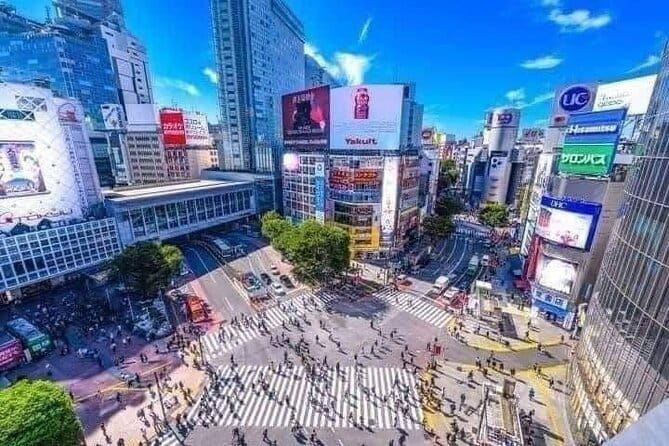
After Kaminarimon, you head into Nakamise Shopping Street, the famous lane packed with traditional shops. The guide’s role here is underrated. You get help spotting what is worth your attention, and you learn how the street fits into temple visits rather than just being a retail corridor.
This is the part where you can easily get overwhelmed. Signs, smells, and quick temptations are everywhere. With a guide, you can browse without losing the plot or missing the next landmark.
If you like tasting as you go, this stop is built for that. Look for snacks and small crafts, and treat buying as optional. The tour already gives you the cultural anchors, so you can shop lightly or go all-in based on your mood.
Hozomon Gate and the temple grounds layout
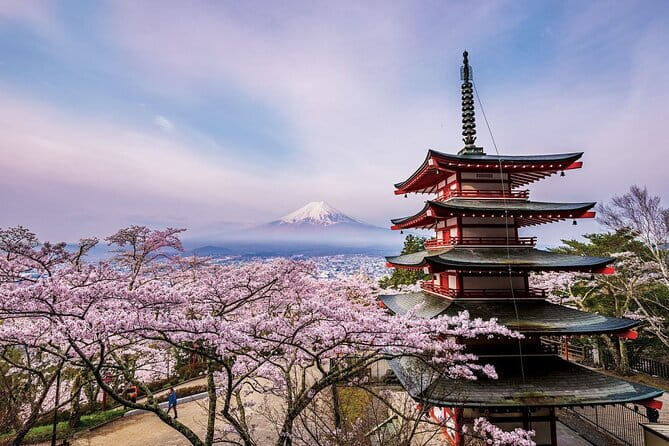
As you keep walking, you pass the Hozomon Gate. The guide explains it as an important cultural property, including how it protects the temple grounds and what the gate’s architectural features symbolize.
This kind of stop is valuable because it helps you understand the “gate to gate” rhythm of Japanese temple complexes. You start noticing that gates are not just entrances. They are transitions, and they manage how you move from everyday street life into sacred space.
If you tend to skim landmarks without reading anything, this is your fix. The explanation gives you something to hold onto while you walk, so the experience feels connected instead of like separate photo spots.
Entering Senso-ji: oldest temple vibes, organized and explained
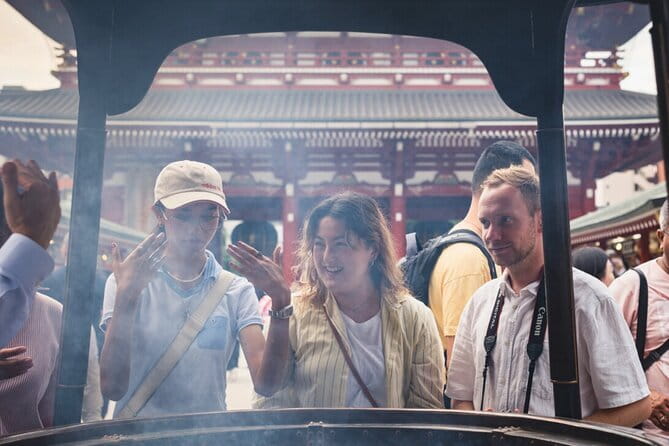
At Senso-ji Temple, you spend real guided time. The guide leads you through Tokyo’s best-known historic Buddhist temple area and shares the stories that make it more than a postcard.
The big win here is not just seeing Senso-ji. It is getting the narrative thread. You learn what you are looking at, why people behave certain ways, and how the site’s layout supports worship.
Senso-ji is also where you will notice the blending of practice. Shinto and Buddhism show up in different forms across Japan, and the guide ties that together so you understand why the area can feel both familiar and surprising.
Asakusa Shrine visit and the ritual side you might miss alone
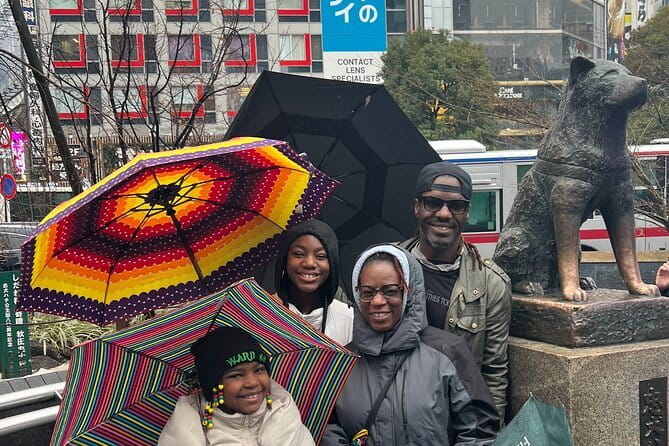
The tour also includes a visit to Asakusa Shrine, so you are not only living in one tradition. Even if you are comfortable walking around temples, shrine etiquette can trip you up, especially when you want to participate respectfully.
This is where the guide’s explanations really earn their keep. You get direction on what to do during prayer and how to approach the ritual spaces without blocking others.
If you have ever watched people do something at a shrine and thought, I wish I knew what that was, this stop fixes that feeling. The guide makes the customs make sense in real time.
Temizu cleansing, prayer, and omikuji fortune-telling
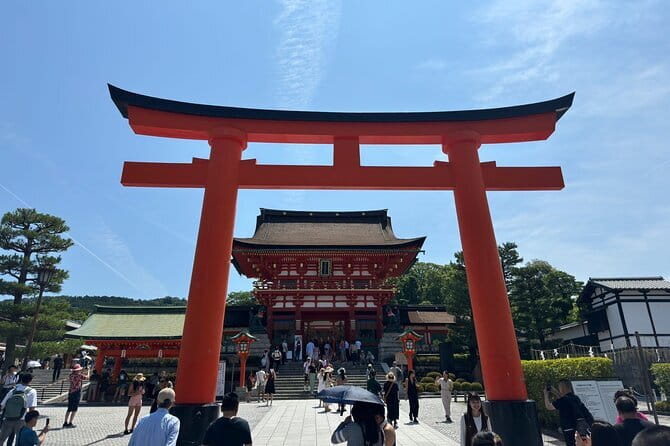
One of the most memorable parts is the set of authentic ritual activities: temizu cleansing, prayer, and omikuji fortune-telling.
Temizu cleansing is the hand-cleansing ritual, and the guide shows you what to do, so you do not feel awkward hovering near the basin. Prayer guidance helps you understand the flow of actions rather than copying movements blindly.
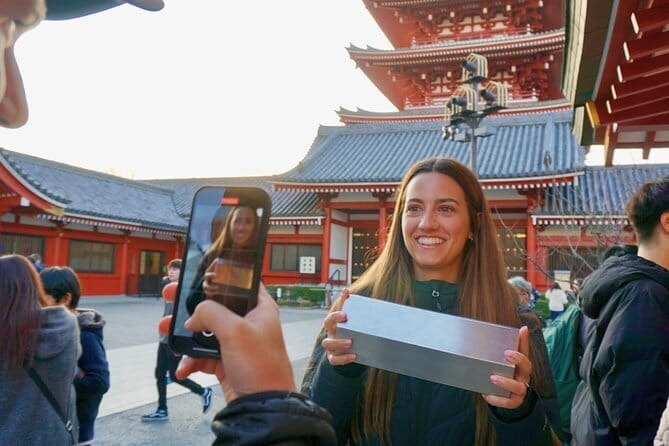
Then there is omikuji, the paper fortune. The point is not whether it says good luck or caution. The point is that you get a small, personal interaction with the place. You leave with a paper keepsake and a clearer memory of what the ritual is for.
This is also a good value element in the price. Many low-cost tours focus on photos only. Here, you get participation, guidance, and cultural meaning, all packed into a roughly two-hour walk.
How the guide keeps you from getting lost
Asakusa has lots of tiny turns and lanes that can confuse even experienced walkers. A “just follow the map” approach often fails when crowds shuffle you off your line.
What I appreciate is that the guide navigates so you do not waste time guessing. With a route built around major sights, you spend your energy looking and learning instead of regrouping and rechecking directions.
This matters most if you are visiting for the first time, or if you prefer not to rely on your phone constantly. The small group size supports this, because the guide can pause, check who is with the group, and keep the rhythm.
Price and value: why $19.82 is actually reasonable
At $19.82 per person, this tour sits in a budget-friendly range for a guided experience in central Tokyo. What makes it feel like more than a bargain is that it includes guide-led temple and shrine time plus the ritual participation.
You also get a quick hit of the most iconic Asakusa stops: Senso-ji, Asakusa Shrine, Thunder Gate, Nakamise, and the Hozomon Gate. Those are the exact sights most people want, and you get the context for them without paying for a longer, more expensive half-day tour.
Admission is listed as free for the Senso-ji ticket portion, which helps the overall cost feel even more sensible. And because the tour is about two hours, you do not lose a big chunk of your day to logistics.
If you are trying to build your Tokyo plan with smart, efficient blocks, this one fits well.
Timing, crowd levels, and what to wear
This is a walking tour, so your comfort matters. Asakusa’s center lanes can get busy, especially around major gates, so you should expect stop-and-go movement.
Wear shoes you can stand in for the full route. Even if the tour is short, the time feels longer when you stop for explanations and when the group pauses to respect temple flow.
Photo fans should plan for waiting. You will still get great angles, but the guide’s job is to help you move at the right moments, not just chase the fastest shot.
Who should book this Asakusa walk
Book it if you want:
- A guided way to see Senso-ji and Asakusa Shrine without getting tangled in the streets
- Ritual guidance like temizu and omikuji so you can participate correctly
- A small-group pace, capped at eight people, with room to ask questions
It also works well if you like short Tokyo experiences. You get a lot of iconic visuals plus practical cultural context in roughly two hours.
If you are the type who hates groups, this might feel less ideal. But with the small cap, it is usually manageable if you are comfortable walking with others.
Should you book this Tokyo Asakusa Temple walk?
I’d book it if your goal is to understand what you are seeing, not just collect photos. The best part is the combo of major Asakusa landmarks plus the ritual activities that most people do not figure out on their own.
The only real caution is crowd time. Gates and shopping lanes can be packed, so go in expecting a bit of squeeze and slower movement.
If you want a simple, value-heavy introduction to Asakusa that respects the religious side of the area, this is a strong choice.
FAQ
How long is the Tokyo Asakusa Temple & Shrine Walking Tour?
The tour lasts about 2 hours.
How much does the tour cost?
It costs $19.82 per person.
How many people are in the group?
The group is capped at a maximum of 8 travelers.
What rituals and activities are included?
The tour includes temizu cleansing (hand cleansing), prayer, and omikuji fortune-telling, plus guided visits through Asakusa’s temples and shrines.
Where does the tour start and where does it end?
The meeting point is Burger King Asakusa Azumabashi in Taito City. The tour ends back at the meeting point.
Is there free cancellation?
Yes. You can cancel for a full refund up to 24 hours before the experience starts.
Asakusa and the Skytree, Keep Going


Newest Tokyo write-ups from the Loving Japan desk
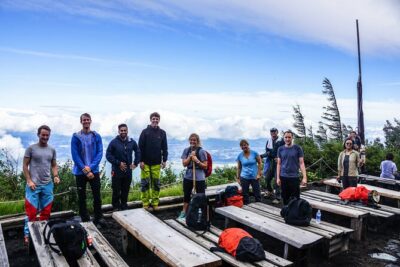
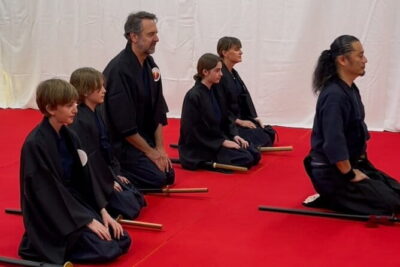
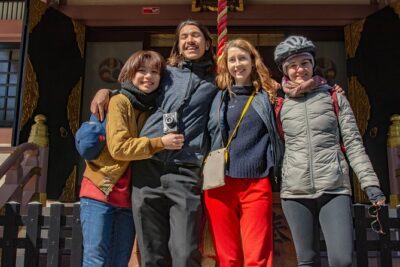
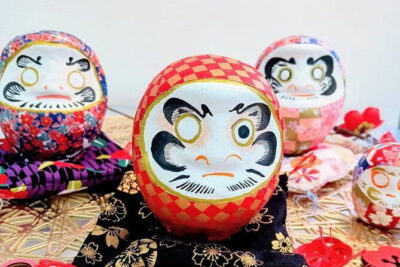
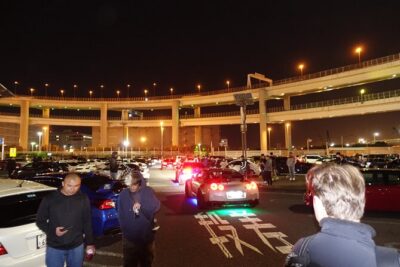
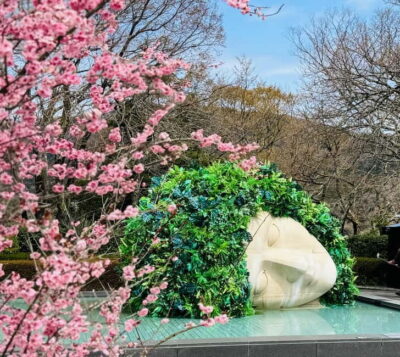
Asakusa, Senso-ji and Tokyo Skytree, side by side.
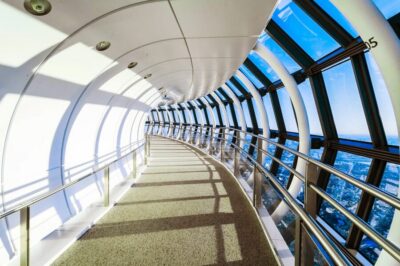 ★ 4.5TOKYO SKYTREE® Admission ticketFrom $1311,192 reviews
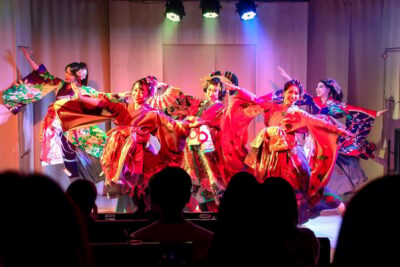 ★ 4.8Japanese Dance Cabaret Theater Asakusa-Kaguwa TicketFrom $492,270 reviews
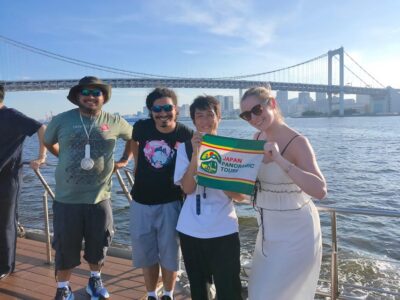 ★ 4.7Meiji Shrine, Asakusa, Skytree Bus Tour and CruiseFrom $1221,986 reviews
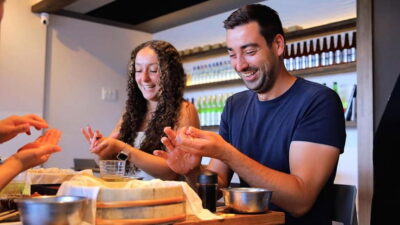 ★ 4.9Roll and Authentic Sushi Making Class in AsakusaFrom $581,957 reviews
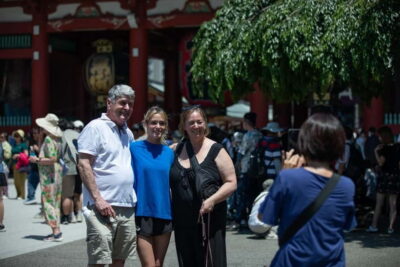 ★ 4.8Asakusa Walking Tour with Sensoji Temple VisitFrom $221,583 reviews
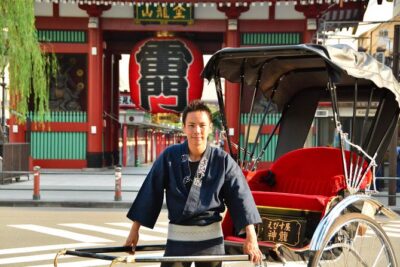 ★ 5.0Tokyo Asakusa Rickshaw TourFrom $421,375 reviews
 ★ 4.5Tokyo Panoramic 1 Day: Meiji Shrine, Asakusa, Odaiba and SKYTREE®From $851,222 reviews
 ★ 5.0Tokyo Go Kart: Asakusa, Skytree, and Akihabara **IDP MUST**From $99988 reviews
Filed on these lists too