
REVIEW · ASAKUSA, SENSO-JI AND TOKYO SKYTREE
Tokyo: Asakusa Temple & Shrine Walking Tour with Local Guide
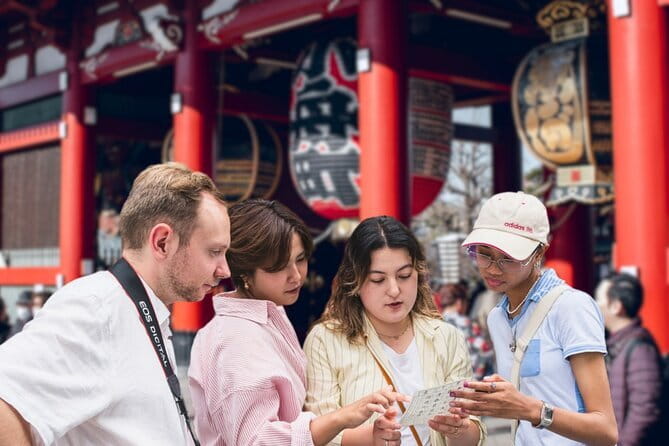
Asakusa makes sense fast when guided. I like that you actually practice temizu hand-washing and try omikuji fortune telling, instead of just standing nearby. I also love the smart photo timing and viewpoint stops, like the hidden outlook over the temple area. One note to keep in mind, the route is a walking tour and it is not suitable for wheelchair users or people with low fitness.
This is the kind of tour where a guide turns chaos into clarity. With English or French guidance, you can ask anything on the spot, and guides you might get include Nico, Nicolas, Lino, Nana, Erik, Diane, and Joe. The mood stays relaxed, and there is no dress code, tattoos are welcome, and you move at a comfortable pace through old streets and active worship spaces.
In This Review
- Key highlights at a glance
- Why this Asakusa Temple and Shrine walk feels different
- Starting at Azuma Bridge and spotting the Skytree “golden poop”
- Kaminarimon’s 700kg lantern story, plus how to read the crowds
- Nakamise Shopping Street: treats, souvenirs, and what the guide points out
- Past Hōzōmon Gate and the quieter corners people miss
- The interactive rituals: temizu, omikuji, and incense smoke explanations
- Senso-ji Temple: Buddhist prayer basics, bowing, and torii gate etiquette
- Asakusa Shrine: a clear shift from Buddhism to Shinto
- Photo spots, timing, and what to ask your guide
- Price, group size, and whether it feels like value at $30
- Weather, walking pace, and the practical stuff that keeps your day smooth
- Should you book this Asakusa Temple and Shrine tour?
- FAQ
- How long is the Tokyo Asakusa Temple and Shrine walking tour?
- What languages are the live guides?
- How big is the small group?
- What traditional rituals are included?
- Is there a dress code or restriction for tattoos?
- Is this tour suitable for wheelchair users or people with mobility impairments?
Key highlights at a glance
- Hands-on rituals like temizu, omikuji, and incense smoke explanations you can follow
- Two religions in one walk, Shinto at Asakusa Shrine and Buddhism at Senso-ji
- Iconic photo stops plus less obvious viewpoints your guide points out
- Lantern lore and old-town context, from Kaminarimon’s thunder story to street treats
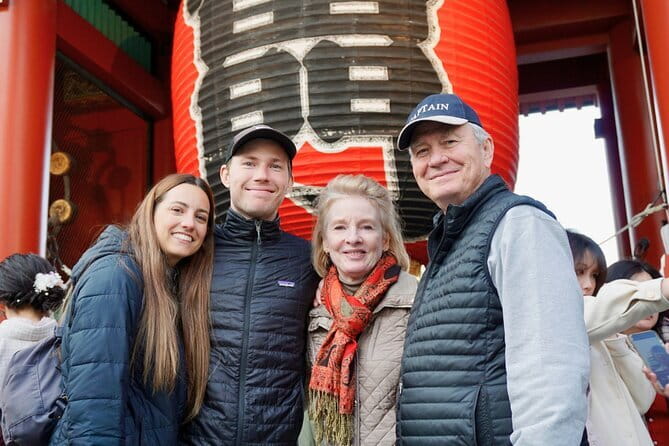
- Small group size up to 8, so questions actually get answered
Still on the Sumida side? A few more Asakusa options
- Tokyo: Japanese Dance Cabaret Theater Asakusa-Kaguwa Ticket
★ 4.8 · 2,270 reviews - Tokyo: Meiji Shrine, Asakusa, Skytree Bus Tour and Cruise
★ 4.7 · 1,986 reviews - Tokyo: Roll and Authentic Sushi Making Class in Asakusa
★ 4.9 · 1,957 reviews - Tokyo: Asakusa Walking Tour with Sensoji Temple Visit
★ 4.8 · 1,583 reviews
Why this Asakusa Temple and Shrine walk feels different
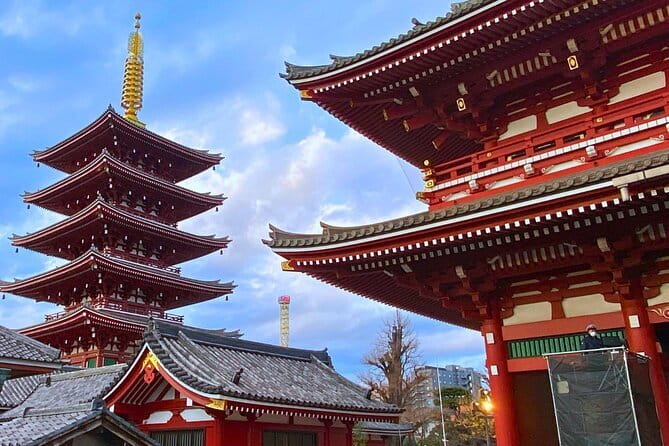
Asakusa is one of those Tokyo neighborhoods where it is easy to get impressed and still miss the point. The big gates and incense smell are real. But the deeper meaning, the why behind the bows, the routine locals follow, that part is what changes your visit.
That is what I like about this tour. You get a guide who connects the dots between the sights. You learn how Shinto and Buddhism coexist here, not as a textbook topic, but as daily practice. Then you do a few of the rituals yourself, which turns the whole area from scenery into a living cultural lesson.
The other “small but big” factor is the pace and group size. Limited to 8 participants means you are not being herded. In reviews, people repeatedly mention relaxed pacing and lots of Q and A, even when it is crowded or hot. That matters in Asakusa, because the streets and temple grounds can go from manageable to packed in minutes.
Starting at Azuma Bridge and spotting the Skytree “golden poop”
The walk begins around Azuma Bridge with riverside views of the Tokyo Skytree. This is not just a pretty warm-up. It gives you geography. When you understand where the river sits and how the modern skyline frames the old temple district, the later stops click faster.
Then comes the fun local nickname: the Skytree’s top is referred to as the golden poop. It is a goofy detail, but it is also a good example of how the guide keeps the tour human. You are not only learning sacred rules, you are also learning how locals talk about the view.
You also get a photo stop, then head toward a higher vantage point at the Asakusa Culture Tourist Information Center area. That hidden view is a huge payoff because it lets you see the whole temple zone layout before you go down into the busy lanes. When you later stand at the gates, you are not guessing where everything sits.
Kaminarimon’s 700kg lantern story, plus how to read the crowds
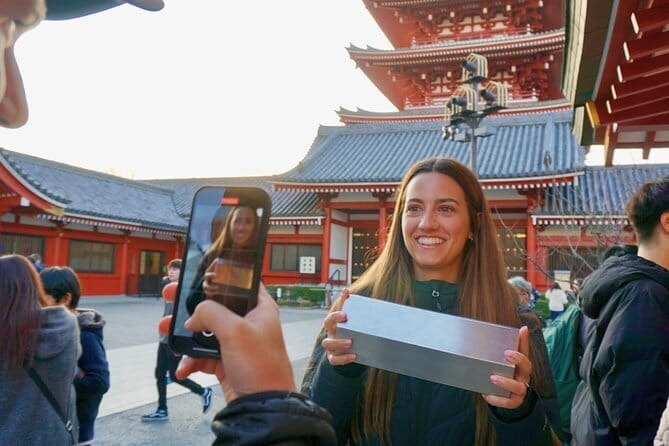
Next up is Kaminarimon, the Thunder Gate. The signature detail is the 700kg red lantern, and the guide shares the story behind it as well as what the name means. When you hear the lantern story, you stop treating it like a photo prop. It becomes part of the way the gate functions as a threshold.
A smart thing the guide does here is prepare you for the crowd behavior. Asakusa’s main approach street can feel like a conveyor belt. But you will learn what to watch for and when to move. It is still busy, yet you feel less lost because you know where you are in the sequence.
This stop also sets up the next phase: the moment you pass through the gate, the street turns into a market-like experience. The guide helps you notice what is meaningful, not only what is for sale.
- Mt Fuji and Hakone 1-Day Bus Tour Return by Bullet Train★ 5.0 · 26,383 reviews
- 1-Day Tokyo Bus Tour★ 5.0 · 14,250 reviews
- Tokyo: teamLab Planets TOKYO Digital Art Museum Entry Ticket★ 4.6 · 9,779 reviews
- Mt Fuji & Hakone Cruise, Drum Show Bullet Train 1 Day from Tokyo★ 4.0 · 7,413 reviews
- Tokyo: Shinjuku Food Tour (13 Dishes at 4 Local Eateries)★ 5.0 · 6,603 reviews
Nakamise Shopping Street: treats, souvenirs, and what the guide points out
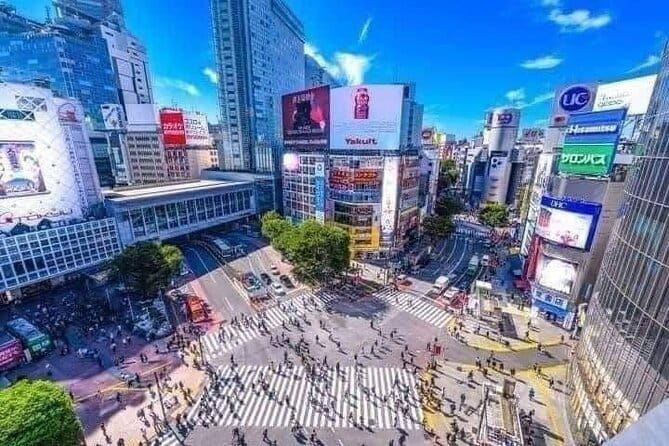
Nakamise is the part most people recognize, and it is popular for a reason. The guide walks you along while sharing cultural context about what you see, including the significance behind treats and souvenirs.
The practical value here is simple: you avoid wandering randomly. You get guidance on what to look for and where to find the good stuff. In a couple of guide-led stories, people even mentioned that after the tour, the guide offered directions for nearby shopping like Kappabashi Street. That is the kind of “extra helpful” support you often only get with a small group and a guide who genuinely likes the area.
One caution: this is a shopping street, so you can end up tempted into spending. The tour itself covers the guiding and ritual practice, but personal snacks and souvenirs are not included. If you like to browse without buying, tell your guide early. They can help you stay focused on what matters.
Past Hōzōmon Gate and the quieter corners people miss
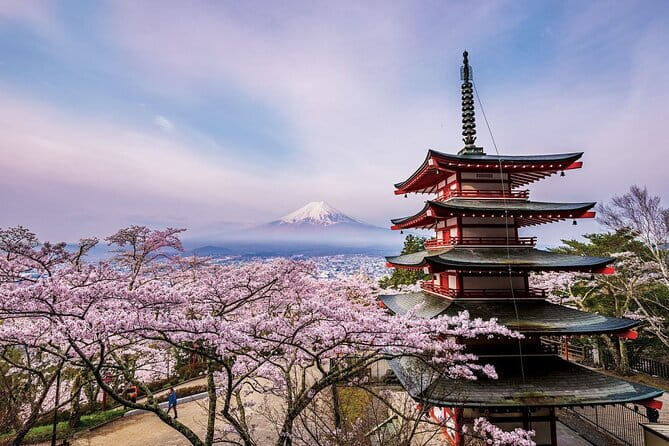
As you move deeper, you pass under Hōzōmon Gate, then continue into other smaller temple sites within the larger grounds. This is where the tour earns its keep. Lots of first-time visits focus on the big highlights. This walk adds side spots that reveal the spiritual layout and the coexistence of rituals in the same area.
You will also get pauses for sightseeing and photos. The tone stays practical. Your guide is not just talking at you. They point, explain, and then help you understand what you are looking at, especially when multiple religious elements overlap.
I like that the tour explicitly highlights the “complex spiritual life” of Japan, meaning you see how daily behavior fits into belief. That matters because if you only watch from the edge, you might miss the routine gestures that show respect.
The interactive rituals: temizu, omikuji, and incense smoke explanations
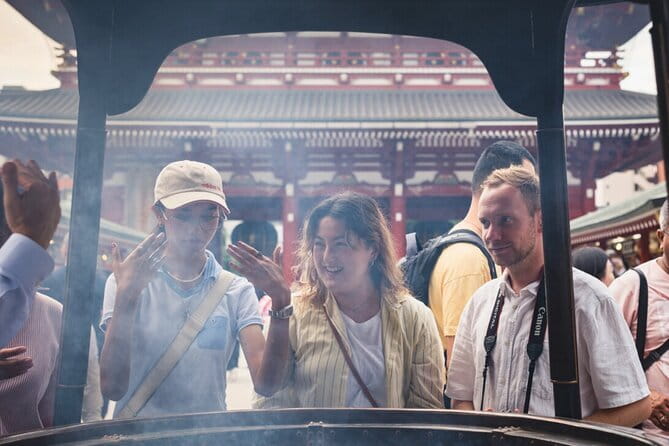
The heart of the experience is the set of rituals you do together with your guide.
First is temizu, the hand-washing ritual. You are taught how it works as part of purification before prayer. Instead of being told to do it randomly, you understand the purpose behind the steps.
Then comes omikuji, the fortune slip tradition. The guide explains how it functions, so it feels like an actual cultural practice rather than a novelty you did once for a souvenir photo.
You also learn about the incense smoke practice for healing, described as physical and mental. It is a good moment to slow down. In the middle of a crowded tourist area, having the guide explain what incense means and why people participate helps you feel less like you are watching and more like you are participating respectfully.
A small but important point from the tour style: your guide can also help with translations if you run into something you do not understand. That is useful during ritual areas, where signage and temple instructions can be easy to miss.
Senso-ji Temple: Buddhist prayer basics, bowing, and torii gate etiquette
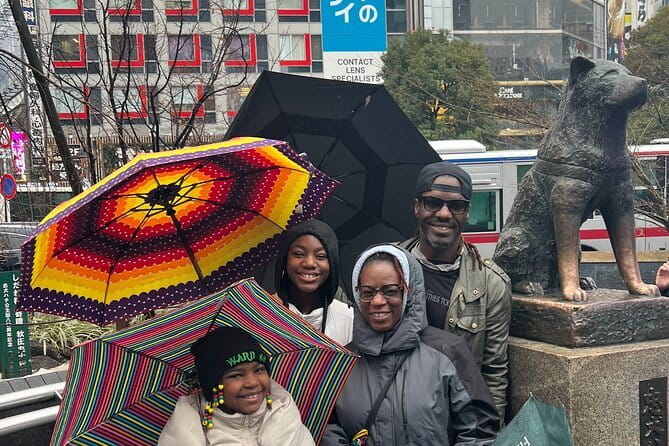
Inside Senso-ji Temple, the guide teaches proper prayer in the Buddhist style. This is where the tour stops being sightseeing and starts being “how to behave here.”
You learn how to bow correctly. You also get guidance on walking on the correct side through torii gates. That last detail is easy to overlook on your own. Even when you see other people do it, you might not know there is a reason behind it. With a guide, it becomes obvious and you can follow along confidently.
One reason this section tends to impress people is that it reduces awkwardness. Reviews mention guides teaching courtesy and expectations, including small offerings like coins to use when appropriate. Even if you do not have experience with temple etiquette, you will not feel like you are guessing.
Another frequent theme in the feedback is that guides are patient with questions. People praised that they could ask about both history and what to do in practice. If you are the kind of traveler who likes to understand the rules before you break them in your own head, this part will land well.
Asakusa Shrine: a clear shift from Buddhism to Shinto
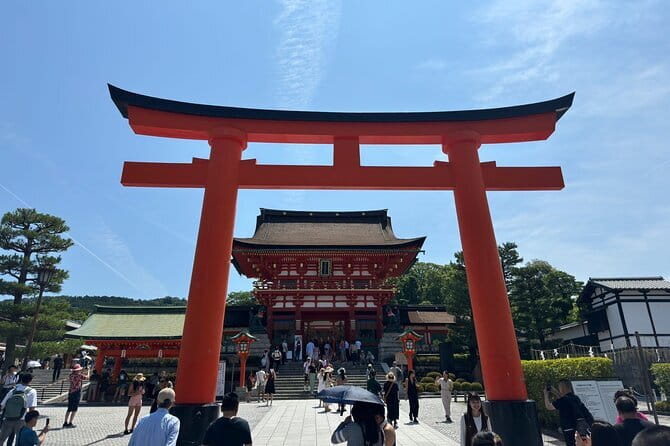
After Senso-ji, the tour moves you to Asakusa Shrine, where Shinto practices take center stage. The guide explains how the process of praying here differs from the Buddhist style at the neighboring temple.
This contrast is valuable because it answers a common beginner question: how can both traditions exist side by side in one neighborhood? You see the practical version of the answer. Different places, different rituals, different gestures. Yet the overall respect remains consistent.
If you like comparisons, you will probably enjoy this segment the most. It makes the area feel less confusing and more logical. You are not just collecting temples. You are learning a local system of meaning.
Photo spots, timing, and what to ask your guide
The tour promises the group will know the best photo spots. In real terms, what that usually means in Asakusa is two things:
1) you get placed in the right spot without blocking people
2) you get moved before crowds fully crush the best angles
You also get photo opportunities at each of the main gates and viewpoint stops. Since your guide is nearby, you can ask for help composing shots, like where to stand and when to turn for a better angle.
A practical tip: if your priority is photos, tell your guide which style you want, family-friendly group shots, temple details, or skyline views. People in the feedback specifically mentioned that guides took lots of photos of families and solo travelers, and helped with picture timing even during busy periods.
Price, group size, and whether it feels like value at $30
At $30 per person for about 2 hours, the price is really about what you get, not just the walking distance. You are paying for a guide who translates the cultural meaning, manages the flow through crowded areas, and leads interactive rituals like temizu and omikuji.
Small group matters here. Limited to 8 participants means you are not competing for attention. In multiple experiences, people said the tour felt personal and relaxed, even when it was hot or rainy. That kind of service is often where the “value” shows up.
If your plan is to hit Senso-ji and Asakusa Shrine on your own, you can absolutely do that. But you will likely miss the etiquette details, the differences between Buddhist and Shinto prayer styles, and the “why” behind the ritual steps. This tour packages that clarity into a short format, which is great if it is your first day in Tokyo or your first visit to Asakusa.
Weather, walking pace, and the practical stuff that keeps your day smooth
This is a walking tour, so comfortable shoes are non-negotiable. Bring water, especially on hot days. Vending machines are available during the tour, but having your own bottle makes it easier.
The tour runs rain or shine, so a light rain layer is a smart idea. Also, the experience includes active participation at ritual spots. That means you should plan to move steadily through gates and side areas.
Rules are straightforward: no smoking, no drones, and no alcohol or drugs. If you have tattoos, you are fine. There is no dress code, just dress for the weather.
Fitness matters. The tour is not suitable for wheelchair users or people with mobility impairments, and it is not built for low-fitness needs. If you have walking limitations, this is worth checking before you book.
Should you book this Asakusa Temple and Shrine tour?
Book it if you want more than postcards. If you like learning how people actually pray, you will appreciate the guided etiquette, the ritual practice, and the clear comparison between Buddhism at Senso-ji and Shinto at Asakusa Shrine.
Skip it if your goal is mainly quick sightseeing at your own pace with zero participation in rituals. This tour is designed around interaction, questions, and learning the “rules of the space.”
If you are starting your Tokyo trip and want Asakusa to feel understandable on Day 1, this is a strong choice. You will leave knowing where to look next time, and you will feel more confident returning to the temple grounds on your own.
FAQ
How long is the Tokyo Asakusa Temple and Shrine walking tour?
The tour lasts 2 hours.
What languages are the live guides?
Live tour guides are available in English and French.
How big is the small group?
The small group is limited to up to 8 participants.
What traditional rituals are included?
The tour includes interactive rituals such as temizu (hand washing), omikuji (fortune telling), and learning about incense smoke for physical and mental healing.
Is there a dress code or restriction for tattoos?
There is no dress code, and tattoos are welcome.
Is this tour suitable for wheelchair users or people with mobility impairments?
No. It is not suitable for people with mobility impairments or wheelchair users.
Asakusa and the Skytree, Keep Going

Newest Tokyo write-ups from the Loving Japan desk
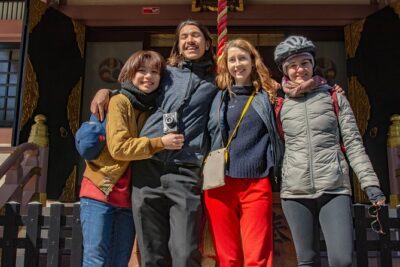
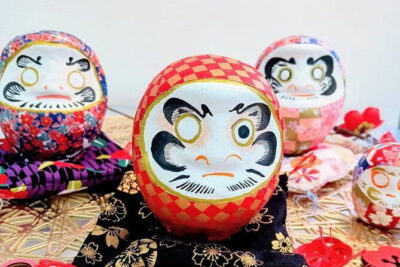
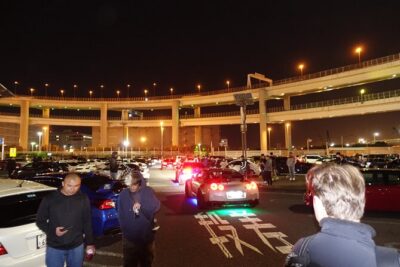
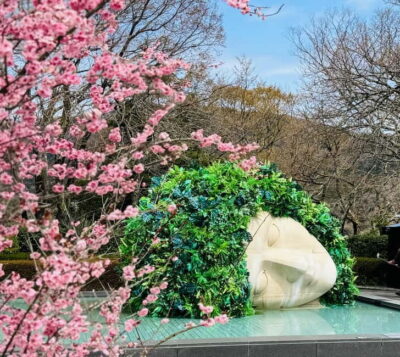
Asakusa, Senso-ji and Tokyo Skytree, side by side.
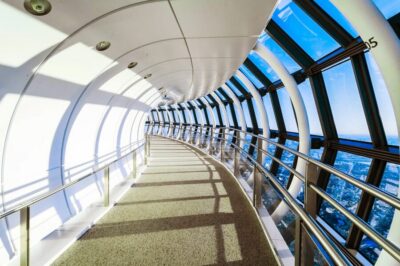 ★ 4.5TOKYO SKYTREE® Admission ticketFrom $1311,192 reviews
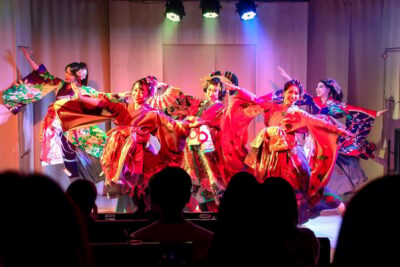 ★ 4.8Japanese Dance Cabaret Theater Asakusa-Kaguwa TicketFrom $492,270 reviews
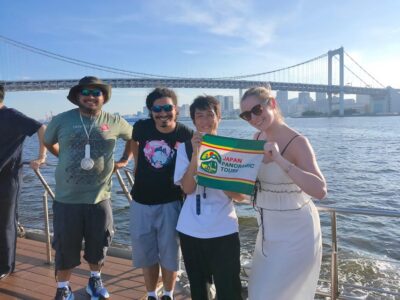 ★ 4.7Meiji Shrine, Asakusa, Skytree Bus Tour and CruiseFrom $1221,986 reviews
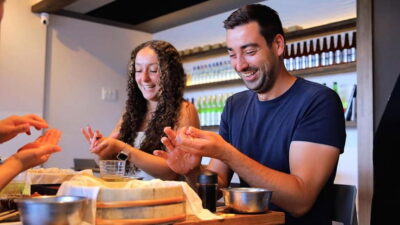 ★ 4.9Roll and Authentic Sushi Making Class in AsakusaFrom $581,957 reviews
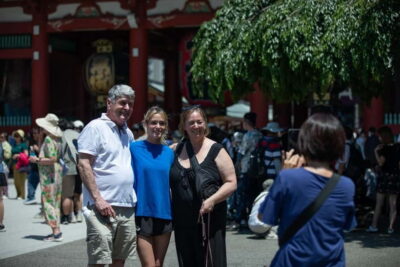 ★ 4.8Asakusa Walking Tour with Sensoji Temple VisitFrom $221,583 reviews
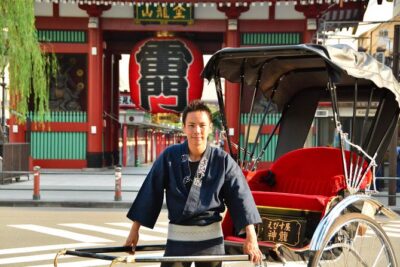 ★ 5.0Tokyo Asakusa Rickshaw TourFrom $421,375 reviews
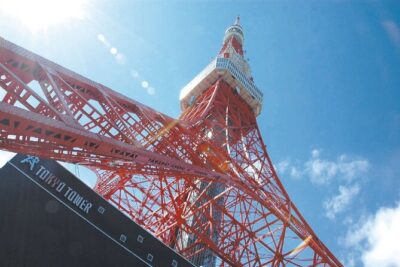 ★ 4.5Tokyo Panoramic 1 Day: Meiji Shrine, Asakusa, Odaiba and SKYTREE®From $851,222 reviews
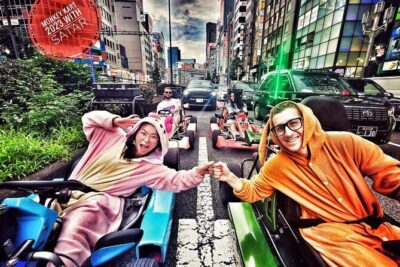 ★ 5.0Tokyo Go Kart: Asakusa, Skytree, and Akihabara **IDP MUST**From $99988 reviews
Filed on these lists too