
REVIEW · SHIBUYA, SHINJUKU AND HARAJUKU WALKS
Tokyo: Best of Shibuya Food Tour
Food in Shibuya, minus the guesswork. This 3-hour Shibuya food tour takes you past the obvious sights and into side streets where locals actually eat, with a small group and a real guide leading the way. I like the five food stops promise, because you get variety without having to plan every craving. I also like the way guides such as Alex and Serena mix food with street-level context, so the meals come with stories, not just labels.
One consideration: some stops can mean lots of walking and standing, since you may be at small counters or places with limited seating. Bring comfortable shoes and go in hungry, but not so hungry that you feel miserable when dessert arrives.
In This Review
- Key highlights you should care about
- Meeting Shibuya at the Hachiko wall mural (and why it matters)
- Price and value: what $170 buys in real eating time
- The 3-hour pacing plan (and how to make it enjoyable)
- Step into Shibuya’s backstreets, not just the postcard zone
- Stop 1: sushi at a standing bar style place
- Stop 2: izakaya style bites and drink pairing
- Stop 3: okonomiyaki on the griddle
- Stop 4: ramen street style, fast comfort
- Stop 5: the depachika dessert finale
- Drinks included: how to use the two drink tokens
- Your guide makes the tour, from Alex to Serena to Jane
- Small group size and restaurant reality
- The most important practical tips before you go
- Should you book this Shibuya Food Tour?
- FAQ
- FAQ
- How long is the Shibuya food tour?
- How many food stops are included?
- What is included in the price?
- Is hotel pickup included?
- Where do I meet the guide?
- What should I bring?
- Do I need to bring a passport copy?
- Are transportation costs included?
- Can I buy more food or drinks during the tour?
- What is the cancellation policy?
Key highlights you should care about
- 5 food stops in 3 hours, with enough variety to feel like you sampled Shibuya, not just one restaurant
- Local English-speaking guide, with plenty of chances for questions and photo stops along the way
- Backstreets beyond the Scramble Crossing, where you see a more everyday Shibuya rhythm
- 2 drinks plus a dessert, so you are not doing math with every purchase
- Depachika dessert finale, a great way to wrap the meal with something distinctly Japanese
- Small group capped at 10, which helps you keep pace and actually enjoy the walk
Other routes through the west side of Tokyo, compared
- Tokyo: Shinjuku Food Tour (13 Dishes at 4 Local Eateries)
★ 5.0 · 6,603 reviews - Tokyo Bar Hopping Tour in Shinjuku (All-You-Can-Drink + Dinner)
★ 5.0 · 3,587 reviews - Official Street Go-Kart in Shibuya
★ 5.0 · 3,435 reviews - Tokyo: Shinjuku Food Tour (15 Dishes and 4 Eateries)
★ 4.9 · 2,033 reviews
Meeting Shibuya at the Hachiko wall mural (and why it matters)
Start at the station, but not at the mob scene. You meet in front of the colorful Hachiko wall mural right outside the station, at the Hachiko exit. The key detail is simple: do not meet by the very crowded statue. When you come out of the station, you should be facing the big intersection with the mural to your back.
This matters because Shibuya can swallow you in seconds. If you show up late or wander toward the wrong Hachiko, you can burn your whole arrival window. Also plan to arrive early, because the tour can only wait an additional five minutes after the starting time. Once the tour begins, guides also cannot give directions or take phone contacts.
Practical tip: if you are coming from another line, give yourself extra time and check that you are at the Hachiko exit before you decide where you’ll stand. Shibuya station has many ways to look “close enough” and still be wrong.
Price and value: what $170 buys in real eating time
At $170 per person for a 3-hour walk, you are paying for three things that are hard to replicate on your own.
First, you are paying for coordination. Food in Shibuya is everywhere, but it is also small, busy, and sometimes intimidating if you do not know what to order. A guide reduces that friction fast.
Second, you are paying for the food mix. Your tour includes five stops, plus 2 drinks and dessert. If you tried to DIY that with the same level of guidance, you would still be walking around guessing, and you’d likely spend similar money plus time.
Third, you are paying for access and timing. Many of these places are compact. Getting the right spot, knowing what’s worth trying, and keeping the day moving takes local help.
Could you eat cheaper on your own? Sure. But if you want a Shibuya food overview that feels intentional, $170 starts to look fair.
The 3-hour pacing plan (and how to make it enjoyable)
Three hours is the sweet spot. It is long enough to feel like you truly moved through Shibuya’s layers, but not so long that your feet turn into sandpaper.
You should expect a walking-heavy experience with short restaurant moments. Even with a small group, you will be moving through tight spaces and busy sidewalks. That is why the tour keeps the group limited to 10 people.
If you want this to feel fun and not frantic, do two things before you leave:
- Eat lightly earlier in the day, not a full meal.
- Wear shoes you can stand in without complaining.
In the feedback, people repeatedly note that the stops can be generous, and that you will likely leave satisfied. If you tend to fill up quickly, pace your bites and save room for the final sweets.
- Mt Fuji and Hakone 1-Day Bus Tour Return by Bullet Train★ 5.0 · 26,383 reviews
- 1-Day Tokyo Bus Tour★ 5.0 · 14,250 reviews
- Tokyo: teamLab Planets TOKYO Digital Art Museum Entry Ticket★ 4.6 · 9,779 reviews
- Mt Fuji & Hakone Cruise, Drum Show Bullet Train 1 Day from Tokyo★ 4.0 · 7,413 reviews
- Tokyo: Shinjuku Food Tour (13 Dishes at 4 Local Eateries)★ 5.0 · 6,603 reviews
Step into Shibuya’s backstreets, not just the postcard zone
A big reason this tour works is the route mindset. You are not just passing by the famous intersection. You are guided into the side streets where daily Tokyo life shows up: narrow lanes, small storefronts, and the kind of casual energy you miss when you only chase big viewpoints.
Those backstreets are also where you get better context. Your guide can point out what locals care about, how people order, and why certain dishes show up in Shibuya more than you might expect. It turns Shibuya from a highlight reel into a place you understand.
And because you’re walking with a guide, you get something simple but valuable: direction. You learn how to navigate this area without turning your whole evening into a map lesson.
Stop 1: sushi at a standing bar style place
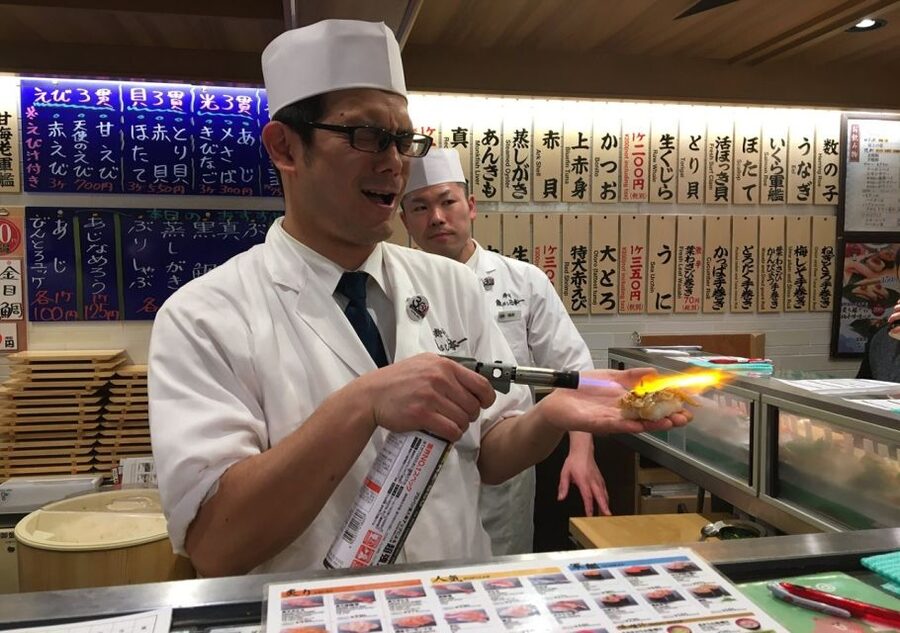
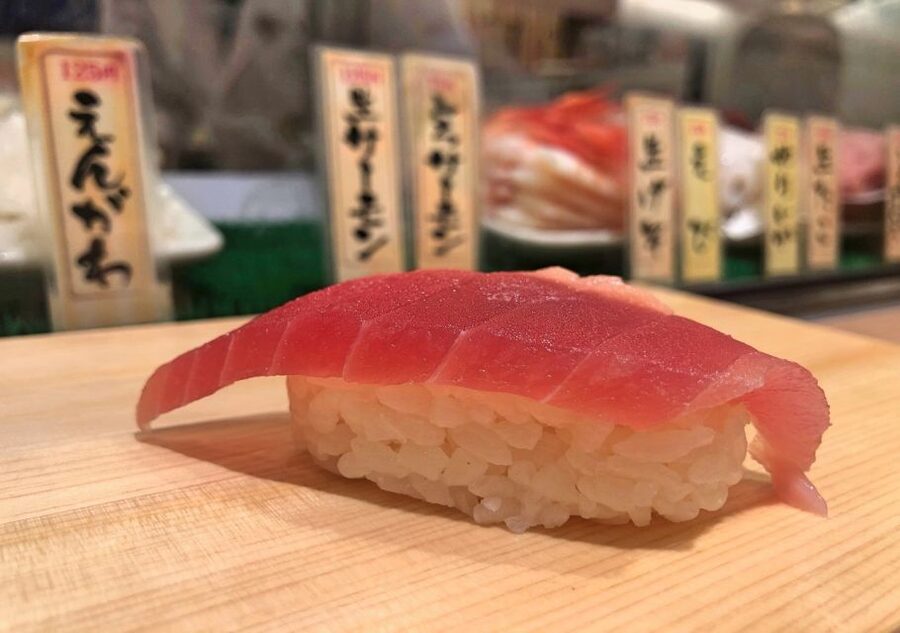
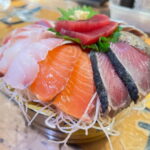
One of the most common early stops is sushi, often at a small standing restaurant setup. The style matters. Standing counters push you to eat in a focused way, quick enough to keep the flow, but close enough that you can watch the preparation and feel the craft.
What you get from this stop is more than food. It teaches you how casual sushi can be in everyday neighborhoods, not only the formal places you plan weeks ahead for.
The drawback of a standing sushi experience is also simple: if you hate standing for long stretches, it can feel like more work than you expected. That is why the “bring comfortable shoes” advice is not filler. It is your main comfort insurance.
Stop 2: izakaya style bites and drink pairing
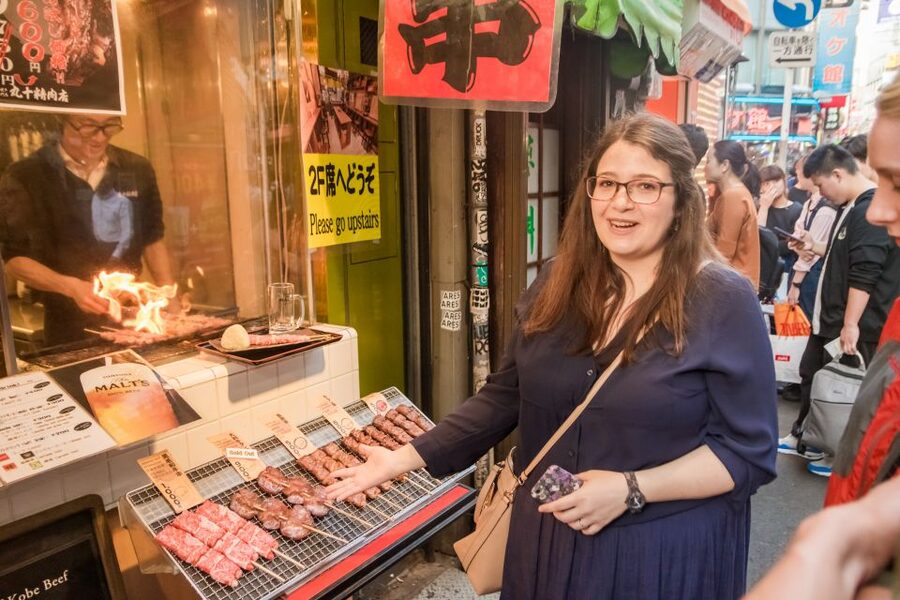
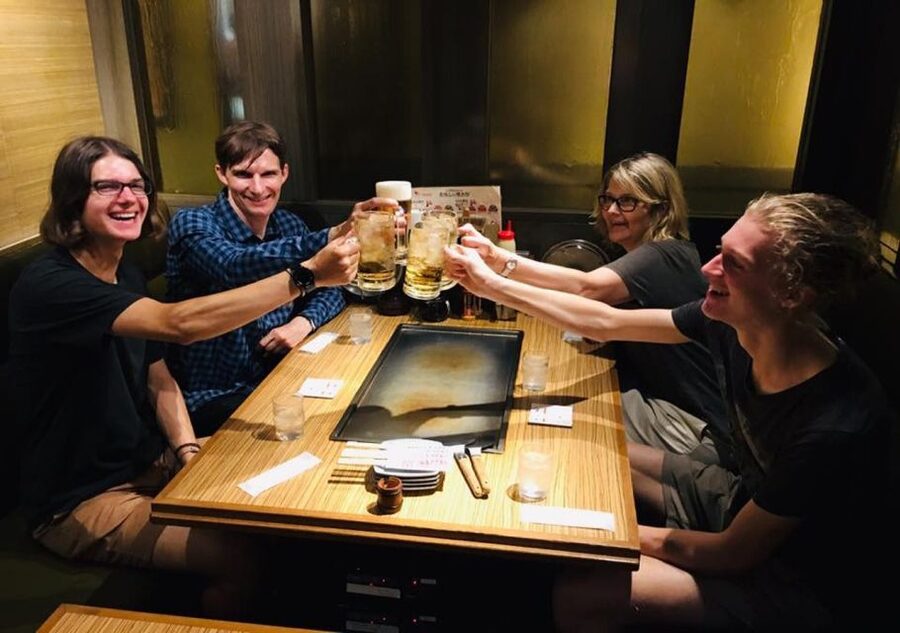
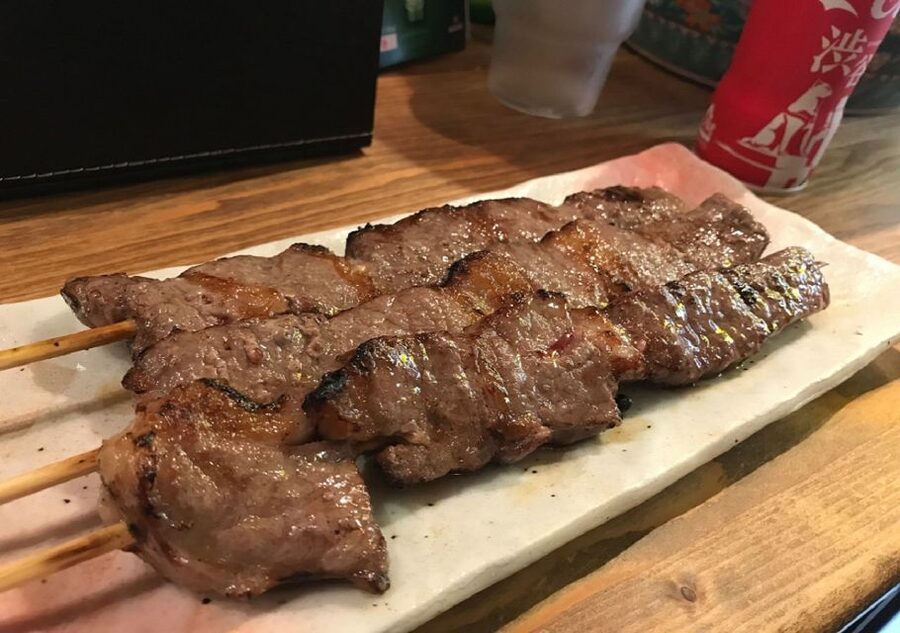
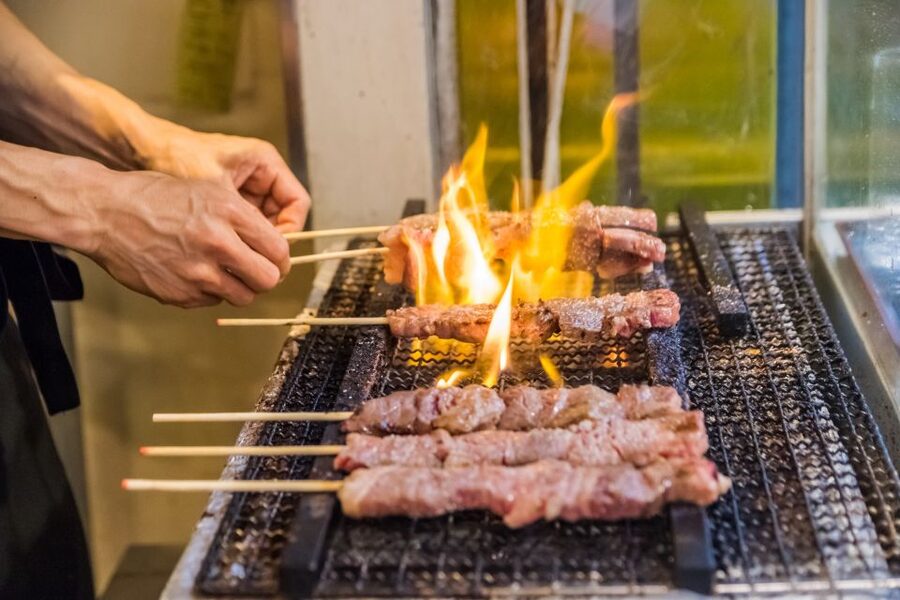
After sushi, you typically shift into izakaya energy. That means small plates, shared flavors, and the kind of menu where you order a few things and keep the conversation going.
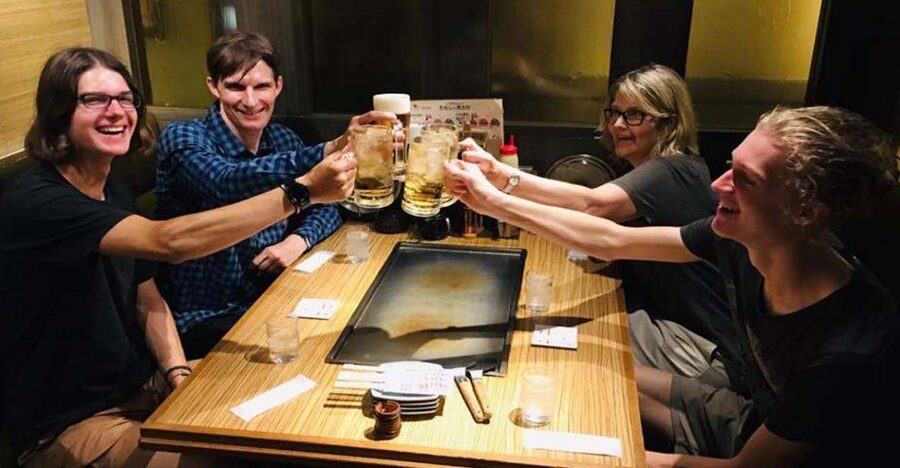
Your tour includes 2 drinks, and this is where they often fit naturally. Izakaya-style stops tend to be designed for pairing, so the flavors make more sense together than random drinks chosen from a convenience-store shelf.
This stop also helps you read Japanese eating culture. You learn that ordering can be playful, that pacing matters, and that there is a comfort in going with local favorites rather than trying to “win” the menu on your first try.
If you have a sensitive stomach or food allergies, tell your guide early. One guide experience shared in the feedback included taking into account restrictions, so communication clearly matters here.
Stop 3: okonomiyaki on the griddle
Next, expect something hot and savory, and a very Shibuya-friendly choice: okonomiyaki. This is comfort food with a show. The griddle, the smell, and the batter base make it satisfying even if you’re not sure what you’re ordering.
Okonomiyaki is also one of those foods where you learn by doing. Even if you are not the one flipping the pancake, watching the process gives you a better mental model for what you ate and how it differs from region to region.
Potential downside: these places can be tight and crowded, so the vibe can be louder and more intense than a calm sit-down restaurant. If you prefer quiet meals, think of this as a lively stop, not a gentle dinner.
Stop 4: ramen street style, fast comfort
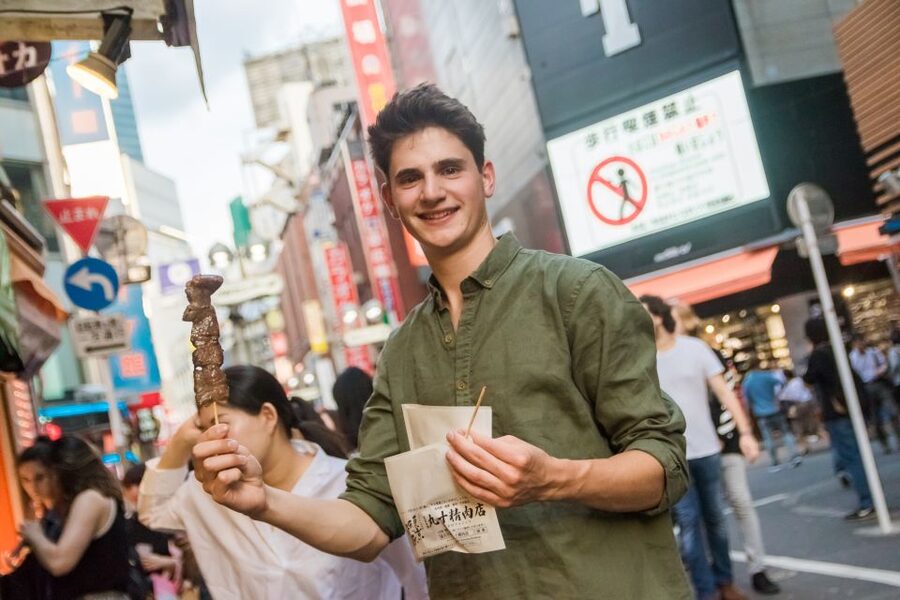
Another stop you should expect is ramen, often in a street-style setting where ordering is quick and the seating, if any, is close.
Ramen in Shibuya can feel like an urban ritual. It is the kind of dish that rewards you for showing up at the right time, hungry enough to notice the broth, and ready to slurp without worrying about being judged by anyone.
What you gain here is more than flavor. You get a feel for how Japanese neighborhoods run food. Lines form, bowls arrive, and everyone stays focused on the next bite.
If you are worried about timing, ramen is usually the kind of meal that moves efficiently, so you are not stuck waiting forever between stops.
Stop 5: the depachika dessert finale
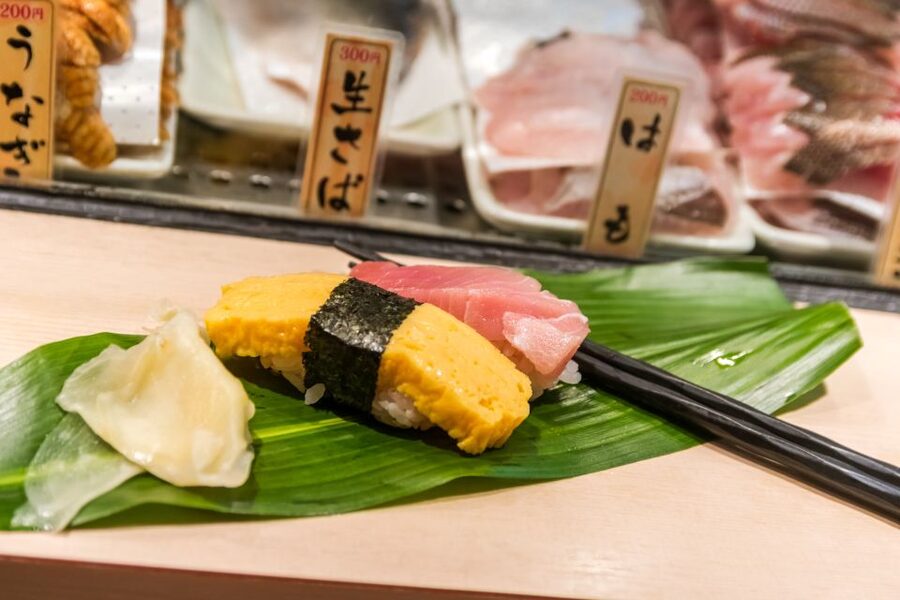
You end with dessert at a Shibuya depachika. Depachika are basement food halls in department stores, and they are a big deal for sweets. They feel like a food museum you can eat, full of neatly displayed treats that also taste seriously good.
This dessert stop is a smart finale. The meal arc is complete: savory first, then the sweetness that feels like a reward rather than an afterthought.
Come ready for sugar. The dessert is included, so plan for it. Also, remember that depachika can be visually overwhelming. This is where a guide helps you get to something you’ll actually want to carry in your brain as a highlight.
If you love photographing food, bring your camera. In multiple guide stories, people mentioned guides taking photos along the way, and the final sweets are great for that.
Drinks included: how to use the two drink tokens
You get 2 drinks included. You will often find these tied to the vibe of the meal, especially during the izakaya style stop.
Practical advice: if you drink alcohol, consider pacing. You still have several walking minutes after each stop. If you do not drink alcohol, you can still often make this work by choosing non-alcohol options, but the exact menu choices are not listed here, so ask your guide when you start.
One more thing I appreciate about the included drinks setup: it prevents the classic travel trap of “I’ll just buy a small drink” that turns into extra spending. You know the baseline, and you can decide what to add later.
Your guide makes the tour, from Alex to Serena to Jane
A strong Shibuya food tour is equal parts restaurant navigation and conversation. This tour uses a local English-speaking guide, and the guide quality shows up clearly in the feedback.
Examples from the names you might encounter:
- Alex has been praised for mixing cultural stories, including Japanese and Mexican culture overlap, plus sharing useful food and phrase tips.
- Serena impressed people with friendly, solid knowledge and smooth pacing.
- Jane was highlighted for taking people to small independent spots that most visitors would skip.
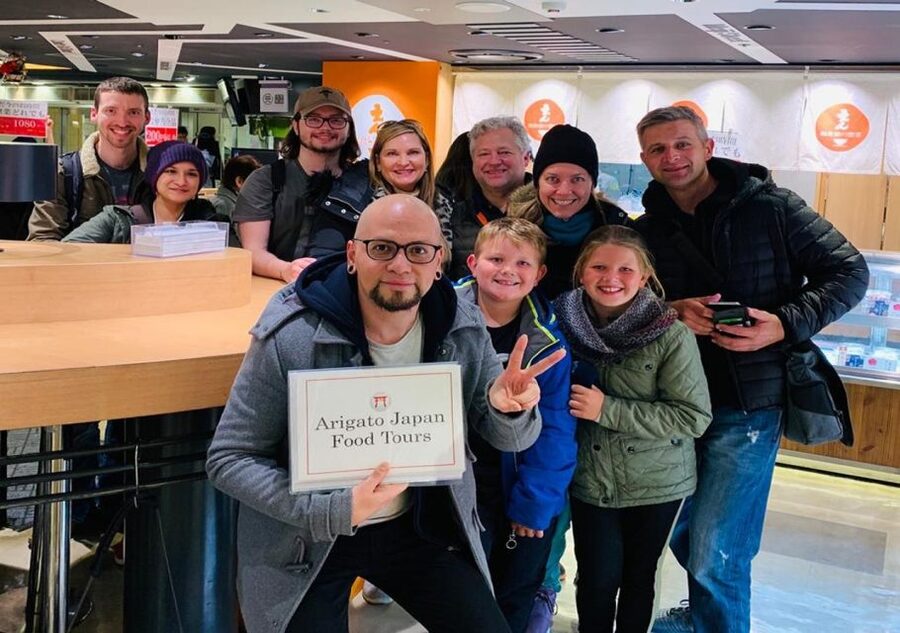
- Saika was praised for guiding a “standing restaurant” sushi experience, plus making sure people felt taken care of, including taking group photos.
I like that guides are not just translating names of dishes. They help you understand what you are eating and how to order next time.
One small but real perk: many people mention the guide taking photos for the group without needing to ask. If you’re traveling with someone who hates posing, this matters.
Small group size and restaurant reality
The group is limited to 10 people. That is not just a comfort claim. It affects how you move through tiny spaces and how restaurants handle your arrival.
Smaller groups usually mean:
- Faster decision-making at each stop
- Less crowding at the edges of narrow entrances
- More time for your guide to answer questions
Still, you should expect close quarters sometimes. Even with a small group, some places can be standing-room heavy, and the flow can mean you are partially in everyone else’s personal space. That is normal for Shibuya food spots.
If you are bringing kids, this is also where expectations matter. Reviews include families with young children, and some guides adjusted plans for comfort in cold weather. If your child can handle walking and a bit of standing, it can work well. If not, you might feel rushed.
The most important practical tips before you go
Here’s what I’d tell my friend who wants this to feel easy.
- Wear comfortable shoes. You are on your feet more than you think.
- Bring your passport. A copy of your passport information is required for participants aged 10 and over.
- Plan to arrive at the Hachiko wall mural meeting point, not the crowded statue.
- Use the included drinks and dessert. The tour is designed around them, so don’t skip and then feel stuck later.
- Keep your phone ready for the start, then put it away once you’re walking. The guide cannot take direction calls once the tour begins.
Also, transportation costs are not included. The meeting point is right by the station, so budgeting a train ride is part of the plan.
Should you book this Shibuya Food Tour?
If you want a first-time Shibuya orientation that tastes like Shibuya, I think this is a smart pick. The biggest strengths are the five food stops, the mix of sushi, izakaya-style bites, okonomiyaki, ramen, and a sweet depachika finale, plus the fact that a guide handles the pacing and the choices. For $170, you’re buying time saved, fewer wrong turns, and a higher chance of eating well without guessing.
Skip it if you hate standing, crowding, and being on your feet for a full 3-hour block. Also skip it if you strongly prefer building your own itinerary and ordering everything independently.
FAQ
FAQ
How long is the Shibuya food tour?
The tour lasts 3 hours.
How many food stops are included?
You’ll visit 5 food stops.
What is included in the price?
The tour includes a variety of dishes at multiple food stops, 2 drinks, dessert, and a local English-speaking guide.
Is hotel pickup included?
No. Hotel pickup is not included, but it can be arranged for an additional charge.
Where do I meet the guide?
Meet in front of the wall mural of Hachiko right outside the station, at the Hachiko exit. Do not meet at the very crowded statue. Face the big intersection with the mural to your back.
What should I bring?
Bring your passport and wear comfortable shoes.
Do I need to bring a passport copy?
Yes. A copy of your passport information is required for all participants aged 10 and over.
Are transportation costs included?
No. Transportation costs are not included.
Can I buy more food or drinks during the tour?
Additional drinks or food are not included, but you can purchase them at your own expense.
What is the cancellation policy?
You can cancel up to 24 hours in advance for a full refund.
West Tokyo on Foot: Seven More

Newest Tokyo write-ups from the Loving Japan desk

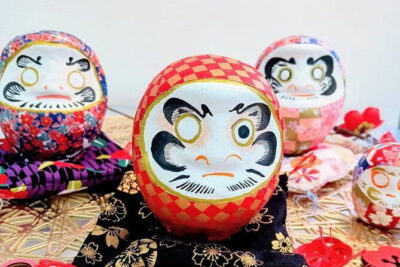
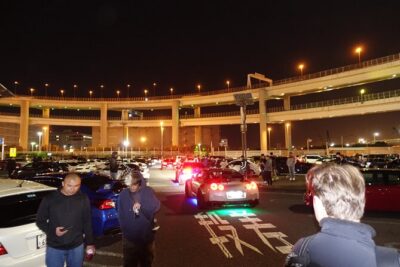
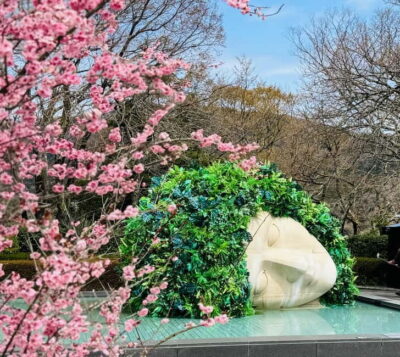
Shibuya, Shinjuku and Harajuku Walks, side by side.
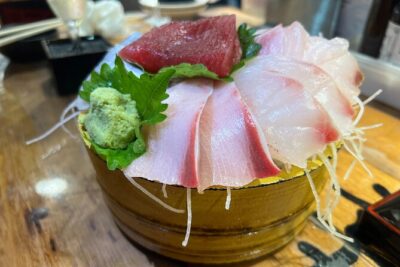 ★ 5.0Shinjuku Food Tour (13 Dishes at 4 Local Eateries)From $866,603 reviews
 ★ 5.0Tokyo Bar Hopping Tour in Shinjuku (All-You-Can-Drink + Dinner)From $1063,587 reviews
 ★ 5.0Official Street Go-Kart in ShibuyaFrom $763,435 reviews
 ★ 4.9Shinjuku Food Tour (15 Dishes and 4 Eateries)From $852,033 reviews
 ★ 4.9Shinjuku Local Bar and Izakaya Guided Walking TourFrom $341,794 reviews
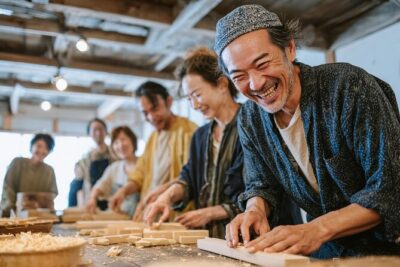 ★ 5.0Tokyo Shinjuku Chopsticks Making ClassFrom $201,763 reviews
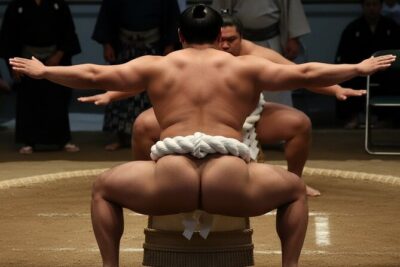 ★ 5.0Tokyo Shinjuku Sumo Show & Experience with PhotoFrom $791,750 reviews
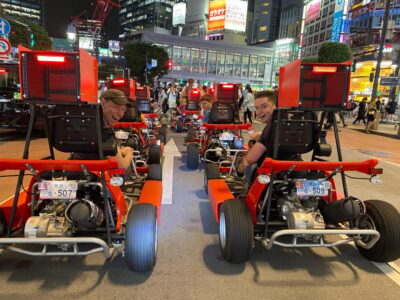 ★ 4.9Street Kart Experience in ShibuyaFrom $741,484 reviews
Filed on these lists too