
REVIEW · SHIBUYA, SHINJUKU AND HARAJUKU WALKS
Tokyo: Dark Side of Tokyo Shinjuku Red Light Walking Tour
Shinjuku at night tells a different Tokyo story. This 2-hour Shinjuku Dark Side walk takes you through Kabukicho’s neon corridor and a nearby LGBTQ nightlife zone, with a guide who explains what you’re seeing and where to go next.
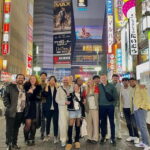
I especially love the way the tour connects the visuals, like the skyscrapers and flashing signs around Shinjuku, to real-life Japanese nightlife culture. I also like the practical side, you’ll get food and drink recommendations so you do not spend your first Tokyo nights guessing.
One drawback to plan for: the meeting point can be tricky on a first visit, and the tour does not wait for late arrivals.
In This Review
- Quick hits before you go
- Why Shinjuku Kabukicho works so well for a first night
- Price and value: $29 for 2 hours in the action
- The route: how the 2-hour flow keeps you from getting lost
- Stop by stop: what each area adds to the story
- Starting area orientation at Shinjuku Station East Exit Police Box (or the other meeting spot)
- Omoide Yokocho: your first dose of nightlife texture
- Kabukicho: neon, alleys, and the district’s changing identity
- Golden Gai: compact nightlife with lots of character
- Hanazono Shrine: a breather in the middle of the night
- 2 Chome: finishing with a wider view of where the nightlife spills
- Food recommendations: the best kind of Tokyo souvenir
- The guide factor: what makes this tour feel human
- Who this Shinjuku night walk is best for
- Rules and reality checks you should know
- Should you book this Dark Side of Tokyo Shinjuku tour?
- FAQ
- How long is the Tokyo Shinjuku Dark Side walking tour?
- How much does it cost?
- Where is the meeting point?
- What languages are available for the tour?
- Are alcohol and drugs allowed on the tour?
- Is this tour suitable for children?
Quick hits before you go
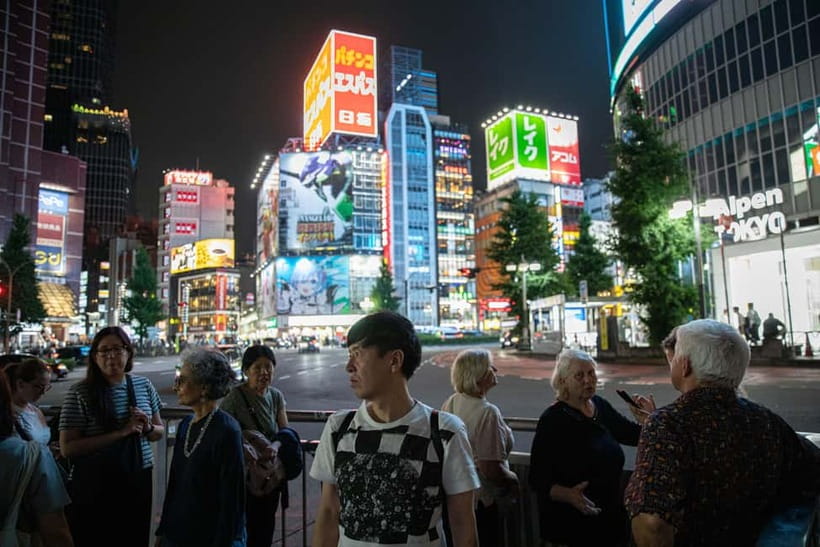
- Kabukicho at night: see how the district’s image has shifted from its red-light roots into today’s entertainment scene
- Smart stop selection: Omoide Yokocho, Kabukicho, Golden Gai, Hanazono Shrine, and 2 Chome in a tight 2-hour route
- Food suggestions you can actually use: the guides steer you toward places to eat and drink after the walk
- Two languages: Spanish and English with a live guide leading the whole time
- A real nightlife guide, not just sightseeing: most people get plenty of context plus a sense of where things fit
- Group size can feel manageable: one booking noted a small group of 7, which helped pace and attention
Other routes through the west side of Tokyo, compared
- Tokyo: Shinjuku Food Tour (13 Dishes at 4 Local Eateries)
★ 5.0 · 6,603 reviews - Tokyo Bar Hopping Tour in Shinjuku (All-You-Can-Drink + Dinner)
★ 5.0 · 3,587 reviews - Official Street Go-Kart in Shibuya
★ 5.0 · 3,435 reviews - Tokyo: Shinjuku Food Tour (15 Dishes and 4 Eateries)
★ 4.9 · 2,033 reviews
Why Shinjuku Kabukicho works so well for a first night
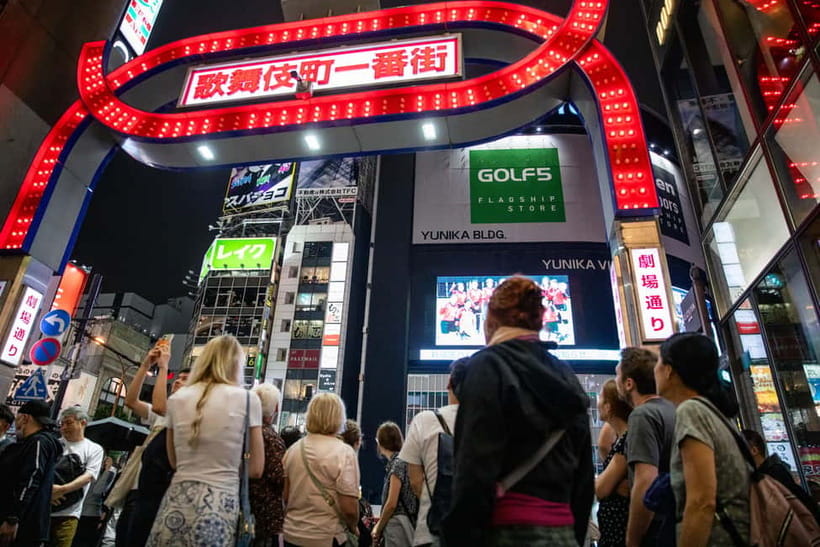
Shinjuku is one of Tokyo’s loudest, most layered neighborhoods after dark. And Kabukicho is the center of that gravity, packed with nightlife venues, alleyways, and big commercial buildings lit up like an airport runway.
What makes this tour click is the balance. You get the flashy stuff, like the neon streets and the surrounding skyline, but you also get meaning. The guide frames what you see with the district’s shift from red-light history to the entertainment hub it is now.
The LGBTQ nightlife angle also matters. The lights and signs feel different there, and you learn how to read the atmosphere rather than just stare at it.
Price and value: $29 for 2 hours in the action
At $29 per person for about 2 hours, this tour is priced like a practical add-on, not a luxury experience. For me, the value is not only the walking, it is the guidance that saves time.
Tokyo after dark can be confusing fast. You might know you want ramen, izakaya vibes, or a specific kind of bar night, but the options multiply by the second. Here, the guide helps you narrow it down and offers recommendations while the areas are still fresh in your brain.
It also helps that the price gets you a live guide in either English or Spanish, so you are not stuck with directions that do not fit what you are actually seeing outside your window. A lot of people come away mentioning food leads they used right away, like an okonomiyaki stop immediately after the tour, and later ramen suggestions.
The route: how the 2-hour flow keeps you from getting lost
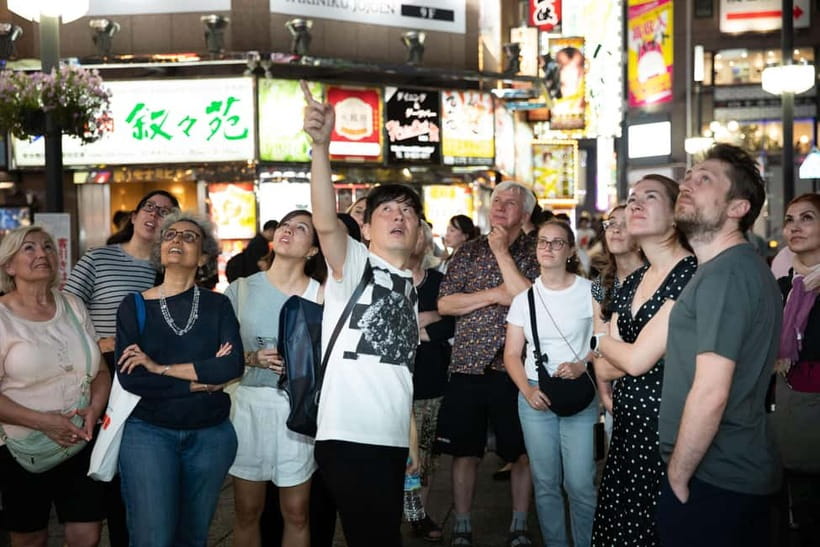
This is a straight-line walking plan through several Shinjuku zones. You start with a short meet-up orientation, then the tour moves district to district without long gaps.
That pacing matters because Shinjuku is huge. Your first time there, you can burn an hour just figuring out where you are. The guide’s early help lets you move with confidence, not hesitation.
From there, you cover older-feeling bar alleys, the dense Kabukicho area, and then other nearby nightlife corners where Shinjuku changes character. Ending near the Golden Gai and 3 Chome area is a smart choice, since it leaves you close to places you might want to revisit.
- Mt Fuji and Hakone 1-Day Bus Tour Return by Bullet Train★ 5.0 · 26,383 reviews
- 1-Day Tokyo Bus Tour★ 5.0 · 14,250 reviews
- Tokyo: teamLab Planets TOKYO Digital Art Museum Entry Ticket★ 4.6 · 9,779 reviews
- Mt Fuji & Hakone Cruise, Drum Show Bullet Train 1 Day from Tokyo★ 4.0 · 7,413 reviews
- Tokyo: Shinjuku Food Tour (13 Dishes at 4 Local Eateries)★ 5.0 · 6,603 reviews
Stop by stop: what each area adds to the story
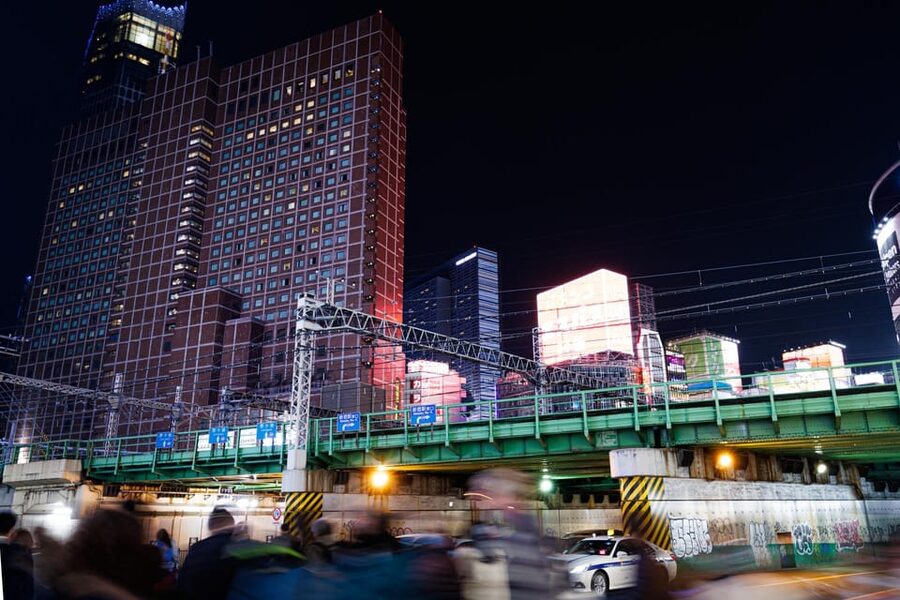
Starting area orientation at Shinjuku Station East Exit Police Box (or the other meeting spot)
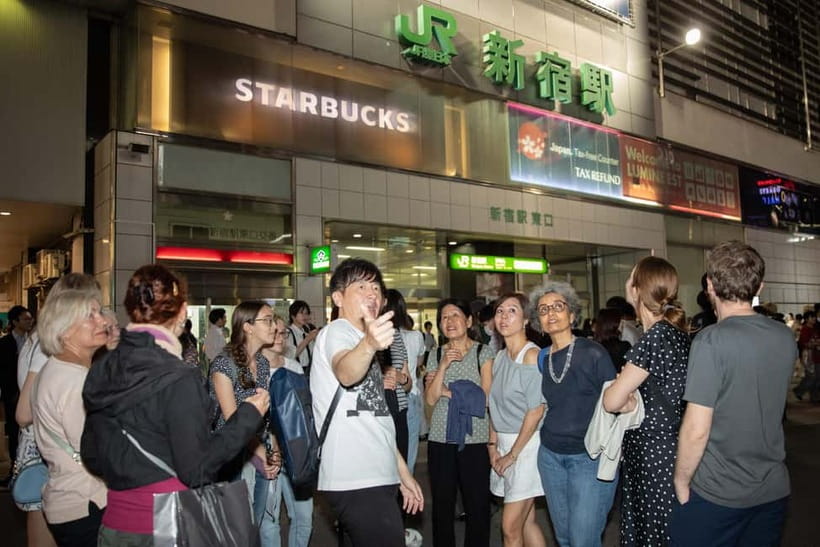
One meeting option is Shinjuku Station East Exit Police Box, with a guided start about 10 minutes in. Another option is the Shinjuku Tourist Information Center at Shinjuku Station (East Exit area).
Either way, plan to arrive early. The tour notes that this is one of the busiest stations in the world, it can be hard to find your group, and they do not wait for late customers.
The payoff of that early guidance is simple. Once you have the group sorted, the rest of the night feels smoother because you already know what to look for and how the guide will lead.
Omoide Yokocho: your first dose of nightlife texture
You spend about 20 minutes here. Omoide Yokocho is often talked about as a place where the nightlife mood concentrates into narrow lanes and small venues.
On this tour, the point is not to rush you into a single bar. It is to show you how Japanese nightlife feels at close range, then point out the cultural cues you might miss if you were just wandering.
You also start stacking food and drink ideas early, so by the time you reach Kabukicho you are not just sightseeing. You are mentally mapping where you want dinner and where you want to end the night.
Kabukicho: neon, alleys, and the district’s changing identity
Kabukicho gets the biggest chunk at about 40 minutes. This is where the tour leans into the “dark side” theme in a controlled, explained way.
You walk past bars, izakayas, and entertainment venues, with time to see the contrast between older-feeling alley streets and the surrounding modern architecture. The guide also shares the cultural significance of Kabukicho and how it evolved from its red-light identity into a broader nightlife destination.
If you only ever see Shinjuku from street view, you can miss the layers. Here, you get a guided way to understand why the area looks the way it does, and why people come back for the atmosphere.
Golden Gai: compact nightlife with lots of character
Golden Gai is another 20-minute stop. Since the tour also lists Shinjuku Golden-Gai and 3 Chome as drop-off options, this is designed to leave you close to nightlife you might want to continue on your own.
This portion is less about chasing one landmark and more about learning the neighborhood vibe. The guide’s context helps you understand why it feels different from the big street neon and why some spots stay popular even when the rest of Tokyo keeps changing.
Hanazono Shrine: a breather in the middle of the night
You visit Hanazono Shrine for about 20 minutes. Even without turning it into a long stop, it gives the walk a pause point, a change in pace from the street-level noise.
That matters. Night walks can blur together, and a short cultural stop helps your brain reset. You also get a sense of how Japanese places of tradition and nightlife can exist in the same city, sometimes close enough that you feel the switch in atmosphere as you walk.
2 Chome: finishing with a wider view of where the nightlife spills
The tour includes a final 20-minute visit in 2 Chome. After you have learned the Shinjuku nightlife pattern, this last stop helps you see how the scene continues outward into other streets.
If you like to keep walking after a tour, this is helpful. You end in an area where you can orient yourself quickly and choose what kind of evening you want next, whether that is food, drinks, or just more neon browsing.
Food recommendations: the best kind of Tokyo souvenir
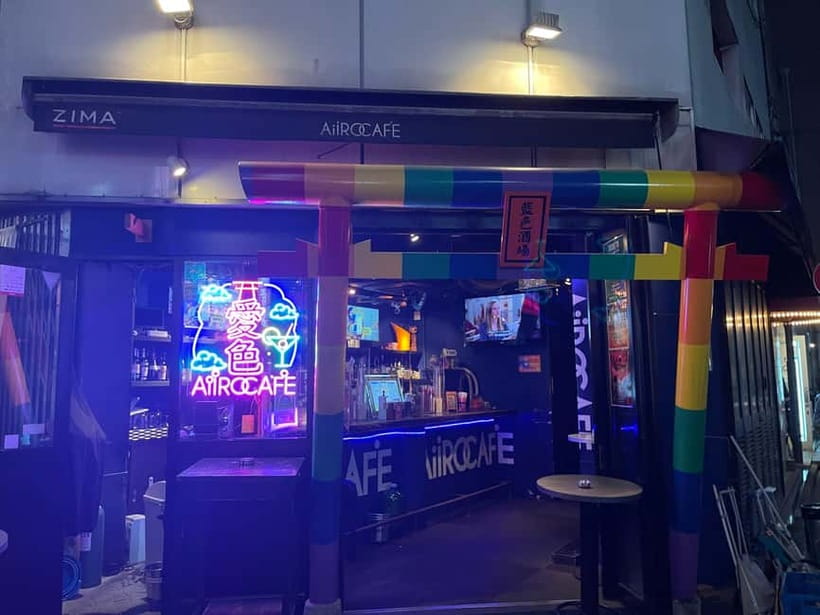
The tour’s food value is practical. It is not about promising you a guaranteed meal, it is about helping you find good places while you are in the right neighborhoods.
What I liked about the guidance is that multiple guides are described as steering people toward real options. One person even said they ate okonomiyaki right after the tour, because the guide’s suggestion was right there and made sense once they saw the area.
Other feedback includes ramen recommendations after the walk. And there’s mention of a specific spot, sari Suberi, tied to a guide’s suggestions. The main takeaway for you: you are not just learning what nightlife is. You are getting direction for your next decision.
Practical tip: even if you do not plan to eat during the tour, write down the names the guide gives you. Shinjuku is too crowded to rely on memory, especially when you are hungry and tired.
The guide factor: what makes this tour feel human
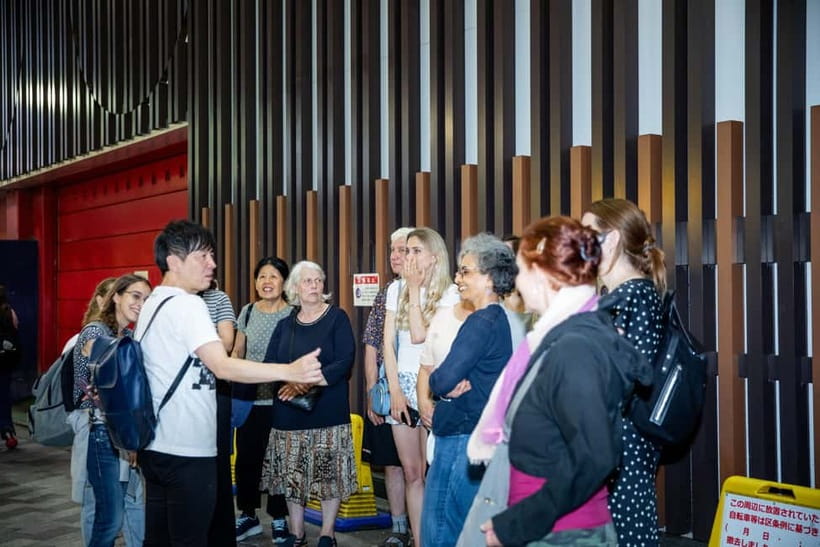
This is a guided experience first, sightseeing second. The difference shows up in the reviews, where guide names like Dani, Gray, Loc, Danny, Polina, Huy, Daichi, Shota, Noa, and Paulina come up repeatedly.
Common strengths show up in the way guides handle the walk:
- They explain what you are seeing in plain terms
- They answer questions without making it awkward
- They add humor, so the night feels relaxed instead of lecture-style
One booking also emphasized that the tour felt safe while walking through corners you might avoid on your own. That does not mean you should treat the area like a theme park. It means a guide can help you navigate the vibe, keep your bearings, and understand what is going on around you.
Who this Shinjuku night walk is best for
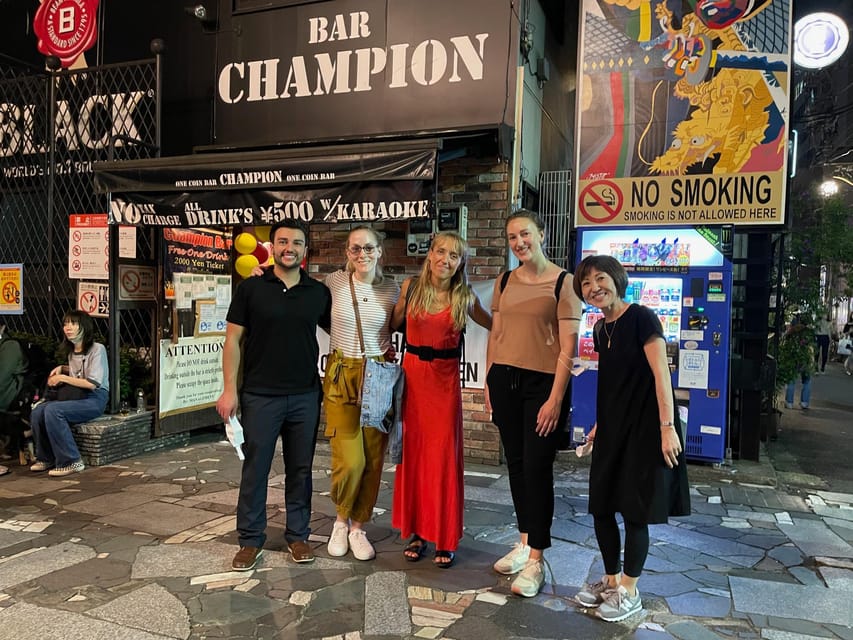
This tour is a strong fit if you want:
- A quick overview of Shinjuku nightlife and where the different districts feel different
- Context for the scene, including the shift from red-light history to entertainment today
- Food and drink recommendations that keep the night moving
It is also a good first-night choice. Several people describe it as a way to get their bearings fast, then come back later with clearer plans.
It is not a fit if you are seeking a quiet, scenic stroll. This is built for neon streets, busy alleys, and nightlife energy.
Rules and reality checks you should know
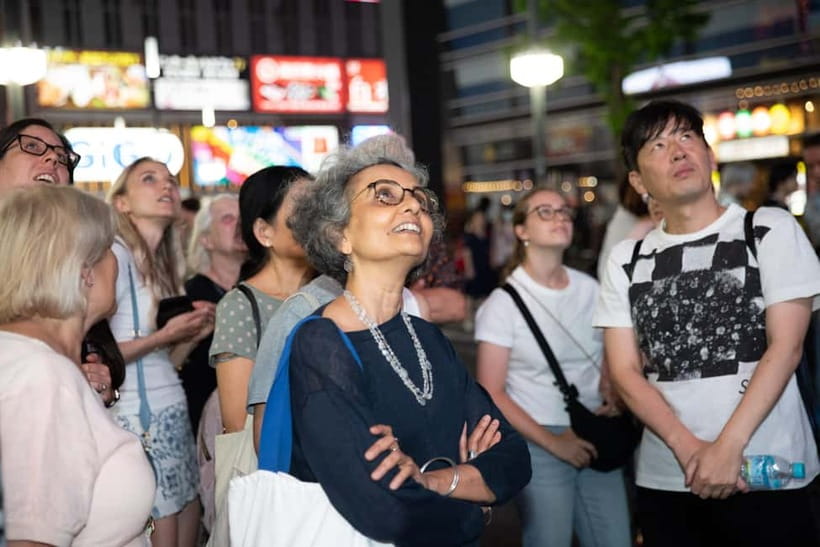
The tour lists clear boundaries: no alcohol and no drugs during the experience. If you want to do a tasting, you can do that after, but the walk itself is meant to stay clean and focused.
It is also not suitable for children under 18. That makes sense for the environment and the kind of nightlife context it covers.
Language options are straightforward. You can choose Spanish or English, and the guide stays live the whole time.
Finally, remember the meeting point warning. If you are arriving in Tokyo for the first time, give yourself extra time to find the correct entrance and the correct company. The tour explicitly says they do not wait for late customers.
Should you book this Dark Side of Tokyo Shinjuku tour?
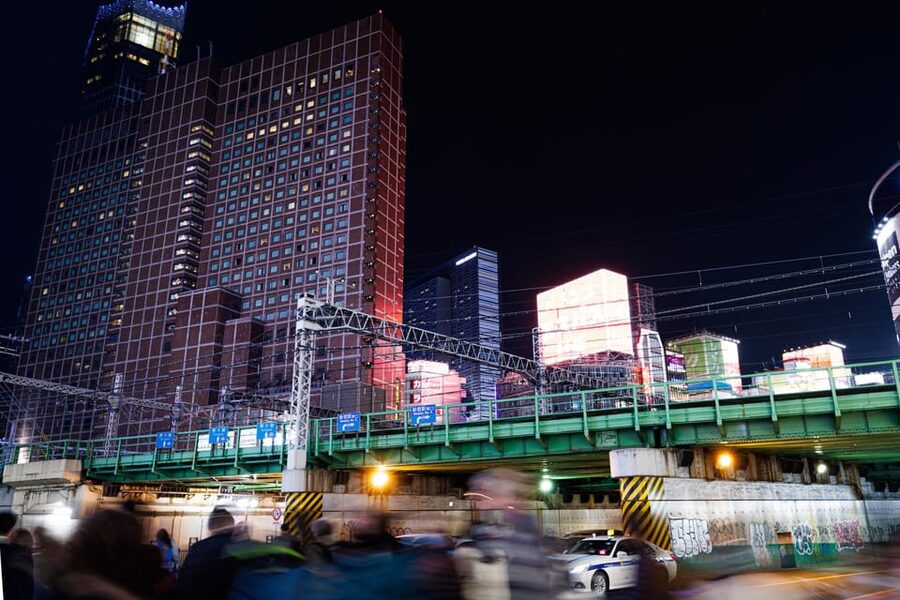
Yes, if you want a short, guided way to understand Shinjuku after dark without stumbling through the city blindly. The $29 price and 2-hour timing make it a smart starter, especially if you plan to eat and drink in the area later.
Book it if you value clear explanations plus practical food ideas, and if you are comfortable walking through a nightlife district with context. It is also a good call if you like a guide with a sense of humor, since that energy shows up again and again in the feedback.
Skip it if you hate crowds, if you need very flexible meeting-point timing, or if you are traveling with anyone under 18. Also, if you are the type who wants alcohol included in a tour, this one will not match that expectation since alcohol is not allowed.
If you arrive on time and go with curiosity, you will get more than neon photos. You will get a workable map of Shinjuku nightlife, in human terms.
FAQ
How long is the Tokyo Shinjuku Dark Side walking tour?
It is 2 hours long.
How much does it cost?
The price is $29 per person.
Where is the meeting point?
Meeting point may vary depending on what you booked. Options listed are Shinjuku Tourist Information Center (Shinjuku Station East Exit area) or Shinjuku Station East Exit Police Box.
What languages are available for the tour?
The live tour guide is available in Spanish and English.
Are alcohol and drugs allowed on the tour?
No. The tour does not allow alcohol and drugs.
Is this tour suitable for children?
No. It is not suitable for children under 18.
West Tokyo on Foot: Seven More

Newest Tokyo write-ups from the Loving Japan desk

Shibuya, Shinjuku and Harajuku Walks, side by side.
 ★ 5.0Shinjuku Food Tour (13 Dishes at 4 Local Eateries)From $866,603 reviews
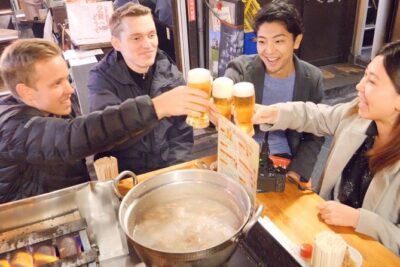 ★ 5.0Tokyo Bar Hopping Tour in Shinjuku (All-You-Can-Drink + Dinner)From $1063,587 reviews
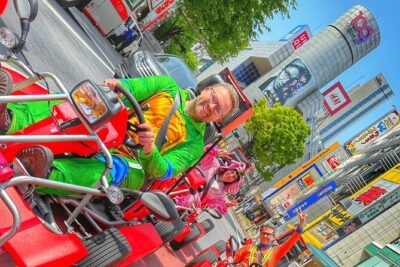 ★ 5.0Official Street Go-Kart in ShibuyaFrom $763,435 reviews
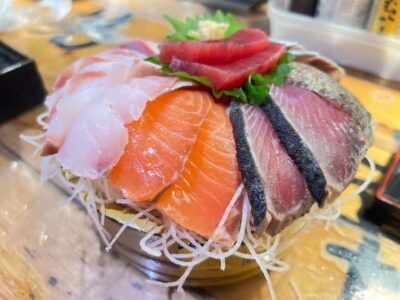 ★ 4.9Shinjuku Food Tour (15 Dishes and 4 Eateries)From $852,033 reviews
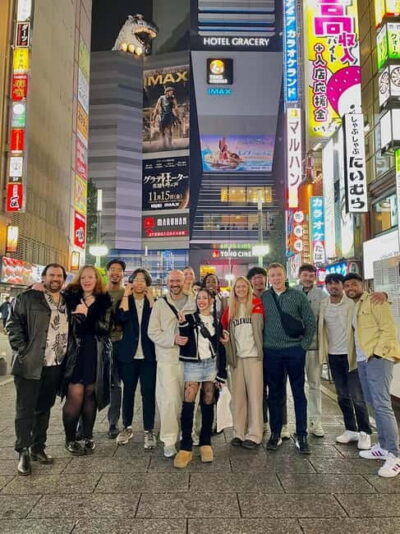 ★ 4.9Shinjuku Local Bar and Izakaya Guided Walking TourFrom $341,794 reviews
 ★ 5.0Tokyo Shinjuku Chopsticks Making ClassFrom $201,763 reviews
 ★ 5.0Tokyo Shinjuku Sumo Show & Experience with PhotoFrom $791,750 reviews
 ★ 4.9Street Kart Experience in ShibuyaFrom $741,484 reviews
Filed on these lists too