
REVIEW · ASAKUSA, SENSO-JI AND TOKYO SKYTREE
Tokyo: Food Tour in Ueno with 10+ Tastings of Japanese Classics
Ueno food in Tokyo feels within reach fast. This 3.5-hour walk-and-taste tour layers 10+ Japanese classics with real local stops around Ueno Station, so you get full flavor hits and city context in one go. I especially like the small group size (max 15), which keeps things lively without turning into a crowded stampede. One consideration, it involves a fair amount of walking, so plan on comfortable shoes from the start.
What makes this tour work for real trips is the rhythm. You start with a food-focused market area, then move through the under-track lanes that locals navigate every day, and you finish with park and temple sights that help you understand why Ueno matters beyond food. I also like that the guide helps with the language gap and can tailor the route to your tastes.
A final heads-up: the exact menu and stops can shift based on availability, weather, and other circumstances. That change is normal for small local tastings, but it does mean you should go in ready to be flexible, not locked into a single dish.
In This Review
- Key Things You’ll Actually Notice on This Ueno Food Tour
- Entering Ueno Through Food, Not a Checklist
- 10+ Japanese Classics With Real Drinks, Not Just Samples
- Market Energy, Indoor-Outdoor Browsing, and How to Taste Smart
- Under the Tracks in Ueno, Where Local Life Actually Happens
- Ueno Park, Then a Shrine and Buddhist Worship Spaces
- Your Guide, Small Group Energy, and Better Answers in English
- Price and Value for $142 in the Middle of a Big City
- Who Should Book This Ueno Food Tour (and Who Might Skip It)
- Should You Book This Ueno Food Tour?
- FAQ
- How long is the Tokyo food tour in Ueno?
- What does the tour cost?
- What tastings and drinks are included?
- Where do I meet, and where does the tour end?
- Is hotel pickup or drop-off included?
- How many people are in the group?
- Does the tour involve a lot of walking?
- What if I have dietary requirements or need accommodations?
- What happens if the tour is canceled due to weather?
Key Things You’ll Actually Notice on This Ueno Food Tour
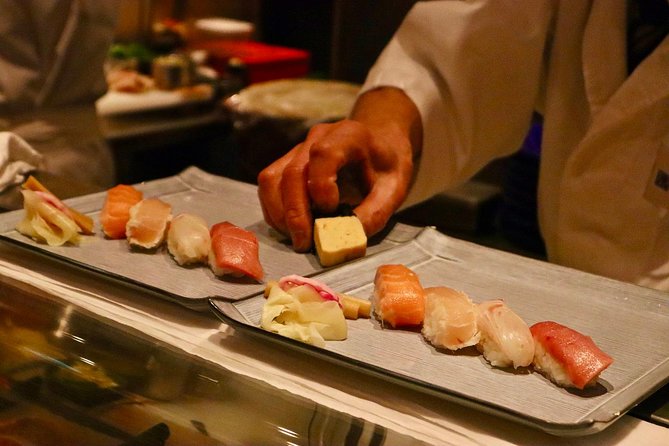
- 10+ tastings in 3 hours 30 minutes so you get variety fast
- Max 15 people for better conversation and less waiting
- An English-speaking local guide who can explain what you’re eating
- Market to “under the girders” streets for a very local Ueno feel
- Culture stops included, from a shrine tied to Tokugawa Ieyasu to Buddhist worship areas
- Matcha ice cream plus tea and a draft beer, not just food bites
Still on the Sumida side? A few more Asakusa options
- Tokyo: Japanese Dance Cabaret Theater Asakusa-Kaguwa Ticket
★ 4.8 · 2,270 reviews - Tokyo: Meiji Shrine, Asakusa, Skytree Bus Tour and Cruise
★ 4.7 · 1,986 reviews - Tokyo: Roll and Authentic Sushi Making Class in Asakusa
★ 4.9 · 1,957 reviews - Tokyo: Asakusa Walking Tour with Sensoji Temple Visit
★ 4.8 · 1,583 reviews
Entering Ueno Through Food, Not a Checklist
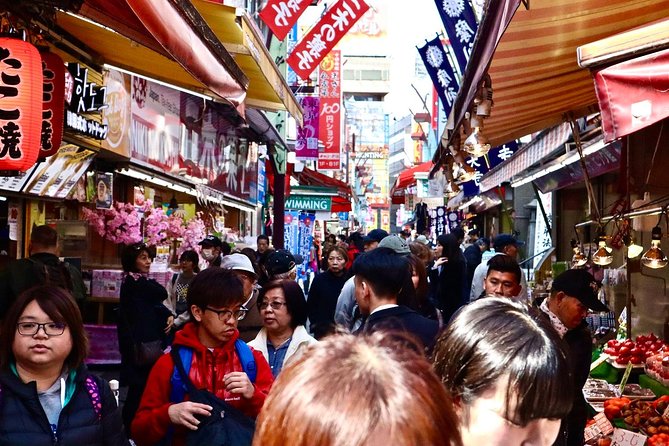
Ueno is a smart choice if you want Tokyo without the pressure of feeling lost. This tour starts at Ueno Station, then moves into a popular indoor-outdoor market area where you’ll see shops selling food, gifts, and even apparel. It’s a great warm-up because it sets your senses: smells, snack-size options, and the practical way people browse here.
After the market, you’ll head toward an area under elevated train tracks. In Japanese, it’s literally the under-girders feeling, and you’ll get that sense of everyday Tokyo life, not a postcard street. The vibe is more about function than photo ops, which is exactly why it’s useful for first-timers.
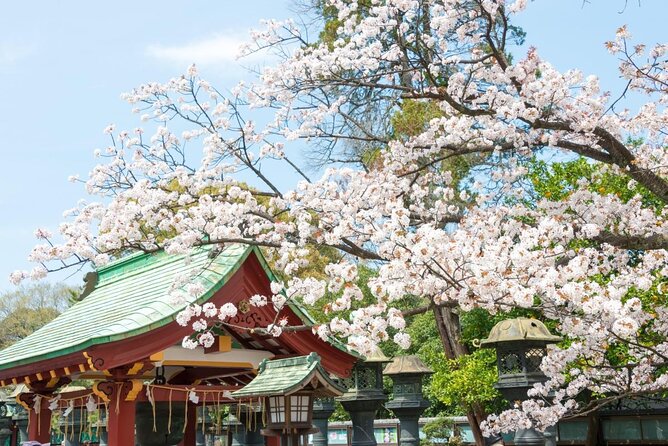
Then you shift from food streets to open space and sacred places. The tour includes Ueno Park, known for spring cherry blossoms and hanami. If you’re not there in spring, you still get the benefit of a breather before temple visits. And that matters, because when you’re eating constantly, you want pauses where your body can reset.
10+ Japanese Classics With Real Drinks, Not Just Samples
This tour is built around the idea that you should leave full and informed. The included lineup includes fresh Japanese sushi, crispy gyoza, and yakitori grilled to order. Those three cover a lot of what people mean by Japanese comfort food, from seafood basics to pork-dumpling crunch and smoky skewers.
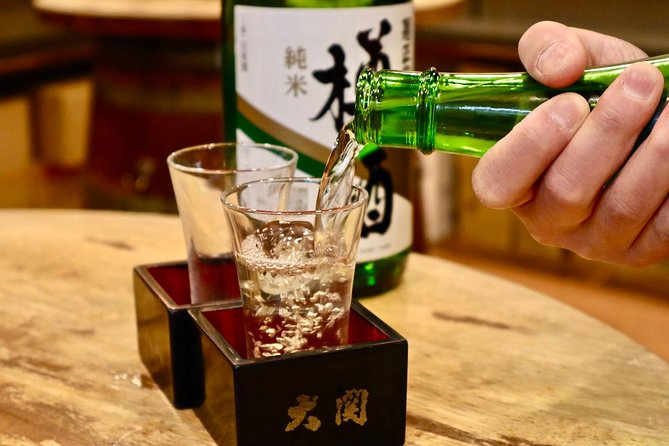
You’ll also get seasonal fresh fruits, plus matcha ice cream, which is the dessert stop that many people remember. On top of that, the tour includes two different types of tea, and you’ll even get one draft beer along with water. That blend is practical: tea works with savory bites, fruit and ice cream cool you down, and beer takes the edge off the Tokyo-walk pace.
One more element is the Secret Dish. The exact item can vary, but one of the guides’ surprises mentioned in the experience includes a dish like sukiyaki. I like that approach, because it gives you a reason to pay attention even after you think you know what the tour will serve.
Market Energy, Indoor-Outdoor Browsing, and How to Taste Smart
Your first major stop is a busy indoor-outdoor market area with lots of small shops. Food tours live and die on the first 30 to 60 minutes, because that’s when you learn the rhythm: what you should eat first, how to pace yourself, and when to slow down for questions.
Here’s how I’d use this part of the tour if you want maximum value. Take your first bites with the guide’s explanations in mind, not just because they taste good. Ask what makes the gyoza crispy, what type of sushi you’re getting, or what makes the yakitori stand out. You’re not collecting trivia, you’re building a map in your head for what to order later on your own.
You’ll also see how locals treat shopping here. The market isn’t only about food. You’ll notice gift shops and apparel stores mixed in, which tells you something important about Ueno as a neighborhood, it’s everyday life, not a dedicated tourist bazaar.
One practical downside of market tastings: you can get overexcited and then feel stuffed before the best things come. If you’re the type who shows up hungry, good, just keep an eye on your pace.
- Mt Fuji and Hakone 1-Day Bus Tour Return by Bullet Train★ 5.0 · 26,383 reviews
- 1-Day Tokyo Bus Tour★ 5.0 · 14,250 reviews
- Tokyo: teamLab Planets TOKYO Digital Art Museum Entry Ticket★ 4.6 · 9,779 reviews
- Mt Fuji & Hakone Cruise, Drum Show Bullet Train 1 Day from Tokyo★ 4.0 · 7,413 reviews
- Tokyo: Shinjuku Food Tour (13 Dishes at 4 Local Eateries)★ 5.0 · 6,603 reviews
Under the Tracks in Ueno, Where Local Life Actually Happens
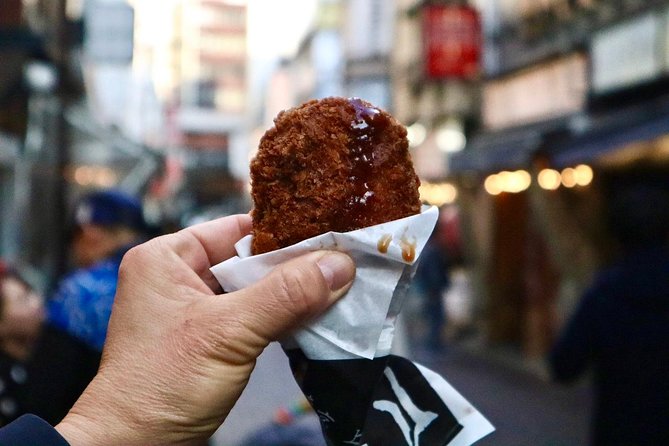
Next comes a route through the area under elevated trains. It’s one of those Tokyo details that feels minor on a map, but huge when you experience it. The under-girders spaces are packed with small businesses and street-level flow, and they’re the kind of places you can walk past twice without a guide.
Why is this stop valuable? Because it teaches you how to read Tokyo streets like a local. You’ll see how people navigate narrow paths and how neighborhoods use structures like elevated rail lines as part of their daily geography. That helps later when you’re trying to find snacks on your own.
It also gives a contrast to the calmer park and temple sections. After the energy of market and street food, these under-track lanes keep the story going in a grounded way. You’re not bouncing between far-away neighborhoods, you’re staying in one coherent Ueno pocket.
Tip: if you tend to rush photos, slow down here and watch foot traffic for a minute. It makes the area feel less random, and it helps you move smoothly during tastings.
Ueno Park, Then a Shrine and Buddhist Worship Spaces
The tour includes culture stops that do more than kill time between bites. You’ll pass through Ueno Park, which is famous for cherry blossoms and hanami in spring. Even if you aren’t visiting during peak sakura season, it’s still a major open-space reference point in Ueno, and it gives your legs a chance to reset.
From there, you’ll visit a shrine tied to Tokugawa Ieyasu, the founder of the Tokugawa Shogunate, with the shrine dedicated in 1627 in his memory. That date is a useful anchor. It turns the experience from generic shrine sightseeing into a specific story about how Japan’s historical power shaped later cultural spaces.
Next, you’ll move to a center for Buddhist worship and prayer in revered surroundings with tranquil landscaping. I like that pairing with the shrine stop, because it shows how different layers of Japanese religious practice exist side by side in the same area.
The benefit for you is pacing. Food tours can become only “eat, repeat, repeat.” By adding park and religious spaces, this tour gives you a chance to breathe, take in the setting, and connect what you’re eating to where you are in the city.
Your Guide, Small Group Energy, and Better Answers in English
This is where the tour really earns its high marks. The experiences list emphasizes a passionate local English-speaking guide, and in real-world comments you’ll see names like Harumi, Natsumi, Yumi, and Mari. The pattern across good tours is consistent, guides who explain what you’re eating and keep the mood upbeat.
I also love that the itinerary can be tailored to your tastes. That matters because Japanese food has a range, from crisp and savory snacks to richer dishes. If you’re the kind of traveler who likes asking follow-up questions, the smaller group helps. With a max of 15, you’re more likely to have back-and-forth conversation instead of just hearing bits over everyone else’s heads.
One more useful idea that shows up in the experience feedback: people often say to skip breakfast before you go, because you eat a lot. I agree with the logic. You’ll enjoy the tastings more if you arrive ready for them, instead of already full and tasting everything like it’s background noise.
If you have dietary requirements, the guidance is clear: contact in advance so they can cater as best as possible. That doesn’t guarantee every restriction will be handled perfectly, but it does give you the chance to communicate early.
Price and Value for $142 in the Middle of a Big City
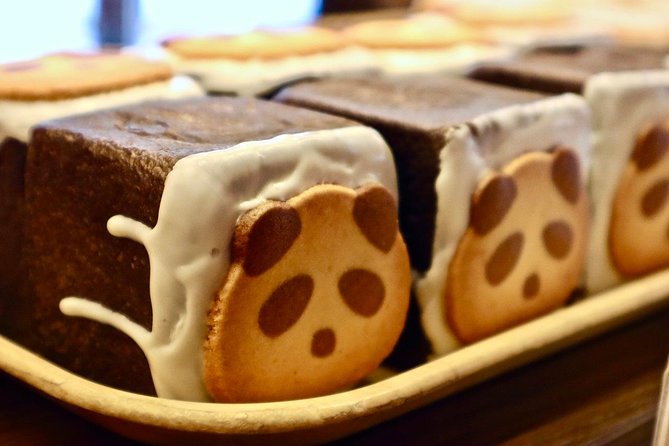
At $142 per person for about 3 hours 30 minutes, this isn’t a budget street-snack crawl. But it also isn’t trying to be. The value comes from combining several things at once: multiple tastings (10+), an English-speaking guide, and the cultural walk structure that takes you through market, street food lanes, park, and sacred sites.
Here’s the honest tradeoff. If you only want to eat one big meal, you could do cheaper on your own. If you want the guide to direct you to places you might not find easily, and you want the added context, the price starts to make sense fast. You’re paying for direction, timing, and a planned sequence that keeps you moving efficiently.
Also, the tour includes more than food bites. You get tea, a draft beer, water, and dessert. When a tour hands you drinks and dessert instead of charging extra at each stop, you save money without thinking about it.
A small operational note that affects planning: there’s no hotel pickup or drop-off. You meet at Ueno Station and the tour returns there. That’s simple, but it does mean you need to be ready to get yourself to the meeting point on time.
Who Should Book This Ueno Food Tour (and Who Might Skip It)
This tour is a strong fit if you want:
- A fast intro to Ueno’s culinary scene without guessing where to go
- A guided experience that reduces the language barrier
- A mix of food plus culture, including a shrine linked to Tokugawa Ieyasu and Buddhist worship areas
- A manageable group size that makes it easier to talk with the guide
It’s also a great option for families. One experience specifically mentioned kids ages 8 to 10 enjoying it, and the tour is described as easy and straightforward.
You might think twice if:
- You hate walking, since the tour notes it involves a fair amount of it
- You’re picky about food changes, since the itinerary and menu can shift based on availability and weather
- You strongly prefer total control and self-planning, because this is a structured tasting route
My practical take: if it’s your first time in Japan, or you only have a half day to learn a neighborhood, this kind of organized food walk is often the best use of time.
Should You Book This Ueno Food Tour?
Yes, if you want a guided way to eat Tokyo classics and understand Ueno beyond what you see from a distance. This is especially worth booking when you like tasting variety in one morning or afternoon, and when you value an English-speaking guide to translate the why behind each bite.
No, if your travel style is strictly DIY and you know you’ll spend the whole day hunting food on your own. This tour costs more than doing it independently, and it may feel less exciting if you already know exactly what you want to eat and where.
If you do book it, come hungry, wear comfortable shoes, and be ready to flex if the menu changes. The biggest win here is the blend: 10+ tastings, drinks, dessert like matcha ice cream, and a Ueno walk that includes park and temple stops so the day feels like more than eating.
FAQ
How long is the Tokyo food tour in Ueno?
The tour lasts about 3 hours 30 minutes.
What does the tour cost?
The price is $142.00 per person.
What tastings and drinks are included?
You get sushi, gyoza, yakitori, seasonal fresh fruits, matcha ice cream, two different types of tea, one draft beer, and water. The tour also includes a Secret Dish.
Where do I meet, and where does the tour end?
You meet at Ueno Station, 7 Chome-1 Ueno, Taito City, Tokyo 110-0005, Japan. The tour ends back at the meeting point.
Is hotel pickup or drop-off included?
No, hotel pickup and drop-off are not included.
How many people are in the group?
The tour has a maximum of 15 travelers.
Does the tour involve a lot of walking?
Yes. The tour notes it involves a fair amount of walking, and comfortable shoes are recommended.
What if I have dietary requirements or need accommodations?
You should contact the operator in advance with your dietary requirements so they can cater for you as best as possible.
What happens if the tour is canceled due to weather?
If poor weather forces cancellation, you’ll be offered a different date or a full refund.
Asakusa and the Skytree, Keep Going



Newest Tokyo write-ups from the Loving Japan desk

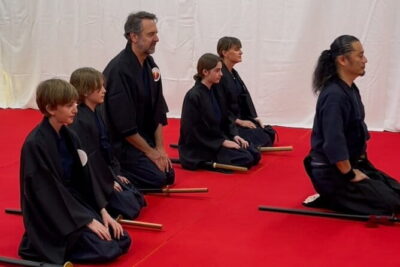
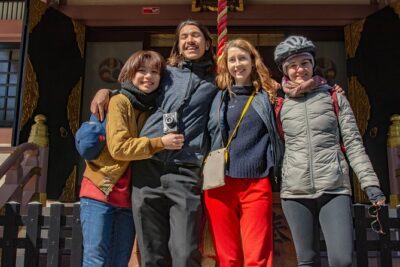
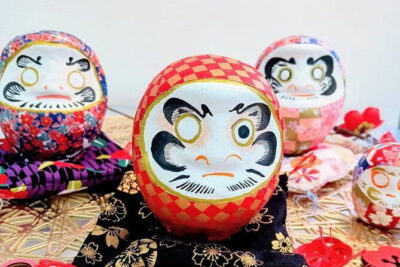

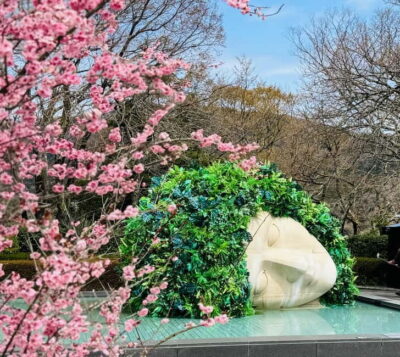
Asakusa, Senso-ji and Tokyo Skytree, side by side.
 ★ 4.5TOKYO SKYTREE® Admission ticketFrom $1311,192 reviews
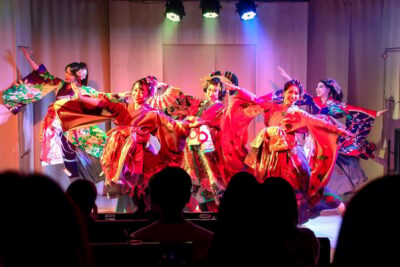 ★ 4.8Japanese Dance Cabaret Theater Asakusa-Kaguwa TicketFrom $492,270 reviews
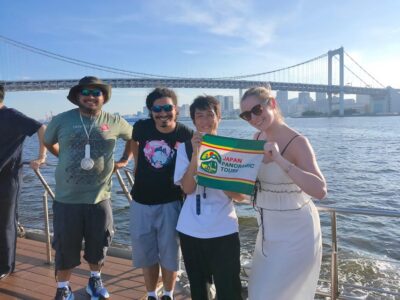 ★ 4.7Meiji Shrine, Asakusa, Skytree Bus Tour and CruiseFrom $1221,986 reviews
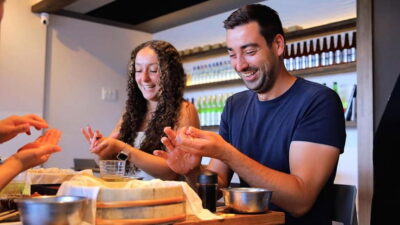 ★ 4.9Roll and Authentic Sushi Making Class in AsakusaFrom $581,957 reviews
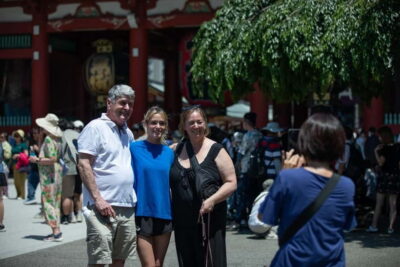 ★ 4.8Asakusa Walking Tour with Sensoji Temple VisitFrom $221,583 reviews
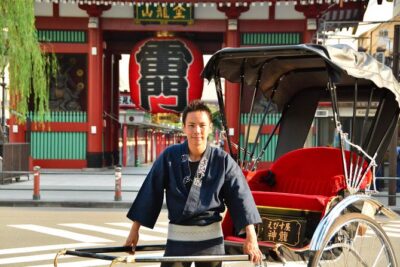 ★ 5.0Tokyo Asakusa Rickshaw TourFrom $421,375 reviews
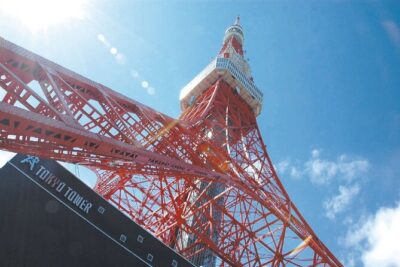 ★ 4.5Tokyo Panoramic 1 Day: Meiji Shrine, Asakusa, Odaiba and SKYTREE®From $851,222 reviews
 ★ 5.0Tokyo Go Kart: Asakusa, Skytree, and Akihabara **IDP MUST**From $99988 reviews
Filed on these lists too