
REVIEW · ASAKUSA, SENSO-JI AND TOKYO SKYTREE
Tokyo History: Sensoji Temple & Asakusa District Private Tour
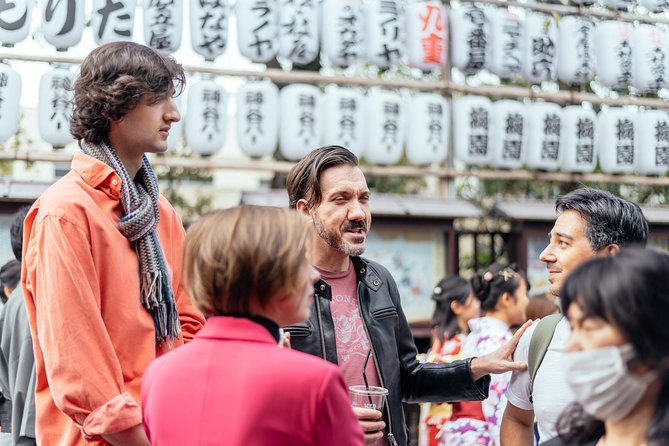
Temple smoke and street snacks lead the way. This private Asakusa tour pairs temple time with shopping streets, plus a small ritual offering at Senso-ji Temple. It is the kind of walk that helps you connect Tokyo’s past to what you see today, block by block.
I especially love the 1-on-1 pacing. Your local guide can tailor what you linger on, and you can ask questions as you go. I also like how the stops mix classic sights with practical, hands-on moments, like trying an Age Manju and seeing how Kappabashi builds display-food for restaurants.
One watch-out: it is about 3 hours of walking with a moderate fitness level requirement, and the tour does not include hotel pickup or a full meal. Also, food and drinks are not listed as inclusions, so come ready to pay for anything beyond the items noted during the stops.
In This Review
- Key things you should notice before you go
- How Asakusa tells Tokyo’s story in walking distance
- Price and what you get for $139.63 per person
- The 3-hour route: no hotel pickup, back where you started
- Nakamise Shopping Street and Kaminarimon Gate: souvenirs with real old-school roots
- Hozomon and Age Manju: a simple break that tastes like Tokyo
- Senso-ji Temple: incense, the oldest temple, and your offering moment
- Asakusa Hanayashiki and melon pan: when “snack time” becomes a detour worth taking
- Edo Taito Traditional Crafts Center: watching skill happen in real time
- Kappabashi Street and display-food magic: practical sightseeing for food lovers
- Your guide makes or breaks the experience, and this tour leans into that
- Small practical tips to get the most from each stop
- Who this tour is best for (and who should consider another option)
- Should you book this Tokyo History: Senso-ji Temple & Asakusa District private tour?
- FAQ
- How long is the Tokyo History: Senso-ji Temple & Asakusa District private tour?
- What is included in the tour price?
- Is this a private tour or a group tour?
- Where does the tour meet, and where does it end?
- Are admission tickets required for the stops?
- What is the cancellation policy?
Key things you should notice before you go
- Private guide, customizable route feel, so you are not stuck with a rigid script
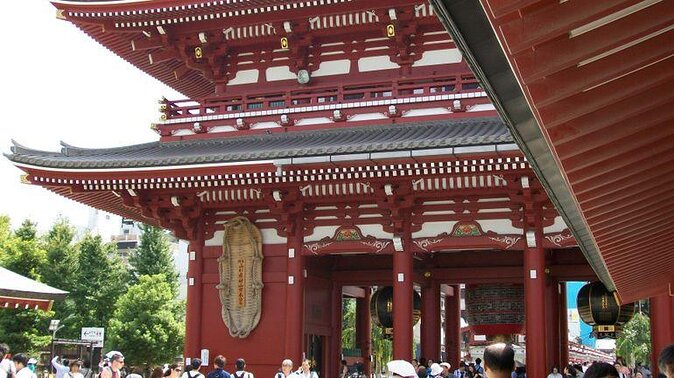
- Senso-ji Temple visit with an offering, plus the incense moment at the temple grounds
- Nakamise Shopping Street timing, where shopping culture stretches back to the 18th century
- Snack and treat stops like Age Manju and melon pan for an easy, memorable break
- Craft and model-food sights at Edo Taito and Kappabashi, perfect for curious food people
Still on the Sumida side? A few more Asakusa options
- Tokyo: Japanese Dance Cabaret Theater Asakusa-Kaguwa Ticket
★ 4.8 · 2,270 reviews - Tokyo: Meiji Shrine, Asakusa, Skytree Bus Tour and Cruise
★ 4.7 · 1,986 reviews - Tokyo: Roll and Authentic Sushi Making Class in Asakusa
★ 4.9 · 1,957 reviews - Tokyo: Asakusa Walking Tour with Sensoji Temple Visit
★ 4.8 · 1,583 reviews
How Asakusa tells Tokyo’s story in walking distance
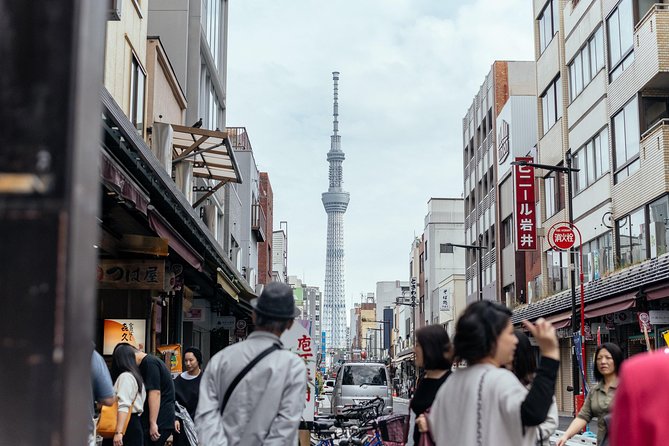
Asakusa is one of the easiest places in Tokyo to understand without needing a museum ticket. The area is built for foot traffic, so the culture reads like a series of scenes: gates, lanes, temple grounds, then shops and workshops right nearby.
What makes this tour smart is the flow. You start on Nakamise street, then move into the temple area, and later shift to crafts and Kappabashi model-food streets. By the time you finish, you have seen the “why” behind the sights you would otherwise just point at and photograph.
This is also a good move early in your trip. Once you get oriented here, a lot of Tokyo starts to click, because you learn how people actually live around historic landmarks.
Price and what you get for $139.63 per person
At $139.63 per person for about 3 hours, this is not a budget group tour price. But you are paying for a key advantage: it is private, meaning it is only you and your local guide.
That private format matters because Asakusa can feel like a lot at once. Having a guide who can slow down for the parts you care about, and speed up when you do not, is where the value shows. The tour also includes a small offering at Senso-ji, which turns a sightseeing stop into something more personal.
Two more details help justify the cost. First, you get a mobile ticket, which keeps things low-stress on the day. Second, tours are marked CO2 neutral, with emissions offset.
The 3-hour route: no hotel pickup, back where you started
The tour meets at 2-chōme-16-11 Kaminarimon, Taito City, Tokyo 111-0034. It ends back at the same meeting point, so you are not left scrambling afterward for a nearby train line.
Since hotel pickup and drop-off are not included, plan to get yourself to Kaminarimon on your own. The good news is that the tour is described as near public transportation, so you should have easy options.
And yes, it is a walking tour. The physical requirement is listed as moderate fitness, which basically means you should expect steady walking for the full 3 hours, not a sit-down, stop-and-go tram ride.
- Mt Fuji and Hakone 1-Day Bus Tour Return by Bullet Train★ 5.0 · 26,383 reviews
- 1-Day Tokyo Bus Tour★ 5.0 · 14,250 reviews
- Tokyo: teamLab Planets TOKYO Digital Art Museum Entry Ticket★ 4.6 · 9,779 reviews
- Mt Fuji & Hakone Cruise, Drum Show Bullet Train 1 Day from Tokyo★ 4.0 · 7,413 reviews
- Tokyo: Shinjuku Food Tour (13 Dishes at 4 Local Eateries)★ 5.0 · 6,603 reviews
Nakamise Shopping Street and Kaminarimon Gate: souvenirs with real old-school roots
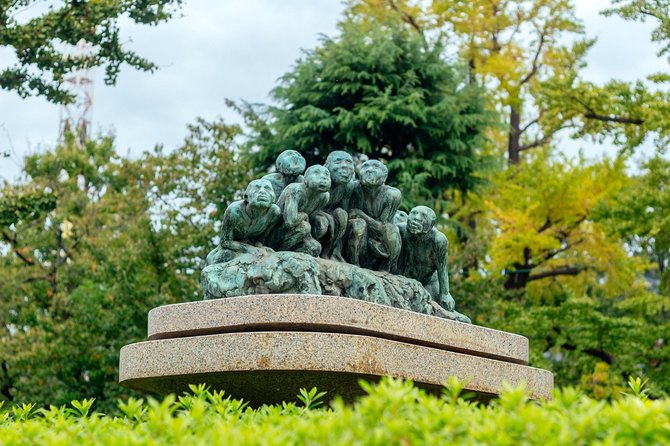
The tour starts on Nakamise Shopping Street, at the Kaminarimon area. You step through the colorful gate and see the traditional lanterns and statues, then walk down a street where people have been shopping since the 18th century.
This stop is not just “browse for snacks and trinkets.” It is a primer in how old Tokyo still sells today. You will notice the mix of souvenir shops, sweet treats, and street food culture that makes Nakamise feel like a living market rather than a staged attraction.
If you like taking photos, this is a great place to do it early, before crowds fully build around the temple approach. If you do not care about shopping, you can still enjoy the street atmosphere and just let your guide point out what is worth a look.
Hozomon and Age Manju: a simple break that tastes like Tokyo
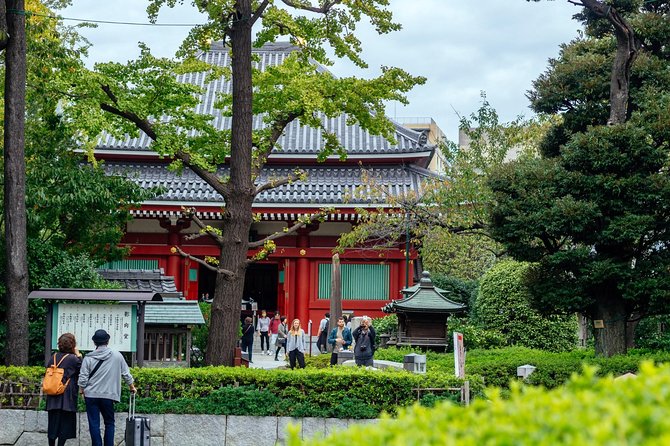
Next comes Hozomon, where you stop by a store to try an Age Manju in a flavor you choose. It is a short stop, but it is a smart one.
Why? Because you get a quick taste experience right when your energy is starting to build. You are also still in the temple approach zone, so the snack feels integrated, not like an unrelated detour.
Then you follow your local guide through the second gate that leads into the temple. That small sequence change, from shopping street to gate to temple space, helps you feel the transition instead of just teleporting between locations.
Senso-ji Temple: incense, the oldest temple, and your offering moment
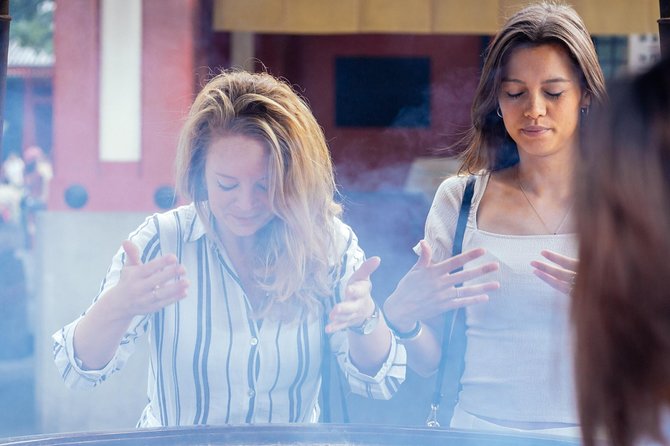
The main centerpiece is Senso-ji Temple, described as Tokyo’s oldest temple, dating back to 628. Before entering, you get that sensory hit: incense smoke wafting over you as you approach.
That incense moment is not just a dramatic photo opportunity. It is also a cue that this is an active religious space, and your guide can help you understand what you are seeing and why the area is still important.
The tour also includes a small offering at Senso-ji Temple. For many people, that is the difference between a standard temple visit and something that feels memorable. Even without turning it into a big production, having an offering moment helps you slow down and pay attention.
Time here is listed as about 20 minutes. That is enough to take in the temple grounds and feel like you actually visited, without dragging the whole walk into a long sit-and-stare session.
Asakusa Hanayashiki and melon pan: when “snack time” becomes a detour worth taking
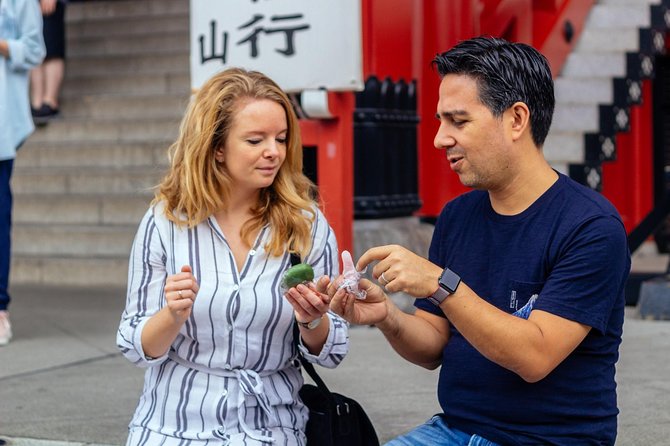
After Senso-ji, you head toward Asakusa Hanayashiki through narrow streets. Your guide steers you to a spot known for freshly made melon pan bread.
This part works well because it is a palate reset after the temple sensory experience. Melon pan is one of those foods that almost always improves the mood of a walking tour, and this stop also gives you a chance to step aside from the big landmark crowds.
The stop is listed at 15 minutes, so it is not a long meal. Think of it as a chance to grab something, take a breath, and keep going.
If you want to linger, you probably can, since the tour is described as customizable for your interests. Just keep in mind you are still working within a 3-hour total window.
Edo Taito Traditional Crafts Center: watching skill happen in real time
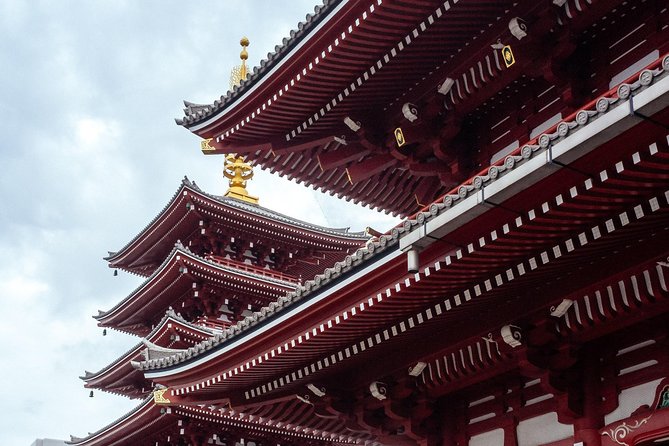
From there, you go to the Edo Taito Traditional Crafts Center, also called the Edo Shitamachi Traditional Crafts Museum. This stop is about Tokyo’s makers, not just its monuments.
You will see cool items made by Tokyo’s creative artists. And if you visit on the weekend, you may even see someone performing the craft in front of you, which turns the stop into a mini performance rather than just a shopping wall.
This is a great counterbalance to the temple and street food feel of earlier stops. It gives you something to look at that is closer to a workshop mindset.
The time here is about 15 minutes, so I would treat it as a “see what’s possible” stop. If something truly grabs you, your guide can likely point you toward what to look for before you decide whether to buy.
Kappabashi Street and display-food magic: practical sightseeing for food lovers
Then you move to Kappabashi Street, known for Kappabashi Dogugai, where restaurants make use of models of dishes. It is one of those ideas that sounds a little silly until you actually see the tools and displays.
If you like food, this stop gives you a behind-the-scenes view of how restaurants communicate what they serve. You are not just buying souvenirs here. You are seeing the production side of what you might recognize as those restaurant display foods.
The tour mentions Kappabashi twice, each time with about 15 minutes. That likely gives you time to browse and compare different storefronts, rather than rushing down a single lane.
Your guide makes or breaks the experience, and this tour leans into that
This is a private tour, and the guide really shapes the day. Many guides on this route are praised for being flexible and responsive to requests. Names that have shown up in guide pairings include Abu, Shelina, Gulay, William, Carlos, and RamKy.
Even if you do not know your guide ahead of time, the pattern is clear: you are there to ask questions and get practical context, not to simply follow someone’s pointers.
If you like travel with conversation, this is a great setup. You can ask why certain streets exist, what people shop for, and how the area connects to Tokyo’s bigger story.
Small practical tips to get the most from each stop
A walking tour works best when you protect your energy. Wear comfortable shoes. Plan to check what the weather looks like before you head out, because temple smoke and outdoor streets mean you will feel sun, wind, or rain.
Bring a way to pay for snacks and small purchases. Food and beverages are not listed as inclusions, even though stops may include tasting opportunities like Age Manju and melon pan bread. Having cash or a card keeps you from making tough choices on the spot.
If you care most about history, prioritize your time at Senso-ji. If you care most about food culture and shopping, spend extra time in Nakamise and Kappabashi. The nice thing about a private format is that you are not forced into one single interest track.
Who this tour is best for (and who should consider another option)
This tour fits best if you want a focused Asakusa experience with a local guide and you like mixing “see it” with “taste it” and “watch it.” It is especially good for first-timers who want key landmarks without wandering alone in a maze of lanes.
It also suits families and pairs, because it is private and you can customize what you do at each stop. Your guide can likely help you balance temple time with shopping and snack breaks, so the day feels fun rather than exhausting.
Consider another option if you want a longer, more wide-ranging Tokyo highlights circuit in one day, or if you need hotel pickup. This one is tightly centered on Asakusa and nearby streets.
Should you book this Tokyo History: Senso-ji Temple & Asakusa District private tour?
I think you should book it if you want an Asakusa day that feels personal. The price makes sense when you factor in the private guide time and the offering moment at Senso-ji Temple. The route also covers more than just one landmark, with Nakamise, Hozomon, crafts, and Kappabashi model-food culture all in the same half-day.
Skip it only if your schedule is tight, you cannot handle 3 hours of walking, or you prefer to explore entirely on your own. In those cases, you might get more flexibility by building your own Asakusa loop without a guide.
If you do book, go in with one mindset: ask questions. This tour works best when you treat it like a conversation while you walk, not like a checklist.
FAQ
How long is the Tokyo History: Senso-ji Temple & Asakusa District private tour?
The tour is approximately 3 hours.
What is included in the tour price?
The tour includes a private guide, CO2 neutral offset, and an offering at Senso-ji Temple.
Is this a private tour or a group tour?
It is a private tour. Only you and your local guide participate.
Where does the tour meet, and where does it end?
The tour starts at 2-chōme-16-11 Kaminarimon, Taito City, Tokyo 111-0034, Japan, and it ends back at the meeting point.
Are admission tickets required for the stops?
Admission tickets are listed as free for the stops on the tour.
What is the cancellation policy?
You can cancel for a full refund if you cancel at least 24 hours before the experience’s start time. If you cancel within 24 hours of the start time, the amount paid is not refunded.
Asakusa and the Skytree, Keep Going

Newest Tokyo write-ups from the Loving Japan desk

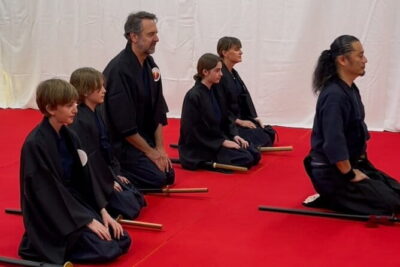
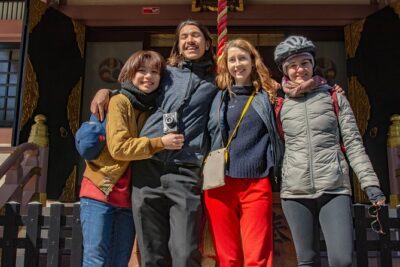
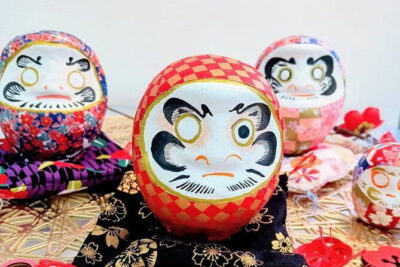
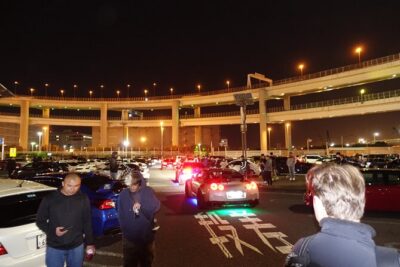
Asakusa, Senso-ji and Tokyo Skytree, side by side.
 ★ 4.5TOKYO SKYTREE® Admission ticketFrom $1311,192 reviews
 ★ 4.8Japanese Dance Cabaret Theater Asakusa-Kaguwa TicketFrom $492,270 reviews
 ★ 4.7Meiji Shrine, Asakusa, Skytree Bus Tour and CruiseFrom $1221,986 reviews
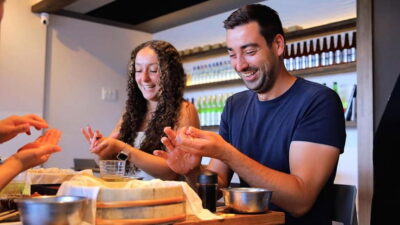 ★ 4.9Roll and Authentic Sushi Making Class in AsakusaFrom $581,957 reviews
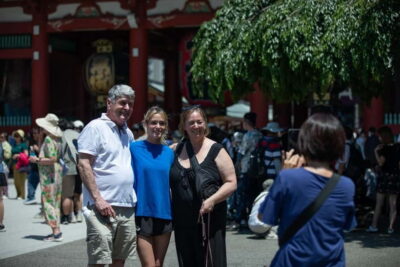 ★ 4.8Asakusa Walking Tour with Sensoji Temple VisitFrom $221,583 reviews
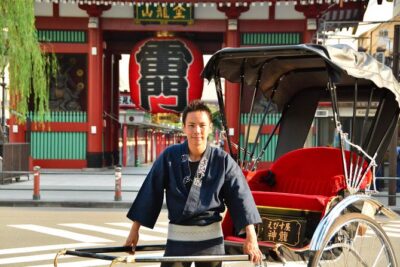 ★ 5.0Tokyo Asakusa Rickshaw TourFrom $421,375 reviews
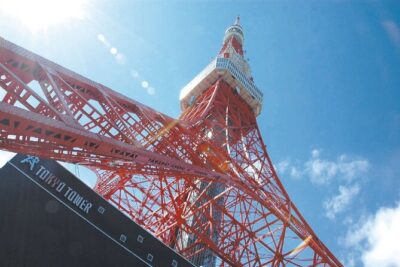 ★ 4.5Tokyo Panoramic 1 Day: Meiji Shrine, Asakusa, Odaiba and SKYTREE®From $851,222 reviews
 ★ 5.0Tokyo Go Kart: Asakusa, Skytree, and Akihabara **IDP MUST**From $99988 reviews
Filed on these lists too