

REVIEW · TOKYO TOWER, GINZA AND THE IMPERIAL PALACE
Tokyo: Imperial Palace and Shogun Walking Tour
Power hides behind quiet palace walls. This 2-hour walk through the Imperial Palace East Gardens lets you read Edo Castle like a living map, with stops that connect Ninomaru Garden serenity to the stone walls that once guarded real political power. I love how the koi-filled ponds make the grounds feel calm, and I love how the guide helps you place everyday-looking structures into the shogun era story. One heads-up: this is focused on the East Gardens, so you should not expect a full sweep of the whole palace complex.
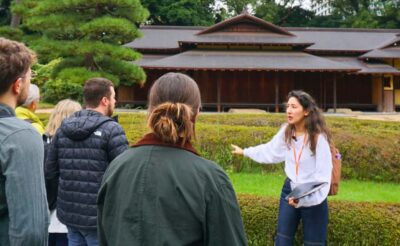
You meet at Starbucks in Kokyo Gaien, then move gate to garden with an English-speaking guide who keeps the pace steady and the explanations clear. Names that show up again and again in guide feedback include Tony and Blake, plus guides like Izzy and Jim, and the common thread is interactive Q and A, plus practical ideas for how to spend your remaining Tokyo time.
In This Review
- Key highlights you will feel fast
- Why Imperial Palace East Gardens hits harder than you expect
- Starting at Starbucks Kokyo Gaien, then entering the palace story
- Ote-Mon Gate to Tokyo Imperial Palace: learning what gates meant
- Hyakunin Bansho Guardhouse: the stop that makes security feel human
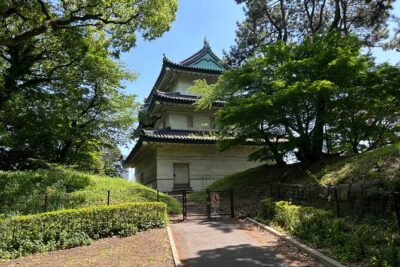
- Fujimi-yagura: seeing defenses in the details
- Imperial Palace East Gardens: the calm part that still tells power stories
- Ninomaru Garden: koi ponds and a shogun’s inner quiet
- Stone walls and the Edo Castle logic you will start spotting in Tokyo
- Pace, timing, and what to bring for a smooth 2-hour walk
- Price and value: $16 for a guided “read the city” history stop
- Who should book this Imperial Palace and Shogun walking tour
- Should you book? My practical verdict
- FAQ
- How long is the Imperial Palace and Shogun walking tour?
- Where does the tour start?
- What stops are included on the route?
- Is the guide available in English?
- Is the tour wheelchair accessible?
- What is the price per person?
- Can I cancel and get a full refund?
- Does it offer reserve now and pay later?
- How do I find the starting times?
Key highlights you will feel fast

- Ninomaru Garden koi ponds: A quiet reset in the middle of Tokyo, with seasonal beauty and that postcard still-water feeling.
- Ote-Mon Gate entry moment: You start by approaching a grand gate tied to the palace grounds story.
- Stone foundations, moats, and defensive clues: Your guide helps you decode how Edo Castle controlled access.
- Shogun-era context at real stops: Hyakunin Bansho Guardhouse and Fujimi-yagura get explained in plain language.
- A guide-led flow that stays on track: The tour is built as a tight circuit and wraps back at the meeting Starbucks.
The central Tokyo landmarks, reviewed one by one
- Flagship 2-Hours Official Street Go-Kart Tour – Tokyo Bay Shop
★ 5.0 · 4,974 reviews - Tokyo: Imperial Palace and Shogun Historical Walking Tour
★ 5.0 · 2,251 reviews - Tokyo: Meiji Shrine, Asakusa, Skytree Bus Tour and Cruise
★ 4.7 · 1,986 reviews - Tokyo Panoramic 1 Day: Meiji Shrine, Asakusa, Odaiba and SKYTREE®
★ 4.5 · 1,222 reviews
Why Imperial Palace East Gardens hits harder than you expect
The Imperial Palace grounds can look like just another set of walls and trees at first glance. Then a guide turns those shapes into a timeline. You start seeing how power worked in Japan long before modern Tokyo got its rhythm.
What I like most is the contrast. The grounds are peaceful, with landscaped paths and ponds, but you are walking where control and protection were the point. You will also get that rare combo of big-picture history, plus small, specific details you can actually look at.
This tour is especially strong for first-timers because it gives you a framework you can reuse elsewhere in Tokyo. If you later visit temples, shrines, or historic neighborhoods, you will recognize more of the political and social layers behind what you see.
Starting at Starbucks Kokyo Gaien, then entering the palace story
You begin at Starbucks Coffee in Kokyo Gaien Wadakura Fountain Park, right in front of the café. This matters more than you think. Tokyo can be confusing when you are hunting for meeting points, so having a well-known landmark reduces stress right away.
From there, the tour moves to Ote-Mon Gate for about 10 minutes of guided orientation. This first stop sets the tone. You are not just learning facts. You are learning how to read the site, like noticing how gates shape movement and how defensive layouts influence daily life.
If you arrive a little early, you can take a minute to orient yourself to the layout around the palace grounds. Once the group begins walking, it stays efficient, and you will appreciate that early positioning.
Ote-Mon Gate to Tokyo Imperial Palace: learning what gates meant
At Ote-Mon Gate, you will focus on the fact that the palace grounds were once Edo Castle. That single idea changes everything. Edo Castle was not a museum concept. It was the seat of the Tokugawa shogunate, meaning authority, logistics, and strict control.
The next major segment brings you to Tokyo Imperial Palace itself for about 15 minutes of guided visit. Even if you only see parts from within the allowed walking route, the value is in the storytelling. Your guide connects what you see today to what those spaces represented in the samurai and shogun era.
A good guide also makes the shift feel real. Japan’s move from feudal rule to modern life is not just a textbook line. It shows up in how the city grew, how authority changed hands, and how people relate to the imperial symbol in the present day.
- Mt Fuji and Hakone 1-Day Bus Tour Return by Bullet Train★ 5.0 · 26,383 reviews
- 1-Day Tokyo Bus Tour★ 5.0 · 14,250 reviews
- Tokyo: teamLab Planets TOKYO Digital Art Museum Entry Ticket★ 4.6 · 9,779 reviews
- Mt Fuji & Hakone Cruise, Drum Show Bullet Train 1 Day from Tokyo★ 4.0 · 7,413 reviews
- Tokyo: Shinjuku Food Tour (13 Dishes at 4 Local Eateries)★ 5.0 · 6,603 reviews
Hyakunin Bansho Guardhouse: the stop that makes security feel human
After the palace segment, you head to Hyakunin Bansho Guardhouse for about 10 minutes. This is one of those stops that could be forgettable on a self-guided stroll. With a guide, it becomes a window into how the grounds were monitored and protected.
What I like about including guardhouse-style architecture is that it shifts your attention from aesthetics to function. You start paying attention to placement, visibility, and the logic of who could access what, and when. In a place like this, those details are the difference between seeing a site and understanding it.
This is also a strong moment to ask questions. Many groups get the most out of Q and A when the guide is close to a specific structure. If you have curiosity about the Tokugawa period, ask it here, before you move into the garden calm.
Fujimi-yagura: seeing defenses in the details
Next is Fujimi-yagura, about 15 minutes. A yagura is part of the castle-era defensive system, and your guide helps you connect it to the bigger theme: massive walls and controlled movement.
Here is the trick: do not just look at it like a photo subject. Look at it like it would have been used. The point of this stop is to help you notice how military thinking shaped everyday geography in Edo Castle.
If you tend to glaze over during history tours, this is usually where you wake up. It feels less like a lecture and more like detective work, decoding how stone and angles served a purpose.
Imperial Palace East Gardens: the calm part that still tells power stories
The tour then slows down for roughly 30 minutes in the Imperial Palace East Gardens. This is where the atmosphere changes. The east gardens are landscaped, quieter, and built for walking. But the history stays in the background, threaded through ruins, foundations, and boundary walls.
From what you will be shown, you learn about elements like moats that once protected the seat of the shogunate. You also hear about remnants such as stone structures and the remains of the castle tower base. These are not dramatic set pieces, but they hit hard because you can stand near them and imagine the site under different rules.
I love this portion because it gives you a chance to slow your brain down. You are absorbing a lot, and then the garden setting gives you breathing room. It is the kind of pause that makes you better at noticing later details.
Ninomaru Garden: koi ponds and a shogun’s inner quiet

The highlight for many people is Ninomaru Garden, which you spend around 30 minutes visiting with your guide. This is the Shogun’s Inner Garden, and the difference shows right away.
Instead of defensive logic, you get tranquility. The tour focuses on koi swimming in tranquil ponds within the palace grounds. That visual contrast is not just pretty. It explains how power coexisted with refined space. Even within a ruled, monitored world, there were places designed for quiet appreciation.
Your guide typically weaves in seasonal beauty, so if you are visiting in different months, you can expect the garden to feel different. I like tours that teach you how to look, not just what to look at. Here, that might mean noticing reflections in the water, the way pond edges guide your sightline, and how the garden layout makes the space feel composed.
If you want the most memorable photos, this is usually where you will spend them. But even if you skip photos, you will still feel like you left the noise behind for a bit. Tokyo can be loud in a way that sneaks into your body, and the koi ponds help reset that.
Stone walls and the Edo Castle logic you will start spotting in Tokyo
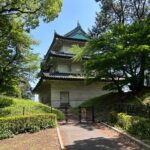
One theme you will hear repeated through the walk is the scale and purpose of the defenses, including the massive stone walls. The guide’s job is to decode what they mean beyond their height.
Here is what you should take away. When feudal power was at the center of the system, architecture and land planning were part of government. Walls controlled access. Moats slowed movement. Gate placement decided where people could enter and where they could not.
Once you learn that way of reading space, Tokyo gets easier. You start spotting that modern streets and neighborhoods still carry choices made long ago. Even if you do not know a single word of Japanese, your eyes get smarter.
Pace, timing, and what to bring for a smooth 2-hour walk
The tour runs about 2 hours total, moving in segments that keep you from waiting too long at any single stop. The schedule is tight enough that you stay engaged, but not so rushed that you feel pushed along.
Stops are structured like this: a quick start at Ote-Mon Gate, guided time at Tokyo Imperial Palace, then short, focused pauses at Hyakunin Bansho Guardhouse and Fujimi-yagura. You then get longer time in the Imperial Palace East Gardens and Ninomaru Garden.
What to bring is simple. Wear comfortable shoes. This is a walking tour, and the palace grounds can involve uneven paths. Also bring a water bottle if you tend to get thirsty while walking. In at least one set of experiences, a break for sitting and grabbing a vending machine drink showed up as part of the flow, and you may get something similar depending on the guide and group.
If it is rainy, plan for it. Some guides have been reported as helpful with practical items like an umbrella, but you should still bring your own rain plan.
Price and value: $16 for a guided “read the city” history stop
At about $16 per person, this tour is priced like a bargain for central Tokyo. The real value is not just that you pay less than a typical private guide. The value is that you get a guide who helps you turn passive sightseeing into active understanding.
In a place like the Imperial Palace East Gardens, the difference between walking alone and walking with a guide can be huge. Without context, stone walls and garden ponds can blur together. With context, each stop becomes part of a story: gates, guard points, defenses, and then the calm of Ninomaru Garden.
Given the tour duration of about 2 hours, the cost is also easy to justify. You can fit it into a busy day without sacrificing a whole afternoon. And because it returns to your starting Starbucks, it is simple to plan your next meal or neighborhood hop afterward.
Who should book this Imperial Palace and Shogun walking tour
This works best if you want a focused taste of Japanese power history without drowning in details. It is also great if you enjoy structured walks where you are not constantly checking a map.
Book it if you:
- are in Tokyo for the first time and want a strong historical foundation
- like guided Q and A and want your questions answered
- enjoy quiet, scenic breaks like koi ponds and garden paths
- want to connect Edo Castle and Tokugawa shogunate themes to the modern city you are walking through
It may not be your best pick if you want a long, deep, museum-level experience or if you expect to roam every part of the larger palace complex. This is an East Gardens walk with specific stops, and that focus is the point.
Should you book? My practical verdict
Yes, you should book it if you want to understand what you are seeing. The strongest reason to choose this tour is the guide-led interpretation, especially the way guides like Tony, Blake, Izzy, and Jim are repeatedly praised for clear, straightforward explanations and friendly interaction.
The second reason is the setting. You get calm garden time with koi ponds, but you also learn how control and protection shaped the grounds. That mix is exactly what makes this walk more satisfying than another “stand and look” sightseeing session.
If you have limited time in Tokyo, this is one of the easiest ways to add depth to your day for a very reasonable price. I would schedule it early enough that the history context helps you later in the week.
FAQ
How long is the Imperial Palace and Shogun walking tour?
The tour duration is about 2 hours.
Where does the tour start?
You meet in front of Starbucks Coffee at Kokyo Gaien Wadakura Fountain Park. Coordinates are 35.6830391, 139.7614181.
What stops are included on the route?
You will visit Ote-Mon Gate, Tokyo Imperial Palace, Hyakunin Bansho Guardhouse, Fujimi-yagura, Imperial Palace East Gardens, and Ninomaru Garden.
Is the guide available in English?
Yes, the guide provides an English-speaking guided tour.
Is the tour wheelchair accessible?
Yes, the tour is wheelchair accessible.
What is the price per person?
The price is $16 per person.
Can I cancel and get a full refund?
Yes, you can cancel up to 24 hours in advance for a full refund.
Does it offer reserve now and pay later?
Yes, you can reserve now and pay later.
How do I find the starting times?
The tour is about 2 hours, and you should check availability to see starting times.
Central Tokyo Landmarks



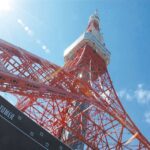
Newest Tokyo write-ups from the Loving Japan desk

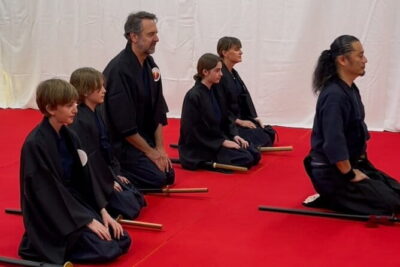


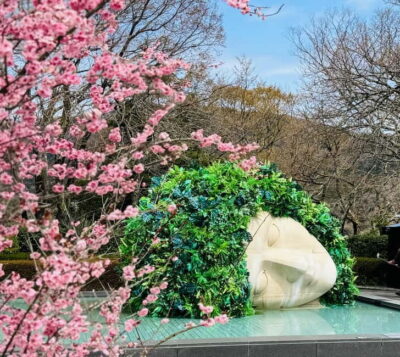
Tokyo Tower, Ginza and the Imperial Palace, side by side.
 ★ 5.0Flagship 2-Hours Official Street Go-Kart Tour – Tokyo Bay ShopFrom $644,974 reviews
 ★ 4.6Tokyo Tower: Admission TicketFrom $93,661 reviews
 ★ 5.0Imperial Palace and Shogun Historical Walking TourFrom $222,251 reviews
 ★ 4.7Meiji Shrine, Asakusa, Skytree Bus Tour and CruiseFrom $1221,986 reviews
 ★ 4.8Chopstick Making Workshop in GinzaFrom $251,366 reviews
 ★ 4.5Tokyo Panoramic 1 Day: Meiji Shrine, Asakusa, Odaiba and SKYTREE®From $851,222 reviews
 ★ 4.9Imperial Palace Japanese History Walking TourFrom $32987 reviews
 ★ 4.5Dynamic Tokyo: Tokyo Tower, Tea Experience, Bay Cruise Day TourFrom $99521 reviews
Filed on these lists too