
REVIEW · TOKYO TOWER, GINZA AND THE IMPERIAL PALACE
Tokyo: Imperial Palace Japanese History Walking Tour
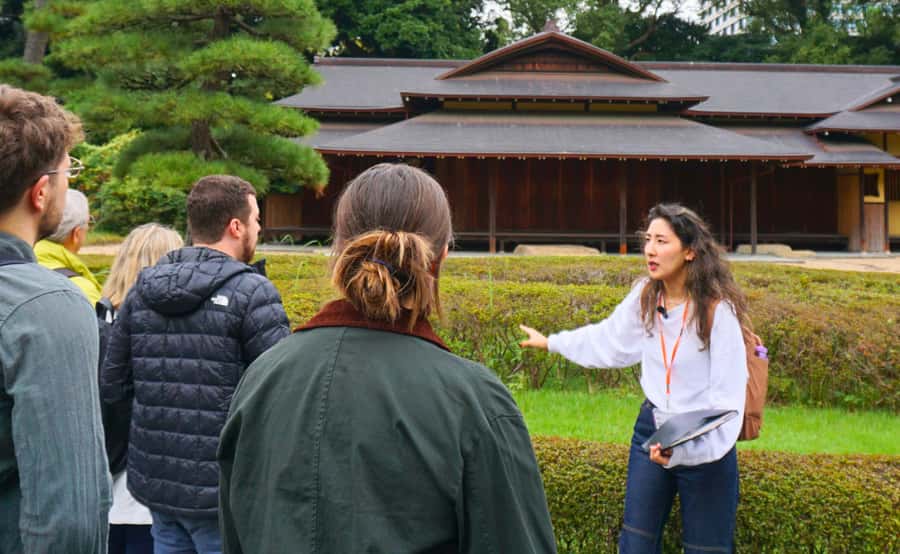
History walks with you at the Imperial Palace. This Tokyo tour turns the palace grounds into a clear story of shoguns, emperors, and the Edo era. You follow your guide through the Eastern Gardens while learning how power in Japan changed over centuries.
Two things I really like. First, the guides, including names like Mika and Natsumi, keep the pace friendly and the explanations easy to follow. Second, you get hands-on sightlines to the real features that shaped daily life and status, from old rankings to palace design clues.
One drawback to plan around: you do not get Inner Palace access. If you were hoping for a full inside visit, this tour will feel more like a smart guided walk through the surrounding grounds than a complete palace admission.
In This Review
- Key takeaways before you go
- From Starbucks meeting point to Otemon Gate in minutes
- The shogun-to-emperor story that actually connects the dots
- Eastern Gardens highlights, bamboo forest, and where the koi live
- Small structures and ruins that make the Edo story feel real
- Photo spots that are timed with the story
- Price, value, and what you should know about the $32 cost
- Who this tour fits best, and who should skip it
- Guide style is a big part of the experience
- Should you book Sunrise Adventure’s Imperial Palace history walk?
- FAQ
- Where is the meeting point for the Imperial Palace walking tour?
- How do I get to the meeting point from train stations?
- Is the Inner Palace included?
- What languages are available?
- Does the tour run in rain or shine?
- What should I wear?
- Who is this tour not suitable for?
- What is included in the tour?
- What is not allowed during the tour?
- What is the cancellation policy?
Key takeaways before you go
- Otemon Gate to the Eastern Gardens: you see how the grounds connect to the big political story.
- Shogun castle to emperor palace: explained with a miniature model of what once stood there.
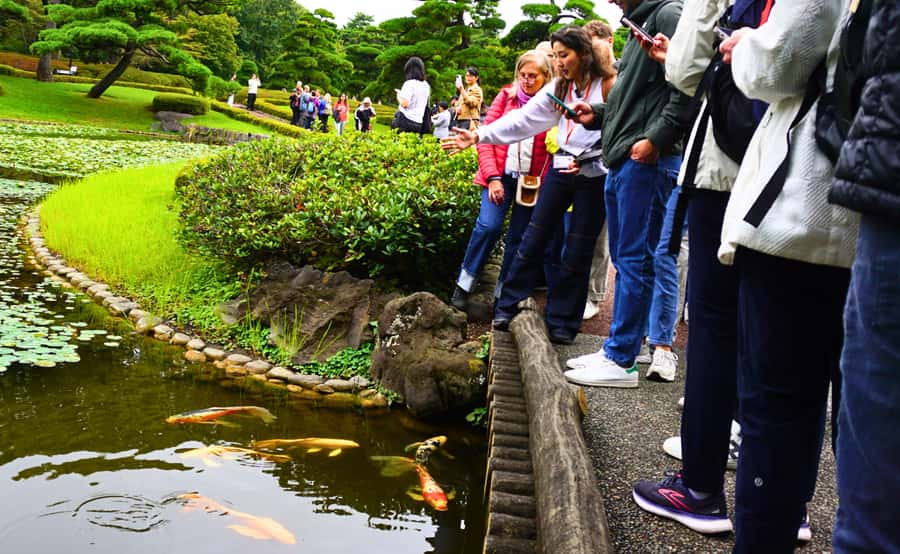
- Royal koi fish moments: you’ll aim for the pond scene and photo spots.
- Bamboo forest stop: a calm, iconic Tokyo garden texture break.
- Social order lesson: farmer, samurai, daimyo, shogun, and what that meant on the ground.
- Guides who help beyond history: asking for food, heat tips, or logistics is part of the experience.
The central Tokyo landmarks, reviewed one by one
- Flagship 2-Hours Official Street Go-Kart Tour – Tokyo Bay Shop
★ 5.0 · 4,974 reviews - Tokyo: Imperial Palace and Shogun Historical Walking Tour
★ 5.0 · 2,251 reviews - Tokyo: Meiji Shrine, Asakusa, Skytree Bus Tour and Cruise
★ 4.7 · 1,986 reviews - Tokyo Panoramic 1 Day: Meiji Shrine, Asakusa, Odaiba and SKYTREE®
★ 4.5 · 1,222 reviews
From Starbucks meeting point to Otemon Gate in minutes
Your tour starts close to the Imperial Palace, at a Starbucks near the Wadakuramon fountain park. The practical upside is that you do not have to fight Tokyo wayfinding for long. If you come by train, Tokyo Station or Otemachi Station put you within a short 5 to 10 minute walk.
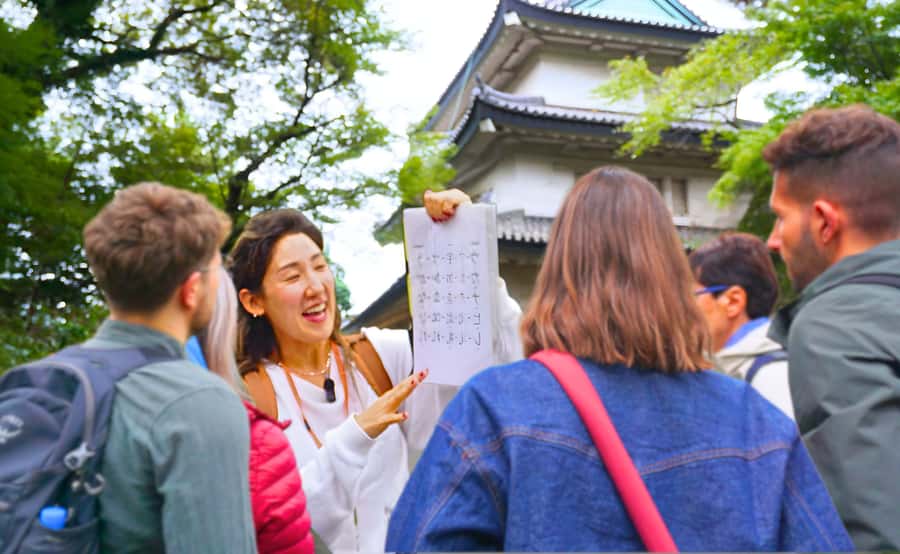
When you arrive, look for your guide holding a sign with the Sunrise Adventure logo. This matters more than it sounds. Tokyo can be loud and busy, and a clear meet point helps you start relaxed, not stressed. Since the tour runs rain or shine, having a firm meeting location also saves time on wet sidewalks.
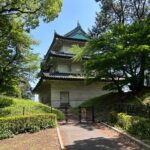
Once you’re together, you walk toward the grand Otemon Gate. This is where the story clicks into place. Instead of just seeing walls and gates, you begin with the idea that today’s palace is layered over earlier power centers. Even though the original shogun castle is not standing anymore, your guide explains what used to be there and how the site evolved.
The shogun-to-emperor story that actually connects the dots
A lot of Imperial Palace content stays abstract. Here, the tour gives you a concrete storyline from shogun influence to imperial authority. You hear what shaped Japan’s foundations and how Edo Castle’s presence set the stage for centuries of governance.
One of my favorite parts is the way the tour handles absence. The original castle is not there in full, but you’re not left guessing. You see a miniature model showing what it looked like in the past. That small detail helps you read what you’re walking past in the present. You can’t always picture the former layout from memory, but with the model, you can.
You’ll also learn about the Edo period connection at the site. This is important context because it explains why the palace grounds feel like more than a pretty park. The tour frames this as a place where political power sat, reorganized, and then shifted shape over time. That makes the Eastern Gardens feel purposeful, not just scenic.
Eastern Gardens highlights, bamboo forest, and where the koi live
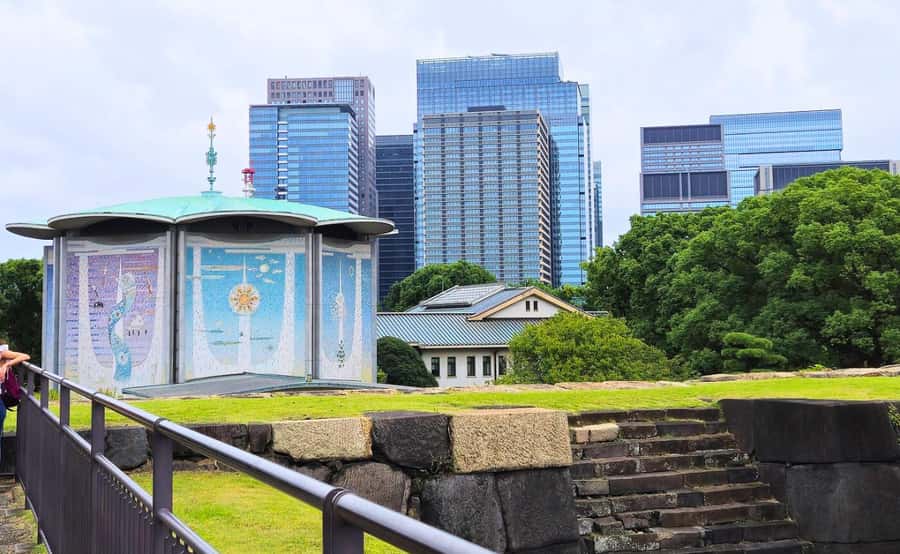
The tour spends real time in the garden spaces, not just at a couple of quick photo stops. You’ll move around the palace grounds with a guide who points out the details that most people miss when they’re wandering solo.
Expect a stop that many people love, the bamboo forest. It’s a cool, visual change of pace, and it makes the walk feel like a Tokyo garden escape rather than a history lecture. If it’s warm outside, that sort of shaded pocket matters. In the reviews, heat came up often, and guides were described as mindful about stopping in shade when possible.
You’ll also look for royal koi fish. One guide moment that stood out in feedback was the way the koi scene becomes a natural centerpiece stop. It’s also a great photo target because the fish and the surrounding garden give you layers of texture, not just a single viewpoint.
Another garden highlight is the mix of plant life and design. The tour includes trees gifted to the emperor from different parts of Japan. That detail gives you a bigger map of the country’s relationships, not just one local neighborhood. You start to understand the grounds as a curated space with symbolism, not random greenery.
And yes, you’ll get peaceful scenery, trees, and calm paths. But the tour keeps tying those visuals back to why the place matters historically, including the site where Edo Castle once stood over 350 years ago.
- Mt Fuji and Hakone 1-Day Bus Tour Return by Bullet Train★ 5.0 · 26,383 reviews
- 1-Day Tokyo Bus Tour★ 5.0 · 14,250 reviews
- Tokyo: teamLab Planets TOKYO Digital Art Museum Entry Ticket★ 4.6 · 9,779 reviews
- Mt Fuji & Hakone Cruise, Drum Show Bullet Train 1 Day from Tokyo★ 4.0 · 7,413 reviews
- Tokyo: Shinjuku Food Tour (13 Dishes at 4 Local Eateries)★ 5.0 · 6,603 reviews
Small structures and ruins that make the Edo story feel real
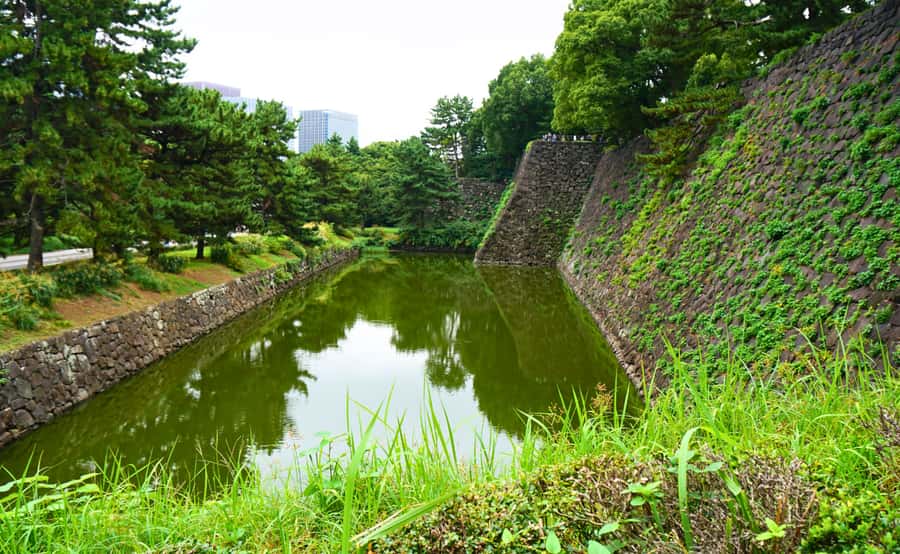
Beyond the postcard garden moments, the tour includes the kind of stop that makes you say, oh, that’s what they mean by ruins and remnants.
You’ll explore an area linked to old samurai houses. Even if you do not see a fully restored dwelling, the guide uses what’s left to explain the era’s social structure and how status was built into daily spaces. It’s one thing to memorize history. It’s another to walk near the kinds of structures that supported the system.
You’ll also see the idea of how samurai life connected to governance. That ties directly into the tour’s most direct teaching moment: Japan’s old ranking system. The guide explains the order of farmer, samurai, daimyo, shogun. It’s simple to list, but it’s more interesting when you connect it to how power, work, and authority were organized across society.
If you enjoy history that has cause and effect, this tour’s strength is that it does not keep the ranking lesson floating. It uses the palace grounds as the backdrop, so you feel how the system shaped what the powerful could control and display.
Photo spots that are timed with the story

You’ll hear about great photo spots, but the real value is when those spots show up. If you wait until you’re tired, photos become a chore. If you see them at the right moment in the tour, you capture the garden and the context.
This is why the walk works. You’re not just taking pictures at random corners. You’re stopping in spots that match what the guide is currently explaining, like where views align with historical references or where the pond scene gives you that classic koi contrast.
In hot weather, photo stops also come with shade considerations. Multiple guides were described as attentive about heat, taking pauses and aiming for tree coverage when it was available. That kind of pacing helps you enjoy the garden rather than rushing past it.
If you like taking photos, bring whatever you normally use. Just keep an eye on your footing on garden paths. This is a peaceful place, but it is still an active walking tour with stops, turns, and occasional uneven surfaces.
Price, value, and what you should know about the $32 cost
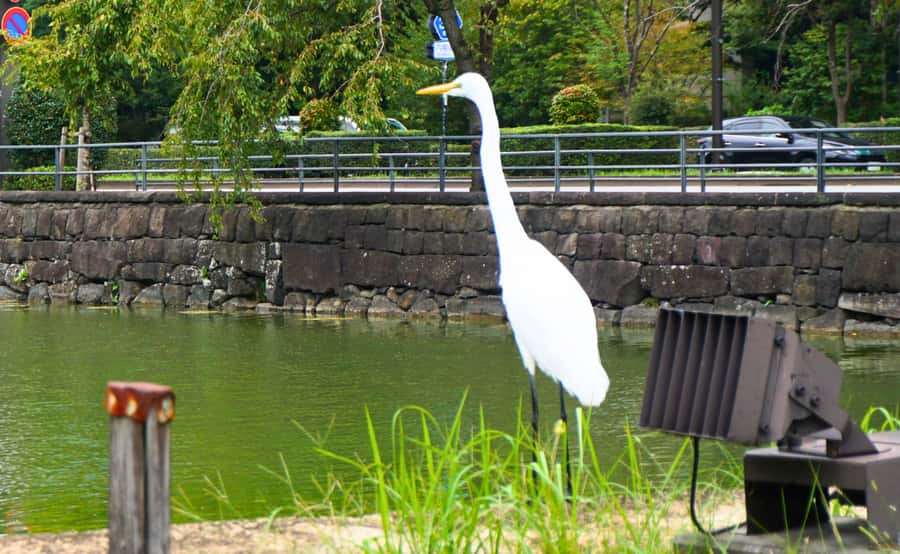
At $32 per person, this is one of the lower-cost ways to get guided context at a major Tokyo landmark. It’s also not priced like a ticketed museum, which is a key reason this tour feels good for value.
Here’s what you’re really buying:
- A guided walk that connects the site to Japanese governance history
- Specific garden moments, like bamboo forest and koi fish
- Photo spots and garden details you’re unlikely to notice on your own
- A guide you can ask questions to, including practical travel tips if you want them
What you are not buying is Inner Palace access. That matters for value. If you want inside-only sights, this might feel incomplete. But if your goal is to understand the site and enjoy the grounds without hunting information yourself, the price becomes easier to justify.
In rain or shine, you also want a tour that keeps moving at a steady pace. The structure here is built for that. You start at a clear meeting point, you walk toward the gate, and you loop back to the meeting area. You’re not stuck trying to re-plan your day mid-storm.
Who this tour fits best, and who should skip it
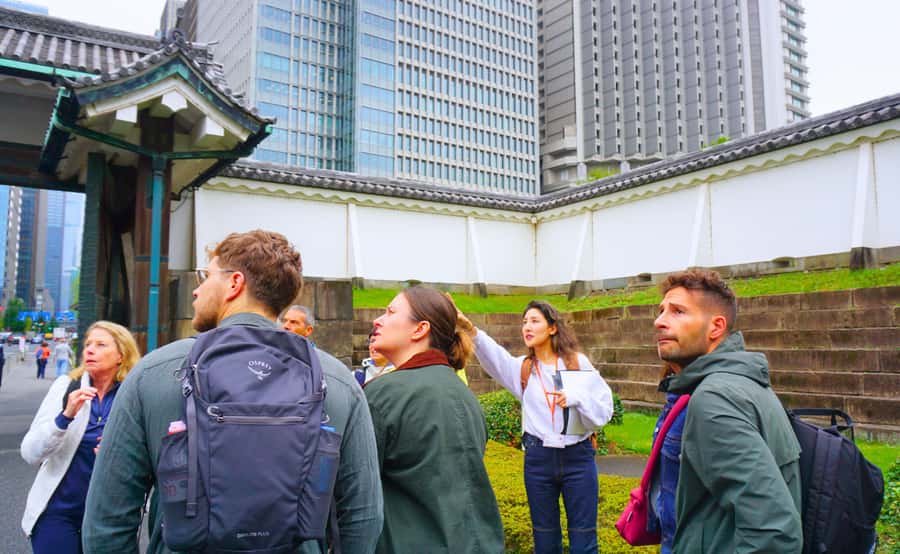
This is not a sit-down experience. It is a walking tour on palace grounds.
It’s not suitable for pregnant women, people with back problems, mobility impairments, wheelchair users, people with heart problems, people with recent surgeries, or anyone with low level of fitness. If any of those apply to you, it’s worth choosing something else that is more flexible and less physically demanding.
If you do okay with walking and want history that makes the space meaningful, this tour suits you. It’s also a good first-time Tokyo history outing because it gives you a big-picture framework for how Japan became Japan, without overwhelming you with too many stops.
Language is also a plus. The tour runs in English and French. You’ll be in a group guided through the grounds, and the experience is built around clear storytelling rather than specialist museum language.
Guide style is a big part of the experience

The difference between a good and a great guided tour often comes down to the guide. And this one has a strong track record.
In feedback, Mika stood out for in-depth explanation and for helping with practical issues like mosquitoes, with mosquito spray brought up specifically. Casey described a guide who handed out small gifts for heat and made shade choices during a hot day. Natsumi was praised as a fun storyteller with strong Q and A energy, and several people highlighted how the guide helped them with recommendations for meals afterward.
Even better, some guides were described as willing to go beyond the standard walk, including the possibility of a private add-on and even a tea ceremony mentioned in feedback. That does not mean every tour will include that, but it signals that the guides take care of the experience and can tailor when possible.
The biggest pattern: people felt the tour was interactive, with guides who answered questions at a pace that works for the group.
Should you book Sunrise Adventure’s Imperial Palace history walk?
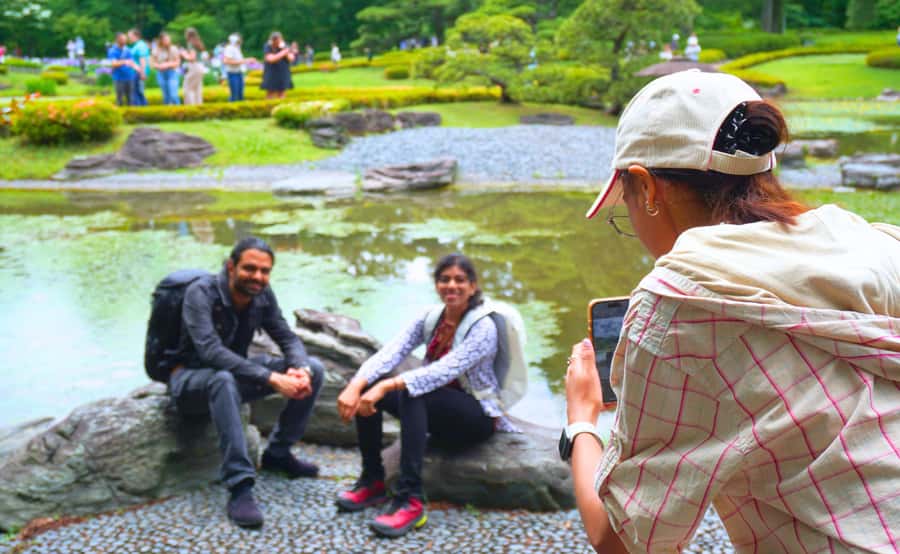
Book this tour if you want a clear, guided way to understand the Imperial Palace grounds, especially the connection between shogun-era power and the imperial setting. At $32, it offers a lot of context for the price, plus garden stops like bamboo forest and koi fish that make the walk feel more than academic.
Skip or reconsider if you specifically need Inner Palace access, or if you fall into the listed mobility or health limitations. Also, if you dislike rain or shine walks, plan around weather clothing and comfort. This tour runs both ways, and the gardens are active walking territory.
If you’re starting your Tokyo trip and want one outing that sets history in the physical places you will be looking at all day, this is a smart choice. It gives you a story you can carry with you, long after you leave the gates.
FAQ
Where is the meeting point for the Imperial Palace walking tour?
You meet your guide at a Starbucks close to the palace, near the Wadakuramon fountain park. Your guide will be holding a sign with the Sunrise Adventure logo.
How do I get to the meeting point from train stations?
From Tokyo Station or Otemachi Station, it’s about a 5 to 10 minute walk to Wadakuramon fountain park, then you head to the nearby Starbucks.
Is the Inner Palace included?
No. The tour does not include visiting the Inner Palace.
What languages are available?
The tour is offered in English and French.
Does the tour run in rain or shine?
Yes. The tour takes place rain or shine.
What should I wear?
Wear clothes that fit the weather since you will be walking outside. The tour is weather dependent and you should dress accordingly.
Who is this tour not suitable for?
It is not suitable for pregnant women, people with back problems, mobility impairments, heart problems, recent surgeries, wheelchair users, and people with low level of fitness.
What is included in the tour?
Included items are guided walking with history explanations, beautiful garden time, bamboo forest, royal koi fish, great photo spots, and a guide who can help with other travel tips.
What is not allowed during the tour?
Weapons or sharp objects are not allowed. Smoking, drones, alcohol and drugs, skateboards, and making fire are also not allowed.
What is the cancellation policy?
You can cancel up to 24 hours in advance for a full refund.
Central Tokyo Landmarks



Newest Tokyo write-ups from the Loving Japan desk

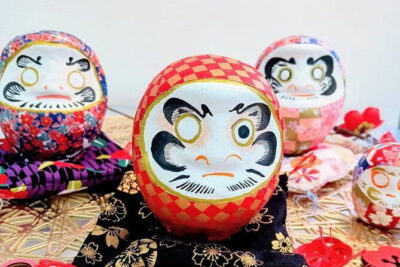

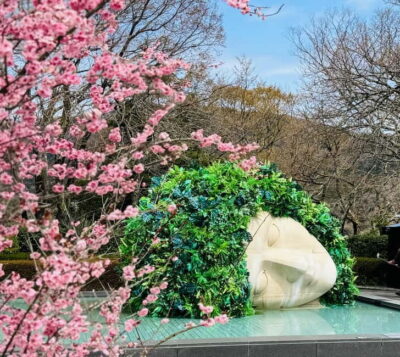
Tokyo Tower, Ginza and the Imperial Palace, side by side.
 ★ 5.0Flagship 2-Hours Official Street Go-Kart Tour – Tokyo Bay ShopFrom $644,974 reviews
 ★ 4.6Tokyo Tower: Admission TicketFrom $93,661 reviews
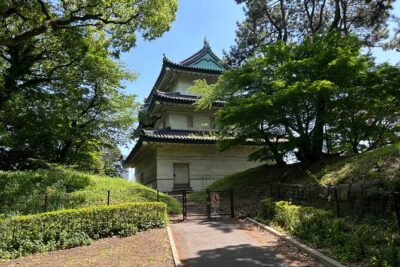 ★ 5.0Imperial Palace and Shogun Historical Walking TourFrom $222,251 reviews
 ★ 4.7Meiji Shrine, Asakusa, Skytree Bus Tour and CruiseFrom $1221,986 reviews
 ★ 4.8Chopstick Making Workshop in GinzaFrom $251,366 reviews
 ★ 4.5Tokyo Panoramic 1 Day: Meiji Shrine, Asakusa, Odaiba and SKYTREE®From $851,222 reviews
 ★ 4.9Imperial Palace and Shogun Walking TourFrom $16935 reviews
 ★ 4.5Dynamic Tokyo: Tokyo Tower, Tea Experience, Bay Cruise Day TourFrom $99521 reviews
Filed on these lists too