
REVIEW · TOKYO TOWER, GINZA AND THE IMPERIAL PALACE
Chopstick Making Workshop in Ginza
Tokyo can be trendy. This workshop is hands-on.
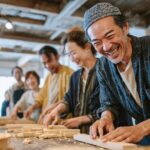
In the heart of Ginza, you’ll make a real, take-home souvenir: a pair of chopsticks you shape with tools, not just watch. I love that you start by choosing from 24 wood options and two chopstick lengths, then finish with an oil coating that makes your work look polished right away. You’ll also get English-speaking help, so the steps make sense even if your Japanese is rusty.
One thing to consider, the work is physical. You’ll be planing and sanding by hand, so it’s not a sit-and-smile craft, and a couple of visitors found the harder woods more challenging.
In This Review
- Key things to know before you start
- Chopstick Making in Ginza, where craft turns into a real souvenir
- First step: pick your wood from 24 options and two lengths
- The hands-on process: plane, sand, oil
- English-speaking guidance that actually helps
- Optional engraving: names or phrases with a gentle laser
- Price and value: $25 is the base, upgrades are part of the choice
- Timing, stamina, and what to bring to Ginza woodworking
- Meeting point in central Ginza, and why the location helps
- Who should book this, and who may want to think twice
- Should you book Chopstick Making in Ginza?
- FAQ
- How long is the chopstick making workshop?
- What is included in the experience fee?
- Can I choose different wood types and chopstick lengths?
- Is the workshop available in English?
- Can I engrave my name or a phrase on the chopsticks?
- Can I cancel and get a full refund?
Key things to know before you start
- Choose from 24 woods (5 included, the other 19 can cost extra)
- Pick two lengths to match your preference for everyday use
- Planing and sanding are the main event, with oil as the finishing step
- Laser engraving is optional for names or phrases in Japanese or your language
- English-speaking staff help throughout, step-by-step
- You can take the chopsticks home the same day
The central Tokyo landmarks, reviewed one by one
- Flagship 2-Hours Official Street Go-Kart Tour – Tokyo Bay Shop
★ 5.0 · 4,974 reviews - Tokyo: Imperial Palace and Shogun Historical Walking Tour
★ 5.0 · 2,251 reviews - Tokyo: Meiji Shrine, Asakusa, Skytree Bus Tour and Cruise
★ 4.7 · 1,986 reviews - Tokyo Panoramic 1 Day: Meiji Shrine, Asakusa, Odaiba and SKYTREE®
★ 4.5 · 1,222 reviews
Chopstick Making in Ginza, where craft turns into a real souvenir
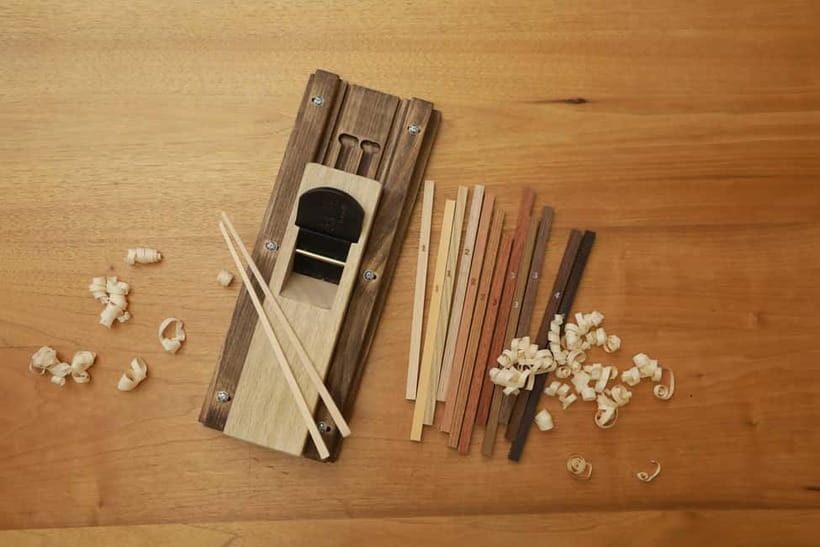
This is the kind of activity I like most in Tokyo, practical and tactile. Instead of buying a souvenir you’ll forget in a drawer, you leave with something you can use at home, and you’ll know exactly what went into it.
The workshop’s charm is simple: you control the materials. You pick your wood type and your chopstick length first, then you physically shape and finish the pair in an hour, with staff walking around to help when you get stuck.
For me, the value is in the combination of choices and outcome. You’re paying for guided woodworking plus a finished product that feels personal, especially if you add engraving.
First step: pick your wood from 24 options and two lengths
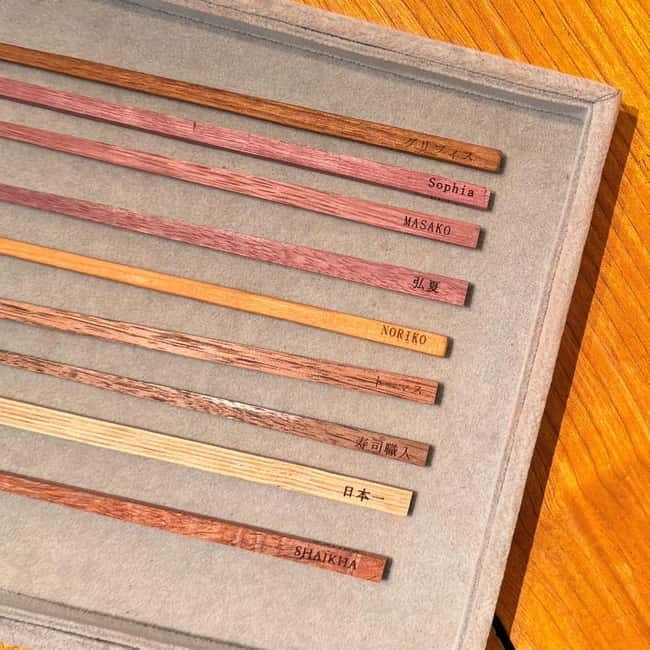
You begin by selecting your chopsticks from 24 types of wood and two different lengths. That choice matters more than it sounds. Different woods behave differently under a plane, and they also affect how the final surface looks after sanding and oiling.
The workshop includes 5 wood types at no extra charge. The remaining 19 are higher grade and may require an additional charge, so your best move is to decide early whether you want to keep it simple or go for a specialty look and feel.
A useful detail from people who’ve done it, some woods are harder to work with than others. One example that came up is olive wood, which can be tougher at the planing stage. If you’re nervous about the physical side, start with one of the free woods and upgrade later only if you feel comfortable.
The hands-on process: plane, sand, oil
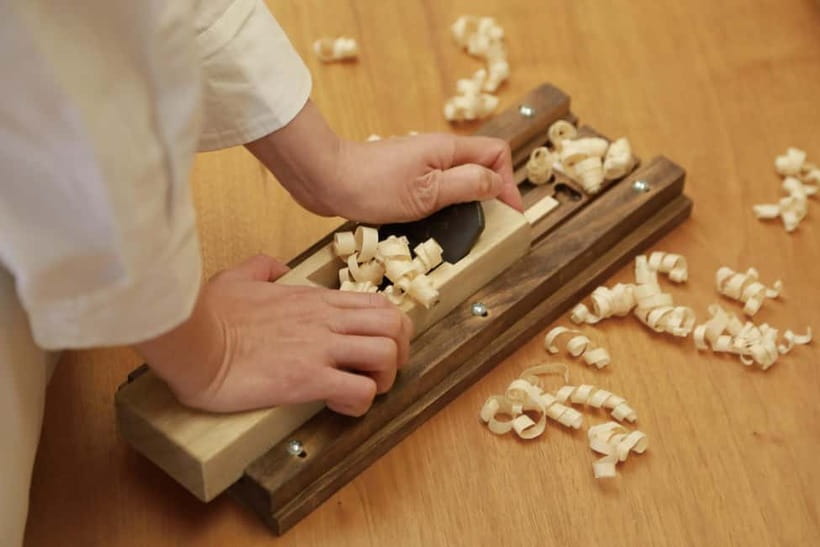
Now the class becomes real woodworking. You place your chopsticks on the stand and use a plane to shave them down. It takes a bit of strength and focus, and you’ll feel it in your arms once you get into the rhythm.
After planing, you smooth the tips and corners with sandpaper. This is where a pair starts to look like chopsticks and not just chopped timber. If you want your finished pair to feel comfortable, don’t rush the sanding, especially around the edges.
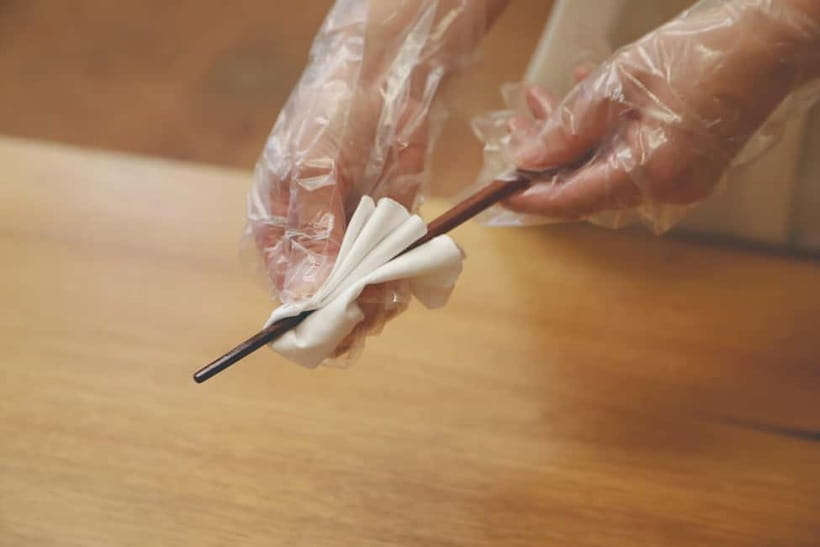
Then comes the finish. You coat the chopsticks with oil for a polished look. The oil step is quick, but it’s also the moment your work starts to look like a proper, gift-worthy set instead of a project still in progress.
One more practical takeaway: the class is paced to fit a one-hour visit, so you’re guided through enough steps to finish well without turning it into a multi-session hobby. You still get a satisfying amount of manual work, just in a time box.
Make something to take home. Other workshops
- Tokyo Shinjuku Chopsticks Making Class★ 5.0 · 1,763 reviews
- Chopstick Making Workshop in Ginza★ 4.8 · 1,366 reviews
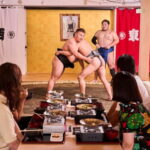
- Tokyo Sumo Experience: Chanko & Mochi with a Former Pro★ 4.8 · 567 reviews
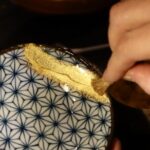
- Kintsugi Experience: Art of Golden Joinery in Tokyo★ 5.0 · 467 reviews
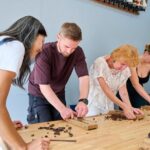
- Tokyo Chopstick Making Workshop with Artisan★ 5.0 · 466 reviews
English-speaking guidance that actually helps
This workshop is run by a woodworking company, and the whole process is designed to be taught clearly. English-speaking staff assist you, and instructors work with you as you go, so you’re not stuck guessing what to do next.
What I like about this is that help isn’t only for the most advanced part. Staff support you through the planing and sanding stages, which is when people typically lose confidence, especially if they’re holding tools for the first time.
People also commented on how the instructions are explained well and how the atmosphere stays calm. Even when the room is busy, staff keep an eye on different making stages at once, which is key in a workshop like this where your progress depends on your tools and pressure.
Optional engraving: names or phrases with a gentle laser
If you want a souvenir that feels truly yours, add engraving. You can request your name or a favorite phrase, and it can be done in Japanese or your native language.
Engraving is an additional cost. The basic info says it’s 1,100 yen extra, and some people paid more when engraving more than one pair. The shop uses a high-performance laser that applies gentle stress to the wood, which helps keep your handmade finish from getting marred.
One practical tip: if your phrase uses non-Japanese characters, the staff may translate it into Japanese so the final engraving looks natural for the material and style. That extra touch is why the engraving often ends up looking better than a DIY effort at home.
Also, engraving is one of the best ways to turn “I made chopsticks” into “I’ll use these for special dinners,” because it personalizes the pair beyond the wood choice.
Price and value: $25 is the base, upgrades are part of the choice
At $25 per person, you’re not just buying a craft ticket. You’re paying for the tools, the workspace, the guided process, and the materials for creating a set you can take home that same day.
The value equation changes depending on how you choose wood. Five of the wood options are included, and the remaining 19 can cost extra because they’re higher grade. That’s a transparent way to let you decide between a simple beginner-friendly budget and a more premium-looking final result.
Engraving is another add-on. If you’re on the fence, think about how you’ll use the chopsticks. If you want them as a daily driver at home, names and dates can feel meaningful. If you simply want a fun hands-on activity, you can skip engraving and still walk away with a useful souvenir.
A small caution from people who booked with different expectations, it can help to understand up front which woods cost extra. When you know what’s included, you avoid surprises and can decide calmly, right at the selection stage.
Timing, stamina, and what to bring to Ginza woodworking
The workshop runs for one hour, and you can check starting times based on availability. That duration is ideal if you want something real to do in Tokyo without eating your whole afternoon.
Because the core steps are planing and sanding, treat this as mild to moderate physical work. It’s not heavy labor like construction, but it’s also not paper-craft. You’ll squeeze, press, shave, and smooth, and you’ll feel the burn if you’re used to guided museum tours.
Wear clothes that you don’t mind getting a little dusty from sanding. Bring comfortable footwear, because you may be standing at the bench for at least part of the hour. If you have long hair, tie it back so it stays out of your face while you’re planing.
One more timing tip, this workshop can get busy. If you arrive at peak times, staff are still helpful, but you may want to go in with patience and follow the instructions carefully. If you prefer a calmer pace, consider earlier start times when you can.
Meeting point in central Ginza, and why the location helps
The meeting point is 2-9-13 Ginza, Chuo-ku, Tokyo. Ginza is convenient because you can combine the workshop with shopping streets, department stores, and lots of food options nearby.
This is also a great rainy-day plan. When the weather turns, a workshop like this gives you a guaranteed indoor activity that still feels like Tokyo, not like an airport lounge.
People also appreciated that it’s walkable from central accommodations. If you’re already planning to be in Ginza that day, dropping in for one hour can slot neatly between lunch and early evening plans.
Who should book this, and who may want to think twice
This workshop is best for people who like learning by doing. If you enjoy crafts, love cooking enough to care about chopsticks, or want a hands-on souvenir for family, you’ll probably find it very satisfying.
It’s also a great choice for families when kids are old enough to use hand tools safely. One family used it for a 12th birthday, and others described making it work across a wide age range. That said, the workshop is not suitable for children under 3 years, and it’s not suitable for people over 70 years.
You should also be honest with yourself about frustration risk. Some visitors adapted quickly, but others found the pressure required to plane the harder woods tricky at first. If you prefer very light activities, choose included woods first and keep your expectations realistic: you’re making something by hand, and it may take a couple of tries to get your pressure right.
Should you book Chopstick Making in Ginza?
Book it if you want a Tokyo souvenir that you will actually use. You get a finished pair the same day, you choose the wood and length, and you can personalize it further with engraving. If you enjoy tactile work and don’t mind using your arms for an hour, this is a standout value at $25.
Skip or consider alternatives if you want a totally passive experience. This is real woodworking, so it demands attention and some physical effort, especially on tougher wood choices.
If you’re in Ginza anyway, this is an easy yes. One hour, clear guidance in English, and chopsticks you’ll remember every time you sit down to eat.
FAQ
How long is the chopstick making workshop?
The workshop lasts 1 hour.
What is included in the experience fee?
The experience includes the chopstick making workshop, use of tools and materials, and English-speaking staff. The guide fee of 1,000 yen is included in the experience fee.
Can I choose different wood types and chopstick lengths?
Yes. You choose from 24 types of wood and two different lengths. Five wood types are free of charge, and the other 19 are higher grade and may require an additional charge.
Is the workshop available in English?
Yes. English-speaking staff assist you, and the instructor language support is English and Japanese.
Can I engrave my name or a phrase on the chopsticks?
Yes, engraving is optional. An additional 1,100 yen is charged for engraving, and names or phrases can be engraved in Japanese or your native language.
Can I cancel and get a full refund?
Yes. You can cancel up to 24 hours in advance for a full refund.
Made by Hand, and Yours to Keep

Central Tokyo Landmarks


Newest Tokyo write-ups from the Loving Japan desk


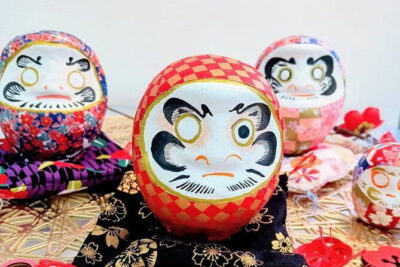

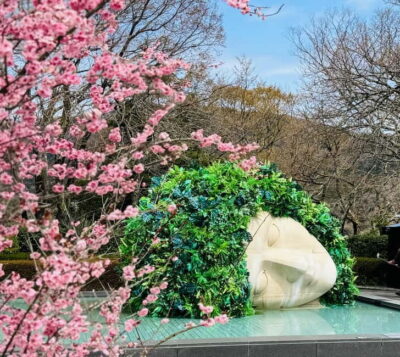
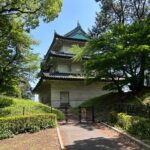
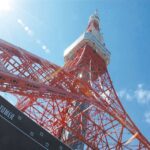
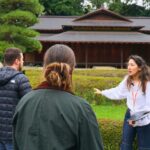
Tokyo Tower, Ginza and the Imperial Palace, side by side.
 ★ 5.0Flagship 2-Hours Official Street Go-Kart Tour – Tokyo Bay ShopFrom $644,974 reviews
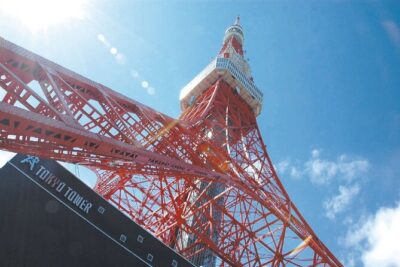
 ★ 4.6Tokyo Tower: Admission TicketFrom $93,661 reviews
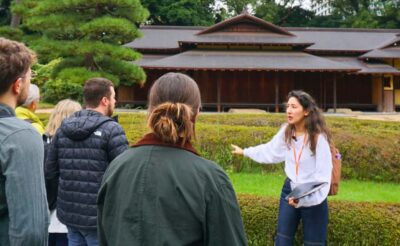
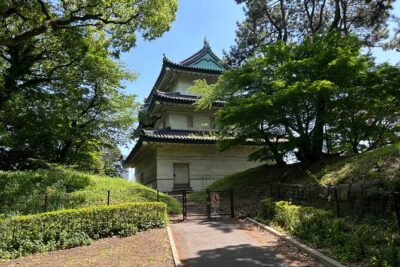 ★ 5.0Imperial Palace and Shogun Historical Walking TourFrom $222,251 reviews
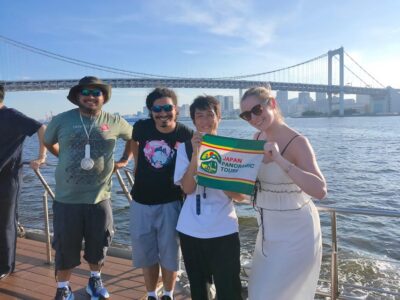 ★ 4.7Meiji Shrine, Asakusa, Skytree Bus Tour and CruiseFrom $1221,986 reviews
 ★ 4.5Tokyo Panoramic 1 Day: Meiji Shrine, Asakusa, Odaiba and SKYTREE®From $851,222 reviews
 ★ 4.9Imperial Palace Japanese History Walking TourFrom $32987 reviews
 ★ 4.9Imperial Palace and Shogun Walking TourFrom $16935 reviews
 ★ 4.5Dynamic Tokyo: Tokyo Tower, Tea Experience, Bay Cruise Day TourFrom $99521 reviews