
REVIEW · SHIBUYA, SHINJUKU AND HARAJUKU WALKS
Tokyo Shibuya and Harajuku Walking Tour With A Guide
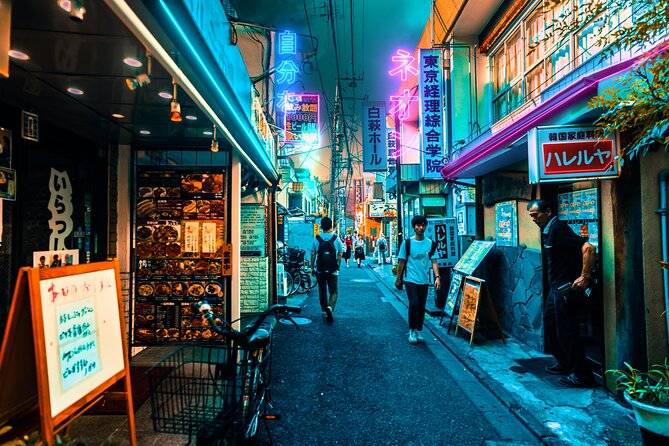
Shibuya and Harajuku in three hours, on foot. I like how this tour hits the big icons fast, without the stress of figuring out where to go next, and with a guide who can explain what you are seeing. You get two things I especially enjoy: the photo-friendly Shibuya Scramble Crossing moment and the fashion-and-snack street energy around Takeshita Street. A guide can also steer you into the right kind of stops, like the way people praised guides such as Riccardo and Sébastien for adding real-life Tokyo context. One catch, it is a walking tour, so plan for crowds and a steady pace.
It runs about 3 hours and is designed for first-time visitors who want a high-return route. You can do it as a private experience (your group only) or a small-group option, and you’ll get a mobile ticket. The main drawback is that this is a city-walk format, not a sit-down museum day, so if you want deep indoor exhibits, you may need to add that on your own.
In This Review
- Key things I’d focus on before you book
- Shibuya Scramble and Hachiko, the fastest way to orient yourself
- Center-gai and Shibuya 109, shopping streets with a purpose
- Harajuku Station and Takeshita Street, where the fashion show spills onto the sidewalk
- Ura-Harajuku (Urban Harajuku backstreets) for style with less crowd pressure
- Omotesando and Meiji Shrine grounds, a calm break from the noise
- How guides make this more than a checklist
- Price and value for a 3-hour Shibuya-Harajuku walk
- Pace, crowds, and what to wear for this kind of walking day
- Who this tour suits best, and who may want something else
- Should you book this Shibuya and Harajuku walking tour?
- FAQ
- How long is the Shibuya and Harajuku walking tour?
- Where does the tour start and end?
- What languages do the guides speak?
- What is included in the tour price?
- Are food and drinks included?
- Can I cancel, and what is the deadline?
Key things I’d focus on before you book
- Shibuya Scramble, Hachiko, Center-gai, and Shibuya 109 in one connected loop, so you do not waste time backtracking
- Harajuku’s fashion street mix, from the main crowd draw to backstreet style zones
- Omotesando and Meiji Shrine grounds for contrast, so your eyes and feet get a breather
- Free admission for the listed stops, which keeps the day simple and predictable
- Guides who tailor the walk, with examples of guides like Francine and Jenny adjusting to interests and sharing local tips
- Mobile ticket and phone-based ease, since you are meeting and moving through big transit hubs
Other routes through the west side of Tokyo, compared
- Tokyo: Shinjuku Food Tour (13 Dishes at 4 Local Eateries)
★ 5.0 · 6,603 reviews - Tokyo Bar Hopping Tour in Shinjuku (All-You-Can-Drink + Dinner)
★ 5.0 · 3,587 reviews - Official Street Go-Kart in Shibuya
★ 5.0 · 3,435 reviews - Tokyo: Shinjuku Food Tour (15 Dishes and 4 Eateries)
★ 4.9 · 2,033 reviews
Shibuya Scramble and Hachiko, the fastest way to orient yourself
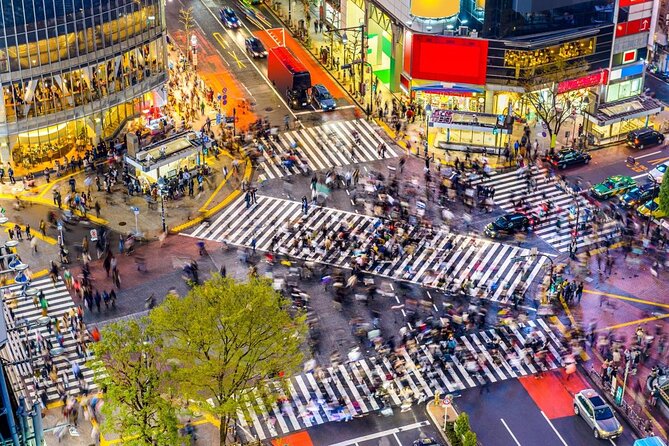
The tour starts near Shibuya Station, at 24-2 Sakuragaokachō in Shibuya. That is smart because the area is where Tokyo’s pedestrian flow is most intense, and a local guide helps you read it quickly. The first stop is the Tokyu Tokyo Metro Shibuya Station Tourist Center. Even if you are not there for shopping, it is a useful anchor. You can feel the rhythm of the neighborhood right away, and you are positioned for that iconic crossing without the usual first-day confusion.
Then comes Hachiko, the famous statue just outside the station area. This stop is short, but it matters. It is not just a landmark for photos. It is a cultural cue. In a city that moves fast, Hachiko is a built-in reminder of loyalty and routine, the kind of values that show up in Japan in small, consistent ways. It is also a great meeting-point reference if you ever get separated in Shibuya later.
Practical advice: Shibuya is crowded, especially around the crossing. If you are sensitive to big crowds, arrive with patience. Bring water and wear shoes you trust, because you are going to be on your feet for hours.
Center-gai and Shibuya 109, shopping streets with a purpose
Next you’ll walk through Shibuya Center-gai, a pedestrian area known for shops, cafés, and the kind of street life that people associate with youth culture. This is a good section for orientation. You see how Shibuya feels at street level, not just from Google Maps or a single viewpoint. A guide can point out what kind of stores you are likely to find here, and how locals treat the area as a social hub rather than just a shopping corridor.
After that, you hit Shibuya 109. This is the well-known department store aimed mainly at younger shoppers, and it is basically a fashion signal flare. Even if you do not shop, you’ll understand the vibe through windows, signage, and the types of crowds moving through. It is a helpful stop for anyone who wants to grasp why Tokyo fashion is so visible. It is not hidden. It is on display.
What to watch for: If you want to shop, bring a little plan. You will see a lot in a short time. If you are browsing only, keep your phone charged and your bag zipped, because the foot traffic here is constant.
Harajuku Station and Takeshita Street, where the fashion show spills onto the sidewalk
After Shibuya, the tour transitions toward Harajuku. First stop in that zone is Harajuku Station. It sounds simple, but having a guide here helps. Harajuku can feel like a maze when you are new, and the station area sets you up for the main pedestrian streets without wasting time.
Then you walk into Takeshita Street. This is the famous strip packed with quirky shops, accessories, snacks, and novelty items. This is the section that usually turns a walk into a people-watching session. It is not just about fashion. It is about the creativity on display, plus how quickly the neighborhood shifts from one style group to another.
A guide can also help you spot which storefronts match your interests. People have praised guides like Timothy and Joe for taking them to both the lively main areas and quieter side streets, so you are not stuck only in the densest crowds. That mix matters because Harajuku is fun, but it can be tiring if you stay in one mode too long.
- Mt Fuji and Hakone 1-Day Bus Tour Return by Bullet Train★ 5.0 · 26,383 reviews
- 1-Day Tokyo Bus Tour★ 5.0 · 14,250 reviews
- Tokyo: teamLab Planets TOKYO Digital Art Museum Entry Ticket★ 4.6 · 9,779 reviews
- Mt Fuji & Hakone Cruise, Drum Show Bullet Train 1 Day from Tokyo★ 4.0 · 7,413 reviews
- Tokyo Mt Fuji 5th St & Hakone Cruise Bus Tour w/Bullet Train★ 4.4 · 5,024 reviews
Ura-Harajuku (Urban Harajuku backstreets) for style with less crowd pressure
The tour includes Urban Harajuku, also called Ura-Hara, which points you toward backstreets rather than only the headline strip. This is where you often see more alternative fashion, independent boutiques, and sharper style edges. Even if you are not shopping, the atmosphere changes. Backstreets feel more local, and you tend to slow down and look around instead of just moving with the crowd.
Why this stop is valuable: It gives you a contrast. Harajuku can be a one-note impression if you only do the most famous strip. Ura-Hara adds texture, so you understand how Tokyo style works, it is not one uniform look.
Omotesando and Meiji Shrine grounds, a calm break from the noise
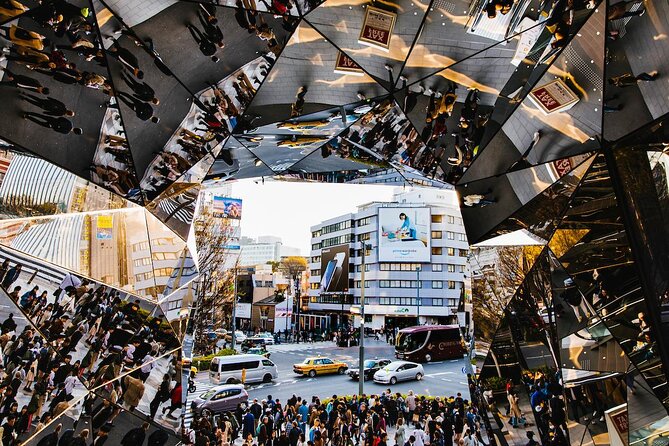
After Harajuku, you shift to Omotesando. This is often compared to Paris-style shopping avenues in spirit, but here it is about architecture and street design. You’ll see luxury boutiques, designer storefronts, and sleek modern buildings lined along the avenue. It is a different energy from Takeshita Street, and that contrast is part of why this tour works. Your eyes get variety, and your sense of Tokyo expands beyond one style lane.
Then the walk ends at Meiji Shrine Imperial Garden grounds. This is your pause button. The shrine area gives you a calmer, tree-filled break from the urban crush. You do not need to be religious to enjoy it. It is a chance to slow your pace, hear less street noise, and feel how Tokyo can switch from high-speed to quiet in a small radius.
Note on expectations: This is described as a city tour, not a tour inside monuments. The shrine stop focuses on being on the grounds, not doing an indoor museum-style program. If you want an extended shrine or museum plan, you’ll likely add that afterward on your own.
How guides make this more than a checklist
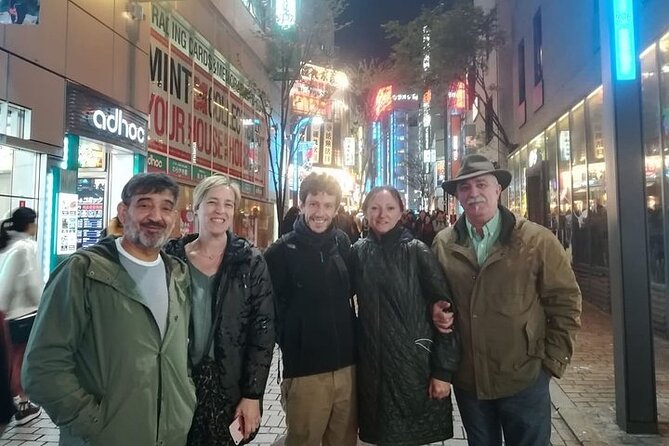
The biggest strength of this tour is the human part. The route is good even without a guide, but the guide turns it into context.
From the experiences shared by different guides by name, I noticed a pattern: they connect street scenes to daily life and history, then offer practical advice for the rest of your trip. People praised guides like Sergio and Francine for sharing Japanese culture and everyday perspective, and praised Jenny for tailoring the itinerary based on what the group wanted to do. There are also mentions of guides admitting they were not native to Japan but living there long enough to have real, workable insight, like one guide described as living in Japan for over 10 years.
What you can do with this: Ask your guide two simple questions early on:
- What is the one neighborhood or shop area you’d go to if you had only one hour?
- What should I avoid wasting time on, and where should I spend extra time later?
That turns the tour into a planning tool, not just a walk.
Price and value for a 3-hour Shibuya-Harajuku walk
The price is $48.21 per person, for about 3 hours. That is not a bargain price, but it is also not a luxury splurge. For a first-time Tokyo day, it can feel like good value because it saves you from two common costs of confusion: time and wrong turns.
You also get a mobile ticket and options for private or small-group formats. A guide is included in-person, and your tour can be customized, meaning the route is set up but your interests can shape the final balance between shopping, photography, and street culture.
One more value point: the listed stops show free admission tickets. That matters in Tokyo, where pricing can add up quickly if your day becomes an on-again-off-again mix of paid sights. Here, you are mostly doing free, walk-up viewing with a guide.
The main cost you should plan for: transportation. The tour does not include public transport costs. You can still keep the day under control by budgeting a transit card reload amount before you start.
Pace, crowds, and what to wear for this kind of walking day
This is a walking tour that covers a lot of ground in a short amount of time. Some people even noted that there is a lot of walking. That does not mean it is impossible, but it does mean you should dress for motion.
Bring:
- Comfortable shoes with grip (Tokyo sidewalks can be slick)
- A small day bag you can keep close in crowded areas
- Water for breaks, since food and drinks are not included
- A charged phone for maps and photos
If you are traveling with kids or you want a slow photo-heavy day, consider the private option if available, since customization can help you manage the pace. For anyone who prefers sitting every 20 minutes, this one may feel too active.
Who this tour suits best, and who may want something else
This tour is a strong fit if:
- You are a first-time visitor and want the major Shibuya and Harajuku highlights without planning stress
- You care about fashion culture, street style, and how Tokyo looks at street level
- You want a guide to recommend where to eat and where to go next
- You like a day made of walking blocks, with quick stops instead of long indoor visits
You might want a different format if:
- You mainly want quiet historical sites with longer time inside buildings
- You hate crowds and want a more spread-out route
- You only want food included, since drinks and food are not part of the package
Should you book this Shibuya and Harajuku walking tour?
I’d book it if you want a high-return first day in two of Tokyo’s most iconic areas, and you like understanding the why behind what you see. The route is efficient, the stops are mostly free at point of visit, and the guide component can make the difference between walking through photos and actually getting Tokyo context.
I would think twice if you are injury-prone or dislike busy pedestrian zones. In that case, you may still enjoy Tokyo, but you may prefer a slower, more segmented plan.
If you do book, do it early. It is commonly booked about 30 days in advance, so popular time slots can go first.
FAQ
How long is the Shibuya and Harajuku walking tour?
The tour lasts about 3 hours.
Where does the tour start and end?
It starts at 24-2 Sakuragaokachō, Shibuya, Tokyo 150-0031, Japan, and ends back at the meeting point.
What languages do the guides speak?
The in-person guide speaks English, Spanish, French, or Italian.
What is included in the tour price?
The tour includes a walking tour with an in-person guide, customization of the tour, group discounts, a mobile ticket, and help from the team to book tickets for the desired visits.
Are food and drinks included?
No. Food and drinks are not included.
Can I cancel, and what is the deadline?
You can cancel up to 24 hours in advance of the experience for a full refund.
West Tokyo on Foot: Seven More



Newest Tokyo write-ups from the Loving Japan desk






Shibuya, Shinjuku and Harajuku Walks, side by side.
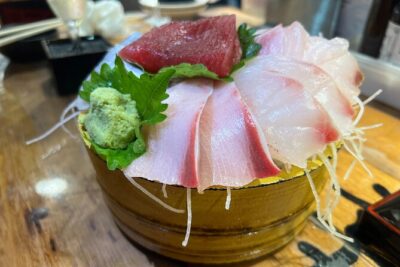 ★ 5.0Shinjuku Food Tour (13 Dishes at 4 Local Eateries)From $866,603 reviews
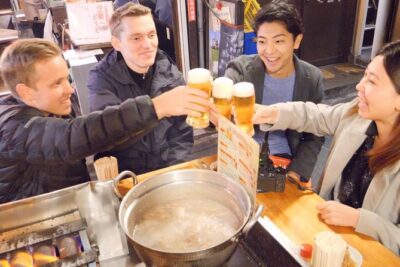 ★ 5.0Tokyo Bar Hopping Tour in Shinjuku (All-You-Can-Drink + Dinner)From $1063,587 reviews
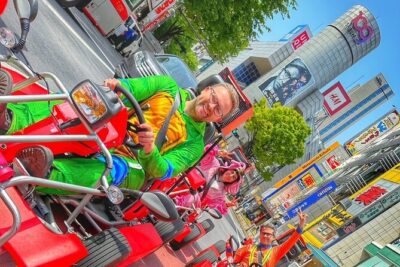 ★ 5.0Official Street Go-Kart in ShibuyaFrom $763,435 reviews
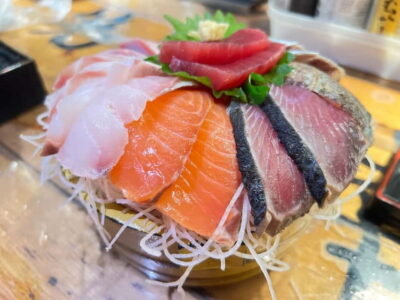 ★ 4.9Shinjuku Food Tour (15 Dishes and 4 Eateries)From $852,033 reviews
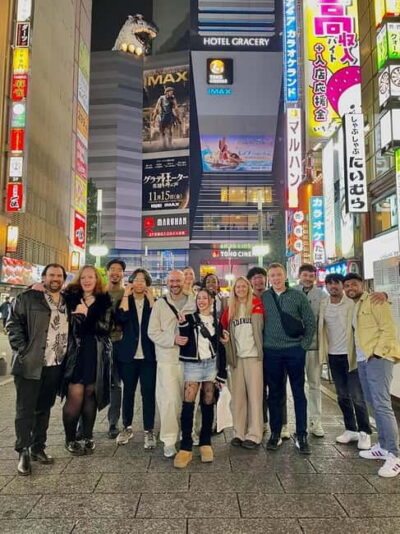 ★ 4.9Shinjuku Local Bar and Izakaya Guided Walking TourFrom $341,794 reviews
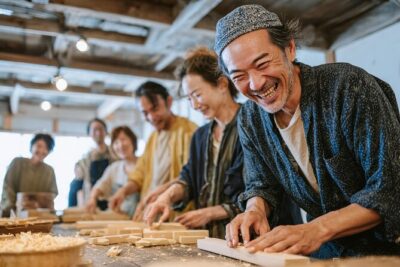 ★ 5.0Tokyo Shinjuku Chopsticks Making ClassFrom $201,763 reviews
 ★ 5.0Tokyo Shinjuku Sumo Show & Experience with PhotoFrom $791,750 reviews
 ★ 4.9Street Kart Experience in ShibuyaFrom $741,484 reviews
Filed on these lists too