
REVIEW · SHIBUYA, SHINJUKU AND HARAJUKU WALKS
Tokyo: Shibuya Food Tour (13 dishes and 4 Eateries)
Shibuya tastes better with a local guide. This 3-hour Tokyo food tour turns a chaotic grid of neon streets into a simple path of 13 dishes, with stops in classic areas like Center Gai and Dogenzaka. I like that you get a mix of izakaya-style bites and street food instead of one-food specialty hopping.
What really makes it click for me is the guide part. Names like Hoshi, Kei, Rio, and Naruto keep showing up in the best feedback, and the common theme is clear explanations, plus real-world tips on how to eat and what to watch for. One possible drawback: Shibuya is crowded, so the walk can feel loud and tight, and the dessert choice may not be everyone’s style.
If you want a fun first night in Tokyo that also teaches you how Japanese meals work, this is a strong pick.
In This Review
- Key Reasons This Tour Works in Shibuya
- First Bite in Shibuya, What You’re Actually Buying
- Where You Meet, and How to Prepare for a 3-Hour Walk
- Shibuya City and the First Dinner Stop: Learning the Basics Fast
- Center Gai: Second Round of Food, Plus Shibuya’s “Local Meets Pop Culture” Feel
- The Shibuya Scramble Crossing Photo Stop: Icon, Controlled Time
- Dogenzaka Dinner Segment: Where the Tour Usually Feels Most Fun
- What You’ll Eat: 13 Dishes Without the Menu Panic
- Drinks, Etiquette Tips, and What to Ask Your Guide
- Price and Value: Why $77 Can Beat DIY Eating in Shibuya
- Who Should Book This Shibuya Food Tour
- Should You Book? My Honest Take
- FAQ
- How long is the Tokyo Shibuya Food Tour?
- Where is the meeting point?
- What food and drinks are included?
- What sights do we cover during the tour?
- Is the tour in English?
- Is the tour wheelchair accessible?
- Can I cancel for a refund?
- Can I reserve and pay later?
Key Reasons This Tour Works in Shibuya
- 13 dishes across 4 eating spots, so you sample more styles than you could on your own in one evening
- A licensed-feeling English guide experience, with food explanations and practical culture notes you can reuse later
- Center Gai and Dogenzaka stops, two neighborhoods that feel like Tokyo in full costume
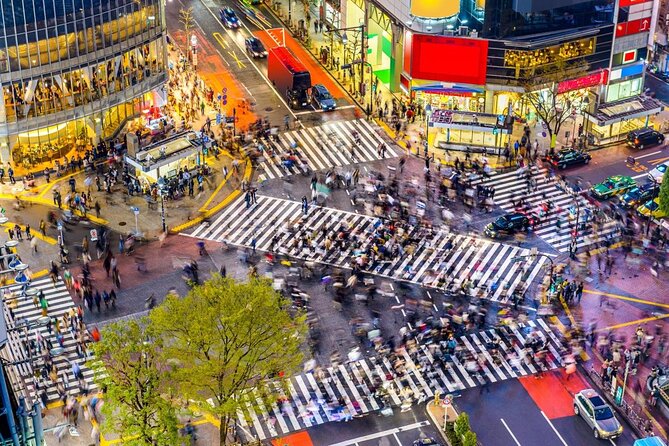
- Scramble Crossing included with a short photo stop, so you get the landmark without needing to plan it
- Two drink choices (alcoholic or non-alcoholic) so you can match the vibe to your day
Other routes through the west side of Tokyo, compared
- Tokyo: Shinjuku Food Tour (13 Dishes at 4 Local Eateries)
★ 5.0 · 6,603 reviews - Tokyo Bar Hopping Tour in Shinjuku (All-You-Can-Drink + Dinner)
★ 5.0 · 3,587 reviews - Official Street Go-Kart in Shibuya
★ 5.0 · 3,435 reviews - Tokyo: Shinjuku Food Tour (15 Dishes and 4 Eateries)
★ 4.9 · 2,033 reviews
First Bite in Shibuya, What You’re Actually Buying
For $77 per person, you’re not paying for a long show. You’re paying for guided timing, access to small places, and meals spaced out so you can keep walking without getting stuck in the wrong line.
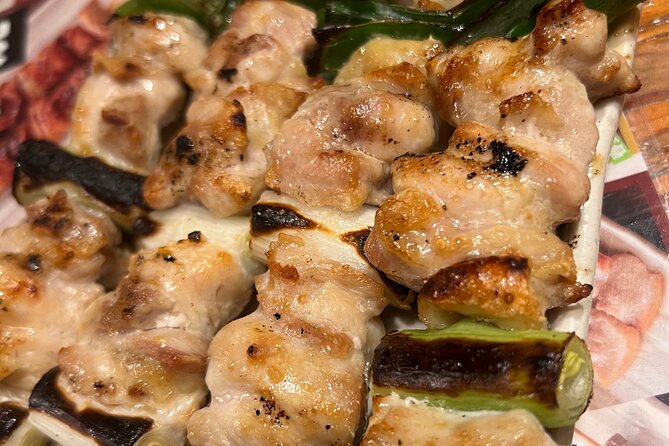
This tour lasts about 3 hours, and the pacing matters. You get a food course feel, with dinners and bites spread across four eateries plus a dessert. The key value is the mix: izakaya-style items, something street-food-ish, a traditional stop, and then dessert to finish the evening.
The best part is how the guide turns food into information. If you’ve ever stared at a menu with zero confidence, this tour is built to fix that. Instead of guessing, you learn what the dish is aiming to do, how it’s commonly eaten, and what to pay attention to in texture and flavor.
Where You Meet, and How to Prepare for a 3-Hour Walk
You’ll meet your guide in front of 7-Eleven at Tokyu Plaza in Shibuya. That’s a big deal in Tokyo, because Shibuya can be confusing fast. Having a clear meeting landmark helps you arrive calm, not frantic.
Plan to arrive a few minutes early. The tour moves through areas like Dogenzaka and Center Gai, which are known for heavy foot traffic. Comfortable shoes are non-negotiable. You’re on your feet for several chunks of the night, with short transitions between meals.
If you’re sensitive to crowds, consider going in with the right expectations. You’ll likely feel the energy of Shibuya Scramble Crossing, and the streets around it can be noisy. The upside is that you’re seeing the real atmosphere, not a quiet shopping hallway.
Shibuya City and the First Dinner Stop: Learning the Basics Fast
The tour starts with about an hour in Shibuya City for dinner with a guided component. This first segment is a smart move. It gets you eating early, while your brain is still catching up to Tokyo rhythms.
This is where I’d expect you to start understanding the tour’s style: short walks, short waits, and guided orders. Even when the dish choices vary, the goal stays consistent, you sample multiple Japanese culinary styles without overcommitting to one restaurant or one flavor type.
Look for the guide to explain the dish before you eat. Past experiences with guides like Hoshi and Kei point to a pattern: they don’t just hand you food, they explain how it’s usually eaten or garnished. That turns a simple bite into something you can repeat later, like knowing what to mix, where the heat comes from, or how a sauce is meant to be used.
- Mt Fuji and Hakone 1-Day Bus Tour Return by Bullet Train★ 5.0 · 26,383 reviews
- 1-Day Tokyo Bus Tour★ 5.0 · 14,250 reviews
- Tokyo: teamLab Planets TOKYO Digital Art Museum Entry Ticket★ 4.6 · 9,779 reviews
- Mt Fuji & Hakone Cruise, Drum Show Bullet Train 1 Day from Tokyo★ 4.0 · 7,413 reviews
- Tokyo: Shinjuku Food Tour (13 Dishes at 4 Local Eateries)★ 5.0 · 6,603 reviews
Center Gai: Second Round of Food, Plus Shibuya’s “Local Meets Pop Culture” Feel
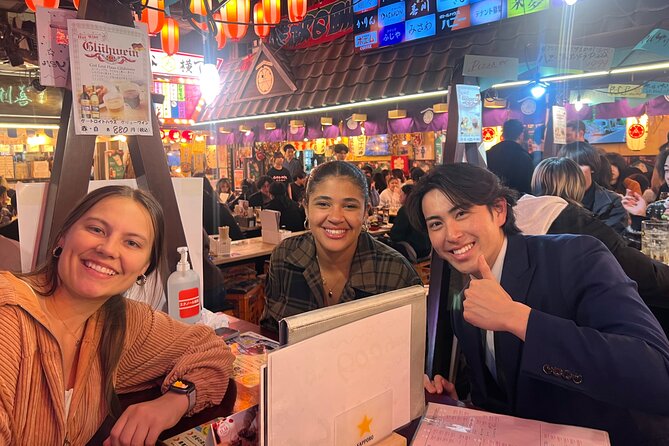
After the first meal, you head into Center Gai for another about hour of dinner and guidance. Center Gai is one of those places where old-school Tokyo energy meets modern nightlife. Even if you’ve already seen photos, the real thing is louder and faster.
The value of this stop is variety. You’re continuing to eat, but you’re also changing your “Tokyo lens.” One meal teaches you one style, the next meal teaches you another. That’s how you avoid the common mistake of only eating what you already recognize.
If you’re a first-timer, this segment is often where people realize they can handle Tokyo food. The guide role is the bridge, ordering help plus cultural cues. If you’re someone who prefers to be guided rather than adventurous on your own, Center Gai is a nice sweet spot.
The Shibuya Scramble Crossing Photo Stop: Icon, Controlled Time
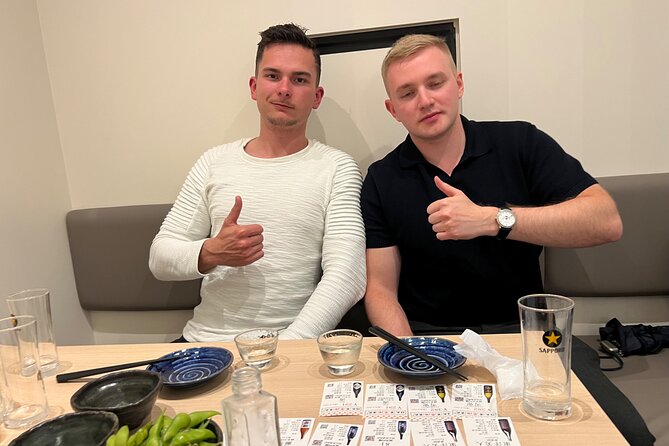
Then comes a short photo stop at Shibuya Crossing, about ten minutes. It’s not a long sightseeing detour. It’s a quick way to lock in the landmark while the tour keeps your food momentum.
This is where you’ll notice the choreography. The crossing is famously chaotic, but it’s also organized in a very Tokyo way. Even if you don’t linger, the moment does something important for your trip. It gives you context for the rest of Shibuya, so later, when you see the crossing from a side street, you know where you are.
Practical tip: during this stop, keep your phone charged and your outer layer ready. The crossing area can feel extra fast when crowds shift.
Dogenzaka Dinner Segment: Where the Tour Usually Feels Most Fun
Next you walk into Dogenzaka for about fifty minutes of dinner. Dogenzaka is the kind of place where people come to eat, meet, and wander. It tends to feel more neon-forward than some surrounding streets, and the food vibe matches.
This portion is often remembered most because it’s the last major chance to eat, and the last segment often turns into the most relaxed stretch. You’ve already started learning the rhythm of the group, so it’s easier to enjoy the experience instead of constantly checking directions.
In particular, a standout theme in guide feedback is smoked tuna. If you see it on the menu at the stop you’re assigned, take the chance. Tuna prepared in different ways can show you how Japanese flavors build depth without needing heavy sauces.
Even when dishes differ by night, the logic stays the same: you end with a satisfying meal that ties back to earlier stops, so the variety feels intentional, not random.
What You’ll Eat: 13 Dishes Without the Menu Panic
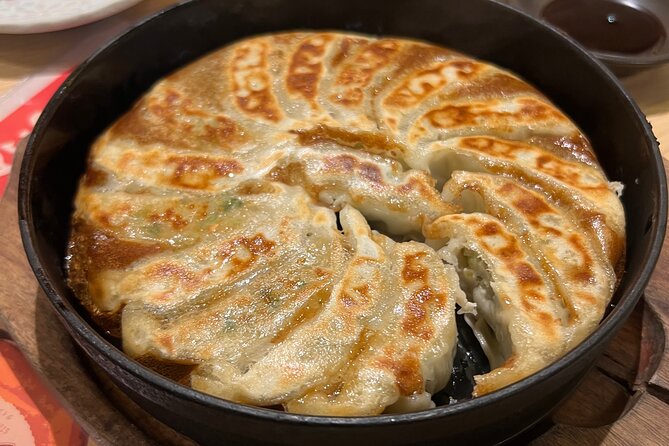
The tour is built around 13 dishes and 4 eateries, plus dessert. That means the “portion size” strategy is doing the heavy lifting. You taste more, but you don’t feel stuffed after one restaurant.
You’ll also get food at these types of places:
- One izakaya (Japanese-style pub food)
- One street food stall
- One traditional eatery
- Dessert
On top of that, you get two drinks, with both alcoholic and non-alcoholic options. This is a smart inclusion because it keeps the tour balanced. You can choose a drink that matches your comfort level, and you’re not paying extra for every stop.
The tour’s food value is in the spacing. Instead of eating huge meals, you collect small-to-medium tastings. That makes it easier to keep walking, and it helps you compare flavors across stops while your palate is still awake.
One more reason this works: guides like Nicola, Will, and Naruto are repeatedly praised for ordering well and explaining dishes. When the guide sets expectations, you’re less likely to miss what makes a dish special.
Drinks, Etiquette Tips, and What to Ask Your Guide
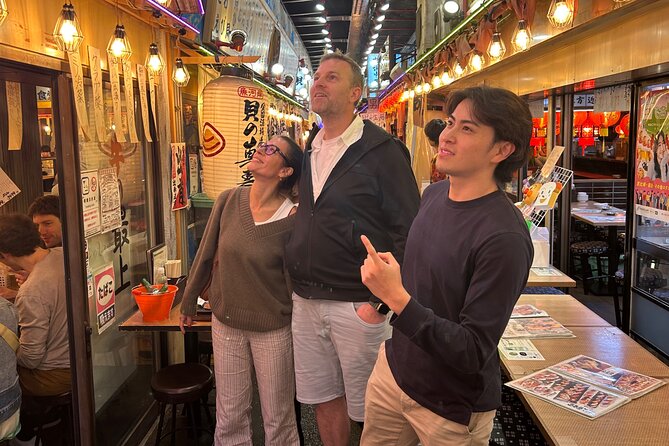
Japanese food culture has small rules that make a big difference, like how to approach ordering, how to handle condiments, and what order to try bites in. This tour gives you built-in opportunities to ask questions.
I love that the best guides on this experience go beyond flavor. Guides such as Rio and Hoshi are highlighted for answering questions about food, language, and customs. That matters because it makes Tokyo feel less mysterious fast.
Good questions to ask during the tour:
- What should I try first next time I see this dish?
- Is there a typical way to eat this, like dipping versus mixing?
- What should I look for to tell fresh ingredients from pre-made ones?
If you’re traveling solo, the guide-led format can also reduce decision fatigue. You’re not constantly negotiating menus or searching for the “right” place. You’re following a plan that makes sense for an evening.
Price and Value: Why $77 Can Beat DIY Eating in Shibuya
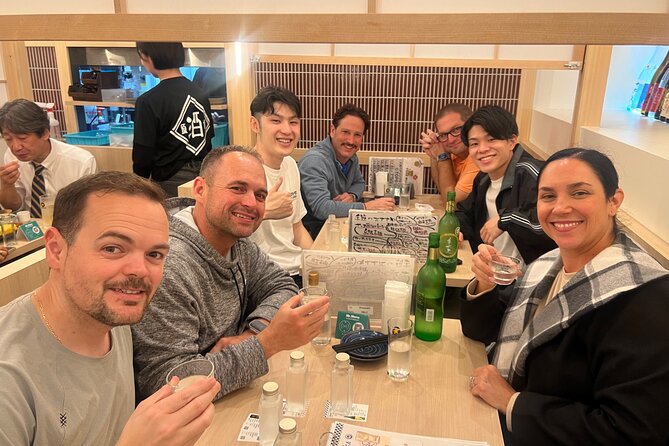
Tokyo can be expensive when you eat blindly. If you try to DIY a Shibuya food night, you run into three problems: picking places that are too touristy, waiting too long, and paying for full meals you might not love.
Here, your $77 buys you:
- An expert English-speaking guide
- Food at four locations with dessert
- Two drinks
- Food-focused walking through landmark Shibuya areas
- Advice that can help you plan the rest of your stay
The value is strongest for people who want to eat well but don’t want to spend their first evening stuck in research mode. Even if some items taste different from what you expected, the overall mix helps you discover what you actually enjoy.
I’d say it’s also good value for people who want to build a Tokyo food “shortlist.” Once you learn what you like on this route, you can come back later and order with confidence.
Who Should Book This Shibuya Food Tour
This is a great fit if:
- You want a first-night Tokyo experience that’s practical and fun
- You like eating in different styles, not just sushi or just yakitori
- You’d rather follow a guide than gamble on menus
- You want to understand local food culture while seeing iconic Shibuya landmarks
It may not be the best fit if:
- You hate crowds and don’t want to be near Scramble Crossing energy
- You’re extremely picky about dessert flavors and want full control over that last bite
- You don’t want alcohol included in drink options, even though non-alcoholic is available
Should You Book? My Honest Take
If you’re spending limited time in Tokyo and want an evening that combines Shibuya atmosphere with real food sampling, I think this tour is worth it. The biggest reason is the structure: 13 dishes across four eateries means you can taste a lot without turning your night into a messy DIY mission.
Also, the guide factor is unusually strong. Multiple named guides show up in top feedback for being funny, kind, and able to explain dishes in a way that makes you feel confident eating in Japan.
Book it if you want Shibuya to feel navigable fast, and you want your first Tokyo meals to come with context, not guesswork. Skip it only if crowds and walk time stress you out.
FAQ
How long is the Tokyo Shibuya Food Tour?
The tour lasts about 3 hours.
Where is the meeting point?
Meet your guide in front of 7-Eleven at Tokyu Plaza in Shibuya.
What food and drinks are included?
Food is included at 1 izakaya, 1 street food stall, 1 traditional eatery, and dessert. You also get 2 drinks (alcoholic and non-alcoholic).
What sights do we cover during the tour?
You get a walking experience that includes Shibuya Scramble Crossing with a photo stop.
Is the tour in English?
Yes, the tour has an English-speaking guide.
Is the tour wheelchair accessible?
Yes, it is listed as wheelchair accessible.
Can I cancel for a refund?
Yes, you can cancel up to 24 hours in advance for a full refund.
Can I reserve and pay later?
Yes, reserve now and pay later is offered.
West Tokyo on Foot: Seven More


Newest Tokyo write-ups from the Loving Japan desk


Shibuya, Shinjuku and Harajuku Walks, side by side.
 ★ 5.0Shinjuku Food Tour (13 Dishes at 4 Local Eateries)From $866,603 reviews
 ★ 5.0Tokyo Bar Hopping Tour in Shinjuku (All-You-Can-Drink + Dinner)From $1063,587 reviews
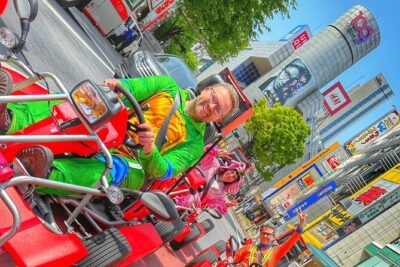 ★ 5.0Official Street Go-Kart in ShibuyaFrom $763,435 reviews
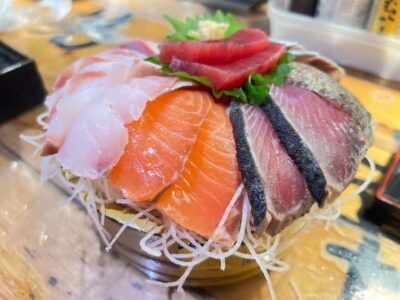 ★ 4.9Shinjuku Food Tour (15 Dishes and 4 Eateries)From $852,033 reviews
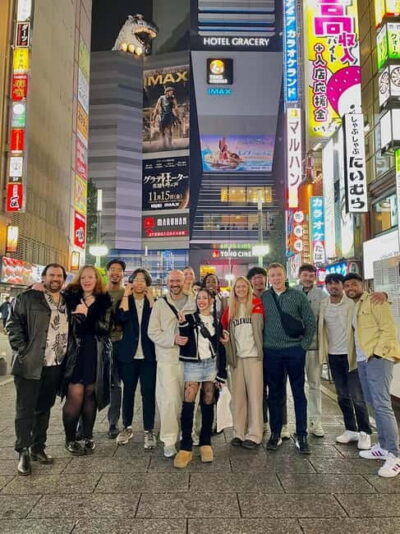 ★ 4.9Shinjuku Local Bar and Izakaya Guided Walking TourFrom $341,794 reviews
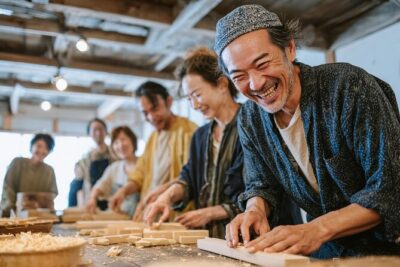 ★ 5.0Tokyo Shinjuku Chopsticks Making ClassFrom $201,763 reviews
 ★ 5.0Tokyo Shinjuku Sumo Show & Experience with PhotoFrom $791,750 reviews
 ★ 4.9Street Kart Experience in ShibuyaFrom $741,484 reviews
Filed on these lists too