
REVIEW · CYCLING AND E-BIKE TOURS
Tokyo West-Side Cycling & Food Tour
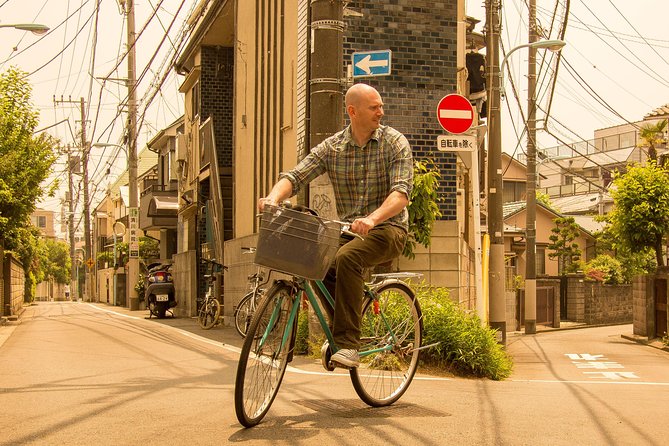
Tokyo’s west side tastes like real life. This small-group cycling and food tour sends you onto twisting back streets and river paths in Nakano, Koenji, and Asagaya, away from the usual camera crowd, with snack stops and an included local-style lunch.
I love the maximum 8-person group size. I also like the included street food snacks plus lunch, because the food is part of the ride, not an afterthought.
My main caution is the riding requirement: you should feel comfortable cycling in urban traffic, on narrow streets, and over uneven surfaces for about 12 to 15 km.
In This Review
- Key points to know before you pedal
- Why Tokyo’s west side by bike works so well
- Meeting at Kōenji Station and what the 3.5-hour rhythm is like
- The mamachari bikes, baskets, and the real riding challenge
- Nakano, Koenji, and Asagaya: side streets over souvenir streets
- Zenpukuji River time and Tokyo bicycle culture
- Street snacks and a local-style lunch: what you really get
- The guide factor: Andy’s stories, English, and everyday-life answers
- Safety, weather, and what happens on a rain day
- Price and value: what $99.49 buys you in real terms
- Who should book this tour, and who should skip it
- Should you book the Tokyo West-Side Cycling and Food Tour?
- FAQ
- How long is the Tokyo West-Side Cycling and Food Tour?
- What is the group size?
- Where do we meet, and where does the tour end?
- What bikes are used, and are helmets provided?
- Do I need to be an experienced cyclist?
- What food is included in the tour?
- What happens if it rains?
- Is there a height requirement or insurance info?
Key points to know before you pedal
- Max 8 people means you get real interaction with the guide and a group pace that feels human.
- Salvaged mamachari bikes are Japanese-sized, come with front baskets, and helmets are available on request.
- West Tokyo neighborhoods like Nakano, Koenji, and Asagaya show how people actually use the city day to day.
- Zenpukuji River time gives you a calmer, scenic stretch between more local street scenes.
- Food is built in: street snacks plus a Japanese-style lunch, often with the dashi base that shows up in a lot of dishes.
- You need practical cycling skills for narrow, potentially crowded streets and uneven pavement.
Cover Tokyo on two wheels instead
- Tokyo Guided Small-Group Biking Tour
★ 5.0 · 1,250 reviews - Tokyo Great Cycling Tour
★ 5.0 · 811 reviews - Tokyo Top Highlights 3h Guided E-bike Tour
★ 5.0 · 714 reviews - 3h Tokyo E-Bike Tour: Hidden Gems, and Local Life with guide
★ 5.0 · 670 reviews
Why Tokyo’s west side by bike works so well
Most Tokyo itineraries hit the shiny highlights and call it a day. This one skips that script and gives you the side of the city where bikes, convenience stores, small eateries, and everyday routines all blend together.
The big win is that you move like a local. Even the bike choice matters: these are mamachari bikes, the common everyday commuter style you see everywhere in Japan. You are not “touring Tokyo,” you are traveling through neighborhoods at neighborhood speed.
Meeting at Kōenji Station and what the 3.5-hour rhythm is like
You meet at Kōenji Station (4-chōme-48-2 Kōenji-minami, Suginami City). The tour loops back to the same meeting point at the end, so you are not stuck figuring out transit afterward.
Timing is set around about 3.5 to 4 hours total. That includes cycling, walking at some breaks, and eating. Expect a steady flow rather than long waits or big staged sightseeing stops.
This rhythm is great on a first or mid-trip day. You get your bearings fast because you are seeing how people actually move through Tokyo, then you get fed along the way.
The mamachari bikes, baskets, and the real riding challenge
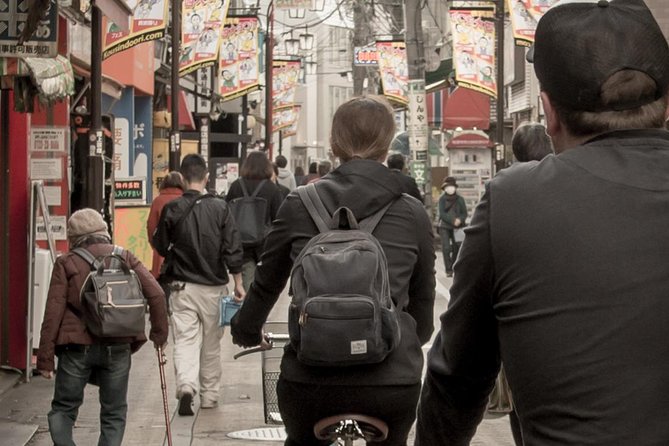
The tour uses salvaged mamachari bicycles, and they are kept in good urban-riding condition. They have a front basket sized for a standard backpack, which helps a lot when you are juggling small personal items and snacks you pick up.
The ride distance is roughly 12 to 15 km. That does not sound huge until you remember the bike handling part. You will pedal through twisting back streets, deal with tight lanes, and ride over surfaces that are not always smooth.
Here is what to bring mentally: you do not need Olympic fitness, but you do need calm competence. If you can comfortably ride in a city and you are not afraid of close quarters, you will feel much better. If you are uneasy around bikes or crowded streets, this tour may feel stressful.
Helmets can be provided for all participants on request, and participants should be over 140 cm tall to ride comfortably. If you bring kids, this height rule is worth taking seriously.
- Mt Fuji and Hakone 1-Day Bus Tour Return by Bullet Train★ 5.0 · 26,383 reviews
- 1-Day Tokyo Bus Tour★ 5.0 · 14,250 reviews
- Tokyo: teamLab Planets TOKYO Digital Art Museum Entry Ticket★ 4.6 · 9,779 reviews
- Mt Fuji & Hakone Cruise, Drum Show Bullet Train 1 Day from Tokyo★ 4.0 · 7,413 reviews
- Tokyo: Shinjuku Food Tour (13 Dishes at 4 Local Eateries)★ 5.0 · 6,603 reviews
Nakano, Koenji, and Asagaya: side streets over souvenir streets
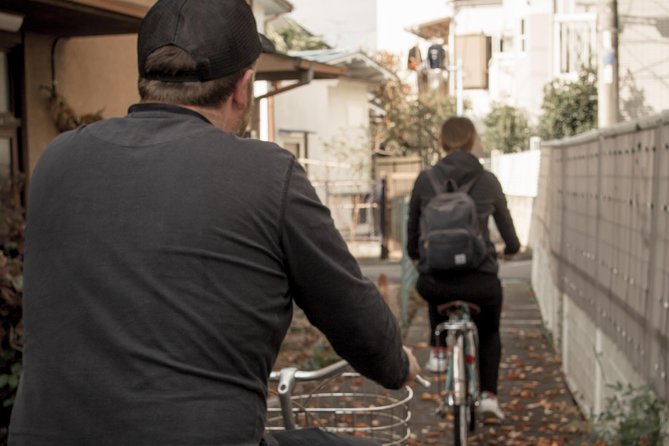
The heart of the tour is riding through Nakano, Koenji, and Asagaya, which have their own personalities and rhythms. These are neighborhoods where small storefronts, residential streets, and casual street life mix together, so you see Tokyo as a place people live in, not just visit.
I like that the tour aims for “off the beaten track,” because it changes what you notice. Instead of only landmark photos, you start noticing street details, the way shops set up, how people pause to eat, and the little signs that reveal local routines.
Also, small groups help here. With a group size up to 8, you are not getting swallowed by a mass. The guide can slow down when you need a moment, and you can ask questions without feeling rushed.
Zenpukuji River time and Tokyo bicycle culture
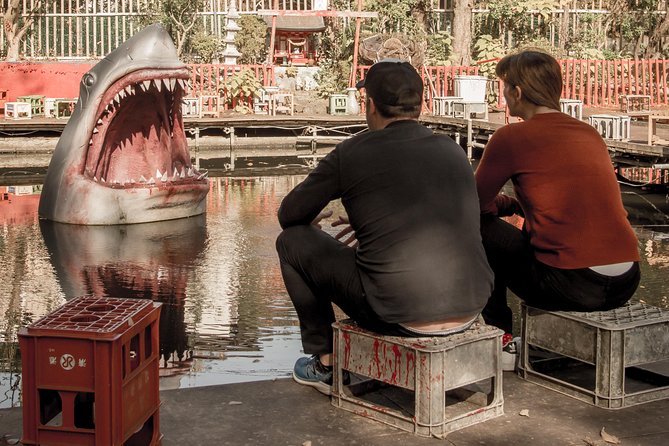
Between the busier lanes, you coast along the Zenpukuji River. That stretch is not just scenic. It gives your legs a break and lets the ride shift from stop-and-start streets to a smoother, more relaxed pace.
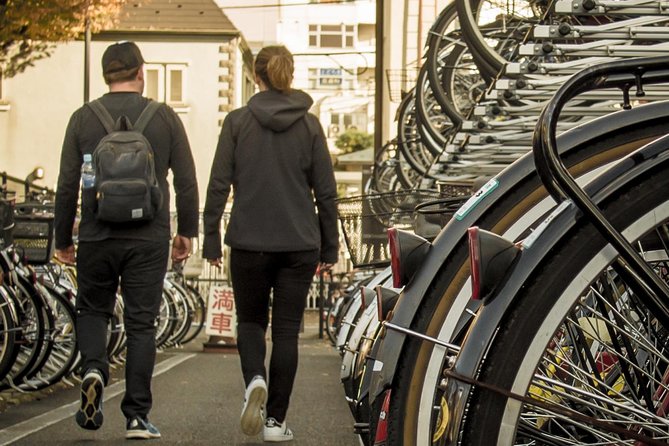
One of the more fun learning moments is Tokyo’s bike parking culture. The tour includes a look at how bicycle parking works locally, and some riders even describe a kind of hands-on “bike parking test” feeling as you practice what you would do yourself if you lived there.
This matters because Tokyo looks bike-friendly, but it also runs on systems. When you understand how people lock up, park, and move through that system, your whole mental map of the city improves.
Street snacks and a local-style lunch: what you really get
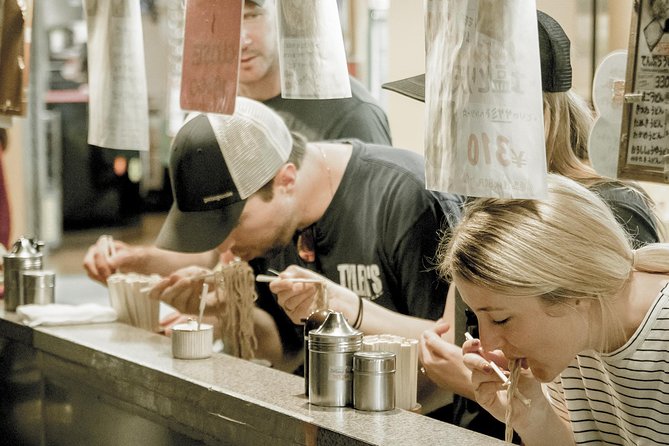
This is not a tour where you just get a coffee and a biscuit. You get street food snacks along the way and a Japanese-style lunch included on the itinerary.
Food is a major part of the experience because it forces you into local places. You are not only walking past restaurants, you are learning what to order and how the places feel when they are part of daily life.
A practical note: Japanese cooking often uses dashi as a base ingredient, and many dishes include meat and seafood. The tour also notes that it can be difficult to cater to dietary requirements and allergies, since the stops are typical local eateries.
So this is best for you if you are flexible and curious. If your restrictions are strict, it is worth thinking twice before you book, because the included meal options may not match every need.
The guide factor: Andy’s stories, English, and everyday-life answers
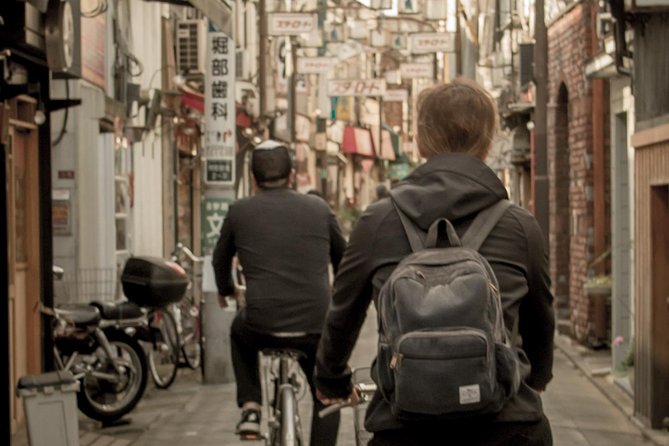
The guide is Andy, and multiple participants highlight his energy, friendly style, and ability to answer questions. People also mention his background, including that he has lived in Japan for a long time and brings a real expat perspective to what you see.
What makes a guide like this valuable is that you are not just hearing facts about buildings. You are hearing explanations about daily life: housing, schooling, religion, how neighborhoods work, and what it feels like to live in Tokyo beyond the postcard zones.
If you enjoy Q and A during a tour, this is a good match. The pacing has built-in breaks for conversation, snacks, and short walks, so you can ask questions without interrupting a rigid checklist.
Safety, weather, and what happens on a rain day
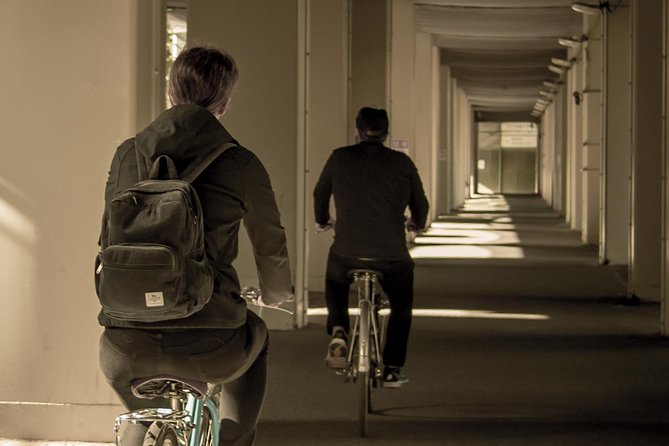
This is an outdoor activity, and weather affects it. The good news is that the tour is designed for all-season, all-weather neighborhood riding.
If it rains, you should expect basic ponchos provided and the ride generally continues as planned. If the weather is poor enough that the tour cannot run, you are offered a different date or a full refund.
Safety is also addressed up front. You acknowledge the adventurous nature of riding, and cycling liability insurance is included for the cycling portion. You still need comprehensive travel insurance for anything beyond that.
On the bike side, the route includes narrow, potentially crowded streets and uneven surfaces. The guide manages the group, but your part is simple: ride with awareness, keep your line, and follow instructions.
Price and value: what $99.49 buys you in real terms
At $99.49 per person, you are paying for three things at once:
1) a guided ride through parts of Tokyo most visitors do not see
2) a bike experience with real street handling, not just a scenic loop
3) included food, with street snacks plus a local-style lunch
If you would otherwise spend money on a guided walking tour and then still pay for meals, this starts to look like sensible value. You also get the benefit of moving between neighborhoods under a local’s direction, which is hard to replicate on your own without planning.
The small-group format, max 8 people, is part of the value too. It is easier to get attention and feel safe when the group is not packed.
For me, the key value test is this: if you want “real Tokyo life” more than “major sights,” this price feels fair for what you get.
Who should book this tour, and who should skip it
This tour is a strong fit if you want:
- a more local side of Tokyo than Shibuya and Shinjuku day tours
- neighborhoods like Nakano, Koenji, and Asagaya
- included snacks and a proper lunch, not just a bite-sized taste
- a guide who talks about everyday life, not only tourist history
You might want to skip or choose another option if:
- you are not comfortable riding in a busy urban setting on uneven surfaces
- you need strict dietary accommodations for allergies
- you are traveling with someone who is not tall enough (under 140 cm) to ride comfortably
If you are an able rider who likes chatting and eating while you explore, this is one of the better ways to see Tokyo’s west side without burning your day on transit and guesswork.
Should you book the Tokyo West-Side Cycling and Food Tour?
I think you should book it if you want Tokyo that feels lived-in: side streets, bike culture, and food that you would not casually find on your own. The small group size and the focus on everyday life with Andy make it feel more personal than most big-city tours.
I would not book it if you want a classic sightseeing route or if the idea of cycling 12 to 15 km through narrow, sometimes crowded streets makes you nervous. Also, if allergies are a major issue, this tour may not be the easiest match because the food stops are typical local eateries.
If your goal is to understand West Tokyo while you snack and ride, this tour hits the sweet spot.
FAQ
How long is the Tokyo West-Side Cycling and Food Tour?
It runs for about 3 hours 30 minutes. The guide notes a rough guide of 3.5 to 4 hours depending on group speed, food pace, and conditions.
What is the group size?
This is a maximum 8 travelers tour, which keeps it small-group and more personal.
Where do we meet, and where does the tour end?
You start at Kōenji Station (4-chōme-48-2 Kōenjiminami, Suginami City, Tokyo 166-0003, Japan). The tour ends back at the meeting point.
What bikes are used, and are helmets provided?
You ride salvaged mamachari bikes. They are Japanese-sized and include a front basket for a standard backpack. Helmets are available for all participants on request.
Do I need to be an experienced cyclist?
You should be competent riding a bicycle in an urban environment, including narrow and potentially crowded streets and uneven surfaces. The distance is roughly 12 to 15 km.
What food is included in the tour?
The tour includes street food snacks and a Japanese-style lunch. The tour notes that Japanese cuisine often includes meat and seafood, with dashi as a common base ingredient, and that catering to dietary requirements and allergies can be difficult.
What happens if it rains?
If it rains, basic ponchos are provided and the cycling tour generally proceeds as planned. The experience requires good weather, and if it is canceled due to poor weather, you will be offered a different date or a full refund.
Is there a height requirement or insurance info?
Yes, participants should be over 140 cm to comfortably ride the bikes. Cycling liability insurance is included for the cycling portion, but you are expected to have comprehensive travel insurance for unforeseen incidents.
Bicycles and E-Bikes We Have Ridden
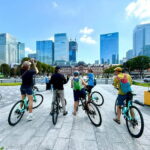
Newest Tokyo write-ups from the Loving Japan desk
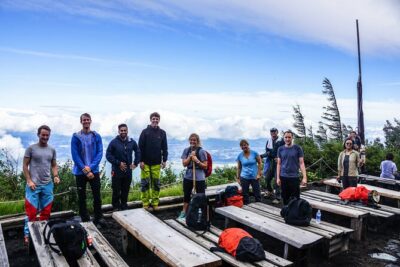
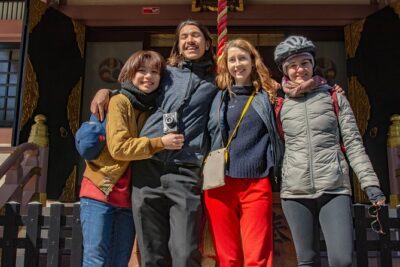
Cycling and E-Bike Tours, side by side.
 ★ 5.0Hidden Kyoto E-Biking tourFrom $1161,843 reviews
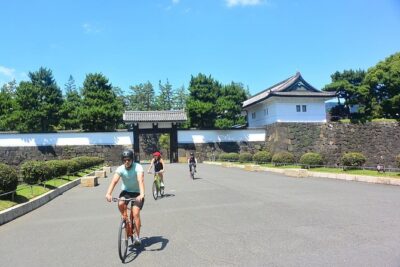 ★ 5.0Tokyo Guided Small-Group Biking TourFrom $1061,250 reviews
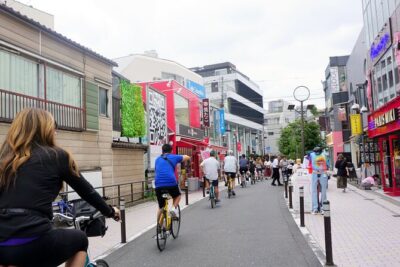 ★ 5.0Tokyo Great Cycling TourFrom $99811 reviews
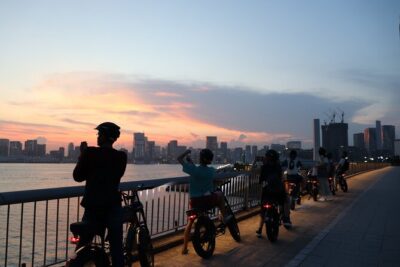 ★ 5.0Tokyo Top Highlights 3h Guided E-bike TourFrom $63714 reviews
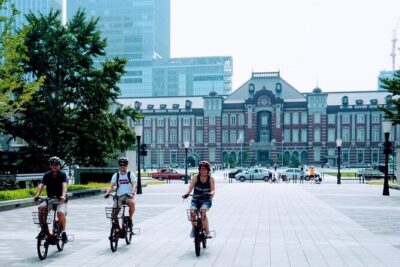 ★ 5.03h Tokyo E-Bike Tour: Hidden Gems, and Local Life with guideFrom $63670 reviews
 ★ 5.0Arashiyama Bamboo Forest & Hidden Gems Bike Tour (Early Bird)From $106613 reviews
 ★ 5.05 Top Highlights of Kyoto Full Day Bike Tour (E-bike option)From $172511 reviews
 ★ 5.0Full Day Biking Tour Exploring the Best of KyotoFrom $119498 reviews
Filed on these lists too