
REVIEW · ASAKUSA, SENSO-JI AND TOKYO SKYTREE
Tokyo:Stroll in Old traditional culture towns~Yanaka & Nezu
Want Tokyo without the neon roar? I love how this Yanaka and Nezu stroll trades rush for real neighborhood rhythm and brings you close to living religion in day-to-day Tokyo. It is led by Sui, whose English is clear and whose pace lets you actually look at what is around you.
Two things I especially like: the chance to slow down in quiet residential lanes and spot the old-to-new mix in everyday houses and shops, and the way Sui explains why places like Nezu Shrine and Tennoji Temple matter beyond just photos. One thing to consider is that this is a walking tour with staircases, so comfortable shoes and a practical mindset matter.
In This Review
- Key things I’d look for on this Yanaka and Nezu walk
- Starting at Nippori Station, then stepping into quieter Tokyo
- Yanaka and Nezu streets: the old-town feel you can actually notice
- Nezu Shrine’s torii path: the calm side of a major worship site
- Tennoji Temple: a bronze Buddha and a garden you can linger in
- Yanaka Cemetery and the tree-lined stroll that slows you down
- Old buildings from Meiji to Showa, plus the sense of time layered in place
- Yoshida Liquor Store and Yanaka Ginza: traditional shopping with local conversation
- Sunset staircase photo spot, then an unhurried finish
- Spring sakura mochi, summer cafe breaks: how the tour adapts
- Price and value for a 3.5 hour cultural neighborhood walk
- Who this Yanaka and Nezu stroll suits best
- Should you book this Yanaka and Nezu tour?
- FAQ
- How long is the Tokyo Yanaka and Nezu walking tour?
- Where do I meet the tour guide?
- What places of worship and cultural stops are included?
- Is there a food or drink included?
- Is Yanaka Ginza included in every season?
- What should I bring?
- Is the tour refundable if my plans change?
Key things I’d look for on this Yanaka and Nezu walk
- Sui’s small-group attention so you can ask questions and not get lost in the crowd
- Nezu Shrine’s torii-lined approach plus a calmer, more personal feel at worship spaces
- Yanaka Cemetery under rows of trees, scenic and reflective without the big-tour chaos
- Traditional storefront stops, including a Yoshida sake liquor store and a classic shopping street
- Seasonal extras like sakura mochi in spring, or a cafe break made for summer heat
Still on the Sumida side? A few more Asakusa options
- Tokyo: Japanese Dance Cabaret Theater Asakusa-Kaguwa Ticket
★ 4.8 · 2,270 reviews - Tokyo: Meiji Shrine, Asakusa, Skytree Bus Tour and Cruise
★ 4.7 · 1,986 reviews - Tokyo: Roll and Authentic Sushi Making Class in Asakusa
★ 4.9 · 1,957 reviews - Tokyo: Asakusa Walking Tour with Sensoji Temple Visit
★ 4.8 · 1,583 reviews
Starting at Nippori Station, then stepping into quieter Tokyo
You meet at Nippori Station, West Exit, and the whole point is to get out of the tourist-speed mindset fast. When you step into the streets from the station area, the energy shifts. The sidewalks get narrower. The buildings feel less like sets and more like places people rely on every day.
This tour also has a practical advantage: you start in a neighborhood that is already part of Tokyo’s local fabric. You are not spending the whole morning transferring between major sights. You are walking, stopping, and learning how these communities work.
If you tend to run late when you travel, treat this one differently. The walk starts on time and you will be happier if you arrive early enough to spot your guide waiting after you come out to the West Exit.
Yanaka and Nezu streets: the old-town feel you can actually notice
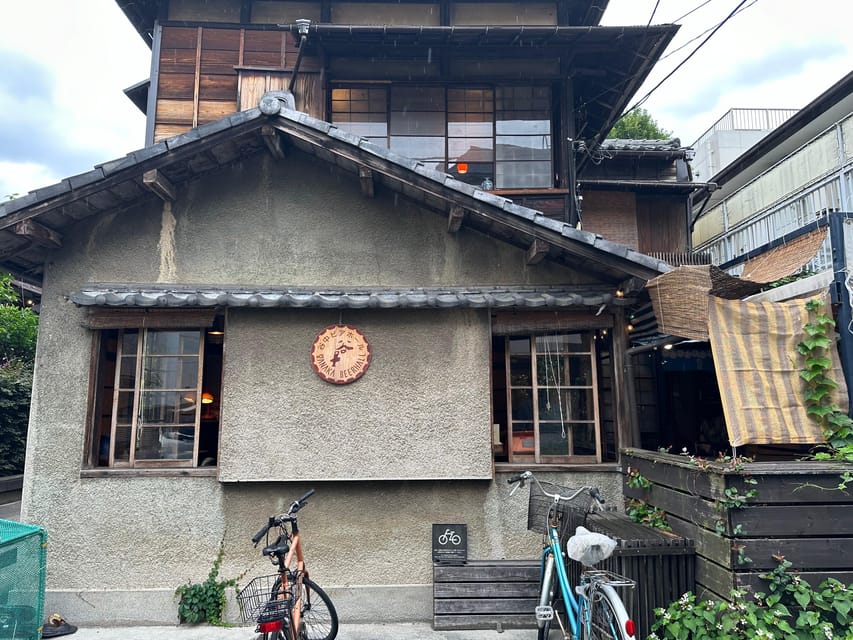
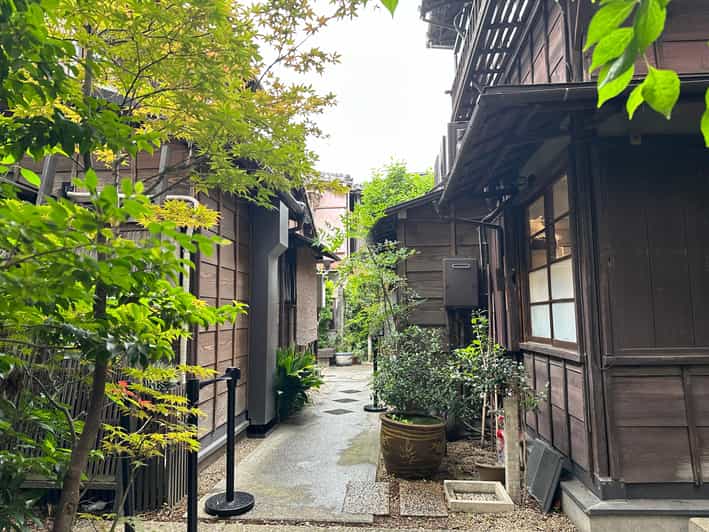
Yanaka is the kind of place where you notice details because you are not constantly sidetracked by crowds. Along the way, you move through a mix of older homes and storefronts, plus newer buildings that sit right next to them. That contrast is one of the best lessons of Tokyo: change happens, but communities still keep habits, layouts, and local business patterns.
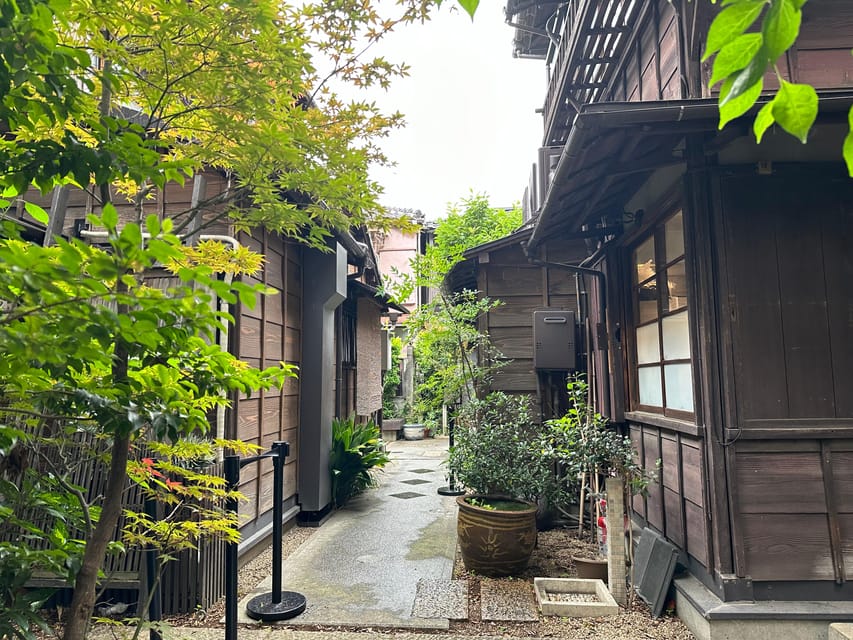
Sui also keeps your eyes open for everyday life. You may see kids on the move and older residents going about their day, which makes the neighborhood feel less like an exhibit and more like a real place. The narrow lanes and quiet residential feel give you that rare experience of seeing Tokyo as a series of lived-in streets, not just photo backdrops.
You should expect staircases and a steady pace. The walk is not trying to exhaust you, but it is built for a true stroll, not a sit-down tour.
Nezu Shrine’s torii path: the calm side of a major worship site
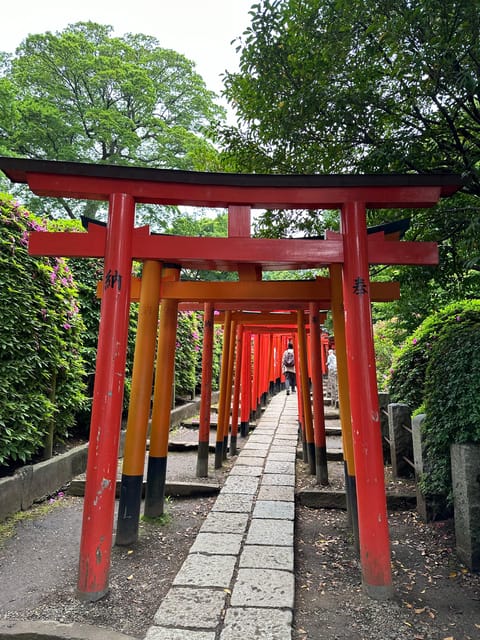
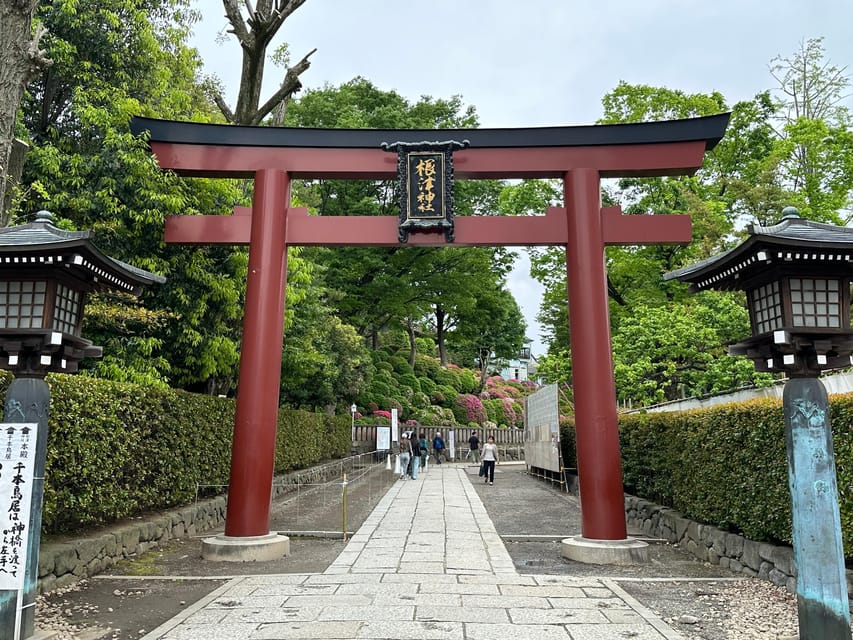
One of your first big culture moments is Nezu Shrine, one of the oldest places of worship in Tokyo. The torii gates line a pathway that naturally slows people down. Even if you are not religious, the atmosphere is easy to read: it is quiet, patterned, and focused.
What makes this stop work well on a guided walk is context. Sui connects the shrine to how people practice and how the space functions. In reviews, people also mention getting practical tips on worship etiquette, which is especially helpful if you have never written an ema or tried to participate respectfully.
This is also a good place to take a breath. The tour is designed so you get calming moments in spaces that are beautiful but not always jammed like the most famous photo stops.
- Mt Fuji and Hakone 1-Day Bus Tour Return by Bullet Train★ 5.0 · 26,383 reviews
- 1-Day Tokyo Bus Tour★ 5.0 · 14,250 reviews
- Tokyo: teamLab Planets TOKYO Digital Art Museum Entry Ticket★ 4.6 · 9,779 reviews
- Mt Fuji & Hakone Cruise, Drum Show Bullet Train 1 Day from Tokyo★ 4.0 · 7,413 reviews
- Tokyo: Shinjuku Food Tour (13 Dishes at 4 Local Eateries)★ 5.0 · 6,603 reviews
Tennoji Temple: a bronze Buddha and a garden you can linger in
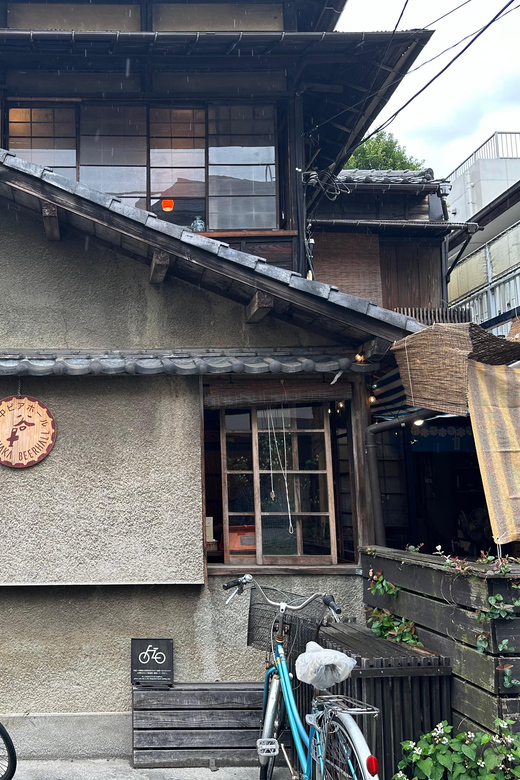
Next comes Tennoji Temple, known for its large bronze seated image of Buddha. That physical size matters. Up close, you get a sense of why temples are built to be seen and felt, not just visited.
You will also spend time in the temple garden area, which is a nice break from the street walking. Instead of feeling like every stop is a photo rush, this one gives you room to stand still, look around, and absorb the mood.
If you like understanding how belief shows up in daily space, this stop is a strong match. It is not just a landmark. It is a place with routines, symbolism, and a calm rhythm you can step into.
Yanaka Cemetery and the tree-lined stroll that slows you down
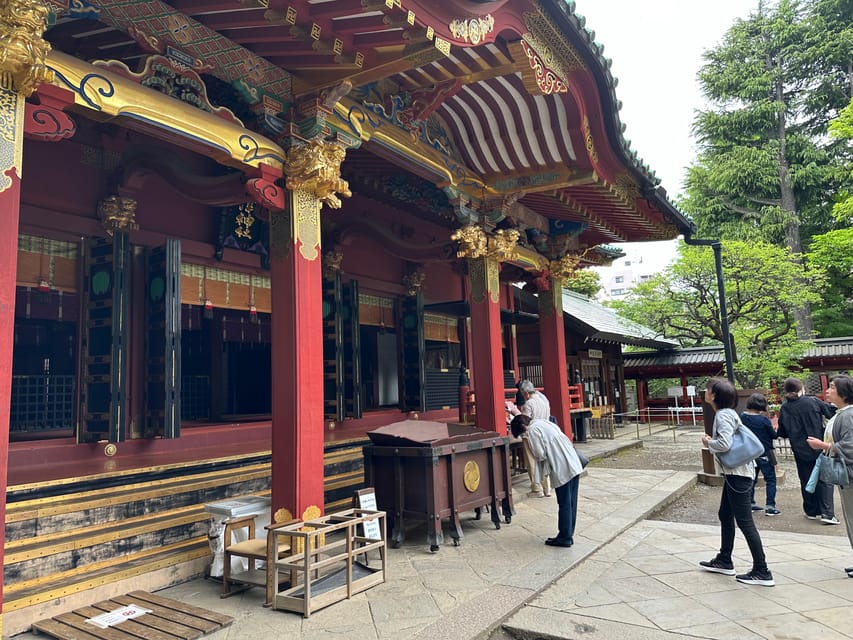
Yanaka Cemetery is one of the largest and most scenic in Tokyo, and it is not there for spectacle. The key feature is the beautiful row of trees, which turns the walk into something reflective.
This stop can be unexpectedly moving because it is still part of the neighborhood. You walk through a space shaped by remembrance, and it makes you notice a different Tokyo value: respect for continuity.
One practical note: cemeteries involve uneven ground and lots of walking time. If you have a slow mobility day, plan for extra energy and go easy on shoe choice and pacing.
Old buildings from Meiji to Showa, plus the sense of time layered in place
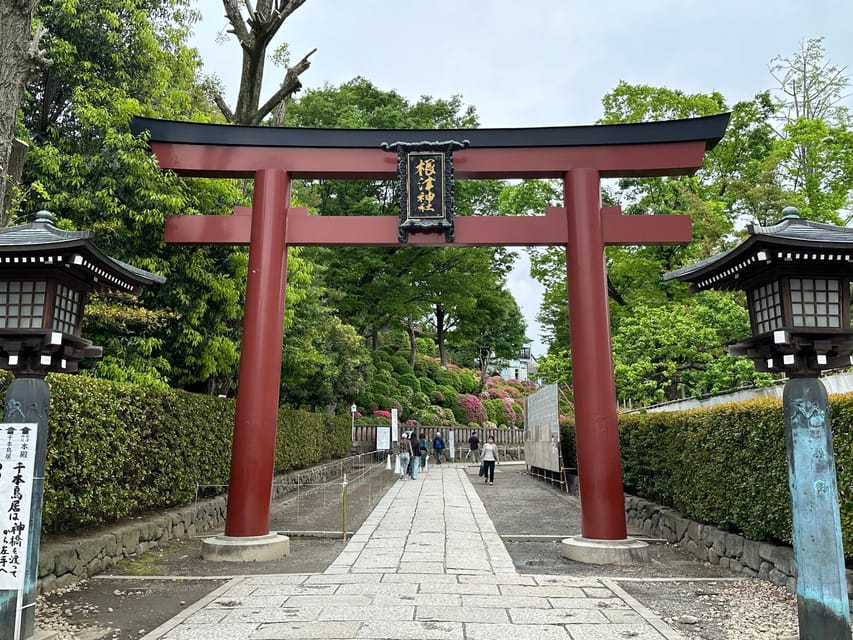
Between major stops, Sui guides you through streets where buildings span different eras. You will see traditional structures from the Meiji Period (1868 to 1912) through the Showa-period (1926 to 1989). That time range sounds abstract until you are looking at facades, shopfront shapes, and street layouts and realizing how many decades can fit into one block.
This is why the tour feels different from a checklist. You are learning how Tokyo’s past did not vanish. It is still here in the everyday built environment.
If you are the type of traveler who likes to understand a city’s story through ordinary things, this part delivers. If you want only big, famous monuments, you might find yourself wanting one more flashy landmark. Still, the tradeoff is real: you get a clearer sense of how the area actually lived before World War II shaped everything.
Yoshida Liquor Store and Yanaka Ginza: traditional shopping with local conversation
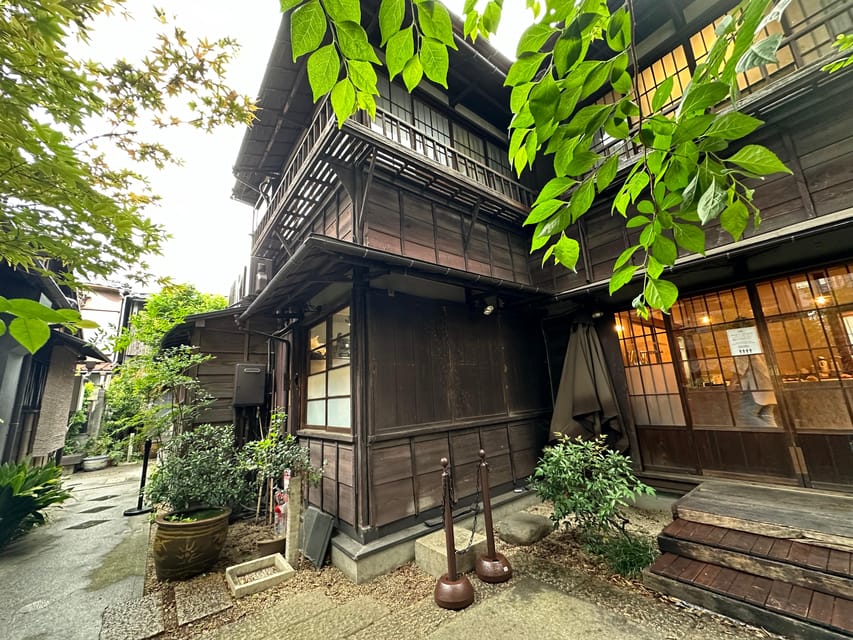
One of the most fun cultural surprises is Yoshida Liquor Store, a traditional Japanese sake liquor store. It gives you a look at how a craft and a business can keep identity over generations. Even if you only glance in, it is the kind of place that makes you realize shopping streets are also cultural archives.
Then you move to Yanaka Ginza, a traditional shopping street where Sui introduces local street foods, plus Japanese food and souvenir shops. This is your chance to taste the neighborhood vibe instead of only observing it.
A quick reality check: some shops may close depending on the day or time, and Monday closures are common in Tokyo. If your stomach is sensitive to changes in schedule, have flexibility. Also carry cash, since smaller places may not use card payment.
Summer seasonal note: during summer season, Yanaka Ginza is not visited, and the tour uses a cafe stop instead.
Sunset staircase photo spot, then an unhurried finish
You will also stop at the sunset staircase, a popular local photo spot. The trick here is that you are not just rushing to grab the same picture everyone else takes. Sui builds it into the flow of the neighborhood walk, so you get a more natural break in between the temple and shopping moments.
Reviews often mention that the pacing feels relaxed, and Sui makes time for questions and discussion. People also mention that Sui takes pictures for the group, which is a small thing that makes a real difference if you are traveling with a partner or family and want photos without awkward phone-timer moments.
The tour may end a little earlier or later than the listed 210 minutes, which is common for small-group walking. The best move is to keep your next plan flexible.
Spring sakura mochi, summer cafe breaks: how the tour adapts
The seasonal treatment here is not just for show.
In the sakura season window (25 March to 25 April 2026), you get free sakura mochi for everyone. If sakura mochi is not available, it is replaced with other traditional Japanese sweets or food items.
In summer (1 June to 11 September 2026), the tour includes a stop in a cafe transformed from an old traditional building. One drink of your choice is included, and the tour is adjusted to avoid the danger of heat stroke. During this summer version, Yanaka Ginza is skipped and the tour ends at Nezu Station.
This matters because Tokyo summer humidity can drain you fast. Instead of forcing you to power through, the tour builds in a sensible pause.
Price and value for a 3.5 hour cultural neighborhood walk
At $29 per person for about 210 minutes, you are paying for something that is hard to replicate on your own: a guide who knows how to connect places, routines, and everyday details into a coherent story.
The value comes from three places. First is time. A 3.5 hour walking window in the right neighborhoods is long enough to feel like you actually experienced something, not just passed through. Second is access to context. Sui does not just name places, she explains why they matter and what to watch for. Third is the small-group feel. When you can ask questions and get answers on the spot, your experience becomes personal and not generic.
If you want a comparison, this walk is a strong antidote to the Shinjuku and Shibuya energy. You still get real Tokyo, but you get it with space in your schedule and room in your head.
Who this Yanaka and Nezu stroll suits best
This tour is a great match if you want:
- A calm alternative to the busiest Tokyo areas
- Temples and shrines with practical context, not just landmark spotting
- Old streets, small shops, and local neighborhood life
- A guide-led pace that still lets you pause and look
It is not ideal if you need wheelchair access, since it is not suitable for wheelchair users and includes staircases. It is also a fit-or-miss choice if you dislike walking or want frequent long breaks.
Should you book this Yanaka and Nezu tour?
Book it if you are craving a Tokyo that feels quieter, older, and more human. This is the kind of experience that helps you understand a city through daily space: worship places, cemetery paths, shop streets, and ordinary lanes where generations have lived side by side.
Don’t book it if you mainly want headline attractions or you have limited tolerance for walking and steps. Also, plan food smartly. The tour goes over lunchtime for many people, so it helps to eat beforehand or bring a simple snack.
If you want your day to feel thoughtfully Japanese instead of just heavily scheduled, this is a solid choice.
FAQ
How long is the Tokyo Yanaka and Nezu walking tour?
The tour duration is listed as 210 minutes, about 3.5 hours.
Where do I meet the tour guide?
Meet at Nippori Station, West Exit for Yanaka. The guide waits in the waiting area after you come out to the West Exit.
What places of worship and cultural stops are included?
The tour includes visits to Nezu Shrine, Tennoji Temple, and Yanaka Cemetery, plus traditional neighborhoods and older buildings from the Meiji to Showa periods.
Is there a food or drink included?
In spring, sakura season includes free sakura mochi for everyone (or an alternative traditional sweet if not available). In summer, the tour includes one drink of your choice at a cafe in an old traditional building.
Is Yanaka Ginza included in every season?
No. Yanaka Ginza is included in the standard tour, but the summer season version does not go to Yanaka Ginza and ends at Nezu Station.
What should I bring?
Bring comfortable shoes and cash. The tour uses staircases.
Is the tour refundable if my plans change?
Yes. It offers free cancellation up to 24 hours in advance for a full refund.
Asakusa and the Skytree, Keep Going



Newest Tokyo write-ups from the Loving Japan desk
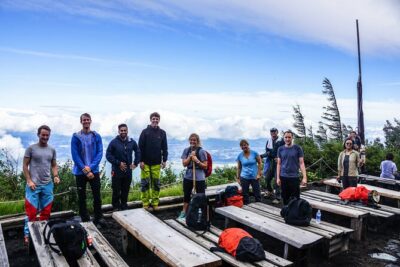
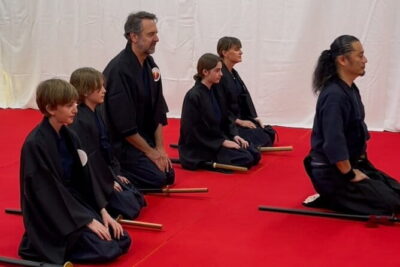
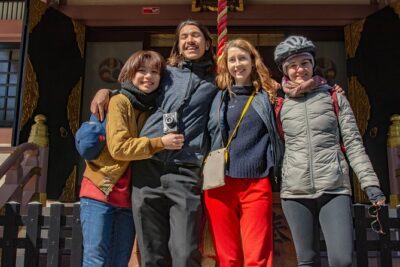
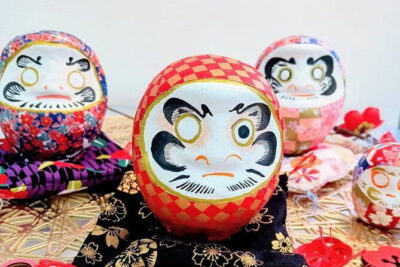
Asakusa, Senso-ji and Tokyo Skytree, side by side.
 ★ 4.5TOKYO SKYTREE® Admission ticketFrom $1311,192 reviews
 ★ 4.8Japanese Dance Cabaret Theater Asakusa-Kaguwa TicketFrom $492,270 reviews
 ★ 4.7Meiji Shrine, Asakusa, Skytree Bus Tour and CruiseFrom $1221,986 reviews
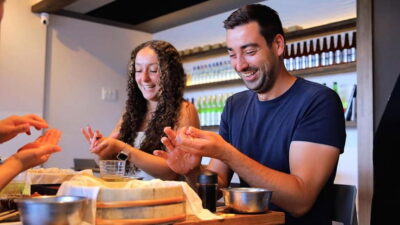 ★ 4.9Roll and Authentic Sushi Making Class in AsakusaFrom $581,957 reviews
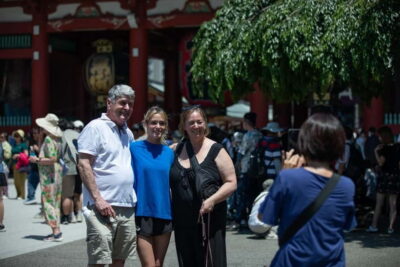 ★ 4.8Asakusa Walking Tour with Sensoji Temple VisitFrom $221,583 reviews
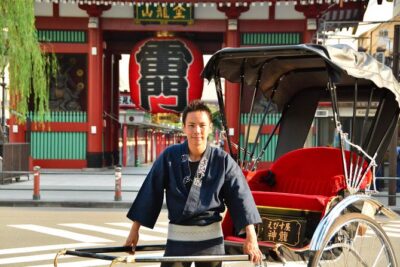 ★ 5.0Tokyo Asakusa Rickshaw TourFrom $421,375 reviews
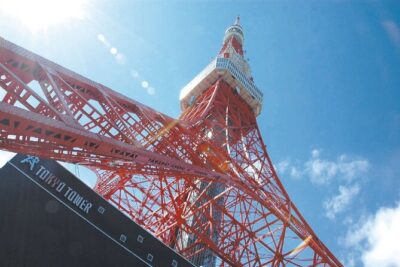 ★ 4.5Tokyo Panoramic 1 Day: Meiji Shrine, Asakusa, Odaiba and SKYTREE®From $851,222 reviews
 ★ 5.0Tokyo Go Kart: Asakusa, Skytree, and Akihabara **IDP MUST**From $99988 reviews
Filed on these lists too