
REVIEW · ASAKUSA, SENSO-JI AND TOKYO SKYTREE
Yanaka District: Historical Walking Tour in Tokyo’s Old Town
Tokyo slows down in Yanaka. This walk is a practical way to see the old side of Tokyo, with neighborhoods that kept their shape through earthquakes and the war. I love Nezu Shrine and those classic red torii photo spots, and how your guide connects the site to everyday Japanese religious views.
I also love the break for painting Maneki neko lucky cats in an old house cafe, plus the flavor-heavy stops along Yanaka Ginza. One consideration: this is a walking tour with some parts that are not wheelchair or stroller friendly, so comfortable shoes matter.
In This Review
- Quick hits before you go
- How Yanaka keeps Tokyo’s old texture in one half-day walk
- Nezu Station to Nezu Shrine: torii photos and faith you can read
- Hebimichi and the 1940s locals-only market vibe
- The cafe break: painting a Maneki neko in an old house
- Yanaka Ginza: where food samples turn into good souvenirs
- What you get for the price, and why it feels fair
- Logistics that actually matter in Tokyo old-town walking
- Who this Yanaka tour is best for
- Should you book this Yanaka historical walking tour?
- FAQ
- How long is the Yanaka District historical walking tour?
- How much does the tour cost?
- Where do I meet the guide?
- What is included in the price?
- Do I need cash?
- What do we do at Nezu Shrine and Hebimichi?
- Is there a lucky cat activity?
- What group size and language should I expect?
- Is the tour wheelchair or stroller friendly?
- Can I cancel and is pay later available?
Quick hits before you go
- Small group size (under 7) keeps the pace relaxed and questions easy to answer
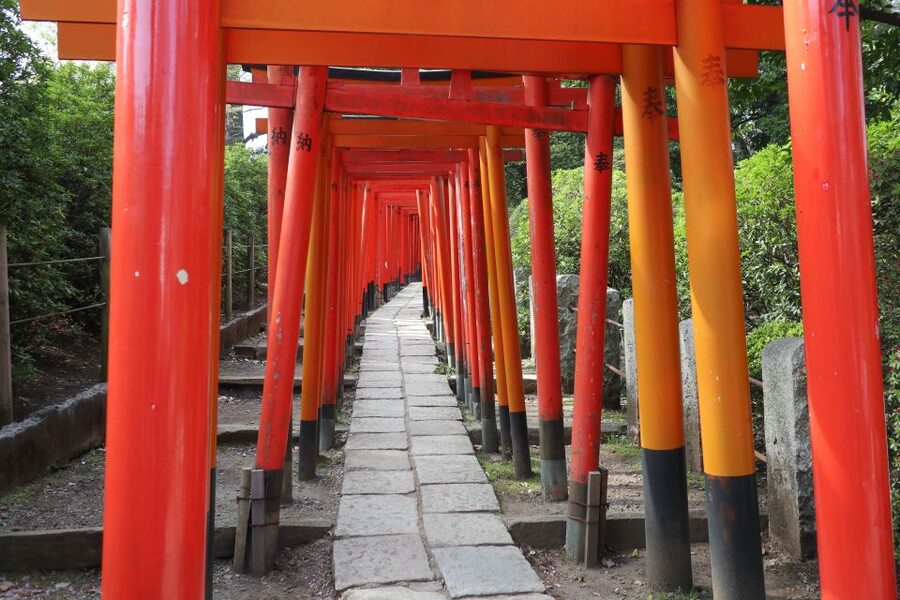
- Nezu Shrine is the highlight, with red torii gates and history you can actually use
- Locals-only market time, including stalls that date back to the 1940s
- Hebimichi street walk through quieter backstreets where daily life still feels local
- Lucky cat painting at a cafe break, included with a drink and sweet treat
- Yanaka Ginza tastings so you get food you would not reliably find on your own
Still on the Sumida side? A few more Asakusa options
- Tokyo: Japanese Dance Cabaret Theater Asakusa-Kaguwa Ticket
★ 4.8 · 2,270 reviews - Tokyo: Meiji Shrine, Asakusa, Skytree Bus Tour and Cruise
★ 4.7 · 1,986 reviews - Tokyo: Roll and Authentic Sushi Making Class in Asakusa
★ 4.9 · 1,957 reviews - Tokyo: Asakusa Walking Tour with Sensoji Temple Visit
★ 4.8 · 1,583 reviews
How Yanaka keeps Tokyo’s old texture in one half-day walk
Central Tokyo sells big energy. Shinjuku, Shibuya, those places are easy to recognize. Yanaka is different. This district is one of the areas that survived World War II attacks and later earthquakes, so the feel of older Tokyo is still there in the streets, shopfronts, and everyday rhythms.
That matters because you are not just looking at sights from the sidewalk. You are walking through a neighborhood where people are shopping, chatting, and living. Your guide helps you notice the details that would otherwise blur together. The tour is built around a few anchor points, then links them with short stretches of backstreets so you get the texture of the district, not just one temple stop.
Nezu Station to Nezu Shrine: torii photos and faith you can read
Your tour starts outside Tokyo Metro Nezu Station Exit 1, and your guide holds a red or orange sign that says Magical Trip. This is a smart setup because it drops you into the right part of the city fast, and you do not spend your afternoon fighting transit.
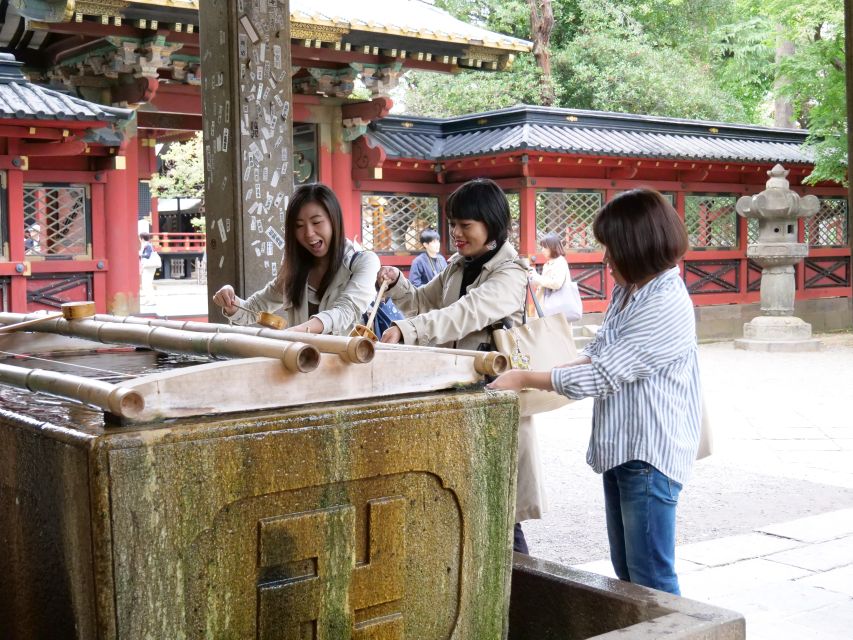
Nezu Shrine is the first major stop, with about 20 minutes on-site. It is often described as the oldest in Tokyo, and in practice that means you spend time at the iconic entrance with red torii gates and time to look closely instead of rushing. Your guide also frames the shrine in a way that is useful for first-time visitors, explaining traditional Japanese views on religion as something you encounter in daily life, not only as a historical lesson.
Photo tip: plan for close-to-gate shots, then step back for wider views. The torii lines are easy to photograph from the right angle, but you will also want at least one photo that shows the route you took to get there.
Hebimichi and the 1940s locals-only market vibe
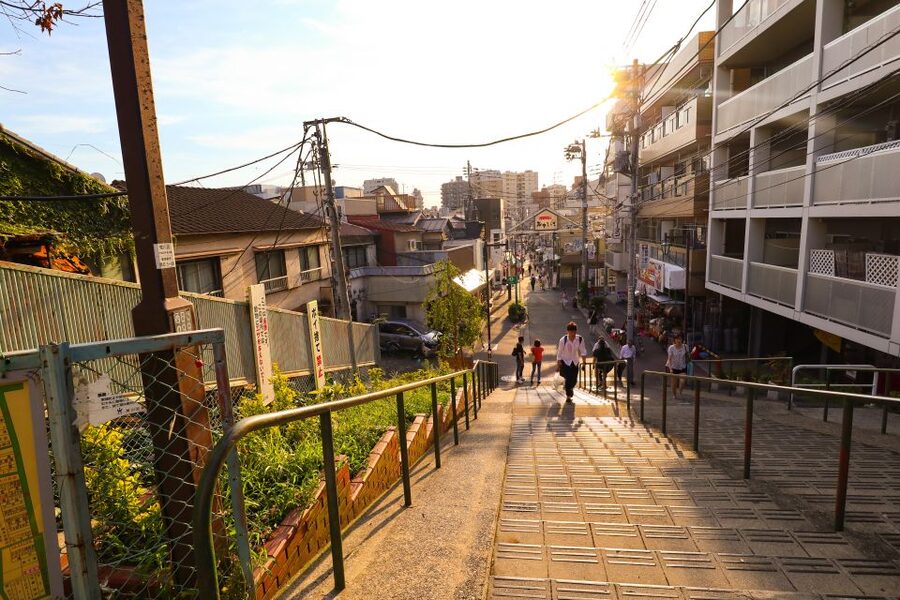
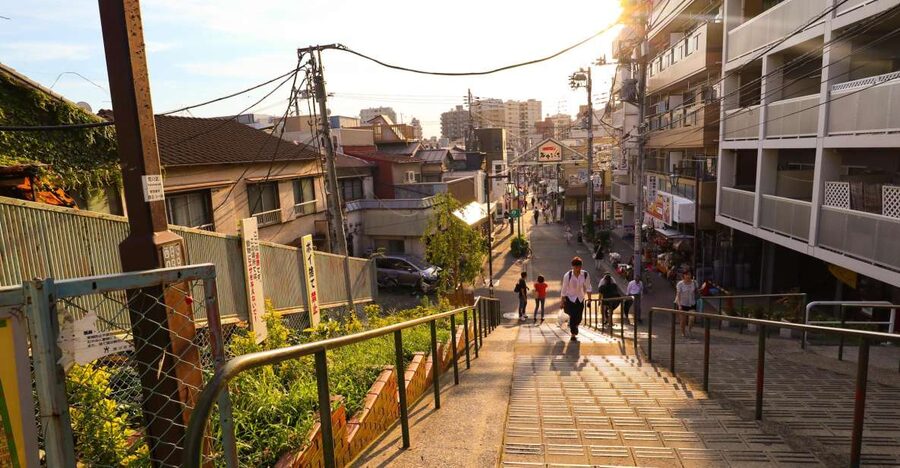
Next comes Hebimichi, a longer segment of about 45 minutes. This is where the tour shifts from landmark visiting to neighborhood moving. You will be walking through a slice of Yanaka where the backstreets feel calmer than the main tourist corridors.
A big plus here is the market time. The tour includes a locals-only market experience, with roots dating back to the 1940s. That is valuable because it changes what you think of as a Tokyo market. Instead of a grid of snack stalls built for tourists, you get a more ordinary feel. You can watch routines, browse small stalls, and sample the kind of foods locals reach for.
What to keep in mind: it is a walking tour, and parts of the day are not designed for lingering forever. If you love to stop and stare, pace yourself. Your guide will keep you moving at a comfortable speed.
- Mt Fuji and Hakone 1-Day Bus Tour Return by Bullet Train★ 5.0 · 26,383 reviews
- 1-Day Tokyo Bus Tour★ 5.0 · 14,250 reviews
- Tokyo: teamLab Planets TOKYO Digital Art Museum Entry Ticket★ 4.6 · 9,779 reviews
- Mt Fuji & Hakone Cruise, Drum Show Bullet Train 1 Day from Tokyo★ 4.0 · 7,413 reviews
- Tokyo: Shinjuku Food Tour (13 Dishes at 4 Local Eateries)★ 5.0 · 6,603 reviews
The cafe break: painting a Maneki neko in an old house
At the local cafe, you get a full hour and fifteen minutes, about 75 minutes total. This is where the tour builds in real rest time, and it is not just a seat with a drink. You get one drink and a sweet treat, plus the hands-on lucky cat craft.
The activity is painting a lucky cat statue. This is the Maneki neko you see everywhere in Japan, but it hits differently when you make it yourself. It also gives you something fun to focus on, which is a welcome reset after shrine photos and street walking.
This stop is also where the small-group setup really pays off. In past groups, guides such as Mark, Masae, Hina, and Yoko have been praised for keeping the experience friendly and easy, with time to answer questions while you paint. Some guides even help with small comfort needs, like finding shade when it gets hot, but that is not something you should count on every day. Still, the overall tone tends to be relaxed and encouraging.
Food note: you are not just given random snacks. You also get included sweet and drink at the cafe, and later you will have local food samplings. If you have strong dietary needs, note that the tour cannot guarantee allergy-free or fully flexible substitutions since the food is prepared outside of the tour operator’s own kitchens.
Yanaka Ginza: where food samples turn into good souvenirs
The last big stretch is in the Yanaka District area, about 100 minutes. This portion often centers on Yanaka Ginza, a shopping street that feels like old Tokyo in the best way. It is not about neon. It is about small shops, street-level browsing, and food that you can sample as you walk.
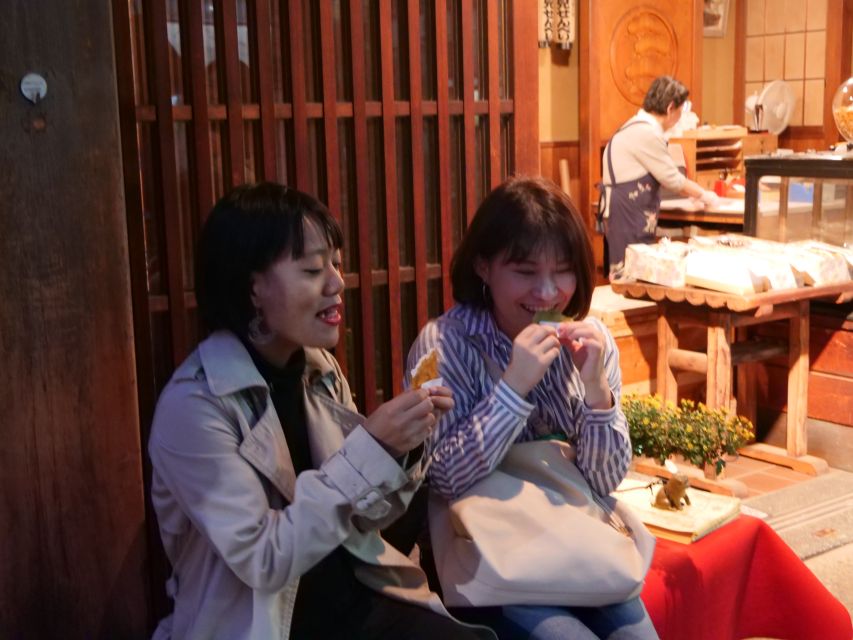
You will get delicious food sampling here, with snacks and sweets included. You also have opportunities to look for small gifts, especially things made by local craftspeople. One practical tip that comes up a lot: if you care about shopping, do it on this tour rather than at the end of your trip. Your guide knows where to point you for the kinds of items that feel authentic instead of mass-produced.
If you are the type who likes to bring something home that tells a story, this is a strong segment. You can connect the food you tasted to the places you passed, so the purchases feel less like random souvenirs and more like proof you actually spent time in the neighborhood.
What you get for the price, and why it feels fair
The tour costs $79 per person for about 210 minutes. That can sound like a lot until you break down what is included.
Here is the value logic:
- A local guide for the full half-day walk
- 1 drink and a sweet treat at the cafe
- The lucky cat painting craft
- Local snack and sweet food samples
- Tour photos
Most walking tours in Tokyo give you guidance and maybe one paid stop. This one bundles in a craft activity and multiple included tastings. If you would otherwise pay separately for an art workshop, food sampling, and a guided walk, the price starts to make sense quickly.
One more value point: small group size, limited to fewer than 7 people, is not just a comfort upgrade. It makes the tour more responsive. When you ask about culture, history, or practical Japan questions, you are more likely to get a real answer instead of a rushed one.
Logistics that actually matter in Tokyo old-town walking
This tour is straightforward, but a few details can make or break your afternoon.
Bring cash. Many older shops do not accept credit cards, and the tour specifically notes that cash helps.
Wear comfortable shoes. You are walking through older neighborhood areas, and the itinerary includes locations that are not accessible by wheelchair or stroller. If you are someone who needs a stroller for mobility, or you rely on a wheelchair, this is not a match.
Plan for weather extremes. Japan’s summers can be brutally hot, with highs reported around 40°C (110°F), and winters can drop to -5°C (20°F). Dress for the day you are going. Carry water if you are allowed to buy it, and treat shade as a feature, not an afterthought.
Be on time. The meeting point is very specific, outside Nezu Station Exit 1. If you arrive late, you may not be able to join, get a refund, or reschedule.
Who this Yanaka tour is best for
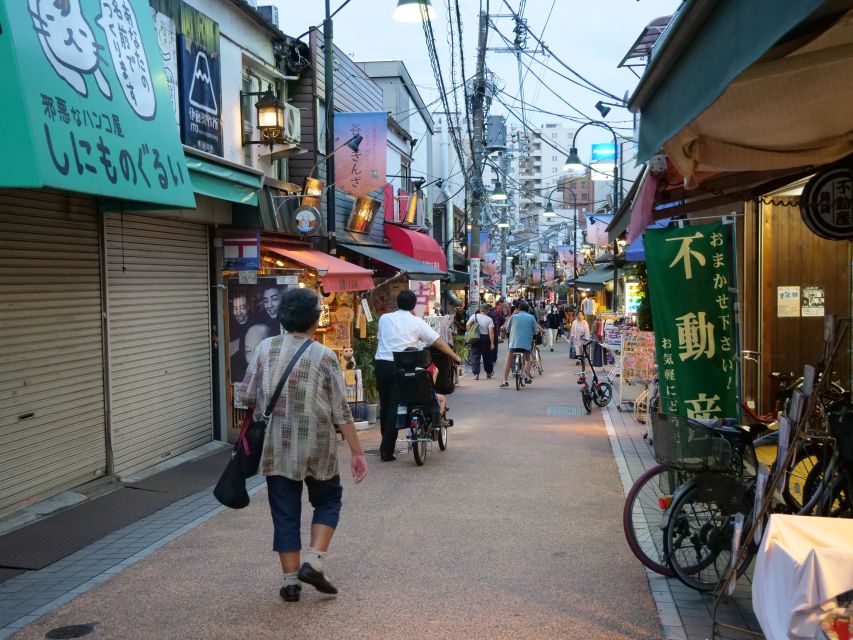
This tour is ideal if you want Tokyo that feels lived-in, not just packaged. It works especially well for:
- First-time visitors who have already seen Shibuya or Shinjuku and want a different Tokyo mood
- People who like walking tours with a clear structure, shrine then backstreets, then food and craft
- Solo travelers, couples, and small families who want a calmer afternoon and a break built in
- Anyone who likes street-level photos and small shops, not only big-ticket museums
If you want a speed-run of highlights with minimal walking, this is not that. It is a walk with stops, samples, and time to do one hands-on activity.
Should you book this Yanaka historical walking tour?
Book it if you want a half-day in Tokyo that feels genuinely old-town, with real neighborhood streets, included tastings, and a craft break that makes the experience stick. The combination of Nezu Shrine, the Hebimichi area, and Yanaka Ginza gives you both landmarks and daily-life atmosphere, and the small group size helps you feel like the guide is working for your questions, not just moving the clock forward.
Skip it if mobility is an issue, or if you know you dislike walking on uneven old streets. Also skip it if dietary requirements are strict, since the tour does not guarantee allergy-free meals or guaranteed substitutions.
If you can handle a good amount of walking and you bring cash, this is one of the more satisfying ways to see Yanaka in a single afternoon.
FAQ
How long is the Yanaka District historical walking tour?
The tour lasts about 210 minutes, roughly 3.5 hours.
How much does the tour cost?
The price is $79 per person.
Where do I meet the guide?
Meet outside Tokyo Metro Nezu Station Exit 1. Go up the stairs to ground level, and your guide will be standing just in front of the upstairs, holding a red or orange sign that says Magical Trip.
What is included in the price?
Included items are a walking tour, a local guide, 1 drink and sweet treat at a cafe, lucky cat painting craft experience, local snack and sweet food samples, and tour photos.
Do I need cash?
Yes. You should bring cash because many old shops may not accept credit cards, and cash can help for anything you choose to buy beyond what is included.
What do we do at Nezu Shrine and Hebimichi?
You visit Nezu Shrine for about 20 minutes and you spend about 45 minutes in the Hebimichi area as part of the walking portion.
Is there a lucky cat activity?
Yes. At the cafe stop you do a lucky cat craft experience by painting a Maneki neko, and you also get a drink and sweet treat there.
What group size and language should I expect?
The tour is in English and is a small group limited to 7 participants.
Is the tour wheelchair or stroller friendly?
No. The itinerary includes locations that are not accessible by wheelchair or stroller, so it is not suitable for people with mobility impairments.
Can I cancel and is pay later available?
You can cancel up to 24 hours in advance for a full refund. Reserve now and pay later is also available so you can book without paying today.
Asakusa and the Skytree, Keep Going



Newest Tokyo write-ups from the Loving Japan desk
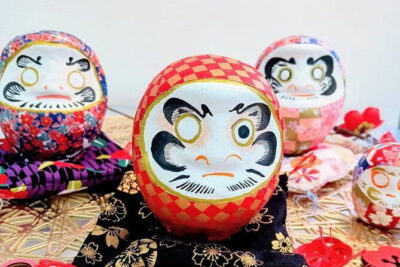
Asakusa, Senso-ji and Tokyo Skytree, side by side.
 ★ 4.5TOKYO SKYTREE® Admission ticketFrom $1311,192 reviews
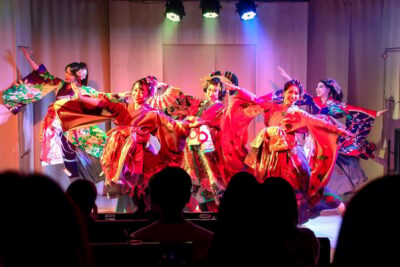 ★ 4.8Japanese Dance Cabaret Theater Asakusa-Kaguwa TicketFrom $492,270 reviews
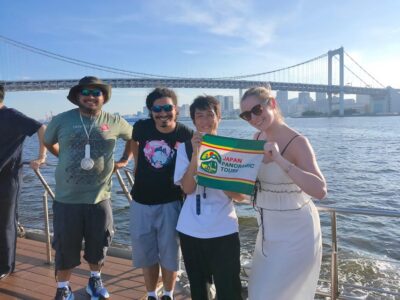 ★ 4.7Meiji Shrine, Asakusa, Skytree Bus Tour and CruiseFrom $1221,986 reviews
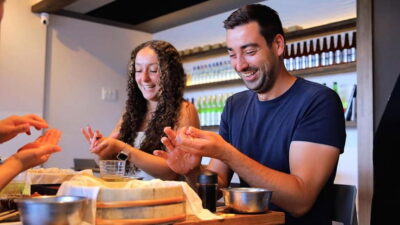 ★ 4.9Roll and Authentic Sushi Making Class in AsakusaFrom $581,957 reviews
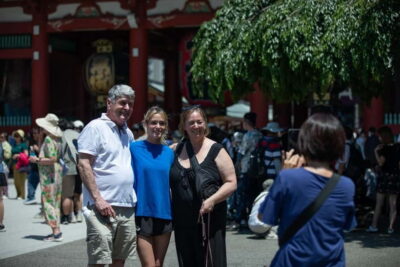 ★ 4.8Asakusa Walking Tour with Sensoji Temple VisitFrom $221,583 reviews
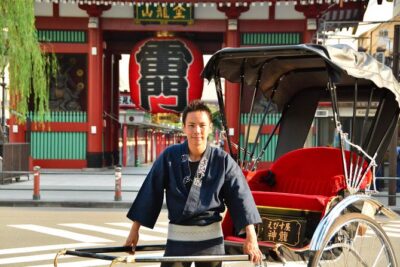 ★ 5.0Tokyo Asakusa Rickshaw TourFrom $421,375 reviews
 ★ 4.5Tokyo Panoramic 1 Day: Meiji Shrine, Asakusa, Odaiba and SKYTREE®From $851,222 reviews
 ★ 5.0Tokyo Go Kart: Asakusa, Skytree, and Akihabara **IDP MUST**From $99988 reviews
Filed on these lists too