
REVIEW · ASAKUSA, SENSO-JI AND TOKYO SKYTREE
Yanaka Walking Tour: Historic and Traditional District of Tokyo
Tokyo slows down fast in Yanaka. This walk trades rail hubs and office towers for temples, old homes, and cemetery paths that feel like another Tokyo chapter. You get a real local guide who explains what you’re seeing as you go, not just where to stand for photos.
I love how the tour gives you two big anchors of old Japan: Tennoji Temple tucked beside the cemetery, and then Yanaka Cemetery itself, where you can learn why a final resting place shapes neighborhood history. I also like the pacing because you’re not rushed from stop to stop, and you end with Yanaka Ginza Shopping Street time for snacks and browsing.
One thing to consider: the walk includes a long cemetery segment, so if you’re short on patience or prefer lighter sightseeing, you may want to bring extra water and mentally prepare for a quieter part of the route.
In This Review
- Key points to remember
- Why Yanaka Feels Like Another Tokyo
- Price and What $72.96 Buys You in the Real World
- Where You Start at Nippori and How the Walk Flows
- Entering Yanaka District: Edo-Era Streets Without the Theme Park Feel
- Tennoji Temple: A Garden Stop You Can Actually Slow Down For
- Yanaka Cemetery: How Tokyo Tells Its Story Through Place
- Optional Tea Ceremony on Tatami at Gallery Okubo
- Afternoon-Only Art Stops: The Bathhouse and Alan West Studio
- Shitamachi Customs Museum Option: Everyday Life, Not Just Icons
- A Very Old Shrine Stop and Then Yanaka Ginza for Snacks
- How to Prepare So the Walk Feels Easy
- Who This Tour Fits Best (and Who Should Think Twice)
- Should You Book This Yanaka Walking Tour?
- FAQ
- How long is the Yanaka Walking Tour?
- Where do I meet the tour, and where does it end?
- Is there an English-speaking guide?
- Are admissions included for the stops?
- Is food included?
- How big is the group?
Key points to remember
- Small group format makes it easy to ask questions and get directions while walking
- Tennoji Temple (from 1274) gives you a calm garden setting and Buddhist details you’d miss alone
- Yanaka Cemetery shows how Tokyo treats history through place, not just monuments
- Optional tea on tatami at Gallery Okubo costs extra (¥1,000), but it’s a neat culture stop
- Old-town shopping time on Yanaka Ginza lets you end with snacks and everyday storefront life
Still on the Sumida side? A few more Asakusa options
- Tokyo: Japanese Dance Cabaret Theater Asakusa-Kaguwa Ticket
★ 4.8 · 2,270 reviews - Tokyo: Meiji Shrine, Asakusa, Skytree Bus Tour and Cruise
★ 4.7 · 1,986 reviews - Tokyo: Roll and Authentic Sushi Making Class in Asakusa
★ 4.9 · 1,957 reviews - Tokyo: Asakusa Walking Tour with Sensoji Temple Visit
★ 4.8 · 1,583 reviews
Why Yanaka Feels Like Another Tokyo
Yanaka is one of those corners where Tokyo’s present day doesn’t erase the past. Instead of chasing big-ticket sights, you walk through a neighborhood that still carries Edo-era street shapes, temple lanes, and the small rhythms of Shitamachi, Tokyo’s downtown-style culture.
What makes this tour work is the guide storytelling. You’re not just seeing buildings, you’re learning how people used religion, community, and even cemeteries to organize life across centuries. It makes the sights easier to read as you pass them.
And because it’s a walking tour, you get that slow look: wooden gates, quiet side paths, and the kind of everyday architecture that rarely ends up in postcards.
Price and What $72.96 Buys You in the Real World
At $72.96 per person for about 3 hours and 30 minutes, this is a fair price for a guided neighborhood walk with multiple culture stops. You’re paying for three things that add up fast on your own: an English-speaking guide, time management across several sites, and the context that turns random streets into a coherent story.
The good value detail is that many admissions along the core route are free. You’re not stacking ticket costs on top of a hike. Plus, the tour includes photos of participants, so you don’t have to rely on strangers or shaky phone selfies at every stop.
Two expenses to keep in mind: food and drinks are not included, and optional experiences can cost extra. For example, there’s a tea ceremony option where the tea is ¥1,000 and not covered by the tour price.
Where You Start at Nippori and How the Walk Flows
The meeting point is Nippori Station, and the tour ends back at the same place. There’s no hotel pickup, so plan your day around transit and arrive a bit early to settle in and find your group.
Start times run in the morning or afternoon (9:00 am or 2:00 pm). If you can choose, I’d lean morning when you want a calmer mood for temples and cemetery walking, and afternoon when you want more daylight for strolling and shops at the end.
Group size is small. You can expect a capped group (maximum 8 travelers, with a booking max of 10), which matters because you’ll move more smoothly and have more chances to ask the guide what you’re seeing. The tour also expects moderate walking, so wear shoes that you trust.
- Mt Fuji and Hakone 1-Day Bus Tour Return by Bullet Train★ 5.0 · 26,383 reviews
- 1-Day Tokyo Bus Tour★ 5.0 · 14,250 reviews
- Tokyo: teamLab Planets TOKYO Digital Art Museum Entry Ticket★ 4.6 · 9,779 reviews
- Mt Fuji & Hakone Cruise, Drum Show Bullet Train 1 Day from Tokyo★ 4.0 · 7,413 reviews
- Tokyo: Shinjuku Food Tour (13 Dishes at 4 Local Eateries)★ 5.0 · 6,603 reviews
Entering Yanaka District: Edo-Era Streets Without the Theme Park Feel
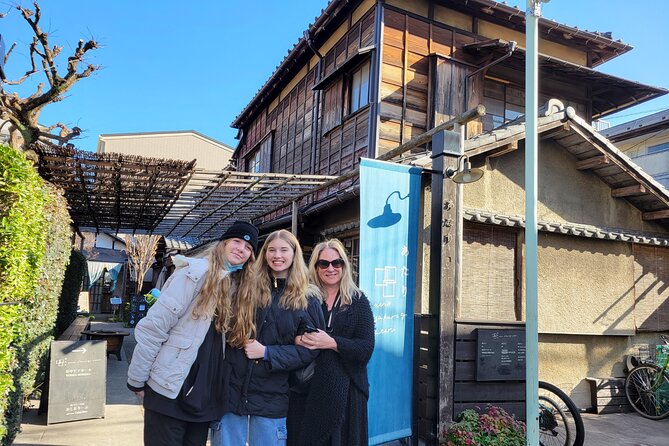
The route begins in the Yanaka district, where the idea is simple: step away from Tokyo’s fast layers and see what Edo-era neighborhoods looked like in everyday form. This is the heart of why people come here, and why a guide helps.
You’ll notice the difference right away: smaller streets, older-looking homes, and temple-adjacent lanes. Even if you’re not a history buff, you can still read the neighborhood through architecture and layout. The guide’s job is to connect those details to how Tokyo developed from the 1500s through the 1800s.
If it’s spring, Yanaka’s cherry blossom season adds extra drama to the stroll. Even when it is not peak bloom, the area has that “time slows down” vibe because the streets look lived-in rather than staged.
Tennoji Temple: A Garden Stop You Can Actually Slow Down For

Next comes Tennoji Temple, located on the edge of the Yanaka Cemetery. The temple dates back to 1274, which is the kind of age you feel more than you measure, especially when you walk into a calm garden behind an old wooden gate.
This is a great stop for understanding Japanese religious space. Instead of jumping between loud attractions, you get a quiet pocket where Buddhism shows up through layout, objects, and the way visitors behave in a respectful environment.
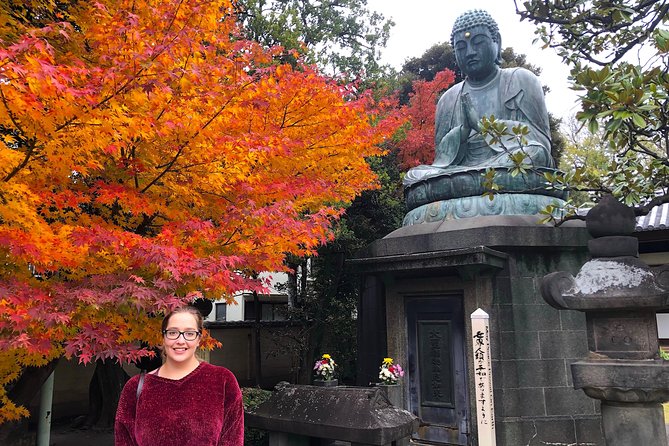
A highlight noted for this temple is a bronze Buddhist statue in the grounds. The guide’s explanation helps you connect what you see to why it matters locally, rather than treating it like a random artifact.
Time at this stop is about 20 minutes. Use it to look around slowly. If you rush, you’ll miss the garden feel that makes Tennoji a breather in the middle of the route.
Yanaka Cemetery: How Tokyo Tells Its Story Through Place
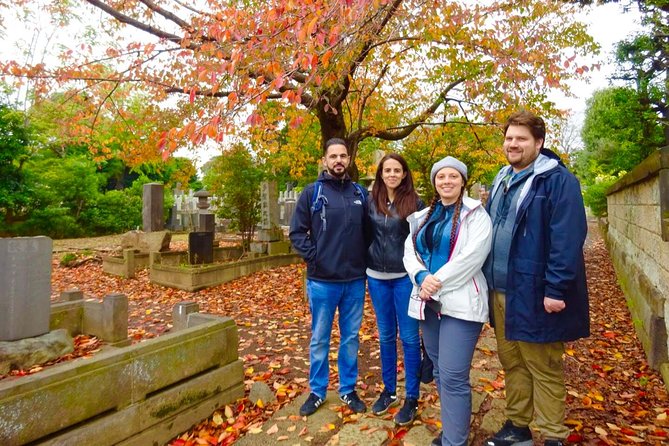
Then comes the portion many people remember most: Yanaka Cemetery. It covers about 100,000 square meters and has over 7,000 graves, so it’s not a quick peek. It’s a whole landscape of memory.
This is also where you learn the cultural logic behind a “reien,” a cemetery as a meaningful place, not only an ending. With a guide, you can understand why cemeteries in Japan often sit beside community and local identity, and why important history can be tied to ordinary neighborhood geography.
The practical reality: this part can feel long on the front end for some visitors. If you’re sensitive to heavy topics or you prefer lighter walking, this is the one segment to plan for mentally. Bring water and take your time.
The payoff is that Yanaka Cemetery makes Tokyo’s history tangible. Instead of reading about the Edo period in a book, you walk through the space where people’s lives and identities stayed rooted over generations.
Optional Tea Ceremony on Tatami at Gallery Okubo
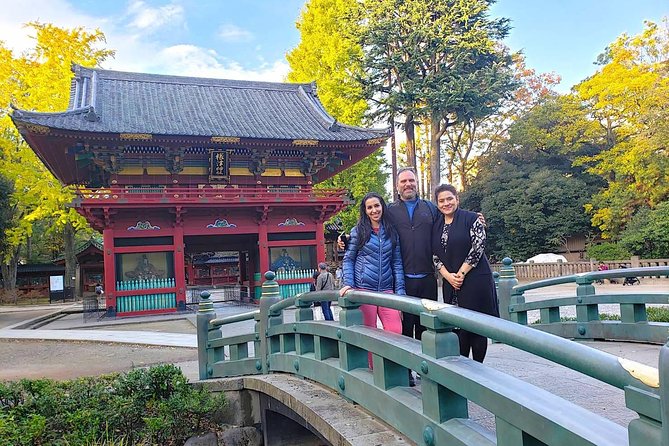
Along the way, there’s an optional stop at Gallery Okubo with a tea ceremony experience on tatami mats. This is the kind of moment that turns cultural description into bodily experience: sitting style, pacing, and the formality of tea time.
Important cost detail: the tea is ¥1,000 and is not included in the tour price. If you’re trying to keep the trip budget tight, you can skip this option without breaking the core itinerary.
If you do choose it, think of it as a pause. You’re already walking through temples and cemetery paths, so the tea stop gives you a different angle on tradition.
Afternoon-Only Art Stops: The Bathhouse and Alan West Studio
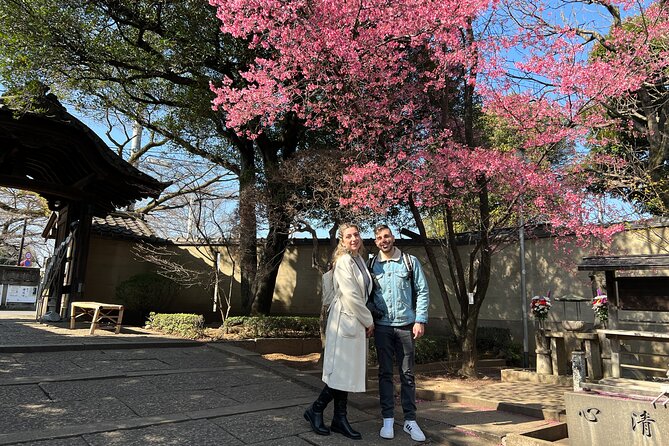
If you book the afternoon tour, you may get extra stops tied to contemporary art inside old Tokyo spaces. Two examples on the route:
- SCAI The Bathhouse, a contemporary art gallery located in Yanaka, housed in a venerable public bath. The contrast is part of the point: modern art inside a space that used to serve everyday routines.
- Edokoro Alan West, an operating studio in the neighborhood that once functioned as an auto body garage. That old infrastructure turning into an active creative space captures Tokyo’s habit of reusing structures rather than discarding them.
These stops are short, so don’t expect a full museum day. But if you like seeing how old and new share the same streets, these are smart additions.
Shitamachi Customs Museum Option: Everyday Life, Not Just Icons
There’s an optional visit to the Shitamachi Customs Museum & Exhibit Hall, designed to teach future generations about Shitamachi culture. The value here is practical. Instead of focusing only on famous temples and big events, you get objects that were actually used in daily life.
On a neighborhood walk, it can be hard to explain what “Shitamachi” means beyond a vibe. This optional museum stop helps you anchor that idea in real items and daily habits.
If you’re the type who loves domestic details like clothing, tools, and local customs, this can be a good use of time. If you prefer strictly outdoor walking, you can skip it and keep the pace.
A Very Old Shrine Stop and Then Yanaka Ginza for Snacks
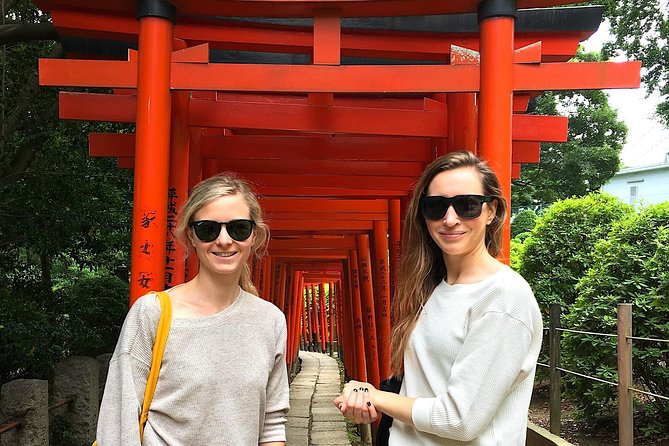
Later in the tour you’ll visit an old shrine with a setting that includes huge trees and flowering azalea shrubs, plus ponds and pathways. The shrine area is known for charming colored wooden structures, which make it feel like a postcard that still breathes like a real place.
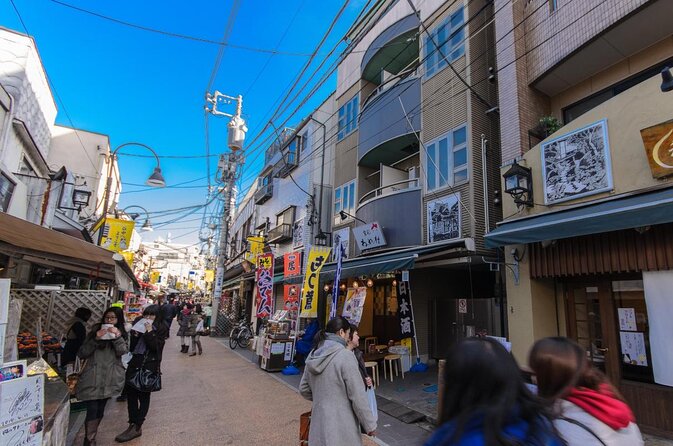
After the spiritual stops, the tour shifts to the neighborhood side: Yanaka Ginza Shopping Street. This is a great ending because it’s not only sightseeing, it’s normal life. You get about 30 minutes to explore old-town storefronts and pick up snacks.
If your travel day has been heavy on museums or formal religious visits, this is a relief. You can slow down and eat something simple, then watch how people live around these historic streets.
How to Prepare So the Walk Feels Easy
This is a walking tour, and the terrain is a mix of paths and streets. Bring comfy walking shoes. If you visit in hot weather, plan for sweating, because you will be out there for several hours. In my experience, it helps to pack small comforts even when the tour looks “short” on paper.
Bring a water bottle. Pack a light rain layer if rain is in the forecast, since outdoor walking continues and the experience still works when skies aren’t perfect.
Finally, go in with at least one question you want answered. Guides on this route tend to explain practical culture stuff like temple versus shrine differences and the etiquette around visiting. That kind of context turns awkward observation into confident looking.
Who This Tour Fits Best (and Who Should Think Twice)
This tour fits best if you want a calmer Tokyo day and you like learning through neighborhoods. It’s also a great fit for first-time visitors who want a “Tokyo overview” that isn’t only landmarks.
It’s particularly good for people who care about Edo and Meiji-era connections, architecture, religion, and how local government and community shaped daily life. Yanaka gives you those layers in a human scale.
Think twice if you dislike cemetery settings or if quiet, reflective stops make you uncomfortable. The cemetery portion is a meaningful part of the story, but it is also the most demanding segment time-wise.
Should You Book This Yanaka Walking Tour?
Yes, I’d book it if you want a guided walk through real old Tokyo space with free admissions on key stops, plus options to add tea or extra culture time. The small group format, English guide, and the way the route connects temples, cemeteries, and neighborhood streets make it feel like more than a checklist tour.
If you’re on a strict schedule or you prefer only light, upbeat sights, you might skip the cemetery-heavy version of the day and choose a different neighborhood walk. But if you’re curious about how Tokyo preserves the past in everyday places, Yanaka is a smart choice, and this route is one of the cleaner ways to do it.
FAQ
How long is the Yanaka Walking Tour?
It runs about 3 hours and 30 minutes.
Where do I meet the tour, and where does it end?
You start at Nippori Station (2 Chome-19 Nishinippori, Arakawa City, Tokyo) and the tour ends back at the meeting point.
Is there an English-speaking guide?
Yes. The tour includes an English speaking guide.
Are admissions included for the stops?
Most core stops list free admission. However, the optional tea ceremony at Gallery Okubo is not included, and the tea costs ¥1,000.
Is food included?
No. Food and drinks are not included.
How big is the group?
It is a small group with a maximum of 8 travelers, with a maximum of 10 people per booking.
Asakusa and the Skytree, Keep Going




Newest Tokyo write-ups from the Loving Japan desk
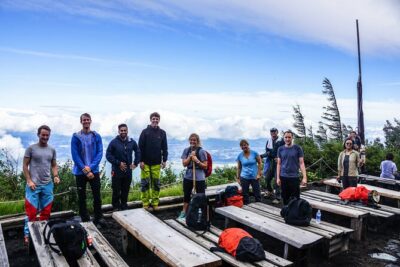
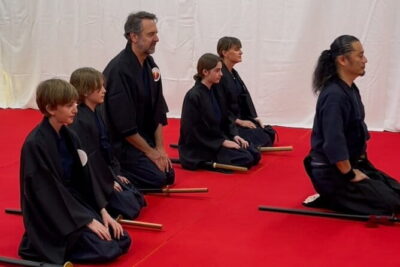
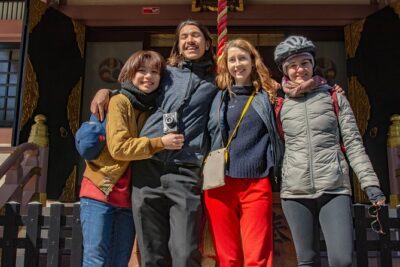
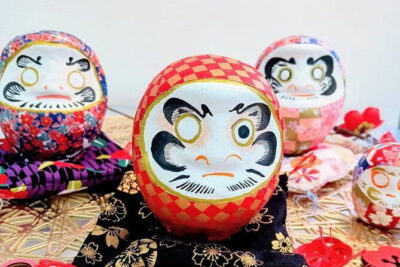

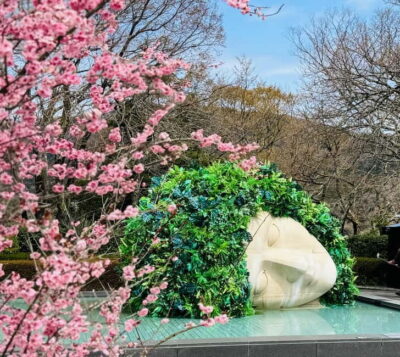
Asakusa, Senso-ji and Tokyo Skytree, side by side.
 ★ 4.5TOKYO SKYTREE® Admission ticketFrom $1311,192 reviews
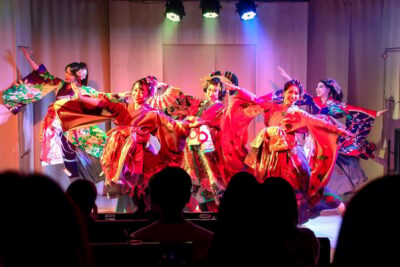 ★ 4.8Japanese Dance Cabaret Theater Asakusa-Kaguwa TicketFrom $492,270 reviews
 ★ 4.7Meiji Shrine, Asakusa, Skytree Bus Tour and CruiseFrom $1221,986 reviews
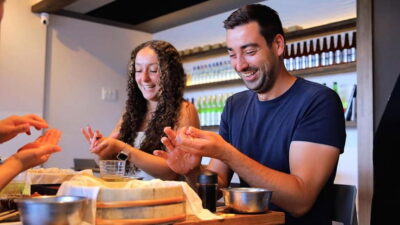 ★ 4.9Roll and Authentic Sushi Making Class in AsakusaFrom $581,957 reviews
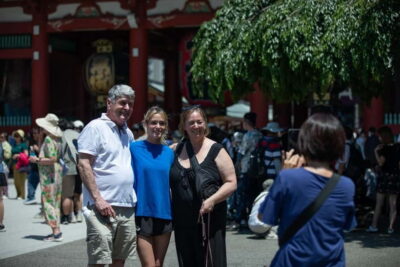 ★ 4.8Asakusa Walking Tour with Sensoji Temple VisitFrom $221,583 reviews
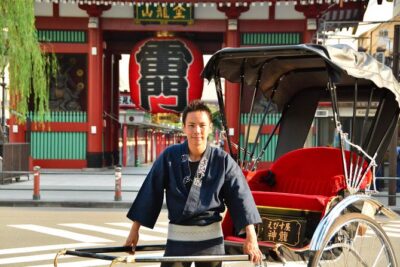 ★ 5.0Tokyo Asakusa Rickshaw TourFrom $421,375 reviews
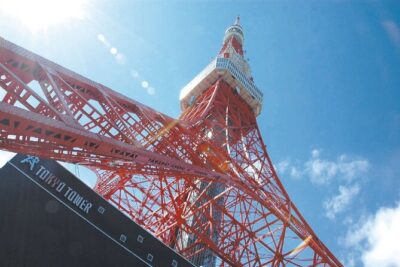 ★ 4.5Tokyo Panoramic 1 Day: Meiji Shrine, Asakusa, Odaiba and SKYTREE®From $851,222 reviews
 ★ 5.0Tokyo Go Kart: Asakusa, Skytree, and Akihabara **IDP MUST**From $99988 reviews
Filed on these lists too