
REVIEW · HIROSHIMA AND MIYAJIMA DAY TRIPS
3 Departures: Hiroshima & Miyajima Trip with Indian Lunch
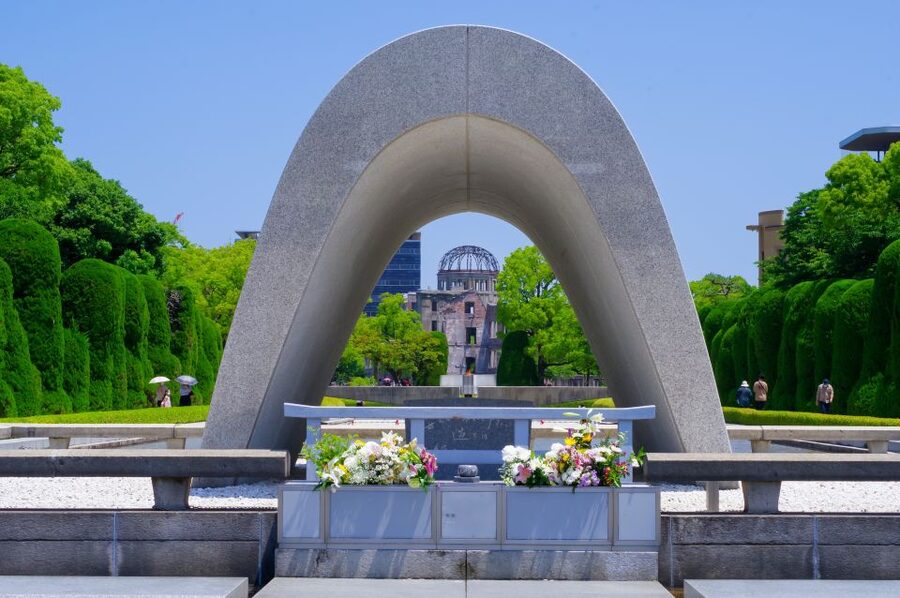
Hiroshima and Miyajima hit you in the heart. You’ll start with Hiroshima’s Peace Memorial Park, then cross Hiroshima Bay for Itsukushima Shrine and the famous floating O-Torii gate. It’s a long day, but it’s paced so you see the big icons without getting lost in logistics.
What I really like is the mix of meaning and beauty. First, the A-Bomb Dome and the surrounding memorial area give you a quiet, grounded look at what happened and why people still talk about peace. Second, the ferry ride to Miyajima changes the mood, and the shrine setting makes you slow down and pay attention.
One consideration: this is a full day (about 8 to 12 hours), so you need energy and patience for bus time and walking. Also, it’s not a hands-on cooking or shopping tour, so if you want lots of free wandering in town, plan to be a little selective with your time on Miyajima.
In This Review
- Key takeaways before you go
- A full-day loop that’s easier than DIY
- Hiroshima Peace Memorial Park and the A-Bomb Dome
- Hiroshima Peace Memorial Museum, and what your guide adds
- Lunch in Hiroshima, plus the practical timing you’ll want
- Ferry to Miyajima: the mood shift on open water
- Itsukushima Shrine, UNESCO setting, and why the timing works
- The floating O-Torii gate: how to see it well
- Miyajima free time: what to do with one hour
- Transportation and included value around the $116 price
- Who this tour suits best
- Should you book it? My honest take
- FAQ
- What are the start locations for this Hiroshima and Miyajima trip?
- How long is the tour from start to finish?
- What’s included in the price?
- What about the lunch, are vegetarian options available?
- Is there an English guide?
- What happens if the Peace Memorial Museum is closed?
Key takeaways before you go
- English live guide helps you understand what you’re seeing, including the human story behind the memorials.
- A-Bomb Dome and Peace Memorial Museum are timed to fit a thoughtful visit, not a rushed photo stop.
- Ferry to Miyajima is part of the experience, not just transportation.
- Itsukushima Shrine entry and ferry return are included, so you avoid extra ticket math.
- Indian curry lunch with vegetarian options is included, but menu changes aren’t accommodated on the day.
Pairing the city with Miyajima. Other itineraries
- Hiroshima: Hiroshima and Miyajima UNESCO Sites 1-Day Tour
★ 4.9 · 2,330 reviews - Hiroshima / Miyajima Full-day Private Tour with Government Licensed Guide
★ 5.0 · 1,298 reviews - Hiroshima Historical Walking Tour – Why A-Bomb was Dropped
★ 4.8 · 893 reviews - Hiroshima Peace (Heiwa) Walking Tour at World Heritage Sites
★ 5.0 · 872 reviews
A full-day loop that’s easier than DIY

I like tours when they do the heavy lifting and leave me free to focus. This one takes you from a starting station (Shin-Osaka, Kyoto, or Hiroshima) and then handles the in-city transport by air-conditioned bus in Hiroshima. You also get an English live guide, which matters a lot in Hiroshima because the signs and details can feel overwhelming if you’re going it alone.
The schedule is structured but not frantic. You’ll spend about an hour at the A-Bomb Dome, another hour at the museum, then you move on to lunch and the Miyajima portion. There’s also a dedicated free-time window on Miyajima, so you’re not stuck only in guided segments.
If you’re choosing the Kyoto or Osaka option, the included roundtrip Shinkansen tickets can make the overall value feel especially strong. Even if you’re starting from Hiroshima, you still get most of the day covered: shrine entry, ferry return, museum entry, and lunch.
Hiroshima Peace Memorial Park and the A-Bomb Dome
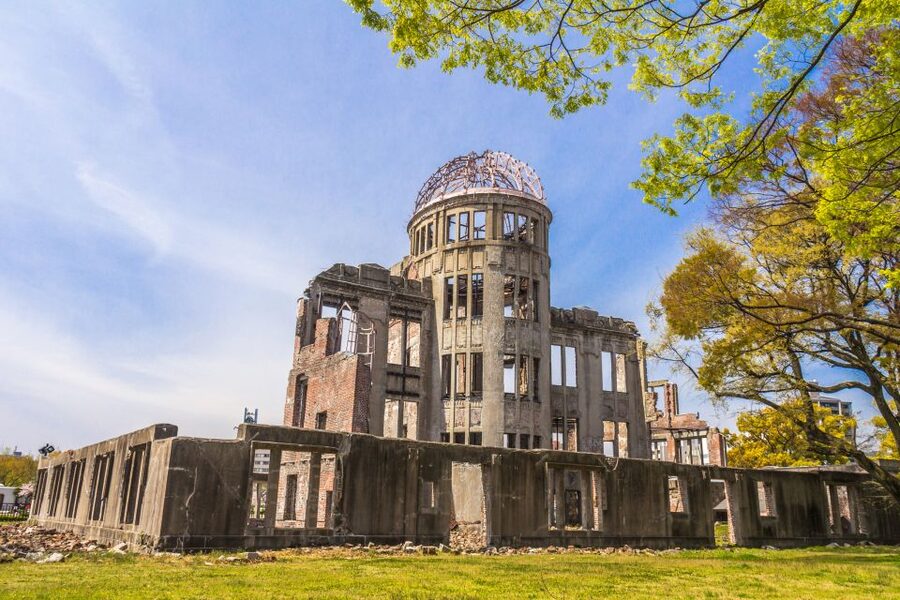
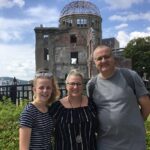
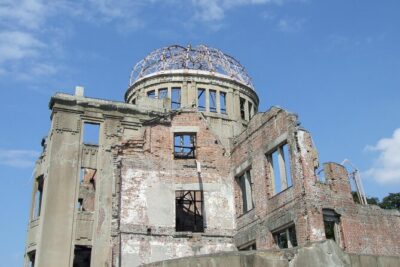
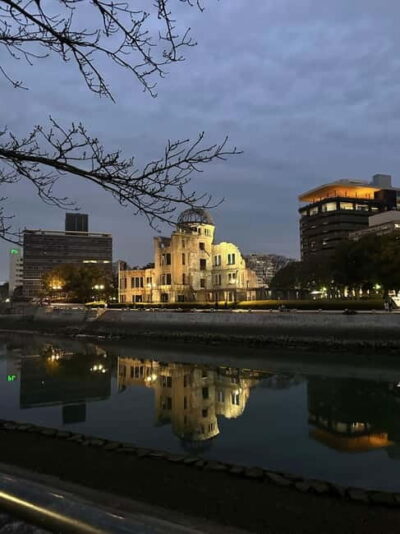
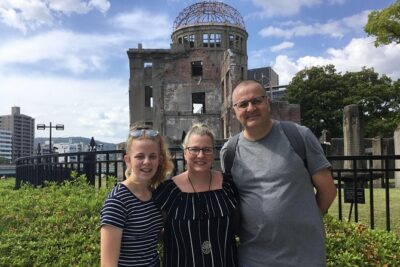
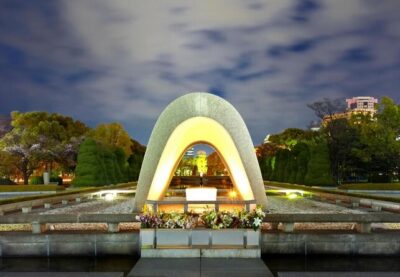
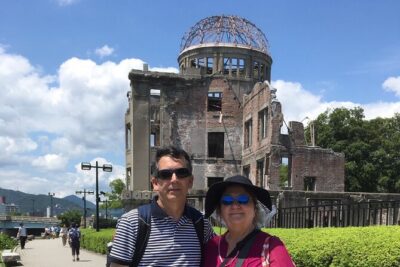
This is the heart of the day, and it’s handled with care. You start in Hiroshima Peace Memorial Park, and the plan takes you to the A-Bomb Dome, a preserved structure from the area ruined by the atomic blast. The point is not just to look at a landmark. It’s to understand that a single place can carry memory, evidence, and a message.
I love that the time isn’t just 15 minutes for quick photos. You get about an hour around the area. That gives you breathing room to read, watch people, and form your own thoughts instead of rushing because the bus is waiting.
The dome itself is powerful because it’s so specific. It’s not an abstract idea. It’s a damaged building, preserved in a way that forces you to face what the bomb did. You’ll likely notice how other visitors behave there, too, because the memorial atmosphere encourages quiet attention.
Hiroshima Peace Memorial Museum, and what your guide adds
After the dome, you visit the Hiroshima Peace Memorial Museum. Plan on about an hour here. This is where the day becomes more detailed and harder to ignore. Museum exhibits can be emotional, but that’s also the point: the museum helps connect the preserved building to the wider impact on people and the city.
What makes the visit work on a guided tour is the context you get while you’re standing in front of artifacts and displays. In the reviews, guides like Joe were praised for explaining history and sharing perspective, and Miyuki was also described as warm and knowledgeable. You don’t need someone to tell you how to feel. You do need help translating what you’re seeing into something you can understand quickly.
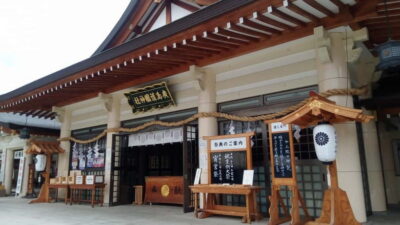
If the museum is closed on the day you go, you won’t be left empty-handed. The tour swaps in the Hiroshima National Peace Memorial Hall for the Atomic Bomb Victims. That replacement keeps the focus on the same core theme, so you still get a meaningful museum component.
- Hiroshima Peace (Heiwa) Walking Tour at World Heritage Sites★ 5.0 · 872 reviews
- Hiroshima in a Nutshell: Morning Bike Adventure★ 5.0 · 524 reviews
- Hiroshima City 4hr Private Walking Tour with Licensed Guide★ 5.0 · 437 reviews
- From Hiroshima: Hiroshima & Miyajima 1 Day Tour with Lunch★ 4.7 · 395 reviews
- Japanesel Archery Experience HIROSHIMA CASTLE SHARAKU★ 5.0 · 387 reviews
Lunch in Hiroshima, plus the practical timing you’ll want
Lunch is built into the flow at about 45 minutes. You’ll eat Indian curry, and vegetarian options are available. For most people, this is a relief after a heavy morning. You get a chance to reset, eat something filling, and refuel before the Miyajima portion.
A couple practical notes matter here. Drinks aren’t included, and you’re asked to refrain from bringing your own food and drinks into the restaurant. Also, the provider can’t accommodate menu changes on the day. So if you have dietary needs beyond the vegetarian option, you’ll want to check ahead rather than assume you can swap ingredients at the counter.
I like this lunch choice because it’s familiar enough for many international visitors, and the vegetarian option keeps the meal accessible. The biggest tip I’d give you is simple: don’t waste time searching for something nearby after lunch. You’ll be moving on soon, and the tour schedule keeps the day flowing.
Ferry to Miyajima: the mood shift on open water
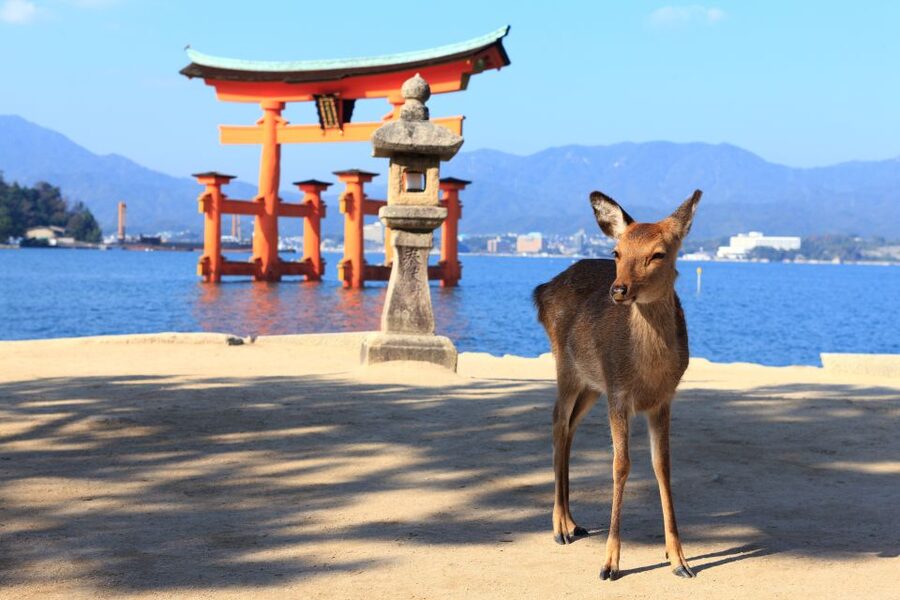
Then the day changes gear. You travel by ferry across Hiroshima Bay to Miyajima, an island known for its shrine complex and sacred landscape. The ferry ride matters because it gives you a real sense of separation from Hiroshima. You’re not just moving locations, you’re moving atmosphere.
You’ll also see how the water frames the shrine views later. When you arrive, you’re already in the right mindset: you’ve been on the bay, and your eyes adjust to the idea of structures that look different depending on the angle and the tide.
This is one of the reasons I don’t love DIY trips for Miyajima unless you really enjoy planning. Ferry times and connections can feel like puzzle pieces. Here, you get a ferry return ticket included, and that takes away a lot of stress.
Itsukushima Shrine, UNESCO setting, and why the timing works
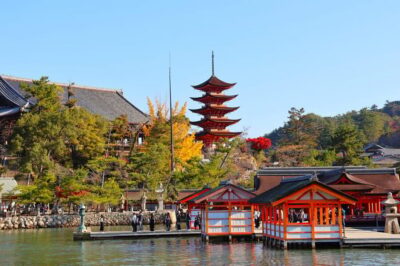
Itsukushima Shrine is the main draw on Miyajima. The tour includes entry, and it focuses on the shrine’s national treasure and UNESCO World Heritage status. You’ll spend about an hour at the shrine area, which is a smart amount of time for first-timers.
I love that the tour doesn’t treat the shrine as just a photo moment. Even with limited time, you can walk the approach, absorb the layout, and notice how it looks like it belongs to the sea. Shinto shrine architecture and placement feel symbolic here, not pasted on for tourists.
The best part for me is the contrast with Hiroshima. You go from a place built to remember suffering, then to a shrine that represents continuity, belief, and cultural identity. Both are important. Together, they make the day more than a checklist.
A small reality check: the tour visits are paced by time blocks, so if you’re the type who wants to wander for hours to hunt for perfect angles, you’ll want to manage expectations. The included experience is designed for coverage, not total freedom.
The floating O-Torii gate: how to see it well
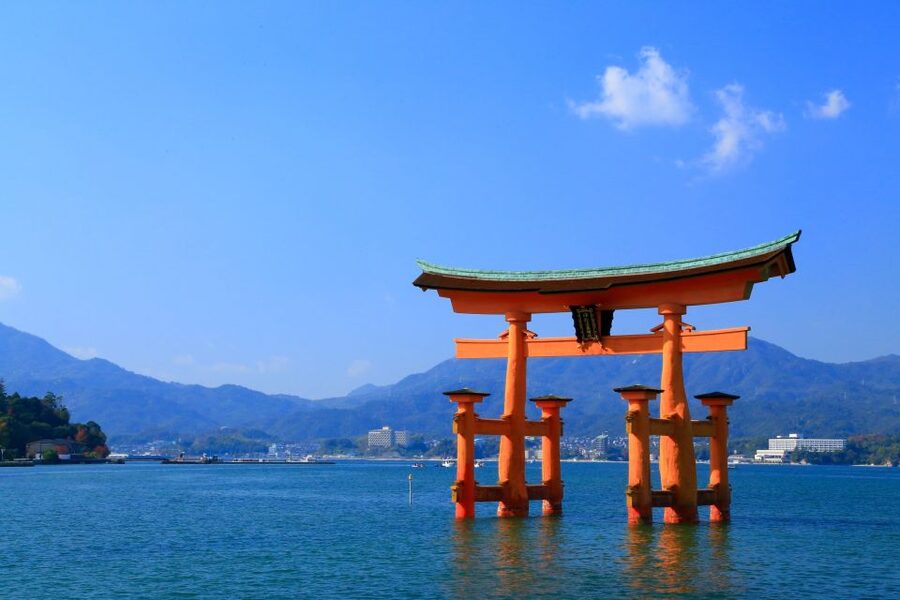
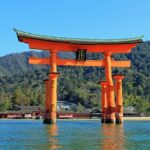
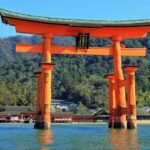
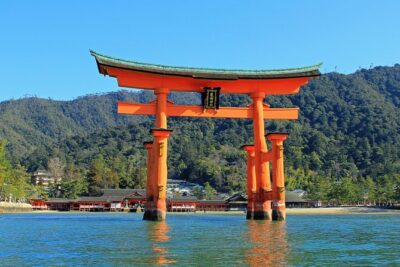
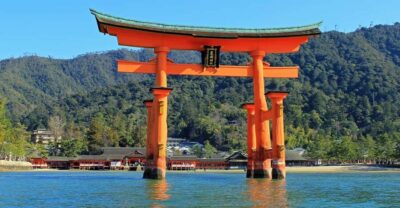
The iconic image is the red O-Torii, often called the Grand Torii Gate. It’s the “floating gate” people travel for, and the effect comes from the way the structure relates to the surrounding water.
Even if you’ve seen photos before, I think seeing it in person still surprises you. The color, the scale, and the water setting combine into something that feels almost theatrical. But it’s not magic. It’s viewpoint, light, and the tide and waterline effects that make the gate look as if it’s floating.
Your best bet is to be patient and give your eyes a minute or two after you arrive. If you only stop for a single shot and keep walking, you’ll miss how the water changes the look. The tour’s shrine window plus the short Miyajima free time helps here, because you can adjust your timing without feeling like you’re breaking the plan.
Miyajima free time: what to do with one hour
After the shrine visit, you get about an hour of free time on Miyajima. That’s enough time to do a couple things well. You can re-check viewpoints for the torii gate, take photos from slightly different angles, or simply slow down and enjoy the island atmosphere.
Because the time is limited, I’d suggest choosing your priorities before you disembark. If your top goal is the torii, spend your free hour making that your main activity. If you care more about walking and ambiance, use the free time for a calm wander rather than racing between attractions.
One more practical note: you’ll be doing a lot of sitting and riding in the earlier part of the day. Stand, move, and give your feet breaks as you go. Miyajima can feel like it’s designed for strolling, but your shoes will decide how much you enjoy it.
Transportation and included value around the $116 price
At around $116 per person, this tour can feel like good value because it includes several items that add up fast if you book them separately. You get transportation by air-conditioned bus within Hiroshima, entry fees for the Hiroshima Peace Memorial Museum and Itsukushima Shrine, and ferry return tickets to Miyajima.
If you choose the Kyoto or Osaka starting option, the included roundtrip Shinkansen tickets can be a major savings versus piecing it together yourself. That also helps if you want a stress-free day trip without worrying about which train gets you where on time.
The tour also has a live English guide, and transport is described as highly rated. In plain terms, you’re buying both the sights and the smooth operation that gets you between them.
What’s not included is also important for budgeting. Drinks aren’t included with lunch. And if you plan a Shinkansen after the tour, it’s recommended to book something after 6:30 PM.
Who this tour suits best
This is a strong fit if you want a single-day plan that connects Hiroshima’s memorial sites with Miyajima’s shrine and bay scenery. You’ll like it if you appreciate context and want help understanding what you’re looking at, especially in Hiroshima Peace Memorial Park and the museum.
It’s also a good choice if you’re traveling from Shin-Osaka, Kyoto, or Hiroshima and want the day organized around transit. The included tickets and guide support reduce the usual friction of multi-stop day trips.
If you’re someone who hates structured schedules, you might feel constrained by the time blocks. You only get about an hour of free time on Miyajima, and most of your day is guided. It’s designed to cover highlights, not to give you half a day to wander at random.
Should you book it? My honest take
Book it if you want a guided, high-value day that hits the big emotional and visual anchors: Hiroshima Peace Memorial Park, the A-Bomb Dome, the museum, then the ferry and shrine on Miyajima. The English guide component is especially meaningful here, and the reviews point to guides like Joe and Miyuki for making the day clearer and more human.
Skip it only if you strongly prefer flexible independent travel, or if you know you will feel uncomfortable with the emotional weight of Hiroshima memorial sights. This trip doesn’t hide the topic. It confronts it in a respectful way, and that matters for the kind of experience you’re signing up for.
FAQ
What are the start locations for this Hiroshima and Miyajima trip?
You can start from Shin-Osaka Station, Kyoto Station, or Hiroshima Station, depending on the option you book. The exact meeting point may vary by option.
How long is the tour from start to finish?
The duration is about 8 to 12 hours.
What’s included in the price?
Included items are air-conditioned bus transportation in Hiroshima, entry fees for the Itsukushima Shrine and Hiroshima Peace Memorial Museum, Miyajima Island ferry roundtrip tickets, Indian curry lunch, and (for Osaka and Kyoto options) roundtrip bullet train tickets.
What about the lunch, are vegetarian options available?
Lunch is Indian curry, and vegetarian options are available. The provider cannot accommodate menu changes on the day of the tour, and drinks are not included.
Is there an English guide?
Yes, the tour includes a live tour guide in English.
What happens if the Peace Memorial Museum is closed?
If the Hiroshima Peace Memorial Museum is closed, the tour visits the Hiroshima National Peace Memorial Hall for the Atomic Bomb Victims instead.
Hiroshima and Miyajima Together
Newest Hiroshima write-ups from the Loving Japan desk
Hiroshima and Miyajima Day Trips, side by side.
 ★ 5.0Peaceful Hiroshima & Miyajima UNESCO 1 Day Bus TourFrom $1295,309 reviews
 ★ 4.9Hiroshima and Miyajima UNESCO Sites 1-Day TourFrom $1222,330 reviews
 ★ 5.0Hiroshima / Miyajima Full-day Private Tour with Government Licensed GuideFrom $2021,298 reviews
 ★ 4.7Osaka/Kyoto: Hiroshima Miyajima Bus Tour & Shinkansen TicketFrom $277919 reviews
 ★ 4.8Hiroshima Historical Walking Tour – Why A-Bomb was DroppedFrom $35893 reviews
 ★ 5.0Hiroshima Peace (Heiwa) Walking Tour at World Heritage SitesFrom $94872 reviews
 ★ 5.0Hiroshima in a Nutshell: Morning Bike AdventureFrom $72524 reviews
 ★ 5.0Hiroshima City 4hr Private Walking Tour with Licensed GuideFrom $122437 reviews
Filed on these lists too