
REVIEW · HIROSHIMA AND MIYAJIMA DAY TRIPS
Hiroshima:Private lacquer workshop experience tour(gift included)
Hiroshima lacquer becomes personal. In this 2-hour workshop in Hiroshima, you’ll meet master Naoya Takayama and follow Hiroshima lacquer traditions that trace back to Buddhist altar craft, then try lacquer painting yourself. The focus stays practical, not just scenic, so you walk away understanding how the work is made and why it matters today.
I love the hands-on lacquer painting time, not only watching a craftsman at work. I also love the way the session connects everyday tableware to older techniques, including the roiro (wax color) approach used to make distinctive, award-winning pieces.
One thing to consider is that the session is about 2 hours total, so at this price point you’re paying for a focused, guided experience, not a long practice block. If you want hours of trial-and-error, you might leave wishing for more time.
In This Review
- Key highlights at a glance
- Hiroshima Buddhist altar lacquer, made for everyday tableware
- Meeting Naoya Takayama and the craft line behind him
- How the session flows in the 2 hours
- Stop 1: Arrive, get oriented, and meet the process
- Stop 2: Origins and techniques from Hiroshima Buddhist altars
- Stop 3: The pressure on traditional crafts, and why it matters
- Stop 4: Award-winning Hiroshima lacquer and roiro (wax color)
- Stop 5: Lacquer painting, where you actually do the work
- Stop 6: Receive your gift, made by the instructor
- What you learn that other classes usually skip
- Price, time, and small group value in Hiroshima
- Who this Hiroshima lacquer workshop is best for
- Practical tips to get more from your 2 hours
- Should you book this Hiroshima lacquer workshop?
- FAQ
- How long is the Hiroshima private lacquer workshop?
- What is included in the tour?
- Who teaches this workshop?
- Where does the experience start?
- Is the group size small?
- Do I need a printed ticket?
- What is the cancellation policy?
Key highlights at a glance
- Master-led instruction focused on Hiroshima Buddhist altar lacquer technique
- Small group size (up to 6) that keeps the pace comfortable
- Hands-on lacquer painting so you try the process yourself
- Ro iro (wax color) technique explained through award-winning work
- A gift included from the instructor’s own pieces
Pairing the city with Miyajima. Other itineraries
- Peaceful Hiroshima & Miyajima UNESCO 1 Day Bus Tour
★ 5.0 · 5,309 reviews - Hiroshima: Hiroshima and Miyajima UNESCO Sites 1-Day Tour
★ 4.9 · 2,330 reviews - Hiroshima / Miyajima Full-day Private Tour with Government Licensed Guide
★ 5.0 · 1,298 reviews - Hiroshima Historical Walking Tour – Why A-Bomb was Dropped
★ 4.8 · 893 reviews
Hiroshima Buddhist altar lacquer, made for everyday tableware
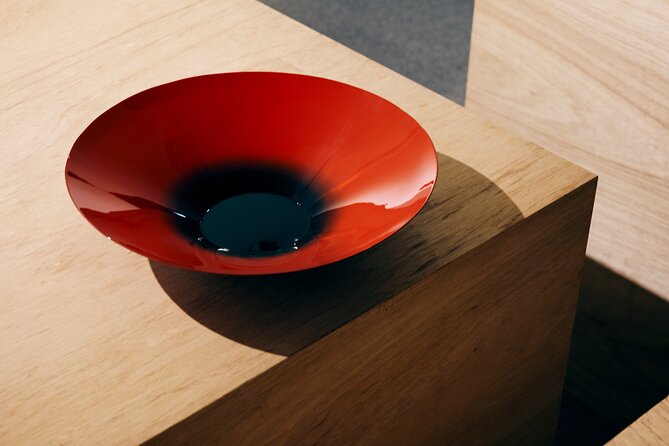
You’ll see Hiroshima lacquer in a new light fast, because this workshop is not about souvenirs or passive culture watching. The craft traces back to Buddhist altars, where lacquer was used for objects meant to last, look ceremonial, and handle everyday use within a temple setting. What Takayama brings to the table is the idea that the same craftsmanship belongs on the things you actually eat from and live with.
The promise here is a “how” lesson, not just a “why it’s beautiful” lesson. You’ll hear about origins and techniques tied to the Hiroshima Buddhist altar tradition, then connect those ideas to lacquerware used in daily life. The workshop also includes a frank look at the current state of decline in traditional crafts and what people are trying to do to keep techniques and knowledge alive.
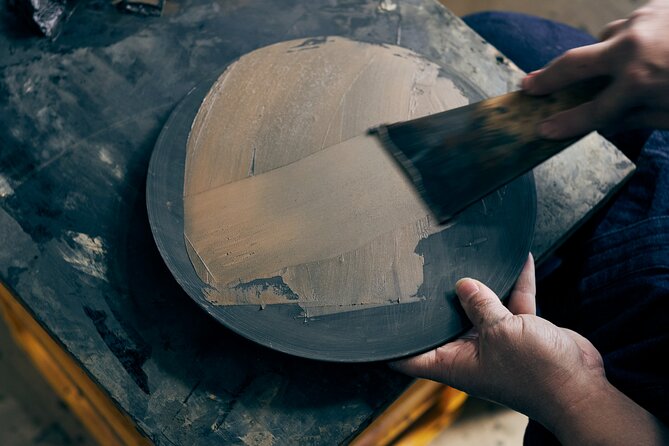
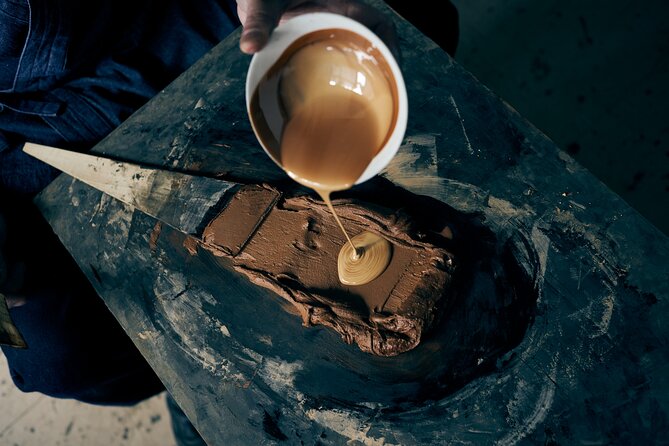
And yes, it’s also artistic. You’re doing lacquer painting, which means you’re paying attention to texture, timing, and the look the lacquer produces when it’s applied carefully. This is one of those experiences where your hands become part of the learning.
Meeting Naoya Takayama and the craft line behind him
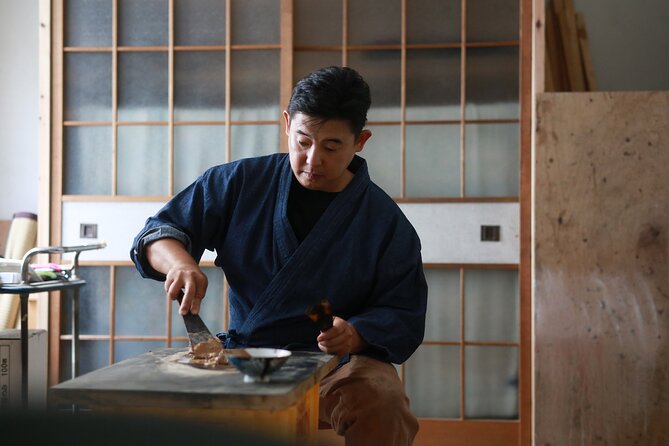
The instructor is the star of this tour: Naoya Takayama. His training includes traditional Kyoto lacquer painting techniques, then additional refinement of his own skills. One detail that matters is that he incorporated roiro (wax color) techniques to create original pieces, rather than copying older patterns exactly.
You also get a sense of lineage, because the workshop frames Takayama’s work in relation to skills and spirit inherited from Kiyoshi Takayama, the founder of the company. That connection is more than a name drop. It sets up the workshop’s theme: tradition is not a museum piece. It’s a living craft that has to keep adapting, or it risks fading away.
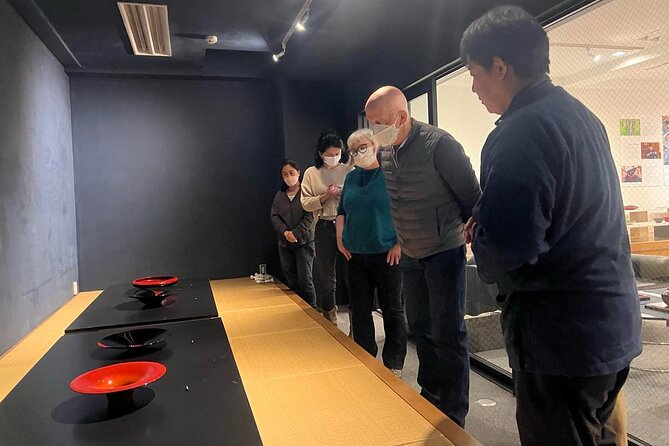
In the studio, you can expect a professional, welcoming setup. People who’ve done this describe the studio staff as warm, and the instruction as clear enough that you’re not stuck guessing what comes next. If you’re paired with a guide named Michi, that’s been described as particularly kind and professional, which can make a big difference when you’re trying a technique you’ve never used before.
How the session flows in the 2 hours
The whole experience runs around 2 hours and starts and ends at the same meeting point in Hiroshima (2-17 Horikawachō, Naka Ward). That means you can treat it like a focused appointment rather than a whole travel day.
Here’s what that time is built around, in the order you’ll feel it during the workshop.
Make something to take home. Other workshops
- An Amazing set of Cultural experience: Kimono, Tea Ceremony and Calligraphy★ 5.0 · 69 reviews
- Cultural Activities :Kimono, tea ceremony, Calligraphy and Amulet★ 5.0 · 44 reviews
- Experience the Soul of Hiroshima: A Peaceful Koto Workshop★ 5.0 · 32 reviews
- Calligraphy Workshop at Traditional Folk Craft Shop in Hiroshima★ 5.0 · 26 reviews
- Kimono and Calligraphy Experience in Miyajima★ 5.0 · 16 reviews
Stop 1: Arrive, get oriented, and meet the process
You’ll begin at the address given for the tour and use a mobile ticket. Because it’s near public transportation, you’re not locked into a complicated transfer plan, which helps when you’re juggling Hiroshima sightseeing.
Once you’re inside the studio space, the tone tends to be practical. You’re going to learn the technique steps, not just admire the tools. This is where you’ll start picking up the “logic” of lacquer work, like why certain approaches matter for surface feel and finished texture.
Stop 2: Origins and techniques from Hiroshima Buddhist altars
Next comes the heart of the lecture portion: the origins and techniques tied to Hiroshima Buddhist altar lacquer craft. This is where you’ll learn how the tradition developed and what it was designed to do. Lacquer isn’t only decorative. In altar craft, it’s about durability, appearance, and the feeling of care in the final object.
If you like context, this part is the one that gives meaning to everything else. When you understand the craft’s original purpose, the painting practice later stops feeling random.
Stop 3: The pressure on traditional crafts, and why it matters
You’ll also hear about the current state of decline in traditional crafts, techniques, and ideas for sustaining them. This portion is important because it reframes the workshop. You’re not just buying into art, you’re learning something that people are actively trying to keep alive.
I like that the discussion isn’t vague. The workshop explicitly brings up decline and sustainability, which is usually what separates a performance from a real craft lesson.
Stop 4: Award-winning Hiroshima lacquer and roiro (wax color)
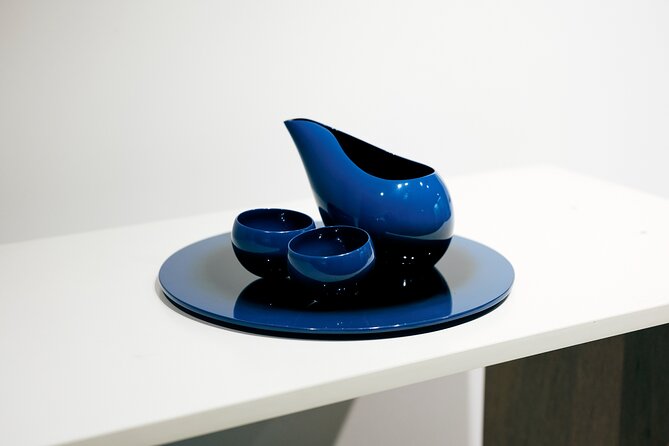
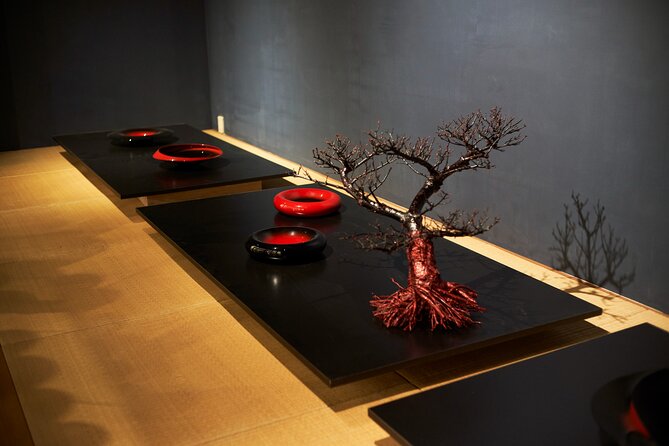
Then you’ll get an introduction to Naoya Takayama’s technique and works. A point highlighted in the experience description is that his works were selected as gifts at the G7 Summit. That detail helps you understand the reach of the craft beyond Japan, but it’s not used as marketing fluff. The real value comes from hearing the technique story, including roiro (wax color).
Ro iro matters because it shows how the craft stays modern without abandoning tradition. You’re learning that lacquer can be both disciplined and inventive, which makes the later painting experience more fun.
Stop 5: Lacquer painting, where you actually do the work
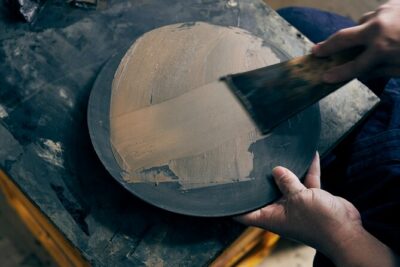
Finally, you get your own chance at lacquer painting. This is the section you’ll talk about later, because your brain remembers what your hands do. Even if your first result isn’t a masterpiece, you’ll learn how the technique behaves and what “careful application” feels like.
A good sign is that the workshop is described as doable for most travelers, and the small group size (max 6) supports that. When there aren’t too many people, it’s easier for the instructor to guide you step by step.
Stop 6: Receive your gift, made by the instructor
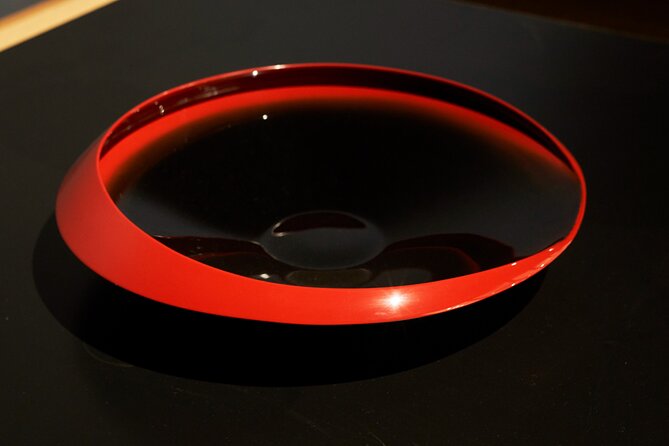
You’ll also receive a gift of works made by the instructor. This is one of the main value adds, since it turns the workshop into more than a class. You’re not leaving empty-handed, and the gift reinforces the skill and artistry behind what you tried during the session.
The experience ends back at the meeting point, so you can plan your next Hiroshima stop without backtracking.
What you learn that other classes usually skip
Most hands-on art classes teach technique. This one teaches technique plus craft thinking, and that’s why it feels worth your time.
You’ll learn the origins and techniques connected to Hiroshima Buddhist altar craft, which gives you a real baseline for what “proper” lacquer work is trying to achieve. You’ll also hear the explicit message about decline in traditional crafts and the ways people are trying to sustain them. That part makes the workshop feel like it’s happening in real time, not frozen in history.
Then you’ll get the technical framing behind award-winning lacquer work. The inclusion of roiro (wax color) is key, because it’s an example of creative evolution. You’re shown that tradition isn’t only repeating older methods, it can be combined with new approaches to create original pieces.
Finally, the lacquer painting itself forces you to pay attention. You start noticing the differences between applying lacquer casually and applying it with control. That’s the kind of learning that sticks, even if you don’t become a lacquer artist afterward.
Price, time, and small group value in Hiroshima
The price is $287.41 per person for about 2 hours. That’s not a bargain rate, so the value has to come from what’s included and who’s teaching.
Here’s why it can still feel like good value for the right traveler:
- You’re learning directly from an instructor who is tied to award-winning Hiroshima lacquer work.
- The workshop includes a gift made by the instructor.
- You’ll get hands-on lacquer painting, not only observation.
- The group is capped at 6 travelers, which supports more direct instruction.
Where it might feel less worth it:
- It’s still only about 2 hours. If you want a long, slow, multi-session deep practice, you may find this short.
- At this price, you’ll want to be sure you actually enjoy craft instruction and hands-on art work. If you only want photos and general sightseeing, you might not feel satisfied by a lacquer session alone.
My advice is to match it to your travel style. If you enjoy artisan skills, technique-led experiences, and leaving with an object you can point to, you’re the target audience.
Who this Hiroshima lacquer workshop is best for
This is a great fit for you if:
- You like learning from a named master and want instruction tied to a specific regional craft story
- You enjoy hands-on art where you actively paint, rather than just watching
- You want a cultural experience that includes a real sustainability conversation, not only aesthetics
- You’d rather bring home a meaningful craft gift than another generic souvenir
It’s less ideal if:
- You’re looking for a full-day activity with lots of locations and walking
- You dislike structured workshops
- You’re on a strict budget and need lower-cost activities to balance your Japan spend
Because it’s described as most travelers can participate, it’s approachable. Still, it’s easiest if you’re comfortable focusing for a short session and following instruction closely.
Practical tips to get more from your 2 hours
You’ll get the most out of this workshop by treating it like a skill session, not a casual stop.
Here are a few practical moves that tend to help:
- Arrive with a clear mindset. You have about 2 hours, so aim to be mentally present.
- Ask questions when something clicks. The sustainability topic and the technique origins are interesting, and your instructor can connect them to what you’re doing.
- Take your time with the painting portion. This is where the craft becomes real, and where you’ll remember the most.
- If you’re worried about your finished piece, ask what to expect. The experience guarantees you’ll be doing lacquer painting and receiving a gift, but details about handling after the session are not provided here.
Also, because the meeting point is near public transportation, you can plan your day without complex logistics. Use the mobile ticket you’re provided for the session start.
Should you book this Hiroshima lacquer workshop?
Book it if you want a high-skill, master-led workshop in Hiroshima that mixes technique, cultural context, and a hands-on lacquer painting moment, plus a gift made by the instructor. The strongest reason to choose this experience is the combination of crafted explanation and actual practice, taught by Naoya Takayama, with ties to Hiroshima Buddhist altar origins and modern innovation like roiro (wax color).
Skip or reconsider if you’re only looking for broad sightseeing or you feel uneasy about paying a premium for a short session. It’s focused, and it’s meant for people who genuinely enjoy artisan workshops.
If that sounds like you, this is one of the more memorable ways to experience Hiroshima craft beyond the usual postcard loop.
FAQ
How long is the Hiroshima private lacquer workshop?
The workshop duration is about 2 hours.
What is included in the tour?
You will learn about Hiroshima Buddhist altar lacquer origins and techniques, discuss the current state of decline in traditional crafts, be introduced to the instructor’s award-winning lacquer techniques including roiro (wax color), do a lacquer painting experience, and receive a gift of works made by the instructor.
Who teaches this workshop?
The instructor is Naoya Takayama.
Where does the experience start?
It starts at 2-17 Horikawachō, Naka Ward, Hiroshima, 730-0033, Japan, and ends back at the meeting point.
Is the group size small?
Yes. The workshop has a maximum of 6 travelers.
Do I need a printed ticket?
No. You receive a mobile ticket.
What is the cancellation policy?
You can cancel for a full refund up to 24 hours in advance of the experience start time.
Made by Hand, and Yours to Keep

Hiroshima and Miyajima Together

Newest Hiroshima write-ups from the Loving Japan desk


Hiroshima and Miyajima Day Trips, side by side.
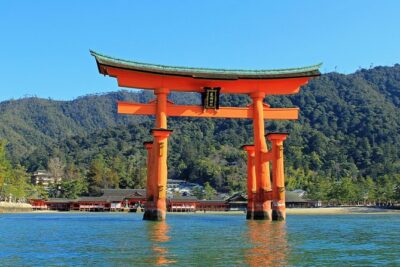 ★ 5.0Peaceful Hiroshima & Miyajima UNESCO 1 Day Bus TourFrom $1295,309 reviews
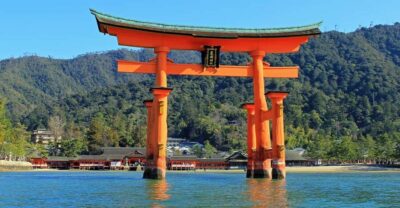 ★ 4.9Hiroshima and Miyajima UNESCO Sites 1-Day TourFrom $1222,330 reviews
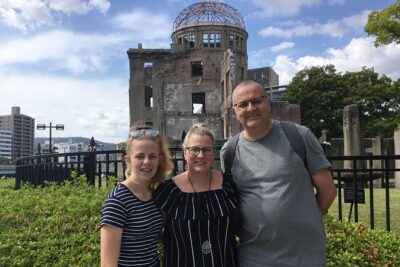 ★ 5.0Hiroshima / Miyajima Full-day Private Tour with Government Licensed GuideFrom $2021,298 reviews
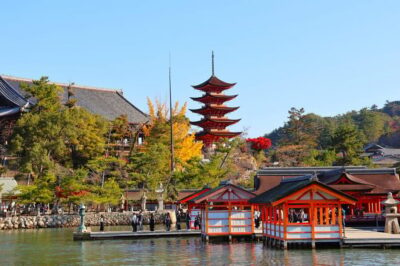 ★ 4.7Osaka/Kyoto: Hiroshima Miyajima Bus Tour & Shinkansen TicketFrom $277919 reviews
 ★ 4.8Hiroshima Historical Walking Tour – Why A-Bomb was DroppedFrom $35893 reviews
 ★ 5.0Hiroshima Peace (Heiwa) Walking Tour at World Heritage SitesFrom $94872 reviews
 ★ 5.0Hiroshima in a Nutshell: Morning Bike AdventureFrom $72524 reviews
 ★ 5.0Hiroshima City 4hr Private Walking Tour with Licensed GuideFrom $122437 reviews
Filed on these lists too