
REVIEW · HIROSHIMA AND MIYAJIMA DAY TRIPS
From Hiroshima: Rabbit Island and Takehara Town Tour
Rabbits first, history right after. This full-day trip from Hiroshima links Takehara’s old streets with Okunoshima, where you’ll feed rabbits but also get a guided look at the island’s wartime ruins. I especially like how the day blends photo fun with real context, and how a small group keeps the English-language pace friendly and not rushed. With guides such as Isabella (and a student guide in at least one run), you get clear explanations and room to ask questions.
The trade-off is time: this is a long day, about 570 minutes, with walking in the sun and ferry crossings. If you’re sensitive to heat or you dislike museums and ruins, plan your energy and bring what you need.
In This Review
- Key points to know before you go
- A full-day Hiroshima-to-Okunoshima itinerary that actually makes sense
- Hiroshima meet-up and how the day stays organized
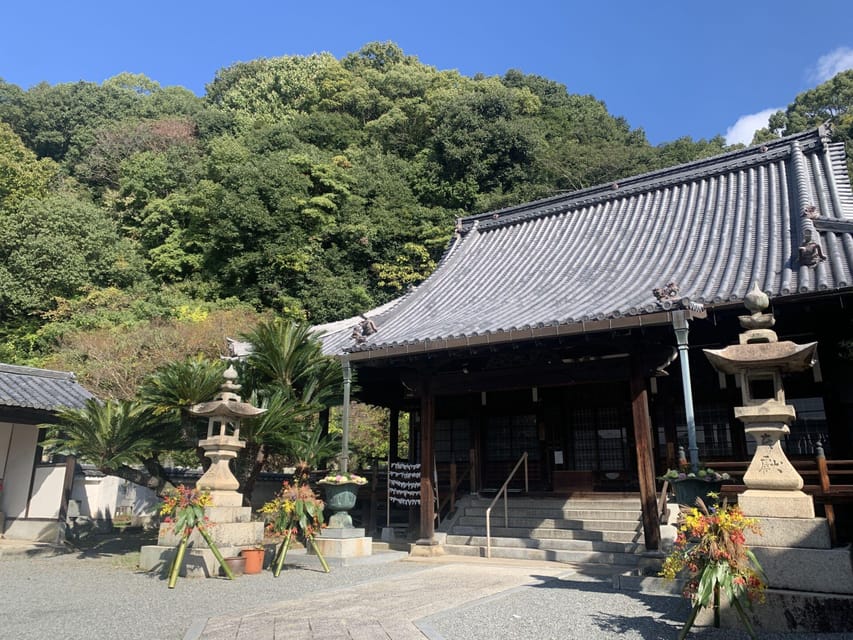
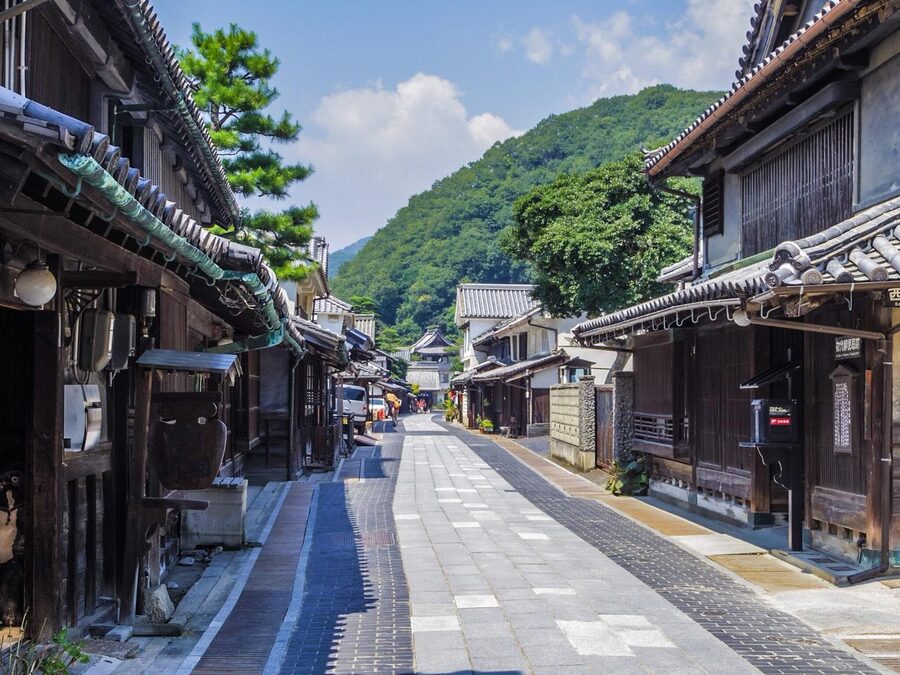
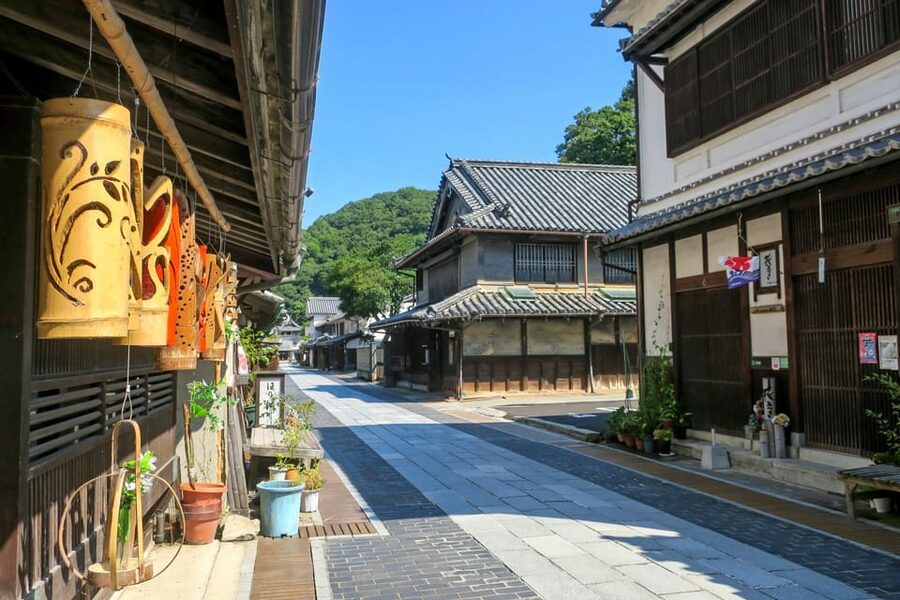
- Takehara Townscape Conservation Area: temples, merchant houses, and sake talk
- Saihoji and the Matsusaka residence: what Edo life looks like on the ground
- The Okakae Jizō Statue legend, and why it’s a smart story stop
- Crossing to Okunoshima: ferry time, then ruins with real context
- Feeding rabbits and planning your free time on the island
- Hot springs, bikes, lighthouse views, and where you’ll actually eat
- Price and value: why $170 can be fair for this mix of places
- Who this tour is best for, and who should think twice
- The return to Hiroshima: finishing near the Shinkansen gates
- Should you book this tour?
- FAQ
- How long is the Hiroshima to Rabbit Island and Takehara Town tour?
- Where do I meet the guide in Hiroshima?
- Is the tour conducted in English?
- What is included in the tour price?
- Is lunch included?
- Can I buy food and drinks on Rabbit Island?
- What do I do during the free time on Okunoshima?
- How large is the group?
- Is the tour suitable for wheelchair users?
- Is cancellation allowed, and can I reserve without paying right away?
Key points to know before you go

- Takehara townscape walk: Edo-era architecture stops like Saihoji and the Matsusaka family residence
- Rabbit Island ruins with context: guided stops around coastal ruins tied to the island’s dark past
- Small group size (up to 15): easier rhythm, more interaction, smoother logistics
- Real free time on Okunoshima: feeding rabbits, hot springs at Kyukamura, bike rental, lighthouse, observation views
- Food is on the island: rabbit food is provided, and you can buy drinks and meals there
- Special guide energy: reviews highlight Isabella’s humor and clarity, plus the smooth organization of the day
Pairing the city with Miyajima. Other itineraries
- Peaceful Hiroshima & Miyajima UNESCO 1 Day Bus Tour
★ 5.0 · 5,309 reviews - Hiroshima: Hiroshima and Miyajima UNESCO Sites 1-Day Tour
★ 4.9 · 2,330 reviews - Hiroshima / Miyajima Full-day Private Tour with Government Licensed Guide
★ 5.0 · 1,298 reviews - Hiroshima Historical Walking Tour – Why A-Bomb was Dropped
★ 4.8 · 893 reviews
A full-day Hiroshima-to-Okunoshima itinerary that actually makes sense
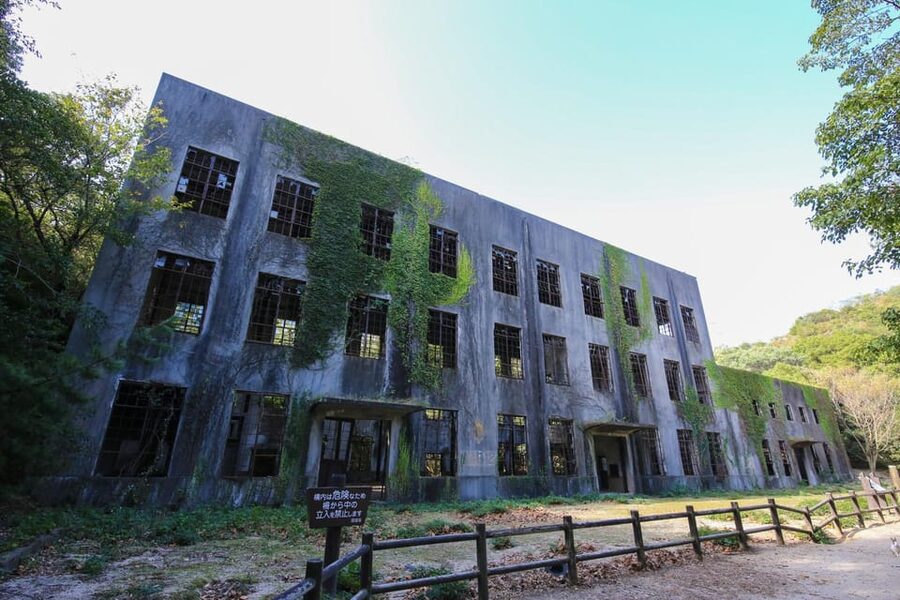
This tour works because it does not treat Rabbit Island as a one-note animal stop. You go to Okunoshima to feed rabbits, yes. But you also get a guided tour that puts the island’s past into words, so you leave with more than a handful of selfies.
Then it flips the focus back to the mainland with Takehara. You walk through a preserved historic townscape and see how a merchant town looked and lived during the Edo period. The result feels like one theme carried across two places: how communities formed, how they survived, and how history remains visible in everyday streets, buildings, and stories.
Hiroshima meet-up and how the day stays organized
You meet your guide at Hiroshima Station, under the Tourist Information sign outside the Shinkansen gates. If you arrive by Shinkansen, the sign is to your left as you exit the gates. If you come via JR lines, follow signs toward the Shinkansen gates. For taxis, ask to be dropped at the Shinkansen Entrance, also called the North Entrance.
This matters because the tour is built around clean connections. You’re moving by public transport between Takehara and the port, then boarding ferries to the island, then returning the same way. A well-run meeting point reduces delays before the first ferry, and your day feels less like a sprint.
Also, note the guides in the group runs are easy to spot. When you arrive, look for the guide holding a Snow Monkey Resorts tour sign. That small detail saves time if your Japanese is still warming up.
Takehara Townscape Conservation Area: temples, merchant houses, and sake talk
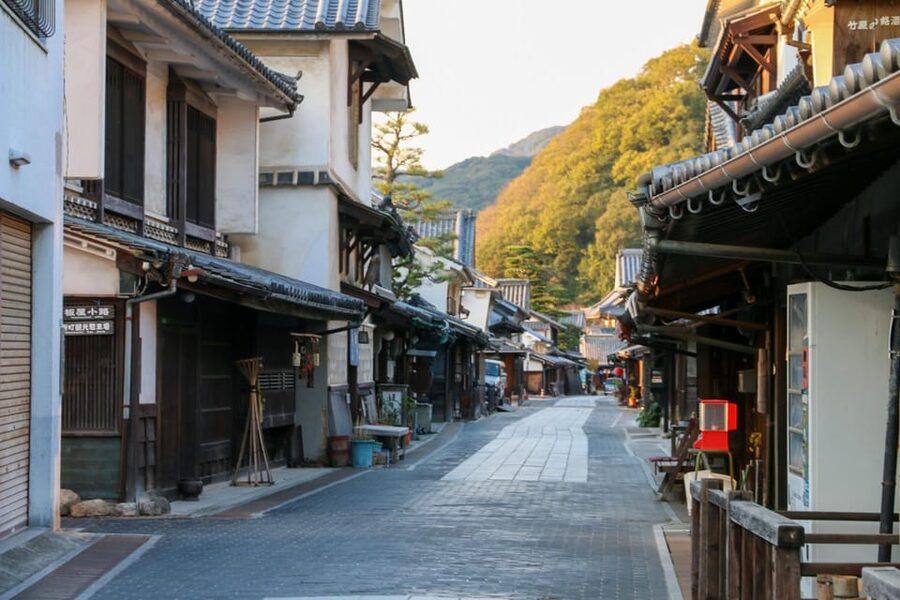
After you head out from Hiroshima, you start in the Takehara Townscape Conservation Area. This is where the tour shifts from “getting there” to “seeing.” The preserved streets make it easier to imagine daily life, not just read about it later.
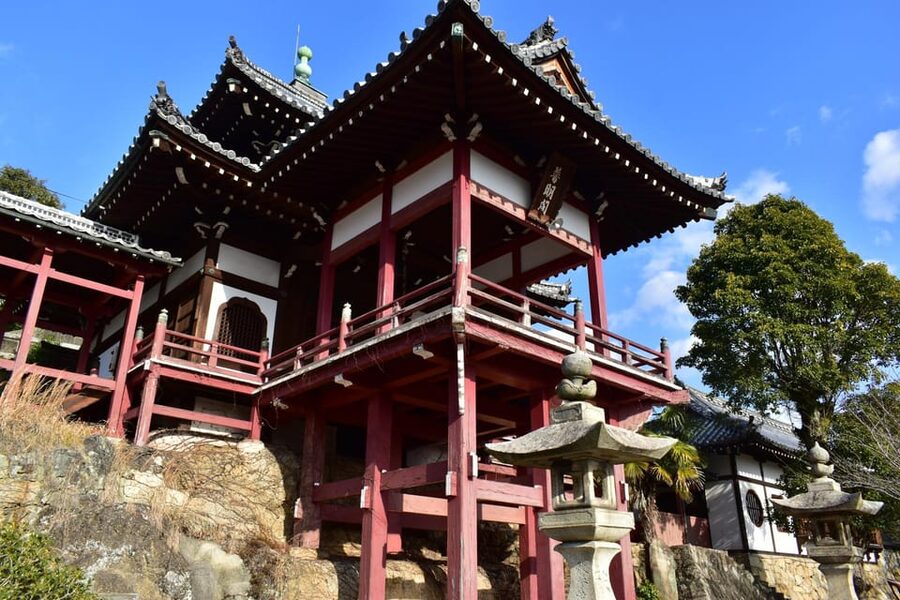
Your first major cultural stop is Saihoji, a Zhen Buddhist temple with architecture from the mid-Edo period. Expect a calm, old-world atmosphere that contrasts with the busy animal feeding part later the same day. The guide’s explanations are the difference here. A temple visit without context can feel like pass and admire. With the guide, you understand why the architecture and the place mattered.
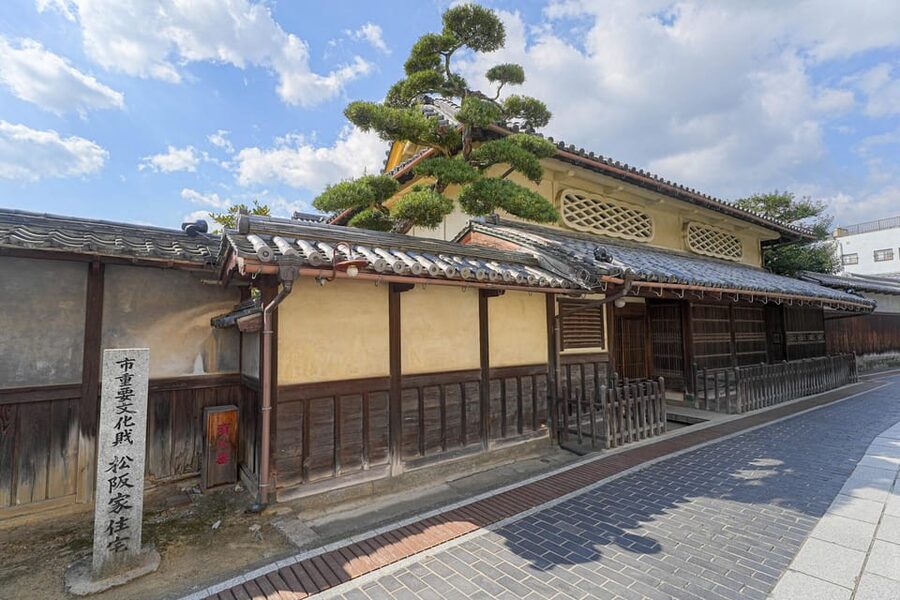
Next you visit the former Matsusaka family residence, a typical example of Takehara’s architecture. This is the kind of building that helps you grasp social and economic life in the Edo era. You can observe artifacts inside, and you’ll get a clearer picture of how a wealthy merchant household functioned day to day.
And yes, the tour connects this to local production stories. The guide shares history about Takehara and its sake production. In reviews, people also mention learning about salt alongside sake, which makes sense in a region where shipping and food preservation shaped wealth and routines.
- Hiroshima in a Nutshell: Morning Bike Adventure★ 5.0 · 524 reviews
- Hiroshima City 4hr Private Walking Tour with Licensed Guide★ 5.0 · 437 reviews
- From Hiroshima: Hiroshima & Miyajima 1 Day Tour with Lunch★ 4.7 · 395 reviews
- Japanesel Archery Experience HIROSHIMA CASTLE SHARAKU★ 5.0 · 387 reviews
- Hiroshima and Miyajima Day Trip with Itsukushima Shrine & Ferry★ 5.0 · 378 reviews
Saihoji and the Matsusaka residence: what Edo life looks like on the ground
What I like about these two stops is that they address two sides of the same picture.
Saihoji helps you understand belief and public space in the Edo period. Temples were not only religious landmarks. They were part of how towns organized time, travel, and community.
The Matsusaka residence shows the private side. Merchant houses communicate status through layout and preserved objects. Even if you only spend a short time inside, you’ll feel the “texture” of the period: what people kept, what they used, and how daily routines were supported by the home.
A practical note for your comfort: these are walking and viewing stops. Wear shoes you can stay in comfortably for hours, and keep your camera ready, because photo opportunities exist but you do not want to rush.
The Okakae Jizō Statue legend, and why it’s a smart story stop
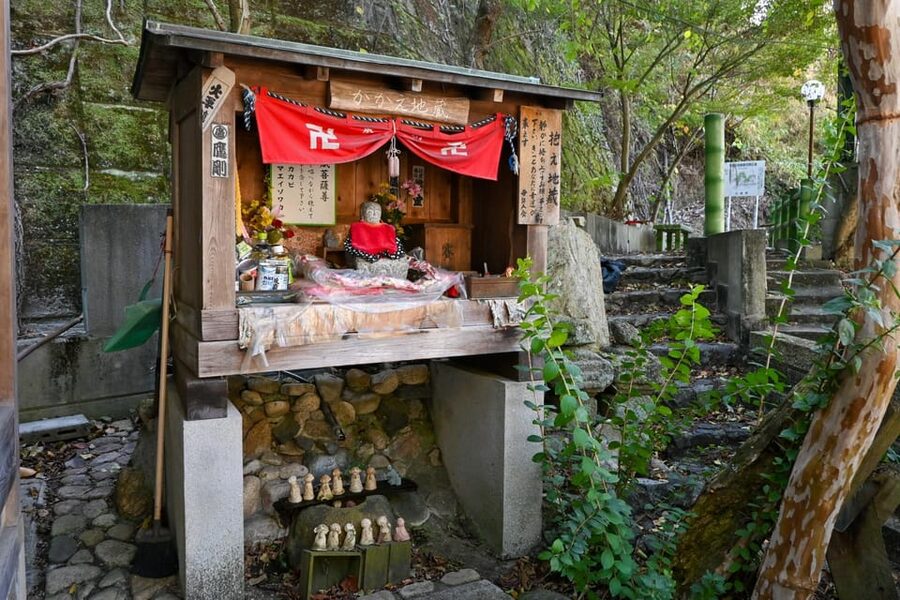
Between the bigger buildings and the port, you stop at a smaller site: the Okakae Jizō Statue housed in a small hut. Jizō statues are said to protect children and travelers, and this particular statue has an extra layer of local legend.
The story goes like this: if you pick up the Okakae Jizō, make a wish, and the statue feels lighter than you expected, your wish will come true.
Will that happen for you? No one can guarantee wishes. But the stop is still worth it because it gives you a break in the day while teaching how belief works in ordinary ways. It’s also a good moment to look around and get your bearings before the ferry ride that follows.
Crossing to Okunoshima: ferry time, then ruins with real context
At Tadanoumi Port, you board the ferry to Rabbit Island, Okunoshima. Once you arrive, you start with a brief stroll along the coast. This part is built around ruins and guided explanations of the island’s dark past.
From the reviews, one detail that stands out is that you may encounter a film connected to the Poison Gas museum as part of this history-oriented segment. Even if your exact route differs slightly by day, the overall intent is clear: you learn the wartime story behind the island, then you go outward to see ruins where the setting still feels physical.
This is also where the tour’s value really shows. A lot of tours focus on the rabbits and say “and history” with a shrug. Here, you’re guided through ruins and related information first, so the later rabbit feeding does not feel random.
Feeding rabbits and planning your free time on the island
After the guided history portion, you get plenty of free time to explore on your own. This is the part most people plan around: walking the paths, feeding rabbits, taking photos, and letting the island set your pace.
Rabbit food is provided, which saves you the hassle of hunting for supplies. The rabbits are described as super cute and approachable, which matters because it turns feeding into an experience rather than a chore.
Here’s how to make your free time work, without running yourself ragged:
- If you want the classic Rabbit Island experience, stick to a comfortable loop, feed rabbits at the main areas, and take photos when the rabbits are calm.
- If you want a break from heat and crowds, consider adding the quieter options when you can. Reviews mention people used time to enjoy the hotel grounds and other activities on the island.
You also have choices listed in the tour info:
- Soak in the hot springs at Kyukamura Ōkunoshima hotel
- Rent a bicycle to explore farther
- Hike to the observation desk
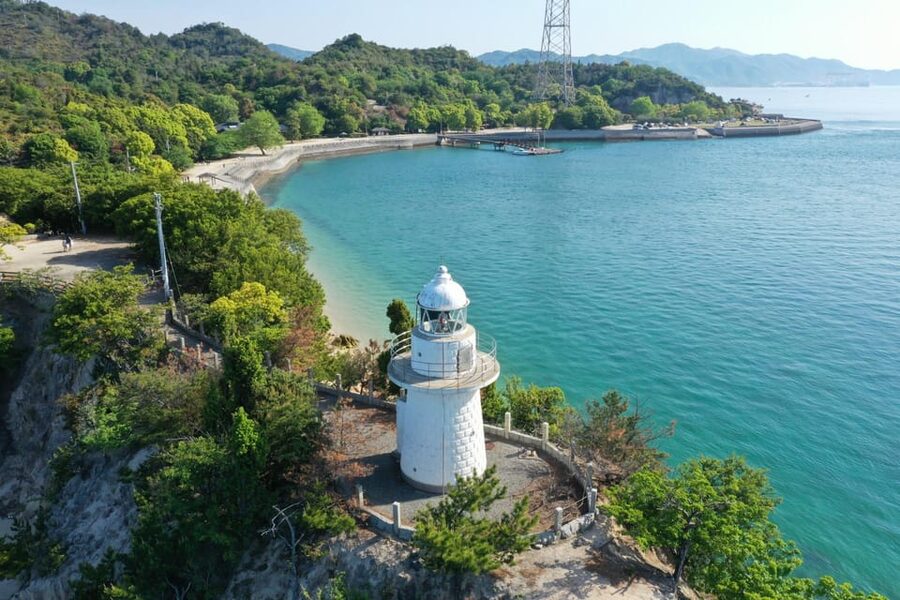
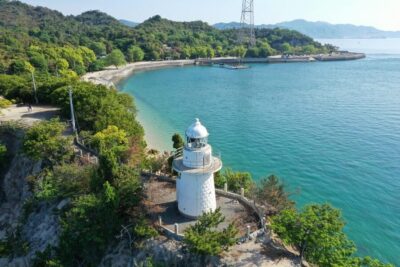
- Visit the lighthouse
- Eat at the hotel restaurant
In hot weather, the hot spring option can feel like a reset button. A bike can be great too, because the island has enough space that your feet might get tired before you cover what you want. The key is pacing. Pick one “big activity” and let the rest be relaxed rabbit-and-walk time.
Hot springs, bikes, lighthouse views, and where you’ll actually eat
Since lunch is not included, you need to plan meals based on what’s available on the island. The tour info is clear: food and drinks can be purchased on Rabbit Island. That means you are not locked into a packed picnic schedule.
In terms of “what should I do,” this depends on your travel style.
If you love comfort: hot springs at Kyukamura Ōkunoshima can be a satisfying contrast to the ruins portion earlier in the day. Reviews also highlight the way people used the island time even during very hot weather, so it’s a realistic choice rather than a romantic idea.
If you love movement: bike rental lets you stretch your legs and cover more ground than walking alone. One review also mentions a scooter ride for a participant, which suggests some guests used extra mobility options available on site. The tour itself still requires walking for the core experience, so match your plan to your comfort level.
If you love views: the observation desk and lighthouse are your options. Even if you do not stay long, a short climb can reward you with a change of perspective from rabbits and paths.
Price and value: why $170 can be fair for this mix of places
At $170 per person, this is not a budget add-on. But it’s also not just a ferry plus animal feeding.
You’re paying for:
- An English-speaking guide
- Entry fees at tour locations
- Rabbit food
- Ferry tickets
- Transportation between activities using public transport
The big value driver is the pairing. Takehara is not just a quick stop. It includes multiple guided cultural stops tied to Edo-era architecture and local stories like sake. Then Okunoshima adds the ferry, guided ruins history, and free time on the island.
For many people, that combination is hard to recreate alone without spending time stitching together transport, timing, and site entry. The small group size (up to 15) also helps. In a large tour, the day can feel like mass transit with talking. Here, you’re more likely to get questions answered and move at a comfortable pace.
Who this tour is best for, and who should think twice
This tour fits best if you want your Hiroshima day trip to have both a humane feel and a historical backbone.
You’ll likely love it if:
- You enjoy walking through preserved old streets and buildings
- You want the Rabbit Island experience with context, not just cuteness
- You prefer a small group with an English guide who keeps things organized
You might want to think twice if:
- You strongly dislike long days and sustained outdoor walking
- You have allergies related to animals, since feeding rabbits is part of the free time
- You need wheelchair accessibility, because the tour is not suitable for wheelchair users
Also, pets and smoking are not allowed during the tour. Keep that in mind if you travel with certain habits or companions.
The return to Hiroshima: finishing near the Shinkansen gates
After your island time, you take one final ferry ride back to the mainland. Then there’s one last bus ride to Hiroshima Station. Your guide wraps up in front of the Shinkansen gates, right where you can transition back to your onward plans quickly.
This matters for day-trip sanity. When a tour ends far from transit, you end up “solving logistics” on top of everything else. Here, the drop-off is built to minimize that stress.
Should you book this tour?
Book it if you want a day that mixes rabbit feeding on Okunoshima with guided Takehara town culture, and you like when a tour explains the darker side of a place instead of skipping it. The small group size, English guidance, and the structured flow from ruins to free-time gives you both learning and breathing space.
Skip it or choose an alternative if you want only animals, only sightseeing, or you need a more flexible schedule. This is a long day with fixed ferry and transit rhythm, plus the island activities involve outdoor walking.
If you’re the kind of traveler who enjoys asking questions and pairing a photo stop with a story stop, this one is a strong match.
FAQ
How long is the Hiroshima to Rabbit Island and Takehara Town tour?
The tour duration is 570 minutes.
Where do I meet the guide in Hiroshima?
You meet under the Tourist Information sign outside of the Shinkansen gates at Hiroshima Station. Look for signs directing you to the Shinkansen gates, and for the guide holding a Snow Monkey Resorts tour sign.
Is the tour conducted in English?
Yes. The tour includes an English speaking guide.
What is included in the tour price?
Included items are the English speaking guide, entry fees at all tour locations, rabbit food, transportation between activities using public transport, and ferry tickets.
Is lunch included?
No, lunch is not included.
Can I buy food and drinks on Rabbit Island?
Yes. Food and drinks can be purchased on Rabbit Island.
What do I do during the free time on Okunoshima?
You explore the island on your own. Options include feeding rabbits, soaking in the hot springs at Kyukamura Ōkunoshima hotel, renting a bicycle, hiking to the observation desk, visiting the lighthouse, or eating at the hotel restaurant.
How large is the group?
The group is small, limited to 15 participants.
Is the tour suitable for wheelchair users?
No. The tour is not suitable for wheelchair users.
Is cancellation allowed, and can I reserve without paying right away?
Free cancellation is available up to 24 hours in advance for a full refund, and you can reserve now and pay later. Availability can vary and some activities may require confirmation.
Hiroshima and Miyajima Together

Newest Hiroshima write-ups from the Loving Japan desk

Hiroshima and Miyajima Day Trips, side by side.
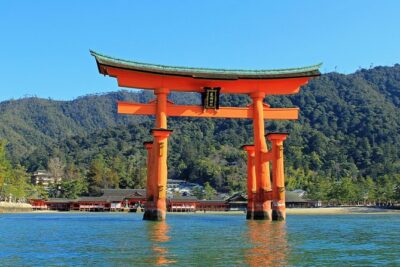 ★ 5.0Peaceful Hiroshima & Miyajima UNESCO 1 Day Bus TourFrom $1295,309 reviews
 ★ 4.9Hiroshima and Miyajima UNESCO Sites 1-Day TourFrom $1222,330 reviews
 ★ 5.0Hiroshima / Miyajima Full-day Private Tour with Government Licensed GuideFrom $2021,298 reviews
 ★ 4.7Osaka/Kyoto: Hiroshima Miyajima Bus Tour & Shinkansen TicketFrom $277919 reviews
 ★ 4.8Hiroshima Historical Walking Tour – Why A-Bomb was DroppedFrom $35893 reviews
 ★ 5.0Hiroshima Peace (Heiwa) Walking Tour at World Heritage SitesFrom $94872 reviews
 ★ 5.0Hiroshima in a Nutshell: Morning Bike AdventureFrom $72524 reviews
 ★ 5.0Hiroshima City 4hr Private Walking Tour with Licensed GuideFrom $122437 reviews
Filed on these lists too