
REVIEW · SHIBUYA, SHINJUKU AND HARAJUKU WALKS
Best Go Kart Experience in Shibuya Crossing with Iconic Photos
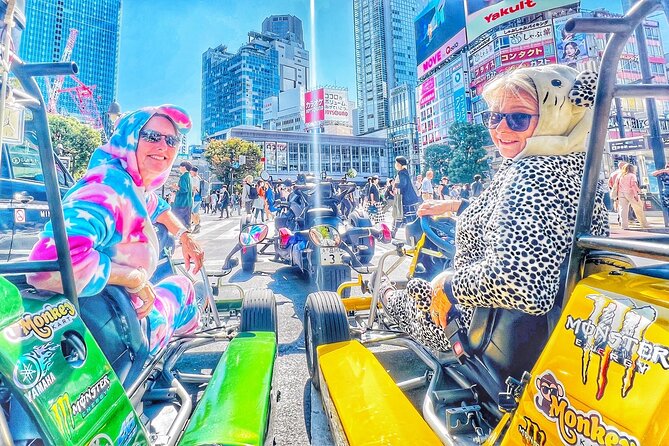
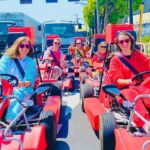
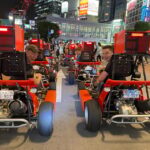
Shibuya, but make it go-kart. I like the small group setup, capped at three people, so your guide can keep you close as you hit Shibuya Crossing on wheels.
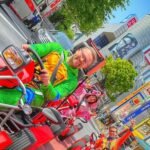
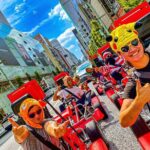
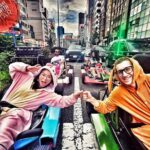
I also love the costume selection and the guide-led photos on the route, with instructors like Rafael and Luna helping you get the shots.
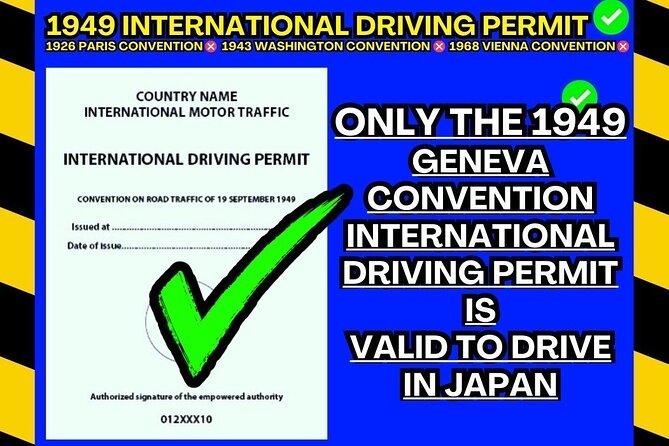
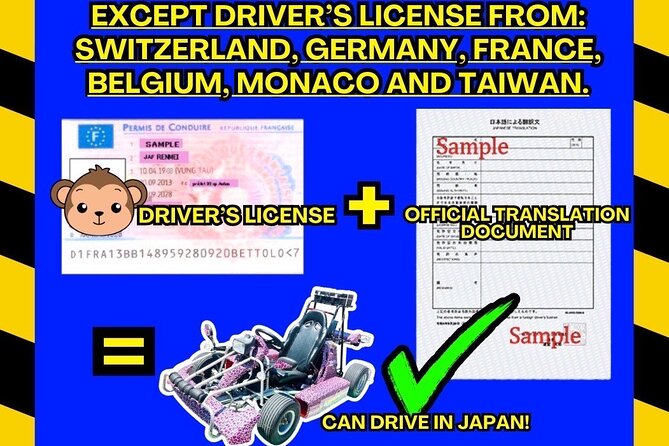
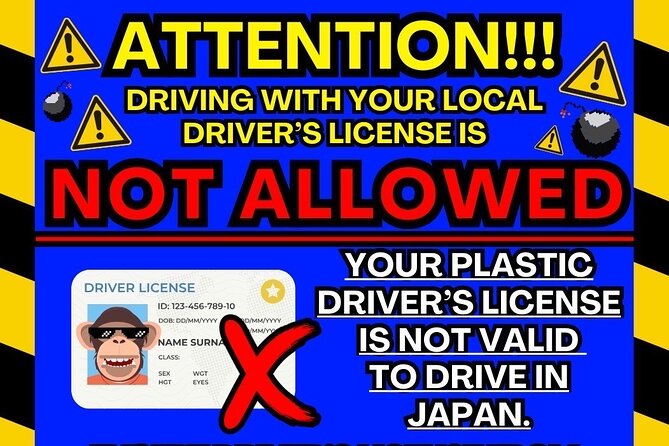
The big thing to plan for is the paperwork: you must carry a hard copy 1949 Geneva Convention International Driving Permit, or you cannot drive.
In This Review
- Key highlights to know before you book
- Costume go-karts, guided route, and the Shibuya photo you came for
- Price and value: what $106.12 really buys you
- Meeting at Monkey Adventure Kart Shibuya: what your first 15 minutes should feel like
- Safety first, with a route that actually makes sense
- Stop 1: Shibuya Crossing on a go-kart, not a bus
- Stop 2: Harajuku Station and the costume-friendly streets
- Stop 3: Omotesando, stylish roads at controlled speed
- Stop 4: Miyashita Park, a break in the city flow
- Stop 5: Yoyogi Park, the greener end of the ride
- Guides that make or break the experience, and the names to watch for
- Night or day driving, and when Shibuya looks best
- What to bring, beyond your IDP
- The paperwork reality check: can you actually drive?
- Should you book this Shibuya Crossing go-kart tour?
Key highlights to know before you book
- Small group pace: capped at three people, with a max group size of four travelers listed, so it stays easy to follow.
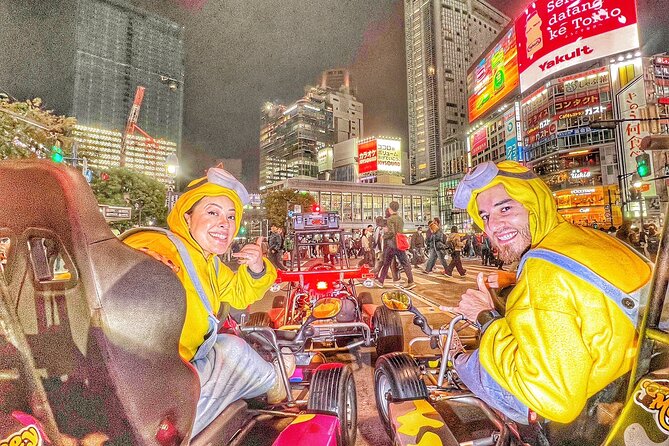
- Guide-taken photos: photos are taken during the ride, plus a hard copy printed photo is included.
- Costume-up start: you pick a costume before rolling, which makes the photos and vibe way more fun.
- Iconic route through central Tokyo: Shibuya Crossing to Harajuku, Omotesando, Miyashita Park, and Yoyogi Park.
- Paper IDP requirement: you need the hard copy 1949 Geneva Convention IDP booklet, not an online permit.
- Practical add-ons: lockers and bottled water are included.
Other routes through the west side of Tokyo, compared
- Tokyo: Shinjuku Food Tour (13 Dishes at 4 Local Eateries)
★ 5.0 · 6,603 reviews - Tokyo Bar Hopping Tour in Shinjuku (All-You-Can-Drink + Dinner)
★ 5.0 · 3,587 reviews - Official Street Go-Kart in Shibuya
★ 5.0 · 3,435 reviews - Tokyo: Shinjuku Food Tour (15 Dishes and 4 Eateries)
★ 4.9 · 2,033 reviews
Costume go-karts, guided route, and the Shibuya photo you came for
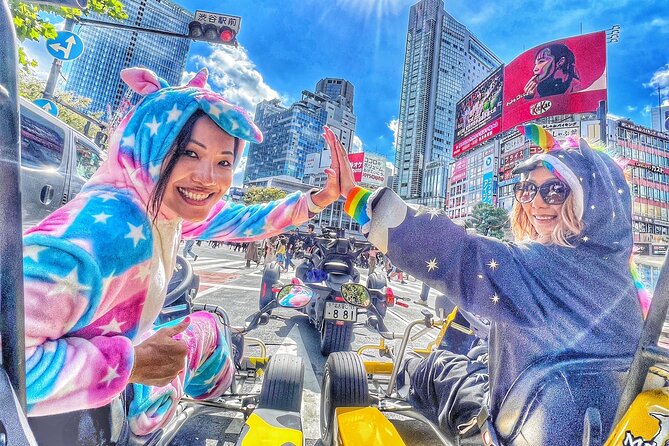
Tokyo has plenty of ways to sightsee, but this one is different because you are driving. That changes how you experience the city: you feel the streets, the timing, and the chaos of Shibuya from behind the wheel, not from the sidewalk.
I’m drawn to how the experience mixes three things that usually don’t go together. You get a costume that makes you stand out in a good way, a guide who keeps the ride moving smoothly, and enough photo stops that you leave with more than one blurry shot.
There’s also a practical side. Your route is handled for you, so you spend less time figuring out turns and more time enjoying the ride through the stops that matter.
Price and value: what $106.12 really buys you
At $106.12 per person for about 1 hour 20 minutes, the price makes sense if you think of it like a guided activity plus a bundle of extras.
Included things that genuinely add value:
- Go kart and fuel
- Guide
- Costumes
- Pictures and a hard copy printed photo
- Locker
- Bottled water
One small line item you should know about: an action camera is not included, and it costs ¥3,500 per person if you want to record your drive.
If you want a Tokyo activity where your group actually does something together, and you get photos plus a keepsake print at the end, this is a strong match for the money. If you’re only looking for scenery from the passenger seat, you might find it harder to justify the driving-focused cost.
Meeting at Monkey Adventure Kart Shibuya: what your first 15 minutes should feel like
Your tour starts at Monkey Adventure Kart Shibuya, 1F, 1-chōme-27-7 Higashi, Shibuya. It’s listed as near public transportation, and you’ll use a mobile ticket.
When I look for car or kart activities, I always watch for the early setup. Here, the standard flow is built for first-timers: you get your cart, you get your costume, and you get safety instructions before you hit the streets. People often mention how clear the directions are once you’re there, with guides like Lewis and Rakesh specifically called out for being easy to follow.
Practical tip: if it’s cold during your visit, bring warm layers. One rider specifically suggested gloves after it got chilly.
Different circuits, same licence rules. Compare the karts
- Flagship 2-Hours Official Street Go-Kart Tour – Tokyo Bay Shop★ 5.0 · 4,974 reviews
- Official Street Go-Kart in Shibuya★ 5.0 · 3,435 reviews
- Tokyo: Street Kart Experience in Shibuya★ 4.9 · 1,484 reviews
- Shibuya Official Street Go-Kart in Shibuya Annex★ 5.0 · 972 reviews
- Tokyo: Asakusa, Skytree & Akhihabara Go-Kart City Experience★ 4.7 · 761 reviews
Safety first, with a route that actually makes sense
This tour is guided and designed for controlled driving in a busy city. You’ll drive through major areas like Shibuya and Harajuku, but you are not doing it alone. The guide leads the way and helps keep everyone together.
In the feedback, safety instruction shows up again and again, including praise for guides who read traffic well and tell you when to go faster or slow down. That matters in Tokyo, where lanes, turn timing, and sudden pedestrian crossings can throw you off if you’re used to quieter driving.
That also means you should plan for the reality of kart driving. The karts are loud enough that communication can be tricky, even near the front. The fix is simple: listen closely at stops, watch the guide’s signals, and don’t rely on hearing every detail while moving.
Stop 1: Shibuya Crossing on a go-kart, not a bus
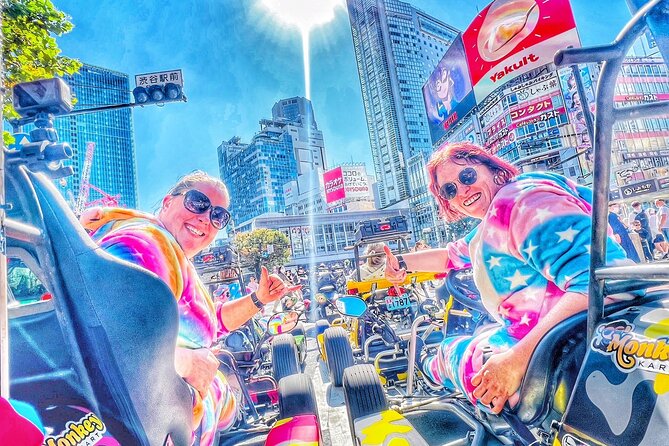
This is the headline stop: Shibuya Crossing. The world-famous crossing is one of the most recognizable places in Tokyo, and driving past it on your own wheels turns it into a full-body moment.
What makes this stop special is timing. The area is packed with motion, people, and street energy. When you pass it as part of a planned route, it feels less like you’re just standing in a crowd and more like you’re getting a fast, cinematic tour of the city’s main stage.
If you’re shopping for the iconic photo moment, this is where you’ll want your phone ready between photo stops. The ride includes guide-captured pictures, and your costume helps make the photos look like more than tourist snapshots.
Stop 2: Harajuku Station and the costume-friendly streets
Harajuku is where Tokyo becomes playful. You go from the mega-crossing energy of Shibuya into a more youth-oriented, style-heavy zone where street scenes look good in almost any lighting.
For a kart ride, Harajuku adds variety because the streets feel different. You’re not just going straight at a landmark. You’re moving through a neighborhood that’s made for photos and walking around afterward.
Also, the costume makes practical sense here. You want the outfit during the sightseeing parts, not only at the start. If your goal is a couple of truly memorable pictures, this middle portion of the route is where your photos will start to feel like a mini story.
Stop 3: Omotesando, stylish roads at controlled speed
Omotesando is known for its stylish, more upscale feel. On foot, it’s a place you can enjoy slowly. By kart, you get a different angle: the streets roll past quickly, and you notice the rhythm of the avenue.
This stop helps balance the trip. Earlier, you have Shibuya’s chaos. Later, you head toward parks. Omotesando sits in the middle as a kind of transition, where you can see Tokyo’s design and street character without it turning into pure driving-only time.
If you care about a rounded Tokyo snapshot, Omotesando is a key piece. It gives you that sense that Tokyo is not only neon signs and crowds.
Stop 4: Miyashita Park, a break in the city flow
Miyashita Park is a smart inclusion because it changes the mood. You’re still in central Tokyo, but the area feels like it shifts the tempo from shopping intensity to a bit more breathing room.
For a go-kart route, that matters. You’ll likely feel a mix of excitement and nerves early. By the time you reach this stop, you’ve found your rhythm, followed the guide a few times, and started to relax.
This is also the kind of place where you get a visual change that makes the photos less repetitive. Even if you aren’t walking around, moving through the area gives your camera a different background than the streets and stations.
Stop 5: Yoyogi Park, the greener end of the ride
Yoyogi Park brings the trip toward greenery. It’s a contrast stop that helps the experience feel complete. Tokyo’s parks are not just for relaxation in Japan; they also help break up the city’s grid.
Driving here can feel like a reset. You’re heading back through a calmer visual environment, and that makes it easier to reflect on what you just did: you crossed one of the busiest street systems in the city, then moved through multiple districts, all within about an hour and change.
If you’re planning what to do after, Yoyogi is a logical place to keep exploring on foot. Even if the kart portion ends where you started, you’ll have a better mental map of the area.
Guides that make or break the experience, and the names to watch for
A go-kart tour lives and dies by instruction. You need clear directions, good timing, and someone watching the group so nobody falls behind or tries something risky.
That’s why you’ll see many strong mentions of guides like:
- Lewis for clear instructions and turning nerves into confidence
- Rafael for making the vibe feel memorable
- Rakesh for safety-focused explanations
- Luna for a friendly, enjoyable ride in cold weather
- Jerome for a smooth experience through Tokyo’s streets
- Ken for timing, guidance, and a strong sense of control
- Kazuki and Issam for keeping groups together and safe
Even if you don’t get one of these exact names, the takeaway is what matters: the best rides here happen when the guide runs a calm ship and communicates well at stops.
Night or day driving, and when Shibuya looks best
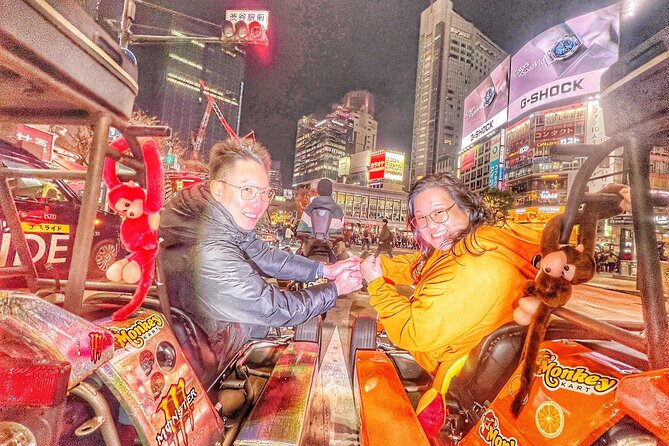
One practical piece of advice from the experience style: night driving can be a big upgrade. People often recommend it because the lights and busy street energy make Tokyo look even more dramatic.
If you’re deciding between time slots, consider:
- Night: more lights, more atmosphere, and a stronger neon feel
- Day: easier visibility in some conditions, and generally less temperature stress
Either way, the route is designed around major districts, so you’re not just driving around empty lanes. You’ll pass the recognizable places that people travel for, and your costume helps it stand out in photos.
What to bring, beyond your IDP
You should plan around three items: driving docs, comfort, and photo readiness.
Driving docs:
- All drivers are required to have a hard copy International Driving Permit issued under the 1949 Geneva Convention (or other approved licenses as Japan allows).
- The permit must be a physical paper booklet. Online-only permits are listed as not recognized under certain formats.
Comfort:
- Warm layers can matter. A rider suggested gloves because it can get cold.
- Wear shoes that are secure enough for short, active driving sessions.
Photo readiness:
- The experience includes guide-taken photos and a hard copy printed photo.
- If you want your own recording, an action camera is available for an extra ¥3,500 per person.
The paperwork reality check: can you actually drive?
This is the one part you cannot wing. If you want to drive, you must bring the right IDP in the correct format.
The rules listed are strict:
- Online permits, or IDPs acquired under formats like the 1968 Vienna Convention or other non-approved conventions, are not recognized.
- For some license origins, you need a Japanese translation physical copy from JAF office.
- Some countries are not allowed to drive in Japan under the permit rules listed, so you should confirm your eligibility before you travel.
If this sounds intense, it is. The good news is it makes the experience safer and more controlled once everyone on the kart can legally drive.
The main drawback is simple: show up without the right paper, and you may not be able to participate as a driver. Plan early, print nothing you do not need, and verify you have the exact hard copy booklet required.
Should you book this Shibuya Crossing go-kart tour?
Book it if you want a Tokyo experience with three ingredients: iconic districts, a fun costume element, and a guided route that lets you focus on driving and photos instead of navigation.
Skip it, or at least think twice, if you:
- Don’t have the correct hard copy IDP paperwork and don’t want to risk not driving
- Prefer quiet sightseeing where you can hear everything clearly without loud karts affecting communication
- Want a deep, history-heavy walking tour style explanation rather than a driving-first experience
If you’re a first-time driver, this is one of the more approachable ways to do it because the group is small, the guide keeps you together, and the route hits the Tokyo names you’ll remember long after the photo print is in your hand.
Karts, Circuit by Circuit
West Tokyo on Foot: Seven More
Newest Tokyo write-ups from the Loving Japan desk
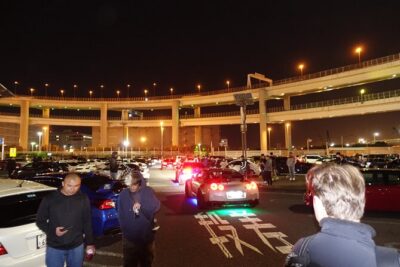
Shibuya, Shinjuku and Harajuku Walks, side by side.
 ★ 5.0Shinjuku Food Tour (13 Dishes at 4 Local Eateries)From $866,603 reviews
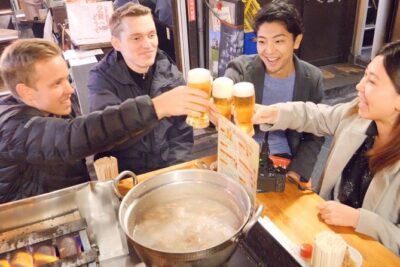 ★ 5.0Tokyo Bar Hopping Tour in Shinjuku (All-You-Can-Drink + Dinner)From $1063,587 reviews
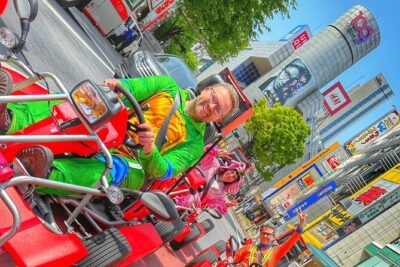 ★ 5.0Official Street Go-Kart in ShibuyaFrom $763,435 reviews
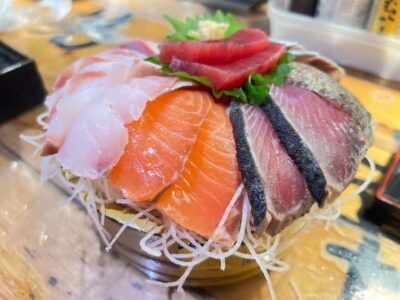 ★ 4.9Shinjuku Food Tour (15 Dishes and 4 Eateries)From $852,033 reviews
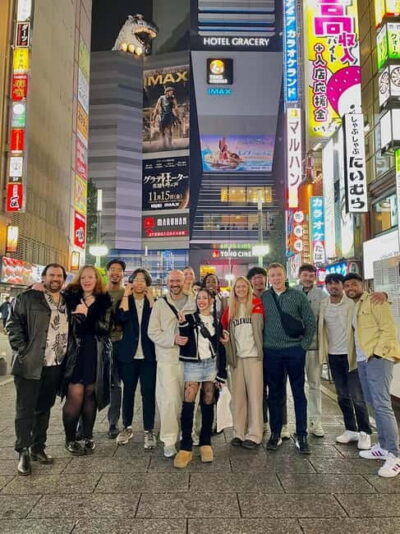 ★ 4.9Shinjuku Local Bar and Izakaya Guided Walking TourFrom $341,794 reviews
 ★ 5.0Tokyo Shinjuku Chopsticks Making ClassFrom $201,763 reviews
 ★ 5.0Tokyo Shinjuku Sumo Show & Experience with PhotoFrom $791,750 reviews
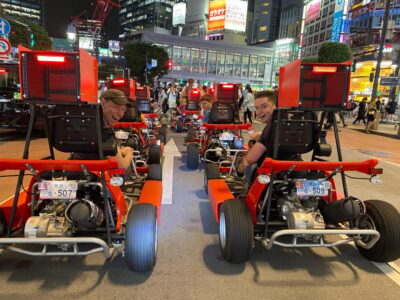 ★ 4.9Street Kart Experience in ShibuyaFrom $741,484 reviews