
REVIEW · KAMAKURA, THE GREAT BUDDHA AND ENOSHIMA
Enoshima Aquarium: Admission Ticket
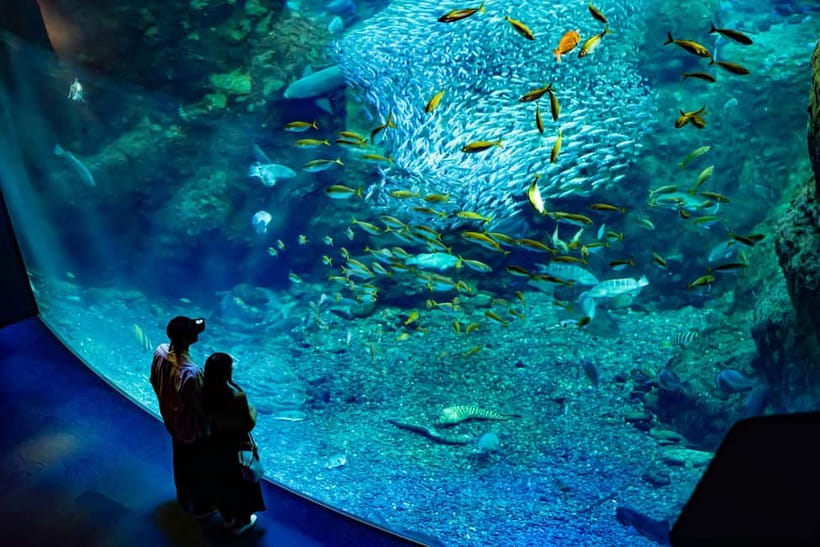
Sagami Bay comes alive behind glass. Enoshima Aquarium is built around the Pacific Ocean and Sagami Bay story, so the exhibits feel connected instead of random. I especially like the way the route moves from jellyfish and deep-sea areas to everyday sea life, plus the fun learning moments like shows and programs. One watch-out: the aquarium can close early for a private event, so arriving earlier and checking day-of hours can save your plans.
If you want a Japan stop that is easy to handle in a day, this works well. The ticket is simple admission for a full day, and the themes make it feel purposeful, not just walking from tank to tank. Add in seasonal displays and temporary events, and you’ll likely see something that is different from month to month.
Also, it sits right by major Enoshima train stations, so you can fold it into a beachy, coastal itinerary without complicated transfers. I recommend treating it as your main indoor activity for the day, especially on muggy afternoons when walking outside feels like work.
In This Review
- Key Things That Make Enoshima Aquarium a Worthwhile Ticket
- Enoshima Aquarium’s Best Use: A Smooth One-Day Ocean Stop
- Getting There Without Stress: Katase Enoshima, Enoshima, or Shonan Enoshima
- Following the Exhibits in Order: Sagami Bay, Deep-Sea, Jellyfish, Marine Life
- Jellyfish and Deep-Sea Rooms: More Than Cool Animals
- Shows and Interactive Programs: How the Learning Stays Fun
- Seasonal Exhibits and Temporary Events: Timing Can Improve the Value
- Price and Value: Is the Ticket Worth $18?
- Practical Tips That Make Your Visit Easier
- Who Should Buy This Aquarium Ticket?
- FAQ
- FAQ
- How much is the Enoshima Aquarium admission ticket?
- What is included with the ticket?
- Where is the aquarium, and how far is it from nearby stations?
- What are the opening hours?
- How long can I use the ticket?
- Is flash photography allowed?
- Can I bring large or long luggage?
- Are tripods and selfie sticks allowed?
- Is the aquarium wheelchair accessible?
- Are there discounts for certain visitors?
- Should You Book the Enoshima Aquarium Ticket?
Key Things That Make Enoshima Aquarium a Worthwhile Ticket
- Sagami Bay first, then the Pacific route so you understand what you’re seeing as you go
- Jellyfish and deep-sea sections that change the mood from bright and floaty to mysterious
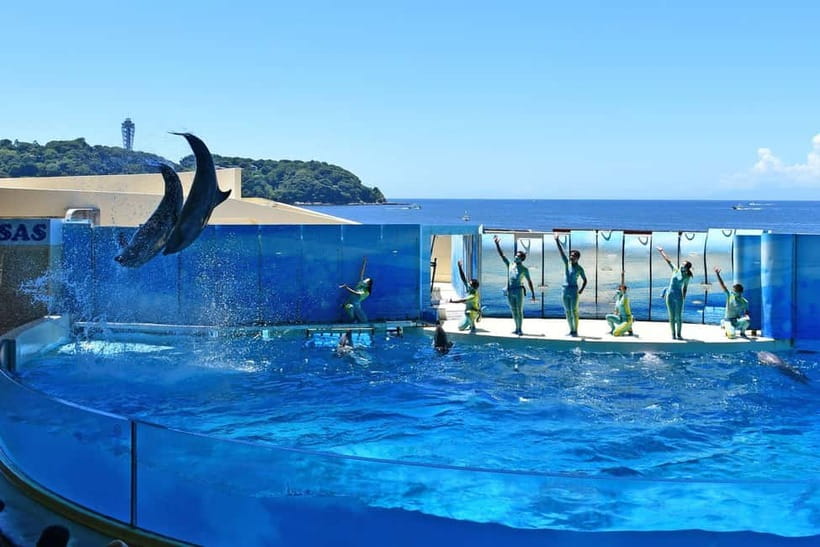
- Shows and interactive programs that turn the learning into something active
- Seasonal exhibits and temporary events so repeat visits can still feel fresh
- A clear theme of interconnected life across ocean creatures and their environment
- Easy station access with multiple nearby lines and short walks
Coast and temples south of Tokyo, compared
- Kamakura and Enoshima: Private Guided Day Tour with Vehicle
★ 3.9 · 17 reviews - Tokyo Yokohama Night View Tour With Kamakura And Enoshima
★ 3.5 · 14 reviews
Enoshima Aquarium’s Best Use: A Smooth One-Day Ocean Stop
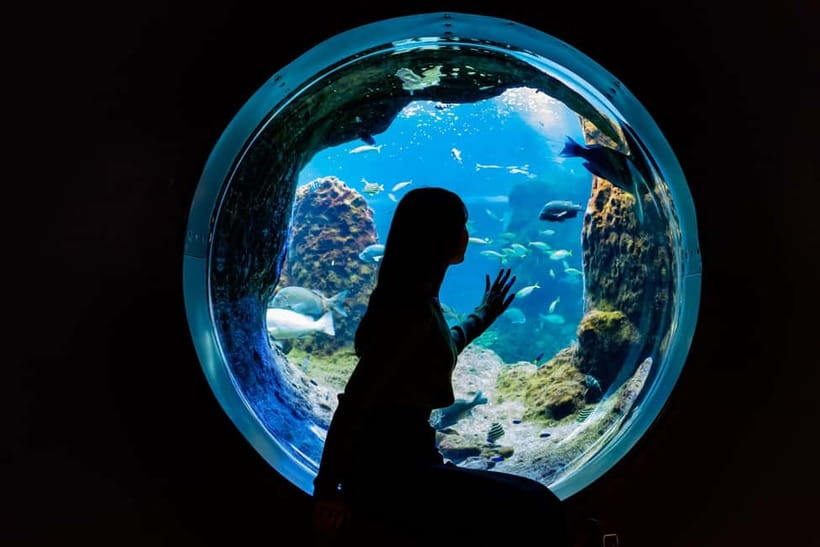
This is a great aquarium if you want more than cute fish pictures. The layout is themed around Sagami Bay and the Pacific Ocean, and that matters because it keeps your brain engaged. You’re not just staring at tanks, you’re following an ocean story that connects habitats and creatures.
I also like that the aquarium is built for different travel styles. If you enjoy reading labels, you can. If you prefer short attention bursts, you can focus on the key areas and still feel like you learned something. The learning tone is playful, with a focus on surprise and excitement and healing through the exhibits and programs.
Here’s the one drawback to keep in mind: schedules and closures can change. There are notes about holiday timing, and one booking experience flagged that the aquarium may close early for a private event without much advance notice. You can reduce the risk by planning an early arrival and giving yourself a buffer.
Getting There Without Stress: Katase Enoshima, Enoshima, or Shonan Enoshima
You’ve got several easy options depending on where your day starts.
- From Katase Enoshima Station (Odakyu Enoshima Line): about a 3-minute walk
- From Enoshima Station (Enoshima Dentetsu Line): about a 10-minute walk
- From Shonan Enoshima Station (Shonan Monorail): about a 10-minute walk
This flexibility is handy. If your train connections land you near one line, you’re not stuck rerouting. And with Enoshima being a coastal area, you can often walk it off after arriving, instead of hunting for a bus or taxi.
Following the Exhibits in Order: Sagami Bay, Deep-Sea, Jellyfish, Marine Life
When you enter, the aquarium starts with exhibits focused on Sagami Bay. That’s your orientation. You learn the local setting first, then the aquarium gradually expands your view toward the broader Pacific Ocean theme.
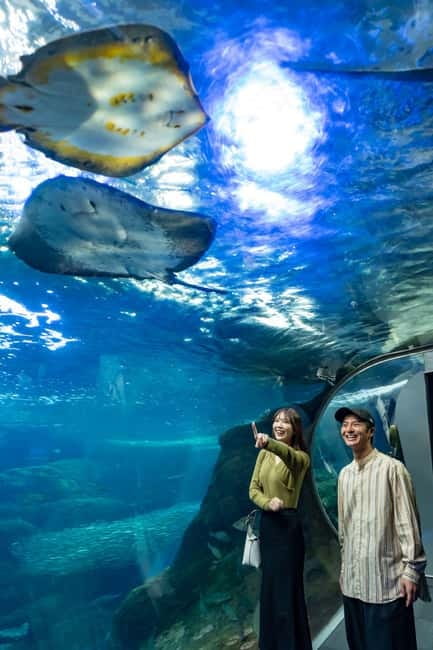
After that, you move into the deep-sea and jellyfish areas. Even if you are not a self-proclaimed aquarium person, these sections tend to land well because they shift lighting, behavior, and presentation style. Deep-sea exhibits often feel calmer and more mysterious, while jellyfish areas create that floating, almost dreamlike rhythm that people remember.
Then you transition into general marine life sections. The best part of this flow is how it supports the aquarium’s big message: life is connected. Creatures are not shown as a list of separate facts. They’re presented as parts of the same system, influenced by where they live and what the ocean offers.
Jellyfish and Deep-Sea Rooms: More Than Cool Animals
Jellyfish and deep-sea creatures are popular for a reason. They look strange in a way that makes you want to understand them. But in this aquarium, they also do something practical for your visit: they break up the monotony.
If you’ve ever toured an aquarium that feels like endless glass walls, you’ll appreciate how Enoshima Aquarium changes your pace. Jellyfish areas give you a softer, slower visual experience. Deep-sea rooms add contrast and help you see how different environments shape different forms of life.
What I like here is that the focus stays educational without turning into a lecture. There are explanations and programs along the way, so you can connect what you see to the ocean around Sagami Bay and the wider Pacific.
Shows and Interactive Programs: How the Learning Stays Fun
One of the strongest reasons to choose this ticket is the emphasis on activities beyond static viewing. The aquarium offers explanations, shows, and programs, including opportunities for visitors to interact with marine creatures.
That matters because interactive parts shift you from observer mode to participant mode. You’re less likely to feel like you’re “just walking.” It also helps if you’re traveling with kids or anyone who needs a reason to stay engaged between exhibits.
You’ll also notice the aquarium leans into the emotional side of the experience, using language like surprise and excitement and healing. Even if you don’t think of aquariums as therapy, the pacing and presentation are clearly designed to feel calming rather than intense.
Just plan for this: some areas restrict flash photography, and in busy periods you may also run into rules around tripods and selfie sticks. So keep your phone ready, but assume you may have to switch to no-flash mode in certain rooms.
Seasonal Exhibits and Temporary Events: Timing Can Improve the Value
Enoshima Aquarium runs with seasonal exhibits and temporary events. That means your visit can be more than the same standard lineup every day of the year.
If you’re aiming for a particular season theme, check the aquarium’s website close to your travel date. Hours can also shift during spring and summer holidays, year-end and New Year periods, and around events. A day that looks like 9:00 a.m. to 5:00 p.m. on paper might behave differently in practice.
The practical takeaway: if your schedule is tight, prioritize the core route first. Then let seasonal exhibits be your bonus, not the backbone of your plan. That way, even if something changes, you still get the main experience.
Price and Value: Is the Ticket Worth $18?
At around $18 per person for admission, this ticket is priced like a mid-range aquarium experience in Japan. The value comes from more than just the tanks.
You’re paying for:
- A themed route that links Sagami Bay and the Pacific Ocean story
- Multiple core areas, including jellyfish and deep-sea sections
- Shows, explanations, and programs that go beyond reading labels
- Seasonal and temporary exhibits that can add variety during your trip
If you love marine life and want a meaningful indoor stop, it’s a solid spend. If you mostly want a quick photo walk, it may feel pricey because you’ll likely benefit from spending time in the program areas and reading the explanations.
Also, the aquarium can restrict admission due to crowding. That doesn’t usually affect the value directly, but it can affect your day. Arriving earlier is your best defense.
Practical Tips That Make Your Visit Easier
A few details can save frustration.
Photography rules
Flash photography is prohibited in some exhibit areas. If you use flash as a default, adjust your settings before you get stuck in a “no flash” zone.
Luggage and lockers
No large or long luggage is allowed inside. The aquarium provides coin lockers on the 2nd floor, paid. If you’re carrying shopping bags or a bulk item, plan to store it so you can move quickly through exhibits.
Crowds and equipment
Use of tripods and selfie sticks may be restricted during busy times. If you want stable shots, keep your plans flexible. In peak periods, the aquarium may limit equipment, and you do not want to lose time arguing over it.
Time-of-day realism
Opening hours differ by season:
- March to November: 09:00 to 17:00
- December to February: 10:00 to 17:00
And hours can shift for holidays and events. If you only have one possible day, don’t assume the posted hours are the whole story. Check close to your visit.
Who Should Buy This Aquarium Ticket?
This is a great pick if you want:
- A themed experience that makes the exhibits easier to understand
- Jellyfish and deep-sea areas as a major focus
- A day activity that works even if the weather turns
- A mix of looking, learning, and scheduled programming
It may not be your best choice if you hate structured routes and prefer pure wander time. It also might feel less satisfying if you want hands-on interaction as the main event, because the programs are mentioned but the exact interaction types are not detailed in the provided info.
FAQ
FAQ
How much is the Enoshima Aquarium admission ticket?
It’s listed at $18 per person.
What is included with the ticket?
The ticket includes admission to Enoshima Aquarium.
Where is the aquarium, and how far is it from nearby stations?
It’s about a 3-minute walk from Katase Enoshima Station, about a 10-minute walk from Enoshima Station, and about a 10-minute walk from Shonan Enoshima Station.
What are the opening hours?
March to November, it’s 09:00 to 17:00. December to February, it’s 10:00 to 17:00. Hours can change for holidays and events, so confirm near your travel dates.
How long can I use the ticket?
The ticket is valid for 1 day. You’ll want to check availability for starting times.
Is flash photography allowed?
Flash photography is prohibited in some exhibit areas.
Can I bring large or long luggage?
No large or long luggage is allowed inside. Coin lockers are available on the 2nd floor for storage.
Are tripods and selfie sticks allowed?
Use of tripods and selfie sticks may be restricted during busy times.
Is the aquarium wheelchair accessible?
Yes, it’s wheelchair accessible.
Are there discounts for certain visitors?
Yes. Disabled persons and one accompanying person each can get half-price admission with a certificate shown onsite. High school students must show student ID. Admission may also be restricted due to crowding.
Should You Book the Enoshima Aquarium Ticket?
If you like aquariums, this is an easy yes. The ticket price is reasonable for what you get: a themed route from Sagami Bay to the Pacific Ocean, plus jellyfish and deep-sea sections, and enough programs to keep your visit from feeling repetitive.
Book it if you want a calm, ocean-focused indoor day near Enoshima, and if you’ll spend real time in the exhibits instead of rushing straight to photos. Just arrive early enough to handle the possibility of crowding or an unexpected early close, and you’ll get a far smoother, more satisfying visit.
South to Kamakura and the Coast
Newest Fujisawa write-ups from the Loving Japan desk
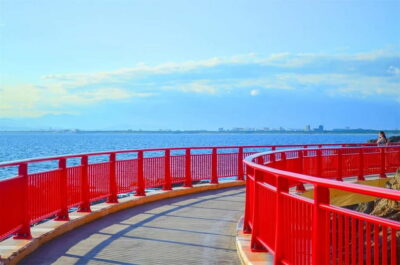
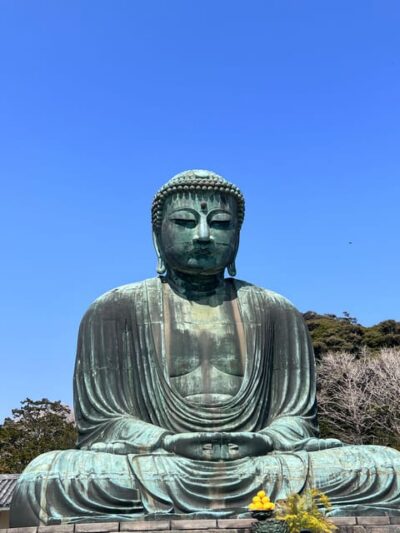
Kamakura, the Great Buddha and Enoshima, side by side.
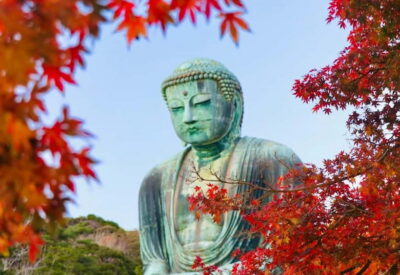 ★ 4.5Kamakura & Enoshima Day Trip including Temple TicketsFrom $581,375 reviews
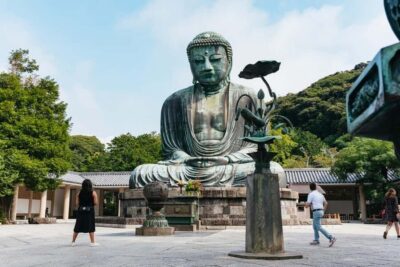 ★ 4.5Mt. Fuji, Kamakura, Big Buddha, & Lake Ashi Day TripFrom $49867 reviews
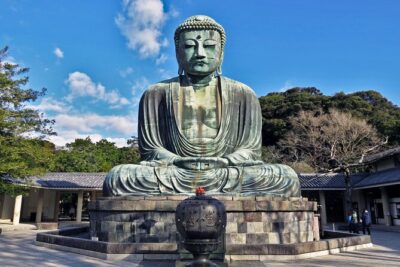 ★ 4.5From Tokyo: Kamakura & Enoshima 1-Day Bus TourFrom $66189 reviews
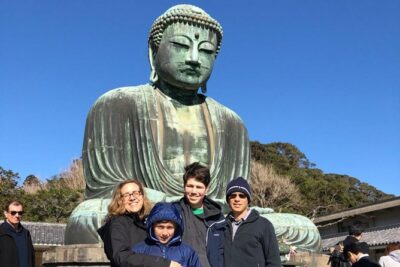 ★ 5.0Kamakura Historical Walking Tour with the Great BuddhaFrom $98129 reviews
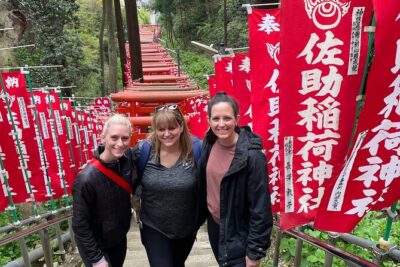 ★ 5.0Kamakura Private Tour: Temples, Nature, and the Great BuddhaFrom $98121 reviews
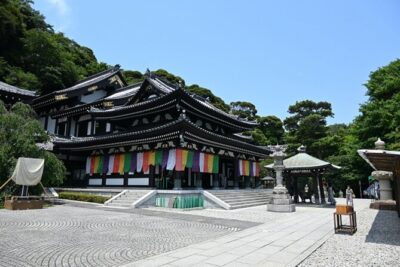 ★ 5.0Kamakura Walking Tour – The City of ShogunFrom $35100 reviews
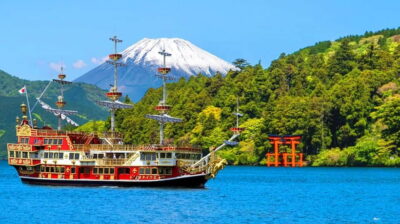 ★ 4.9Sea of Mount Fuji, Hakone Ropeway, Ōwakudani, EnoshimaFrom $5084 reviews
 ★ 5.0Kamakura 8 hr Private Walking Tour with Licensed Guide from TokyoFrom $20180 reviews
Filed on these lists too