
REVIEW · KAMAKURA, THE GREAT BUDDHA AND ENOSHIMA
From Tokyo: Kamakura & Enoshima 1-Day Bus Tour
Temple time, sea air, all in one day. This Kamakura and Enoshima bus tour is a simple way to swap Tokyo crowds for shrine wandering and panoramic ocean views. I like the central pickup setup that gives you options, and I also like having an English/Chinese guide who adds context while you’re on the move. The main drawback to plan around is the day runs long, and Enoshima can involve serious stairs if you get behind schedule.
What makes this tour work for real life is that it bundles transportation and site access into one schedule, with built-in time to shop, snack, and breathe. When you want a low-stress day, that’s exactly the appeal: you show up, you follow the group rhythm, and you still get room to wander on your own. The group size is capped at a maximum of 90, so it feels organized without being tiny.
If your idea of a good day includes temples, a famous Buddha, and a coastal island finish, you’ll likely enjoy the mix. If you hate waiting, dislike walking, or need lots of control over every minute, you may find the pacing a bit strict.
In This Review
- Key things that make this tour click
- Price and logistics: what $66 buys you (and what it doesn’t)
- Getting out of Tokyo fast: pickup rhythm and ride comfort
- Tsurugaoka Hachimangu and Komachi Street: shrine gates and snack strategy
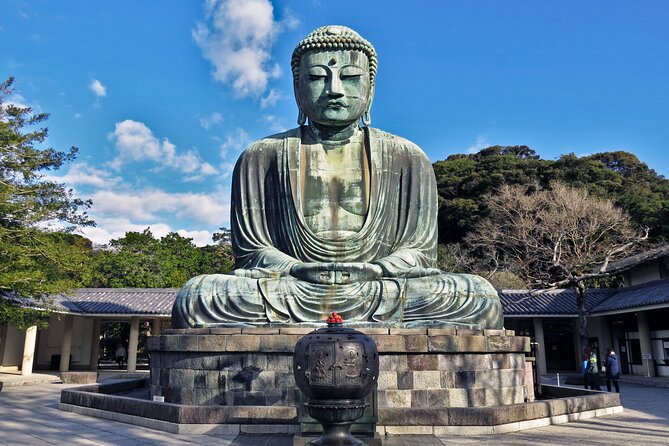
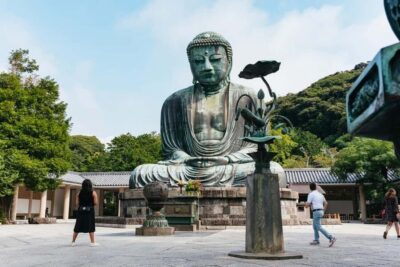
- Kōtoku-in Great Buddha: the short stop that hits hard
- Hase-dera Temple and Kannon: steps, shade, and a big statue moment
- Enoshima Island: shrines, the money-washing spring, and sea views on clear days
- Lunch reality: how to eat well when the schedule shifts
- Guides and pacing: why the human factor matters
- Should you book this Kamakura and Enoshima bus day trip?
- FAQ
- How long is the Kamakura and Enoshima day bus tour?
- Where do I meet the tour, and where does it end?
- Is lunch included in the tour price?
- Which entrances are included?
- What languages will the guide speak?
- What should I do if I arrive late?
- Can I bring luggage on the bus?
Key things that make this tour click
- Two central Tokyo pickup options help you match your Tokyo base and timing
- A guide on the bus (English and possibly Chinese on the same bus) adds meaning, not just directions
- Tsurugaoka Hachimangu plus Komachi Street combines spirituality with snack-and-souvenir time
- Kōtoku-in’s Great Buddha is short but unforgettable, sitting in the open air
- Enoshima delivers the payoff with shrines, a cave area, and ocean-and-fuji viewpoints on clear days
- Time is the real currency here, since lunch is not included and stairs can add up fast
Coast and temples south of Tokyo, compared
- Tokyo: Kamakura & Enoshima Day Trip including Temple Tickets
★ 4.5 · 1,375 reviews - From Tokyo: Kamakura & Enoshima 1-Day Bus Tour
★ 4.5 · 189 reviews - Kamakura Historical Walking Tour with the Great Buddha
★ 5.0 · 129 reviews - Kamakura Private Tour: Temples, Nature, and the Great Buddha
★ 5.0 · 121 reviews
Price and logistics: what $66 buys you (and what it doesn’t)
This costs $66.05 per person and runs about 9 to 10 hours. For that price, you’re paying for a day package: air-conditioned bus, roundtrip transportation from Tokyo to the Kamakura and Enoshima area, and included entry fees for Hase-dera and Kōtoku-in. The tour also claims all fees and taxes, which matters because temple tickets and bus add-ons can creep up fast when you book yourself.
What you need to budget separately is lunch, which is not included. That’s not a dealbreaker, but it changes how you plan your day. If the bus gets delayed or your lunch window shifts, you’ll want to be flexible about where you eat and what’s open.
Also note the tour ends at Shinjuku Post Office again, with Shinjuku as the only drop-off. The bus doesn’t return to Ikebukuro, so if you’re staying there, you’ll want a post-tour plan to get yourself back.
Finally, the big rule is timing: the bus departs on time with no exception. Arrive at least 10 minutes early at your exact meet point. The guide will be holding a pale blue flag, and a QR/photo reference is part of the process. This sounds nitpicky until you’ve missed a departure, and then it stops being funny.
Getting out of Tokyo fast: pickup rhythm and ride comfort
You can start from Shinjuku Post Office 1-chōme (the tour description lists Shinjuku as the meeting point and drop-off). The tour is designed to pick people up from centrally located Tokyo spots for flexibility, but the data you provided specifically calls out Shinjuku Post Office as the start and end.
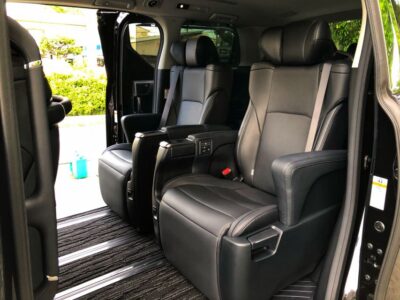
The ride itself is typically straightforward. The bus is air-conditioned, and one recent rider specifically mentioned a modern bus with a USB charging port, which is useful because the day is long. Still, there are a few real-world comfort variables. One review mentioned an older bus and tricky seating near the wheel, but they were able to move seats. So I’d treat this as a practical day trip bus, not a first-class experience.
A key thing to know is that the itinerary can change due to weather and traffic. One participant said their route got flipped because of a traffic accident, which affected when lunch happened in Enoshima. That’s a good reminder to pack a little patience. The tour departs regardless of weather or traffic unless you’re notified otherwise, so you should plan for rain gear just in case.
If you’re the type who hates surprises, pick a small day backpack style, bring water, and keep your schedule mindset flexible. This works best when you accept that Japan traffic can change plans and the operators still aim to finish the day.
Tsurugaoka Hachimangu and Komachi Street: shrine gates and snack strategy
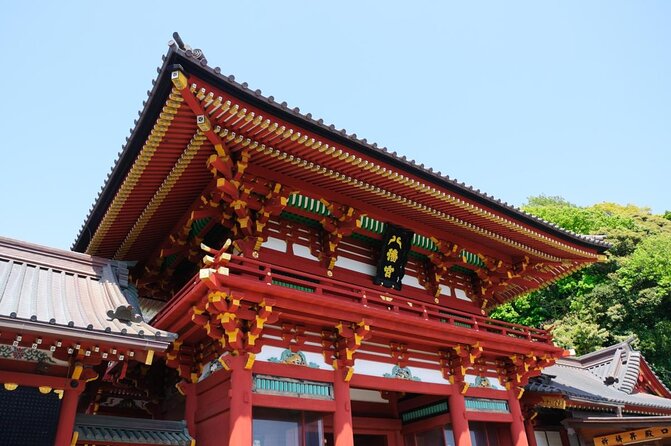
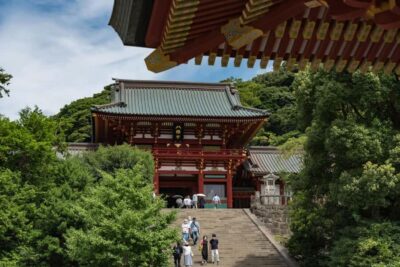
The tour begins at Tsurugaoka Hachimangu Shrine, Kamakura’s premier shrine and a spiritual center. You’ll pass through the grand torii gate, then move into a calmer rhythm with ponds and koi. This is one of those stops where the atmosphere does a lot of the work, especially if you’re coming from hectic Tokyo.
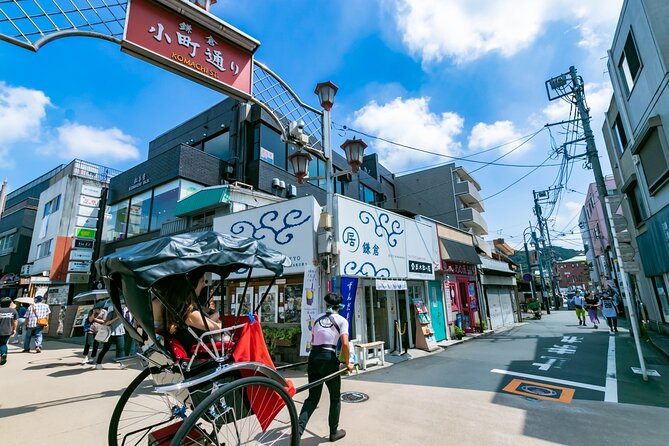
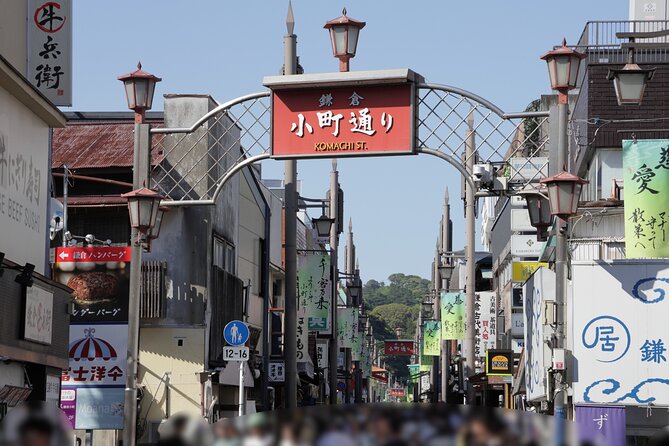
This is also where you get Komachi Street, a busy shopping stretch right near the shrine. It’s not just random browsing. The idea is that you can line up a snack plan and buy small Kamakura-only souvenirs while you’re already in the flow of the shrine area. People mention unique snacks, handmade crafts, and the kind of small items that are easy to carry back.
Time here is listed as about 2 hours and the shrine itself is free to enter. That free admission matters because it keeps the morning from feeling like a “pay then rush” setup. You can pause for photos, take a slower stroll along the pond areas, then use Komachi Street as your informal break.
Practical tip: go with a light shopping mindset. You’ll likely feel temptation once you start seeing specialty snacks and small crafts. If you plan to eat later, sample early. If you want a full meal, treat the snack street as a browsing segment and keep dinner decisions open.
- Kamakura Walking Tour – The City of Shogun★ 5.0 · 100 reviews
- Kamakura 4hr Private Trip with Government-Licensed Guide★ 5.0 · 58 reviews
- When Emperors Reigned and Shoguns Ruled★ 5.0 · 43 reviews
- From Tokyo: Kamakura Full Day Tour with a Local Expert Guide★ 4.6 · 43 reviews
- Exciting Kamakura – One Day Tour from Tokyo★ 5.0 · 40 reviews
Kōtoku-in Great Buddha: the short stop that hits hard
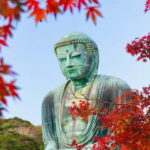
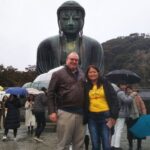
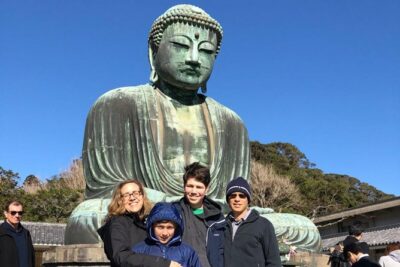
Next is Kōtoku-in, home to the Great Buddha of Kamakura. This stop is listed for about 30 minutes, and the admission is included.
What makes this Buddha so memorable is the simplicity. It’s a bronze Amida Buddha that has sat outdoors for centuries, so you’re not enclosed in a museum feeling. You’re seeing it in natural light, with sky and open space around it. That open-air setting is part of why the visit feels powerful even when the time on site is brief.
Because it’s quick, you’ll want to be strategic. Plan to arrive with your camera ready and keep movement simple. If you like sitting and staring, you’ll have to do that in a short window, since 30 minutes goes faster than you think. Still, the payoff is big for how little time it takes.
One practical note pulled from the tour theme: there can be coin-related logistics if you enter through a certain side. That came up as a small moment where a guide helped someone with the right coin for entry. It’s a reminder to bring some yen coins for small ticket or entry needs, even on a tour that includes listed fees.
Hase-dera Temple and Kannon: steps, shade, and a big statue moment
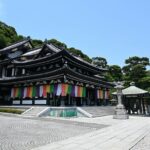
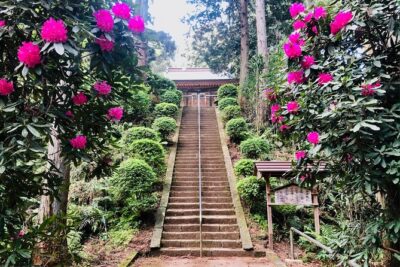
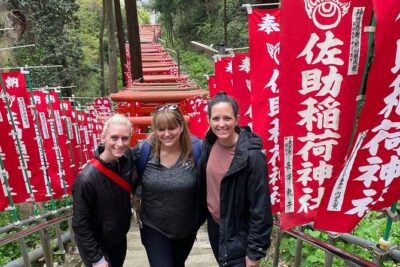
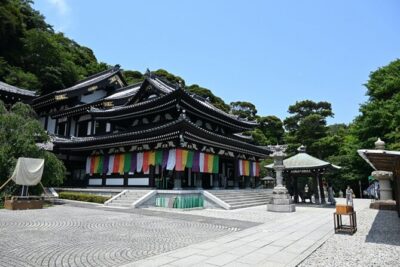
Then you head to Hase-dera Temple, about 50 minutes, with admission included. This is one of the stops that can feel like a physical workout if you’re not used to stairways. Hase-dera is known for the famous eleven-headed statue of Kannon, the Goddess of Mercy, and it’s presented in a way that you can appreciate as art and spirituality at the same time.
The tour description ties this stop to beautifully landscaped grounds, but the real practical takeaway is: expect walking. If your feet are already tired from Tokyo stations and trains, this is where you’ll feel it.
If you’re visiting in warm weather, build in a slower pace and use shade when you find it. One rider noted that their guide shared heat-combat recommendations in September, which is smart. Even if you don’t get the same advice, you’ll benefit from water and sun protection.
Also, this is a stop where it helps to have a guide who points out what you’re looking at. Some people praised guides for clear explanations and helpful directions to shopping zones. Others wished for more site context. So if you care about meaning beyond photos, arrive ready to listen on the walking segments. That’s the difference between seeing a place and understanding what you’re seeing.
Enoshima Island: shrines, the money-washing spring, and sea views on clear days
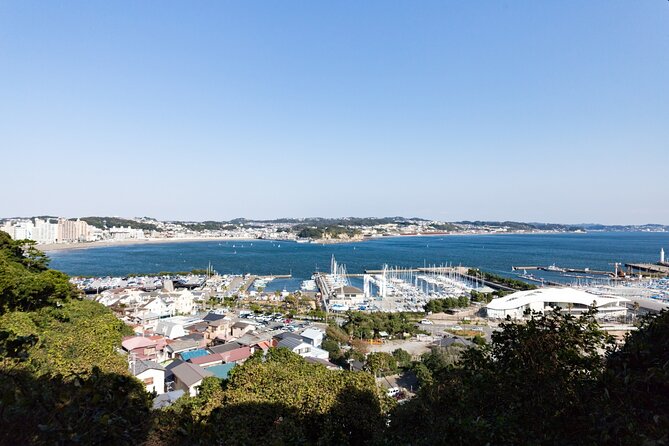
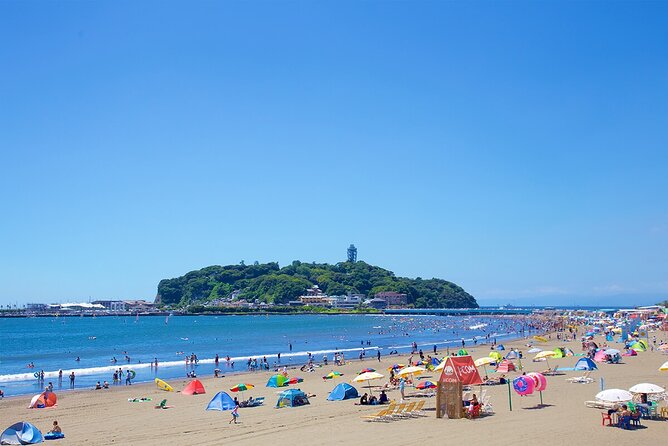
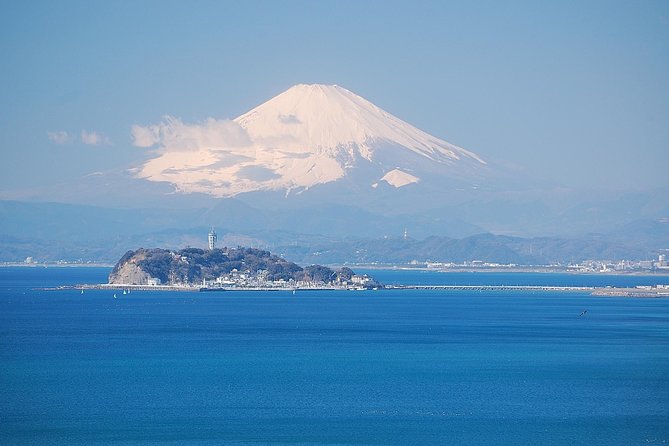
Enoshima is the final stretch, about 2 hours, and this is where you get the most “vacation” feeling. The description promises panoramic ocean views, and on clear days you may even spot Mt. Fuji in the distance. Even if Fuji is hidden by haze, the coastal air and island layout usually give you that change-of-scene feeling.
Enoshima also includes several specific stops around the island area, not just one viewpoint. You’ll visit the shrine complex dedicated to Benzaiten, the goddess of music, wealth, and wisdom. The tour notes three shrines: Hetsu-no-miya and Nakatsu-no-miya are specifically mentioned, which helps you anchor what you’re seeing.
You’ll also encounter Shirahata Shrine near Yanagihara Pond, and the tour mentions Minamoto no Yoritomo, the founder of the Kamakura shogunate, linking the spiritual sites to the broader Kamakura story.
Another fun and very specific stop is Zeniarai Benten Shrine. The meaning is simple and memorable: people visit to wash money in the spring, with the belief that it will double. Even if you treat the superstition as theater, it’s a great cultural ritual to witness.
The itinerary also references:
- Kamakura Museum of Literature, built in 1936 as the former villa of Maeda Marquis family, with rooms and design features described in the tour details
- An observatory lighthouse in Samuel Cocking Garden, reopened after renovations on April 29, 2003, and described with a height figure
- A historic shrine pavilion dating back to the Muromachi period (mentioned in the shrine area description)
- A note that there is a cave visit, plus additional walking in the area
Here’s the practical part: Enoshima can be stair-heavy. One participant reported confusion about escalators versus stairs and described rushing back after a cave visit, including what sounded like around 600 stairs over the day. You don’t need to panic, but you do need to plan your energy. Wear supportive shoes, and don’t assume escalators will eliminate stairs.
If you want the best views, look at the timing. Clear days matter. If it’s overcast, shift your focus to the shrine details, garden paths, and coastal walks rather than forcing Fuji photos.
Lunch reality: how to eat well when the schedule shifts
Lunch is not included, and the tour’s timing can shift due to traffic or weather. One rider mentioned a flipped route due to a traffic accident and ended up eating lunch in Enoshima at 11am, when options were limited. That’s not unique to one day, so it’s worth planning as if you might eat earlier than expected.
My advice: treat lunch as a flexible mission. Decide whether you want a sit-down meal or quick convenience food. If you want seafood, don’t assume every restaurant will be open right at your arrival time. Build in the idea that you might need to compromise.
If you’re traveling with others, agree on a “good enough” plan in advance. One common problem on day trips is trying to find the perfect place while the clock ticks toward the bus return time. You’ll have more fun if lunch is simple.
Also remember that Enoshima includes shops and food options along the way. That’s handy when your lunch window is awkward. You can snack your way through Komachi Street earlier, then commit to a more satisfying lunch once you feel the flow of Enoshima.
Guides and pacing: why the human factor matters
A theme across the feedback is that the guide can make the day. Specific names mentioned include Omar, Chen, Yuki, Mitsuko H., Mitsi San, Koji, and Eric. People praised Omar for being friendly and funny, Chen for being clear, Yuki for responsiveness, and Mitsi San for balancing sharing history with free exploration.
That’s not just personality trivia. It changes how you experience each stop. If your guide is strong, you’ll get context for why Tsurugaoka Hachimangu matters, what you’re seeing at Kōtoku-in, and how Kannon at Hase-dera links to the overall spiritual theme.
Pacing is mostly described as well-paced, with enough time at each place. Still, the reality of group travel is that instructions and meeting points matter. One participant had trouble with unclear directions on Enoshima, and then the bus hunt in rain and darkness caused stress. So if conditions get wet, slow down and keep an eye on the clock. The schedule is built to respect everyone’s time, and the bus may not wait.
Bus seats also can matter. One review described seating placed at the back of the bus plus seats near the wheel that didn’t fit. The person managed to change seats, but it’s a heads-up: if seat comfort is critical for you, you might want to arrive early and ask where there’s more legroom when possible.
Should you book this Kamakura and Enoshima bus day trip?
Book this tour if you want:
- A guided day that covers Kamakura’s main shrine hits and ends with Enoshima ocean views
- An easy transportation solution that gets you out of Tokyo without planning trains and transfers
- A trip format where you can still shop and wander, not just sit and listen
Skip it or choose something else if:
- You hate walking and stair-heavy sites, because Enoshima can include a cave visit and big step counts
- You need lunch included or very strict control of meal timing
- You strongly prefer self-guided wandering with flexible stop lengths
My bottom line: for a first Kamakura and Enoshima day, this is a solid value because it combines transportation, key temple admissions, and guide commentary into one ticket. Bring good shoes, bring some coins, and keep your day flexible. If you do that, you’ll end the day with a real sense of coast life, not just another Tokyo-side detour.
FAQ
How long is the Kamakura and Enoshima day bus tour?
The tour lasts about 9 to 10 hours.
Where do I meet the tour, and where does it end?
The meeting point listed is Shinjuku Post Office 1-chōme-8-8 Nishishinjuku, Shinjuku City. The tour ends at the Shinjuku Post Office as well, and the only drop-off point is near Shinjuku Station (West Exit).
Is lunch included in the tour price?
No, lunch is not included.
Which entrances are included?
Entrance fees are included for Hase-dera and Kōtoku-in. Tsurugaoka Hachimangu Shrine and Enoshima Island stops are listed as free for admission in the tour details.
What languages will the guide speak?
The tour includes an English/Chinese-speaking guide, and depending on the number of participants, commentary in English and Chinese might be provided on the same bus.
What should I do if I arrive late?
The bus departs on time and late arrivals may result in missing the tour. Refunds are not granted for missing the tour due to late arrival or arriving at the wrong meeting point.
Can I bring luggage on the bus?
You can bring one piece of luggage per person. The trunk storage size limit is listed as 155cm total (height, width, depth combined), and items stored in the trunk won’t be accessible between stops.
South to Kamakura and the Coast
Newest Kamakura write-ups from the Loving Japan desk
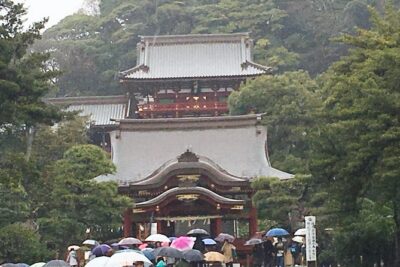
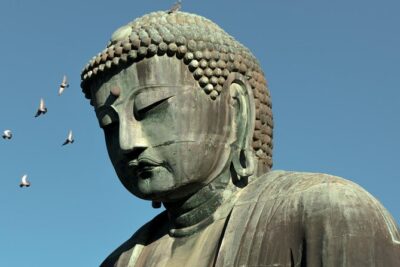
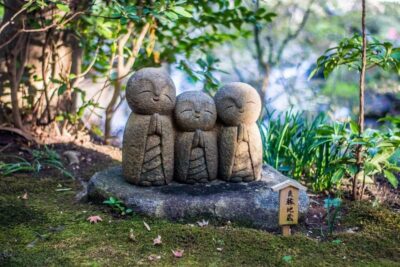
Kamakura, the Great Buddha and Enoshima, side by side.
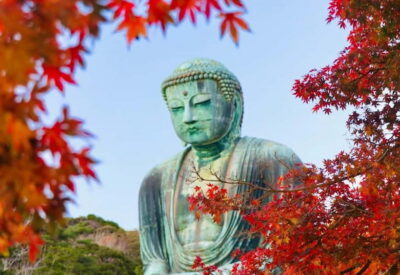 ★ 4.5Kamakura & Enoshima Day Trip including Temple TicketsFrom $581,375 reviews
 ★ 4.5Mt. Fuji, Kamakura, Big Buddha, & Lake Ashi Day TripFrom $49867 reviews
 ★ 5.0Kamakura Historical Walking Tour with the Great BuddhaFrom $98129 reviews
 ★ 5.0Kamakura Private Tour: Temples, Nature, and the Great BuddhaFrom $98121 reviews
 ★ 5.0Kamakura Walking Tour – The City of ShogunFrom $35100 reviews
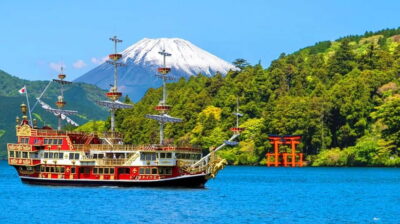 ★ 4.9Sea of Mount Fuji, Hakone Ropeway, Ōwakudani, EnoshimaFrom $5084 reviews
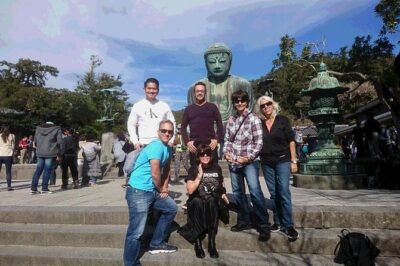 ★ 5.0Kamakura 8 hr Private Walking Tour with Licensed Guide from TokyoFrom $20180 reviews
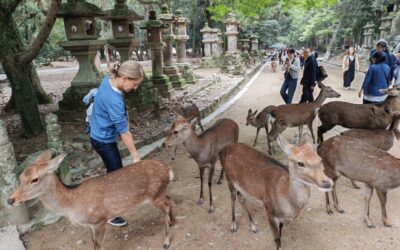 ★ 4.8Great Buddha, Kasuga Shrine & Deer Park TourFrom $7762 reviews
Filed on these lists too