
REVIEW · KAMAKURA, THE GREAT BUDDHA AND ENOSHIMA
Tokyo: Kamakura & Enoshima Day Trip including Temple Tickets
Temples plus sea air equals a great change of pace. This Kamakura and Enoshima tour strings together major shrines and coastal sights, with a guide who helps you connect the dots as you go, from Tsurugaoka Hachimangu to Enoshima.
You’ll get two things I really like: first, the smooth, guided route that keeps the history clear without slowing you down; second, the big “wow” stops, like the Great Buddha at Kōtoku-in and the seasonal views from Hasedera.
One heads-up before you go: it’s a highlights plan, so some places get shorter time windows, especially if you want to linger or go extra-deep at a single site.
In This Review
- Key highlights and why they matter
- Kamakura and Enoshima, a fast trip to Japan’s “old meets coastal”
- Starting in Tokyo: pickup options and how the day stays on schedule
- Tsurugaoka Hachimangu: the shrine most people instinctively aim for
- Komachi Street: 250 shops worth using for snacks, not just souvenirs
- Hasedera (Hase-dera): cherry blossoms, hydrangeas, and big views over Sagami Bay
- Kōtoku-in and the Great Buddha: why “inside” access changes the experience
- Enoshima Sea views and Fuji chances: how to treat Enoshima like a mini day in itself
- Iwaya Caves and Benzaiten Shopping Street: the “linger zone” you should plan for
- The $58 value: what you actually pay for (and when it’s worth it)
- Smart pacing: how to make a 9-hour day trip feel calm
- Who this tour suits best, and who should consider something else
- Final call: should you book this Kamakura and Enoshima day trip?
- FAQ
- How long is the Kamakura and Enoshima day trip?
- Where do I meet the tour in Tokyo?
- What’s included for temple entry?
- What languages is the guide available in?
- What time should I arrive at the meeting point?
- Can I cancel for a refund?
Key highlights and why they matter
- Tsurugaoka Hachimangu’s samurai-era energy: One of Japan’s most visited shrines, with centuries of meaning behind the scenery.
- Komachi Street food stop with real options: About 250 shops along a short walk, so you can snack without losing the flow.
- Hasedera’s Eleven-Headed Kannon and seasonal flowers: From a massive statue to wide city and bay views.
- Kōtoku-in’s Great Buddha, inside and out: A National Treasure bronze statue you can see up close and step into.
- Enoshima’s Fuji gamble on clear days: High viewpoints give you a real shot at Mt. Fuji if the weather cooperates.
- Tickets handled for two major temples: Less time figuring out entry, more time seeing.
Coast and temples south of Tokyo, compared
- Tokyo: Kamakura & Enoshima Day Trip including Temple Tickets
★ 4.5 · 1,375 reviews - From Tokyo: Kamakura & Enoshima 1-Day Bus Tour
★ 4.5 · 189 reviews - Kamakura Historical Walking Tour with the Great Buddha
★ 5.0 · 129 reviews - Kamakura Private Tour: Temples, Nature, and the Great Buddha
★ 5.0 · 121 reviews
Kamakura and Enoshima, a fast trip to Japan’s “old meets coastal”
Kamakura was Japan’s political and cultural center during the Kamakura period, and that long timeline shows up in the shrines and temples you’ll visit. Walking these grounds, you get a feeling for how samurai society tied faith to public life, not just private worship.
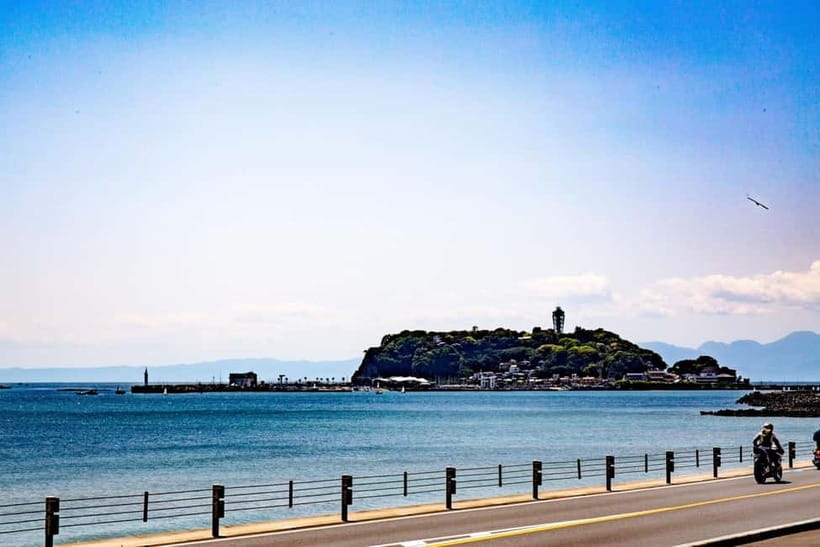
Then you pivot to Enoshima, where the vibe changes to sea cliffs, caves, and temple views over the Shonan Coast. On a clear day, the scenery even carries the Mt. Fuji possibility, which is a nice bonus when you’re coming from Tokyo for just one day.
I like this combo because it avoids the common trap of only seeing “pretty postcard” spots. Here, the sights are linked to place and story, and you’re also free to snack, browse, and take photos at your own pace.
Starting in Tokyo: pickup options and how the day stays on schedule
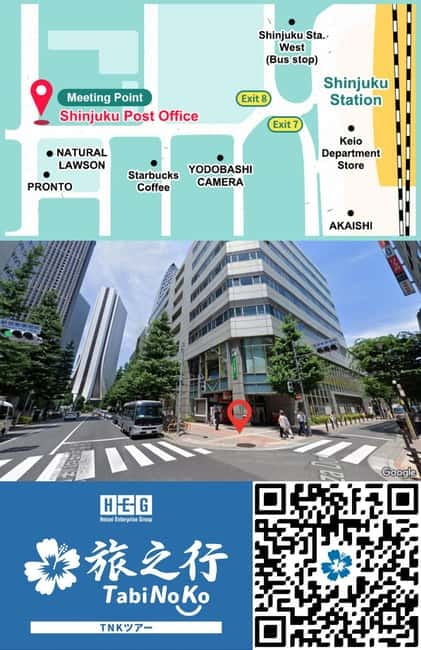
The tour has two Tokyo meeting options: Shinjuku Post Office or GLOBAL RING CAFÉ. Your exact meeting point can vary depending on what you book, so double-check the QR code instructions on the day before you leave.
You’ll want to arrive 10 minutes early. This matters because the bus leaves on time, and the day is built like a relay race: quick transitions, then time to explore. If traffic delays the route, stop times can adjust, so keep a flexible mindset.
Drop-off is Shinjuku Area only. If you’re planning a dinner reservation, build in buffer time so you are not stressed when the bus gets back.
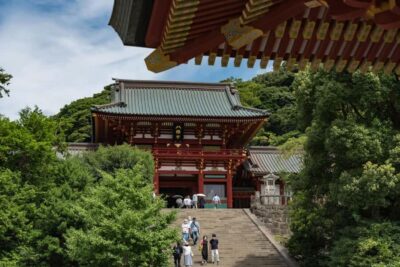
Tsurugaoka Hachimangu: the shrine most people instinctively aim for
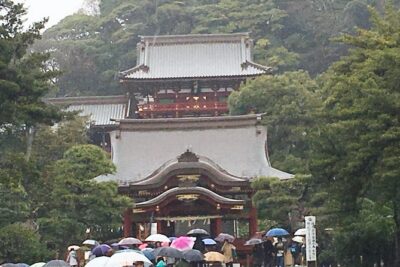
This stop is your anchor point for why Kamakura mattered. Tsurugaoka Hachimangu is one of the most visited shrines in Japan, with over 800 years behind it. It’s also famous for major crowds during New Year’s hatsumode, when it can draw around 2.5 million visitors.
What you’ll feel here is not just scale, but placement. The shrine is closely tied to the samurai identity of the region, and that makes it easier to understand the rest of the temples you’ll see afterward. It’s the kind of place where a short guided overview can dramatically improve what you notice while you walk.
Practical tip: take your first photos quickly, then use the free time to slow down. Look for details around the grounds, not just the main view, because that’s where the “old Japan” texture shows up.
- Kamakura Walking Tour – The City of Shogun★ 5.0 · 100 reviews
- Kamakura 4hr Private Trip with Government-Licensed Guide★ 5.0 · 58 reviews
- When Emperors Reigned and Shoguns Ruled★ 5.0 · 43 reviews
- From Tokyo: Kamakura Full Day Tour with a Local Expert Guide★ 4.6 · 43 reviews
- Exciting Kamakura – One Day Tour from Tokyo★ 5.0 · 40 reviews
Komachi Street: 250 shops worth using for snacks, not just souvenirs
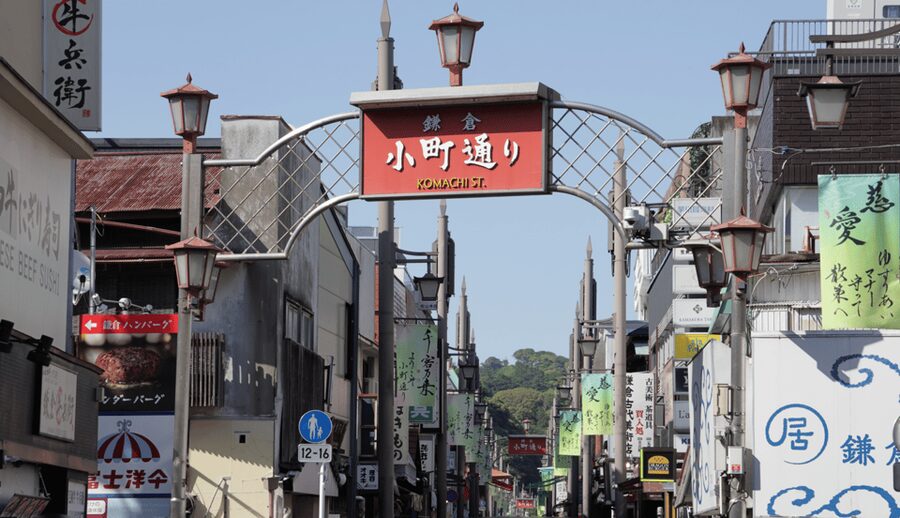
From the shrine area, you’ll walk the shopping stretch known as Komachi Street, which runs roughly 360 to 600 meters. That’s not a huge distance, but it’s packed with around 250 shops, so you can actually eat here without losing the trip.
This is one of my favorite parts of a day trip like this because it’s low pressure. You can browse for souvenirs, then pivot instantly to food when you’re hungry. Expect a mix of traditional goods and modern items, plus local snacks that fit a quick stop.
If you want a smart strategy, pick one “serious” snack and one “walk and share” item. For example, shirasu-based dishes are a classic, and you can also find dumplings and croquettes. Eat early enough that you’re not hunting for food when you reach Enoshima later.
Hasedera (Hase-dera): cherry blossoms, hydrangeas, and big views over Sagami Bay
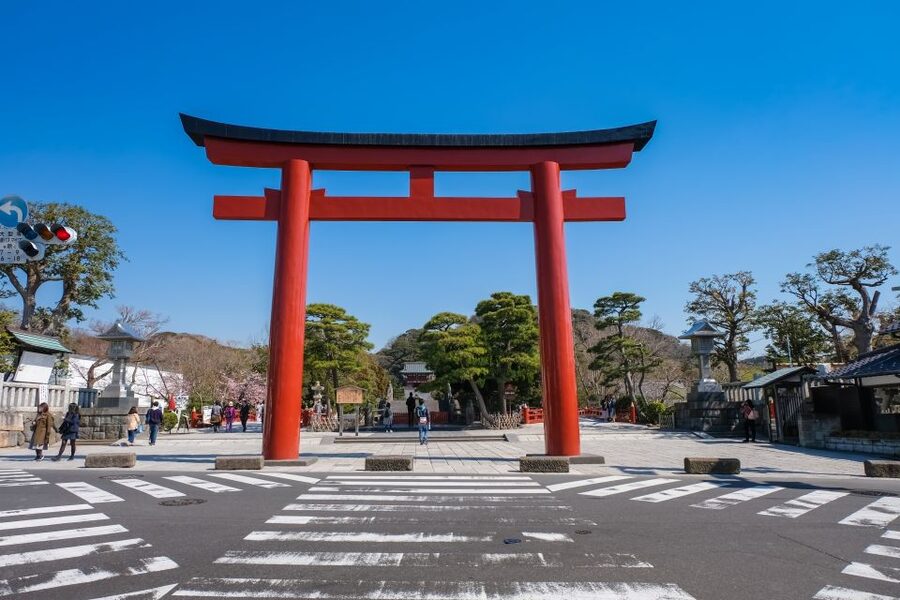
Hasedera Temple, founded in 736, is one of Kamakura’s oldest. This stop feels different from the shrine because it’s more garden and viewpoint focused, with a lot of seasonal variation.
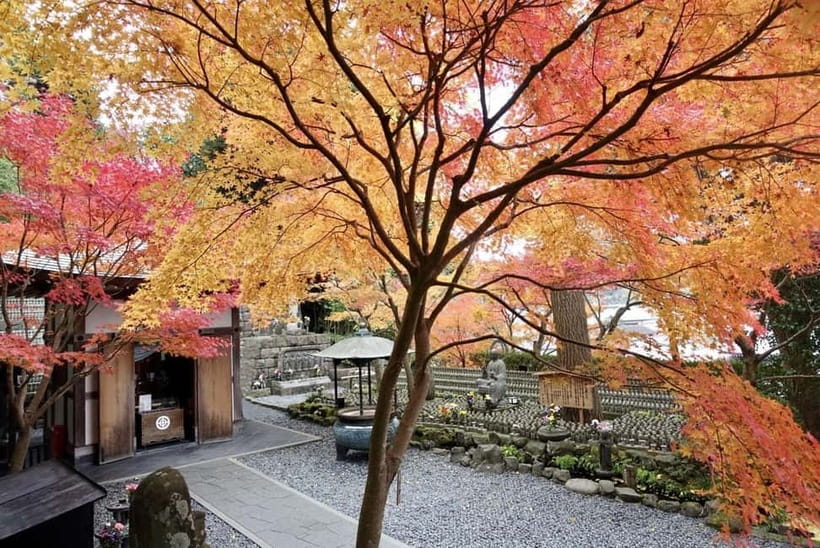
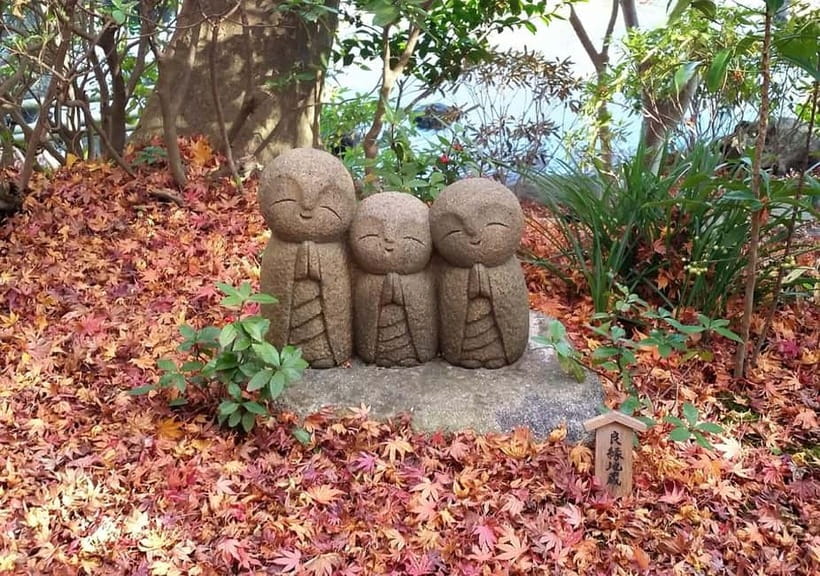
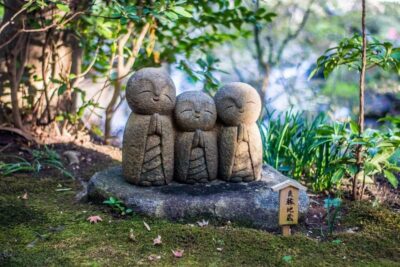
You’ll see a 9.18-meter Eleven-Headed Kannon statue, plus Jizo statues scattered through the grounds. The temple also offers views over the city and Sagami Bay, which is why it’s so popular when the light is good.
The seasonal flowers listed for this temple are a big clue for when you should plan your own timing: cherry blossoms, peonies, hydrangeas, and autumn leaves. Even if you are not there for a specific bloom, the layout makes it easy to enjoy the grounds as you move from one viewpoint to the next.
Time reality check: you typically get about 50 minutes here. That’s enough to see the highlights, but not enough to do a slow garden photo marathon. Focus on the statue and the main views first, then use the remaining time for wandering.
Kōtoku-in and the Great Buddha: why “inside” access changes the experience
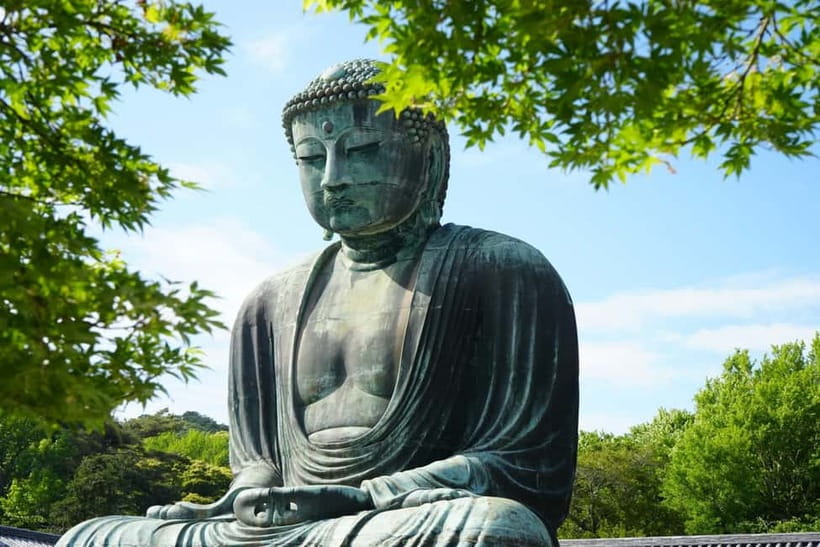
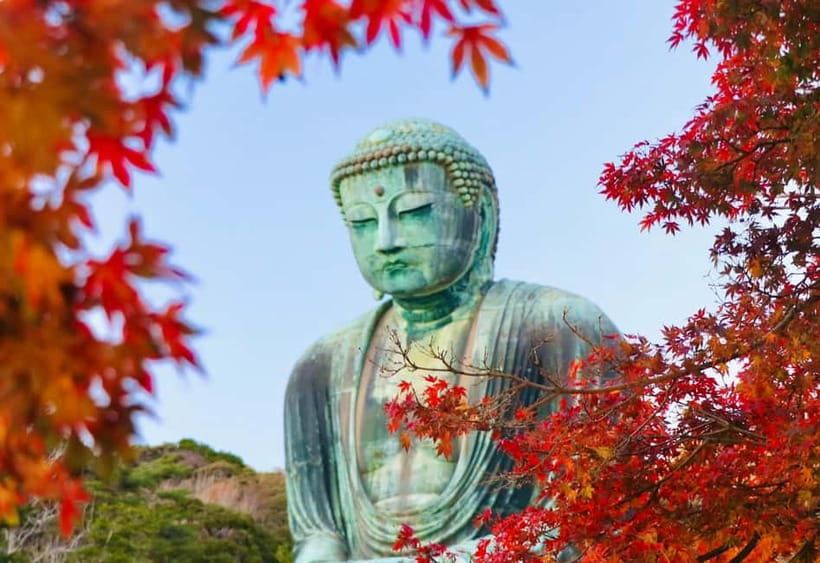
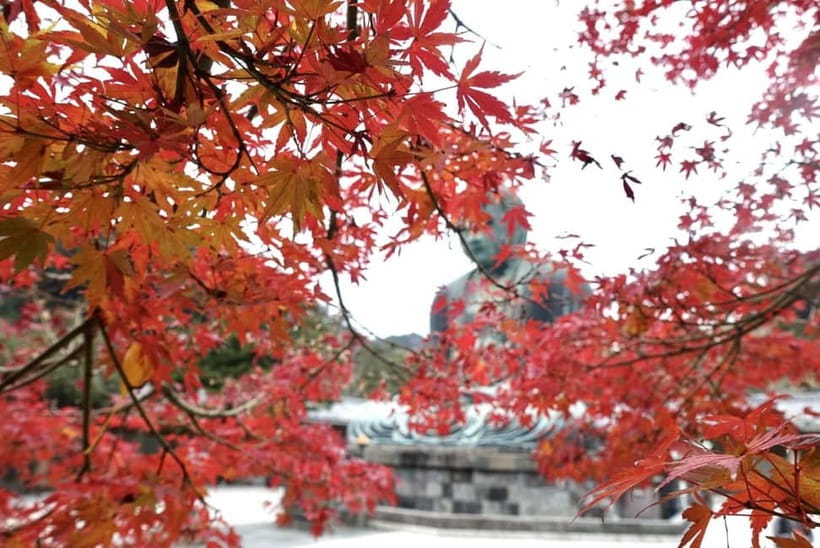
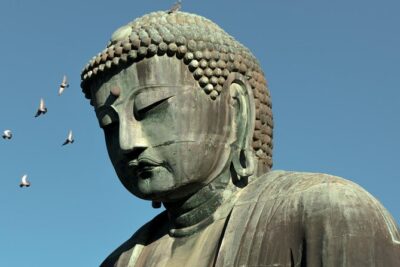
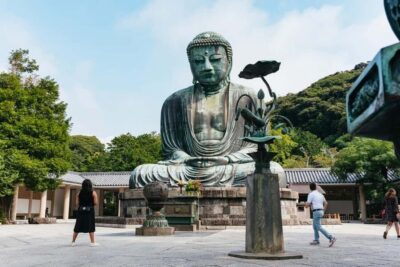
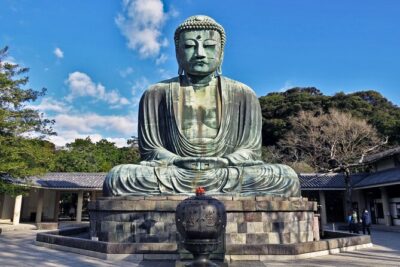
Kōtoku-in is famous for the Great Buddha of Kamakura, a bronze Amida Buddha designated a National Treasure. The statue is about 13.3 meters tall and weighs around 121 tons, so up close, it feels less like a photo subject and more like a landmark you have to respect.
The standout detail is that you don’t just view the exterior. You can enter inside to observe its internal structure. That’s the kind of access that turns a quick temple visit into something memorable, because you start thinking about how such a huge work could be built and maintained over time.
This temple is also known for seasonal beauty, especially cherry blossoms and autumn foliage. If the day is clear, you’ll also catch nice light on the pathways and courtyard areas, which helps with photos.
Time reality check: expect around 30 minutes. I’d prioritize getting your exterior photos early, then go inside without rushing so you actually notice the structure.
Enoshima Sea views and Fuji chances: how to treat Enoshima like a mini day in itself
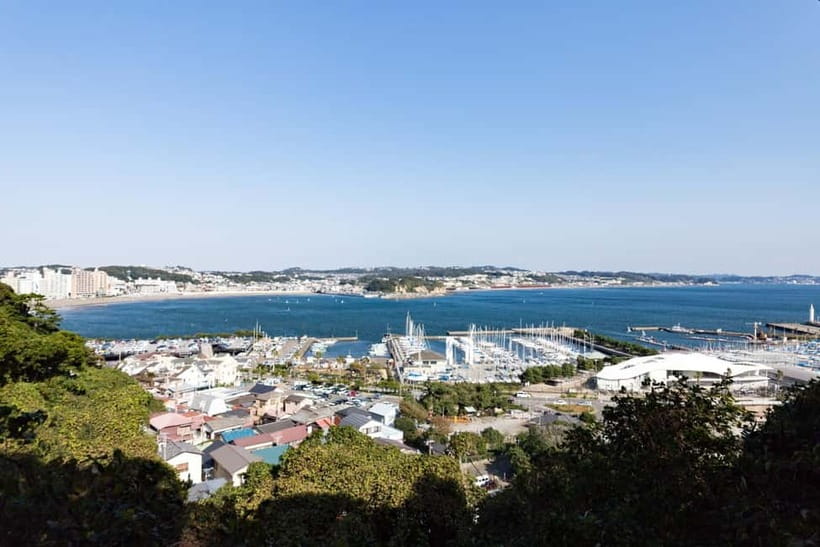
Enoshima is where the day shifts to coastline drama. You’ll spend about two hours on the island area, which is just enough time to hit the signature spots without burning the whole day on one corner.
Key stops include:
- Enoshima Shrine, with a long history (the island shrine is described as over 1,000 years old)
- Enoshima Sea Candle, an observation tower where you can look out across the water
- Enoshima Iwaya Caves, a walking and exploring feature with a more active feel
On clear days, you can see Mt. Fuji from higher vantage points. You should treat Fuji as a bonus, not a guarantee. Still, Enoshima is one of the better places on a Tokyo day trip because you’re not stuck in flat city views.
Photo tip: if Fuji is visible, aim for a steady shot first, then take quick variations. If it’s not visible, use that same time for the sea views and coastal textures. The point is to enjoy the bay and cliffs, not just chase one skyline.
Iwaya Caves and Benzaiten Shopping Street: the “linger zone” you should plan for
After Enoshima’s main sightseeing, you’ll get time at Enoshima Iwaya Caves. The experience is partly about walking, partly about the change in atmosphere once you are in the cave area. Expect some stair climbing and uneven walking surfaces, so good shoes help.
Then there’s Enoshima Benzaiten Shopping Street, where you can snack and browse on the way. This is a useful stop because it gives you flexibility. If your energy is high, you can wander for a bit longer. If you’re tired from the heat, you can switch to food and a calmer stroll.
One practical tip: if you plan to do the caves, grab food from a vendor rather than sitting down for a full meal. Caves can be an awkward place to pause for a traditional sit-down break, and vendor snacks keep you moving.
The $58 value: what you actually pay for (and when it’s worth it)
At $58 per person for about 9 hours, this tour can feel like a smart deal, mainly because you’re not just buying transportation. You’re also paying for:
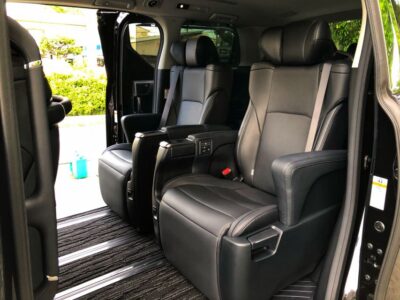
- an air-conditioned vehicle
- a guide who works in English and Chinese
- temple tickets included for Hasedera and Kōtoku-in
- a structured route that helps you see multiple major sites in one day
If you tried to piece this together solo, you’d spend time managing train connections, figuring out ticket spots, and rebuilding your day when traffic or crowds shift. Here, the schedule is built to minimize that mental overhead.
Where it might not feel worth it is if you already know you want to go slow at one site. This is a highlights sampler. If you want deep study at just one place, you’d likely prefer staying longer and building your own pace.
For most first-time visitors to Tokyo who want a meaningful taste of Kamakura and Enoshima without the logistics headache, this price-to-time ratio works well.
Smart pacing: how to make a 9-hour day trip feel calm
A day trip can either feel rushed or manageable. The difference is how you handle the transitions.
Here’s what helps you enjoy this kind of route:
- Start your morning calm by leaving extra time to reach the meeting point. The tour leaves on schedule.
- Use the photo stop window wisely, then switch to walking and exploring during free time.
- Bring water and sunscreen, because these stops involve a lot of outdoor walking. The island and temple grounds can get hot fast.
- Ask your guide for picture pointers during the transit breaks. Good angles make a short stop feel longer.
- If you need to step out for a restroom break, do it early in the stop so you do not end up sprinting at the end.
Also, if you think you might want to leave the group early, you should tell the guide in advance and complete the departure form. It’s better to plan that ahead than try to solve it while everyone is packing up for the next stop.
Who this tour suits best, and who should consider something else
This is a strong fit if you:
- have limited time in Tokyo and want a real change of pace
- want the major Kamakura temples without doing all the planning yourself
- care about both temples and coastal scenery
- enjoy food browsing at Komachi Street and Enoshima shopping areas
It may not be ideal if you:
- want to spend half a day or more at a single temple or cave
- prefer a totally self-guided day with no set rhythm
- need extra time for slow photography at Kōtoku-in or Enoshima
The schedule is designed to keep you moving, not to let you turn every stop into a full “weekend project.”
Final call: should you book this Kamakura and Enoshima day trip?
I’d book this tour if you want a clean, efficient route with tickets included, a guided background so the sites make sense quickly, and a good chance at Enoshima’s sea views and possible Mt. Fuji. It’s especially good for your first Kamakura visit because you hit the top shrines and temples without getting stuck in planning details.
Skip it or plan differently if your priority is deep, slow temple immersion. In that case, you’ll likely want either a longer stay or a more focused route so you can linger where you fall in love.
If you’re the type who likes having options, photos, and snack stops built in, this day trip is a solid use of your time in Japan.
FAQ
How long is the Kamakura and Enoshima day trip?
The tour runs for 9 hours, which is listed as 570 minutes.
Where do I meet the tour in Tokyo?
You can choose between two starting points: Shinjuku Post Office or GLOBAL RING CAFÉ. The exact meeting point can vary depending on your option booked.
What’s included for temple entry?
The tour includes tickets for Hasedera and Kōtoku-in Temple.
What languages is the guide available in?
The guide speaks English and Chinese.
What time should I arrive at the meeting point?
Please arrive about 10 minutes before the scheduled departure time.
Can I cancel for a refund?
Yes. Free cancellation is available up to 24 hours in advance for a full refund.
South to Kamakura and the Coast
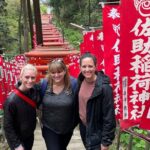
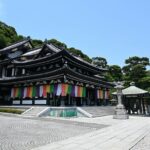
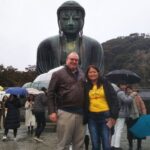
Newest Kamakura write-ups from the Loving Japan desk
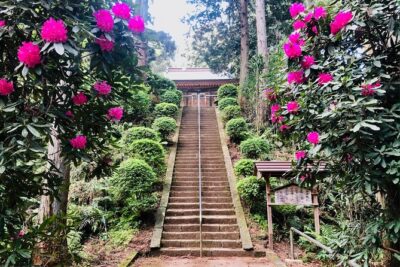
Kamakura, the Great Buddha and Enoshima, side by side.
 ★ 4.5Mt. Fuji, Kamakura, Big Buddha, & Lake Ashi Day TripFrom $49867 reviews
 ★ 4.5From Tokyo: Kamakura & Enoshima 1-Day Bus TourFrom $66189 reviews
 ★ 5.0Kamakura Historical Walking Tour with the Great BuddhaFrom $98129 reviews
 ★ 5.0Kamakura Private Tour: Temples, Nature, and the Great BuddhaFrom $98121 reviews
 ★ 5.0Kamakura Walking Tour – The City of ShogunFrom $35100 reviews
 ★ 4.9Sea of Mount Fuji, Hakone Ropeway, Ōwakudani, EnoshimaFrom $5084 reviews
 ★ 5.0Kamakura 8 hr Private Walking Tour with Licensed Guide from TokyoFrom $20180 reviews
 ★ 4.8Great Buddha, Kasuga Shrine & Deer Park TourFrom $7762 reviews
Filed on these lists too