
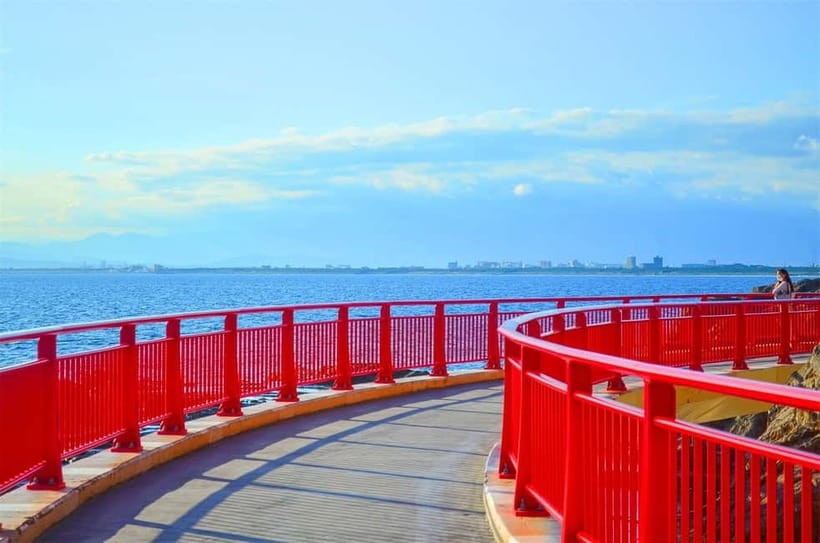
REVIEW · KAMAKURA, THE GREAT BUDDHA AND ENOSHIMA
Tokyo Yokohama Night View Tour With Kamakura And Enoshima
Anime memories meet sea air at night. This tour strings together Kamakura, Enoshima, and Yokohama into one satisfying day, with the Enoden train and the real-life Slam Dunk crossing as the big hook. I especially love the small, tactile feel of the Enoden ride and the way Enoshima’s shrines lean into local legend, not just sightseeing. One thing to watch: the schedule is packed, so if you hate rushing, plan to feel a bit time-pressured, especially later in the day.
What helps is that you get an English, Japanese, or Chinese live guide, and when you have a strong guide like Ko, the day can feel organized and easy to navigate. Still, the tour works as a shared group, so the vibe can shift depending on timing and group size, and the vehicle time adds up. Expect comfortable shoes and a camera, because you’ll be walking and photographing more than you think.
This is ideal if you want an anime-and-sea route, plus a real night-view payoff in Yokohama, without doing the logistics yourself. It’s not ideal if you want long, slow stops or step-free touring, since it’s not suitable for wheelchair users.
In This Review
- Key highlights you should plan around
- From Tokyo MODE GAKUEN to the coast, why the timing works
- Enoden train nostalgia and the Slam Dunk railroad crossing
- Enoshima Island shrines, dragon legend, and that Money-Washing Water Dragon
- Kamakura Tsurugaoka Hachimangu and Komachi Street for the old-town feel
- Yokohama night views, Red Brick Warehouse, and how to spend your free time
- Price and logistics: what you really pay for at $82
- Who this tour suits best, and who should look elsewhere
- Should you book this Tokyo to Yokohama night view tour?
- FAQ
- Where is the meeting point and when does the tour start?
- How long is the tour?
- What is included in the tour price?
- What is not included?
- Do I get free time in Yokohama?
- Is food allowed in the vehicle?
- Is the tour wheelchair accessible?
- Can I cancel for a full refund?
Key highlights you should plan around
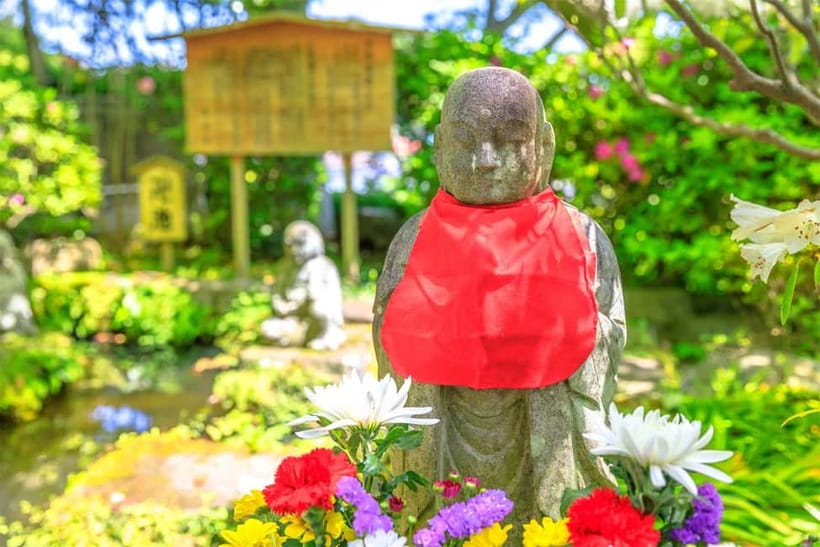
- The Slam Dunk crossing at Kamakura Koko-mae: a concrete, very specific photo moment tied to the anime.
- Enoden train nostalgia: ocean air, old-styled rhythm, and a shortcut to the Shonan coast feel.
- Enoshima Island shrines with legend: including the Money-Washing Water Dragon Shrine for prosperity prayers.
- Tsurugaoka Hachimangu in Kamakura: a major shrine setting that frames the town’s samurai-era vibe.
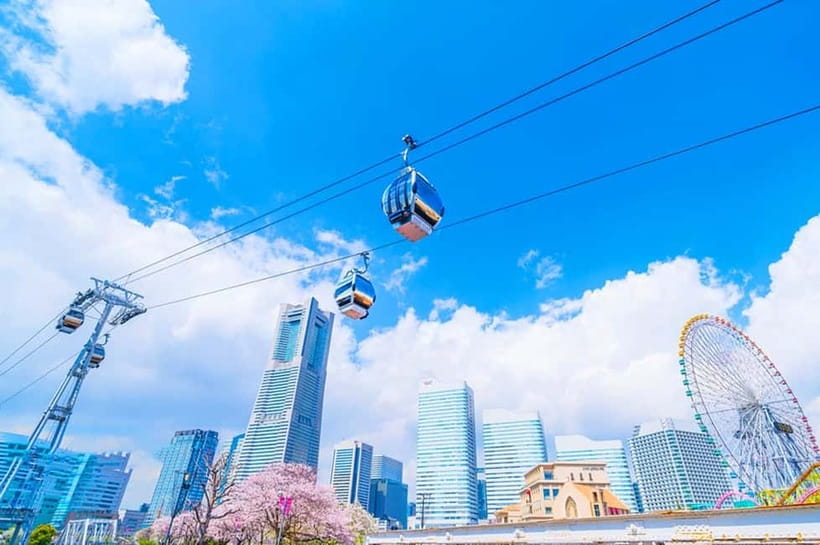
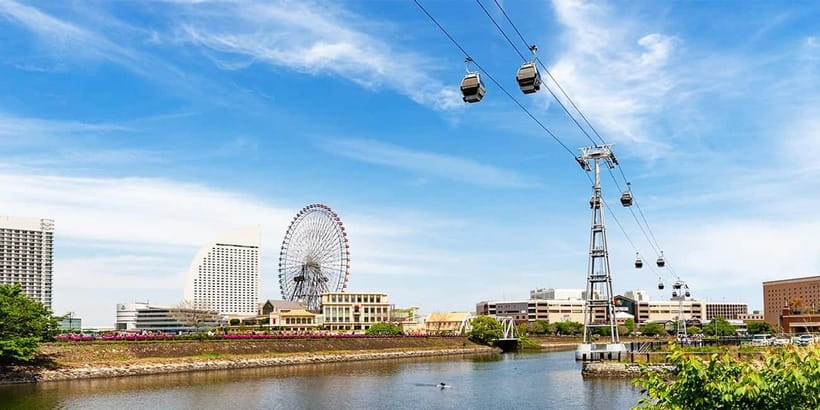
- Yokohama night views after sunset: with options like the Air Cabin or Red Brick Warehouse area.
- Free time in Yokohama: enough personal freedom to choose what you want to prioritize.
Coast and temples south of Tokyo, compared
- Kamakura and Enoshima: Private Guided Day Tour with Vehicle
★ 3.9 · 17 reviews - Tokyo Yokohama Night View Tour With Kamakura And Enoshima
★ 3.5 · 14 reviews
From Tokyo MODE GAKUEN to the coast, why the timing works
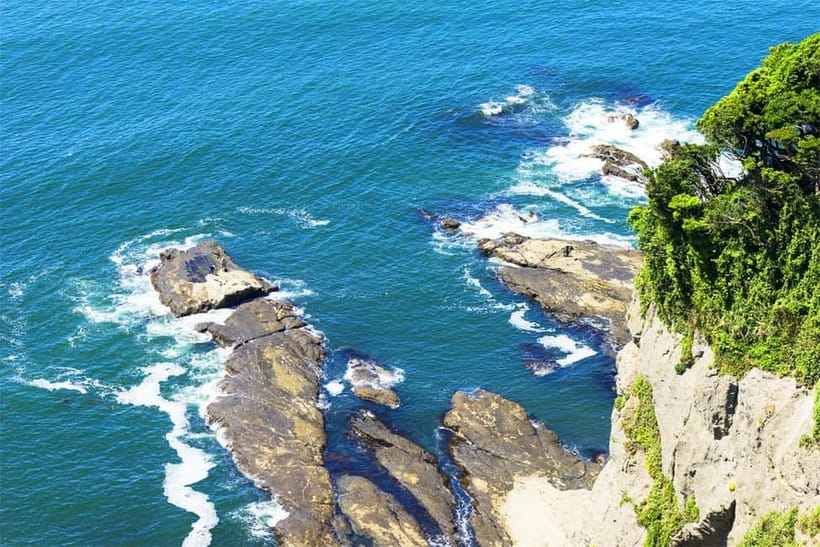
The day starts at 11:00am from Tokyo MODE GAKUEN in Shinjuku (1-7-3 Nishi-shinjuku). You’ll ride out with the group, and because traffic and holiday congestion can affect timing, it’s smart to keep your next-day plans flexible.
That late-morning departure is actually useful. You reach the Kamakura and Enoshima area while there’s still daylight for island walking and shrine time. Then you roll into Yokohama as the light changes, which is when the night-view options make sense.
Also, you’ll get pick-up and drop-off at designated points, so you don’t have to stitch together trains and buses on your own. Just remember the day is long, 10 hours total, and the schedule assumes you’re okay with a steady pace.
Bring water and expect some waiting and shuffling between modes of transport. A small but important note: food is not allowed in the vehicle, so plan snacks for after stops, not during bus rides.
Enoden train nostalgia and the Slam Dunk railroad crossing
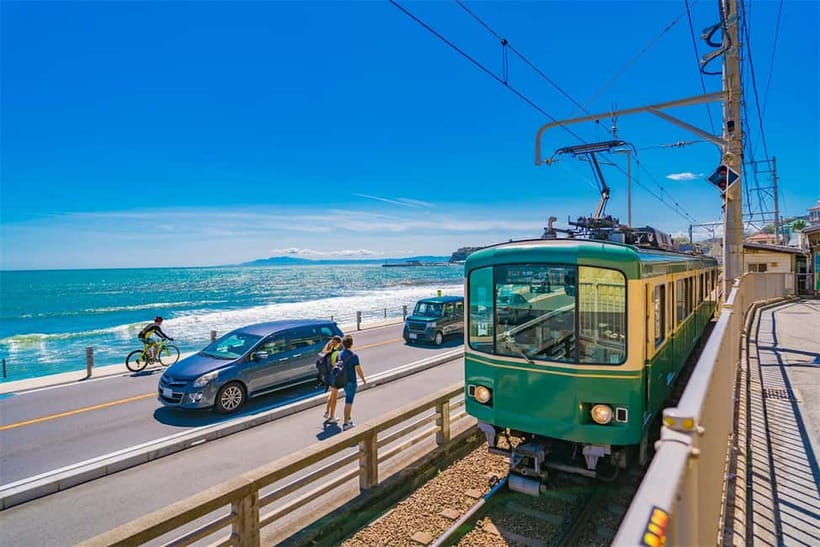
The Enoden is the star for anime fans and Japan-rail lovers. This is the charming, clattering local line that feels like it’s been doing the same run forever, and that “old Japan” rhythm matters here because it turns transit into a real experience, not just a way to get there.
Your group stops at Kamakura Koko-mae Station, where you can visit the exact railroad crossing featured in Slam Dunk. This is the kind of location you’ll instantly recognize, even if you’re not obsessing over every frame. It’s also a rare chance to stand somewhere that’s both a tourist site and a story location, which makes photos feel meaningful rather than generic.
From there, the experience keeps the coastal angle. You ride the Enoden line and get ocean views, small houses, and the sense of local life along the Shonan coast. The route is short on paper, but it’s long on atmosphere, and you’ll feel it most if you take a seat and look out instead of rushing to the next stop.
If you’re the type who likes to linger for photos, give yourself an easy buffer in your head. The schedule is built around multiple stops, so you’ll want to move quickly through the “walk to the best angle” part and then slow down once you’re set.
Enoshima Island shrines, dragon legend, and that Money-Washing Water Dragon
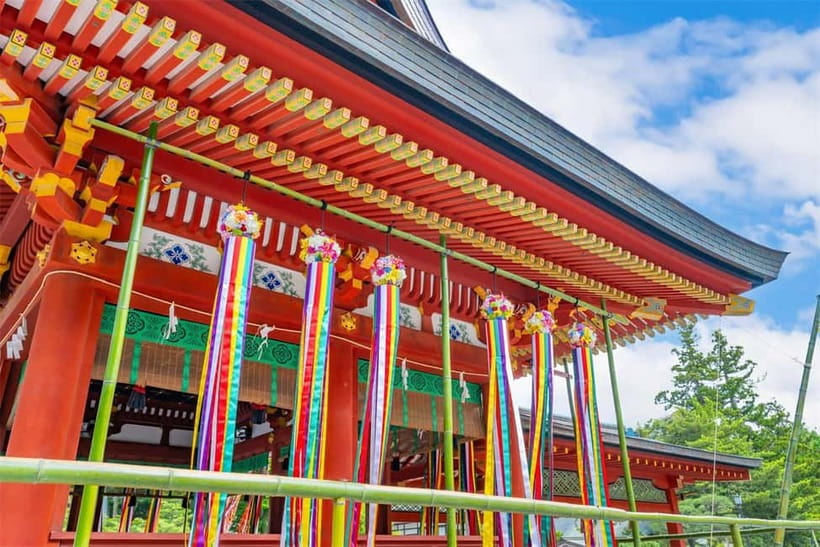
Enoshima is where the tour goes beyond “pretty views.” Yes, you get sea air and classic island scenery, but the shrines and myth give it a layered feeling.
You’ll spend substantial time on Enoshima Island, including a photo stop and sightseeing time. The big legend route includes a dragon story tied to how the island became part of the local identity. The island’s shrines are older than most modern tourist routes, and that age makes the whole place feel grounded, even if you’re coming for the aesthetic.
One shrine stop you should specifically look for is the Money-Washing Water Dragon Shrine. People come here to pray for good fortune and prosperity, and rinsing coins is part of the practice. Even if you don’t take the ritual literally, it’s a memorable, hands-on cultural detail that’s different from generic temple photos.
If you’re going to Enoshima for the views alone, you’ll still enjoy it. But the reason this stop works on a tour is that it’s timed and paced to let you do both: scenery and shrines. Just wear shoes you can walk in comfortably, because island walking adds up, and you don’t want shin-to-ankle regret halfway through.
Kamakura Tsurugaoka Hachimangu and Komachi Street for the old-town feel
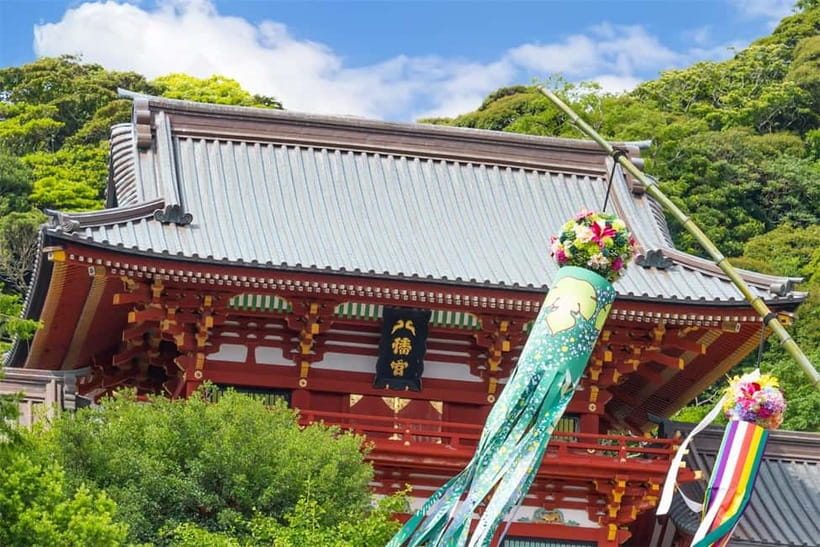
Kamakura is the bridge between anime locations and real, historically important Japan. The tour gives you time at Tsurugaoka Hachimangu, one of Japan’s major Hachiman shrines. This is a setting where you can feel the scale and formality of shrine architecture, plus the flow of people moving through the grounds.
There’s a guided component here, so you’re not just reading signs. You’ll also get a photo stop and a guided tour time, which helps if you want the why behind the what.
After the shrine, Komachi Street is your “slow down and eat and browse” break. This is a lively lane with shops and snacks, the kind of place where you can grab something small and keep moving without committing to a full sit-down meal. It’s also where you’ll enjoy the transition from shrine space to everyday street energy.
The drawback to this part is time compression. You’ll have a break, but not endless wandering, so think in priorities: pick one snack to try and one or two shops to explore. If you try to do everything, you’ll feel rushed rather than charmed.
Yokohama night views, Red Brick Warehouse, and how to spend your free time
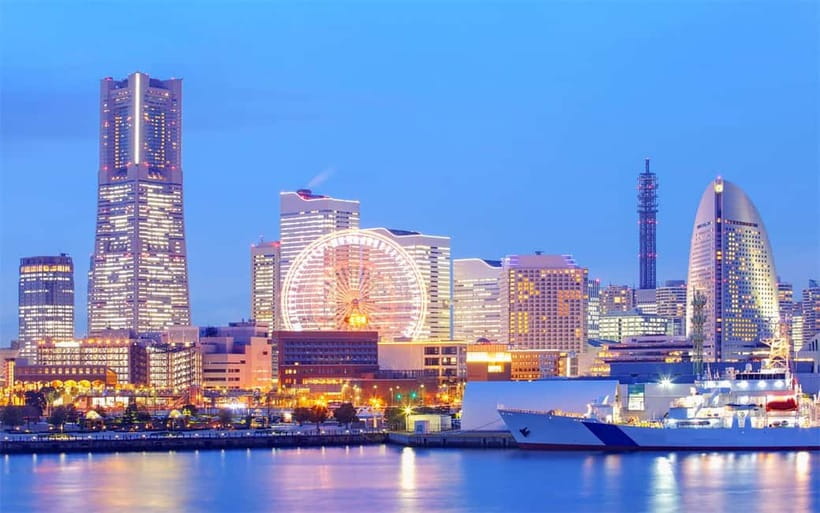
After Kamakura, you head toward Yokohama by coach, and the payoff is built around night views. The tour includes a guided sightseeing block in Yokohama plus time in the harbor area around the Red Brick Warehouse.
You’ll also have options for night viewing around the waterfront. The tour mentions the Yokohama Air Cabin and the big ferris wheel for panoramic views, but those rides are not included in the price. If night views are your main goal, decide early whether you want to spend extra here, because it can be easy to lose track of time once you start walking around.
Red Brick Warehouse is a great anchor because it mixes photo-friendly architecture with casual browsing and cafés. Even if you skip the paid rides, this area alone can give you a satisfying end to the day.
The tour description also promises free time in Yokohama to explore at your own pace. That matters because it’s your chance to avoid the “always following the group” feeling. If you like your own itinerary, use that window to pick one extra stop that matches your mood, whether that’s the harbor, shopping, or just taking photos without a timeline.
One practical tip: Yokohama can feel windy near the water at night. Pack an extra layer if you’re traveling in cooler months, and keep your phone battery topped up for skyline shots.
Price and logistics: what you really pay for at $82
At about $82 per person for a 10-hour day, you’re paying for three things: transportation coordination, a live guide to keep the story and timing clear, and an included admission for the Enoden train ride.
What you are not paying for is meals and optional paid attractions like the Air Cabin or ferris wheel. So if you plan to eat at least once and maybe ride one of the observation options, budget a bit extra. Also bring some cash, since credit cards may not be accepted at certain locations.
Logistics matter a lot on a long day like this. The tour involves several transfers, including multiple coach rides. If you hate being stuck on a bus, keep your expectations realistic. Even with a smooth schedule, you’re still in transit for significant parts of the day.
There’s also a detail that can affect how much talking you get. If the group is smaller than 13 people, the tour guide may also serve as the driver and provide only basic commentary. In that case, you’ll want to rely more on your own observation and the written signage at stops.
Finally, there’s a fair amount of walking. You don’t need hiking boots, but you do need comfortable shoes, because shrine grounds, streets, and island paths add up.
Who this tour suits best, and who should look elsewhere
I’d recommend this tour if you want a single-day route that hits all the key emotional notes: anime locations, Enoshima mythology, and a Yokohama night-view finish. It’s also a good fit if you enjoy local trains and want the Enoden experience as part of the story, not just a quick photo.
It may be less satisfying if you’re the kind of traveler who wants lots of downtime in each place. The day is designed to cover many stops, and the later you get, the easier it is to feel time pressure.
It’s also not suitable for wheelchair users, so if mobility is a concern, you’ll want a different format or an accessible private option.
Should you book this Tokyo to Yokohama night view tour?
Book it if:
- You care about the Slam Dunk crossing and want the right station moments without figuring it out yourself.
- You like coastal train vibes and want the Enoden ride as an experience.
- You want Yokohama at night and are okay making optional upgrades like the Air Cabin on your own.
Skip it or consider another option if:
- You hate tight timing and want long stays in fewer places.
- You’re sensitive to long coach rides and prefer a lighter travel day.
- You need step-free touring, since it’s not suitable for wheelchair users.
If you go, go with the right mindset: this is a story-driven, sea-and-shrine day with an evening payoff. When you match that pace, the tour feels fun, efficient, and genuinely memorable.
FAQ
Where is the meeting point and when does the tour start?
You meet at Tokyo MODE GAKUEN, 1-7-3 Nishi-shinjuku, Shinjuku-ku, Tokyo 160-0023, Japan. The departure time is 11:00am.
How long is the tour?
The tour duration is 10 hours.
What is included in the tour price?
The price includes a tour guide, a driver, pick up and drop off at designated points, and admission to the Enoden train ride.
What is not included?
Meals, personal expenses, and the Yokohama Air Cabin or ferris wheel are not included.
Do I get free time in Yokohama?
Yes. You will have free time in Yokohama to explore at your own pace.
Is food allowed in the vehicle?
No, food is not allowed in the vehicle.
Is the tour wheelchair accessible?
No. The tour is not suitable for wheelchair users.
Can I cancel for a full refund?
Yes. You can cancel up to 24 hours in advance for a full refund.
South to Kamakura and the Coast
Newest Fujisawa write-ups from the Loving Japan desk
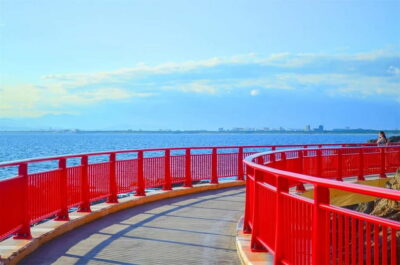
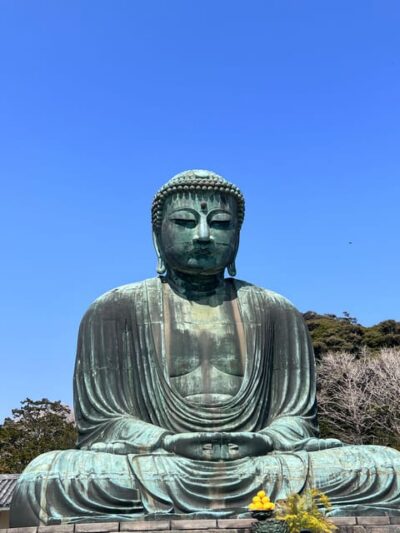
Kamakura, the Great Buddha and Enoshima, side by side.
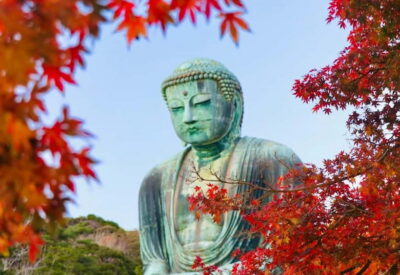 ★ 4.5Kamakura & Enoshima Day Trip including Temple TicketsFrom $581,375 reviews
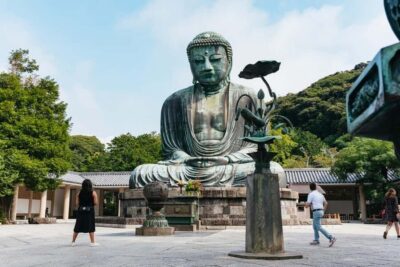 ★ 4.5Mt. Fuji, Kamakura, Big Buddha, & Lake Ashi Day TripFrom $49867 reviews
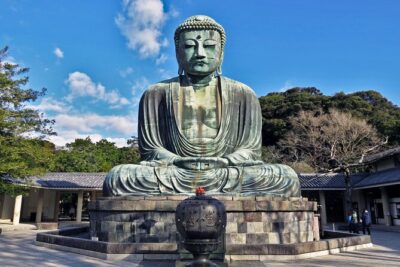 ★ 4.5From Tokyo: Kamakura & Enoshima 1-Day Bus TourFrom $66189 reviews
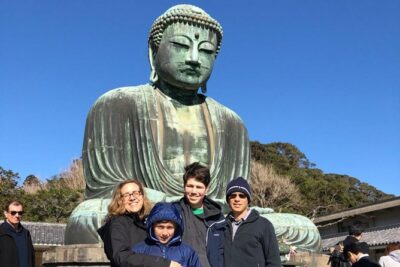 ★ 5.0Kamakura Historical Walking Tour with the Great BuddhaFrom $98129 reviews
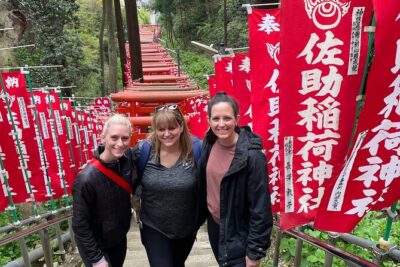 ★ 5.0Kamakura Private Tour: Temples, Nature, and the Great BuddhaFrom $98121 reviews
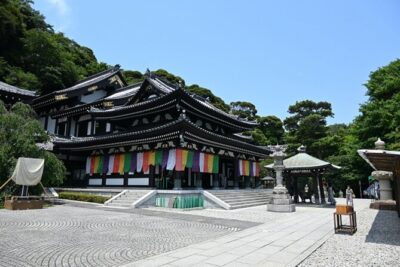 ★ 5.0Kamakura Walking Tour – The City of ShogunFrom $35100 reviews
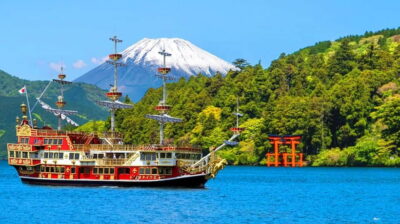 ★ 4.9Sea of Mount Fuji, Hakone Ropeway, Ōwakudani, EnoshimaFrom $5084 reviews
 ★ 5.0Kamakura 8 hr Private Walking Tour with Licensed Guide from TokyoFrom $20180 reviews
Filed on these lists too