
REVIEW · KAMAKURA, THE GREAT BUDDHA AND ENOSHIMA
Kamakura Historical Walking Tour with the Great Buddha
Kamakura packs a lot fast. On this small-group historical walking tour, you start with street-food snacks on Komachidori, then move through major shrines and temples with a guide who helps you make sense of what you’re seeing. It’s a smart way to get a day-trip feel from Tokyo without spending your whole day figuring out trains and timing.
My favorite part is how the route earns your time, starting at Tsurugaoka Hachimangu and saving the big payoff for later with Kotoku-in’s Great Buddha (Daibutsu) plus the coastal views around Hasedera. The one thing I’d plan for is that you should expect real walking and slippery sections, so wear proper shoes and bring water.
In This Review
- Key highlights worth prioritizing
- Why this Kamakura tour feels like a day trip you can actually enjoy
- The starting point and what to do before you leave the station area
- Komachidori street food: the easy win that sets your appetite and pace
- Tsurugaoka Hachimangu Shrine: where the guide turns a stop into understanding
- Hasedera Temple: coastal scenery plus the weird-and-wonderful factor
- Kotoku-in Great Buddha (Daibutsu): the main event, done without stress
- Passing Enoshima, then hitting Yuigahama Beach for photos with Mt. Fuji
- Lunch at Hasedera: vegetarian friendly, but plan for limited choices
- What the guide adds, and why names you might hear matter
- Group size, timing, and why 5 hours can still feel like a lot
- Photos and mobile tickets: easy add-ons that keep the day simple
- Who this tour is best for
- Should you book this Kamakura Historical Walking Tour with the Great Buddha?
- FAQ
- How long is the Kamakura Historical Walking Tour with the Great Buddha?
- How much does it cost per person?
- What’s included in the price?
- What is not included?
- What’s the meeting point and start time?
- Does the tour use a mobile ticket?
- Is lunch vegetarian or vegan?
- What happens if it rains?
- How much walking is involved?
- How big is the group?
- What’s the cancellation policy?
Key highlights worth prioritizing
- Komachidori street-food start: small samples to get you energized before the temples
- Tsurugaoka Hachimangu context: you learn what you’re looking at instead of just passing by
- Hasedera views and caves: coastal scenery and old temple atmosphere in one stop
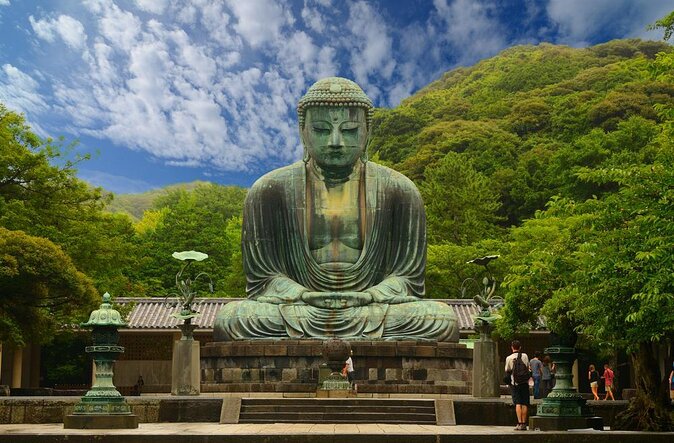
- Kotoku-in Great Buddha timing: a dedicated visit to the Daibutsu with entrance included
- Yuigahama photos with Mt. Fuji: beach time and the famous sea view angle
Coast and temples south of Tokyo, compared
- Tokyo: Kamakura & Enoshima Day Trip including Temple Tickets
★ 4.5 · 1,375 reviews - From Tokyo: Kamakura & Enoshima 1-Day Bus Tour
★ 4.5 · 189 reviews - Kamakura Historical Walking Tour with the Great Buddha
★ 5.0 · 129 reviews - Kamakura Private Tour: Temples, Nature, and the Great Buddha
★ 5.0 · 121 reviews
Why this Kamakura tour feels like a day trip you can actually enjoy
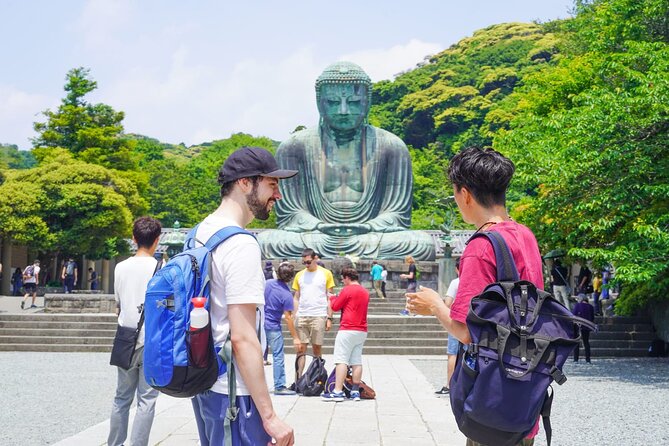
Kamakura can be overwhelming if you try to self-tour everything. This kind of guided route helps you do the highlights in a logical order, while still letting you wander at each stop. The tour runs about 5 hours, and it stays small, capped at 7 travelers, so you’re not lost in a crowd.
For me, the value is the mix of food plus sight seeing. You get snacks on Komachidori, a temple lunch (with vegetarian and vegan options available), and the key entrances are covered. If you’ve only got one day in the Tokyo area, you’ll appreciate that it’s not just photos, you also get the story behind the places.
The starting point and what to do before you leave the station area
You meet at the Kamakura Station West Exit clock plaza area (Onarimachi, Kamakura). The start time is 10:00 am, and the operator asks you to be on time so the group can keep moving. If you’ve ever shown up late to a walking tour, you know how fast the day can spiral.
Bring the basics right away: water and a towel are recommended because you’ll be walking and hiking for around 5 km total (with about 2.5 km on the hiking trail). This matters in Kamakura. Some parts can be slippery, and you’ll feel it more than you expect if you’re in casual sneakers.
Komachidori street food: the easy win that sets your appetite and pace
The tour begins on Kamakura Komachidori, the shopping street that runs parallel to Wakamiya-Oji Street. Before you get into temples, you sample Japanese street foods, which is a great reset for a day that later becomes hills, steps, and salt air.
Two practical reasons I love this start:
1) It gives you something to do while everyone regroups after meeting.
2) It prevents the common mistake of saving snacks until later, when queues and hunger can slow you down.
Admission here is free, and snacks are included. You can also buy more food if you want, since additional foods are not covered.
- Kamakura Walking Tour – The City of Shogun★ 5.0 · 100 reviews
- Kamakura 4hr Private Trip with Government-Licensed Guide★ 5.0 · 58 reviews
- When Emperors Reigned and Shoguns Ruled★ 5.0 · 43 reviews
- From Tokyo: Kamakura Full Day Tour with a Local Expert Guide★ 4.6 · 43 reviews
- Exciting Kamakura – One Day Tour from Tokyo★ 5.0 · 40 reviews
Tsurugaoka Hachimangu Shrine: where the guide turns a stop into understanding
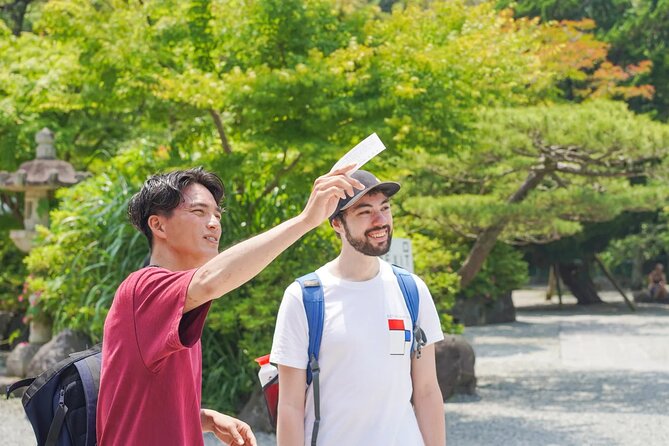
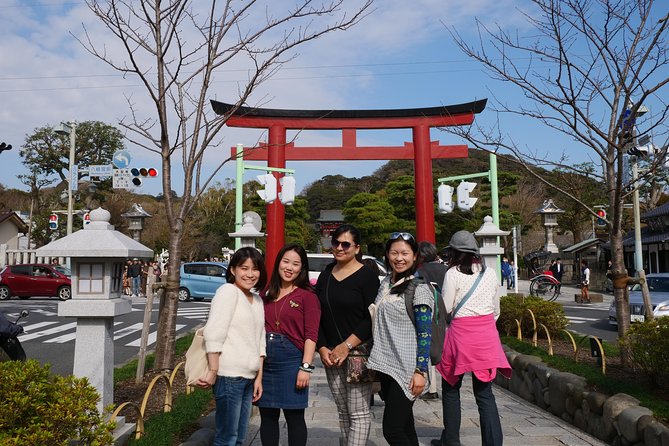
Next you visit Tsurugaoka Hachimangu Shrine. This is one of Kamakura’s best-known Shinto sites, and it’s the kind of place where details matter. A guide helps you notice what you might otherwise miss, from the shrine layout to the way the area fits into Kamakura’s history.
You’ll spend about 30 minutes here. That’s long enough to see the main area and still stay on pace for the coast later. If you’re the type who tends to rush through shrines, this is a good stop to slow down because you’ll get context while you’re standing there.
Hasedera Temple: coastal scenery plus the weird-and-wonderful factor

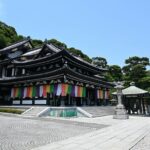
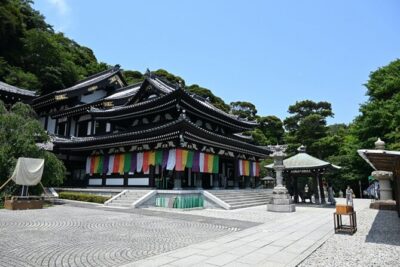
Then comes Hasedera Temple, often the favorite for the views. The route includes time to see the temple and its scenic outlooks over the coastline, and it also includes the cave element that adds a little surprise. The temple is old enough to date back to the Nara period, and you’ll feel that age in the calm pacing of the grounds.
You’ll have about 50 minutes here, including entrance. This is also where the walking can start to feel more active. If you’re traveling in warmer or wetter weather, take your time on the steps and uneven paths.
Kotoku-in Great Buddha (Daibutsu): the main event, done without stress
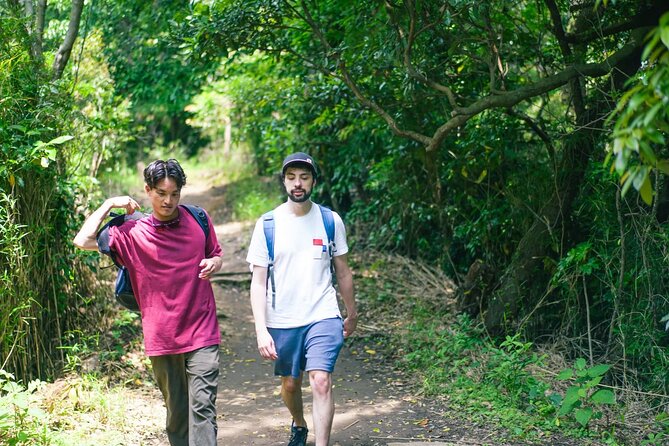
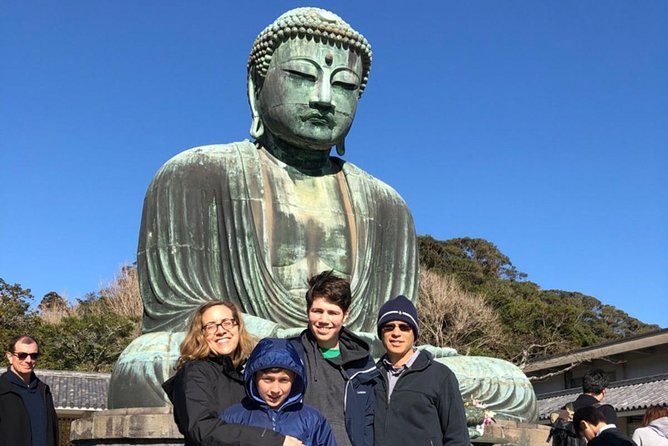
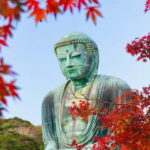
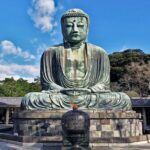
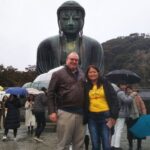
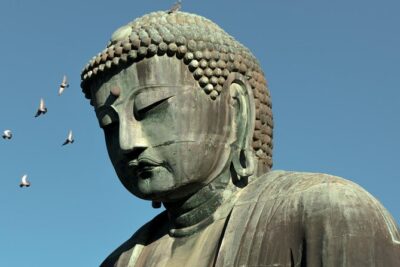
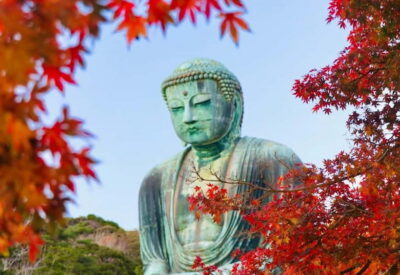
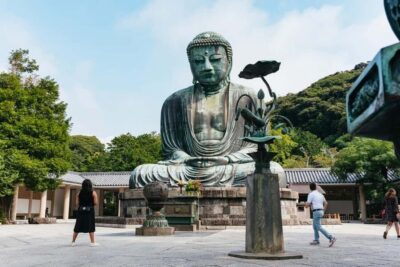
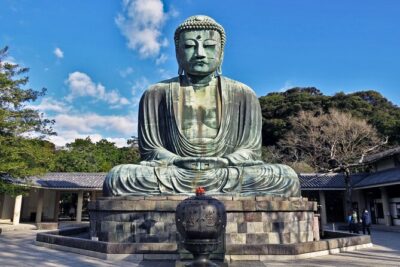
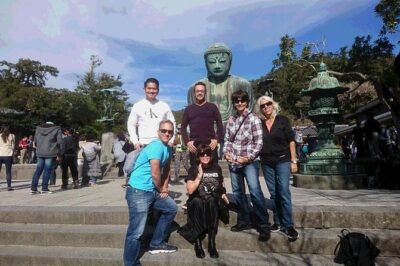
Of course, the highlight is Kotoku-in Temple and the Great Buddha of Kamakura. The tour gives this stop a focused visit, with entrance included. This is the kind of sight you can’t really replicate later in a different neighborhood, which is why I think it’s worth structuring your day around it.
You’ll spend about 40 minutes here. That time is enough to appreciate the scale and take photos without feeling like you’re counting minutes until the group moves on.
One smart detail: if weather makes hiking trails unusable, you’ll switch plans and use train to see the Great Buddha statue instead of using the hiking trail. That’s a big deal in Kamakura, where one rainstorm can change walking conditions quickly.
Passing Enoshima, then hitting Yuigahama Beach for photos with Mt. Fuji
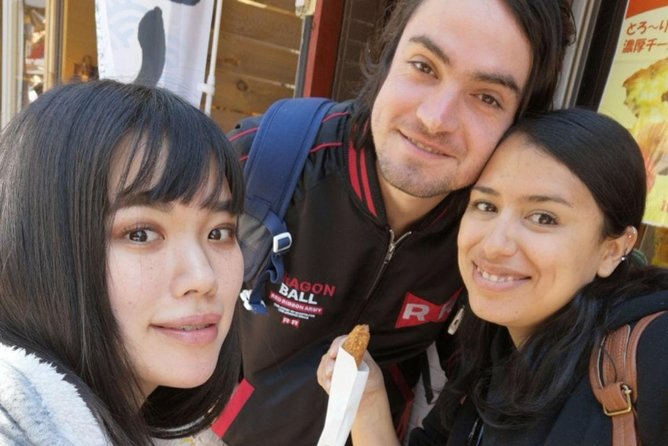
After the temples, you get sea air. The tour passes Enoshima Island, then heads to Yuigahama Beach, with a stop for photos. There’s also a Kamakura Seaside Park Yuigahama area photo moment, again aimed at that view line toward the ocean and, on clear days, Mt. Fuji across the water.
These beach stops are short, about 20 minutes each, with free admission. I’d treat them like a chance to reset your legs and grab your best shot. If Fuji is visible, great. If not, the coastline still gives you that Kamakura atmosphere people travel for.
Lunch at Hasedera: vegetarian friendly, but plan for limited choices
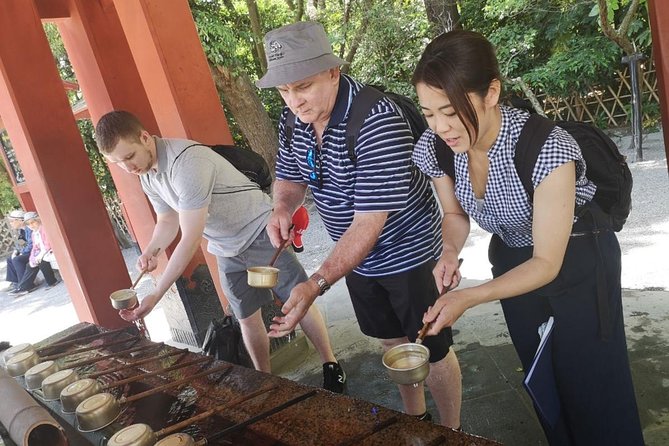
Lunch is included as a temple lunch, and the menu can be vegetarian or vegan. The important caveat is that vegetarian choices are limited, because restaurant kitchens are not set up to handle large variety for dietary needs.
So I’d approach lunch with a mindset of flexibility. You’ll get something suitable, but don’t expect a full buffet of options. Also, the tour notes that allergy-free guarantees are not possible, since substitutions may not always be available.
On a walking tour day, this is still a win. Getting lunch handled for you means fewer detours, shorter lines, and more time in the places you came to see.
What the guide adds, and why names you might hear matter
A walking tour is only as good as how the guide connects the dots. In feedback for this experience, guides named Isao, Mark, and Ken are repeatedly mentioned as friendly, patient, and good at explaining shrine and temple history. Other names you might hear include Fujii, Yoko, and Rookie, with people describing English ability and a more “walk with a friend who knows the area” vibe.
Here’s what I take from that, and what you’ll feel during the tour:
- You’ll understand etiquette and context, not just locations.
- You’ll be guided smoothly between stops, including what to do next.
- On the day, you’ll have someone who can help you troubleshoot train choices back to your broader route if needed.
Group size, timing, and why 5 hours can still feel like a lot
The tour is about 5 hours and is small, max 7 travelers. That small size helps because you can move as a group without losing time to waiting. But it doesn’t remove the physical side of the day.
You’re walking roughly 5 km, including a hiking trail section around 2.5 km. In hotter months, the operator warns that summer temperatures can be extreme, and winter can also dip below freezing. So pack with the climate in mind, not just the calendar.
If you’re planning this from Tokyo, build in some cushion. You’ll start at 10:00 am, and this is designed to return you to the meeting point at the end.
Photos and mobile tickets: easy add-ons that keep the day simple
Two practical inclusions make the day smoother. You’ll get photos included, and you’ll receive a mobile ticket. That means fewer printed documents to worry about when you’re already juggling train schedules and walking shoes.
Even if you’re an experienced photo person, I like having someone else handle timing for group photos. It saves you from constantly stepping in and out of frame while you’re also trying to listen to the guide.
Who this tour is best for
This works especially well if:
- You’re a first-time visitor to Japan or the greater Tokyo area and want a confident day trip.
- You like walking tours that include real stops, not just quick look-and-go photo breaks.
- You want an efficient hit list of Kamakura’s big names: Komachidori, Tsurugaoka Hachimangu, Hasedera, Kotoku-in, and Yuigahama.
If you want a totally relaxed day with minimal walking, you might find the hiking trail and slippery sections challenging. For everyone else, the route is a good match for seeing a lot without burning your whole day navigating.
Should you book this Kamakura Historical Walking Tour with the Great Buddha?
I’d book it if you want a well-paced day that mixes food, sacred sites, and coastal scenery in about 5 hours, with entrances and lunch handled. The included entrance fees for the Great Buddha and Hasedera, plus snacks and temple lunch, make the price feel more fair than tours that only cover guiding.
Skip it or choose a gentler option if you:
- Dislike walking on uneven, slippery paths.
- Need extensive allergy customization, since the tour says allergy-free guarantees aren’t possible.
- Want a long, unstructured beach day instead of short photo stops.
If you’re okay with solid walking and you like learning as you go, this is a strong Kamakura day-trip choice.
FAQ
How long is the Kamakura Historical Walking Tour with the Great Buddha?
The tour lasts about 5 hours.
How much does it cost per person?
The price is $98.44 per person.
What’s included in the price?
Included are entrance fees (Great Buddha and Hasedera Temple), snacks on Komachi street, temple lunch (vegetarian, vegan menu available), photos, and a certified guide by MagicalTrip.
What is not included?
Additional foods you may buy during the tour are not included, and there is a transportation fee of 440 yen.
What’s the meeting point and start time?
The meeting point is at 鎌倉駅西口駅前時計台広場12-3 Onarimachi, Kamakura, Kanagawa 248-0012, Japan, and the start time is 10:00 am.
Does the tour use a mobile ticket?
Yes, it includes a mobile ticket.
Is lunch vegetarian or vegan?
Lunch is provided as vegetarian, and a vegan menu is available, but the tour notes that vegetarian choices can be limited.
What happens if it rains?
If hiking trails are unusable due to weather, the plan may change. In case of rain, the tour uses train to see the Great Buddha statue instead of hiking the trail.
How much walking is involved?
It’s around 5 km walking and hiking total, with the hiking trail about 2.5 km. Wear suitable shoes because some parts can be slippery.
How big is the group?
This tour has a maximum of 7 travelers.
What’s the cancellation policy?
You can cancel for a full refund up to 24 hours in advance of the experience start time. If you cancel less than 24 hours before, the amount paid is not refunded.
South to Kamakura and the Coast
Newest Kamakura write-ups from the Loving Japan desk
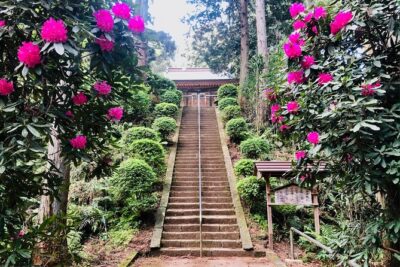
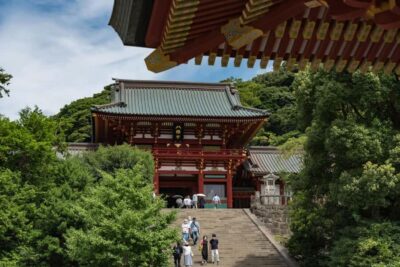

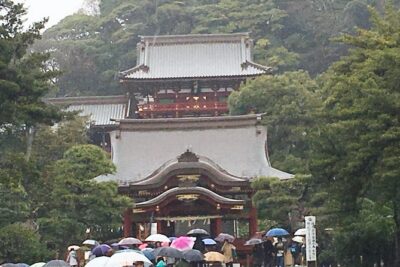
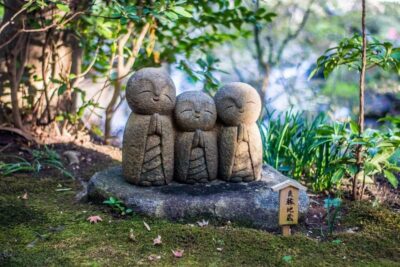
Kamakura, the Great Buddha and Enoshima, side by side.
 ★ 4.5Kamakura & Enoshima Day Trip including Temple TicketsFrom $581,375 reviews
 ★ 4.5Mt. Fuji, Kamakura, Big Buddha, & Lake Ashi Day TripFrom $49867 reviews
 ★ 4.5From Tokyo: Kamakura & Enoshima 1-Day Bus TourFrom $66189 reviews
 ★ 5.0Kamakura Private Tour: Temples, Nature, and the Great BuddhaFrom $98121 reviews
 ★ 5.0Kamakura Walking Tour – The City of ShogunFrom $35100 reviews
 ★ 4.9Sea of Mount Fuji, Hakone Ropeway, Ōwakudani, EnoshimaFrom $5084 reviews
 ★ 5.0Kamakura 8 hr Private Walking Tour with Licensed Guide from TokyoFrom $20180 reviews
 ★ 4.8Great Buddha, Kasuga Shrine & Deer Park TourFrom $7762 reviews
Filed on these lists too