
REVIEW · MOUNT FUJI DAY TRIPS
Explore Mt. Fuji Ice Cave in Aokigahara Forest
Ice under Fuji sounds made up. Then you’re heading into Mt. Fuji Ice Cave from the quiet Aokigahara Forest, with a guide and the right gear so you can actually do it. This is one of those rare outings where the main draw is not a viewpoint. It’s the experience of going underground, cold, and a little wow, in a place you simply cannot reach easily on your own.
I love that the tour includes the hard part for you: special entry permits plus a small group capped at 12, so you are not stuck in a crush. I also love the build-up, a real walk through the forest first, then the descent into a lava-formed cavern where you feel the temperature drop fast. One possible drawback: this is not a sit-and-stare photo stop. You’ll be walking, wearing a coverall, and you may do some maneuvering around rocks, so good footwear and a steady pace matter.
In This Review
- Key highlights you will feel on the day
- Mt. Fuji Ice Cave and Aokigahara Forest, Why This Tour Works
- Who the Small-Group Experience Fits Best (and Who Should Skip It)
- Getting Ready: Helmet, Headlamp, Overalls, and the 0°C Reality
- Walking the Sea of Trees Before You Hit the Lava Cavern
- Inside the Lava-Formed Ice Cave: What You Actually Do for 60 Minutes
- Guide Matters: How Names Like Tada and Takasi Shape the Day
- Timing, Transport, and the Practical Details That Affect Your Day
- Price, Value, and What You Are Paying For
- Weather, Safety, and Comfort Tips for Real Caving Conditions
- Should You Book This Mt. Fuji Ice Cave Tour?
- FAQ
- How long is the Mt. Fuji Ice Cave tour?
- Where does pickup and drop-off happen?
- What gear is provided for the cave?
- Do I need to bring my own headlamp?
- Is transportation included in the price?
- Is food or drinks included?
- How big is the group?
- Is the tour available for children?
- What should I wear for the tour?
- What happens if the weather is bad?
Key highlights you will feel on the day
- Permits included, so you get access that independent travelers often must arrange separately
- Small-group cap (up to 12) for a calmer, more personal pace
- Full gear provided: helmet, headlight, gloves, and overalls
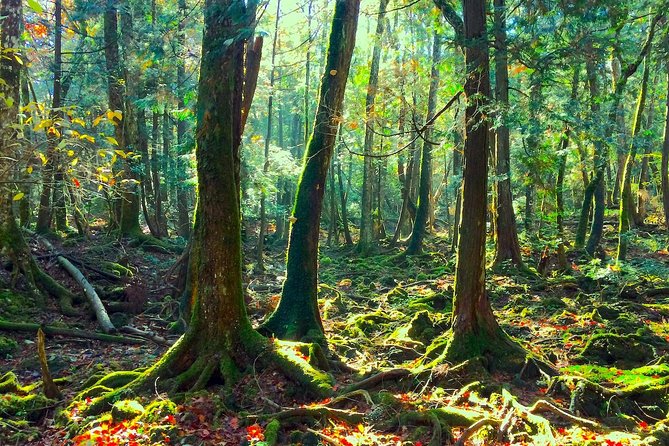
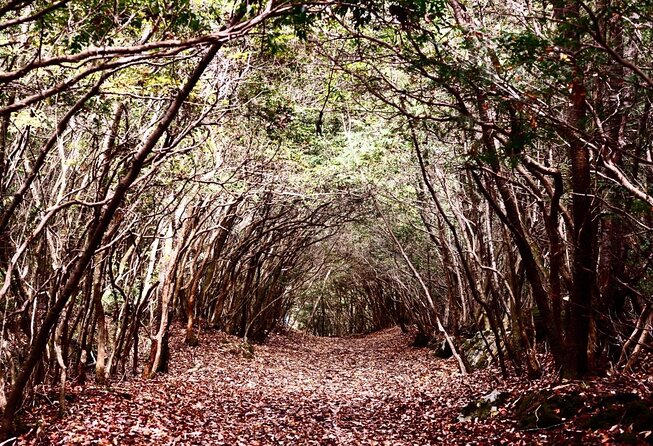
- A walk through the Sea of Trees (Aokigahara Forest) before you go underground
- Real Cave time, not a fully commercialized show-cave visit
- Cold cave conditions (around 0°C) with a guided route and safety instructions
Fuji from Fujikawaguchiko machi: the other approaches
- Mt Fuji Area Private Guided Tours in English-Nature up close, quiet, personal
★ 5.0 · 288 reviews - Explore Mt. Fuji Ice Cave in Aokigahara Forest
★ 5.0 · 243 reviews - Ramen Cooking Class at Ramen Factory in Mt.Fuji
★ 5.0 · 101 reviews - Early Morning Kayaking With Views of Mt Fuji at Lake Kawaguchiko
★ 5.0 · 69 reviews
Mt. Fuji Ice Cave and Aokigahara Forest, Why This Tour Works
This tour strings together two famous Fuji-area experiences in a way that feels logical, not random. You start above ground in Aokigahara, also known as the Sea of Trees. Then you walk into the kind of dark, ice-cold world that you only get when lava tubes meet frozen conditions over a long time.
Here’s the practical magic: the ice cave is hard to access without help. The tour handles the route and the access, including special entry permits for exclusive use of the lava-formed ice caverns. That means you are spending your energy on the cave itself, not on paperwork, permissions, or guessing how to get there.
Also, the guide is not just reciting facts. In real terms, your guide’s knowledge changes how you move and what you notice. Guides such as Tada and Takasi are singled out in reviews for being patient, funny, and genuinely invested. When you are cold, a little nervous, and walking in single-file with headlamps, that kind of leadership matters.
Who the Small-Group Experience Fits Best (and Who Should Skip It)
This outing is a good match if you like guided nature walks and you want something beyond the standard Fuji photos. It suits people who are curious about geology, volcanic history, and why ice forms where it does. You’ll get the context for the lava tubes and how Mt. Fuji’s melted snow fed the frozen cave environment.
It’s also a solid choice if you value group size. The tour is described as capped at 12 people for a safe, intimate adventure. In practice, reviews mention cases where last-minute cancellations left the group effectively private for just two people. That’s a nice perk when it happens, but don’t count on it. Either way, smaller generally means better pacing in the forest and caves.
Now the “think twice” list. This tour depends on safe weather and proper behavior. The operator notes it may not be safe for people who are pregnant or have been drinking. It also says the guide may suspend the tour if someone does not follow directions or disturbs others. If you’re afraid of cold or you don’t handle confined, uneven spaces well, be honest with yourself.
Getting Ready: Helmet, Headlamp, Overalls, and the 0°C Reality
The gear setup is part of the experience, not a boring prelude. Before you head out, you’ll do tour prep and get items like a helmet, overalls, gloves, and a headlight. The cave route is specifically described as a guided walk where you rely on your headlamp, so you should be comfortable keeping your attention on where you step.
Expect the temperature shift to be real. The cave environment is described as around 0°C, and once you’re underground, it’s not just a number on paper. Your body notices it fast, especially when you stop moving to look around or snap a photo. Dress for outdoor cold, with long sleeves and long pants, and bring a winter jacket if you have one. In reviews, people suggest dressing warm, and that advice holds up.
One more practical tip: the tour includes a chance to change clothes. That implies you may finish the day feeling like you changed layers for a reason, not just to be “tour-ready.” Plan for wet or icy vibes underfoot and wear shoes with grip.
- Private guided hidden gems tour by local English speaking driver★ 5.0 · 142 reviews
- Johnny’s Exclusive: Mt. Fuji Adventure from Kawaguchiko★ 5.0 · 62 reviews
- Mt. Fuji Five Lakes Area Private Tour with Licensed Guide(Kawaguchiko area Dep)★ 5.0 · 55 reviews
- Cute & Fun E-Car tour following guide around Lake Kawaguchiko★ 5.0 · 54 reviews
- Hidden Fuji drive tour with a Local English speaking guide★ 5.0 · 43 reviews
Walking the Sea of Trees Before You Hit the Lava Cavern
The itinerary gives you a steady tempo: walk in the forest, explore the lava cave, then walk again in the forest. You start with about 40 minutes of walking through Aokigahara Forest, the Sea of Trees. This section matters because it slows you down. You get oriented, you start listening for what the guide points out, and you feel the atmosphere of the place.
Aokigahara is famous for being dense and dark and a little eerie from a distance. Up close, the forest feels damp and volcanic, with dark soil and moisture in the air. Reviews mention that the forest can feel like a step back in time, and the tone shifts from “tour” to “place.”
At the start of the trip, there are also mentions of Mt. Fuji views during the train station ride or early photo moments. If Fuji is visible that day, you’ll get at least a glimpse before you head into the forest shade. Just remember that ice cave tours depend on conditions, so views are a bonus, not a promise.
Inside the Lava-Formed Ice Cave: What You Actually Do for 60 Minutes
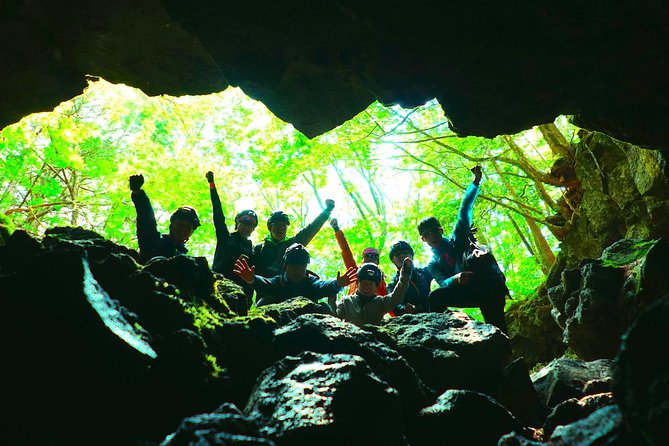
The heart of the trip is about 60 minutes exploring the lava cave. The tour story is simple and powerful: a major volcanic eruption at the base of Mt. Fuji created lava flows that left cavities and cave systems. Then Mt. Fuji’s melted snow seeped into those frozen spaces and formed ice features over time.
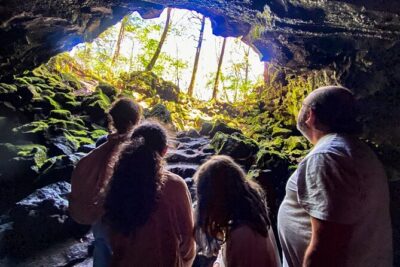
You’re guided into the ice-cold cavern by headlight. Your route focuses on seeing the ice art and the formations created by the volcanic and freezing process. The tour also highlights entry to a “Real Cave” that is secluded and has not turned into a full tourist attraction, which is a key difference from show caves designed for easy strolling.
What should you be ready for underfoot? One review emphasizes that you’ll need maneuvering around and through rocks. This can be daunting if your shoes don’t have grip. At the same time, another review reassures that caves can feel spacious once you’re inside and not overwhelmingly claustrophobic. So the best takeaway is this: assume uneven ground and some scrambling, but know that the cave is not a tiny tube where you feel trapped.
Your guide’s role here is not optional. In a cold underground space, a guide keeps the group moving safely, explains what you’re seeing, and helps you avoid getting stuck behind others in narrow sections.
Guide Matters: How Names Like Tada and Takasi Shape the Day
The standout theme in the reviews is the guides. Names that come up include Tada, Takasi, Toshi, and Tadasuke. The praise is consistent: guides are patient, especially with a small child in one group, and they make the walk and cave time feel fun, not stiff.
So why does this matter for you? Because you’re not just walking somewhere pretty. You’re in a guided route where timing, spacing, and safe movement matter. A good guide also helps you connect the dots between the forest and the cave. You’ll hear why lava tubes exist, how snow and freezing interact, and how the environment changes the way the cave looks.
Also, guides can handle mood. One review notes a pouring rain situation and says the guide adapted, and they still had a good experience. Bad weather can cancel tours, but when it doesn’t, the guide’s attitude is part of what keeps the day enjoyable.
Timing, Transport, and the Practical Details That Affect Your Day
This is a half-day style experience, listed at about 3 hours total, with time flexibility depending on progress. Expect the day to follow a loop: meet, prep for gear, travel to the departure site, walk in the forest, explore the lava cave, walk again, then return.
Pickup is included, specifically from Kawaguchiko station and hotels around Lake Kawaguchiko, plus drop-off afterward. Transport is by air-conditioned vehicle, and you’re assigned a local English-speaking guide. That’s a real value add in this area because getting to Aokigahara and coordinating permits is not the easy part of the day.
The schedule also tells you there is time for review and break-up, and that tour progress can shift your exact timing. If you have other plans that same day, I suggest leaving breathing room. You want buffer, not a rushing exit.
Price, Value, and What You Are Paying For
At $53.06 per person for roughly 3 hours, the price looks more reasonable once you see what you’re getting bundled.
You’re paying for:
- A guide and driver/guide service
- Pickup and drop-off from the Kawaguchiko area
- The equipment set (helmet, headlight, gloves, overalls)
- Included permits for access to the cave area
- Taxes and handling charges
- Air-conditioned vehicle transport
The big value driver is access. The tour explicitly includes special entry permits for exclusive access to the lava-formed ice caverns. For independent travelers, special entry permits are required, and that can add time, hassle, and uncertainty. Here, you buy a slot, and the team takes care of the access and route.
You’re also paying for convenience around comfort. Cave conditions are cold, and the provided gear helps you avoid hunting for the right stuff. Food and drinks are not included, so plan a light meal or snack around your pickup time.
Weather, Safety, and Comfort Tips for Real Caving Conditions
This activity requires good weather. If it’s canceled due to poor weather, you’ll be offered a different date or a full refund. That matters because the forest walk and cave access are safer when conditions are stable.
On safety and conduct, the operator is clear: follow the guide’s instructions, and the tour may be suspended if someone is disturbing others or not following directions. The tour may not be safe for people who are pregnant or have been drinking, so if any of those apply, it’s worth checking before you book.
Comfort tips you can act on:
- Wear long sleeves and long pants, plus a winter jacket if you run cold
- Bring shoes with grip for rock maneuvering
- Expect cold once you enter the cave, even if it feels fine outside
- Go at a moderate pace, since you’re walking and moving in an uneven environment
Also, if you’re planning photos, don’t count on video fully capturing the atmosphere. Multiple reviews stress that photos do not do the cave justice. Your headlamp, the ice texture, and the cold air make the cave feel like a different world in person.
Should You Book This Mt. Fuji Ice Cave Tour?
Book it if you want a rare Fuji-area experience that mixes forest walking, geology, and a true underground visit. The tour is built for people who like guided exploration and who value permits included and a small-group pace.
Skip it or think hard before booking if you are not comfortable with cold, uneven ground, or some rock maneuvering. Also reconsider if you have limits with mobility, if pregnancy or alcohol affects you, or if you dislike following strict safety instructions.
If you’re choosing between this and more standard Fuji viewpoints, I’d steer you toward this one for the simple reason that it’s harder to replicate. It’s not just “see something.” You do something: you walk the Sea of Trees, you gear up, and you step into a lava-formed ice cave created by Mt. Fuji’s history.
FAQ
How long is the Mt. Fuji Ice Cave tour?
The tour lasts about 3 hours (approx.), though the exact timing can fluctuate depending on progress.
Where does pickup and drop-off happen?
Pickup and drop-off are included from Kawaguchiko station and hotels around Lake Kawaguchiko.
What gear is provided for the cave?
You’re provided with exploration equipment including a helmet, an overall, gloves, and a headlight.
Do I need to bring my own headlamp?
No. A headlight is included as part of the equipment.
Is transportation included in the price?
Yes. The tour includes private transportation in an air-conditioned vehicle, along with pickup and drop-off.
Is food or drinks included?
No. Food and drinks are not included.
How big is the group?
The tour is capped at a maximum of 12 people for a safe, intimate experience.
Is the tour available for children?
Children must be accompanied by an adult.
What should I wear for the tour?
Wear clothes suitable for outdoor activities, including long sleeves and long pants, and consider bringing a winter jacket.
What happens if the weather is bad?
This experience requires good weather. If it is canceled due to poor weather, you will be offered a different date or a full refund.
Mount Fuji, Three More Ways


Newest Fujikawaguchiko machi write-ups from the Loving Japan desk

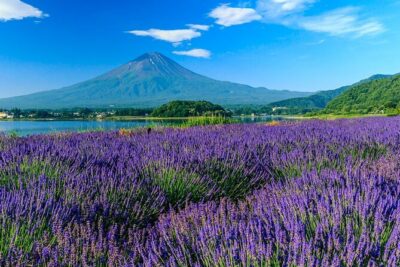

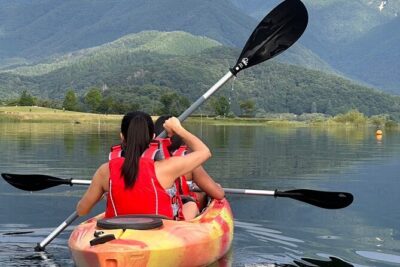
Mount Fuji Day Trips, side by side.
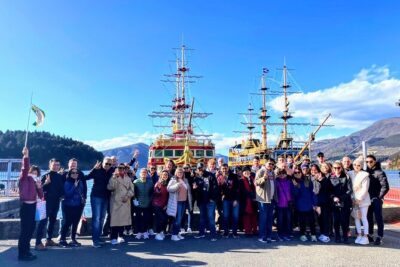 ★ 5.0Mt Fuji and Hakone 1-Day Bus Tour Return by Bullet TrainFrom $16326,383 reviews
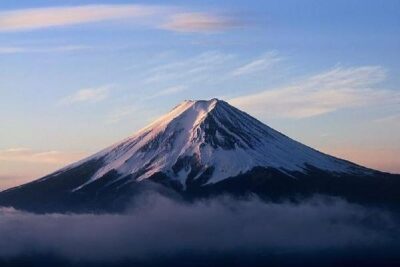 ★ 4.0Mt Fuji & Hakone Cruise, Drum Show Bullet Train 1 Day from TokyoFrom $1497,413 reviews
 ★ 4.4Tokyo Mt Fuji 5th St & Hakone Cruise Bus Tour w/Bullet TrainFrom $1545,024 reviews
 ★ 4.5From Tokyo: Mount Fuji Full-Day Sightseeing TripFrom $684,970 reviews
 ★ 4.7Mt. Fuji Tour, Hakone Ropeway, Owakudani, Lake AshiFrom $544,002 reviews
 ★ 4.4Mt.Fuji,Kawaguchiko Oishi Park,Arakurayama Sengen ParkFrom $542,682 reviews
 ★ 4.2Mt. Fuji 5th Station & Hakone Cruise 1-Day Bus TourFrom $1292,381 reviews
 ★ 4.7Mt Fuji Top 5 Spots Day Tour: Arakurayama Park,Oshino HakkaiFrom $532,066 reviews
Filed on these lists too