
REVIEW · MOUNT FUJI DAY TRIPS
Private Local Hiking to enjoy the nature and culture of Mt.Fuji
Fuji shows up when you hike thoughtfully. This private Mt. Fuji nature and culture hike blends shrine history, quiet lake moments, and real forest trail time with Yuki as your guide, a certified mountain guide with 40+ Mt. Fuji climbs. I especially like how the stops connect nature to local belief, and how the pace feels tailored to your group. One catch to consider: pickup is limited to the Kawaguchiko and Fujiyoshida areas, and this experience needs good weather.
You start in the Lake Kawaguchiko area, then move toward calmer Saiko Lake views, the Aokigahara Jukai forest, and the Sankodai viewpoint hike. You finish with local food and a relaxing garden stop at Fujisan Onsen Hotel Kaneyamaen, plus optional matcha and a sweet if you want to slow down. Expect a moderate hike, with rental gear included so you are not wrestling with sore feet and random rainstorms.
If you want a less-crowded, story-rich Mt. Fuji morning, this is a strong choice. If your schedule is tight and you cannot adapt to weather, plan extra flexibility.
In This Review
- Key Highlights I’d Plan Around
- How the 9:00 AM Schedule Works in Real Life
- Pickup, Private Transport, and Where the Tour Starts
- Lake Kawaguchiko Then Saiko Lake, Fuji Views With Less Noise
- Fuji Omuro Sengen Shrine, Where Eruptions Become Sacred Story
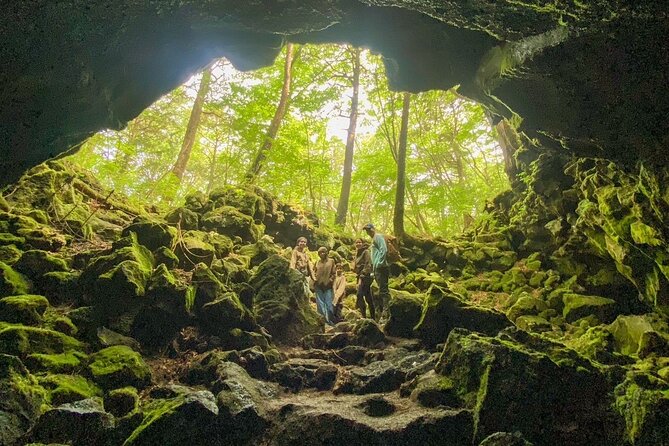
- Aokigahara Jukai and the Forest With a Volcanic Origin
- Ryugudoketsu-iriguchi Sacred Cave, Prayer Before the Climb
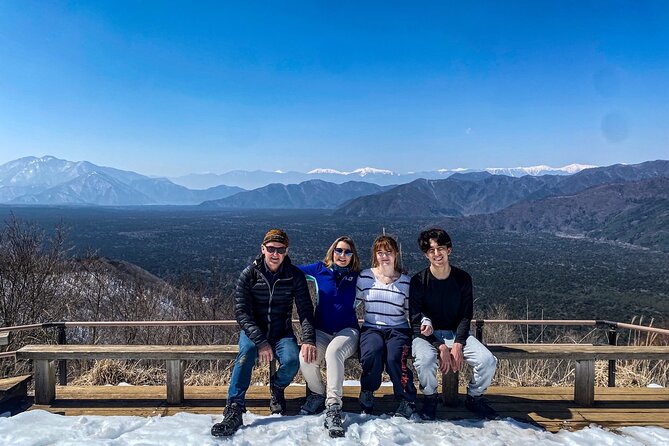
- Sankodai Viewpoint Hike, Moderate Effort, Big Payoff
- The Lunch Stop and the Kaneyamaen Garden Finish
- Why Yuki’s Style Changes the Whole Tour
- Gear, Pace, and Weather, the Stuff That Makes or Breaks It
- Price and Value, What You Actually Get for $131.38
- Who This Tour Fits Best
- Should You Book This Mt. Fuji Nature and Culture Hike?
- FAQ
- What is the start time for the tour?
- How long is the Mt. Fuji hiking experience?
- Is pickup included, and where does it work?
- Is this a private tour?
- What is included in the price?
- Is lunch included?
- What does the tour focus on besides hiking?
- Is there a food stop and how much should I plan to spend?
- Is matcha included at the end?
- What happens if weather is poor?
Key Highlights I’d Plan Around
- A certified guide named Yuki, with 40+ Mt. Fuji climbs
- Private pacing, only your group, plus private transportation
- Iconic Fuji moments from the trail, especially when it is sunny
- Aokigahara Jukai forest and Saiko Lake, quieter than the main spots
- Cultural stops tied to Mt. Fuji worship, like Fuji Omuro Sengen Shrine and a sacred cave
- Comfort finish: local meal (Yoshida udon) and garden matcha at Kaneyamaen
Fuji from Fujikawaguchiko machi: the other approaches
- Mt Fuji Area Private Guided Tours in English-Nature up close, quiet, personal
★ 5.0 · 288 reviews - Explore Mt. Fuji Ice Cave in Aokigahara Forest
★ 5.0 · 243 reviews - Ramen Cooking Class at Ramen Factory in Mt.Fuji
★ 5.0 · 101 reviews - Early Morning Kayaking With Views of Mt Fuji at Lake Kawaguchiko
★ 5.0 · 69 reviews
How the 9:00 AM Schedule Works in Real Life

The tour runs about 5 to 6 hours, starting at 9:00 am. That timing matters because Mt. Fuji visibility can change fast through the morning, and the lakes look their best when the light is clean.
You are not spending the whole day climbing. Instead, you mix shorter cultural and nature stops with one meaningful hiking push to a viewpoint. That keeps it doable even if you are not a serious trail person, but still gives you that walked-into-the-mountain feeling.
Also, the flow is built to reduce stress. You get guided direction between stops, plus included gear that helps you move smoothly on uneven ground.
Pickup, Private Transport, and Where the Tour Starts
Pickup is available, but only if you are staying in the Kawaguchiko or Fujiyoshida area. If you are elsewhere, you will need to make your own way to the starting point.
Either way, you should expect private transportation as part of the experience. That is one reason this feels calmer than shared bus tours, especially when you are hopping between lakes, shrine areas, and trailheads.
This is a private tour, so it is only your group. That tends to make a difference on a moderate hike, since your guide can slow down for photos, help with footing, or adjust timing so you are not rushed.
Lake Kawaguchiko Then Saiko Lake, Fuji Views With Less Noise
Lake Kawaguchiko is the most popular of Fuji’s five lakes, so the area is naturally busier. Still, this tour uses it as a launch point, and you get an early chance at that classic Fuji-and-lake vibe.
From there, you head toward Saiko Lake, which is described as much quieter. I like this switch because it gives you a contrast: busy postcard views first, then a more peaceful setting where you can actually hear yourself think.
If the day is sunny, you also get iconic Fuji views from the trail. When clouds roll in, you may lose the peak views, but the hike still has plenty of nature to focus on, and the cultural stops keep the morning meaningful.
- Early Morning Kayaking With Views of Mt Fuji at Lake Kawaguchiko★ 5.0 · 69 reviews
- Johnny’s Exclusive: Mt. Fuji Adventure from Kawaguchiko★ 5.0 · 62 reviews
- Mt. Fuji Five Lakes Area Private Tour with Licensed Guide(Kawaguchiko area Dep)★ 5.0 · 55 reviews
- Cute & Fun E-Car tour following guide around Lake Kawaguchiko★ 5.0 · 54 reviews
- Hidden Fuji drive tour with a Local English speaking guide★ 5.0 · 43 reviews
Fuji Omuro Sengen Shrine, Where Eruptions Become Sacred Story
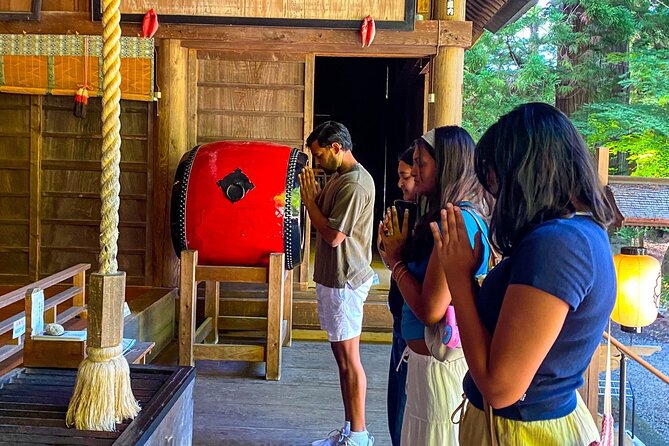
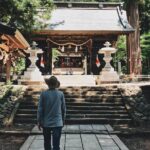
One of the first stops is Fuji Omuro Sengen Shrine. This is not just a quick photo stop. It has a deep connection to Mt. Fuji worship and specifically to a major eruption, with the idea that the shrine was built to help settle the eruption down.
That background gives you a better reason to look closely at what you see. You start noticing how local belief shaped where people walked, prayed, and prepared before climbing.
The shrine stop is short, around 15 minutes, and admission is free. In practice, that means you get the context without burning half your morning indoors.
Aokigahara Jukai and the Forest With a Volcanic Origin
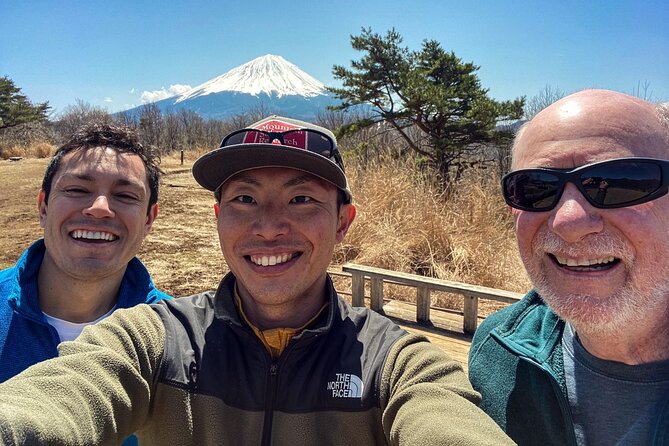
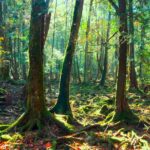
Next comes Aokigahara Forest, also known as Jukai, the sea of trees. It gets that name because from a viewpoint, the forest can look like waves of greenery.
This stop is interesting because it links what looks like calm nature to what created it. The forest is said to have formed after one of Mt. Fuji’s major eruptions about 1,200 years ago. That turns the woods from scenery into a living record.
The tour spends about 15 minutes here. That is enough time to get your bearings, take a few photos, and let your guide explain why this forest feels unusual compared to other parks.
Ryugudoketsu-iriguchi Sacred Cave, Prayer Before the Climb
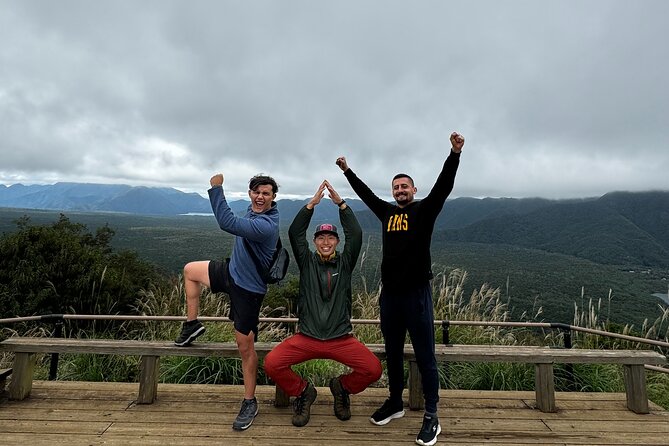
You also visit Ryugudoketsu-iriguchi, a cave entrance tied to sacred Mt. Fuji worship. People used to come here to pray to the goddess of Mt. Fuji before climbing.
The local belief is that the cave’s inside was like the goddess’s own realm. That is the kind of cultural detail that makes the stop feel intentional, not random.
You spend about 30 minutes at this stage. In bad weather, this can be the part that still feels rewarding because it is not weather-dependent like open views. It also adds spiritual weight to the hike, which makes the later viewpoint climb feel more connected.
Sankodai Viewpoint Hike, Moderate Effort, Big Payoff
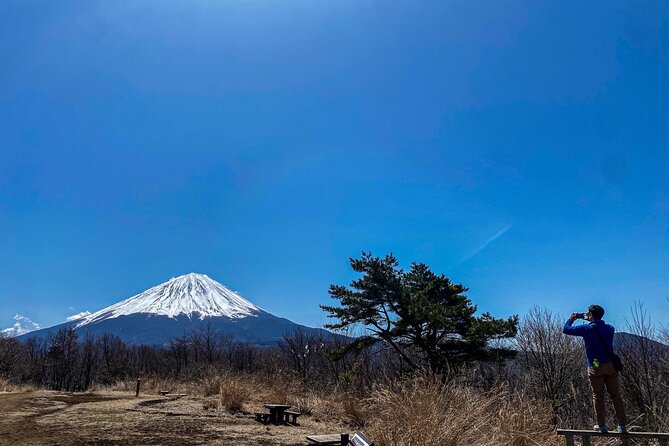
The highlight hike is to Sankodai. The walk is described as suitable for outdoor beginners, and it is roughly about an hour one way to the viewpoint.
This is also where you can get a classic triple view: Mt. Fuji, the Jukai sea of trees, and Lake Saiko all from the same area. Even if Fuji is partially obscured, the forest and lake layers still make the viewpoint feel like a reward.
The overall hike is described as moderate, with about one hour up and about 30 minutes down. That lines up with a pace that is active but not punishing, especially since you have poles and proper footwear included.
Plan to move slowly at your own pace. On a volcanic trail, footing can vary. Your guide’s job is to help you find stable steps and keep your energy for the viewpoint.
The Lunch Stop and the Kaneyamaen Garden Finish
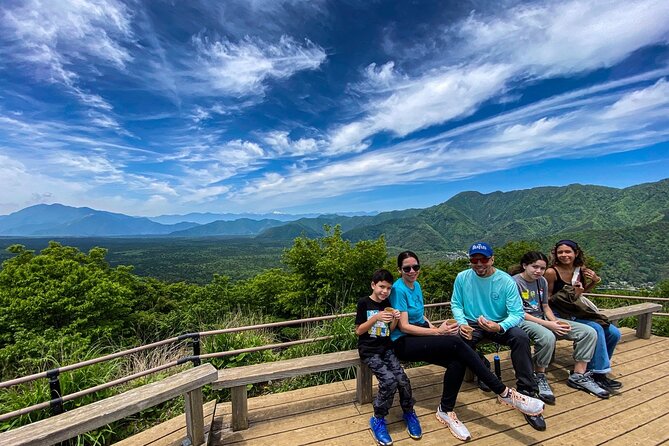
After the hiking portion, you eat and then cool down.
At Menkyo-kaiden, the guide takes you to a restaurant for the area’s signature food. The cost is about 1,000 yen per person, and this is where you can expect Yoshida udon. Since lunch is not listed as included in the tour price, treat the meal as an add-on you will budget for.
Then you finish at Fujisan Onsen Hotel Kaneyamaen. This place is one of the oldest hotels in Fujiyoshida city, and they open the gardens for public time. You get about 30 minutes to wander or sit and enjoy the garden calm.
Matcha is optional. You can have matcha with a Japanese sweet for about 1,000 yen per person, or just enjoy the garden with no add-on. Either way, this ending helps the hike feel complete, not just exhausting.
Why Yuki’s Style Changes the Whole Tour
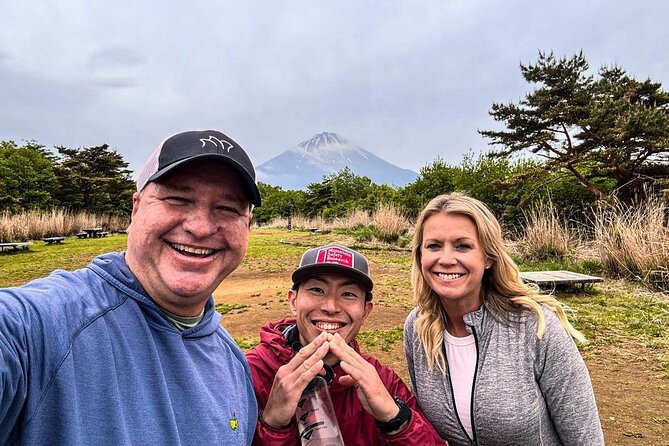
The guide for this experience is Yuki (ゆうき). He is a certified mountain guide who has climbed Mt. Fuji over 40 times, and he is also a licensed local hunter.
That background shows up in the way the day is explained. The best part of this tour is that nature stories are tied to place and purpose, like the shrine connection to Mt. Fuji worship or the meaning behind cave prayer.
In the reviews, the most repeated praise is how friendly and helpful Yuki is, plus the way he keeps communication smooth from booking to the day itself. People also mention patience and that he may spend a little extra time with you if your group is enjoying the moment.
You will also appreciate the practical kindness. Some groups note that he brings small treats like coffee or snacks, which is exactly the kind of morale boost that matters on a morning hike. Not every guide does that, so it is a nice touch.
Gear, Pace, and Weather, the Stuff That Makes or Breaks It
This tour is built to be comfortable outside too. Included gear covers trekking shoes, trekking poles, rain jackets and pants, and gloves. That is a big deal if you are traveling light or if you did not pack proper hiking footwear.
The hike is moderate, so you do not need to be a mountain athlete. Still, you should bring common sense: water, layers, and attention to traction.
Weather is the other big factor. The experience requires good weather, and if it is canceled due to poor conditions, you will be offered another date or a full refund. With Mt. Fuji, that is the honest reality, so plan flexibility and keep your day free for rerouting.
Price and Value, What You Actually Get for $131.38
At $131.38 per person, this is not a budget bargain, but it also is not overpriced for what is included. You are paying for private guiding plus private transportation, and you get actual trail support through included gear.
Important value add-ons you get:
- Gear included (shoes, poles, rain layers, gloves)
- Free entry at multiple stops like the shrine and cave areas listed in the route
- A full structure that mixes culture, lakes, forest time, and a real viewpoint hike
- A calm finish at Kaneyamaen’s garden area, with optional matcha
Your main extra costs are meal-related. Lunch is around 1,000 yen, and matcha with a sweet is also about 1,000 yen if you choose it. Insurance is not included, so you may want to check what your own travel coverage covers for hikes.
If you want a more personal Mt. Fuji morning where someone else handles the route and context, this price starts to make sense quickly.
Who This Tour Fits Best
This tour is a good match for:
- People who want Mt. Fuji without feeling trapped in the busiest viewpoints
- Families or mixed-age groups who want a moderate hike with a structured plan
- Travelers who care about the cultural side, not just the photo of the mountain
- Anyone who likes nature storytelling, where shrine meaning and volcanic landforms connect
It may not fit as well if you:
- Need guaranteed visibility of Mt. Fuji, regardless of weather
- Are not staying near Kawaguchiko or Fujiyoshida and cannot easily reach the meeting area on your own
- Expect a long, intense climb. This is a moderate hike with time for stops and explanations.
Should You Book This Mt. Fuji Nature and Culture Hike?
I would book it if you want your Mt. Fuji day to feel like a real morning outdoors, not just a checklist of famous spots. The combination of Jukai forest time, the shrine and sacred cave context, and the Sankodai viewpoint hike is a strong mix.
The biggest reason to choose it is the guide. Yuki’s track record on Mt. Fuji plus his local connections make the day feel grounded, especially when you learn why the people of this region treated these places as spiritual stepping stones.
My final decision tip is simple: if your schedule allows a weather-friendly plan, this is a very satisfying way to experience the quieter side of Mt. Fuji’s world.
FAQ
What is the start time for the tour?
The tour starts at 9:00 am.
How long is the Mt. Fuji hiking experience?
It runs about 5 to 6 hours.
Is pickup included, and where does it work?
Pickup is offered by private transportation, but only for guests staying in the Kawaguchiko or Fujiyoshida area, or for guests who can come to the areas on their own.
Is this a private tour?
Yes. It is private, and only your group participates.
What is included in the price?
Included items are trekking shoes, trekking poles, rain jackets and pants, gloves, private transportation, and the guide fee.
Is lunch included?
No. Lunch is not included, and it is listed as around 1,000 yen.
What does the tour focus on besides hiking?
It includes cultural stops such as Fuji Omuro Sengen Shrine and a sacred cave entrance, plus lake viewpoints like Lake Kawaguchiko and Saiko Lake, and time in Aokigahara Jukai forest.
Is there a food stop and how much should I plan to spend?
There is a local restaurant stop for signature food, and the cost is around 1,000 yen per person.
Is matcha included at the end?
Matcha with a Japanese sweet is optional at Fujisan Onsen Hotel Kaneyamaen, and it is listed as about 1,000 yen per person. You can also enjoy the garden without the add-on.
What happens if weather is poor?
The experience requires good weather. If it is canceled due to poor weather, you will be offered a different date or a full refund.
Mount Fuji, Three More Ways


Newest Fujikawaguchiko machi write-ups from the Loving Japan desk
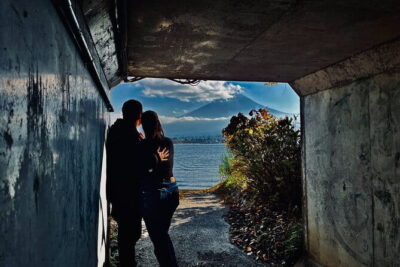
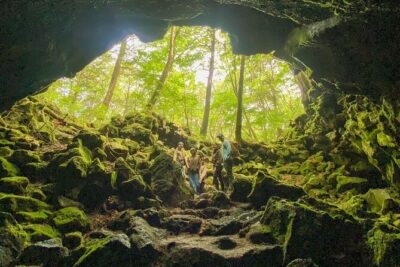

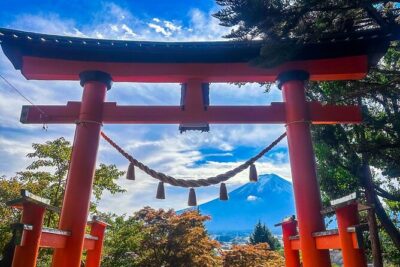

Mount Fuji Day Trips, side by side.
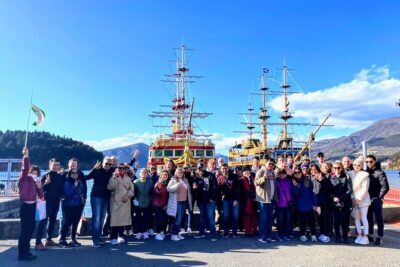 ★ 5.0Mt Fuji and Hakone 1-Day Bus Tour Return by Bullet TrainFrom $16326,383 reviews
 ★ 4.0Mt Fuji & Hakone Cruise, Drum Show Bullet Train 1 Day from TokyoFrom $1497,413 reviews
 ★ 4.4Tokyo Mt Fuji 5th St & Hakone Cruise Bus Tour w/Bullet TrainFrom $1545,024 reviews
 ★ 4.5From Tokyo: Mount Fuji Full-Day Sightseeing TripFrom $684,970 reviews
 ★ 4.7Mt. Fuji Tour, Hakone Ropeway, Owakudani, Lake AshiFrom $544,002 reviews
 ★ 4.4Mt.Fuji,Kawaguchiko Oishi Park,Arakurayama Sengen ParkFrom $542,682 reviews
 ★ 4.2Mt. Fuji 5th Station & Hakone Cruise 1-Day Bus TourFrom $1292,381 reviews
 ★ 4.7Mt Fuji Top 5 Spots Day Tour: Arakurayama Park,Oshino HakkaiFrom $532,066 reviews
Filed on these lists too