
REVIEW · MOUNT FUJI DAY TRIPS
Sushi Cooking Class at Sushi Factory -KIWAMI- Mt.Fuji
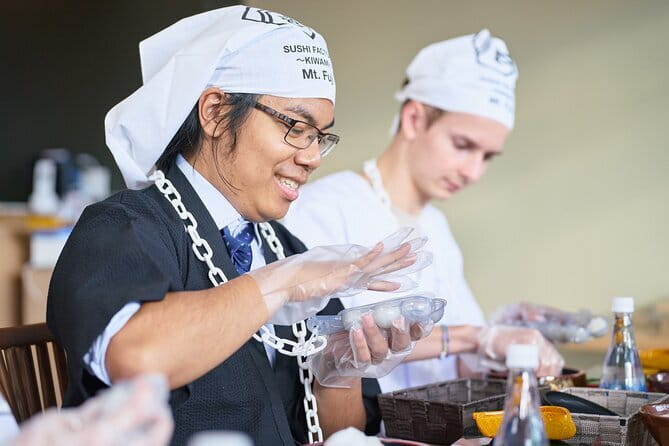
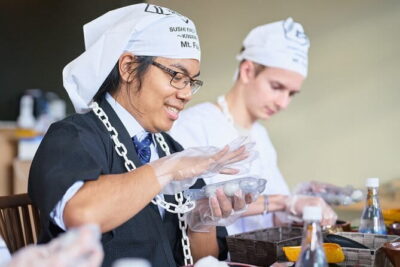
Sushi, puzzles, and Mt. Fuji in one hour can work. This class blends hands-on sushi technique with playful missions, all while you watch the Mt. Fuji area unfold from the Fujikawaguchiko side. It is more than rolling and cutting, you get to solve little culinary challenges as you go, with the food culture built into the process.
I like two things most. First, the variety is real, you are making multiple traditional styles like Temari, Gunkan maki, Nigiri, and Temaki, not just one type. Second, the wasabi part feels practical and hands-on because you get to grate fresh wasabi and see how it changes your bite.
One thing to consider: if you are hunting for a pure, calm cultural experience, the puzzle-game format can feel a bit gimmicky. Also, at $141.84 per person, you will want to be sure the combination of meals plus the activities matches your idea of value.
In This Review
- Key points to know before you go
- Mt. Fuji Sushi Class at Sushi Factory KIWAMI: What You Get
- Where the experience starts in Funatsu (and why it matters)
- Workshop Flow: Missions first, then you make the sushi
- The Four Sushi Styles: Temari, Gunkan Maki, Nigiri, Temaki
- Wasabi station: Fresh grating, real flavor control
- Puzzle challenges: Sushi pearls and decorative sushi boats
- Meals included: Lunch and dinner, not just a taste
- Price and logistics: Is $141.84 worth it?
- Small group energy: max 15 travelers
- Who should book this sushi cooking class, and who should skip it
- Should you book Sushi Factory KIWAMI near Mt. Fuji?
- FAQ
- How long is the Sushi Cooking Class at Sushi Factory -KIWAMI- Mt.Fuji?
- Where does the class start, and where does it end?
- What sushi types will I learn to make?
- Do I grate wasabi during the class?
- What’s included in the price?
- Is transportation to the activity included?
- How big is the group?
- Do I get a mobile ticket and confirmation?
Key points to know before you go
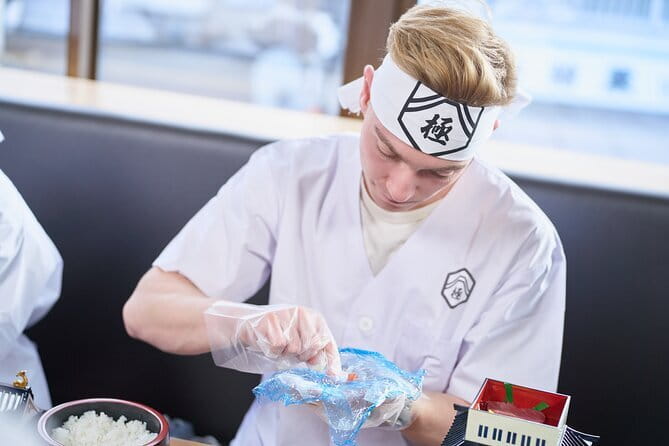
- Four sushi styles in one session: Temari, Gunkan maki, Nigiri, Temaki, with guidance as you build each piece
- Fresh wasabi station: grating real wasabi gives you a more direct feel for flavor than pre-made options
- Puzzle challenges built into cooking: sushi pearls and decorative sushi boats add a playful twist
- Small group size (max 15): easier hands-on attention and a less chaotic vibe
- Lunch and dinner included: you are not just snacking on course crumbs while learning
- Mobile ticket: straightforward entry day of, no paper ticket hunt
Fuji from Fujikawaguchiko machi: the other approaches
- Mt Fuji Area Private Guided Tours in English-Nature up close, quiet, personal
★ 5.0 · 288 reviews - Explore Mt. Fuji Ice Cave in Aokigahara Forest
★ 5.0 · 243 reviews - Ramen Cooking Class at Ramen Factory in Mt.Fuji
★ 5.0 · 101 reviews - Early Morning Kayaking With Views of Mt Fuji at Lake Kawaguchiko
★ 5.0 · 69 reviews
Mt. Fuji Sushi Class at Sushi Factory KIWAMI: What You Get
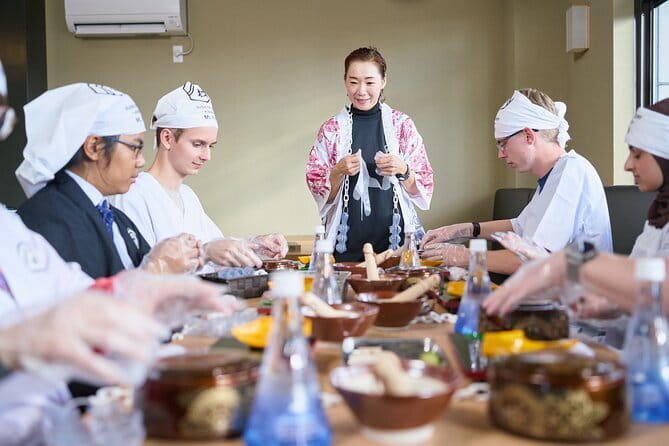
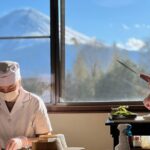
This is a sushi cooking class in Fujikawaguchiko, Japan, with Mt. Fuji views as the backdrop. The core idea is simple: you learn sushi-making steps while also completing fun, puzzle-like tasks that push you to slow down, focus, and then produce something you can eat.
At $141.84 per person, you are paying for more than ingredients. You are paying for a structured lesson, hands-on station time, and built-in entertainment, plus the package includes lunch and dinner (and all fees and taxes). If you like learning through doing, this format is a good fit.
The class runs about 1 hour 30 minutes (approx.), and the experience ends back where you start. The small cap of 15 travelers matters too, because it usually means you are not fighting for counter space or waiting too long for the instructor to notice what you need.
Where the experience starts in Funatsu (and why it matters)
The meeting point is listed at Ramen Factory Mt.Fuji 3487-15 Funatsu, Fujikawaguchiko, Minamitsuru District, Yamanashi 401-0301, Japan. For your planning, this is helpful because you are going to one practical location rather than juggling multiple stops.
It is also noted as being near public transportation. That matters if you are basing yourself in Kawaguchiko or coming in from the lake area. Since transportation to the activity is not included, you will want to confirm your route or bus timing ahead of time.
You will use a mobile ticket, and confirmation is received at booking. That means less hassle the day you go, but still, I suggest you screenshot the details on your phone in case connectivity is spotty.
Workshop Flow: Missions first, then you make the sushi
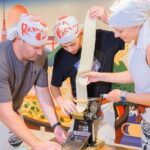
The biggest difference between this class and a basic sushi lesson is the structure. You are not only taught how to form sushi, you also complete little missions as part of the cooking rhythm. Think of it like a guided game that keeps your attention on small steps and flavor choices.
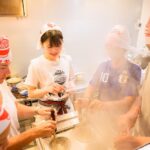
You will be guided by a local instructor as you create several traditional types of sushi. In the process, you also solve puzzles and take on unique challenges, which can make the session feel faster and more memorable than a lecture-style food class.
Expect a very hands-on pace. With a max group size of 15, you should feel like you can actually work, not just watch from the sidelines. If you like food activities where you leave with something you made, this is the kind of setup that usually clicks.
Cook it yourself instead. Other kitchens in Fujikawaguchiko machi
- Sushi Cooking Class at Sushi Factory -KIWAMI- Mt.Fuji★ 5.0 · 23 reviews
- Fujisan Sushi Making Lesson★ 5.0 · 16 reviews
The Four Sushi Styles: Temari, Gunkan Maki, Nigiri, Temaki
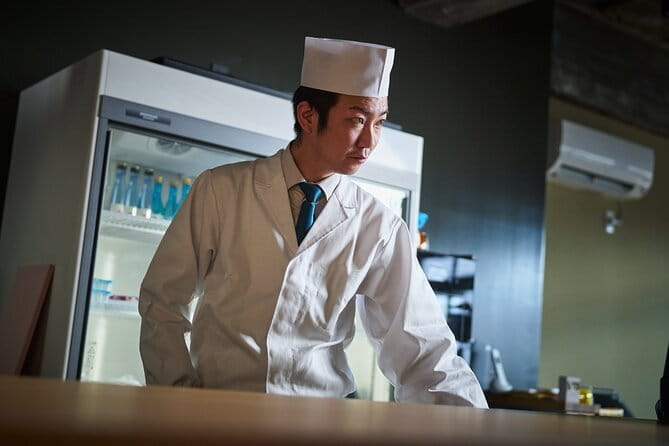
This is one of the best parts of the experience because the sushi styles are distinct, not repetitive.
You will learn to make:
- Temari sushi: shaped more like a bite-sized ball, often helped along by molds or careful forming
- Gunkan maki: often recognized by its band-like seaweed “shell” that supports the topping
- Nigiri: the classic hand-shaped piece meant to balance rice and topping
- Temaki: the cone-shaped sushi that is all about forming and filling neatly
Why this matters for you: many cooking classes teach one technique and repeat it. Here, your hands get practice with different forms, so you get a wider sense of how Japanese sushi can vary while still staying rooted in tradition.
One review specifically mentioned that a couple made 8 pieces of sushi. Even if your final count depends on timing, that gives you a realistic sense that you are not just forming one token bite and calling it a day. You are making multiple pieces that you can actually eat with some pride.
Wasabi station: Fresh grating, real flavor control
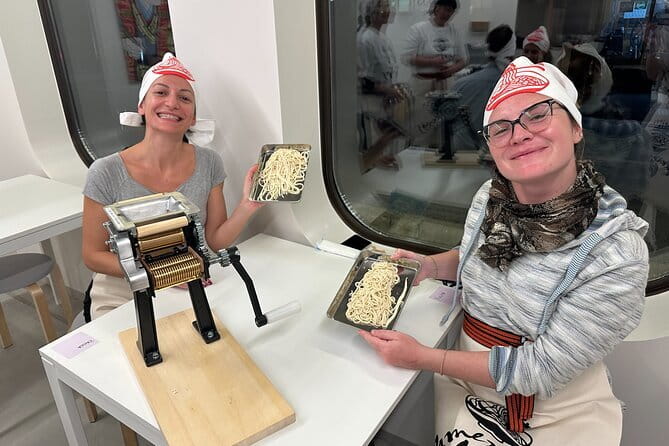
You get a chance to grate fresh wasabi. That single detail makes a difference, because it shifts wasabi from a condiment to an ingredient you actively prepare.
In practical terms, fresh grated wasabi is sharper and more fragrant than many pre-made versions. It also makes you think about timing. You will likely notice that aroma and heat come in differently compared to what you might be used to, which helps you understand why Japanese meals treat wasabi with care instead of treating it like an afterthought.
If you enjoy flavor science, or if you just want food you can taste and then replicate at home, the wasabi step is a standout. It also gives you something to do beyond rolling and shaping.
Puzzle challenges: Sushi pearls and decorative sushi boats
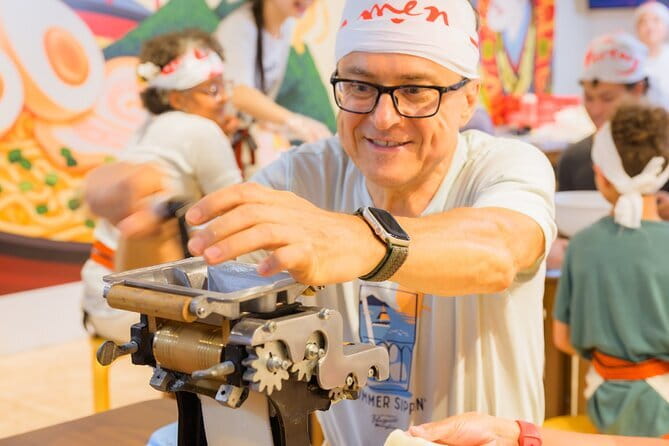
This is where the class turns into something you can laugh about later. Along with the sushi-making, you tackle playful challenges like making sushi pearls and building decorative sushi “boats.”
You might think decorative tasks are just for fun, but they actually help you practice consistency. Pearls, for example, push you toward uniform size and careful handling. Decorative boats push you to think about structure and presentation, which is a big part of how sushi looks on the plate.
Is it always for everyone? Not necessarily. One lower-rated comment criticized it as overpriced and too gimmicky, and that is a fair caution if you want a straight, traditional lesson with minimal “game” elements. But if you are traveling with curiosity, or you like interactive classes, these challenges can be the memory glue that makes the day feel different from just eating sushi.
Meals included: Lunch and dinner, not just a taste
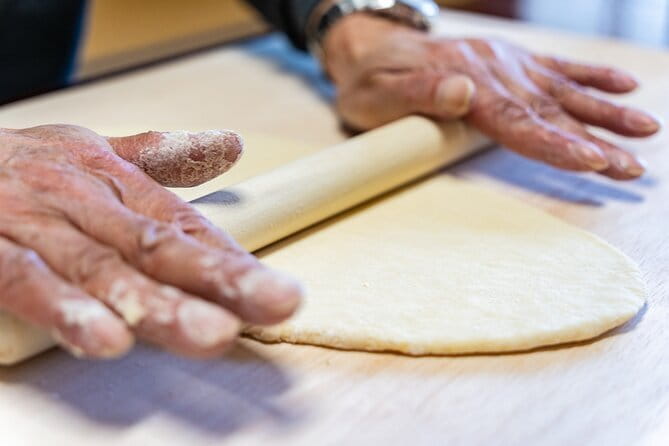
The package includes lunch and dinner, plus all fees and taxes. That is a big value point, because cooking classes often include only a small tasting or a single meal component.
Since the listed duration is about 1 hour 30 minutes, you should plan your day so you can take the included meals at a sensible time. The exact timing of lunch versus dinner is not detailed in the provided info, so treat the meal inclusion as part of the experience package, not something you will wing only with a snack plan.
For your budgeting brain, the key is this: your money is not only paying for a workshop. You are also covering what you would otherwise spend on meals in the Fujikawaguchiko area.
Price and logistics: Is $141.84 worth it?
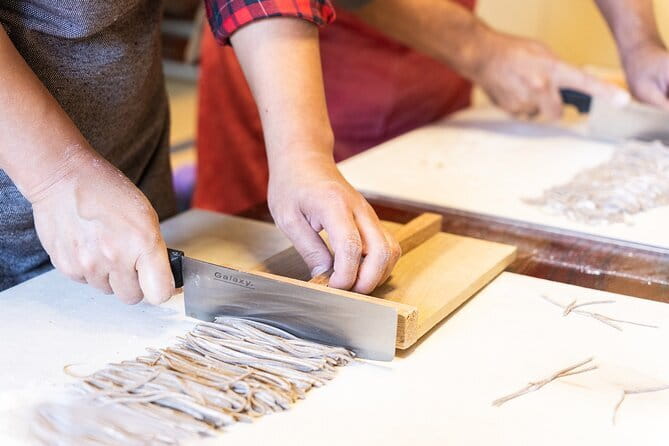
Let’s talk value, because $141.84 per person is not a casual impulse buy.
What you get for that price:
- A structured sushi-making class with guidance
- Multiple sushi styles (Temari, Gunkan maki, Nigiri, Temaki)
- Hands-on fresh wasabi grating
- Puzzle missions, including sushi pearls and decorative boats
- Lunch and dinner included
- All fees and taxes included
What you do not get:
- Transportation service is not included
So when is it worth it? If you want a hands-on food experience where you leave with multiple pieces of sushi and you also eat a proper meal, the package makes more sense than a class that only teaches technique but does not feed you.
When might it feel expensive? If your priority is quiet cultural learning, and you view the puzzle elements as fluff, the price can feel steep. One lower review pointed out that the experience may not feel like a straightforward cultural deep dive. If that is your goal, you might want to pair sushi-making with a separate cultural stop.
Small group energy: max 15 travelers
The group size cap of 15 travelers is a practical advantage. In classes, the bottleneck is usually hands and attention. A smaller group tends to mean:
- you get more chances to work at the station
- the instructor can correct issues before they snowball
- the class moves with less waiting
It also affects your mood. Large groups can feel rushed or noisy. Here, the format is timed, but the cap suggests it should feel organized rather than chaotic.
If you are going as a couple, this size can also work well, because you can share the experience without feeling like you are a solo participant in a crowd.
Who should book this sushi cooking class, and who should skip it
This experience is a strong match if you:
- enjoy hands-on cooking more than watching
- want to learn more than one sushi style
- like interactive tasks that keep you engaged
- want Mt. Fuji views tied to food, not just a scenic bus stop
It might not be your best choice if you:
- want a calm, strictly traditional lesson with minimal game elements
- prefer learning that focuses more on history and less on activities
- are hoping transportation is included (it is not)
For a wedding anniversary, it can still be memorable because you are creating food together and taking home the experience of making multiple sushi types. But if you are very picky about what counts as cultural immersion, be aware the format mixes tradition with puzzle play.
Should you book Sushi Factory KIWAMI near Mt. Fuji?
I would book it if your ideal day includes doing, tasting, and laughing while you make sushi. The best reasons are the combination of multiple sushi styles, the fresh wasabi step, and the puzzle challenges that turn the lesson into something you remember.
I would hesitate if your main goal is a quiet, traditional food culture experience, because at least part of the design is clearly meant to be playful. Also keep in mind you need to handle your own transport since transportation is not included.
If you want the most painless day, plan to arrive early enough to feel settled at the meeting point in Funatsu, and bring your appetite. This class is built for people who want to leave fed, not just educated.
FAQ
How long is the Sushi Cooking Class at Sushi Factory -KIWAMI- Mt.Fuji?
The experience is listed as about 1 hour 30 minutes (approx.).
Where does the class start, and where does it end?
It starts at Ramen Factory Mt.Fuji 3487-15 Funatsu, Fujikawaguchiko, and it ends back at the meeting point.
What sushi types will I learn to make?
You’ll create traditional sushi such as Temari, Gunkan maki, Nigiri, and Temaki sushi.
Do I grate wasabi during the class?
Yes, you get the chance to grate fresh wasabi as part of the experience.
What’s included in the price?
Lunch and dinner are included, along with all fees and taxes.
Is transportation to the activity included?
No, transportation service is not included.
How big is the group?
The maximum group size is 15 travelers.
Do I get a mobile ticket and confirmation?
Yes, it uses a mobile ticket, and you receive confirmation at the time of booking.
Kitchens You Can Book Into
Mount Fuji, Three More Ways


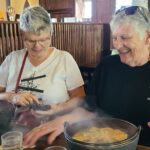
Newest Fujikawaguchiko machi write-ups from the Loving Japan desk
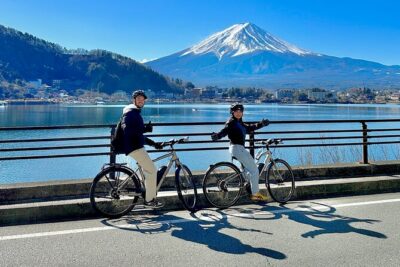
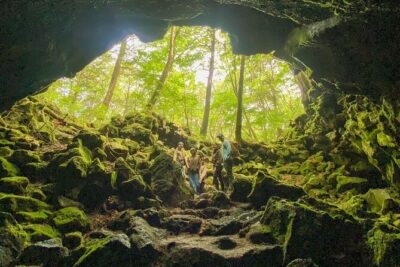
Mount Fuji Day Trips, side by side.
 ★ 5.0Mt Fuji and Hakone 1-Day Bus Tour Return by Bullet TrainFrom $16326,383 reviews
 ★ 4.0Mt Fuji & Hakone Cruise, Drum Show Bullet Train 1 Day from TokyoFrom $1497,413 reviews
 ★ 4.4Tokyo Mt Fuji 5th St & Hakone Cruise Bus Tour w/Bullet TrainFrom $1545,024 reviews
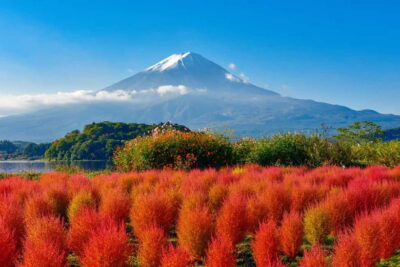 ★ 4.5From Tokyo: Mount Fuji Full-Day Sightseeing TripFrom $684,970 reviews
 ★ 4.7Mt. Fuji Tour, Hakone Ropeway, Owakudani, Lake AshiFrom $544,002 reviews
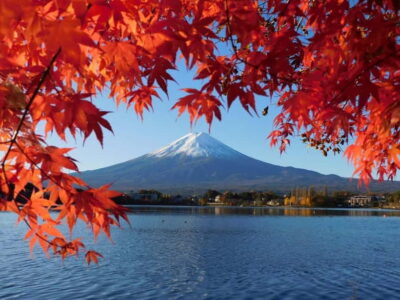 ★ 4.4Mt.Fuji,Kawaguchiko Oishi Park,Arakurayama Sengen ParkFrom $542,682 reviews
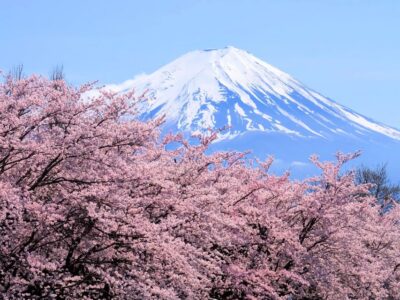 ★ 4.2Mt. Fuji 5th Station & Hakone Cruise 1-Day Bus TourFrom $1292,381 reviews
 ★ 4.7Mt Fuji Top 5 Spots Day Tour: Arakurayama Park,Oshino HakkaiFrom $532,066 reviews