
REVIEW · MOUNT FUJI DAY TRIPS
Ramen Cooking Class at Ramen Factory in Mt.Fuji
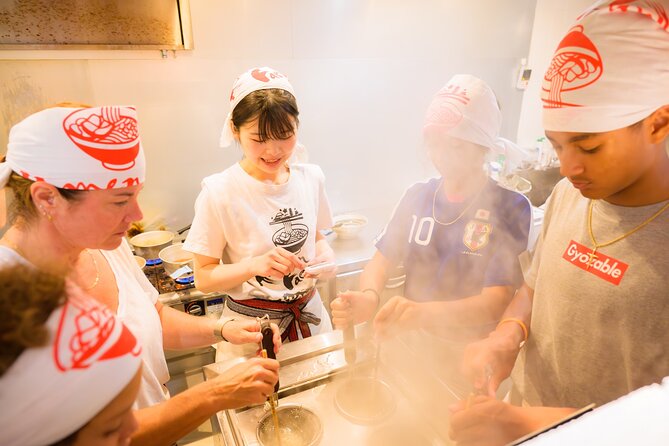
Your hands are the secret ingredient. At Ramen Factory in Mt. Fuji, you make ramen from scratch, shaping noodles and mixing your own bowl style with real choices along the way, including broth and toppings. I love the hands-on pacing, and I love how clearly the instructors explain each step, with Jojo and Eri showing how to tackle noodles and chicken garnish without making it feel complicated. The one possible drawback is price, $141.56, because this is a cooking workshop, not just a casual meal.
This class is all-inclusive, and you also leave with a chosen omiyage souvenir, either a ramen bowl, T-shirt, or Japanese apron. You can request vegetarian, vegan, and Muslim-friendly options, and tofu is available for vegetarian or vegan if you note it in advance, so you are not stuck with a one-size-fits-all ramen.
In This Review
- Key Highlights You Should Know Before You Go
- Ramen Factory in Mt. Fuji: a real cooking class, not a demo
- Getting to the Mt. Fuji store (and not mixing it up with Kyoto)
- Timing, group size, and how 1 hour 30 minutes actually works
- Noodle making: knead, roll, cut, boil, drain
- Chicken garnish: from tying to slicing
- Building your broth: choose broths and blend your own profile
- Lunch and dinner included: how the class fits a Fuji day
- Omiyage souvenirs: choose T-shirt, ramen bowl, or Japanese apron
- Dietary options: vegetarian, vegan, gluten-free, and Muslim-friendly
- Value for $141.56: what you really get
- Who should book this ramen class, and who might skip
- Should You Book the Ramen Factory Ramen Cooking Class in Mt. Fuji?
- FAQ
- How long is the Ramen Factory ramen cooking class in Mt. Fuji?
- What is included in the price?
- Is transportation included to the meeting point?
- Where is the class held, Mt. Fuji or Kyoto?
- Can the class accommodate dietary needs like vegetarian or vegan?
- What is the cancellation policy?
Key Highlights You Should Know Before You Go
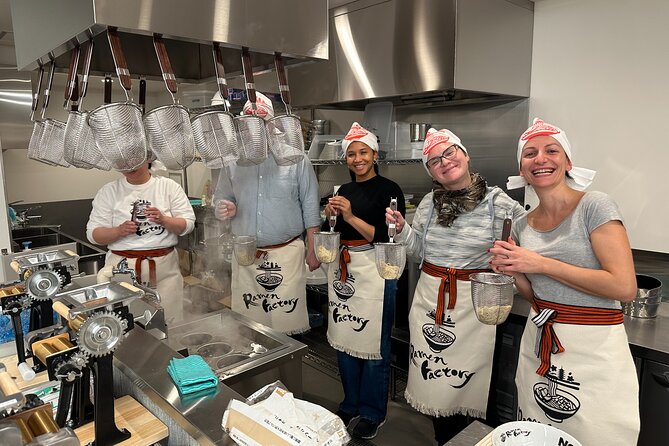
- Make ramen start-to-finish: knead dough, cut noodles, boil, drain, then assemble your bowl.
- Broth choices affect the final taste: pick from different broths and sauces to blend your profile.
- Chicken garnish is hands-on: you tie the chicken with string, cook it, and slice it your way.
- Dietary needs are planned for: vegetarian, vegan, and Muslim-friendly options, plus tofu with advance notice.
- Small group classroom energy: max 18 people, with instructors on hand.
- You take home omiyage: choose a T-shirt, ramen bowl, or Japanese apron.
Fuji from Fujikawaguchiko machi: the other approaches
- Mt Fuji Area Private Guided Tours in English-Nature up close, quiet, personal
★ 5.0 · 288 reviews - Explore Mt. Fuji Ice Cave in Aokigahara Forest
★ 5.0 · 243 reviews - Ramen Cooking Class at Ramen Factory in Mt.Fuji
★ 5.0 · 101 reviews - Early Morning Kayaking With Views of Mt Fuji at Lake Kawaguchiko
★ 5.0 · 69 reviews
Ramen Factory in Mt. Fuji: a real cooking class, not a demo
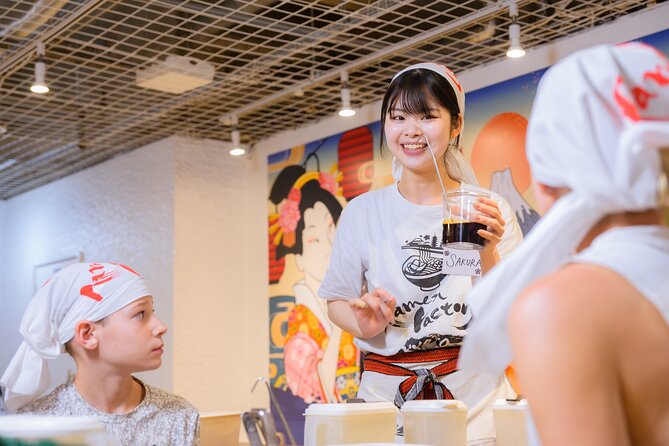
If you like eating ramen, this takes it one step further. You do the work. You knead the dough, shape the noodles, boil and drain them, then mix them into soup you helped build. That sounds simple, but the value is that you leave with the mental model of ramen making, not just a memory of one good bowl.
Two things make this stand out for me. First, the class format forces you to practice key actions that most food experiences skip. Rolling dough, controlling boil timing, and assembling toppings teaches you what changes flavor and texture. Second, the instruction style is built for non-experts, with instructors like Jojo and Eri who guide you clearly through each step and keep the process relaxed even if you do not cook much.
The other big plus is flexibility. You can request vegetarian, vegan, or Muslim-friendly options. That matters because it keeps the activity fun, not awkward. You are still participating in ramen making, instead of being “served something else.”
Getting to the Mt. Fuji store (and not mixing it up with Kyoto)
This activity is held at the Ramen Factory Mt. Fuji location in Fujikawaguchiko-machi. Double-check that you are booking the Mt. Fuji store, not the Kyoto one. It is the kind of mix-up that can happen fast, especially when you are planning a Fuji itinerary across multiple areas.
The meeting point is:
Ramen Factory Mt.Fuji, 3487-15 Funatsu, Fujikawaguchiko, Minamitsuru District, Yamanashi 401-0301, Japan.
It is near public transportation, and you will start there and end back at the same place. Transportation is not included, so you will want to plan how you get to Funatsu on your own.
One practical tip: since the class uses a mobile ticket, make sure you have it accessible on your phone before you leave your hotel. It saves time when you arrive.
Timing, group size, and how 1 hour 30 minutes actually works
The class runs about 1 hour 30 minutes. That is a good length for hands-on cooking because it gives enough time to do real prep steps without dragging into a half-day plan.
The group size is capped at 18 people. In practice, that usually means you get attention when you need it. You also have instructors present if you get stuck, which helps when you are handling dough and timing boiling noodles.
The flow is designed around you doing everything, not watching someone else. Expect a sequence like:
1) noodle-making steps
2) chicken garnish steps
3) soup building and seasoning choices
4) finishing and assembling your bowl
5) eating during the included meal portions
The included meal coverage is a standout detail for planning. The package includes food tasting, lunch, and dinner. So you are not paying for a single small tasting plate and a souvenir. You are paying for the whole experience plus multiple meal moments.
- Private guided hidden gems tour by local English speaking driver★ 5.0 · 142 reviews
- Johnny’s Exclusive: Mt. Fuji Adventure from Kawaguchiko★ 5.0 · 62 reviews
- Mt. Fuji Five Lakes Area Private Tour with Licensed Guide(Kawaguchiko area Dep)★ 5.0 · 55 reviews
- Cute & Fun E-Car tour following guide around Lake Kawaguchiko★ 5.0 · 54 reviews
- Hidden Fuji drive tour with a Local English speaking guide★ 5.0 · 43 reviews
Noodle making: knead, roll, cut, boil, drain
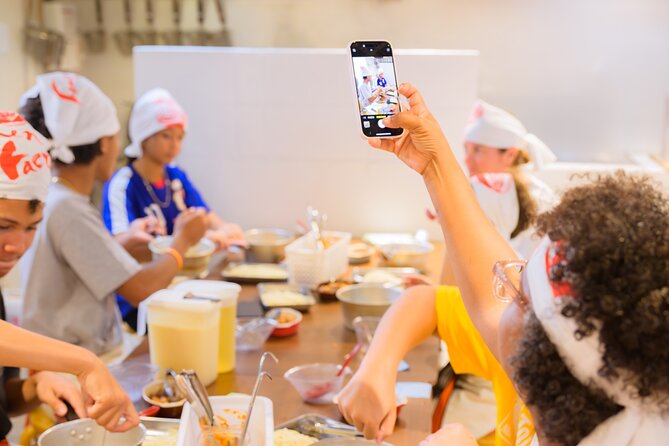
This is the part you will remember. Most ramen experiences start at eating, then maybe talk about noodles. Here you build noodles from the start.
You begin by kneading flour into dough. Then you roll it out and cut it into shapes. After that, you boil the noodles and drain them. That drain step matters more than people think. If you let noodles sit too long, texture changes. If you move too fast, you can lose heat when assembling.
What I like about this portion is that it teaches you rhythm. You learn that noodle-making is not one single skill. It is a chain of small actions, each one affecting the next step. And because instructors explain the process in an easy-to-follow way, you do not need chef-level knowledge to get good results.
Even better, this portion keeps you active the whole time. You are not waiting for someone to finish a task so you can pose for a photo. You are doing the core work of ramen.
Chicken garnish: from tying to slicing
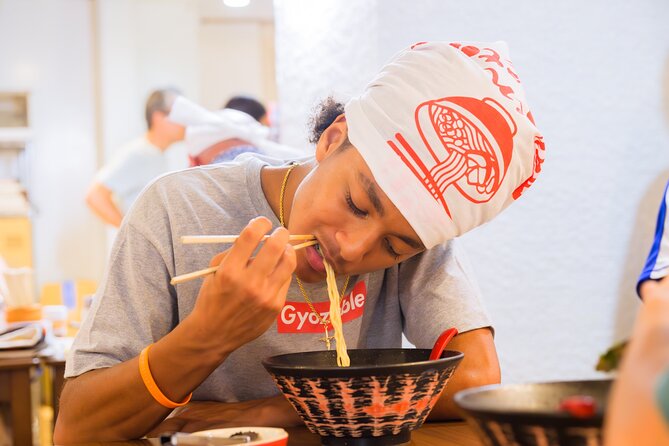
Ramen is not just noodles and broth. The class also includes the chicken garnish steps, and you handle them directly.
You start by tying the chicken with string. Then you add condiments, cook it, and slice it as desired. It is a simple description, but doing it hands-on makes a difference. You see how cooks manage shape and seasoning while cooking, and you understand why garnishes matter for flavor and presentation.
This part is also where instructors like Jojo and Eri can be extra helpful. When you are doing a step for the first time, the right guidance prevents frustration. You are aiming for a garnish that can sit on top cleanly and taste right in the finished bowl.
If you are curious about how home cooking can get closer to restaurant ramen, this chicken section is one of the best lessons. It gives you a practical garnish method you can adapt later.
Building your broth: choose broths and blend your own profile
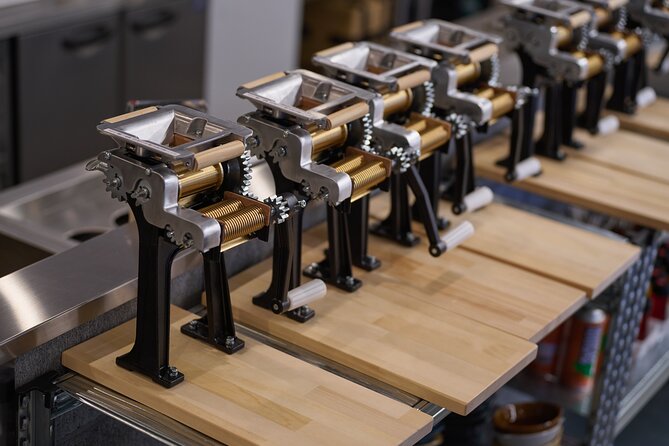
Soup is where ramen turns into your ramen.
In the class, you choose from different broths and sauces, then blend them. That means you are not just following a single preset flavor. You are making choices about the base and the direction of the taste.
Then you finish by placing your boiled noodles into your soup. After that, you add toppings and your bowl is ready. The “your bowl” wording matters. It is not an assembly-line product. You participate in selecting the soup components and then putting the pieces together.
For practical enjoyment, I recommend thinking about the kind of ramen you usually like. If you prefer richer broth, you may steer your sauce blend that way. If you like lighter flavor, you can adjust choices accordingly. Since you are blending options, you can approach it like taste-building instead of strict recipe copying.
Lunch and dinner included: how the class fits a Fuji day
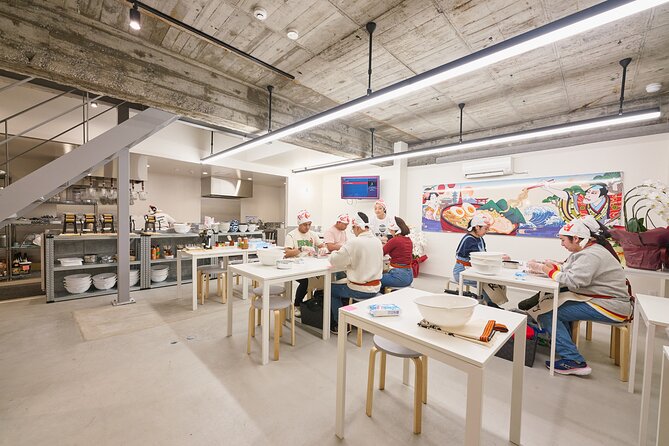
This is not just a short lesson that ends with one bite. The package includes food tasting plus lunch and dinner.
That changes the value a lot. You can plan your Fuji day around this class and rely on it for major meals. It also keeps your appetite satisfied while you are working. Hands-on cooking can make you hungry, and the included meal structure helps the experience feel complete.
One thing to note: the class ends back at the meeting point. So you do not need to coordinate extra transport at the end of cooking. You can then pivot to the next part of your day.
If your plan includes views and walking around Fuji area, this class can act like the food anchor. You get a structured, ticketed activity, and you come out with a skill plus meals handled.
Omiyage souvenirs: choose T-shirt, ramen bowl, or Japanese apron
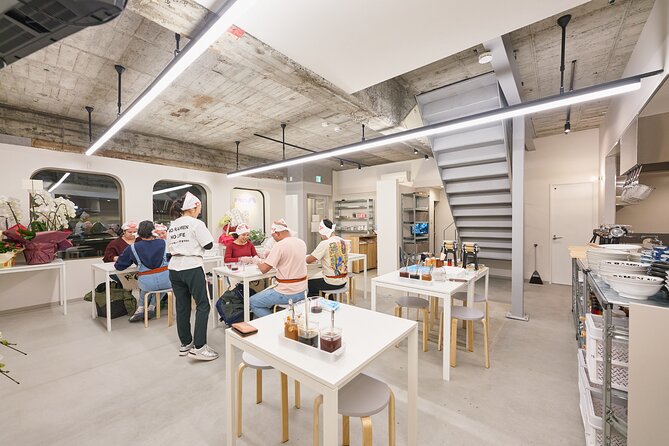
You take home a personalized souvenir as omiyage. The choice is yours among a T-shirt, ramen bowl, or Japanese apron.
This is a small thing that becomes big on the trip. It gives you a physical reminder of the skill you practiced. It also makes the class feel like a complete package, not just a one-and-done meal.
My practical advice is to choose based on how you travel:
- If you want something easy to carry, a T-shirt is usually the simplest option.
- If you want something kitchen-themed and memorable, the ramen bowl can feel like the most direct payoff.
- If you like the idea of continuing the “cook something” mindset, the Japanese apron is a fun choice.
No matter what you pick, it is part of why the experience feels worth paying for.
Dietary options: vegetarian, vegan, gluten-free, and Muslim-friendly
Ramen is often treated like it is automatically meat-based, but this class is built to handle multiple diets. You can request vegetarian, vegan, gluten-free, and Muslim-friendly options. If you want tofu for vegetarian or vegan, you need to request it when you book.
This matters because it protects the core experience. You are not just receiving a substitute bowl. You are still participating in ramen making with options that fit your needs.
A practical approach: when booking, enter your dietary needs clearly in the special requirements. The more specific you are about what to avoid, the easier it is for the provider to prepare the right ingredients.
Value for $141.56: what you really get
At $141.56 per person, you are paying for more than tasting ramen. You are paying for:
- a hands-on class where you make noodles from scratch
- soup blending choices
- chicken garnish preparation
- instructors who explain the process and offer help
- food tasting plus lunch and dinner
- a take-home omiyage souvenir
- an all-inclusive activity setup with mobile ticket
When I look at value, I compare it to two alternatives: eating ramen and taking a generic cooking class that might focus on one component. Here you handle multiple ramen pillars: noodles, broth choices, and a garnish. That breadth is why the price can make sense even if you are used to cheaper meal-only activities.
Also, the small group size helps justify the cost. You are not in a huge crowd where instruction becomes generic. The class is designed to keep you moving through steps.
If your budget is tight, you might skip this and just eat. But if you enjoy food culture and you like learning by doing, this is the kind of activity that turns into a repeatable skill.
Who should book this ramen class, and who might skip
This class is a great fit if you:
- want a hands-on food experience instead of a lecture
- enjoy cooking or like learning step-by-step
- care about dietary accommodations
- want a souvenir that matches the story of what you did
It might be less ideal if you:
- only want a quick snack and you prefer to spend your time outdoors
- hate any cooking tasks, even simple ones like kneading and boiling
- expect a longer deep masterclass. The duration is about 1 hour 30 minutes.
That short timing is not a flaw, it is the point. It keeps the activity friendly for most schedules around Mt. Fuji.
Should You Book the Ramen Factory Ramen Cooking Class in Mt. Fuji?
If your trip includes Mt. Fuji area and you want one ticketed experience that is actually hands-on, I think you should book this. You get noodles, broth choices, and chicken garnish made by you, plus food tasting plus lunch and dinner. Then you leave with an omiyage souvenir you chose yourself.
Just be honest about expectations. This is not a low-cost meal. It is a cooking workshop you pay for because you want to learn ramen-making moves, not just taste them.
If you are traveling with a group of food lovers, this is also an easy recommendation because the dietary options are clearly part of the offering and the class size stays small.
FAQ
How long is the Ramen Factory ramen cooking class in Mt. Fuji?
The class lasts about 1 hour 30 minutes.
What is included in the price?
The class includes a tour escort or host, all fees and taxes, food tasting, lunch, and dinner.
Is transportation included to the meeting point?
No. Transportation is not included.
Where is the class held, Mt. Fuji or Kyoto?
The activity is held at the Ramen Factory Mt. Fuji store. Be careful not to confuse it with the Kyoto store.
Can the class accommodate dietary needs like vegetarian or vegan?
Yes. You can request vegetarian, vegan, gluten-free, and Muslim-friendly options. Tofu is available as a vegetarian or vegan option if you indicate it at booking.
What is the cancellation policy?
You can cancel for free up to 24 hours in advance for a full refund. If you cancel less than 24 hours before the experience’s start time, the amount paid is not refunded.
Kitchens You Can Book Into

Mount Fuji, Three More Ways



Newest Fujikawaguchiko machi write-ups from the Loving Japan desk



Mount Fuji Day Trips, side by side.
 ★ 5.0Mt Fuji and Hakone 1-Day Bus Tour Return by Bullet TrainFrom $16326,383 reviews
 ★ 4.0Mt Fuji & Hakone Cruise, Drum Show Bullet Train 1 Day from TokyoFrom $1497,413 reviews
 ★ 4.4Tokyo Mt Fuji 5th St & Hakone Cruise Bus Tour w/Bullet TrainFrom $1545,024 reviews
 ★ 4.5From Tokyo: Mount Fuji Full-Day Sightseeing TripFrom $684,970 reviews
 ★ 4.7Mt. Fuji Tour, Hakone Ropeway, Owakudani, Lake AshiFrom $544,002 reviews
 ★ 4.4Mt.Fuji,Kawaguchiko Oishi Park,Arakurayama Sengen ParkFrom $542,682 reviews
 ★ 4.2Mt. Fuji 5th Station & Hakone Cruise 1-Day Bus TourFrom $1292,381 reviews
 ★ 4.7Mt Fuji Top 5 Spots Day Tour: Arakurayama Park,Oshino HakkaiFrom $532,066 reviews