
REVIEW · GUIDED
Freely set up plans Guided Private Tours in Tokyo
Tokyo can feel like sensory overload. This private tour helps you focus on the best bits while a guide handles the flow. You pick the start time and how long you want to go, and then the day snaps into place using public transportation.
What I like most is the way the route connects major neighborhoods without turning into a maze. The guide-led visits to Tsukiji Jogai Market and Senso-ji Temple set a strong Tokyo foundation, then you can add big-ticket sights like Tokyo Skytree or Tokyo Tower.
One consideration: it is a walking-and-transit day. Even with a private setup, expect steps and lots of ground to cover, which can be tough in rain or if mobility is limited.
In This Review
- Key things to know before you go
- Price and value: what $132.14 per person buys in Tokyo
- The real magic: a private guide who navigates Tokyo trains
- Pick-up and start times: how the day avoids the usual Tokyo stress
- Tsukiji Jogai Market: food culture you can see and smell
- Senso-ji Temple in Asakusa: classic Tokyo, planned for a calm visit
- Shibuya Crossing and Meiji Jingu: two moods in one Tokyo day
- Tokyo Skytree and Tokyo Tower: viewpoints, with ticket time planned
- Ueno Zoo: a “different Tokyo” break from sightseeing lines
- Shinjuku Gyoen National Garden and Hamarikyu Gardens: green breaks with history
- Animal cafe detours: Owl Cafe Tokyo Akiba Fukurou and Chiku Chiku Cafe
- Imperial Palace East Gardens and Edo Castle Ruins: history in carefully paced steps
- Tokyo is big, so the guide’s pacing is the real itinerary
- Who should book this private Tokyo tour?
- Should you book this private Tokyo tour?
- FAQ
- How long is the Tokyo private tour?
- Do you get pickup from a hotel?
- Is this tour private or shared?
- What is included in the price?
- Are admission fees included?
- Are any stops free?
- Can I choose the sights and length of the day?
- Are there different start times available?
- Is there a cancellation option for a full refund?
Key things to know before you go
- Hotel lobby pickup in Tokyo’s 23 wards makes the start easy and less stressful
- Flexible hours (4 to 10 hours) lets you build the day around your energy and interests
- English-speaking guide plus public-transport navigation helps you ride the subway with confidence
- A highlight mix from Tsukiji to shrines, crossing streets, viewpoints, and gardens
- Animal cafe detours like Owl Cafe Tokyo Akiba Fukurou and Chiku Chiku Cafe if you want something unusual
- Some attractions require separate tickets, so budget for paid admission
Still weighing up options in Tokyo? These are the ones our reviewers rated highest.
- Mt Fuji and Hakone 1-Day Bus Tour Return by Bullet Train
★ 5.0 · 26,383 reviews - 1-Day Tokyo Bus Tour
★ 5.0 · 14,250 reviews - Tokyo: teamLab Planets TOKYO Digital Art Museum Entry Ticket
★ 4.6 · 9,779 reviews - Mt Fuji & Hakone Cruise, Drum Show Bullet Train 1 Day from Tokyo
★ 4.0 · 7,413 reviews
Price and value: what $132.14 per person buys in Tokyo
At $132.14 per person, this is not an all-you-can-ticket deal. Admission for customers is not included, so the value comes from something different: time saved and decisions removed.
In Tokyo, getting from place to place takes planning. A strong guide turns that planning into a smooth transit plan, explains what you’re looking at, and helps you avoid wasting the morning figuring out train lines. The private format also matters. You are not split into a big group, so your pace and interests can shape the day.
You also get hotel lobby meeting in the Tokyo 23 wards, an English-speaking professional guide, and public transportation to and from for the guided portion. There is even a mobile ticket, which reduces the fuss when you hop between stops.
Think of it as paying for a guide who builds a day that feels like Tokyo, not just a checklist.
The real magic: a private guide who navigates Tokyo trains
This tour is private, meaning only your group participates. That changes everything. If you have a question, the pace stays yours. If you want extra time at a shrine, you can usually ask for it.
A big theme that shows up with many guides is competence on the Tokyo subway system. Guides like Kono-san, Yumi, Yoshio, and Yoki are repeatedly described as patient and attentive, especially when families or mixed-age groups needed regrouping and clearer timing. That is huge on a first trip, because the transit system can feel like a puzzle.
You also get practical direction, not just commentary. The guide can help you handle transfers, choose the right exits, and understand how to move through busy areas without losing your group.
If you want one takeaway for day-one Tokyo: this is the kind of experience that helps you get around as much as it helps you see.
Pick-up and start times: how the day avoids the usual Tokyo stress
You can get pickup offered with meeting in your hotel lobby within Tokyo’s 23 wards. Starting from your hotel matters because you avoid the “find the train and hope it matches the meeting point” scramble.
The tour also offers several start times, which is ideal if you are pairing Tokyo highlights with another plan like a cruise return or a museum day. Having options lets you choose the time of day that fits your group’s rhythm and your tolerance for crowds.
Duration runs from about 4 to 10 hours. That range is important. If you are jet-lagged, you can do a focused day around Asakusa and a couple of nearby stops. If you want a full-on highlights tour, the longer window lets you add viewpoints, gardens, and extra experiences.
- Mt Fuji and Hakone 1-Day Bus Tour Return by Bullet Train★ 5.0 · 26,383 reviews
- 1-Day Tokyo Bus Tour★ 5.0 · 14,250 reviews
- Tokyo: teamLab Planets TOKYO Digital Art Museum Entry Ticket★ 4.6 · 9,779 reviews
- Mt Fuji & Hakone Cruise, Drum Show Bullet Train 1 Day from Tokyo★ 4.0 · 7,413 reviews
- Tokyo: Shinjuku Food Tour (13 Dishes at 4 Local Eateries)★ 5.0 · 6,603 reviews
Tsukiji Jogai Market: food culture you can see and smell
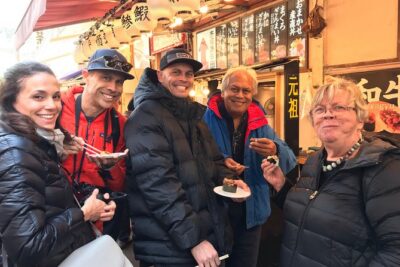
Tsukiji Jogai Market is where Tokyo’s food energy starts. You get a 1-hour stop at a mix of wholesale and retail shops plus restaurants. Even if you do not do a formal tasting, you see how ingredients, stalls, and everyday food culture connect.
This stop works as an anchor because it sets context early. It explains the mindset behind Japanese cuisine, where supply, tradition, and modern trends share the same lanes.
Practical note: Tsukiji area streets can be busy. Wear shoes you can stand in, and keep your camera ready. If you want photos, moving through at a guide’s pace usually helps you avoid long waits.
This stop is listed with admission free, which is a nice way to control spending early in the day.
Senso-ji Temple in Asakusa: classic Tokyo, planned for a calm visit
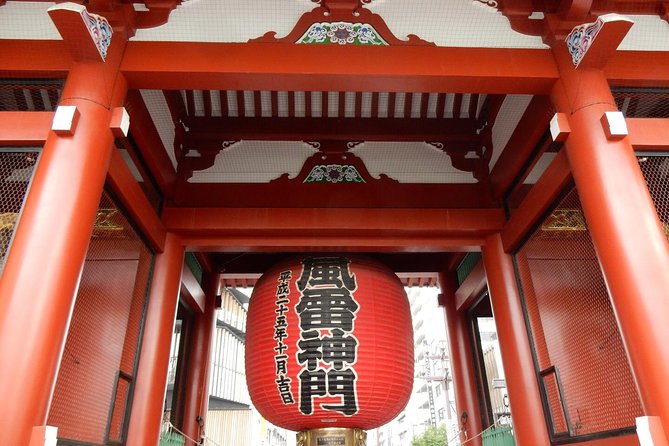
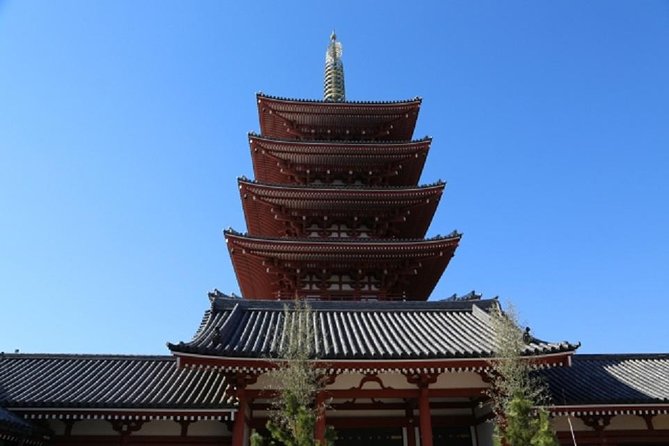
Senso-ji Temple is one of Tokyo’s most recognizable religious sites, and for good reason. You get about 1 hour, with time to take in major areas like the five-story pagoda and the Hozo-mon Gate, also called the Treasure-House Gate.
What makes a guided visit useful here is timing and navigation. Senso-ji and the surrounding streets can get crowded. A guide helps you move through the area without turning it into a slow bottleneck.
Also, this is a stop where your guide can give cultural context. That turns your visit from photo-taking into understanding what you’re seeing and why it matters to Japanese visitors.
Like Tsukiji, it is listed with admission free, which helps you keep the day flexible even when you add paid attractions later.
Shibuya Crossing and Meiji Jingu: two moods in one Tokyo day
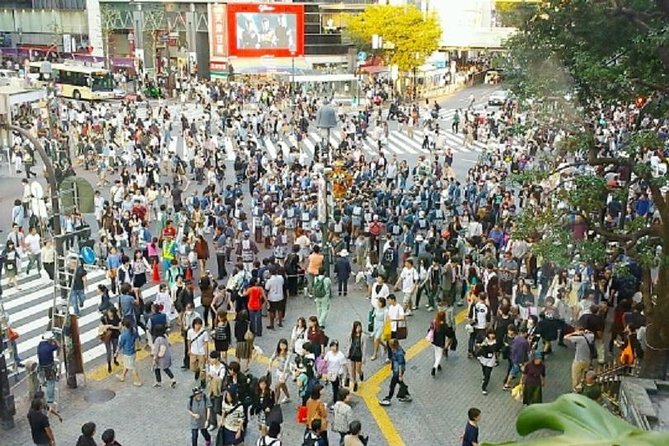
Shibuya Crossing is the theater of modern Tokyo. You get a 30-minute stop, and it’s built for quick perspective, not deep wandering. You can watch the flow when the light changes, which is honestly one of the easiest ways to understand why Tokyo feels so synchronized.
Then you pivot to Meiji Jingu Shrine, with about 1 hour to slow down. The shrine enshrines Emperor Meiji and Empress, and it is a major spiritual site for both locals and visitors. This contrast helps the day feel balanced, not just high-stimulation.
Meiji Jingu is also listed as admission free. That’s a good pairing with Shibuya because you can spend more budget later on ticketed viewpoints or gardens.
If you like history and culture, guides often weave these two into a bigger story about how Tokyo holds old traditions and new city life side by side.
Tokyo Skytree and Tokyo Tower: viewpoints, with ticket time planned
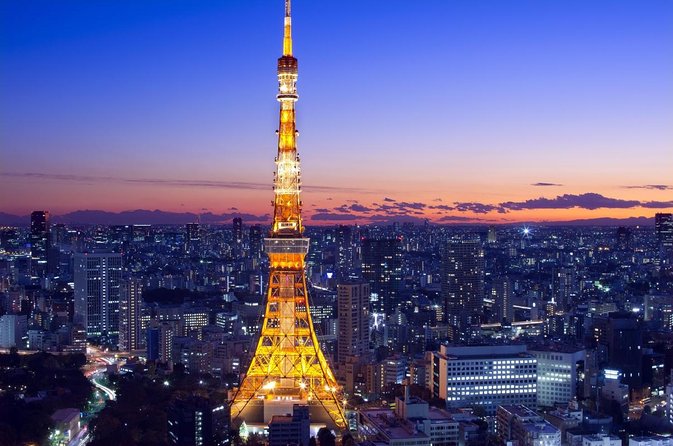
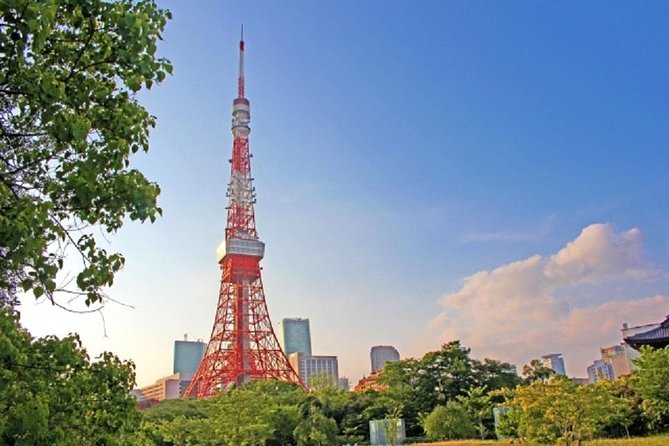
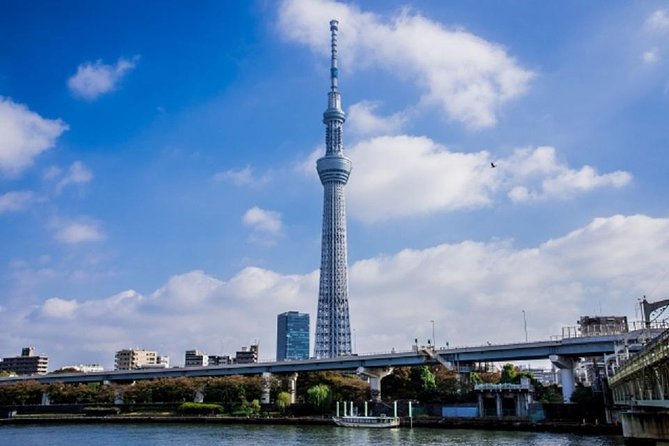
You can add big skyline icons depending on your selected day length. Tokyo Skytree is listed for about 1 hour, and it is not included for admission. Tokyo Tower is also about 1 hour, with admission not included.
So what do these stops give you? Perspective. After markets, shrines, and street-level crowds, a tower viewpoint helps you build a mental map of where neighborhoods sit in relation to each other.
A private guide makes this easier because you can time your visit to match crowd flow. Also, your guide can help you decide what to prioritize inside the area, since tower time can shrink quickly once you add lines and elevators.
Tip for your own comfort: tower stops tend to involve stairs and compact indoor spaces. If you are sensitive to crowds, choose earlier start times when you can.
Ueno Zoo: a “different Tokyo” break from sightseeing lines
Ueno Zoo is included as a potential stop for about 2 hours 30 minutes, with admission not included. It is also described as Tokyo Metropolitan Zoo and historically significant as the first zoo in Japan, opened in 1882. It has many animal species, including rarer ones.
This stop is a strong choice if you want a break from temples and shopping streets. It adds variety for families and anyone who wants a more relaxed, slower rhythm.
The main drawback is simple: the zoo is time-consuming. It is longer than many other stops, so if you pick it, you might need to shorten other areas.
If you do have limited mobility, I would treat Ueno Zoo as a “planned effort” and confirm with your guide about pacing and rest breaks.
Shinjuku Gyoen National Garden and Hamarikyu Gardens: green breaks with history
Tokyo gardens can feel like a reset button. Shinjuku Gyoen National Garden is listed for about 1 hour and is not included for admission. It is described as a Meiji period garden that combines well-formed, landscaped, and Japanese garden styles.
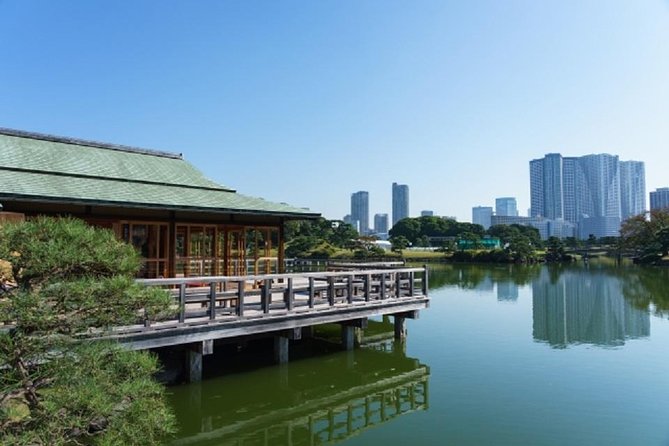
Hamarikyu Gardens is another garden option at about 1 hour, and it is also not included for admission. It is a landscaped garden around Shioiri Pond, set within a seawater moat fed by Tokyo Bay.
These garden stops do something practical. They give your legs a break and help you slow down after busy street areas like Shibuya. They also add a layer of Tokyo beyond nightlife and shopping.
If you are booking a shorter day, gardens might be an optional swap. In a longer day, they become the part of the itinerary that makes everything else feel less exhausting.
Animal cafe detours: Owl Cafe Tokyo Akiba Fukurou and Chiku Chiku Cafe
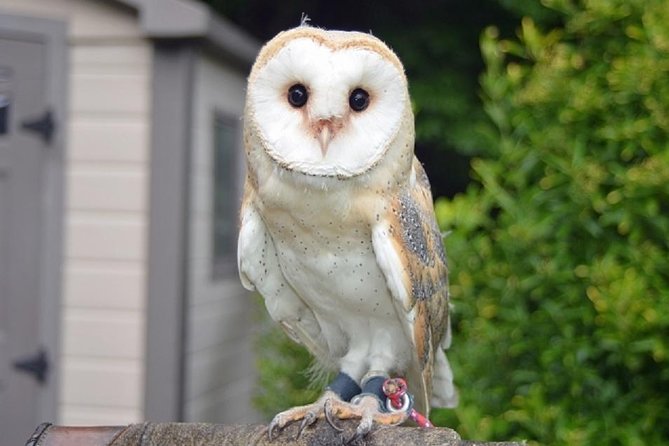
If you want a Tokyo experience that feels playful and a little odd, these are the stops. Owl Cafe Tokyo Akiba Fukurou is listed for about 1 hour. Chiku Chiku Cafe is also listed for about 1 hour, and it serves drinks only, with hedgehog interactions plus an atmosphere where some animals sleep on hands.
These are not included for admission, so they are a budget add-on. But the appeal is clear: they give you a specific Tokyo personality, one that you cannot replicate at home.
A practical note from how guides handle a day like this: these cafes can be closed at times or have limited availability depending on the day. Since your itinerary is flexible, your guide can sometimes swap in a different experience if a cafe is not operating.
If you have allergies, allergies-related concerns, or you simply dislike crowded indoor spaces, treat animal cafes as a “choose carefully” option.
Imperial Palace East Gardens and Edo Castle Ruins: history in carefully paced steps
The East Gardens of the Imperial Palace, also described as Edo Castle Ruin area, is listed for about 1 hour with admission not included. This is a natural fit if you want more than landmarks, you want Tokyo’s historical layers.
You see the imperial area in Chiyoda Ward, and in the Tokugawa period, it was used by the shogunate. The site also includes structures and grounds associated with the Emperor and Empress, plus the Imperial Household Agency office.
This stop tends to feel different from shrines. It can be more open-space and structured, with walking paths that are easier to slow down in than narrow shrine streets.
Tokyo is big, so the guide’s pacing is the real itinerary
Even with a set list of possible stops, the tour works because you choose your sights and your duration. That means your guide has to do real-time logistics: where to start, what order to use, and when to regroup.
A recurring detail in the best experiences is adaptability. Guides like Funiko, Akiri, and Yumiko are described as checking the group stayed together, adjusting to mobility needs when possible, and timing stops so you are not just rushing through everything.
The “careful planning” shows up in small ways:
- Where you spend 30 minutes versus 2 hours
- When you take a break from walking
- How your group moves through crowded nodes like Shibuya
But there are tradeoffs. Some reviews mention cases where English comprehension was harder with a particular guide, or where the pace and walking volume felt heavy, especially with rain. If that matters to you, ask for a clear pace expectation and consider selecting the shorter duration window.
Who should book this private Tokyo tour?
I think this tour is a great fit if:
- It is your first time in Tokyo and you want less guessing
- You want a guided mix of classic culture and modern icons
- Your group includes people with different interests, because the day can be shaped
- You value having someone navigate the subway system with confidence
- You like the idea of stepping into food culture at Tsukiji and then shifting to shrines and gardens
It may be less ideal if:
- Your group has significant mobility limits. The itinerary involves walking and transit, and public transport involves stairs
- You hate walking, because even a private day can rack up steps
- You want total predictability down to every minute, since the day can flex around crowds, pacing, and your requests
Should you book this private Tokyo tour?
If your goal is a first trip that feels organized, this is a strong choice. The best value is in the combination of English-speaking guide + hotel pickup + private format plus a route built around Tokyo’s real geography.
Book it when you want someone to help you do Tokyo your way, not force you into a fixed circuit. If you want to reduce stress, plan for comfortable shoes, a rain-ready layer, and pick a duration that matches your walking tolerance.
One more practical tip: because the average booking window is about 47 days in advance, earlier booking is smart if you have specific start-time needs.
If you can handle a day that mixes transit, walking, and a handful of ticketed attractions, you will likely come away with that rare feeling, you saw a lot, and you actually understood it.
FAQ
How long is the Tokyo private tour?
It runs from about 4 to 10 hours, depending on the duration you choose.
Do you get pickup from a hotel?
Yes. The meeting point is your hotel lobby in Tokyo’s 23 wards, and pickup is offered.
Is this tour private or shared?
It is a private tour. Only your group will participate.
What is included in the price?
The price includes an English-speaking professional guide, meeting in the hotel lobby (Tokyo 23 wards), and public transportation to and from with the guides.
Are admission fees included?
No. Admission fee for both customers and guides is not included.
Are any stops free?
Yes. Stops like Tsukiji Jogai Market, Senso-ji Temple, Shibuya Crossing, and Meiji Jingu Shrine are listed as admission free. Other stops such as Tokyo Skytree, Ueno Zoo, Tokyo Tower, and several gardens are listed as not included.
Can I choose the sights and length of the day?
Yes. You can choose how long you want the tour to last and which sights interest you most, and the guide creates the itinerary.
Are there different start times available?
Yes. There are several start times so you can fit the tour into your schedule.
Is there a cancellation option for a full refund?
Yes. Free cancellation is available if you cancel up to 24 hours in advance for a full refund.
Newest Tokyo write-ups from the Loving Japan desk

Guided, side by side.
 ★ 5.0Tokyo 6hr Private Tour with Government-Licensed GuideFrom $1553,902 reviews
 ★ 4.9Shinjuku Local Bar and Izakaya Guided Walking TourFrom $341,794 reviews
 ★ 4.8Private City Highlights Tour with Local GuideFrom $1061,433 reviews
 ★ 5.0Kyoto Early Morning Tour with English-Speaking GuideFrom $681,427 reviews
 ★ 4.9Tsukiji Fish Market Guided Walking TourFrom $221,397 reviews
 ★ 5.0Kyoto 6hr Private Tour with Government-Licensed GuideFrom $1551,369 reviews
 ★ 5.0Hiroshima / Miyajima Full-day Private Tour with Government Licensed GuideFrom $2021,298 reviews
 ★ 5.0Tokyo Guided Small-Group Biking TourFrom $1061,250 reviews