
REVIEW · MORNING
Kyoto Early Morning Tour with English-Speaking Guide
Early morning Kyoto feels like a secret. This small-group tour helps you hit Fushimi Inari, Arashiyama Bamboo Grove, and Kinkaku-ji before the heaviest crowd waves, with an English-speaking guide and a plan that keeps the day calm. I especially like the early morning timing and the stress-free route between neighborhoods, and the group stays under 8 for an easier pace. The main thing to watch is that you pay separately for public transit and Kinkaku-ji entrance.
I also like that you’re not just dropped at three famous stops. Your guide helps you understand what you’re seeing, and you learn how to use local transit so your afternoon plans feel simpler. If you hate rushing, this format is a good match because the morning is designed to be quieter.
One more practical note: there is a decent amount of walking, and the tour assumes moderate fitness. If rain shows up, the tour may be adjusted, so it helps to wear shoes you trust and keep your expectations flexible.
In This Review
- Key moments that make this Kyoto morning work
- Why Kyoto before the crowds feels like a cheat code
- Small group size and pacing: what max 8 travelers changes
- Your morning route depends on public transit, so plan for extra fares
- Stop 1, Fushimi Inari-taisha: gates, atmosphere, and an easier walk
- Arashiyama Bamboo Grove: calm photos and a morning mindset
- Kinkaku-ji (Golden Pavilion): the finish, the fee, and the payoff
- Guide quality: what the English-speaking support really does for you
- Timing, walking level, and what to wear so the morning feels good
- Weather reality: the tour needs good conditions
- Value for $68.98: what you’re paying for beyond the tickets
- Should you book this Kyoto early morning tour
- FAQ
- How long is the Kyoto early morning tour?
- How many people are in the group?
- Is the guide English-speaking?
- Which attractions are included in the stops?
- Are entrance fees included for all stops?
- Do I need to pay for public transportation during the tour?
- Is the tour ticket mobile?
- What fitness level do I need?
- What happens if the weather is bad?
- Can I cancel for free?
Key moments that make this Kyoto morning work
- Beat Fushimi Inari crowd pressure with a calmer entry into the red-gate paths
- Arashiyama Bamboo Grove photos come easier when the stream of people is lighter
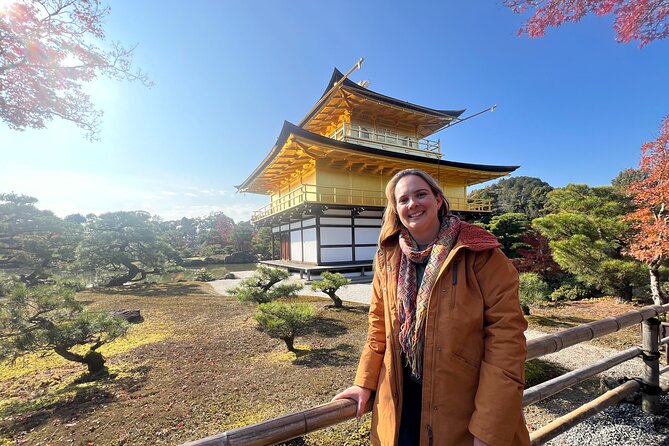
- Golden Pavilion time is efficient with a full hour to take it in at your pace
- Up to 8 travelers keeps conversations real instead of just hearing a distant script
- You learn transit basics so you can move around Kyoto with confidence later
Still weighing up options in Kyoto? These are the ones our reviewers rated highest.
- PERFECT KYOTO 1-Day Bus Tour
★ 5.0 · 13,518 reviews - Kyoto: Fushimi Inari, Kinkakuji, Bamboo Grove 1 Day Bus Tour
★ 4.8 · 4,316 reviews - Kyoto: Tea Ceremony in a Traditional Tea House in Kiyomizu
★ 4.9 · 3,519 reviews - Kyoto Geisha Walking Tour: Gion District & Hidden Gems
★ 4.7 · 3,273 reviews
Why Kyoto before the crowds feels like a cheat code
Kyoto’s top sights can turn into a human traffic jam by late morning. This tour’s whole idea is simple: get to the most popular places early, when the air feels quieter and the photo angles are less cluttered.
You’ll start with Fushimi Inari-taisha Shrine, then head to Arashiyama, then finish at Kinkaku-ji. Doing it in this order matters because each stop has its own crowd rhythm, and morning timing gives you breathing room.
And because you’re not dealing with long lines of latecomers, the tour feels more like sightseeing than waiting. That changes the whole mood of the day.
Small group size and pacing: what max 8 travelers changes
A maximum group size of 8 is a big deal in Kyoto. On a small group tour, your guide can slow down when someone wants a better view, and you can ask questions without feeling like you’re cutting in line.
This is also why the pacing feels easier than you might expect for a 5-6 hour tour. You’re still walking and moving, but you’re not sprinting across Kyoto like you’re late for a train. Several guides mentioned in the feedback style the tour around your group’s comfort, including patience with families and keeping kids engaged.
You also get more practical interaction with your guide. That matters on a day that includes public transportation. If you’re the type who likes to understand where you’re going instead of just following along, this format helps a lot.
Your morning route depends on public transit, so plan for extra fares
The tour includes an English-speaking guide and time spent traveling, but public transport fare is not included. The listed estimate is about 1240 yen, and you should budget for it.
This is not a small detail. Kyoto’s train and bus network can be confusing on your first day, especially when signs and station layouts are busy. The tour’s bonus is that your guide helps you use local transit as part of the experience, so you’re not stuck feeling lost between stops.
If you like the idea of seeing Kyoto like commuters do, you’ll probably enjoy that too. One of the stand-out themes from the tour feedback is the comfort that comes from riding local trains with guidance, not just jumping into taxis or relying on guesswork.
Just remember: you’ll want an IC card or the local payment method you normally use in Japan, and you’ll want to keep a little cash or backup for small fare differences.
- PERFECT KYOTO 1-Day Bus Tour★ 5.0 · 13,518 reviews
- Kyoto: Fushimi Inari, Kinkakuji, Bamboo Grove 1 Day Bus Tour★ 4.8 · 4,316 reviews
- Kyoto: Tea Ceremony in a Traditional Tea House in Kiyomizu★ 4.9 · 3,519 reviews
- Kyoto Geisha Walking Tour: Gion District & Hidden Gems★ 4.7 · 3,273 reviews
- Kyoto: Tea Ceremony Ju-An at Jotokuji Temple★ 4.9 · 3,207 reviews
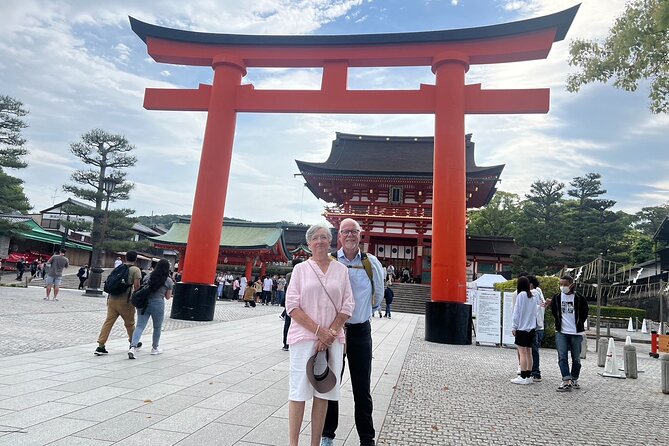
Stop 1, Fushimi Inari-taisha: gates, atmosphere, and an easier walk
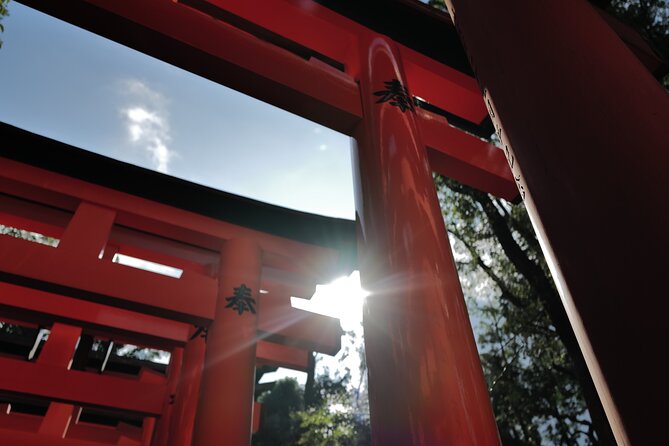
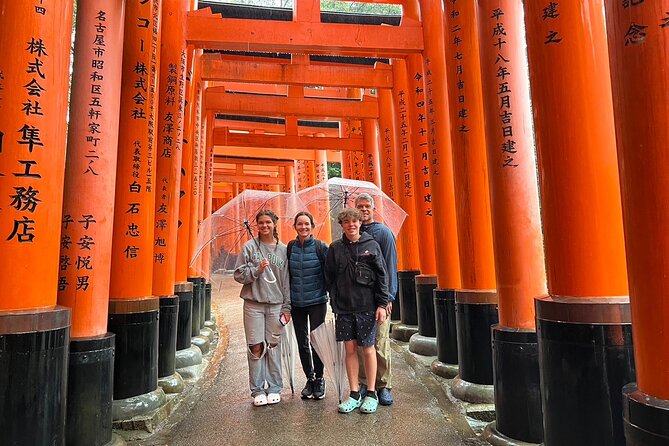
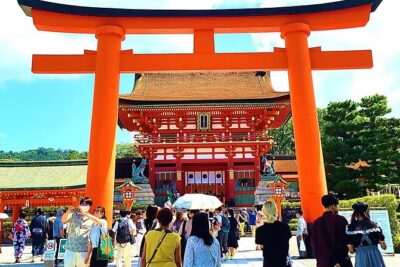
Fushimi Inari-taisha is the iconic shrine with thousands of red torii gates. In the morning, the gates feel more like a slow wandering path than a crowded landmark you’re trying to escape.
You get about an hour here, and that timing is meaningful. One hour is enough to walk into the shrine’s gate corridors, look for visual layers (gates repeating into distance), and then step back out for the viewpoint moments without feeling like you’re only ticking boxes.
Also, you’ll get context from your guide. Many of the feedback highlights mention guides bringing the stories and history to life, which changes how you experience a place like this. Instead of seeing a famous photo spot, you start noticing patterns, layout choices, and the way people move through the area.
One more practical upside: in the early morning, you have a better chance to take photos with fewer pedestrians blocking your lines. That matters here because so many shots depend on depth and repetition, not just a single front-on view.
Arashiyama Bamboo Grove: calm photos and a morning mindset
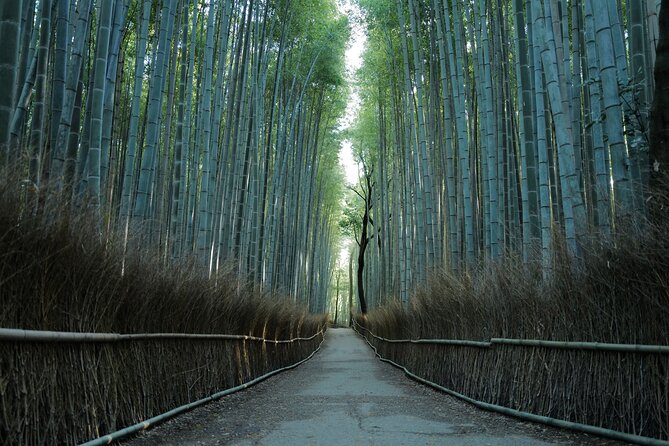
Next you’ll head to Arashiyama, where the Bamboo Grove is the headline. You get around an hour there, and since the grove is outdoors, the mood swings depending on weather and foot traffic. Morning timing usually makes it feel more serene, like the bamboo is performing in a quieter room.
This stop is also a photography test. When there are fewer people, it’s easier to get the straight-line perspective down the bamboo stalks. It’s also easier to move without constantly stepping aside, especially if you’re trying to find the best angles.
You’ll likely want to bring patience with wind and sound too. Bamboo creates a gentle rustling effect, and in a calm crowd, the sound adds to the atmosphere. If it’s breezy, it can also help with the visual sway that makes the grove feel alive in photos.
A small but helpful bonus from the tour experience is that you may have some breathing room after the bamboo portion. That matters because Arashiyama is more than one destination. Even if your time is limited, having a short buffer helps you regroup before the Golden Pavilion.
Kinkaku-ji (Golden Pavilion): the finish, the fee, and the payoff
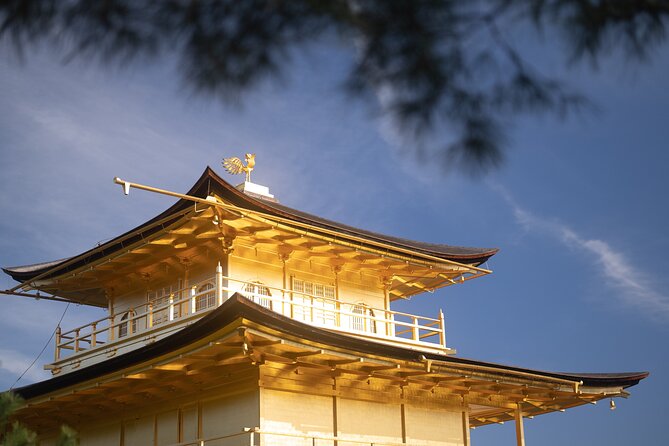
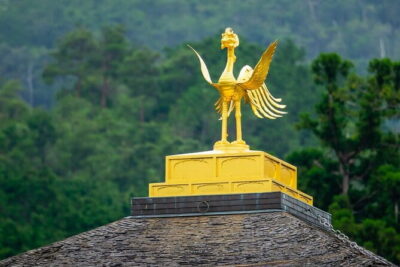
Kinkaku-ji is the Golden Pavilion, and it’s one of Kyoto’s most recognizable temple scenes. You’ll spend about an hour here, which is a solid amount of time for photos plus a real look at the building and grounds.
Here’s the cost consideration. The Kinkaku-ji entrance fee is not included, and it’s listed as 500 yen per person. If you’re doing the math, you’ll want to add this to the tour price, plus the public transport fare.
Despite that extra fee, this stop is often the “worth it” moment for first-timers. The pavilion is visually strong even in morning light, and the early timing can help you avoid the feeling of being pushed by crowd flow.
Also, finishing the day with a major highlight gives you a confident landing. By the time you’re done, you’ll likely feel like you’ve seen the Kyoto that appears on postcards, without losing your entire day to logistics.
Guide quality: what the English-speaking support really does for you
An English-speaking guide is more than a translation layer here. It changes how you understand each stop and how smoothly you move between them.
From the tour feedback, a pattern shows up: guides were praised for clear storytelling and for practical help. Names that came up again and again include Haruki and Akira for history and navigation support, Aya and Arisa for making sites feel personal and explaining background clearly, and Genki and Karin for helping people feel comfortable moving via train and bus.
You’ll also benefit from a guide who can read your group pace. Several comments highlight that guides were patient with different ages and that the day stayed efficient without feeling rushed. That’s especially helpful when you have kids, or if your group includes one person who walks fast and another who needs frequent photo stops.
Finally, good guides help you ask better questions. Instead of just staring at a gate wall or pavilion surface, you learn what details to notice, then your afternoon sightseeing becomes easier because you’ll recognize patterns you previously would have missed.
Timing, walking level, and what to wear so the morning feels good
This is a 5-6 hour tour, including travel time, and it’s designed for moderate physical fitness. That’s a polite way of saying you should expect walking, plus some stairs or uneven ground around shrine and temple areas.
Plan for comfort. Wear shoes you can stand in for a while, and consider layers because mornings in Kyoto can feel cooler than mid-day. If you’re photo-heavy, a small day bag that you can keep hands-free also helps, since you’ll likely be moving and stopping often.
Food and drinks are not included. I suggest you eat before the tour if you can, or at least plan a snack for later. That keeps you from needing to hunt for something when you’re in the middle of moving between stops.
Also, keep the “early morning rhythm” in mind. Starting early helps with crowds, but you’ll likely feel the length more if you show up underfed or underdressed.
Weather reality: the tour needs good conditions
The tour is listed as requiring good weather. That matters in Japan because rain can change both travel comfort and how enjoyable outdoor sights feel.
If it’s canceled due to poor weather, you’ll be offered a different date or a full refund. That kind of flexibility is important for a Kyoto morning, because umbrellas and wet pavement can make walking less enjoyable, and some photo plans become harder in low visibility.
So check the forecast the night before, and if rain is likely, go with shoes that grip well and clothes you don’t mind getting a little damp.
Value for $68.98: what you’re paying for beyond the tickets
The tour price is $68.98 per person, and it’s not just covering three famous stops. You’re paying for the structure: early timing, an English-speaking guide, and help with getting between areas using public transit.
What you should account for separately:
- Public transportation fare, estimated at about 1240 yen
- Kinkaku-ji entrance fee of 500 yen per person
- Food and drinks
When you add those, the total out-of-pocket rises, but the value still makes sense for many people. You’re effectively buying convenience and confidence. Instead of mapping a route across Kyoto before you even learn the transit system, you get guided movement and context.
This is also where the small group size plays into value. With up to 8 travelers, the tour often feels more personal than bigger group buses where questions get lost and pacing is fixed.
If you’re the kind of traveler who likes to understand what you’re seeing and wants a calmer morning to set your Kyoto tone, this tends to feel like good use of time.
Should you book this Kyoto early morning tour
Book it if you want a low-stress first taste of Kyoto’s biggest hits, without spending your morning building a route. The early start is the key benefit, and the small group size makes the day feel flexible enough to enjoy, not just complete.
This tour also fits well if:
- you’re short on time in Kyoto and want a clear highlights path
- you prefer public transit with help the first day
- you want an English-speaking guide to explain what you’re seeing
- your group includes kids or mixed ages and you want a pace that can bend
Skip it, or at least reconsider, if you hate walking, if you strongly dislike paying extra for entrance fees and transit on top of a tour price, or if your schedule won’t tolerate weather changes.
If you’re planning your Kyoto trip like a checklist, this tour will help you slow down. You’ll get the iconic sights, then you still have the afternoon left to explore on your own.
FAQ
How long is the Kyoto early morning tour?
The tour lasts about 5 to 6 hours, including travel time between stops.
How many people are in the group?
The group size is capped at a maximum of 8 travelers.
Is the guide English-speaking?
Yes, the tour includes an English-speaking guide.
Which attractions are included in the stops?
The tour visits Fushimi Inari-taisha Shrine, Arashiyama (including the Bamboo Grove), and Kinkaku-ji (Golden Pavilion).
Are entrance fees included for all stops?
Fushimi Inari-taisha Shrine admission is free. Arashiyama is listed as free. Kinkaku-ji entrance is not included and costs 500 yen per person.
Do I need to pay for public transportation during the tour?
Yes. Public transportation fare is not included, and the estimate provided is about 1240 yen.
Is the tour ticket mobile?
Yes, the tour includes a mobile ticket.
What fitness level do I need?
The tour notes a moderate physical fitness level. Expect walking during the morning.
What happens if the weather is bad?
The tour requires good weather. If it is canceled due to poor weather, you’ll be offered a different date or a full refund.
Can I cancel for free?
Yes. You can cancel up to 24 hours in advance of the experience start time for a full refund.
Newest Kyoto write-ups from the Loving Japan desk

Morning, side by side.
 ★ 4.9Early Morning Tour with English-Speaking GuideFrom $1011,128 reviews
 ★ 4.9World Heritage Shirakawa-go Morning Guided TourFrom $77988 reviews
 ★ 5.0Nara Early Morning Tour (Kyoto or Osaka Departure Available)From $61676 reviews
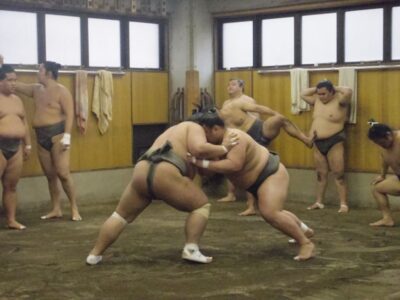 ★ 4.8Sumo Morning Practice Viewing TourFrom $81570 reviews
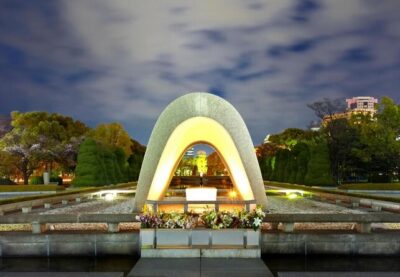 ★ 5.0Hiroshima in a Nutshell: Morning Bike AdventureFrom $72524 reviews
 ★ 4.4Sumo Morning Training VisitFrom $77370 reviews
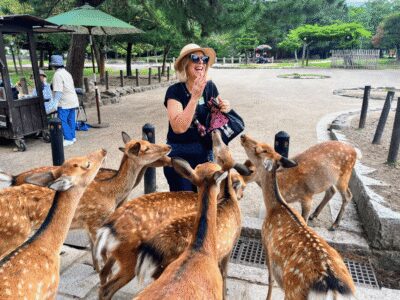 ★ 4.6From Kyoto: Nara Guided Morning TourFrom $77335 reviews
 ★ 4.8Sumo Morning Practice Tour at Sumida CityFrom $116308 reviews