
REVIEW · HIROSHIMA AND MIYAJIMA DAY TRIPS
From Hiroshima: Miyajima Island Day Trip with Ropeway Ride
Two religions, one tidal island. Miyajima is a place where Shinto drama meets Buddhist calm, all on an island you can reach in a day from Hiroshima, and it’s planned so you actually get the best moments. You’ll go from shrine gates to temple statues, then up to Mt. Misen for wide-open views.
I love two parts of this tour. First, the small-group format (limited to 15) helps your day move without feeling like a cattle line, and guides like Simarjeet, Shimar, and Isabella are praised for smart pacing and keeping people flowing. Second, the ropeway gives you the big island panorama without making the whole day a grind.
One consideration: this is still a walking day, and the option to hike to the Mt. Misen summit is described as steep and arduous. Add the weather factor, and you’ll want solid shoes, especially in summer heat or winter cold.
In This Review
- Key Things I’d Prioritize
- Miyajima in a Day: Why This Trip Works
- Hiroshima Station Meetup: Find the Guide Fast
- Ferry Crossing and the Senjokaku Pavilion Stop
- Itsukushima Shrine and the O-torii Gate, Plus the Tide Plan
- Daisho-in Temple: Where the Walk Gets More Interesting
- Omotesando Shopping Street: Lunch and Souvenirs Without the Rush
- Mt. Misen by Ropeway: Best Views Per Minute
- The Summit Decision: Shoes, Heat, and Reality Checks
- Riding the Ropeway Down and Heading Back to Hiroshima
- Price and Value: Is $180 Worth It?
- Who This Tour Suits Best, and Who Should Skip It
- Should You Book This Miyajima Day Trip?
- FAQ
- How long is the Miyajima Island day trip?
- Where do we meet in Hiroshima?
- What transportation is included to and from Miyajima?
- What is included in the price, and what is not?
- Is lunch provided?
- Do I need to buy ropeway tickets separately?
- Will we see the O-torii gate at low tide?
- Is there a hike on Mt. Misen?
- What should I wear for the tour?
Key Things I’d Prioritize
- Tide timing for the O-torii gate: your guide schedules the walk so you’re in the right moment for low tide views.
- Senjokaku Pavilion’s unfinished story: an odd, memorable stop that makes the religious landscape feel real.
- Itsukushima Shrine architecture and meaning: you’ll get context for the “floating shrine” look and what you’re seeing.
- Daisho-in Temple statues at close range: Buddhist figures appear throughout the grounds, not just in one photo spot.
- Ropeway-to-Mt. Misen views with choices: stay near Shishiiwa Observatory or push up to the summit for a clearer view.
- About two hours on Omotesando: enough time to eat and shop without rushing.
Pairing the city with Miyajima. Other itineraries
- Peaceful Hiroshima & Miyajima UNESCO 1 Day Bus Tour
★ 5.0 · 5,309 reviews - Hiroshima: Hiroshima and Miyajima UNESCO Sites 1-Day Tour
★ 4.9 · 2,330 reviews - Hiroshima / Miyajima Full-day Private Tour with Government Licensed Guide
★ 5.0 · 1,298 reviews - Hiroshima Historical Walking Tour – Why A-Bomb was Dropped
★ 4.8 · 893 reviews
Miyajima in a Day: Why This Trip Works
Miyajima is famous for a reason, but the real trick is getting the timing right. From Hiroshima, you can reach the island by train plus ferry, and the full day structure means you’re not spending your trip stuck in transit or chasing closures.
You’ll also get a nice mix of “big iconic moment” plus “slow walking and atmosphere.” You’re going to see the famous O-torii gate, then shift into temple grounds like Daisho-in where the spiritual vibe is calmer and more human-scale. The day ends back in Hiroshima, which is a huge plus when you want this experience without the hassle of changing hotels.
Hiroshima Station Meetup: Find the Guide Fast
Meet-up is under the Tourist Information sign outside the Shinkansen gates. If you arrive by Shinkansen, the sign is directly to your left as you exit the gates. If you come in on JR lines, follow the signs for the Shinkansen gates on the same floor.
A practical tip: the station is under heavy construction, and it can feel disorienting. Arrive a bit early and look for the guide holding a SNOW MONKEY RESORTS tour sign. That one detail can save you stress before the island magic even starts.
Ferry Crossing and the Senjokaku Pavilion Stop
You’ll travel from Hiroshima by train and ferry, with the guide helping set context as you go. That helps, because Miyajima isn’t just scenery. It’s a place where Shinto practices and Buddhist sites overlap around the same natural landmark.
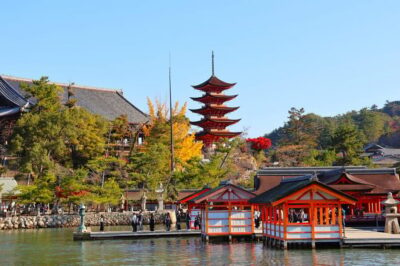
The first major religious highlight is Senjokaku Pavilion. This is the shrine whose construction was never completed and remains unfinished today. I like this stop because it breaks the “perfect photo” pattern. Instead of only smooth, finished beauty, you get something more honest and slightly eerie, and your guide will connect it to the island’s cultural and historical side.
- Hiroshima in a Nutshell: Morning Bike Adventure★ 5.0 · 524 reviews
- Hiroshima City 4hr Private Walking Tour with Licensed Guide★ 5.0 · 437 reviews
- From Hiroshima: Hiroshima & Miyajima 1 Day Tour with Lunch★ 4.7 · 395 reviews
- Japanesel Archery Experience HIROSHIMA CASTLE SHARAKU★ 5.0 · 387 reviews
- Hiroshima and Miyajima Day Trip with Itsukushima Shrine & Ferry★ 5.0 · 378 reviews
Itsukushima Shrine and the O-torii Gate, Plus the Tide Plan
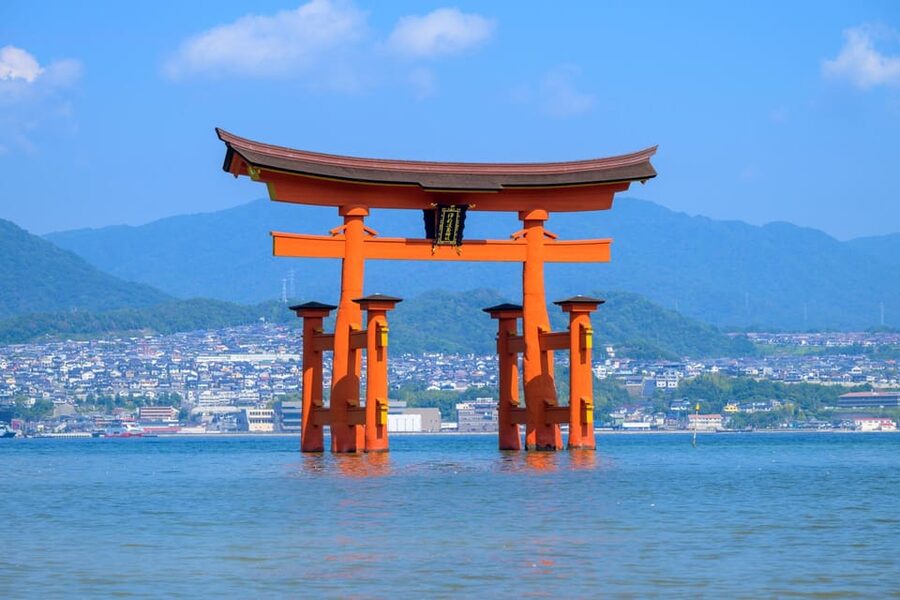
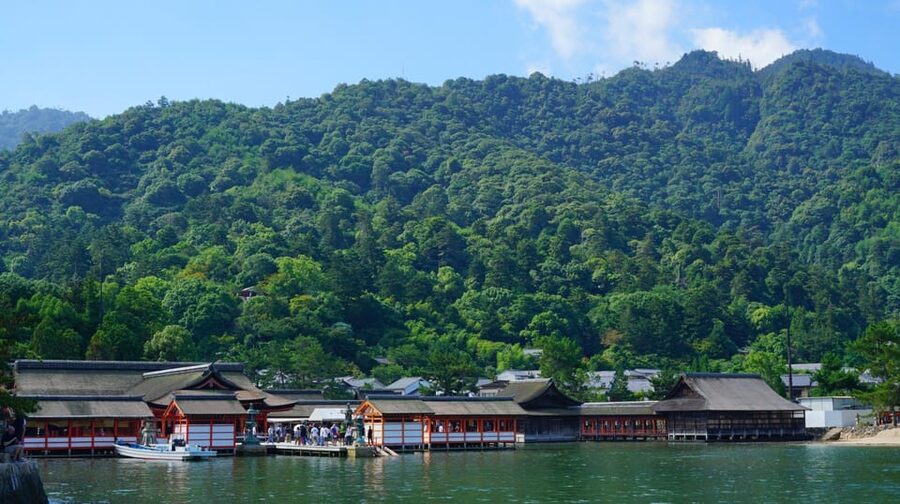
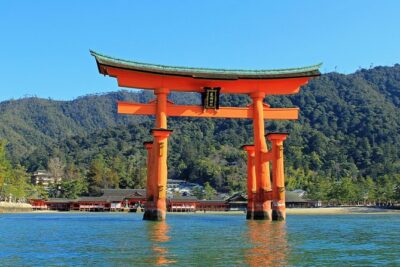
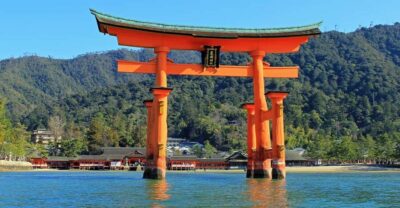
Itsukushima Shrine is the headline. The area is tied to Shintoism, and your guide will explain the religion and history behind what you’re seeing. Then you’ll walk through the shrine grounds and get to observe the architecture people call the floating shrine, plus the famous O-torii gate set out in the Seto Inland Sea.
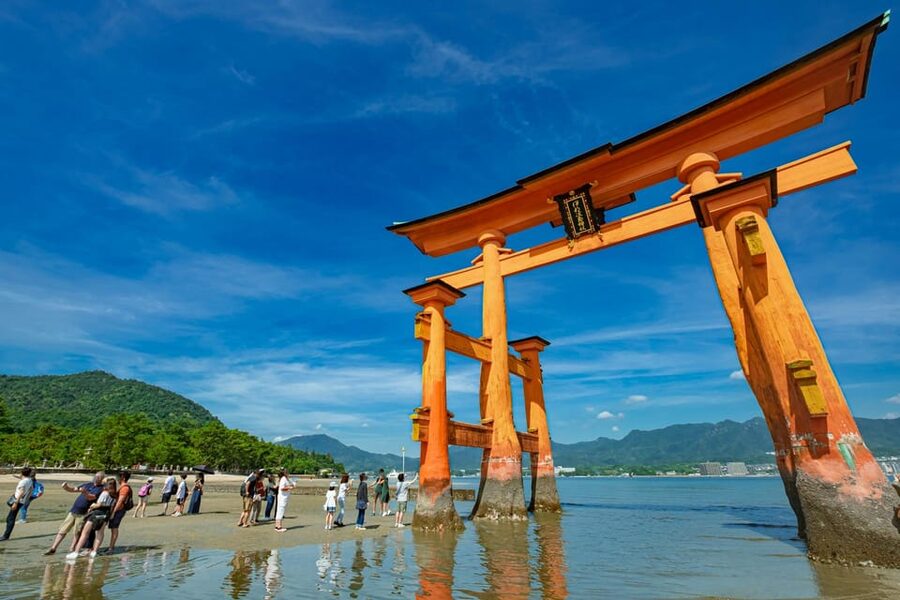
Here’s the smart part: your tour guide tries to schedule the walk to the O-torii gate at the most appropriate time for low tide. The tour notes that tide timing can vary from day to day, so your guide will do their best to time it. I’d treat this as your “control the variables” moment, because a low-tide look makes the gate feel even more dramatic, like it’s grounded and revealed rather than only silhouetted.
If you care about photos, this is where your guide’s planning matters most. Some guides are especially praised for getting people to the right place without making you wait around. You’re not just hoping for the tide, you’re letting local timing do the work.
Daisho-in Temple: Where the Walk Gets More Interesting
After Itsukushima, you’ll head to Daisho-in temple. It’s described as a prestigious Shingon Buddhist temple, and it’s not too far from Itsukushima Shrine, so you stay in the same island rhythm instead of losing time.
What I like about Daisho-in is that it doesn’t feel like one stop. Throughout the grounds, you’ll see a variety of Buddhist figures and statues that greet you as you move. That makes your walk feel like a series of small discoveries rather than a single check-the-box photo moment.
Even if you’re not a temple superfan, this part adds texture. You shift from Shinto structure and scenery into Buddhist symbolism you can actually see in detail. And because the guide is with you, the difference in meaning between sites becomes easier to understand on the spot.
Omotesando Shopping Street: Lunch and Souvenirs Without the Rush
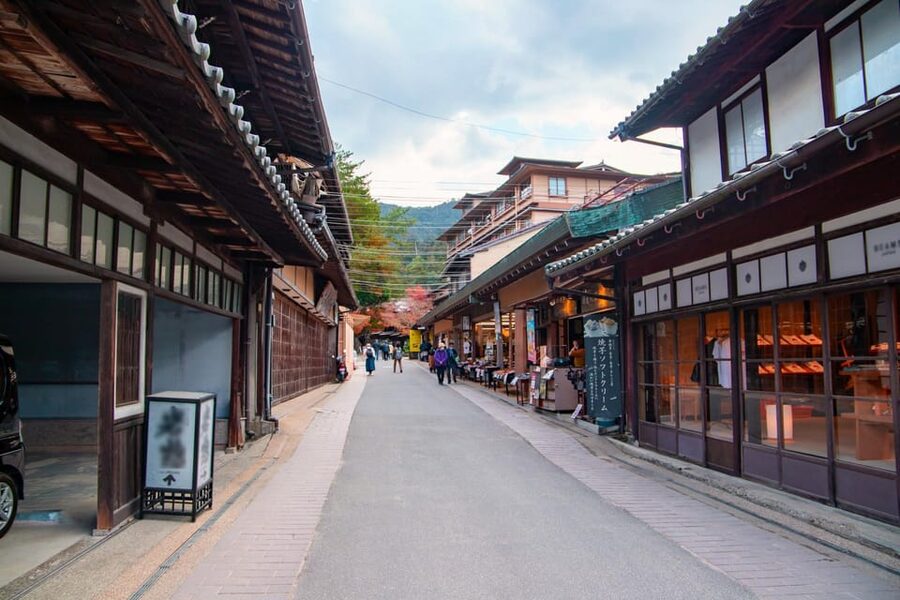
Next comes Omotesando Shopping Street, with about two hours of free time. This is your practical reset. You can grab lunch, browse shops, and pick up souvenirs or small gifts without feeling like you’re being herded every five minutes.
Lunch is not included, so you’re choosing what fits your appetite and budget. I like this flexibility because Miyajima food can range from casual bites to sit-down meals, and you can decide based on what looks good that day.
If you want a smooth day, use this time intentionally. Pick one main snack or meal you’re excited about, then save your souvenir shopping for the part where you feel relaxed rather than rushed. You’ll likely get another chance for last-minute buys later near the pier, so you don’t need to do everything at once.
Mt. Misen by Ropeway: Best Views Per Minute
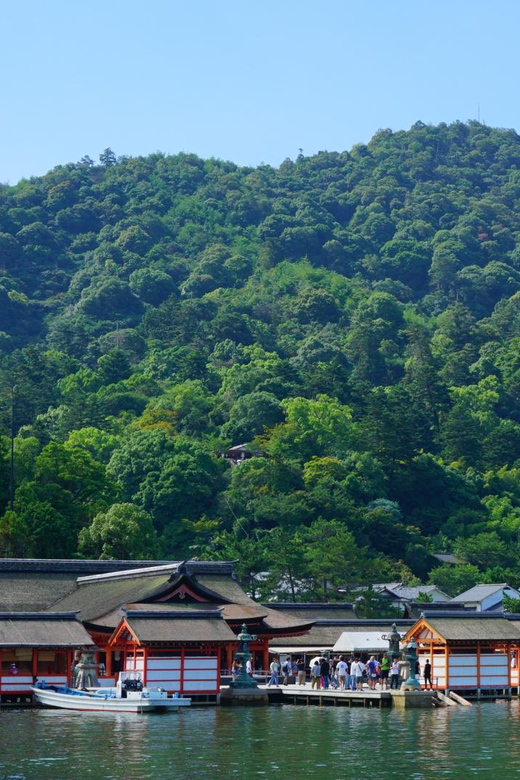
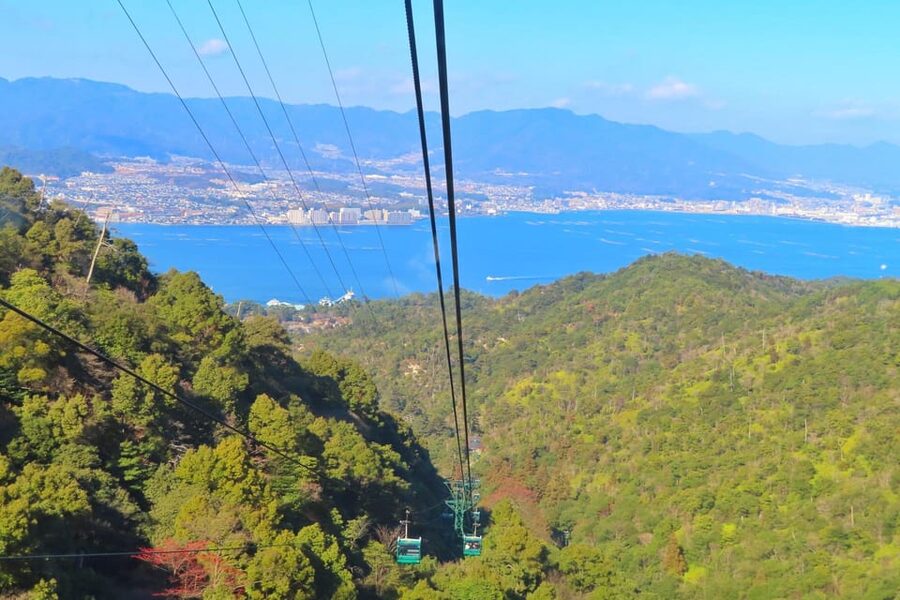
The final big destination is Mount Misen, the highest point of Miyajima. First you’ll ride the Miyajima Ropeway all the way to the top area for panoramic views. Riding in the cabin also means you get aerial island views as you rise, which changes the whole feel of the trip from “walking around” to “seeing the whole place.”
Once you arrive, you have options. You can stay behind at the Shishiiwa Observatory next to the ropeway station. Or, you can hike to the Mt. Misen Observatory at the summit. The hike is described as steep and arduous, so this isn’t the casual stroll version.
I think the choice matters because it matches different energy levels. If you want maximum scenery with less effort, Shishiiwa gives you something special without the summit commitment. If you want the clearest, no-obstruction viewpoint and you’re okay with effort, go for the summit hike. Your guide will be there to keep the day on track and help you choose a pace that feels manageable.
The Summit Decision: Shoes, Heat, and Reality Checks
If you plan to join the hike to the summit, the tour specifically recommends close-toed shoes like sneakers and comfortable clothes. That makes sense, because steep routes punish flimsy footwear fast.
Weather is also part of your planning. In summer, highs can hit around 32 C (90 F) and above with extreme humidity, so wear something light and protect your skin from sunburn and heatstroke. In winter, averages run about 1 C to 10 C (34 F to 50 F), so warm clothing and footwear matter.
I’d bring this mindset: ropeway takes care of vertical travel, but your legs handle the last steps. You’ll enjoy the views more if you don’t start the hike already overheating or underdressed.
Riding the Ropeway Down and Heading Back to Hiroshima
After the Mt. Misen portion, you’ll take the ropeway back down. Then you’ll return to the pier, with opportunities for last-minute souvenir purchases and more photos.
The tour ends with the ferry back to the mainland and one last train ride, finishing at Hiroshima Station. That end-to-end routing is part of the value. You don’t have to figure out the timing while tired, and you get to focus on enjoying the day rather than running logistics in the background.
Price and Value: Is $180 Worth It?
At $180 per person for a 9-hour day trip, you’re paying for more than just sightseeing. Here’s what you’re actually getting value from based on the included items:
- An English-speaking guide who explains what you’re seeing and helps manage the day flow
- Entry fees at all tour locations
- Ropeway tickets
- Transportation to and from Miyajima by ferry and train
If you tried to DIY it, you’d likely spend similar money when you add ropeway costs, shrine and temple admissions, and then your time and effort to coordinate ferry schedules, entrance locations, and tide timing. Paying for a guide is also how you get the context, like Shintoism explanations at Itsukushima and the meaning behind stops like Senjokaku.
The small-group cap (15 people) also matters. It’s easier for a guide to keep everyone moving, and several guides featured in the feedback are praised for no-stall planning. In a place where timing can make or break the experience, that kind of planning is worth something.
Who This Tour Suits Best, and Who Should Skip It
This is a strong match if you want a day that’s structured but not rushed, and you like learning what each site means. You’ll get Shinto context at Itsukushima, Buddhist context at Daisho-in, and island culture throughout the day.
You should also be comfortable with walking. You’ll be on your feet for multiple stops, and the summit hike option is steep and arduous. If that sounds like too much, you can still enjoy Mt. Misen from the ropeway area at Shishiiwa Observatory.
It’s not suitable for wheelchair users, so if mobility access is a concern, look for a different option that specifically supports your needs.
Should You Book This Miyajima Day Trip?
If you’re in Hiroshima and you want Miyajima without turning your day into a logistics project, I think this is a smart booking. The combination of ferry and train routing, included ropeway tickets, entry fees, and an English guide keeps you from wasting hours figuring things out. And the biggest flex here is tide timing for the O-torii gate, where planning can change the whole visual payoff.
Book this if:
- You want iconic Miyajima plus temple depth, not just one photo stop
- You care about learning what you’re looking at
- You’re okay with a full day (9 hours) and a fair amount of walking
Consider skipping or choosing a lighter alternative if:
- You’re not up for a steep summit hike, even though there’s an easier nearby viewing option
- You need wheelchair accessibility
- Your schedule is tight and you can’t spare a full day
If you can handle the walking and you want tide-timed shrine photos plus Mt. Misen views, this day trip is built for exactly that.
FAQ
How long is the Miyajima Island day trip?
The tour lasts 9 hours.
Where do we meet in Hiroshima?
You meet under the Tourist Information sign outside the Shinkansen gates.
What transportation is included to and from Miyajima?
Transportation to and from Miyajima is included by ferry and train.
What is included in the price, and what is not?
Included are an English-speaking guide, entry fees at all tour locations, ropeway tickets, and transportation to and from Miyajima. Not included are lunch, accommodation, transportation to meet-up point, and personal expenses.
Is lunch provided?
No, lunch is not included.
Do I need to buy ropeway tickets separately?
No. Ropeway tickets are included.
Will we see the O-torii gate at low tide?
A guided walk to the O-torii gate during low tide is part of the experience, but timing depends on tide variations. Your guide will schedule it at the most appropriate moment.
Is there a hike on Mt. Misen?
Yes, there is an optional hike to the Mt. Misen Observatory at the summit. It is described as steep and arduous. You can also stay at the Shishiiwa Observatory next to the ropeway station instead.
What should I wear for the tour?
Wear easy-to-walk-in shoes and comfortable clothes. If you hike to the summit, close-toed shoes like sneakers are recommended. Summer can be very hot and humid, and winter can be cold, so dress for the season.
Hiroshima and Miyajima Together
Newest Hiroshima write-ups from the Loving Japan desk

Hiroshima and Miyajima Day Trips, side by side.
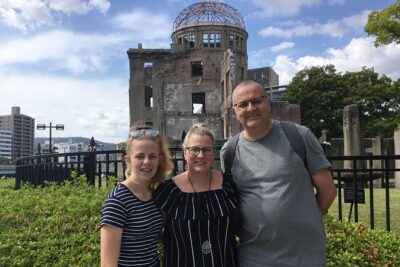
 ★ 5.0Peaceful Hiroshima & Miyajima UNESCO 1 Day Bus TourFrom $1295,309 reviews
 ★ 4.9Hiroshima and Miyajima UNESCO Sites 1-Day TourFrom $1222,330 reviews
 ★ 5.0Hiroshima / Miyajima Full-day Private Tour with Government Licensed GuideFrom $2021,298 reviews
 ★ 4.7Osaka/Kyoto: Hiroshima Miyajima Bus Tour & Shinkansen TicketFrom $277919 reviews
 ★ 4.8Hiroshima Historical Walking Tour – Why A-Bomb was DroppedFrom $35893 reviews
 ★ 5.0Hiroshima Peace (Heiwa) Walking Tour at World Heritage SitesFrom $94872 reviews
 ★ 5.0Hiroshima in a Nutshell: Morning Bike AdventureFrom $72524 reviews
 ★ 5.0Hiroshima City 4hr Private Walking Tour with Licensed GuideFrom $122437 reviews
Filed on these lists too