
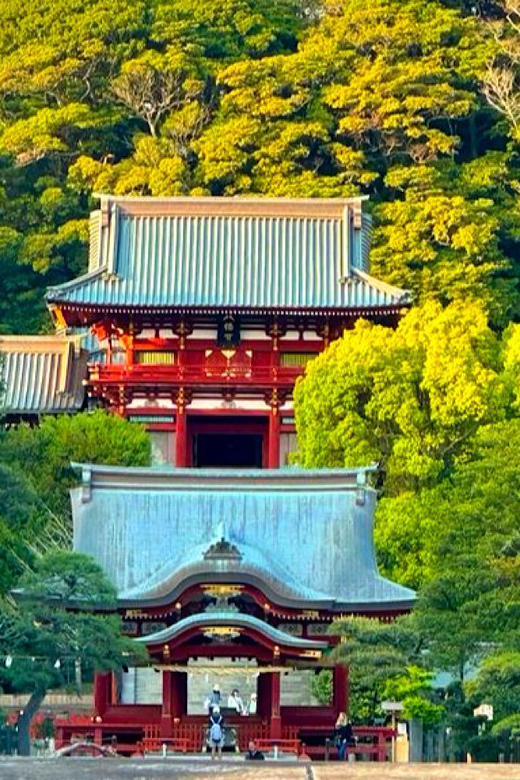
REVIEW · KAMAKURA, THE GREAT BUDDHA AND ENOSHIMA
From Tokyo: Kamakura and Enoshima Full-Day Private Trip
Kamakura and Enoshima make a perfect break from Tokyo. This private day trip gives you easy logistics and a tight route through the sights that define the area. I especially like that the guide keeps the day flowing with clear explanations and practical help, not just a checklist.
Two things I like a lot are the Great Buddha visit at Kōtoku-in and the mix of temple atmosphere plus ocean views on Enoshima. In real-world terms, you get big iconic moments, then you also get the quiet, scenic texture that makes Kamakura feel different from the capital.
One drawback to plan around is the pace and walking. It is a 10-hour day, and temples and island areas involve steps and uneven ground, plus you can expect your pickup to run up to about 30 minutes late due to traffic.
In This Review
- Key highlights you should know before you go
- Price and value for a private group (up to 5 people)
- How the day runs from Tokyo, and why timing matters
- Kōtoku-in and the Great Buddha: the iconic start that sets the tone
- Hase-dera: gardens, views, and a slower tempo
- Hokokuji bamboo forest: the 1-hour reset for your camera and your mood
- Tsurugaoka Hachimangu: shrine setting with a natural backdrop
- Enoshima island: shopping, sightseeing, and ocean views that close the loop
- Optional add-ons your guide may fit in
- Walking, shoes, and what to pack for a smooth 10-hour day
- Guides and communication: where this tour wins or loses
- Who this private Kamakura and Enoshima tour is best for
- Should you book this private trip?
- FAQ
- What time does pickup happen in Tokyo?
- How long is the trip?
- Is hotel pickup and drop-off included?
- Is lunch included?
- What entry fees should I plan for?
- What sites are part of the day?
- Is the guide available in English?
- Is this tour private and wheelchair accessible?
- Can I smoke during the tour?
Key highlights you should know before you go
- Private door-to-door Tokyo pickup (Tokyo 23 wards) lets you skip train wrangling
- A focused Kamakura route with Kōtoku-in, Hase-dera, Hokokuji bamboo, and Tsurugaoka Hachimangu
- Enoshima time for shopping and sightseeing with ocean scenery built into the plan
- English-speaking guides who explain things clearly, including guide aids like charts
- Extra options when time allows, such as Engaku-ji or short scenic hiking routes
- Admission fees and lunch are not included, so budget for those early
Coast and temples south of Tokyo, compared
- Tokyo: Mt. Fuji, Kamakura, Big Buddha, & Lake Ashi Day Trip
★ 4.5 · 867 reviews - Tokyo:Sea of Mount Fuji, Hakone Ropeway, Ōwakudani, Enoshima
★ 4.9 · 84 reviews - Kamakura 8 hr Private Walking Tour with Licensed Guide from Tokyo
★ 5.0 · 80 reviews - Tokyo: Kamakura & Enoshima Day Tour with Pickup & Train Ride
★ 4.1 · 61 reviews
Price and value for a private group (up to 5 people)
At $451 per group (up to 5), this is priced for shared value. The math is simple: if you fill the full group size, your per-person cost drops a lot compared with paying for individual tours. Even if you do not max out the seats, the price can still feel fair because you are getting hotel pickup and drop-off, a driver with an air-conditioned vehicle, and an English-speaking guide for the whole day.
What you should watch is that lunch and most major temple admissions are not included. The trip specifically flags entry fees for Kotoku-in (about ¥300), Hokokuji Temple (about ¥300), and Hase-dera (about ¥400). Add in your own lunch choice, and you will be set.
So, yes, it costs money. But the question is whether you want a stress-free day where someone else handles timing and route decisions. If that sounds like your kind of vacation, this format tends to pay off.
How the day runs from Tokyo, and why timing matters
The tour is listed as a full day at 10 hours, starting with pickup in Tokyo at 8:30 AM (Tokyo 23 wards). The operator notes that traffic can push pickup by about 30 minutes later, which is common for cross-city driving.
This matters because Kamakura and Enoshima can get busy. Starting early (even with a possible slight delay) helps you see the big sights at a reasonable pace instead of arriving at peak crowds with a tired brain.
Also, this is a private group. That means your guide can adjust how long you linger for photos, how quickly you move between stops, and when you take a short break. One review mentioned that the guide helped keep walking less than expected and parked close to sights, which is exactly the kind of small comfort that makes a long day feel manageable.
Kōtoku-in and the Great Buddha: the iconic start that sets the tone
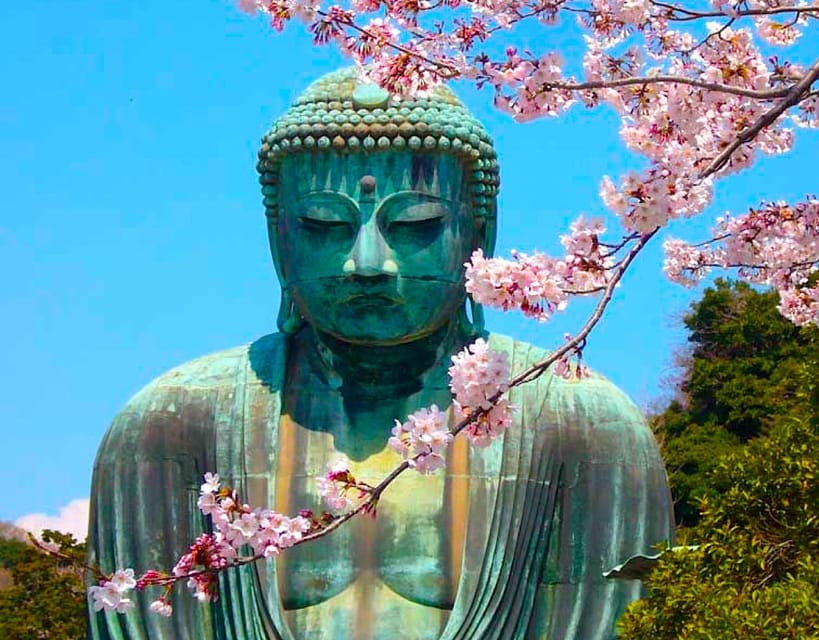
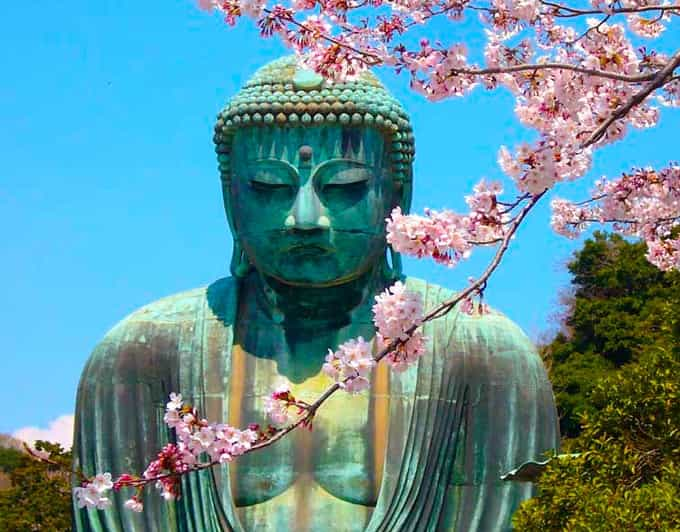
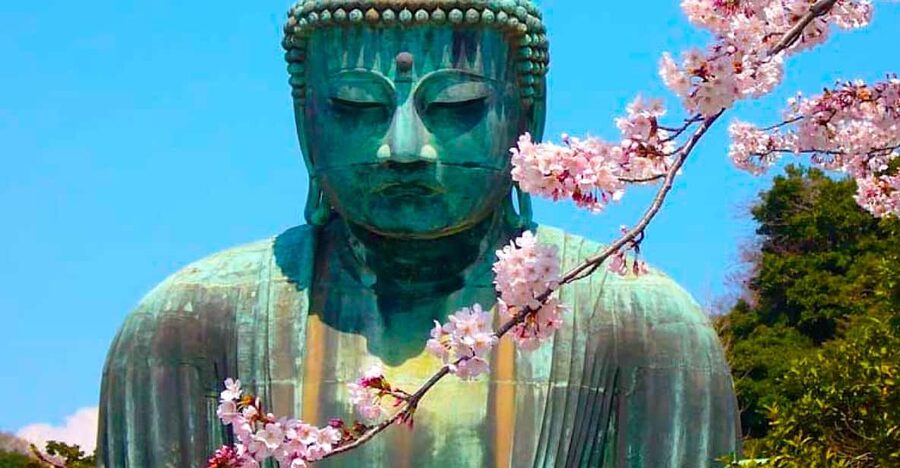
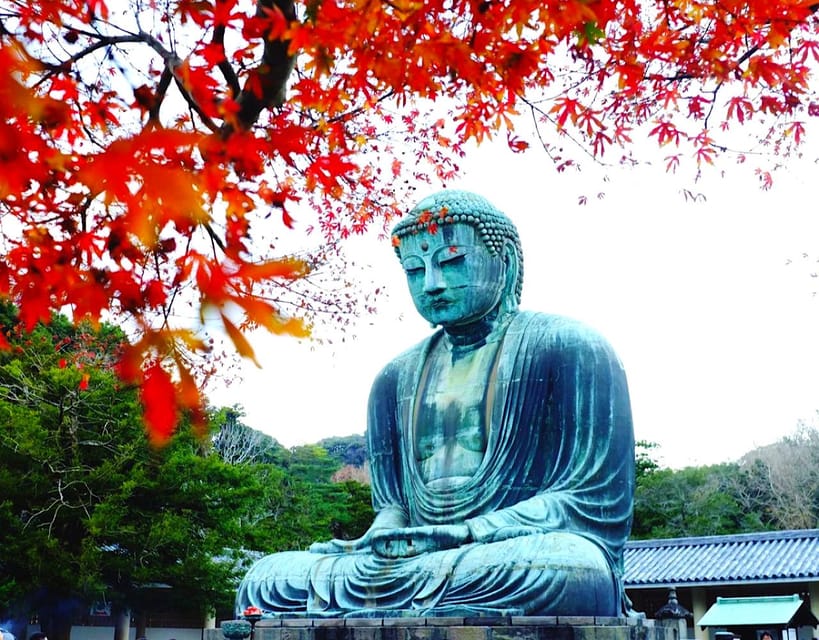
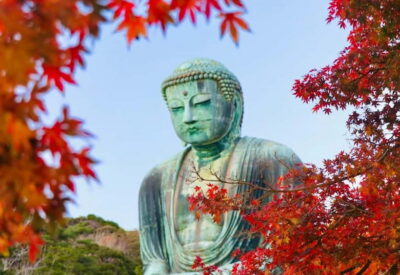
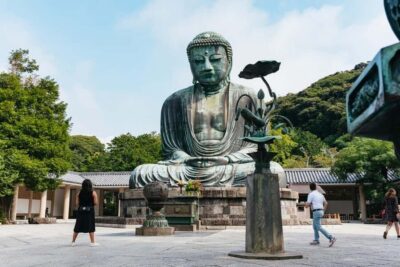
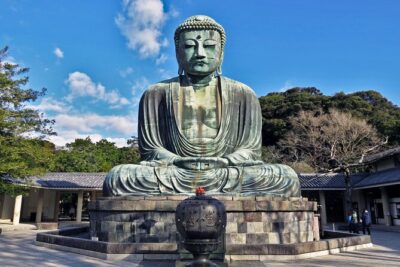
The day begins with Kōtoku-in, home to the Great Buddha of Kamakura (Daibutsu). This is the big “you are here” moment. Even if you have seen photos, the scale lands differently in person. The bronze statue is a visual anchor for the entire region, and your guide’s explanations are what turn a picture into context.
What I like about starting here is that it gives your brain a reference point. After you see the Great Buddha, it becomes easier to notice how Kamakura’s temples and spiritual spaces connect across different eras.
Practical considerations:
- Bring water and sunscreen. You will be walking and standing around.
- Expect a photo moment, but also plan time for the surrounding temple space, not just the statue itself.
- There is an admission fee for Kotoku-in, so keep a little cash or a card ready.
If you care about understanding what you are looking at, this is where you get value early. One guide (Shoan) was singled out for being friendly and very knowledgeable, with stories that made the Great Buddha and the nearby temples feel like more than landmarks.
- Mt Fuji and Hakone 1-Day Bus Tour Return by Bullet Train★ 5.0 · 26,383 reviews
- 1-Day Tokyo Bus Tour★ 5.0 · 14,250 reviews
- Tokyo: teamLab Planets TOKYO Digital Art Museum Entry Ticket★ 4.6 · 9,779 reviews
- Mt Fuji & Hakone Cruise, Drum Show Bullet Train 1 Day from Tokyo★ 4.0 · 7,413 reviews
- Tokyo Mt Fuji 5th St & Hakone Cruise Bus Tour w/Bullet Train★ 4.4 · 5,024 reviews
Hase-dera: gardens, views, and a slower tempo
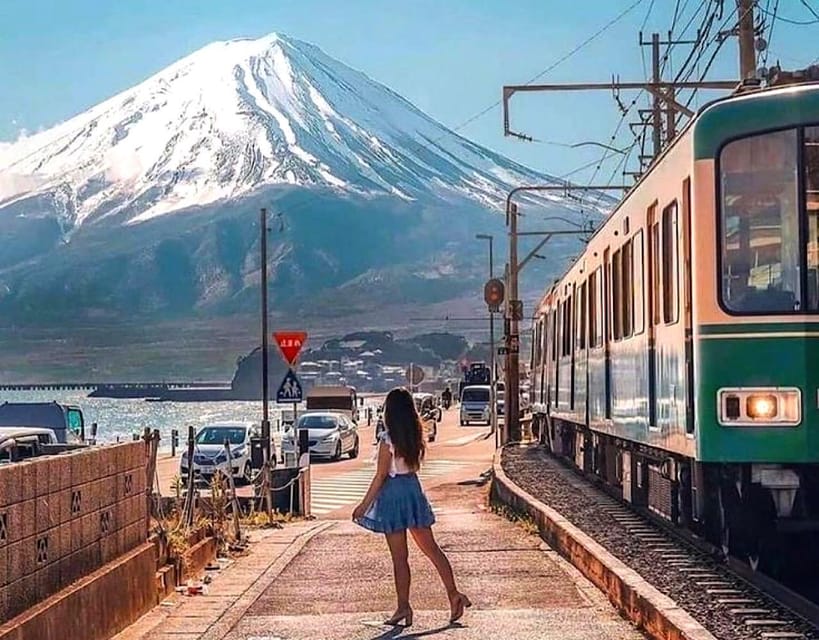
Next comes Hase-dera, a temple known for its gardens and views toward the coastline. This stop balances the day. After Kōtoku-in’s iconic statue energy, Hase-dera gives you a calmer, scenic pace.
Hase-dera is also a spot where your guide’s commentary helps. Instead of treating it as “walk and take photos,” you get the why behind the layout and what makes the views worthwhile.
A few things to keep in mind:
- This is another admission ticket location (about ¥400 noted).
- Wear shoes with grip. Temple grounds can be uneven, and there may be steps.
- If it is sunny, shade breaks and water matter.
The payoff is worth it if you enjoy viewpoints and walking through atmospheric gardens. One of the best patterns in this tour is that it does not only chase famous names. It mixes famous with scenic, which keeps the day feeling like a real outing instead of a conveyor belt.
Hokokuji bamboo forest: the 1-hour reset for your camera and your mood
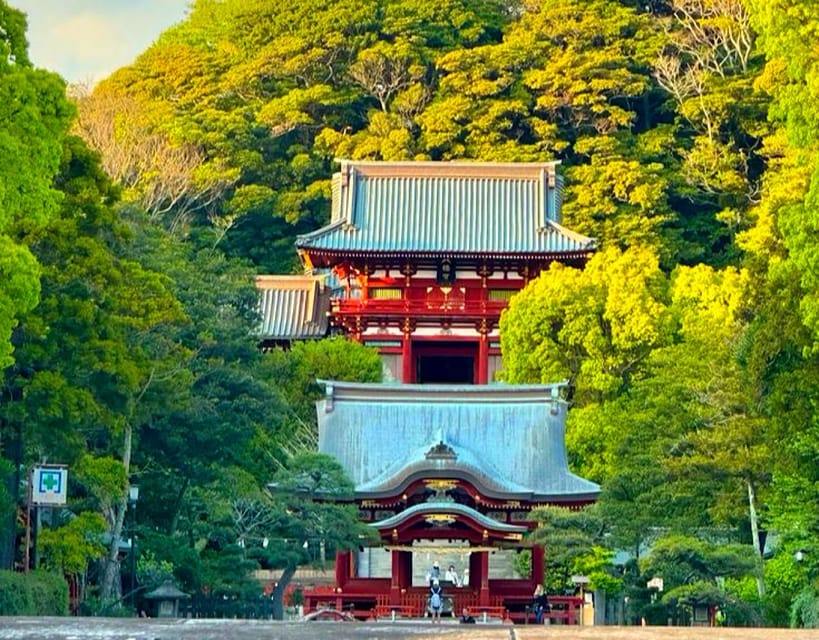
Then you head to the Hokokuji Bamboo Forest. A bamboo grove is one of those places where the atmosphere changes minute to minute as the light shifts and your angle changes.
This stop is listed as about one hour, which is usually enough time to take photos, walk the main path, and pause long enough to appreciate how quiet it can feel. You will not have to rush like you might if you were trying to chain train connections and last-minute tickets.
Practical note: there is an entry fee for this area (about ¥300 noted). And because bamboo forests can get slippery or uneven, your shoes matter. Bring something comfortable, not just stylish.
Also, even on a long day, one hour gives you a psychological reset. You move from statue and gardens into a different texture of scenery, and the day feels varied instead of repetitive.
Tsurugaoka Hachimangu: shrine setting with a natural backdrop
After bamboo, the route includes Tsurugaoka Hachimangu, a major Shinto shrine. Your time here is shorter (about 30 minutes), so it is more of a focused visit than a slow wander.
That shorter slot can be a benefit. It keeps the day from dragging, and it gives you room later for Enoshima. Tsurugaoka Hachimangu is surrounded by nature, so even in a limited time window, you still get that “shrine in a landscape” feeling rather than a purely urban stop.
If you like snapping photos of architecture with context, this is a good place to do it. Just do not plan to use this as your only shrine moment of the day. The timing is designed so you catch the highlights without losing momentum.
Enoshima island: shopping, sightseeing, and ocean views that close the loop
The day culminates at Enoshima, with about two hours for sightseeing and shopping. This is the part that tends to turn a historical temple day into something that feels like a day out.
Enoshima’s appeal is the combination: you get ocean scenery, viewpoint energy, and places to browse. One guide (Ali) was praised for taking people through scenic spots and recommending local food, plus helping with logistics so you are not spending your mental energy on navigation.
Two hours is a good window if you want:
- enough time to walk a bit and see a few signature views
- time to stop for snacks or browse shops without feeling trapped in a rushed schedule
- flexibility if your group includes kids or people who do not want only stairs and temples
If you are traveling as a family, this stop can do real work. One review specifically mentioned a 9-year-old staying engaged, and Enoshima is usually where that happens.
Optional add-ons your guide may fit in
The plan is structured, but there is room for a couple of “if time allows” moments. The tour information suggests the guide may add tranquil spots such as Engaku-ji Temple or scenic hiking trails with views.
This is one reason I like private touring. You are not locked into a single rigid script. If you feel energetic, you might get a quieter temple experience. If you are tired, you keep the day on track.
Just remember that additions depend on timing, crowd levels, and your group’s comfort.
Walking, shoes, and what to pack for a smooth 10-hour day
This is a 10-hour day with multiple stops, including temple areas and an island. You should plan for steady walking and some steps.
Pack like this:
- Comfortable shoes with grip
- A camera (you will want it)
- Sunscreen
- Water
If you are the type who gets sunburned easily, make sunscreen non-negotiable. If you are the type who gets cranky when you are tired, bring water and plan small pauses when your guide offers them.
Also note: smoking is not allowed.
Guides and communication: where this tour wins or loses
The reviews lean hard on guide quality, and that is the secret ingredient in a private day. A private guide is not just about facts. It is about pacing, clarity, and making you feel like you are part of the plan.
I saw a few strong patterns:
- Shoan was praised as professional, friendly, and very knowledgeable, with stories at the Great Buddha and temples.
- Shoan also helped with Enoshima by guiding scenic spots and even recommending good local food.
- Ali was credited with making sure walking was less than expected and parking close to sights, which can save a lot of energy on a long day.
- Timur was singled out for taking care of the group, and one review highlighted communication.
- Another guide used charts to make complex history easier to understand, which is a smart move if you like explanations.
If you want your trip to feel calm, these communication skills matter more than fancy wording. The best tours are the ones where you are never wondering what happens next.
Who this private Kamakura and Enoshima tour is best for
This tour fits best if you want:
- A one-day highlight route from Tokyo without the stress of trains, transfers, and ticket timing
- A guide who explains meaning, not just location
- A mix of temples and coastal scenery, with shopping time at Enoshima
It is especially attractive for small groups, couples, and families. The private format is also a strong option if someone in your group prefers not to navigate crowded areas alone.
It may be less ideal if you love building your own itinerary hour by hour, or if you want a very long, slow deep visit at each temple. Here, the value comes from seeing a lot with good pacing.
Should you book this private trip?
I think you should book if you match these boxes:
- You want a private guided day with pickup and drop-off from Tokyo.
- You want the Great Buddha, major temple stops, and Enoshima without turning your day into logistics.
- Your group includes people who will appreciate clear explanations and practical help.
I would pause before booking if:
- Your group has very limited mobility or cannot handle steps and uneven temple grounds, even though the tour is listed as wheelchair accessible.
- You prefer a slower, longer temple experience at a single site, because this route is designed to cover multiple highlights in one day.
If you want a straightforward, scenic day that feels organized and human, this is a very solid way to do Kamakura and Enoshima.
FAQ
What time does pickup happen in Tokyo?
Pickup is scheduled for 8:30 AM in the Tokyo 23 wards. The operator notes it may be about 30 minutes late due to traffic.
How long is the trip?
The total duration is 10 hours.
Is hotel pickup and drop-off included?
Yes. Hotel pickup and drop-off are included.
Is lunch included?
No. Lunch is not included.
What entry fees should I plan for?
Entry fees apply for Kotoku-in (about ¥300), Hokokuji Temple (about ¥300), and Hase-dera (about ¥400).
What sites are part of the day?
The day includes Kōtoku-in (Great Buddha), Hase-dera Temple, Hokokuji Bamboo Forest, Tsurugaoka Hachimangu Shrine, and Enoshima for shopping and sightseeing.
Is the guide available in English?
Yes. The tour includes an English-speaking guide.
Is this tour private and wheelchair accessible?
Yes. It is a private group tour and it is listed as wheelchair accessible.
Can I smoke during the tour?
Smoking is not allowed.
South to Kamakura and the Coast
Newest Tokyo write-ups from the Loving Japan desk






Kamakura, the Great Buddha and Enoshima, side by side.
 ★ 4.5Kamakura & Enoshima Day Trip including Temple TicketsFrom $581,375 reviews
 ★ 4.5Mt. Fuji, Kamakura, Big Buddha, & Lake Ashi Day TripFrom $49867 reviews
 ★ 4.5From Tokyo: Kamakura & Enoshima 1-Day Bus TourFrom $66189 reviews
 ★ 5.0Kamakura Historical Walking Tour with the Great BuddhaFrom $98129 reviews
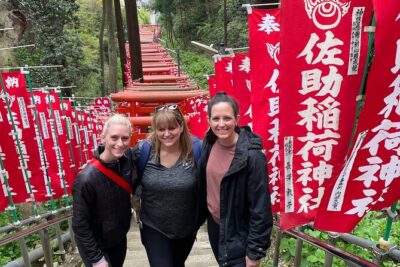 ★ 5.0Kamakura Private Tour: Temples, Nature, and the Great BuddhaFrom $98121 reviews
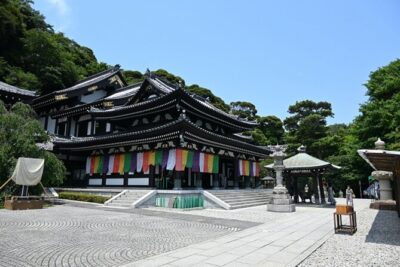 ★ 5.0Kamakura Walking Tour – The City of ShogunFrom $35100 reviews
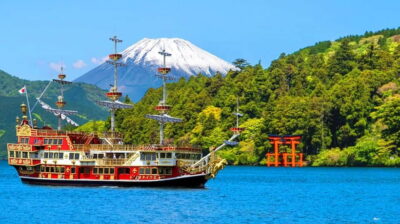 ★ 4.9Sea of Mount Fuji, Hakone Ropeway, Ōwakudani, EnoshimaFrom $5084 reviews
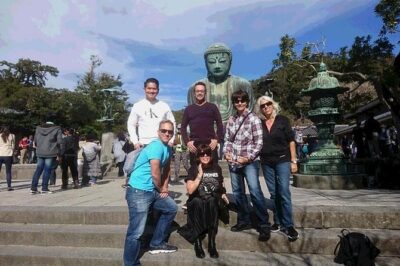 ★ 5.0Kamakura 8 hr Private Walking Tour with Licensed Guide from TokyoFrom $20180 reviews
Filed on these lists too