
REVIEW · MOUNT FUJI DAY TRIPS
Fujisan Sushi Making Lesson
Mount Fuji plus sushi sounds right. I like this class because you learn real sushi techniques you can copy at home, not just theory. You also get Japanese context on how sushi fits into everyday food culture.
I also love the focus on hands-on food work while you’re in Fujikawaguchiko, close enough to Mount Fuji for the scenery to matter. The lesson leans into Japanese table etiquette and the history of sushi, plus the class format uses trivia and a slideshow, which helps the info stick.
One consideration: at $229.91 per person for about 3 hours, it’s best if you genuinely want to cook. If your main goal is only to eat, you may feel the price more than the payoff.
In This Review
- Key moments that make this sushi lesson memorable
- A Fujikawaguchiko sushi lesson with real-world payoff
- Nigiri and sushi rolls, plus the etiquette that goes with them
- Mount Fuji stop: cooking with the view in mind
- The chef’s teaching style: Japanese in the room, English in the mix
- Vegetarian sushi, allergies, and how to keep the class stress-free
- Price and value in plain terms
- Logistics that matter: where to meet and how to plan your time
- Who this Fujisan sushi lesson suits best
- Should you book it or skip it?
- FAQ
- How long is the Fujisan Sushi Making Lesson?
- What sushi styles will I learn to make?
- Is vegetarian sushi available?
- Can I participate if I have food allergies?
- Where do I meet for the lesson?
- Will the chef teach in English?
- Is this tour private, and do I get a ticket on my phone?
Key moments that make this sushi lesson memorable
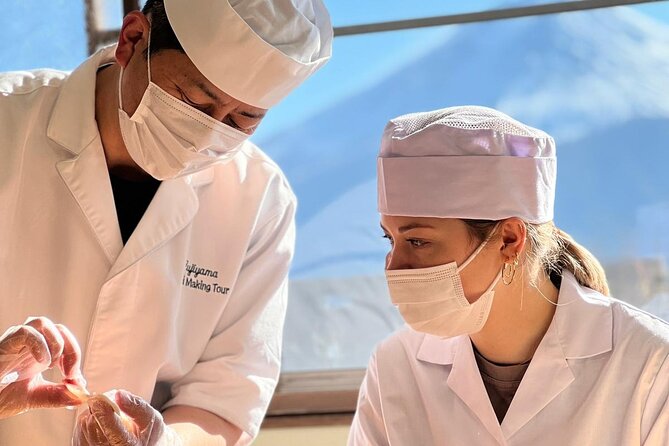
- Nigiri and roll practice: You don’t just watch, you make both types.
- Mount Fuji setting: Cooking with those views changes your whole mood.
- Japanese lesson format with English support: Reviews highlight Japanese in the class, while the chef explains in English.
- Etiquette and sushi history included: You learn how people eat and why the traditions exist.
- Trivia and slideshow: Fun checks for understanding, plus useful background info.
- Vegetarian sushi is available: A clear option if you prefer not to eat fish.
Fuji from Fujikawaguchiko machi: the other approaches
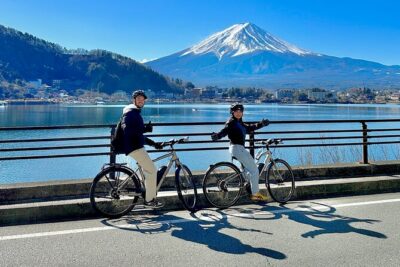
- Mt Fuji Area Private Guided Tours in English-Nature up close, quiet, personal
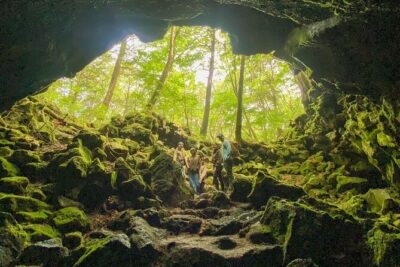
★ 5.0 · 288 reviews - Explore Mt. Fuji Ice Cave in Aokigahara Forest
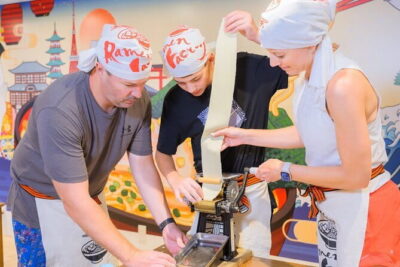
★ 5.0 · 243 reviews - Ramen Cooking Class at Ramen Factory in Mt.Fuji
★ 5.0 · 101 reviews - Early Morning Kayaking With Views of Mt Fuji at Lake Kawaguchiko
★ 5.0 · 69 reviews
A Fujikawaguchiko sushi lesson with real-world payoff
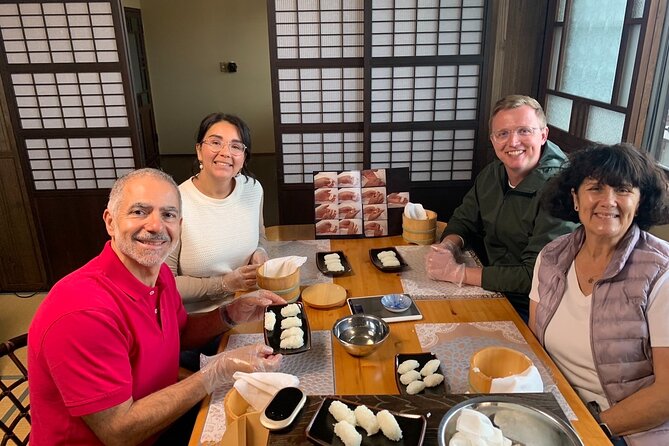
If you’re heading to Fujikawaguchiko, it’s tempting to pack your days with views, trains, and photos. This experience adds something practical. In a 3-hour session, you’ll learn sushi methods you can actually repeat later, at home, with the same basic logic the chef uses.
The price is not “cheap eats.” It’s a paid class with a professional chef and structured teaching. That’s why I think it works best as a skill-building stop, not just a sightseeing side quest. You’re paying for technique, guidance, and a bit of Japanese hospitality.
And because it’s private for your group, the vibe tends to feel more personal. You’re not being rushed by a big crowd, and you can ask questions in the moment.
Nigiri and sushi rolls, plus the etiquette that goes with them
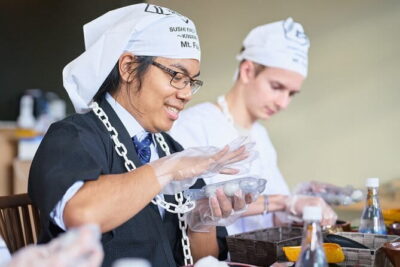
This is a true sushi-making lesson, focused on two core styles: Nigiri sushi and sushi rolls. That mix matters. Nigiri teaches you rice handling and topping placement, while rolls push you into a different skill set like rolling control and even distribution.
Beyond the kitchen work, you’ll also learn Japanese table etiquette. That’s not just polite fluff. When you understand how sushi is served and eaten, you’ll notice details you might otherwise skip, like how people approach ordering and sharing.
The lesson also includes the tradition and history of sushi. I like this portion because it helps you connect what you’re making to why it exists. Sushi isn’t only a food. It’s a culture of timing, texture, and restraint, where rice quality and technique matter as much as the topping.
Mount Fuji stop: cooking with the view in mind
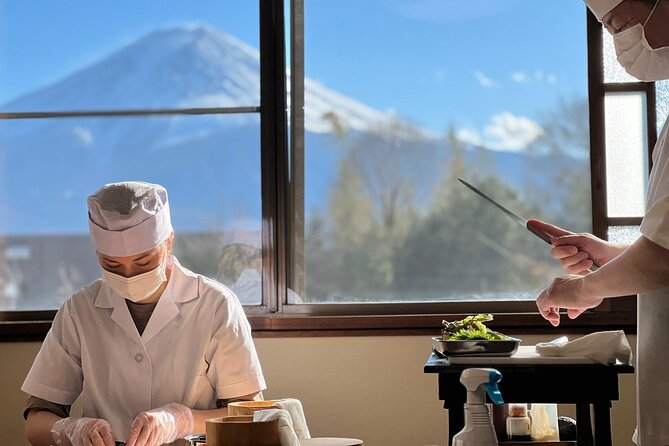
The experience includes a Mount Fuji stop, and that’s the secret ingredient. Even if you’ve seen Mount Fuji photos before, looking at it while you cook changes the whole rhythm of the class.
Practically, this helps you feel like you’re doing something “place-based.” You’re not just learning a recipe in a random room. You’re in Fujikawaguchiko, and the scenery is part of why the lesson feels memorable.
One more reason this matters: sushi is timing-sensitive. When the setting feels calm and scenic, it’s easier to stay focused on the small steps, like rice portioning and how gently you handle things.
Cook it yourself instead. Other kitchens in Fujikawaguchiko machi
- Ramen Cooking Class at Lake Kawaguchiko (Short Course)★ 5.0 · 42 reviews
- Sushi Cooking Class at Sushi Factory -KIWAMI- Mt.Fuji★ 5.0 · 23 reviews
The chef’s teaching style: Japanese in the room, English in the mix
A big praise point from reviews is the class language. People specifically mention that the class is in Japanese, and they liked the chance to hear Japanese used naturally. That’s useful even if your Japanese is limited, because you’ll often be following along through actions, visuals, and repetition.
At the same time, you’re not left in the dark. The chef explains in English, so you get the why, not just the what. That combination can be a great learning balance: Japanese is present, but understanding stays clear.
I also like that the format includes trivia questions and an informative slideshow. That’s not just entertainment. It helps you remember details that are easy to lose once you’re wearing an apron and concentrating on rice. If you learn better with prompts and structured information, this style can click fast.
And since the chef is described as a veteran with worldwide cooking experience, you can expect a teacher who knows how to adapt technique for non-locals, not only people already fluent in the food tradition.
Vegetarian sushi, allergies, and how to keep the class stress-free
The lesson offers a vegetarian option, which is a big deal. You don’t have to sit out parts of the experience or hope the chef can accommodate you at the last second. If vegetarian is your preference, choose that option when you book.
Allergies are also explicitly handled. The instruction is to let the provider know in advance if you have any food allergies. That’s the right move, since sushi ingredients can overlap with common allergy triggers. If you have any sensitivities, message this early rather than assuming it’ll be solved on the day.
If you’re traveling with dietary needs, I’d treat this as a confidence check. You’re not going into a class that may only work for the standard menu.
Price and value in plain terms
At $229.91 per person for about 3 hours, this isn’t a budget activity. But the cost is easier to justify when you look at what you’re buying.
You’re paying for:
- A professional sushi chef guiding you through Nigiri and rolls
- Japanese table etiquette and sushi history as part of the lesson
- A class format that includes extra learning tools like trivia and a slideshow
- A private-group setup for your experience
- A vegetarian option if you need it
Now, the tradeoff. You’ll need to treat it like a workshop. Bring an appetite for learning, not just eating. If you expect to stroll through and pick up a couple bites with no deeper focus, you might feel the price more than you enjoy it.
Also consider timing. It’s commonly booked far in advance, and confirmation happens within 48 hours of booking depending on availability. If Mount Fuji views are a top priority during your trip, lock this kind of activity early so you have options later when weather and schedules tighten.
Logistics that matter: where to meet and how to plan your time
The meeting point is at Kawaguchiko Station, with the listed address: 3641 Funatsu, Fujikawaguchiko, Minamitsuru District, Yamanashi 401-0301, Japan. The activity ends back at the meeting point.
It’s also described as near public transportation. That matters in Fuji area travel, where you might be switching between buses, trains, and walking more than you expect. If you’re already using Kawaguchiko Station as your base, you’re in a good position.
The lesson lasts about 3 hours. Plan your day with enough buffer before and after. Sushi work can be hands-on, and you’ll likely want a little slack for questions, photos, and any time spent finishing the experience.
And yes, there’s a mobile ticket. That’s simple and modern, which helps when you’re moving between attractions.
Who this Fujisan sushi lesson suits best
This is a great fit if you want a structured, guided way to learn sushi. You’ll like it if:
- You want to practice Nigiri and sushi rolls rather than only tasting
- You’re curious about Japanese food culture, including etiquette and history
- You enjoy classes that teach through both food tasks and short learning prompts like trivia
- You want a vegetarian option without compromising the experience
It can also be a good choice if you’re learning Japanese. Reviews mention the class being in Japanese, and the English explanation helps you avoid getting stuck. It’s a useful environment for hearing food-related Japanese in a real setting.
If you’re traveling with friends who want different things, this can be a solid compromise. One person gets the cooking skills, another gets the cultural context, and Mount Fuji views add a shared payoff.
Should you book it or skip it?
Book it if you want a hands-on sushi class with real technique, a Japanese cultural layer, and a location that makes the whole session feel special. The mix of Nigiri and rolls, plus etiquette and sushi history, gives you more than a basic cooking demo.
Skip it if you’re mainly shopping for low-cost food experiences or you don’t care about learning processes. With a 3-hour workshop format and a premium per-person price, you’ll get the best results when you show up ready to cook and learn.
If you’re deciding between this and another activity in the Fuji area, treat this as your “skill day,” not just your “sightseeing day.” That’s when it feels like money well spent.
FAQ
How long is the Fujisan Sushi Making Lesson?
The lesson lasts about 3 hours.
What sushi styles will I learn to make?
You’ll learn how to make Nigiri sushi and sushi rolls.
Is vegetarian sushi available?
Yes, vegetarian is available. You should let the provider know when booking.
Can I participate if I have food allergies?
You should notify the provider in advance about any food allergies.
Where do I meet for the lesson?
You meet at Kawaguchiko Station at 3641 Funatsu, Fujikawaguchiko, Minamitsuru District, Yamanashi 401-0301, Japan. The activity ends back at the meeting point.
Will the chef teach in English?
The chef explains in English.
Is this tour private, and do I get a ticket on my phone?
Yes, it’s private, meaning only your group participates. It also uses a mobile ticket.
Kitchens You Can Book Into
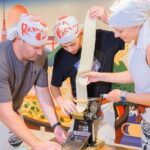
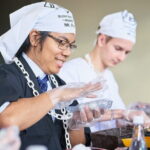
Mount Fuji, Three More Ways
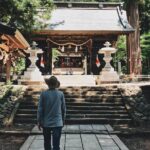
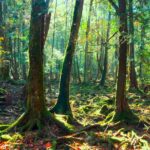


Newest Fujikawaguchiko machi write-ups from the Loving Japan desk
Mount Fuji Day Trips, side by side.
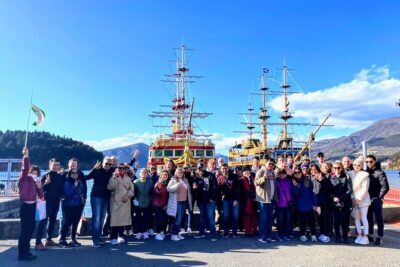 ★ 5.0Mt Fuji and Hakone 1-Day Bus Tour Return by Bullet TrainFrom $16326,383 reviews
 ★ 4.0Mt Fuji & Hakone Cruise, Drum Show Bullet Train 1 Day from TokyoFrom $1497,413 reviews
 ★ 4.4Tokyo Mt Fuji 5th St & Hakone Cruise Bus Tour w/Bullet TrainFrom $1545,024 reviews
 ★ 4.5From Tokyo: Mount Fuji Full-Day Sightseeing TripFrom $684,970 reviews
 ★ 4.7Mt. Fuji Tour, Hakone Ropeway, Owakudani, Lake AshiFrom $544,002 reviews
 ★ 4.4Mt.Fuji,Kawaguchiko Oishi Park,Arakurayama Sengen ParkFrom $542,682 reviews
 ★ 4.2Mt. Fuji 5th Station & Hakone Cruise 1-Day Bus TourFrom $1292,381 reviews
 ★ 4.7Mt Fuji Top 5 Spots Day Tour: Arakurayama Park,Oshino HakkaiFrom $532,066 reviews
Filed on these lists too