
REVIEW · HIROSHIMA AND MIYAJIMA DAY TRIPS
Hiroshima and Miyajima 1 Day Walking Tour
Torii gates and atomic history, same day. This Hiroshima and Miyajima walking tour strings together Itsukushima Shrine and Hiroshima’s Peace Memorial areas with an English guide, so you get both the beauty and the meaning, not just photos. I especially love the way the day is structured around key sights, including the ferry to Miyajima that makes the whole experience feel like a real, separate chapter of the day.
My second favorite part is the pacing with an English-speaking guide, since you are not stuck figuring out transit on the fly between sites. The only real drawback to plan for is the walking and stairs, plus it is a long day at about 8 hours without lunch included.
Key highlights you will care about
- One-day world heritage combo: Itsukushima Shrine on Miyajima plus Hiroshima’s Peace Memorial sites
- Ferry round trip included, so you avoid the biggest navigation headache
- Admissions are handled for Itsukushima Shrine and the Peace Memorial Museum
- English guide with flexibility, including schedule tweaks during the tour day
- Meaningful route built around prayers for peace, not just sightseeing
In This Review
- Why Miyajima and Hiroshima in one day works
- Price and value: what $143.99 covers
- Getting around smoothly: ferry, trains, and timing
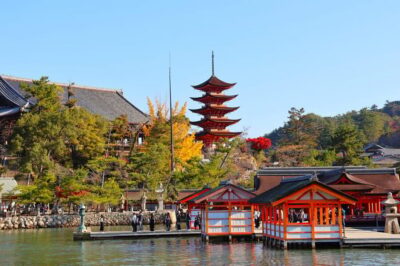
- Miyajima first: torii views and the island feel
- Itsukushima Shrine: where the atmosphere does the talking
- Atomic Bomb Dome: seeing a symbol with context
- Hiroshima Peace Memorial Park: turning walking into understanding
- Peace Memorial Museum: the part that stays with you
- Pacing, walking, and how fit you need to be
- Lunch breaks: where to eat without derailing the day
- Guides matter: English explanations that make the sites click
- Who should book this Hiroshima and Miyajima walking tour
- Should you book it? My practical take
- FAQ
- What is included in the Hiroshima and Miyajima tour price?
- Is lunch included?
- Do I need tickets for Itsukushima Shrine and the Peace Memorial Museum?
- How long is the tour and how much walking should I expect?
- Is this a private tour?
- Can the schedule be changed during the tour day?
- What happens if the tour is canceled due to weather or minimum travelers?
Why Miyajima and Hiroshima in one day works
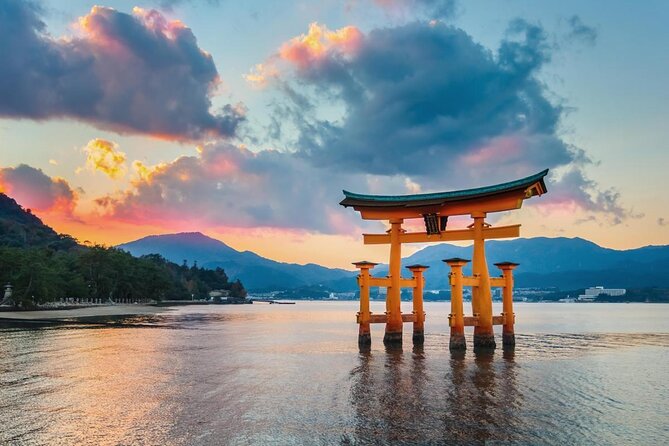
This is the kind of day plan that makes sense because it respects both places. Miyajima gives you a slow, scenic island start, centered on one famous view and the quiet feel of shrine grounds. Then Hiroshima shifts gears, moving from iconic symbols to the Hiroshima Peace Memorial Park and museum, where history is not background noise.
What I like is that you do not just hop between landmarks. The route links big themes: Japan’s spiritual heritage on Miyajima, and the world’s plea for peace in Hiroshima. It is a lot for one day, but it is a coherent arc.
Also, because the tour includes the local train and bus in Hiroshima plus the round-trip ferry, you are mostly riding and walking within an already-sorted flow. You spend your mental energy on the sights, not on logistics.
Pairing the city with Miyajima. Other itineraries
- Hiroshima: Hiroshima and Miyajima UNESCO Sites 1-Day Tour
★ 4.9 · 2,330 reviews - Hiroshima / Miyajima Full-day Private Tour with Government Licensed Guide
★ 5.0 · 1,298 reviews - Hiroshima Historical Walking Tour – Why A-Bomb was Dropped
★ 4.8 · 893 reviews - Hiroshima Peace (Heiwa) Walking Tour at World Heritage Sites
★ 5.0 · 872 reviews
Price and value: what $143.99 covers
At $143.99 per person, this is not a budget-only tour. But you are also not just paying for a walking guide.
Here is what is included:
- An English-speaking guide from Hiroshima
- Round-trip ferry Hiroshima to Miyajima and back
- Local train and bus in Hiroshima
- Itsukushima Shrine admission (included)
- Hiroshima Peace Memorial Museum admission (included)
And the major free stops you still get time for, like Atomic Bomb Dome and Peace Memorial Park, help stretch the value. In practice, that means you are paying for time, context, and transportation, not only entrance tickets.
Lunch is not included, so budget for that decision yourself. For me, that is fine. It lets you choose what fits your energy level and tastes, rather than being locked into one set meal.
One more value note: it is listed as a private tour/activity, meaning it is just your group. That usually makes explanations feel less rushed, and it gives you more freedom to ask questions.
Getting around smoothly: ferry, trains, and timing
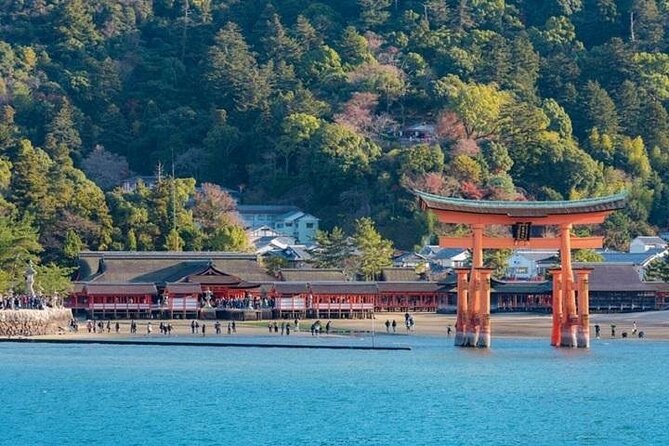
A day like this lives or dies by transit friction. This tour handles the hardest part for most visitors: the ferry to Miyajima.
You will use:
- Local train and bus inside Hiroshima city
- Ferry for the Miyajima round trip
That matters because Miyajima is outside the city center. Once you factor in the ferry schedule and the common confusion around where to enter and exit on each side, having it bundled into the tour is a big deal.
The other practical win is that the schedule is built around time at each stop (for example, about 1 hour 30 minutes on Miyajima, then 1 hour for Itsukushima Shrine, then shorter focused blocks for the Peace Memorial sights). You are not wandering with no plan.
Miyajima first: torii views and the island feel
Starting on Miyajima is smart. It gives you a mental reset before the heavier Hiroshima content.
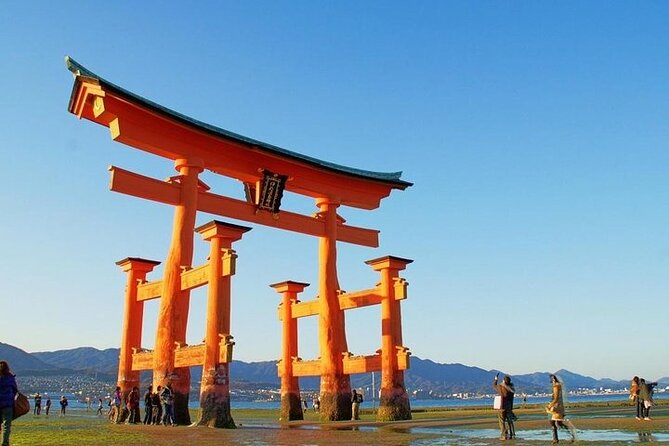
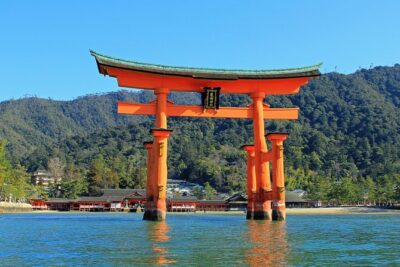
Miyajima is a small island less than an hour from Hiroshima city, and it is famous for its giant torii gate. At high tide, it can look like the gate is floating on the water. Even if you do not catch the exact tide moment, the area still feels like a different world, and that is part of the value of doing it first.
You should also expect a very walkable island rhythm. That is great for people who enjoy moving around and taking in views. It can be less fun for people who want fully flat, slow, sit-down sightseeing the whole way.
The tour gives you about 1 hour 30 minutes on Miyajima, which is enough time for the first big viewpoints and orientation. If you want to climb for panoramic views or spend extra time around smaller shrine areas, you can usually ask your guide to adjust on the day, as long as the schedule still works.
- Hiroshima Peace (Heiwa) Walking Tour at World Heritage Sites★ 5.0 · 872 reviews
- Hiroshima in a Nutshell: Morning Bike Adventure★ 5.0 · 524 reviews
- Hiroshima City 4hr Private Walking Tour with Licensed Guide★ 5.0 · 437 reviews
- From Hiroshima: Hiroshima & Miyajima 1 Day Tour with Lunch★ 4.7 · 395 reviews
- Japanesel Archery Experience HIROSHIMA CASTLE SHARAKU★ 5.0 · 387 reviews
Itsukushima Shrine: where the atmosphere does the talking
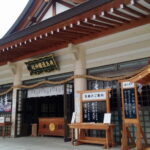
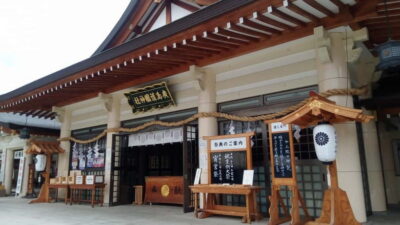
Itsukushima Shrine is the reason Miyajima is famous, and it is listed here with about 1 hour on-site, with admission included.
This shrine is centuries-old, and it is closely tied to the island identity. You are there not only to look, but to understand why the place feels so special. The shrine grounds have that mix of stone, wood, water, and ritual space that makes the famous structures feel grounded, not just staged.
A key practical tip: when you are walking around shrine areas, slow down. People often try to rush from photo spot to photo spot. If you let yourself spend a few extra minutes reading plaques and watching how water and structures interact, you will feel the place more.
Also, since it is included, you do not have to manage the entry decision mid-day. That keeps you from losing time later, when Hiroshima needs your full attention.
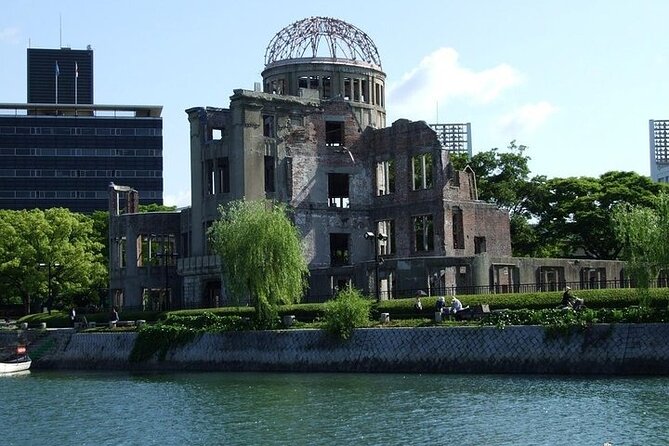
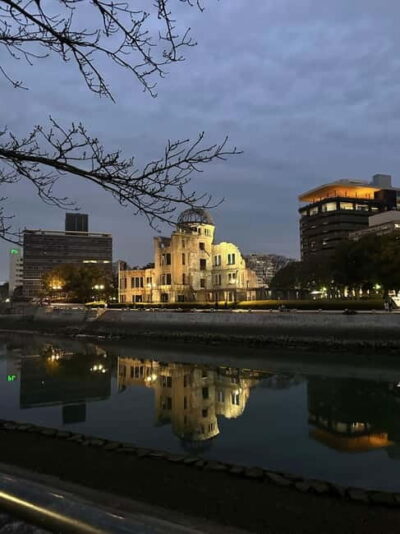
Atomic Bomb Dome: seeing a symbol with context
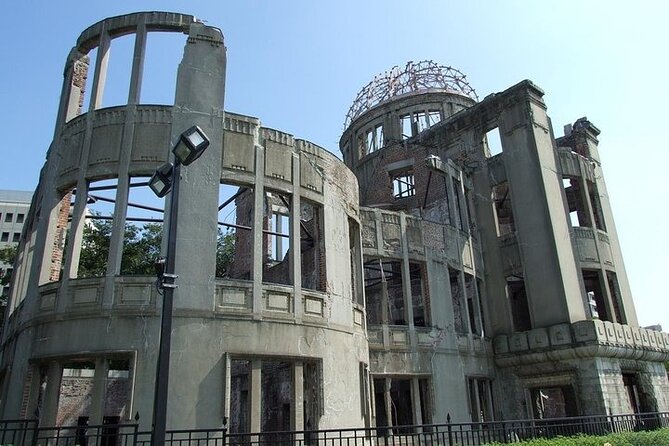
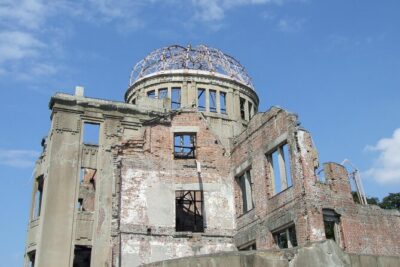
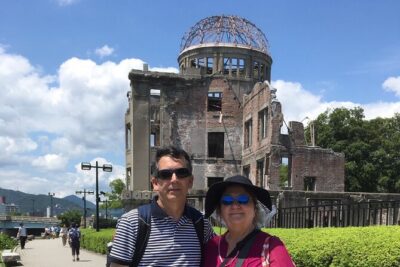
The Atomic Bomb Dome stop is short at about 30 minutes, and that is intentional. It is a concentrated visit to a single, powerful site.
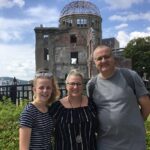
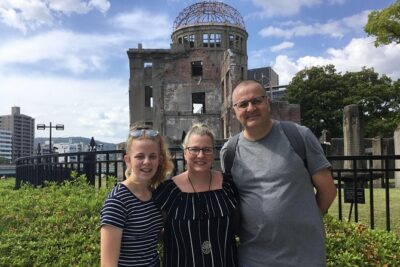
The tour frames the moment clearly. At 8:15am on August 6, 1945, the first atomic bomb in human history was dropped on Hiroshima. The Dome today is a focus for prayers for world peace. Even if you know the basics, having a guide help you connect the physical structure to the historical meaning helps the time feel less like a drive-by photo.
Because the stop is brief, come ready to focus. If you treat it like a long museum visit, you might feel rushed. But if you treat it like a short moment of reflection and understanding, the time fits.
Hiroshima Peace Memorial Park: turning walking into understanding
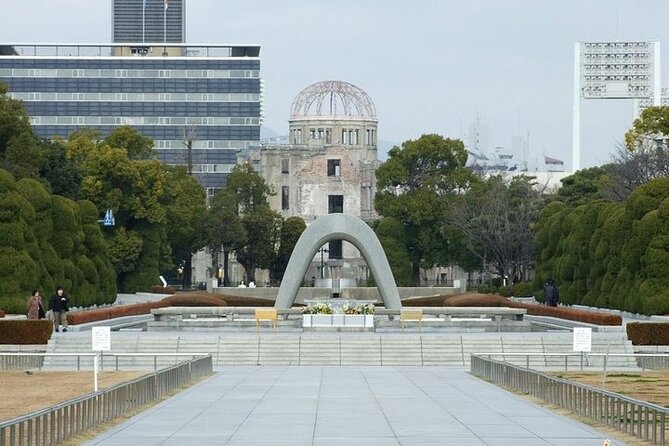
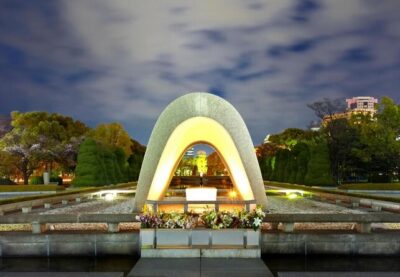
Next up is Hiroshima Peace Memorial Park (about 1 hour). The park is described as one of Hiroshima’s prominent features, with an area over 120,000 square meters. That scale matters. Even if you stay in one zone, you will feel how the city designed space for remembrance and learning.
This is the portion of the day where your guide’s explanations really help you avoid a common trap: staring at monuments without understanding why they are arranged the way they are.
I also find the park a good “transition space.” You have already seen the Dome, and now you can widen your perspective. It becomes less about one structure and more about the city’s ongoing commitment to peace.
Peace Memorial Museum: the part that stays with you
The Hiroshima Peace Memorial Museum is where the day can become emotional, in a way that feels serious, not theatrical. It is about 1 hour, and museum admission is included.
The museum opened in 1955 and was designed by architect Tange Kenzo (Tange Kenzō, 1913 to 2005). That design detail is one more reason to take it slowly. When architecture supports the message, it helps you process what you are seeing instead of just ticking items off.
What you should know: a one-hour museum visit is not meant to make you an expert. It is meant to give you enough context to make the rest of your day make sense, and to help you leave with clearer understanding.
Practical pacing tip: go with a simple plan. Pick a couple of themes that stand out to you, then let the rest support those themes. Trying to read everything cover to cover is how people burn out halfway.
Pacing, walking, and how fit you need to be
This tour includes walking, and some routes involve stairs. You should plan for a fairly active day, especially on Miyajima and between Peace Park areas.
You do not need to be a runner. But you should be comfortable:
- Walking on uneven outdoor surfaces
- Taking stairs when needed
- Staying on your feet for most of the day
There is flexibility, too. The tour notes that if you want to change the schedule even on the tour day, your guide is happy to help. That means if you start to feel worn out, you can ask to adjust the order or spend a bit more time where you care most.
Also, the tour format is private for your group only. That usually helps pacing, since your guide can respond to your group’s rhythm rather than forcing everyone into a single mass tempo.
Lunch breaks: where to eat without derailing the day
Lunch is not included, so you will want to plan it like part of the tour.
You will have time during the long day to stop for food, and your guide can help you with the choice. In past experiences, guides have pointed people toward local favorites like Hiroshima okonomiyaki and simple treats from Miyajima such as maple leaf cakes.
My advice: eat light at first if you have a strong museum plan later. Then build in a fuller meal if you still feel good. The museum can be mentally heavy, so it helps if your body is not fighting hunger and fatigue at the same time.
If you need to keep things quick, ask your guide for a place that is convenient to your next walking segment. That way lunch is a break, not a detour.
Guides matter: English explanations that make the sites click
This is one of those tours where the guide changes everything.
In the guide lineup you might see names like Aya, Joe-san (Masahiko Joguchi), Miyuki, Sachi, Aki, and Hiro. What stands out in how these guides are described is not just English fluency, but the way they connect stories to the physical places you are standing in.
Some guides are noted for adapting the pace for elderly friends. Others are praised for taking people to thoughtful spots off the main rush. A few are also remembered for practical help like arranging photo moments or suggesting dinner after the tour.
If you care about understanding what you see, this tour’s format is built for that. The itinerary gives you the structure, and the guide supplies the meaning.
Who should book this Hiroshima and Miyajima walking tour
I think this tour fits best if you want:
- A first-time, high-value day that covers both Miyajima and Hiroshima’s Peace sites
- An English guide to explain what the monuments actually mean
- A mostly organized day where ferry and city transit are handled
It might be less ideal if you:
- Want a fully relaxed, low-walking schedule
- Prefer to spend long hours in museums
- Need every meal planned for you ahead of time, since lunch is on your own
For couples, families, and small groups, it is a strong match. The private group setup helps it feel tailored.
Should you book it? My practical take
Book it if you want a single-day plan that hits the big, essential Hiroshima sights without leaving you to figure out transportation and timing yourself. The inclusion of ferry and the key admissions makes it easier to treat the day as sightseeing instead of scheduling.
Skip or reconsider if you are not up for a long day of walking and stairs, or if you prefer to linger slowly in museums without a time-boxed route.
If you like a day that gives you both the beauty of Miyajima and the seriousness of Hiroshima’s Peace Memorial sites, this is a solid choice.
FAQ
What is included in the Hiroshima and Miyajima tour price?
The tour includes an English-speaking guide from Hiroshima, a round-trip ferry between Hiroshima and Miyajima, and local train and bus fees in Hiroshima. Admission is included for Itsukushima Shrine and the Hiroshima Peace Memorial Museum.
Is lunch included?
No. Lunch is not included in the tour price.
Do I need tickets for Itsukushima Shrine and the Peace Memorial Museum?
Itsukushima Shrine admission is included, and the Hiroshima Peace Memorial Museum admission is also included.
How long is the tour and how much walking should I expect?
The tour is about 8 hours. It is a walking tour with stairs, so you should be comfortable walking for much of the day.
Is this a private tour?
Yes. It is listed as a private tour/activity, meaning only your group participates.
Can the schedule be changed during the tour day?
Yes. If you want to change your schedule even on the tour day, your guide is happy to help.
What happens if the tour is canceled due to weather or minimum travelers?
The experience requires good weather. If it is canceled due to poor weather, you will be offered a different date or a full refund. If it is canceled because the minimum number of travelers is not met, you will be offered a different date or a full refund. The experience itself is non-refundable once booked.
Hiroshima and Miyajima Together
Newest Hiroshima write-ups from the Loving Japan desk
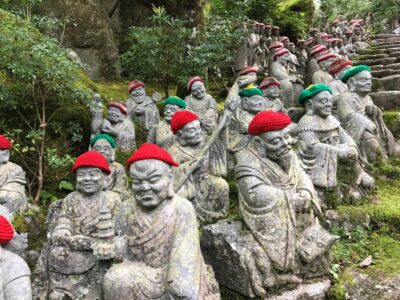
Hiroshima and Miyajima Day Trips, side by side.
 ★ 5.0Peaceful Hiroshima & Miyajima UNESCO 1 Day Bus TourFrom $1295,309 reviews
 ★ 4.9Hiroshima and Miyajima UNESCO Sites 1-Day TourFrom $1222,330 reviews
 ★ 5.0Hiroshima / Miyajima Full-day Private Tour with Government Licensed GuideFrom $2021,298 reviews
 ★ 4.7Osaka/Kyoto: Hiroshima Miyajima Bus Tour & Shinkansen TicketFrom $277919 reviews
 ★ 4.8Hiroshima Historical Walking Tour – Why A-Bomb was DroppedFrom $35893 reviews
 ★ 5.0Hiroshima Peace (Heiwa) Walking Tour at World Heritage SitesFrom $94872 reviews
 ★ 5.0Hiroshima in a Nutshell: Morning Bike AdventureFrom $72524 reviews
 ★ 5.0Hiroshima City 4hr Private Walking Tour with Licensed GuideFrom $122437 reviews
Filed on these lists too