
REVIEW · HIROSHIMA AND MIYAJIMA DAY TRIPS
Hiroshima and Miyajima by Bike and Boat
Two islands, one powerful day by bike. This is a small-group Hiroshima and Miyajima outing that strings together bike time in the city with a JR ferry to the island, and then pairs both places with clear, human guide commentary. I like the maximum of eight people setup, because the pace feels manageable and you can ask questions without yelling over a crowd.
I also like that lunch is part of the deal: you’ll get an included meal featuring local Hiroshima dishes, with vegetarian options available. The only real consideration is the time on your feet and bike for a full day (about 7 to 8 hours), especially if it’s hot or humid, so plan your energy and hydration.
In This Review
- Key things to know before you pedal
- Why bike plus ferry makes this combo work
- Start point and bikes: showing up and getting comfortable
- Hiroshima by bike: rivers, parks, and neighborhoods in 1 focused hour
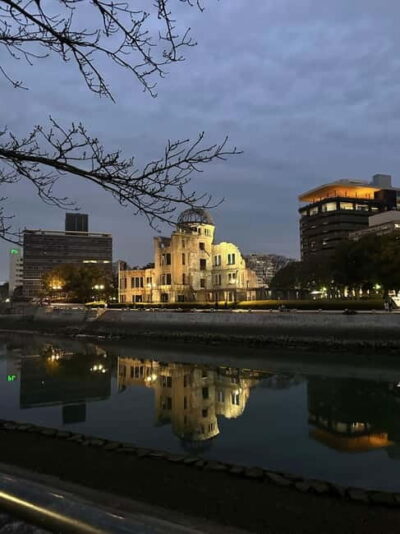
- Peace Memorial Park and the Cenotaph: time for reflection, not just photos
- Hiroshima Castle grounds: a lighter break with a good photo payoff
- JR ferry to Miyajima: letting the island approach feel iconic
- Miyajima island time: orange buildings, deer, and wandering streets
- Itsukushima Shrine and lunch: torii photos plus a proper meal break
- Pace, weather, and what to pack for a long day
- Price and value: why $142.05 can make sense
- Should you book this Hiroshima and Miyajima bike and boat day?
- FAQ
- How long is the Hiroshima and Miyajima bike and boat tour?
- What time does the tour start, and where do I meet?
- How many people are in the group?
- What’s included in the price besides the guided tour?
- Is lunch included, and do you handle dietary needs?
- Do I need to arrange transportation to Miyajima myself?
- Does the tour use a mobile ticket?
- What happens if weather is bad?
Key things to know before you pedal
- Small group cap (up to eight) keeps the day personal and makes bike adjustments easy.
- A bike-first Hiroshima start helps you get your bearings fast along rivers, parks, and neighborhoods.
- Peace Park focus, not a museum day: the route centers on the Peace Memorial Park sites and the Cenotaph.
- Ferry and train rides are included so you can spend less time figuring out transport and more time seeing.
- Miyajima is a mix of riding and walking through streets, orange buildings, and shrine areas.
- Lunch is included near Itsukushima Shrine (vegetarian options available), so you can treat the meal as a built-in break.
Pairing the city with Miyajima. Other itineraries
- Hiroshima: Hiroshima and Miyajima UNESCO Sites 1-Day Tour
★ 4.9 · 2,330 reviews - Hiroshima / Miyajima Full-day Private Tour with Government Licensed Guide
★ 5.0 · 1,298 reviews - Hiroshima Historical Walking Tour – Why A-Bomb was Dropped
★ 4.8 · 893 reviews - Hiroshima Peace (Heiwa) Walking Tour at World Heritage Sites
★ 5.0 · 872 reviews
Why bike plus ferry makes this combo work
Hiroshima and Miyajima can feel like two different trips. This tour smartly links them by using bike time to cover the city efficiently, then switching to water and rail to reach Miyajima without hassle. The result is a day that feels like you’re moving between “chapters” of the region, not just checking off a list.
A bike is the practical hero here. You’ll see more river and neighborhood detail in a shorter time than you could on foot, and you still get breaks built into the plan when the stops get reflective or photo-heavy.
The ferry and train legs are also a big deal for value. You’re paying for access to transportation plus a guide who keeps the day connected, rather than splitting the day into separate bookings.
Start point and bikes: showing up and getting comfortable
You’ll meet at Cycle Hiroshima at 4-chōme-5-4 Ōtemachi, Naka Ward, Hiroshima, with the day starting at 9:30 am. The tour ends back at the same meeting point, which is nice because you’re not hunting for your next connection after a long day.
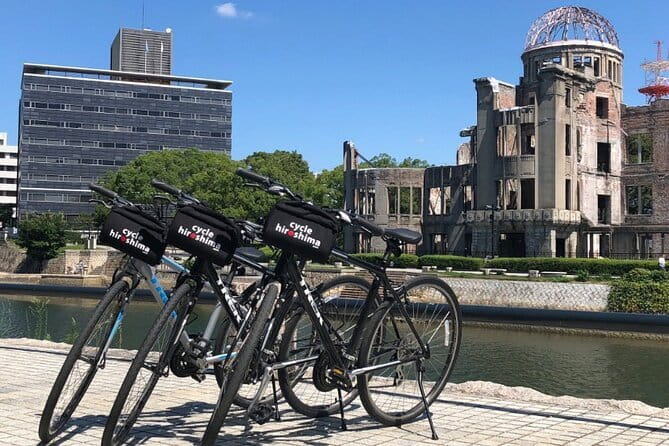
Bikes are provided. In practice, that matters because you’re not stuck with a mismatched seat or an awkward frame height. Guides on this experience have helped riders choose bikes and get fitted well, including when someone is on the shorter side, so you can actually enjoy the cycling instead of fighting it.
Also, there’s a real-world convenience at the end: you can pick up any luggage you stored at base. That takes one stress off a day that’s already packed.
Hiroshima by bike: rivers, parks, and neighborhoods in 1 focused hour
Your first stretch is a bicycle loop through Hiroshima’s river areas, parks, and surrounding neighborhoods. This is the “get your bearings” segment, and I like it because it gives you context before you hit the heavy sites.
In a city like Hiroshima, the street rhythm and waterways help you understand where things are and how the city feels day to day. Instead of jumping straight to monuments, the bike start lets you notice ordinary city life first, which makes the later stops land harder.
Expect this part to be easy to moderate. The key is that it’s short, so you’re not exhausted before you reach Peace Memorial Park.
- Hiroshima Peace (Heiwa) Walking Tour at World Heritage Sites★ 5.0 · 872 reviews
- Hiroshima in a Nutshell: Morning Bike Adventure★ 5.0 · 524 reviews
- Hiroshima City 4hr Private Walking Tour with Licensed Guide★ 5.0 · 437 reviews
- From Hiroshima: Hiroshima & Miyajima 1 Day Tour with Lunch★ 4.7 · 395 reviews
- Japanesel Archery Experience HIROSHIMA CASTLE SHARAKU★ 5.0 · 387 reviews
Peace Memorial Park and the Cenotaph: time for reflection, not just photos
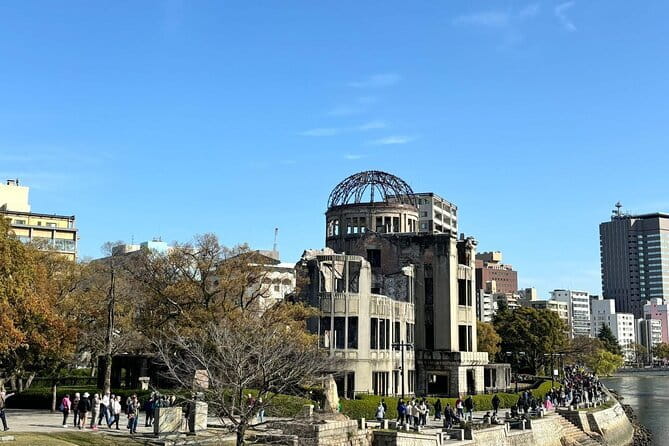
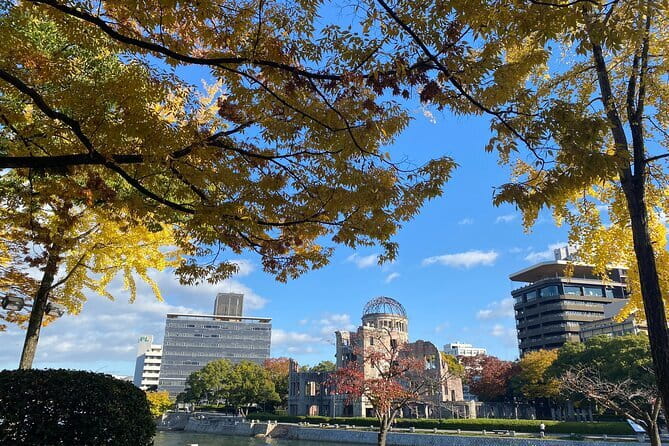
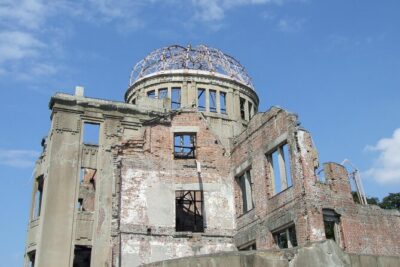
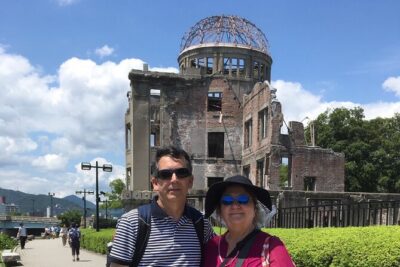
Peace Memorial Park is where the tone changes. You’ll spend about an hour in the park area, with guide commentary at the sites. The whole point is to slow down long enough to understand what you’re looking at, not just pass through.
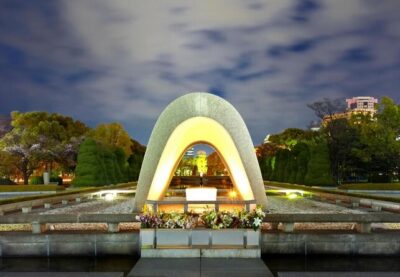
Then you’ll pause at the Cenotaph for the Atomic Bomb Victims for about 15 minutes. This is one of the most meaningful stops of the day, and the timing matters. A short, guided pause like this can feel more respectful than a hurried sweep.
Two practical notes for your planning:
- The Peace Memorial Museum is not listed as part of the included stops here. If museum time is a top priority for you, you’ll likely want to add it separately on your own.
- Some guides naturally emphasize different angles of the story. If you want deeper wartime analysis, choose your questions carefully during the reflection time, because that’s where you can get the most tailored answers.
Guides have also been praised for balancing serious context with a steady, sensitive tone. Names that came up include Alex and Ihsan, and they’re repeatedly described as respectful and careful in how they frame what happened and what followed.
Hiroshima Castle grounds: a lighter break with a good photo payoff
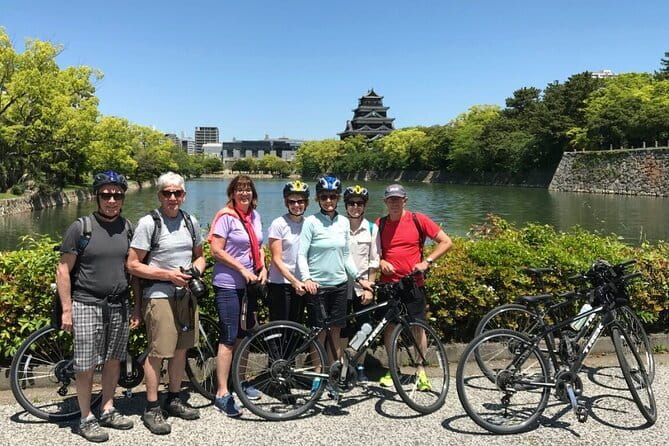
After the Peace Park segment, the plan shifts to Hiroshima Castle. You get roughly 30 minutes at the castle grounds, with time to walk the moat and explore the restored areas.
This stop works well after Peace Park because it gives your brain a break. You’re moving through a different time period, feudal Japan, and you can take photos from the main tower area.
If you’re the type who loves history in layers, the castle stop adds that “before and after” sense. If you’re not, it still delivers a clear visual landmark and a pleasant walk when the day is running long.
JR ferry to Miyajima: letting the island approach feel iconic
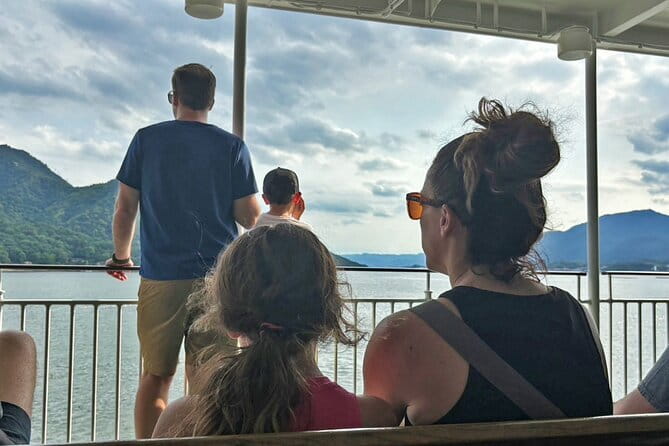
Next comes the iconic part: a JR Miyajima Ferry ride, about 30 minutes each way as part of the overall transit flow. Ferry time is included in the price, which matters because it’s one of those “small fares that add up” when you plan it yourself.
Riding the ferry also changes your pace. Instead of another museum-like stop, you get a breathing space where the scenery and sea air take over. And when you arrive, Miyajima instantly feels different: you’re dealing with shrine towns, foot traffic, and the kind of island atmosphere you can’t replicate in a city street.
Miyajima island time: orange buildings, deer, and wandering streets
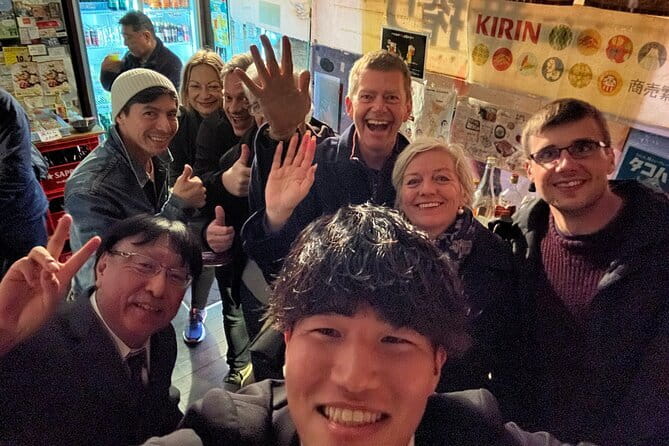
You’ll spend about 1 hour 30 minutes exploring Miyajima with your guide. The tour focuses on the streets and key sights, including the famous deer that often roam near shrine areas.
Miyajima has that “slow down” effect. Even when the plan is guided, the island invites short detours for photos and quick looks at small storefronts and temple details. You’ll likely spend more time walking than you expect if you’re thinking of it as purely biking.
One thing to keep in mind: some people have felt the Miyajima segment can become more walking-heavy than the day’s name suggests. That’s not necessarily bad, but it can stretch the overall time, especially if you add extra time for deer encounters or viewpoints.
If you love the feeling of getting oriented on a new place by following a local route, this part is a highlight.
Itsukushima Shrine and lunch: torii photos plus a proper meal break
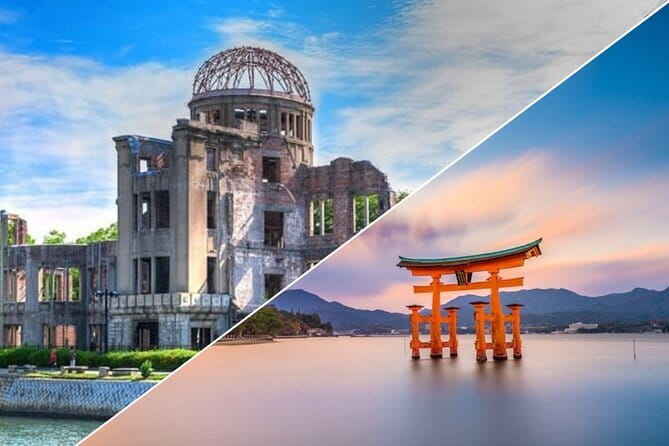
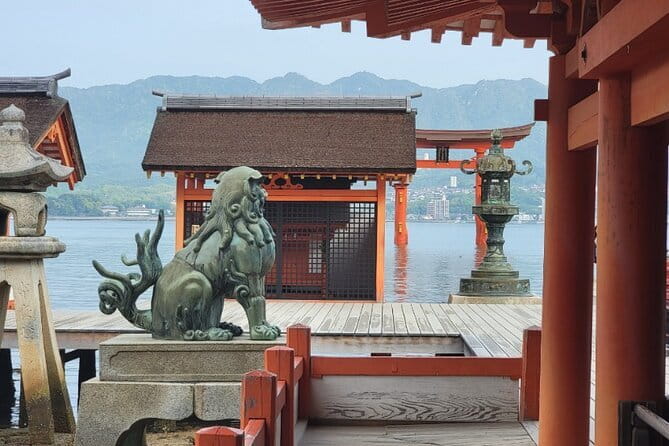
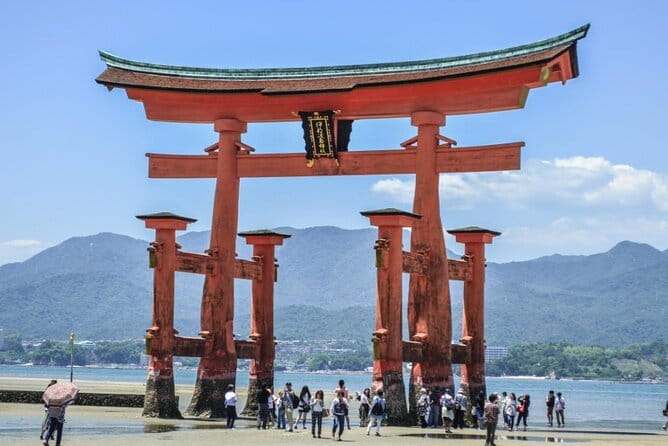
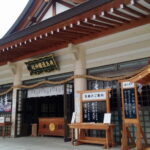
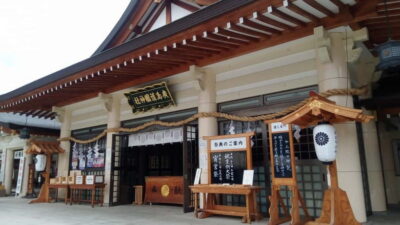
Itsukushima Shrine is the big payoff. You’ll spend about 1 hour 30 minutes around the shrine area, navigating monuments and landmarks and taking photos with the famous setting in mind.
Local wildlife shows up here too, so expect to see deer near key areas. The guide also helps you find the best photo moments without turning the visit into a frantic sprint.
Lunch is included here at a nearby eatery. The tour lists local sit-down lunch as part of the experience, and vegetarian options are available. This matters because Miyajima can be busy, and having lunch planned means you’re not trying to search for a place with your schedule and dietary needs.
In short: you get the shrine moment, plus you get fed, without the day turning into “tour first, meal later” chaos.
Pace, weather, and what to pack for a long day
This is built as a full day, roughly 7 to 8 hours. That’s the right amount of time for Hiroshima plus Miyajima, but it’s still a commitment. Heat and humidity can make any outdoor plan feel longer, especially around walking-heavy shrine zones.
I strongly suggest you treat it like a warm-weather walking day even if you’re on a bike for part of it. Wear breathable clothes, bring water, and consider a small sun hat. The tours are often run with hydration in mind, and guides have been described as helping people stay comfortable in heat.
Weather is also a factor. The experience calls for good weather. If rain hits, expect the day’s rhythm to shift, and a guide may adjust how you move through the sites rather than abandoning the plan. Pack a light rain layer so you can keep going comfortably.
And one more practical tip: if you have a strong interest in the Peace Memorial Museum, plan your museum visit for after this tour. The day you’re booked is focused on the Peace Park sites and Cenotaph reflection, not a long museum session.
Price and value: why $142.05 can make sense
At $142.05 per person, you’re paying for a bundle, not just a “tour guide with a route.” The includes list is the key value driver:
- Bike use for the Hiroshima portion
- Train and ferry rides to and from Miyajima
- Lunch (vegetarian options available)
- All fees and taxes
When you break that down, it’s easier to see the logic. If you rented a bike, booked transit, and paid for a guided day, plus lunch, the total would likely creep toward similar numbers. The small group size also helps you get better use out of the guide time.
Also, this isn’t just transit. The whole point is that the guide connects what you’re seeing, from Hiroshima’s Peace Memorial Park to the castle and then across to Miyajima shrine culture.
Finally, your time matters. A day structured like this is ideal if you’re short on days and don’t want to spend half your schedule planning transport and chasing locations between train and ferry changes.
Should you book this Hiroshima and Miyajima bike and boat day?
Book it if:
- You want one day that covers Hiroshima and Miyajima with minimal logistics stress.
- You like active sightseeing, bike time, and short guided stops that still allow reflection.
- You want an included lunch with local Hiroshima dishes, plus vegetarian options.
- You value a small group (up to eight), where you can ask questions and adjust pace with your guide.
Skip or rethink it if:
- You want a long, museum-first Peace Memorial experience, especially the museum itself. This plan emphasizes the park and Cenotaph rather than a dedicated museum visit.
- You dislike long days with lots of movement, because Miyajima can turn into more walking time than you expect.
- You need a very specific depth of WWII discussion. Guides vary, so consider what you want to get out of the Peace Park stops and come prepared with questions.
If your priority is seeing the highlights efficiently, while still learning with care, this is a strong option. I like that it pairs meaningful stops with real variety, bike routes plus sea travel, and finishes with the shrine plus a proper meal instead of sending you back hungry and rushed.
FAQ
How long is the Hiroshima and Miyajima bike and boat tour?
It runs about 7 to 8 hours total.
What time does the tour start, and where do I meet?
The tour starts at 9:30 am. The meeting point is Cycle Hiroshima, 4-chōme-5-4 Ōtemachi, Naka Ward, Hiroshima.
How many people are in the group?
This experience has a maximum of eight travelers.
What’s included in the price besides the guided tour?
Bike use, train and ferry rides, lunch (with vegetarian options available), and all fees and taxes are included.
Is lunch included, and do you handle dietary needs?
Lunch is included. Vegetarian options are available, and for other dietary restrictions you need to contact before the tour.
Do I need to arrange transportation to Miyajima myself?
No. The JR Miyajima ferry ride is included, and the tour also includes train and ferry rides as part of the day’s movements.
Does the tour use a mobile ticket?
Yes. It’s listed as a mobile ticket experience.
What happens if weather is bad?
The tour requires good weather. If it is canceled due to poor weather, you’ll be offered a different date or a full refund. There is free cancellation up to 24 hours in advance for a full refund.
Hiroshima and Miyajima Together
Newest Hiroshima write-ups from the Loving Japan desk
Hiroshima and Miyajima Day Trips, side by side.
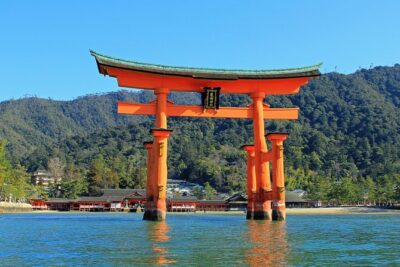 ★ 5.0Peaceful Hiroshima & Miyajima UNESCO 1 Day Bus TourFrom $1295,309 reviews
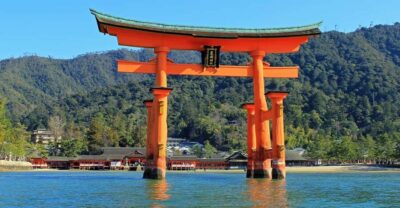 ★ 4.9Hiroshima and Miyajima UNESCO Sites 1-Day TourFrom $1222,330 reviews
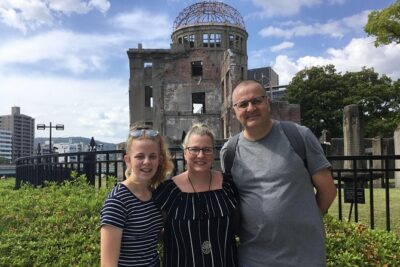 ★ 5.0Hiroshima / Miyajima Full-day Private Tour with Government Licensed GuideFrom $2021,298 reviews
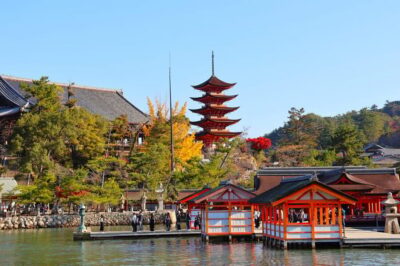 ★ 4.7Osaka/Kyoto: Hiroshima Miyajima Bus Tour & Shinkansen TicketFrom $277919 reviews
 ★ 4.8Hiroshima Historical Walking Tour – Why A-Bomb was DroppedFrom $35893 reviews
 ★ 5.0Hiroshima Peace (Heiwa) Walking Tour at World Heritage SitesFrom $94872 reviews
 ★ 5.0Hiroshima in a Nutshell: Morning Bike AdventureFrom $72524 reviews
 ★ 5.0Hiroshima City 4hr Private Walking Tour with Licensed GuideFrom $122437 reviews
Filed on these lists too