
REVIEW · HIROSHIMA AND MIYAJIMA DAY TRIPS
Hiroshima and Miyajima Full Day Private Tour
Hiroshima changes you, especially with the right guide. This fully private day blends Peace Memorial Park with major historic sights in Hiroshima, then moves to Miyajima to see the Itsukushima Shrine scene you came for. You get a local English speaking guide and a schedule that can be adjusted to your pace and interests.
What I like most is the way the tour threads emotion and context together, not just a photo checklist. I also really value the mix of places, from the museum’s message to calmer stops like Shukkeien Garden, plus time on Miyajima’s streets.
One drawback to keep in mind is logistics: the price covers the guide and several entrances, but transportation costs and lunch are not included, and some stops may not be possible depending on timing, preferences, or traffic.
In This Review
- Key Highlights You’ll Feel Right Away
- A Private 8-Hour Circuit Through Hiroshima and Miyajima
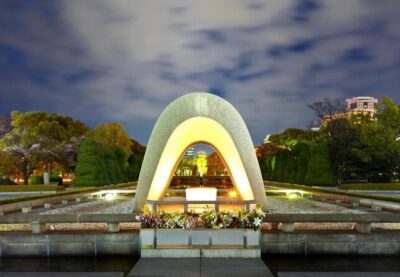
- Hiroshima Peace Memorial Museum: Your Day’s Real Starting Point
- Atomic Bomb Dome: The Shortcut That Still Requires Care
- Hiroshima Castle: What You Get, and What You Might Miss
- Shukkeien Garden: A Calm Reset Between Big Emotions
- Heading to Miyajima: When the Island Starts Pulling Its Weight
- Itsukushima Shrine and the Floating Torii Moment
- Omotesandō Street: Snacks, Souvenirs, and Island Energy
- Price and Value: What You’re Really Paying For
- Booking Advice: How to Get the Best Version of This Day
- Should You Book This Hiroshima and Miyajima Private Tour?
- FAQ
- What does this Hiroshima and Miyajima tour include?
- Is lunch included?
- How long is the tour?
- Where does the tour start and end?
- Is this tour private?
- How do tickets work?
- Is Hiroshima Castle included if it is closed for renovation?
- Is the tour outdoors, and what should I do for summer heat?
- What if I need to cancel or the weather is poor?
Key Highlights You’ll Feel Right Away

- Fully private, local guide: You set the rhythm and can ask questions as you go.
- Museum first, so the day has meaning: The Peace Memorial Museum kicks off the emotional arc early.
- Iconic landmarks in a smart order: Atomic Bomb Dome, Hiroshima Castle, then Shukkeien Garden before heading to Miyajima.
- Miyajima at shrine time, not random hours: You’ll spend dedicated time around Itsukushima’s torii and main shrine.
- Shopping time that isn’t forced: Omotesandō gives you room for snacks and souvenirs between sightseeing moments.
Pairing the city with Miyajima. Other itineraries
- Peaceful Hiroshima & Miyajima UNESCO 1 Day Bus Tour
★ 5.0 · 5,309 reviews - Hiroshima: Hiroshima and Miyajima UNESCO Sites 1-Day Tour
★ 4.9 · 2,330 reviews - Hiroshima / Miyajima Full-day Private Tour with Government Licensed Guide
★ 5.0 · 1,298 reviews - Hiroshima Historical Walking Tour – Why A-Bomb was Dropped
★ 4.8 · 893 reviews
A Private 8-Hour Circuit Through Hiroshima and Miyajima

This is an 8-hour private tour designed for people who want more than a bus stop of landmarks. You start at the Hiroshima Peace Memorial area and end at Miyajima Pier, so the day is built around moving with purpose across two connected places.
Because it is private, you can usually calibrate the day to your group. If you want more time reading, less time walking, or you’d rather focus on architecture, your guide can adjust within the constraints of the day. The tour also notes that the reference itinerary may change due to time limits, guest preferences, or traffic, so your best move is to decide what matters most before you go.
The other big thing to understand is walking time. This is not a sit-and-wave tour. You’ll be outdoors at multiple stops, and summer can be intense. The tour provider specifically flags August heat, with temperatures often above 35°C, so plan for hydration and shade (more on that later). If your group is older, limited mobility, or heat sensitive, you’ll want to manage pace with your guide early on.
Hiroshima Peace Memorial Museum: Your Day’s Real Starting Point
The day begins at the Hiroshima Peace Memorial Museum, with admission included. This is where the experience earns its weight. The museum is inside Peace Memorial Park, which is large and green, giving you a small pocket of breathing room before you head back into the sights.
One practical advantage of going early in a full-day plan is that the museum sets the emotional context. Even if you’re short on time, the museum frames how to look at everything else you’ll see later, including the places connected to the atomic bombing.
A second practical point: the museum can be crowded. If you’re sensitive to crowds, it’s smart to bring a comfortable mask and keep your expectations flexible. You’re not going to stroll at your own speed inside, so your goal should be steady reading and quiet moments rather than trying to finish everything.
If you want to get more out of your visit, ask your guide for a couple of targeted stories. In past tours, guides such as Masa and Aya were praised for making the history understandable and for answering questions. That matters here, because Hiroshima’s history is dense, and a good explanation turns a room of facts into a story you can actually remember.
Atomic Bomb Dome: The Shortcut That Still Requires Care
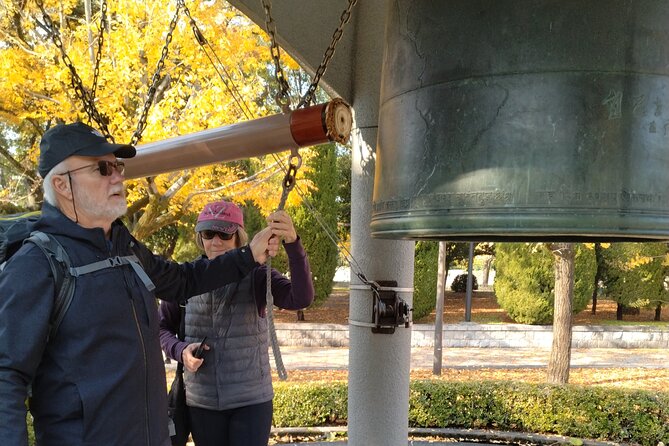
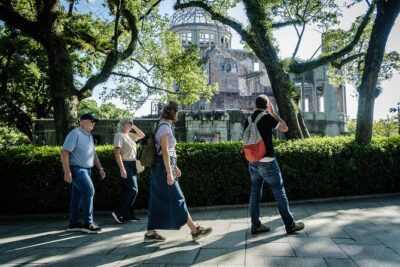
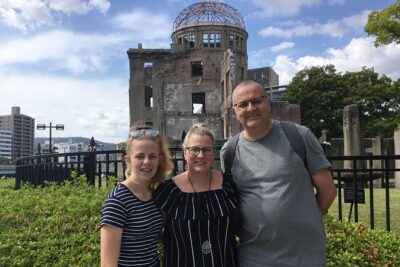
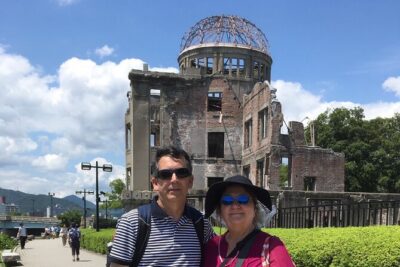
Next up is the Atomic Bomb Dome, with admission free. It’s one of the world’s most recognizable structures, and because of that, it’s easy to treat it like a landmark.
Don’t. This place deserves a slower look. Even a short stop can feel powerful if you stand back and take in the shape of the building, the surroundings, and how everything is arranged for remembrance. When you pair this with the museum first, you tend to read the site differently, not just as an icon but as a physical reminder of impact and endurance.
Time here is listed as about 30 minutes, so you won’t be doing a long study. That is okay. What matters is using the time well. If your guide gives you a quick explanation of what you’re seeing, follow it, then take a moment to let it land before you move on.
- Hiroshima in a Nutshell: Morning Bike Adventure★ 5.0 · 524 reviews
- Hiroshima City 4hr Private Walking Tour with Licensed Guide★ 5.0 · 437 reviews
- From Hiroshima: Hiroshima & Miyajima 1 Day Tour with Lunch★ 4.7 · 395 reviews
- Japanesel Archery Experience HIROSHIMA CASTLE SHARAKU★ 5.0 · 387 reviews
- Hiroshima and Miyajima Day Trip with Itsukushima Shrine & Ferry★ 5.0 · 378 reviews
Hiroshima Castle: What You Get, and What You Might Miss
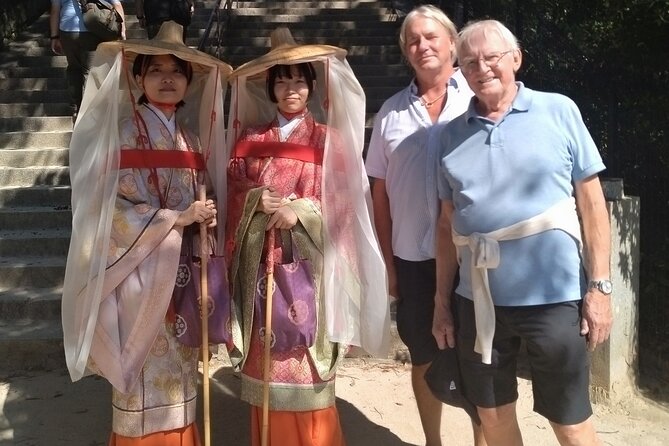
Then you move to Hiroshima Castle, with admission included (though with an important date note). The tour details specify that the castle is closed for renovation from March 23, 2026, so if you’re traveling around then, plan for a mostly outside experience.
Even with that caveat, the castle stop can still be worth your time. It’s a strong visual break from the memorial sites, and it connects you to Japan’s castle culture and traditional architecture style. When a tour includes an entrance ticket, it signals they want you to actually experience the castle grounds, not only view it from the street.
Still, here’s the honest part. A castle visit depends on access and timing, and the tour also notes that not all stops may be visited due to constraints. So if castle interior time is your top priority, ask your guide early how they’re handling priorities that day, and be prepared to adjust if crowds, timing, or closure rules shift the plan.
Shukkeien Garden: A Calm Reset Between Big Emotions

After Hiroshima Castle, you’ll visit Shukkeien Garden with admission included, with about 1 hour allocated. This is the “exhale” stop.
Shukkeien is known for blending Japanese garden design with subtle seasonal character. For many people, it’s the first place that lets the day feel less heavy. I like it in a full-day schedule because it gives your brain a different kind of work: noticing form, paths, and small details instead of reading panels or absorbing tragedy-focused context.
There’s also a practical benefit. Gardens help you slow down without feeling like you’re stuck. If you’re traveling in the heat, the garden gives shaded moments, and it’s easier to recover between outdoor segments.
If you’re the type who likes photos, this is one of your safer bets. The lighting and sightlines are more forgiving than memorial areas, where you might feel pressure to keep moving. Use the hour to wander at a pace your group can sustain.
Heading to Miyajima: When the Island Starts Pulling Its Weight
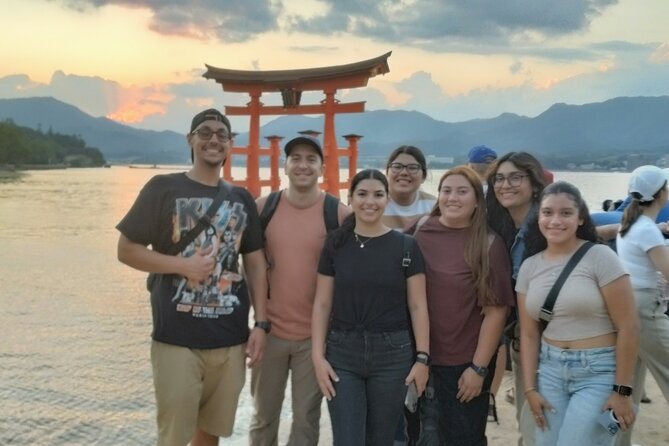
Once the day shifts toward Miyajima, the atmosphere changes. The itinerary is structured around the main shrine experience, plus time to stroll the island’s shopping street.
The key practical detail is how the tour ends: at Miyajima Pier. That matters because you’re not being dropped back at a random point. Ending near the pier generally makes it easier to keep the next part of your trip moving, whether you’re catching a connection or heading onward.
Also, Miyajima can be a place where you feel like you need an entire day. This tour wisely doesn’t pretend it’s a whole-day island cruise. Instead, it prioritizes the signature sights around Itsukushima Shrine, then adds time for Omotesandō Shopping Street so you can taste snacks and pick up small souvenirs without it turning into a shopping spree.
In other words, this is a “main stage” approach. If you’ve got energy for deeper side trips later, Miyajima still offers that.
Itsukushima Shrine and the Floating Torii Moment
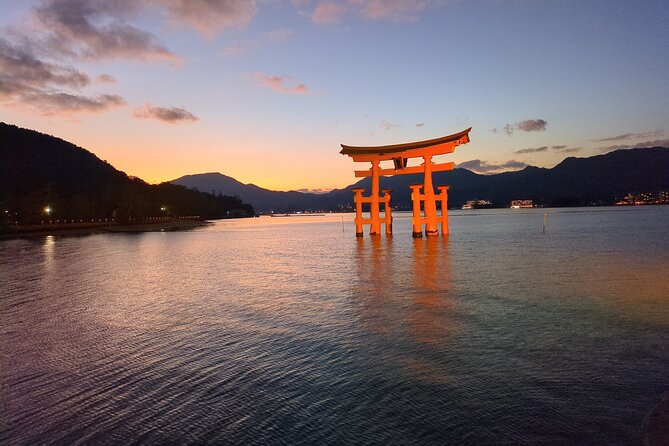
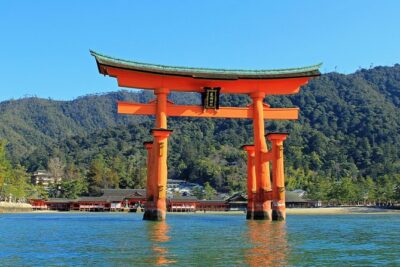
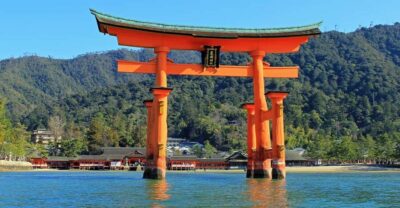
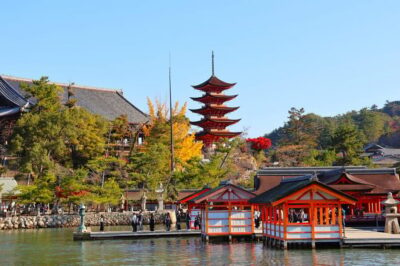
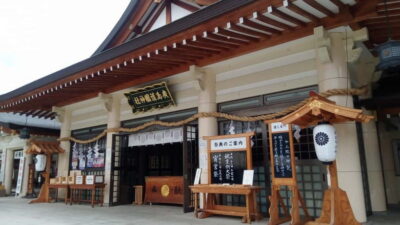
You’ll see the famous Itsukushima Shrine torii in the sea area, followed by time at Itsukushima Jinja itself, which is listed as about 2 hours with admission included. The torii stop is shorter, around 30 minutes, while the shrine visit gets more room for you to actually walk, look, and understand what makes the site special.
The shrine’s UNESCO-status fame comes from how architecture and tidal landscape interact. Your guide can help you time your viewing mentally, meaning you’ll know what to pay attention to beyond the obvious photo.
One thing I appreciate in a structured schedule like this is the balance between sacred space and visitor flow. Even when you only have a limited window, you don’t want to rush through the main shrine areas. Two hours gives you space to move at a reasonable pace, stop when something grabs your attention, and avoid the feeling that you’re sprinting between viewpoints.
Omotesandō Street: Snacks, Souvenirs, and Island Energy
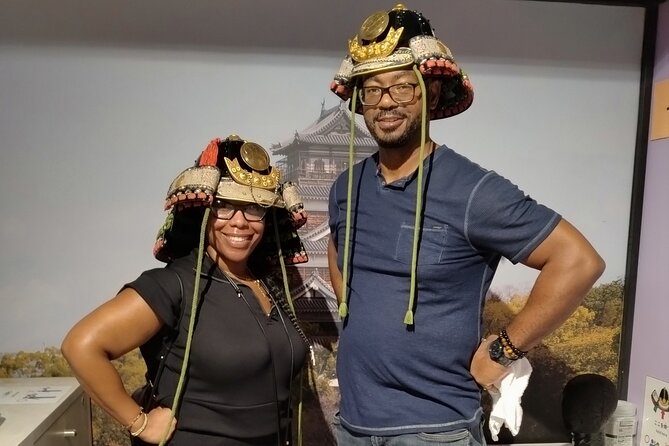
Between shrine moments, you also get about 1 hour at Miyajima Omotesandō Shopping Street. This is where the island feels everyday.
I like this stop because it supports the way Miyajima is actually experienced. You’ll likely find small shops, snacks, and gift items that reflect the island’s identity. It also gives your group a chance to recharge, use the restroom, and pick something to eat or drink if you haven’t already.
Lunch is not included, so Omotesandō can be a practical place to sort out your meal plans. And if you have dietary needs, this tour can be a good fit if your guide is proactive. In at least one past experience, Yoshi helped find a vegan lunch option, which is exactly the kind of real-world problem-solving that makes a private tour worth the money.
Price and Value: What You’re Really Paying For
At $167.50 per person for a private, guide-led day, the value depends on what matters to you.
Here’s the core: the price includes the guide and several key admissions, including the Peace Memorial Museum, Hiroshima Castle, Shukkeien Garden, and Itsukushima Shrine entrance, plus the shrine torii viewing is listed as free. That’s a meaningful chunk of the day, because you’re not just paying for narration. You’re paying for entry and time in the right places.
What’s not included matters too. Transportation cost from the meeting place to the desired place is not included, and lunch is not included. For some people, that’s fine, because they’ll already be planning local transit and meals. For others, it can feel like the price should have wrapped everything up.
My practical advice: do the math before you book. Add expected transit costs, plan your lunch, and budget a little buffer for taxi use if your schedule gets squeezed by crowds or late ferry timing (the day is subject to traffic and time constraints). When you do that, the private guide part tends to look much more reasonable.
Also, note that the tour is booked on average 56 days in advance. If you want your preferred day, earlier can help.
Booking Advice: How to Get the Best Version of This Day
The tour description emphasizes customization, and that’s where you can make a big difference.
To get the best results, I’d do three things:
1) Decide your priorities in advance: museum depth, castle interior, garden time, or Miyajima shrine focus.
2) Tell your guide your pace needs early, especially if your group includes seniors or heat-sensitive travelers.
3) Bring questions. A good guide can turn the day from sightseeing into understanding.
You should also plan for heat. The tour provider warns that Japan summers can be brutal, particularly August. Even if you’re not there in peak heat, Hiroshima in summer can feel heavy. Bring water, wear breathable clothes, and consider a parasol for shade. If you get a headache or dizziness, slow down fast. Don’t try to “power through” discomfort on a day built on walking.
Finally, remember the itinerary may not visit every stop in some situations. That’s not automatically a problem, but it is a reason to focus on what you care about most. If you only care about the signature sights, you’ll be happier. If you care about every single stop equally, ask how your guide handles shortfalls in advance.
Should You Book This Hiroshima and Miyajima Private Tour?
I’d book this tour if you want a private, guide-led day with strong structure and emotional context. It’s especially good for first-timers who want the museum and dome as a meaningful beginning, then want the calmer beauty of Shukkeien and the standout shrine experience on Miyajima. If your group includes someone who asks lots of questions, this tour format usually rewards you.
I’d think twice if you’re trying to minimize extra spending on top of the tour price, because transportation and lunch aren’t included. Also, if you’re traveling during the Hiroshima Castle renovation window starting March 23, 2026, set expectations for what you can access.
If you want a day that feels planned but not robotic, and you’re okay doing real walking under summer skies, this is a solid choice.
FAQ
What does this Hiroshima and Miyajima tour include?
It includes a local English speaking guide, admission to the Hiroshima Peace Memorial Museum, admission to Hiroshima Castle, admission to Shukkeien Garden, and admission to Itsukushima Shrine entrance. The torii viewing is listed as free.
Is lunch included?
No. Lunch is not included in the tour.
How long is the tour?
The duration is approximately 8 hours.
Where does the tour start and end?
It starts at Hiroshima Peace Memorial Museum (1-2 Nakajimachō, Naka Ward, Hiroshima) and ends at Miyajima Pier (Miyajimacho, Hatsukaichi, Hiroshima).
Is this tour private?
Yes. It is a private tour or activity, and only your group participates.
How do tickets work?
The tour uses a mobile ticket.
Is Hiroshima Castle included if it is closed for renovation?
The tour details state that Hiroshima Castle admission is included, but the castle is listed as closed for renovation from March 23, 2026.
Is the tour outdoors, and what should I do for summer heat?
It is a walking tour with time outdoors. The provider specifically warns that summer can be very hot, especially August when temperatures often exceed 35°C, so you should hydrate and consider shade such as a parasol.
What if I need to cancel or the weather is poor?
You can cancel for a full refund up to 24 hours before the experience’s start time. The tour requires good weather, and if it’s canceled due to poor weather you will be offered a different date or a full refund.
Hiroshima and Miyajima Together
Newest Hiroshima write-ups from the Loving Japan desk

Hiroshima and Miyajima Day Trips, side by side.
 ★ 5.0Peaceful Hiroshima & Miyajima UNESCO 1 Day Bus TourFrom $1295,309 reviews
 ★ 4.9Hiroshima and Miyajima UNESCO Sites 1-Day TourFrom $1222,330 reviews
 ★ 5.0Hiroshima / Miyajima Full-day Private Tour with Government Licensed GuideFrom $2021,298 reviews
 ★ 4.7Osaka/Kyoto: Hiroshima Miyajima Bus Tour & Shinkansen TicketFrom $277919 reviews
 ★ 4.8Hiroshima Historical Walking Tour – Why A-Bomb was DroppedFrom $35893 reviews
 ★ 5.0Hiroshima Peace (Heiwa) Walking Tour at World Heritage SitesFrom $94872 reviews
 ★ 5.0Hiroshima in a Nutshell: Morning Bike AdventureFrom $72524 reviews
 ★ 5.0Hiroshima City 4hr Private Walking Tour with Licensed GuideFrom $122437 reviews
Filed on these lists too