
REVIEW · HIROSHIMA AND MIYAJIMA DAY TRIPS
Hiroshima: City and Miyajima Bike and Boat Tour
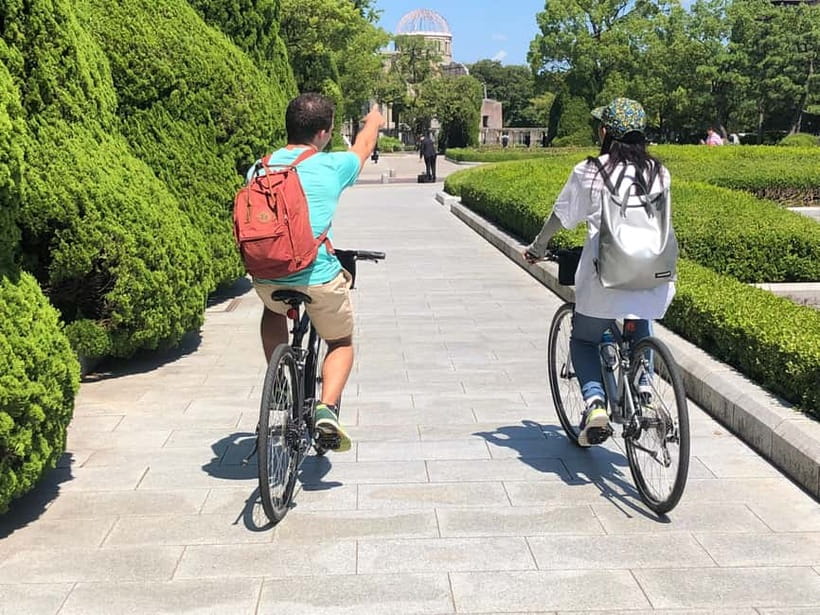
Bikes make Hiroshima feel personal. This small-group tour pairs Peace Park sights with the A-bomb Dome, then adds a ferry ride to Miyajima plus Hiroshima Castle and a shrine-focused walking route. The cycling is fully flat, so you can focus on seeing and listening instead of working hard on the ride.
What I like most is how the live English guide helps you make sense of heavy history, with a Q and A style that keeps the day human and clear. Guides such as Sage or Ishan are highlighted for answering lots of questions and keeping the group moving at a calm pace.
I also love the contrast built into the route, from Hiroshima’s feudal past at Hiroshima Castle to Miyajima’s green slopes and Shinto color around Itsukushima Shrine. The main consideration is simple: you need to be able to ride a bike and do a decent amount of walking, and this tour is not set up for wheelchair users or anyone who can’t comfortably bike for the day.
In This Review
- Key things that make this tour worth it
- Why this Hiroshima and Miyajima day tour works so well
- Flat cycling in Hiroshima, Trek bikes, and small group comfort
- Peace Park and the A-bomb Dome, what the guide helps you notice
- Hiroshima Castle: feudal context that changes how you read the city
- Train and ferry to Miyajima, plus the transfer you don’t have to plan
- Miyajima walking tour: religious center stories and photo-ready lanes
- Lunch, water, and what to bring for a smooth day
- Price and value: is $138 fair for this mix of sights?
- Who should book, and who should skip
- Should you book this Hiroshima and Miyajima bike and boat tour?
- FAQ
- How long is the Hiroshima and Miyajima Bike and Boat Tour?
- What’s included in the tour?
- Is the cycling difficult?
- What kind of bikes are provided?
- What happens if it rains?
- Does the tour include lunch?
- Is hotel pickup provided?
- How many people are in the group, and is the guide English-speaking?
Key things that make this tour worth it
- Peace Park and A-bomb Dome on two wheels, with English commentary timed to what you’re seeing
- Small group limits to 8, which makes questions easier and the pace more relaxed
- Flat cycling route with Trek bikes, including step-through frames and child-sized options
- City and island contrast, Hiroshima history in the morning, Miyajima religious sites and photos in the afternoon
- Itsukushima Shrine and Miyajima walking time, where you slow down enough to take in the religious center story
Pairing the city with Miyajima. Other itineraries
- Peaceful Hiroshima & Miyajima UNESCO 1 Day Bus Tour
★ 5.0 · 5,309 reviews - Hiroshima: Hiroshima and Miyajima UNESCO Sites 1-Day Tour
★ 4.9 · 2,330 reviews - Hiroshima / Miyajima Full-day Private Tour with Government Licensed Guide
★ 5.0 · 1,298 reviews - Hiroshima Historical Walking Tour – Why A-Bomb was Dropped
★ 4.8 · 893 reviews
Why this Hiroshima and Miyajima day tour works so well
This is the kind of day trip that saves you from over-planning. You get a guided route that connects Hiroshima’s most important memory sites with Miyajima’s iconic shrine world, using a mix of bike, train, and ferry. For many people, that means you spend more time actually seeing and less time figuring out transfers.
The pacing also makes sense. You start in the city with an easy ride that keeps you close to key landmarks, then you shift to a more grounded walking style on Miyajima Island. That rhythm matters because the topics in Hiroshima can be emotionally intense, and a guide helps you hold onto clarity without rushing.
Another smart part is the built-in contrast. Hiroshima brings focus to history and remembrance. Miyajima brings green hills and Shinto architecture, which feels like a different planet even though both places are tied together by culture and belief. You leave with both meaning and atmosphere, not just a list of stops.
Flat cycling in Hiroshima, Trek bikes, and small group comfort
The cycling portion is completely flat, and that’s a big deal if you want an easy, confident day. You do not need mountain-bike skills. You just need the basics of riding, steering, and braking calmly while you take photos and listen.
The operator provides Trek-brand bikes in multiple sizes, plus step-through frames for easier mounting and child-sized bikes. Helmets are included too, and that helps if you’re traveling with a lot already on your plate. In practice, it also reduces hassle, because you won’t be hunting for rental bikes or worrying about whether the seat fits.
The small-group size, limited to 8 participants, changes the feel. A guide can slow down for the person who moves a bit slower. It’s also easier to ask questions without feeling like you’re talking over everyone else.
The tradeoff is that this is still an active day. You’re on the bike for a set route, then you switch to walking once you reach Miyajima. If you’re on the fence about your stamina, be honest about how much walking you’re comfortable with.
Peace Park and the A-bomb Dome, what the guide helps you notice
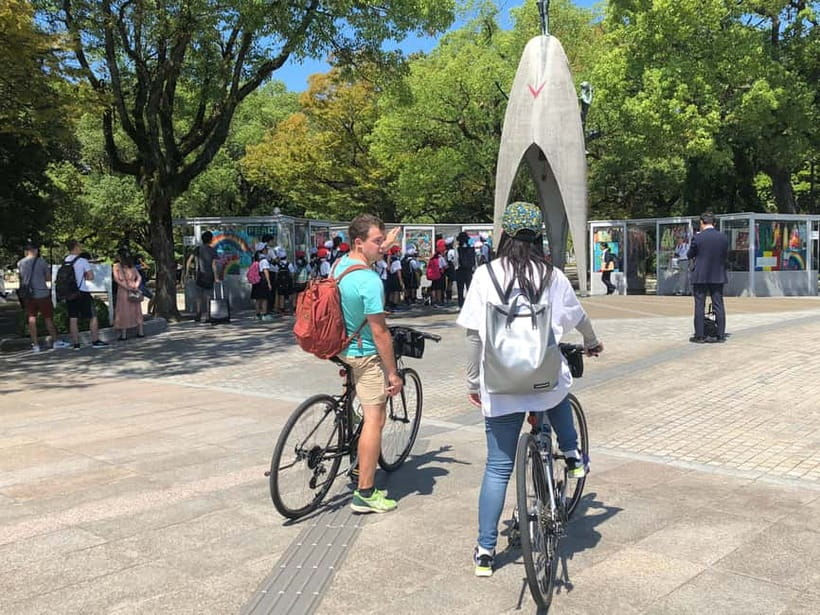
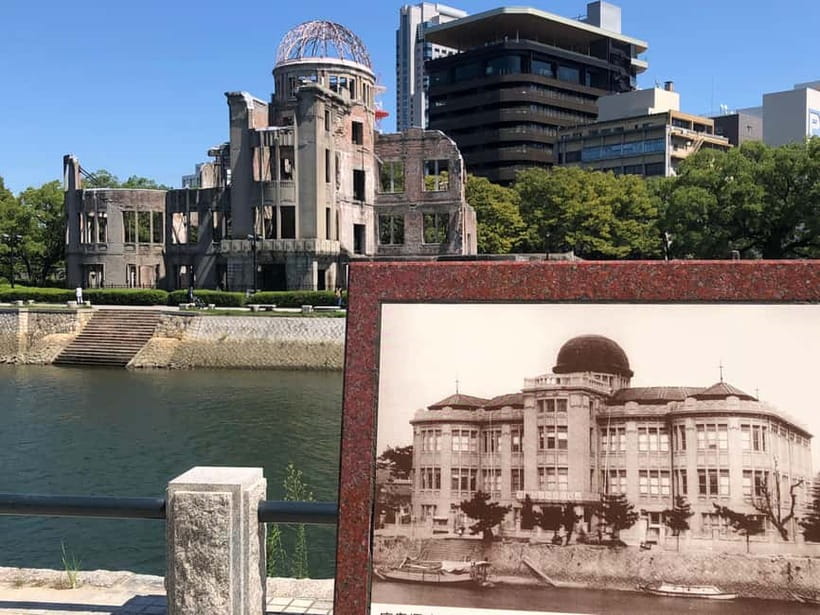
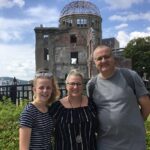
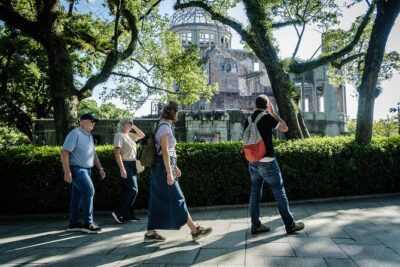
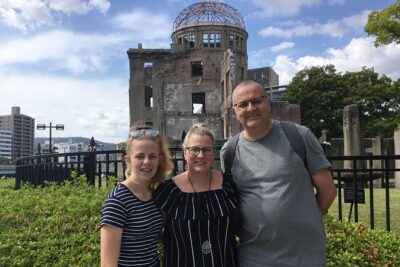
The tour’s emotional center is the cycle around Peace Park and the A-bomb Dome. These places are famous, but the value here is in the guide’s commentary while you’re moving through the area. Instead of just seeing monuments, you get explanations that connect the setting to what happened and how Hiroshima chose to remember.
I like that the guide-led approach keeps you from getting lost in the details. You’ll have a plan for where to look first, when to pause, and what background to hold in mind while you take photos. This matters because it’s easy to rush when you’re photographing something big and visually striking.
Guides like Ishan and Sage are noted for enthusiasm and patience, especially when people ask questions. That’s important, because some facts may feel surprising or heavy, and you’ll want space to ask what something means. The pace is calm, and slower riders get supported, so the ride stays comfortable.
One more point you’ll appreciate: the day does not treat these sites like a quick photo stop. You get time and framing that make the visit more thoughtful. Just be prepared for the topic to be serious, because the tour does not shy away from the worst side of the atomic explosion, along with the ideas of remembrance that follow.
- Hiroshima in a Nutshell: Morning Bike Adventure★ 5.0 · 524 reviews
- Hiroshima City 4hr Private Walking Tour with Licensed Guide★ 5.0 · 437 reviews
- From Hiroshima: Hiroshima & Miyajima 1 Day Tour with Lunch★ 4.7 · 395 reviews
- Japanesel Archery Experience HIROSHIMA CASTLE SHARAKU★ 5.0 · 387 reviews
- Hiroshima and Miyajima Day Trip with Itsukushima Shrine & Ferry★ 5.0 · 378 reviews
Hiroshima Castle: feudal context that changes how you read the city
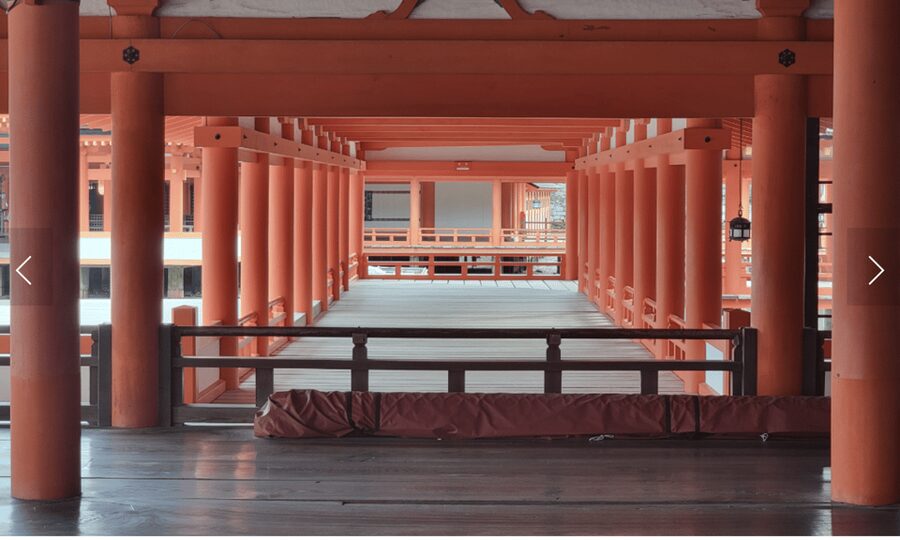
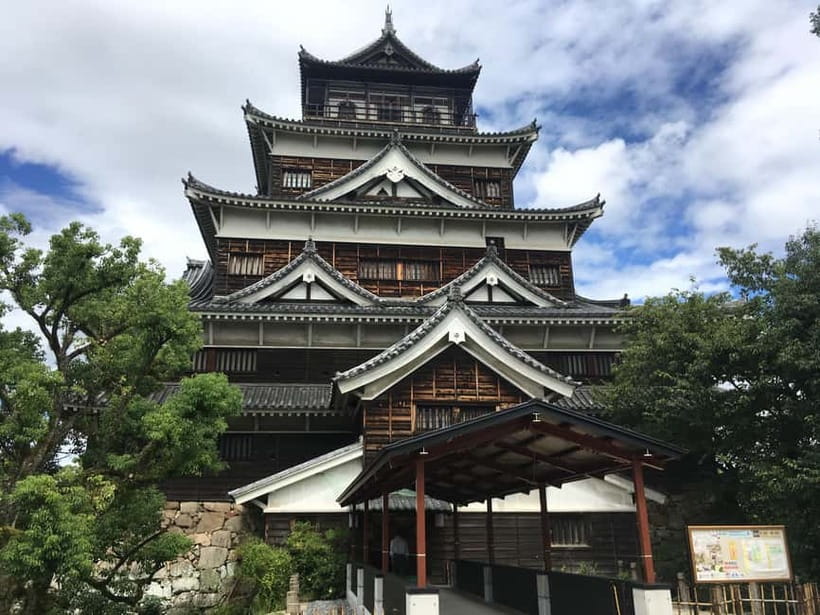
After the Peace Park area, the tour moves you into a different layer of Hiroshima: the city’s feudal past at Hiroshima Castle. The castle visit adds context that’s easy to miss if your trip is only focused on the modern memorial sites.
What I find useful about this stop is that it gives you a time scale. You can hold two stories at once: Hiroshima as a place with deep historical roots, and Hiroshima as a place that carries modern memory forward. That contrast makes the city feel more complete rather than one-note.
Even if you already know the castle is part of Hiroshima’s identity, the guided explanation helps you understand why it mattered historically. You’re not just walking around old stone and walls. You’re learning how regional power and eras shaped the city that stands today.
The practical side is also good. You get a structured stop rather than wandering on your own with limited time. And because this is still part of a guided route, you can spend your energy on learning and photos instead of figuring out which corners to prioritize.
Train and ferry to Miyajima, plus the transfer you don’t have to plan
Once you’ve seen Hiroshima’s memorial area and then the castle stop, you transfer toward Miyajima by train and ferry. The ferry ride is included, which removes one of the biggest hassles of visiting the island. You’re not juggling ticket counters while you’re trying to stay on schedule.
This transfer is also part of the value. Miyajima is close enough for a day trip, but long enough that planning matters. When the tour handles the route, you can enjoy the journey rather than stress about connections.
You’ll likely appreciate the rhythm change here. Bike in the city, then train and ferry, then walking on the island. That shift keeps the day from feeling like one long slog, even though it’s still a full-day outing.
If weather turns nasty, the tour has a contingency plan. Instead of scrambling, you’ll be contacted to offer a switch to a walking tour around the Peace Park area or a full refund. That means you should make sure you can be reached, so you can get the update quickly.
Miyajima walking tour: religious center stories and photo-ready lanes
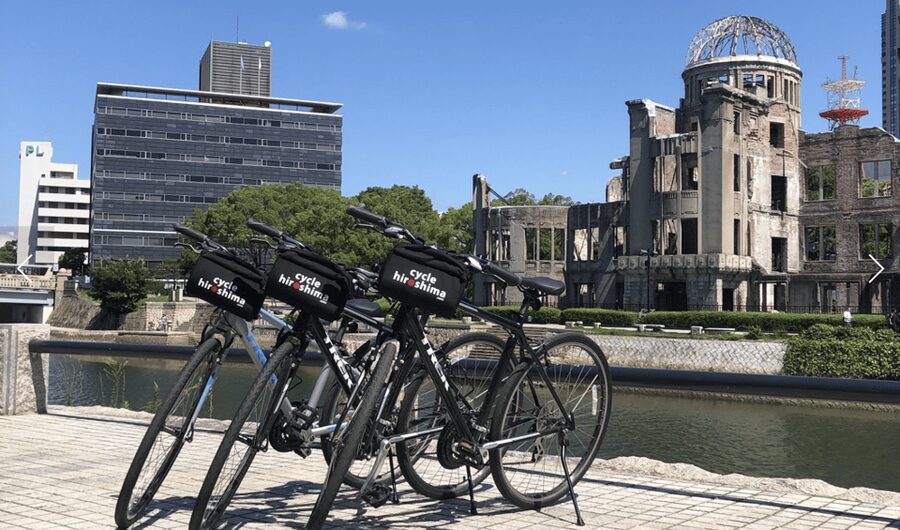
Docked on Miyajima, the tour becomes a guided walking experience. This is where the day turns greener, calmer, and more visual. The island is famous for its Shinto architecture, and you’ll see Itsukushima Shrine as part of the day’s guided route.
The guide’s job here is especially important. Miyajima isn’t only about pretty buildings. You learn how the island developed as a religious center, and that context makes the lanes and structures feel less like a set and more like a living tradition.
You’ll also get time for picture opportunities. Miyajima is the kind of place where small streets and perspectives can make your photos look special, even without flashy gear. The walking pace is guided, so you can stop when you need to rather than trying to keep up in a self-guided rush.
One of the best parts of this day for many people is the feeling of contrast. Hiroshima is about memory and the weight of what happened. Miyajima adds greenery and ritual space, which helps the day feel balanced instead of overwhelming. That contrast is not accidental, it’s built into the schedule.
Lunch, water, and what to bring for a smooth day
Food and water are handled for you. Lunch and water are included, which is a quiet convenience that can really matter on an active sightseeing day. When a tour feeds you, you avoid spending time searching for a place or deciding whether a restaurant can handle your timing.
For what to bring, focus on comfort. Wear comfortable shoes, bring your camera, and choose clothes you can move in. Even though the bike ride is easy and flat, the day includes enough walking that you’ll want footwear you trust.
Also, plan to share practical details with the operator. You’ll be asked for everyone’s heights so the bikes can fit properly. If you have dietary restrictions, provide that info in advance, since lunch is included and they need to know.
Small rules keep the day easy for everyone. Smoking is not allowed, so you can expect a standard, considerate tour environment.
Price and value: is $138 fair for this mix of sights?
At $138 per person, this tour is not a budget-only option. But the cost makes sense when you count what’s included and how much gets packed into 450 minutes.
You’re paying for several things at once:
- A live English guide for both the cycling and walking segments
- Bike and helmet, including support for different rider needs (step-throughs and child-sized options)
- Transport support, including train and ferry transfer to Miyajima
- Lunch and water, which reduces the day’s extra spending
- Multiple major stops, Peace Park and A-bomb Dome area cycling, Hiroshima Castle, and Itsukushima Shrine on Miyajima
If you tried to piece this together yourself, the planning time alone could eat up the value. You would still need bike rentals, transfers, and a route that hits the right landmarks without wasted hours. This tour basically compresses decision-making into one guided flow.
Where the price can feel less worth it is if you already know Hiroshima well and you prefer unguided travel. But if you want a first-timer-friendly route, with history explained in English and a ferry day that stays organized, this price is closer to “pay to reduce stress” than “pay for extra comfort.”
Who should book, and who should skip
This tour is a strong match if you:
- Can ride a bike confidently, even if you don’t cycle often
- Want an English guide for context at Peace Park and Hiroshima Castle
- Like small group travel, where questions stay part of the day
- Are excited to pair Hiroshima’s memorial sites with Miyajima’s religious lanes and Itsukushima Shrine
It’s not a match if:
- You cannot ride a bike
- You use a wheelchair
- You’re pregnant (the tour is listed as not suitable)
- You expect hotel pickup, because it is not included
One last note on emotional readiness. The Peace Park and A-bomb Dome portion is serious. Even with a guide who brings humor and pacing in other moments, the setting asks for respect. If you’re sensitive to heavy subject matter, think about whether a guided structure helps you or overwhelms you.
Should you book this Hiroshima and Miyajima bike and boat tour?
If you want one day that genuinely connects Hiroshima’s two biggest storylines, I think it’s a smart booking. The flat bike route keeps things manageable, the small group size keeps it personal, and the combination of guided cycling plus Miyajima walking gives you both meaning and scenery.
Book it if you like a plan but still want flexibility to ask questions, take photos, and go at a calm pace. Consider skipping if you cannot bike, you need wheelchair access, or you’re the type who really wants to move entirely on your own with no group schedule.
If weather is a concern, know that rain has a built-in alternative approach, which is a comfort. For $138, you’re paying for organization, guide time, transport, and food, not just a route. For many visitors, that’s exactly the kind of value that makes Hiroshima and Miyajima feel doable in one day.
FAQ
How long is the Hiroshima and Miyajima Bike and Boat Tour?
The duration is 450 minutes.
What’s included in the tour?
It includes a guided cycle around Peace Park and the A-bomb Dome, Hiroshima Castle, train and ferry transfers to Miyajima, a walking tour on Miyajima, a visit to Itsukushima Shrine, bike and helmet, and lunch plus water.
Is the cycling difficult?
No. The cycling route is completely flat and suitable for all skill levels.
What kind of bikes are provided?
The tour uses Trek bikes in a range of sizes, and they also offer step-through frames and child-sized bikes.
What happens if it rains?
In case of rain, the operator will contact you to offer either a switch to a walking tour around the Peace Park or a full refund.
Does the tour include lunch?
Yes, lunch and water are included.
Is hotel pickup provided?
No. Hotel pickup and drop-off are not included.
How many people are in the group, and is the guide English-speaking?
It’s a small group limited to 8 participants, with a live English-speaking guide.
Hiroshima and Miyajima Together
Newest Hiroshima write-ups from the Loving Japan desk

Hiroshima and Miyajima Day Trips, side by side.
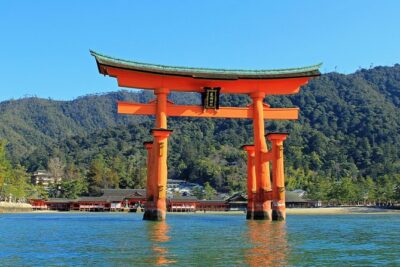 ★ 5.0Peaceful Hiroshima & Miyajima UNESCO 1 Day Bus TourFrom $1295,309 reviews
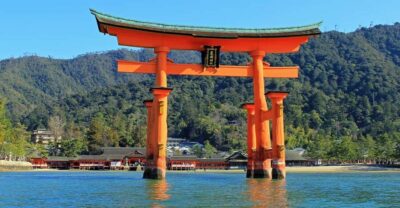 ★ 4.9Hiroshima and Miyajima UNESCO Sites 1-Day TourFrom $1222,330 reviews
 ★ 5.0Hiroshima / Miyajima Full-day Private Tour with Government Licensed GuideFrom $2021,298 reviews
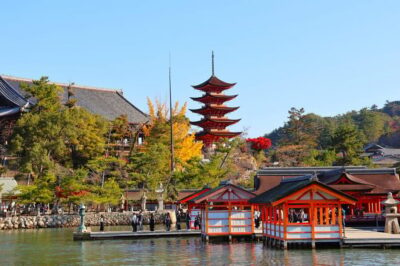 ★ 4.7Osaka/Kyoto: Hiroshima Miyajima Bus Tour & Shinkansen TicketFrom $277919 reviews
 ★ 4.8Hiroshima Historical Walking Tour – Why A-Bomb was DroppedFrom $35893 reviews
 ★ 5.0Hiroshima Peace (Heiwa) Walking Tour at World Heritage SitesFrom $94872 reviews
 ★ 5.0Hiroshima in a Nutshell: Morning Bike AdventureFrom $72524 reviews
 ★ 5.0Hiroshima City 4hr Private Walking Tour with Licensed GuideFrom $122437 reviews
Filed on these lists too