
REVIEW · HIROSHIMA AND MIYAJIMA DAY TRIPS
Hiroshima: History and Hidden Gems Tour
Hiroshima history hits hardest on foot. This Peace Memorial Museum to Atomic Bomb Dome style walking tour is powerful because it’s organized like a story, with Awais guiding you through what you’re seeing.
I love two things most: the order of stops makes the events easier to understand, and you keep a human pace even while covering major landmarks. It also helps that Awais is fluent, patient, and willing to answer questions as you go.
One consideration: this is a long walk and the topics are heavy, so build in time to slow down after, especially if you know you get emotionally affected easily.
In This Review
- Key highlights I’d plan around
- Why this Hiroshima walk feels different from a basic sightseeing loop
- Starting at the Peace Memorial Museum: what you should watch for
- Peace Memorial Park to Aioi Bridge to the Dome: why the order matters
- The memorial stops that add perspective beyond the headline landmarks
- Hiroshima Castle inside: architecture, not waiting in line
- Shukukeien Garden: the calm that makes the day make sense
- How long it takes, how much you walk, and how to plan your rest of the day
- Price and value: what you’re really paying for
- Who this tour is for, and who might want a different pace
- Should you book this Hiroshima history and city tour?
- FAQ
- Where does the tour start?
- How long is the Hiroshima tour?
- What sights are included during the tour?
- Is the guide available in English, and is it wheelchair accessible?
- Do I need to buy tickets or wait in line?
- What should I bring for the walk?
- What are my options if plans change?
Key highlights I’d plan around
- Story-first pacing from the museum to the Dome, so nothing feels random
- Awais’s fluent English and patient explanations that stay clear even when the subject turns difficult
- Queue-light timing, including going inside Hiroshima Castle rather than waiting in line
- Major memorials in context like Aioi Bridge and the Korean Atomic Bomb Victims Cenotaph
- Contrast at the end with Shukukeien Garden’s calm after the memorial stops
Pairing the city with Miyajima. Other itineraries
- Hiroshima: Hiroshima and Miyajima UNESCO Sites 1-Day Tour
★ 4.9 · 2,330 reviews - Hiroshima / Miyajima Full-day Private Tour with Government Licensed Guide
★ 5.0 · 1,298 reviews - Hiroshima Historical Walking Tour – Why A-Bomb was Dropped
★ 4.8 · 893 reviews - Hiroshima Peace (Heiwa) Walking Tour at World Heritage Sites
★ 5.0 · 872 reviews
Why this Hiroshima walk feels different from a basic sightseeing loop
If you only do Hiroshima on a checklist, you miss how the city holds memory in layers. This tour is designed to connect the dots for you, from the moment you start at the Peace Memorial Museum to the outdoor sites where the landscape still tells the story.
What makes it especially worthwhile is that it is guided, not just “go see these places.” Awais explains what you’re looking at in plain terms, and he keeps the route moving without rushing you through the important parts. I also like that the day mixes emotional gravity with real Hiroshima culture and architecture, not just solemn stops in a row.
At 57 USD for about 3 hours, you’re paying for time with an English-speaking guide who can translate nuance, not just language. That matters in Hiroshima, where a lot of what you see has context you would not guess on your own.
Starting at the Peace Memorial Museum: what you should watch for
The tour begins at the Hiroshima Peace Memorial Museum, and that is the right move. Before you step outside into the park, you need the framework: what happened, why it matters, and how the city has worked to keep remembrance visible.
You’ll get a photo stop, then a guided museum experience plus walking time. In my view, this setup helps you avoid that common problem of wandering the museum like a blur, then trying to connect it later outside. With Awais, the museum visit becomes your anchor.
A good practical tip is to treat the museum visit like orientation. If you can, pick a few moments that hit you personally, and then keep an eye out for how outdoor locations echo those same themes later in the park area.
Peace Memorial Park to Aioi Bridge to the Dome: why the order matters
Once you leave the museum area, you move into Peace Memorial Park, where the city’s layout turns into a map of memory. You get guided time, plus scenic stops along the way, and there’s a quick safety briefing because the route involves walking and crossing busy areas.
The park is not one monument. It’s many points that all relate, and this tour’s pacing helps you understand the connections. You’ll visit the Hiroshima National Peace Memorial, then the Children’s Peace Monument, and other memorial elements that broaden the story beyond the blast itself.
Then comes Aioi Bridge, a landmark you’ll recognize instantly once you see it. Even if you’ve seen photos before, standing near it feels different when you’ve been guided through what the bridge represents in the wider narrative.
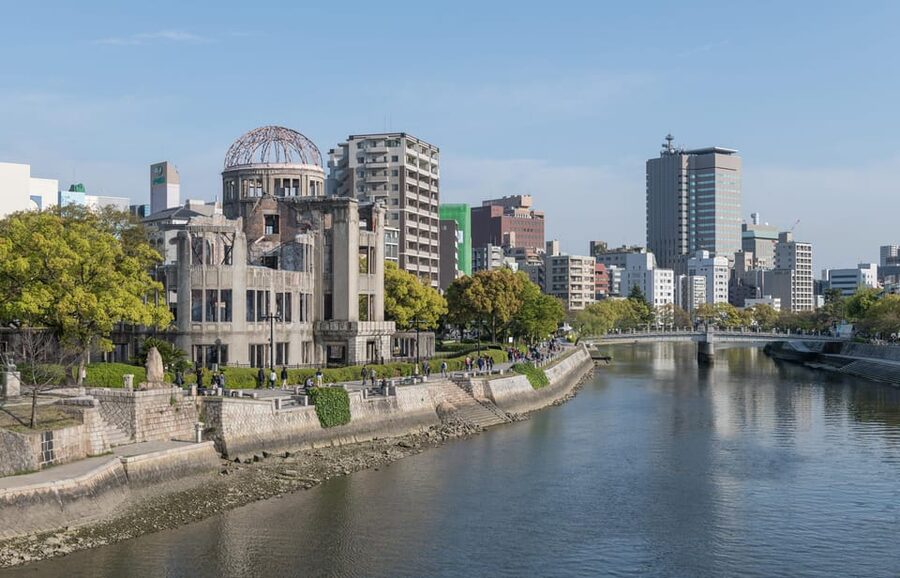
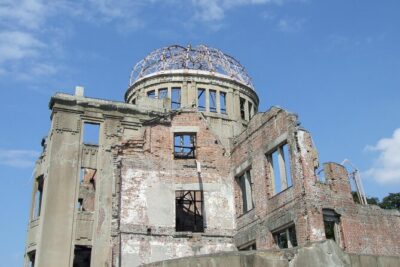
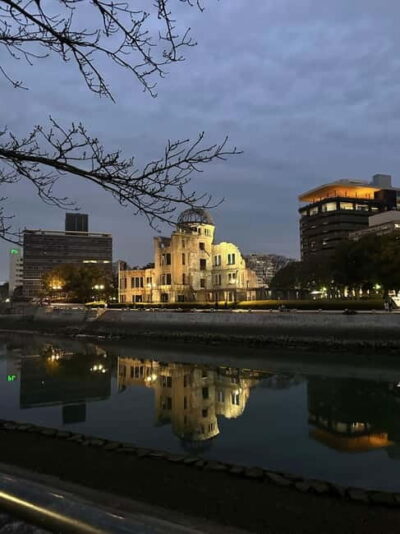
Finally, you reach the Atomic Bomb Dome, and this is where the city’s physical survival becomes undeniable. The Dome is not just a historic building. It is a visual reminder that meaning stays attached to place.
A big reason many people love this tour is that Awais sequences visits so you are not constantly waiting. You get a flow, and you can focus on absorbing what you’re seeing.
- Hiroshima Peace (Heiwa) Walking Tour at World Heritage Sites★ 5.0 · 872 reviews
- Hiroshima in a Nutshell: Morning Bike Adventure★ 5.0 · 524 reviews
- Hiroshima City 4hr Private Walking Tour with Licensed Guide★ 5.0 · 437 reviews
- From Hiroshima: Hiroshima & Miyajima 1 Day Tour with Lunch★ 4.7 · 395 reviews
- Japanesel Archery Experience HIROSHIMA CASTLE SHARAKU★ 5.0 · 387 reviews
The memorial stops that add perspective beyond the headline landmarks
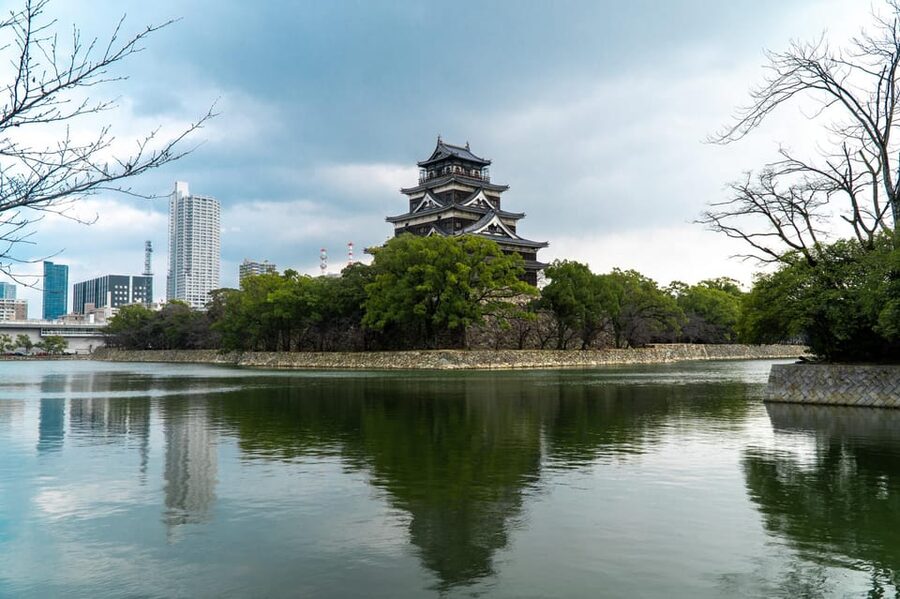
The headline names are powerful, but Hiroshima has other memorials that broaden your understanding. This tour includes stops like the Korean Atomic Bomb Victims Cenotaph, which gives the story a wider historical lens.
You’ll also spend time at the Atomic Bomb Memorial Burial Mound, including more than one moment with that site as the route unfolds. That repetition can sound odd on paper, but in practice it helps you register the memorial’s presence and symbolism as you move through the park.
One detail I really appreciate: the guide handles difficult material with care. That matters because these are not just “facts.” They are personal losses, and the tone you get from Awais is calm, compassionate, and respectful.
If you want to get the most out of these stops, don’t try to memorize every date. Instead, ask yourself what each monument is trying to communicate: grief, survival, responsibility, or a commitment to peace. A good guide will help you translate that without making it feel like a lecture.
Hiroshima Castle inside: architecture, not waiting in line
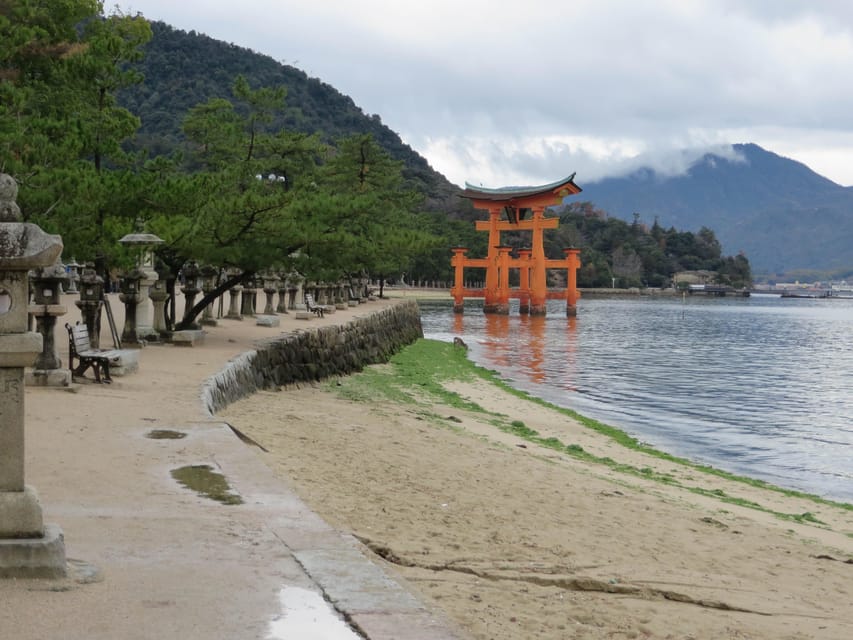
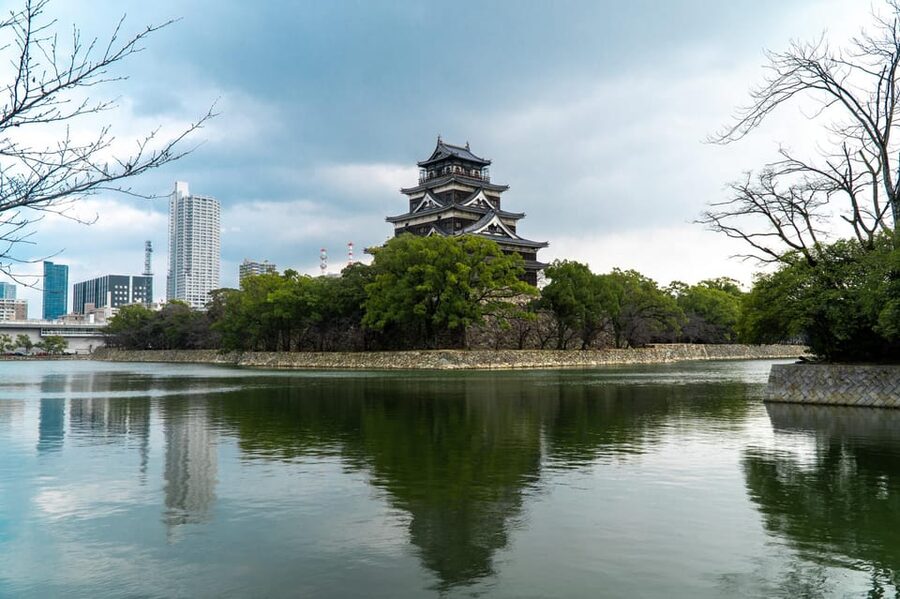
After the memorial area, the tour shifts gears in a smart way. You head to Hiroshima Castle, and the approach is practical: you go inside to see the castle’s exhibits instead of spending your time waiting.
This is a nice change of pace, because it turns your attention from remembrance to heritage. You’re still in Hiroshima’s history, but in a different register: feudal-era power, city development, and the way the city rebuilds and redefines itself.
I like this stop for another reason. If you feel emotionally drained from the park, the castle gives you something to look at that is visual and structural. You can reset your brain without leaving the “history” theme entirely.
Shukukeien Garden: the calm that makes the day make sense
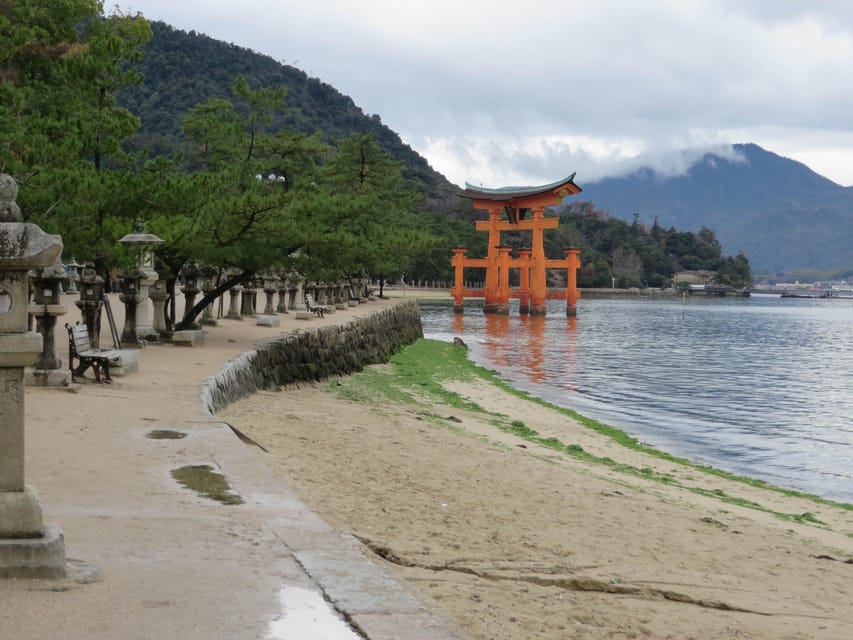
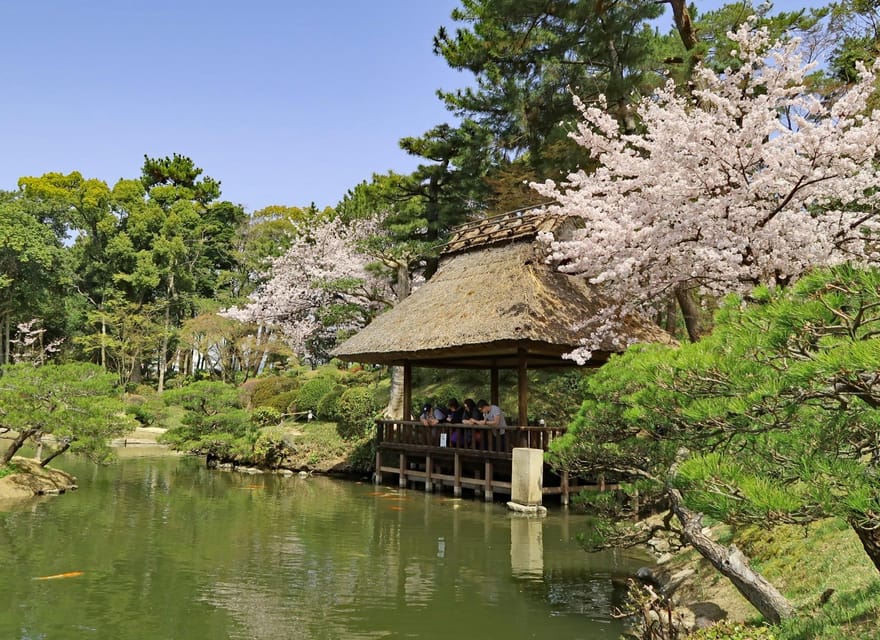
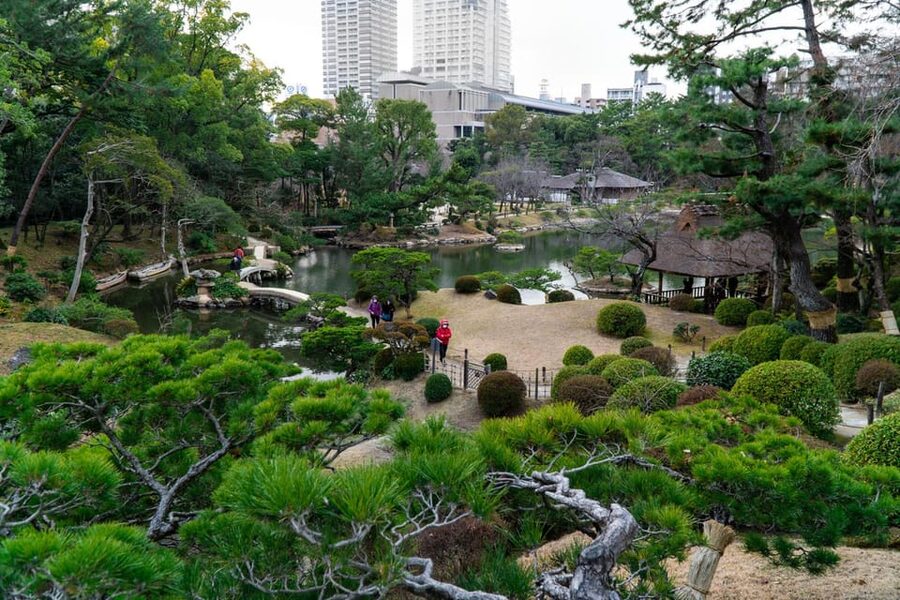
To balance the heaviness, the tour also includes Shukukeien Garden, described as the oldest garden from the 16th century. The garden is not just pretty scenery. It’s a lesson in how design and nature have long been used to communicate meaning in Japan.
You’ll tour the garden with guided context, and you’ll also spend time just looking around. I find it helps to treat Shukukeien as a decompression stop, not another checklist item. Let your eyes rest on the architecture and composition, then let the earlier memorial sites settle in.
This contrast is valuable. Without it, Hiroshima can feel like a single emotional note. With it, you understand how the city carries memory while still living day to day.
How long it takes, how much you walk, and how to plan your rest of the day
It’s about 3 hours, but do not assume it means “easy.” This tour is a walking experience across multiple areas, and comfortable shoes are a must.
Weather is also a factor. The itinerary involves outdoor walking, and rain happens. I’m glad the guide can adapt on the fly, including keeping people sheltered when needed. That kind of flexibility makes the difference between a tour you enjoy and a tour you endure.
For your schedule, I recommend you avoid stacking something tight immediately after. You’ll likely want time for a meal and a slow walk of your own. Hiroshima is one of those places where processing takes longer than you think.
You’ll also get two drop-off locations, Shukukeien Garden and Hiroshima Peace Memorial Museum. That flexibility can help you choose whether to end near the garden vibe or near the museum area for onward plans.
Price and value: what you’re really paying for
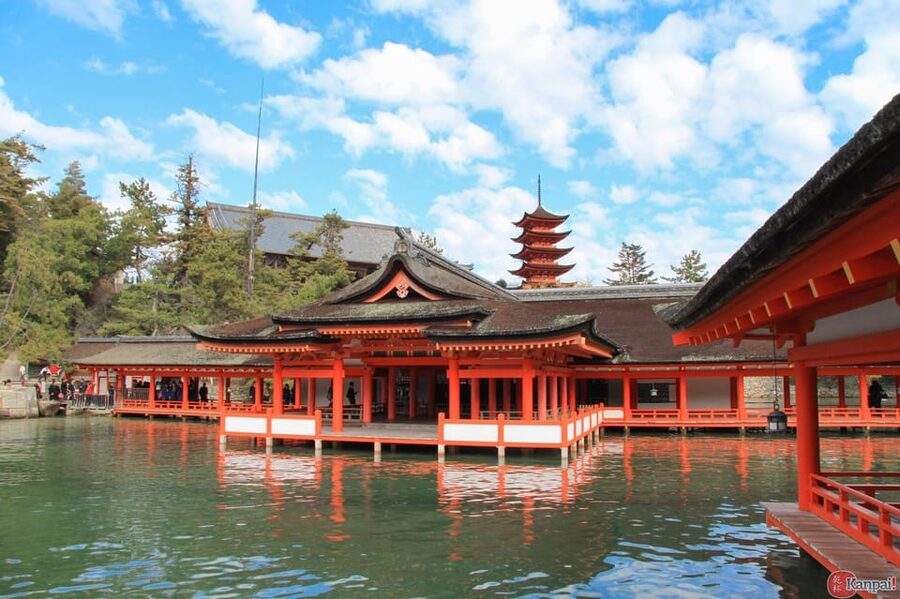
At 57 USD per person, the price is reasonable when you consider what you get: an English-speaking guide, access to major memorial sites, plus time at Hiroshima Castle and Shukukeien Garden, along with skip-the-line advantages.
A self-guided Hiroshima day usually costs less on paper, but you pay in confusion. The memorials make sense faster when someone helps you connect locations and themes in the right order. In this case, your guide does more than translate words. He helps you understand why each stop matters.
I also like that there’s no souvenir-shop detour built into the experience. That keeps your limited time focused on places that actually teach you something.
If you’re on a short trip to Hiroshima and you want the city’s core story plus a cultural contrast, this tour is a strong value. If you have days to spare and you prefer total independence, you could do it on your own. But you’d be giving up the pacing and context that make the day click.
Who this tour is for, and who might want a different pace
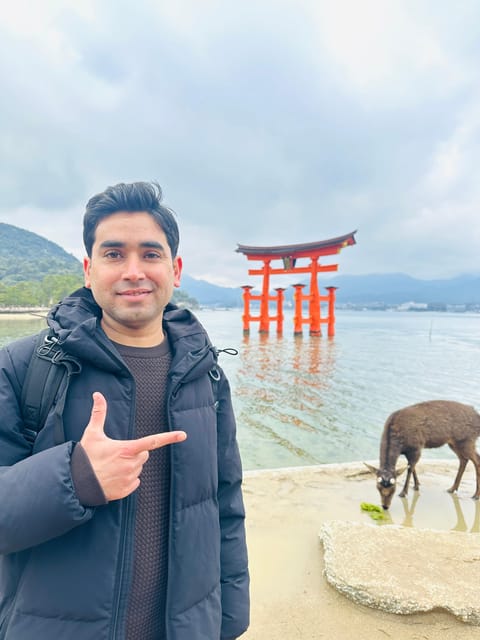
This is a great fit if you:
- Want an organized walking route with major memorials covered in a logical sequence
- Appreciate careful explanations and the chance to ask questions
- Prefer a guide who can adapt when weather or timing changes
- Want a mix of solemn history and Hiroshima culture in one half-day
It might feel like too much if you:
- Need very frequent stops to rest your legs
- Know you struggle with emotional topics and want a gentler pace
- Prefer to spend longer at one museum-like stop without moving on
The good news is that Awais is flexible and adjusts when needed. That flexibility showed up in how people described the tour approach, including rain-day problem solving.
Should you book this Hiroshima history and city tour?
Yes, if you want your Hiroshima day to feel organized, meaningful, and time-efficient. The mix of Peace Memorial Museum, multiple park memorial stops, the Atomic Bomb Dome, then Hiroshima Castle and Shukukeien Garden is a smart way to cover the big emotional and cultural pieces in one go.
Book it especially if you like clarity. A guide helps you understand what you’re seeing, and it also helps you avoid wasted time in queues, which matters when you only have a few hours.
If you’re the type who wants to linger alone and process slowly, you may still love the places, but you might choose a slower option instead. For many people, though, this is the best style of half-day Hiroshima experience: focused, guided, and paced so you actually come away understanding the city.
FAQ
Where does the tour start?
The tour begins at the Hiroshima Peace Memorial Museum. You can also choose a meeting point if you prefer.
How long is the Hiroshima tour?
It lasts 3 hours.
What sights are included during the tour?
You’ll see the Hiroshima Peace Memorial Museum and Hiroshima Peace Memorial Park, plus the Hiroshima National Peace Memorial, Children’s Peace Monument, Atomic Bomb Memorial Burial Mound, Aioi Bridge, Korean Atomic Bomb Victims Cenotaph, and Atomic Bomb Dome. The tour also includes Hiroshima Castle and Shukukeien Garden.
Is the guide available in English, and is it wheelchair accessible?
Yes, the tour has an English-speaking guide, and it is wheelchair accessible.
Do I need to buy tickets or wait in line?
The tour is described as skipping the ticket line.
What should I bring for the walk?
Bring comfortable shoes, a hat, sunscreen, and weather-appropriate clothing.
What are my options if plans change?
You can cancel up to 24 hours in advance for a full refund, and you can reserve now and pay later (you pay nothing today).
Hiroshima and Miyajima Together
Newest Hiroshima write-ups from the Loving Japan desk
Hiroshima and Miyajima Day Trips, side by side.
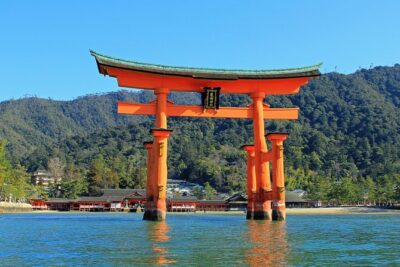 ★ 5.0Peaceful Hiroshima & Miyajima UNESCO 1 Day Bus TourFrom $1295,309 reviews
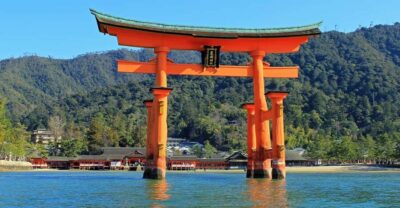 ★ 4.9Hiroshima and Miyajima UNESCO Sites 1-Day TourFrom $1222,330 reviews
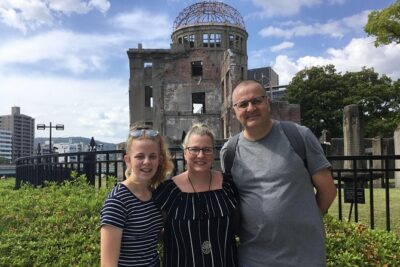 ★ 5.0Hiroshima / Miyajima Full-day Private Tour with Government Licensed GuideFrom $2021,298 reviews
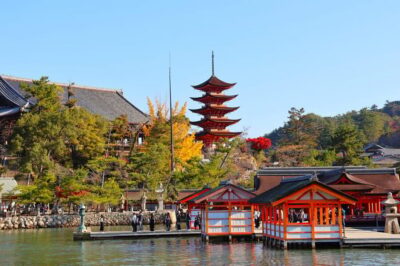 ★ 4.7Osaka/Kyoto: Hiroshima Miyajima Bus Tour & Shinkansen TicketFrom $277919 reviews
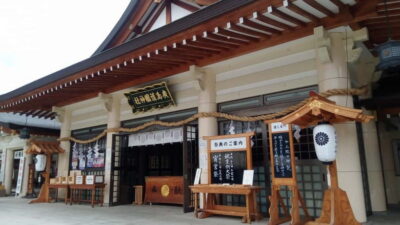 ★ 4.8Hiroshima Historical Walking Tour – Why A-Bomb was DroppedFrom $35893 reviews
 ★ 5.0Hiroshima Peace (Heiwa) Walking Tour at World Heritage SitesFrom $94872 reviews
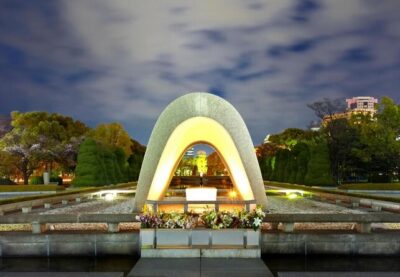 ★ 5.0Hiroshima in a Nutshell: Morning Bike AdventureFrom $72524 reviews
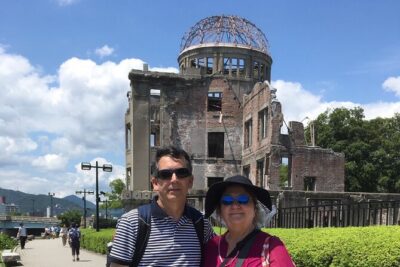 ★ 5.0Hiroshima City 4hr Private Walking Tour with Licensed GuideFrom $122437 reviews
Filed on these lists too